
Reviewed · BIRD WATCHING TOURS
Akaroa: Pohatu Little Penguins 3-Hour Evening Experience
At dusk in Pohatu Bay, tiny white-flippered penguins gather offshore and may begin their careful trip back to shore. This 3-hour outing combines a scenic 4WD ride from Akaroa with hands-on monitoring of nest boxes, giving you a close look at conservation work rather than a staged animal show.
I like the 30-year conservation project, which gives the $68 price real purpose. I also like the sweeping stops above Akaroa Harbour and the Pacific, plus the chance to see seals, sheep, and other wildlife along the way. The main catch is simple: penguins are wild, and you may see only a few, or none coming ashore before darkness.
Key points to know before you go
- Pohatu Bay is reached by 4WD: The rough, scenic route crosses the Akaroa volcanic crater rim and includes photo stops.
- The tour checks real nest sites: You may inspect small wooden penguin houses and help collect monitoring data.
- Dusk viewing is natural: Binoculars and camouflage gear are supplied, but no artificial lighting is used.
- Penguin numbers change by season: Mid-September through December is breeding time, while early March to mid-April can be very quiet.
- The $68 fee supports conservation: Your booking helps fund ongoing monitoring and care for the colony.
- Expect narrow, steep walking paths: Hiking shoes and weather-ready clothing are important.
A wild penguin evening with a useful purpose
Pohatu Penguins and Sea Kayaking runs this small-group outing from Akaroa to a protected white-flippered penguin colony at Pohatu, also called Flea Bay. The group is limited to 12 people, which matters here. A penguin colony is not a place for a large crowd, loud chatter, or people wandering off on their own.
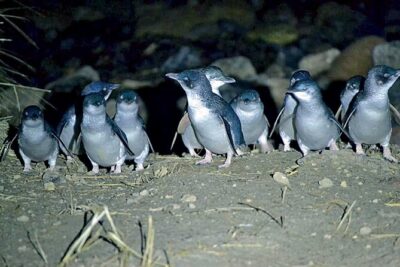
The activity is built around monitoring and careful observation. You are not simply driven to a viewing platform, shown a few birds, and sent home. Guides check nesting boxes, collect information, and watch for signs that the birds are doing well. At the same time, you get a chance to see the penguins close up in their boxes and farther away on the water.
The conservation story is a big reason I would choose this outing. More than 30 years of local work helped save the area’s little penguins from extinction. Your ticket helps continue that monitoring project, so the fee supports something practical rather than only covering transport and guiding.
More bird watching tours in Akaroa:
- Akaroa: Pohatu Penguins Scenic Nature 2-Hour or 4-Hour Tour
★ 4.9 · 125 reviews - Gannet Safaris Overland tour to Cape Kidnappers Gannet Colony
★ 5.0 · 942 reviews - Oamaru: Penguins Evening Viewing Ticket
★ 4.5 · 682 reviews
The 4WD ride over Akaroa’s crater rim
The tour begins before St Peter’s Church in Akaroa, with the exact departure time changing through the year. The operator adjusts the start to match sunset, so check the final email near your tour date rather than relying on a fixed time shown when you book.
The ride to Pohatu takes roughly 30 minutes according to the experience details in the tour information, though the full outing lasts about three hours. You travel in a 4WD minivan over the crater rim of the Akaroa volcano. The road itself is part of the experience, with views over Akaroa Harbour and out toward the Pacific Ocean.
There are photo stops along the route. Use them. The views give you a better sense of how remote Pohatu is and why a 4WD vehicle is useful. Guides also talk about Akaroa’s geology, local plants, wildlife, and history, so the drive is not dead time between the town and the penguins.
Past outings have included guides such as Ben, Tayla, Mona, Kevin, Gayla, and Joey. The guide quality is one of the strongest parts of this experience. You should expect a guide who talks about much more than penguins, including native and introduced species across the peninsula.
The ride can also include small surprises. You might see sheep near the farm, seals around the bay, or other local wildlife. Some participants have even been able to feed friendly sheep. These moments are not the main reason to book, but they give the trip a pleasant rural New Zealand feel.
Arriving at the Pohatu penguin colony
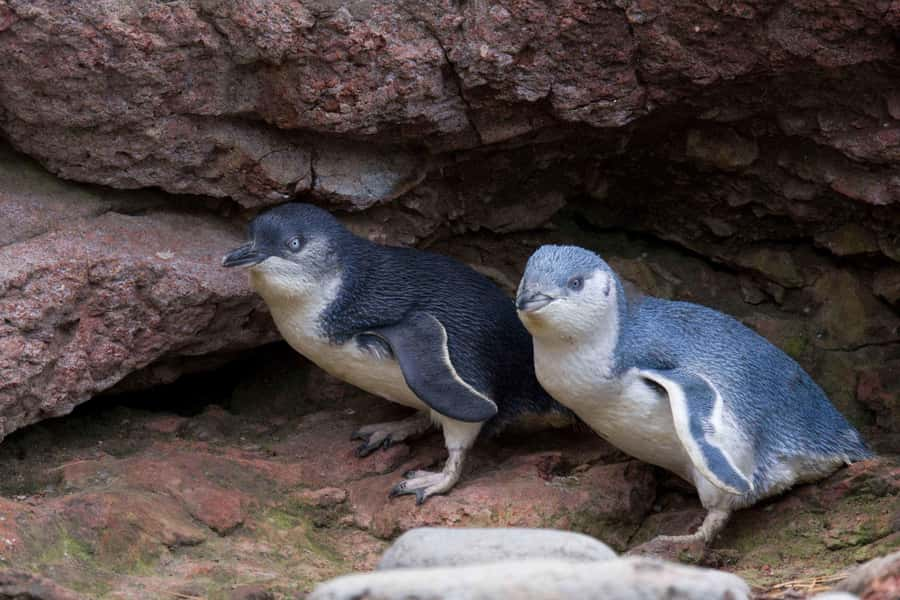
At Pohatu, your guide takes you around the nesting area and explains how the colony is monitored. The nest boxes are small wooden houses placed for the penguins. Depending on the season and the birds’ behavior, you may see penguins inside these boxes, sometimes including young birds or birds going through their annual moult.
This is the closest part of the experience. You are not promised a constant stream of animals, but you may get a clear look at a bird resting in its nest. In February, for example, penguins have been seen in their nesting boxes during moulting season. In November, you might see young penguins in the nests and adults returning from the sea.
The work is quiet and methodical. Your group checks nesting sites, gathers data, and makes sure the birds appear healthy. That may sound less dramatic than a standard wildlife show, but it gives you a more honest view of conservation. You are seeing the daily work that keeps a small colony going.
The paths can be narrow and steep in places. If you have limited mobility, this tour is not suitable, and wheelchair users cannot take part. Wear hiking shoes, not casual sandals, and bring a warm outer layer even if Akaroa feels mild when you leave town.
Watching penguins on the water at dusk
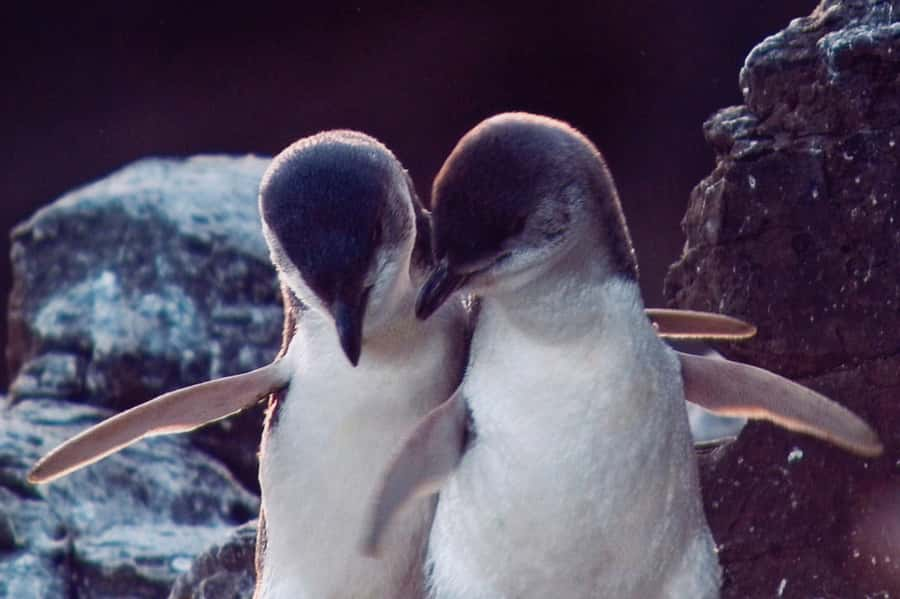
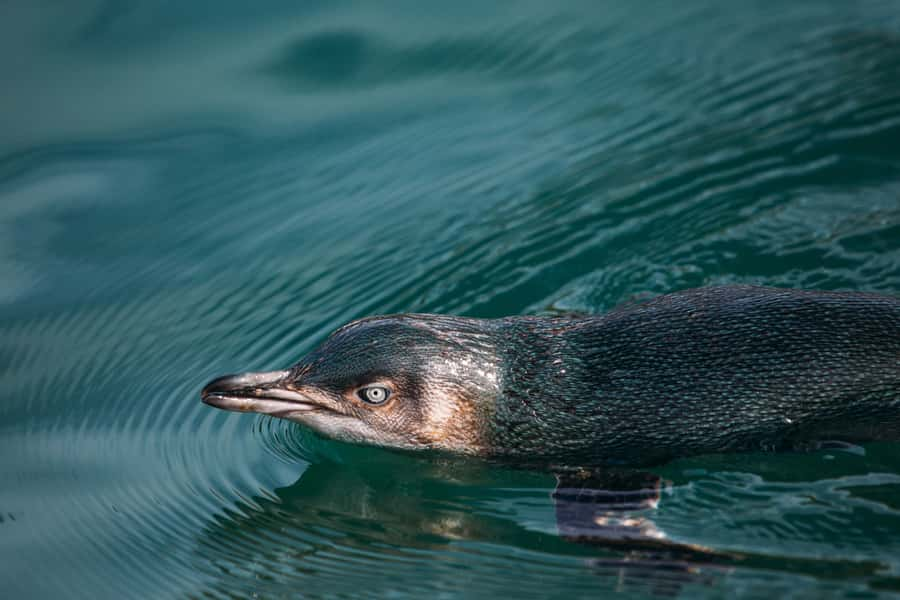
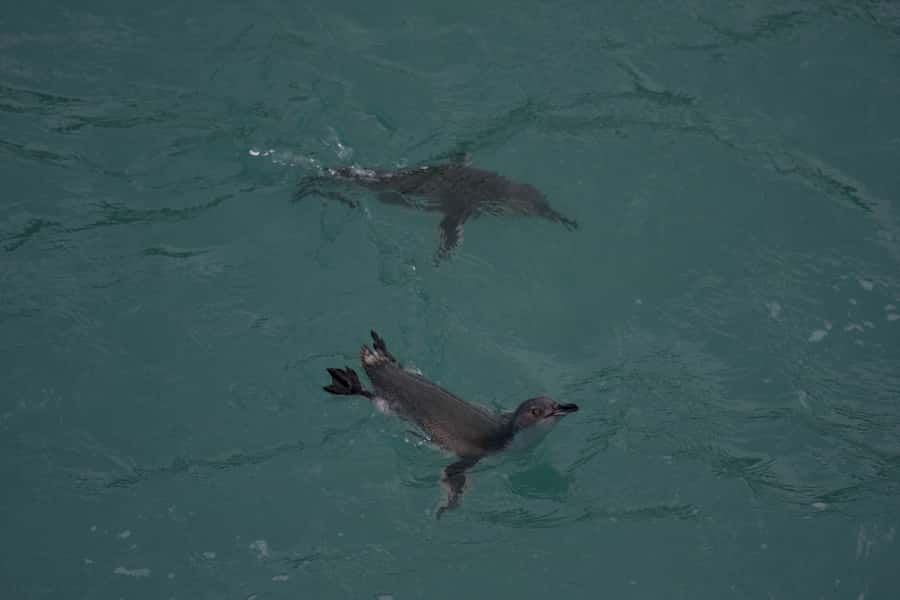
After checking the nesting sites, you may watch the bay with binoculars. The penguins often socialize offshore, where they can look like small dark shapes between the waves. The binoculars make a real difference, and they are included with the tour.
Camouflage gear is also provided. It helps you blend into the setting and reduces the chance of disturbing the birds. You are expected to stay quiet, avoid smoking, and never use flash photography. The rules are not fussy extras. White-flippered penguins are sensitive to noise and light, and the colony is open only to guided groups because of that concern.
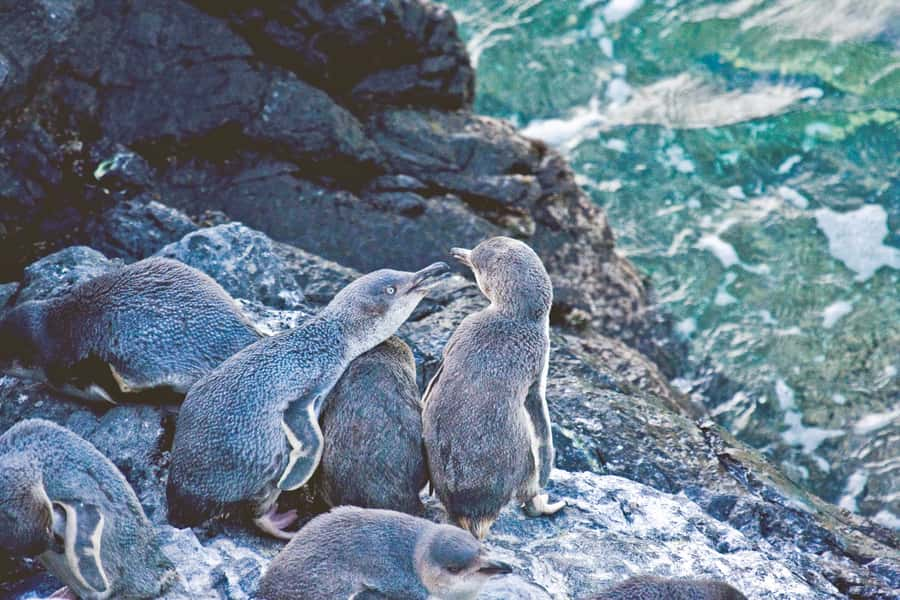
As daylight fades, some penguins may begin moving toward shore. This is the moment most people hope for, but it cannot be guaranteed. Weather, season, and natural penguin behavior all control what happens. You might watch several adults hop onto the rocks, or you might see them only offshore.
No artificial lights are used. Darkness ends the activity because shining lights into the colony would disturb the birds. This means you should not expect a perfectly lit wildlife encounter or close-up photographs after sunset. You get a better ethical experience, but less control over the final scene.
A few more Akaroa trips worth a look
- Twilight Glowworm Kayak Tour – Lake Karapiro
★ 5.0 · 493 reviews - Guided Evening Penguin Viewing Otago Peninsula, Dunedin, New Zealand
★ 5.0 · 471 reviews - Tauranga: Evening Glowworm Kayak Tour
★ 5.0 · 311 reviews - Tauranga: Evening Glowworm Kayak Tour
★ 4.8 · 206 reviews
When penguin numbers are highest
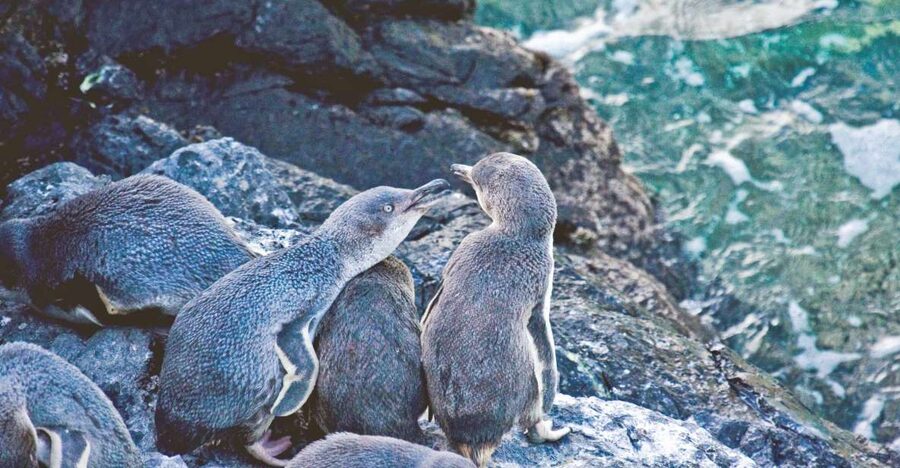
Season matters more here than at a zoo or indoor wildlife center. The colony breeds from mid-September to the end of December. That is generally the strongest period if you want to see nesting activity, young birds, and adults coming back from the sea.
Penguins moult from December into mid or late February. During this time, birds may remain in their nest boxes, and you may see them up close while they replace their feathers. February can still be rewarding, but the action may look different from a spring evening with adults making repeated trips ashore.
Early March through mid-April is usually the quietest period, with generally no penguins in the colony. In winter, birds come and go, and sightings can vary sharply from one outing to another. You may find only a few birds, and the operator is clear that a sighting cannot be promised.
If seeing penguins is the single purpose of your New Zealand trip, book during the breeding season when possible and keep your expectations sensible. If you mainly want a scenic conservation outing with a chance to see wildlife, the quieter months can still work, but you should be comfortable with a smaller payoff.
What the $68 price really covers
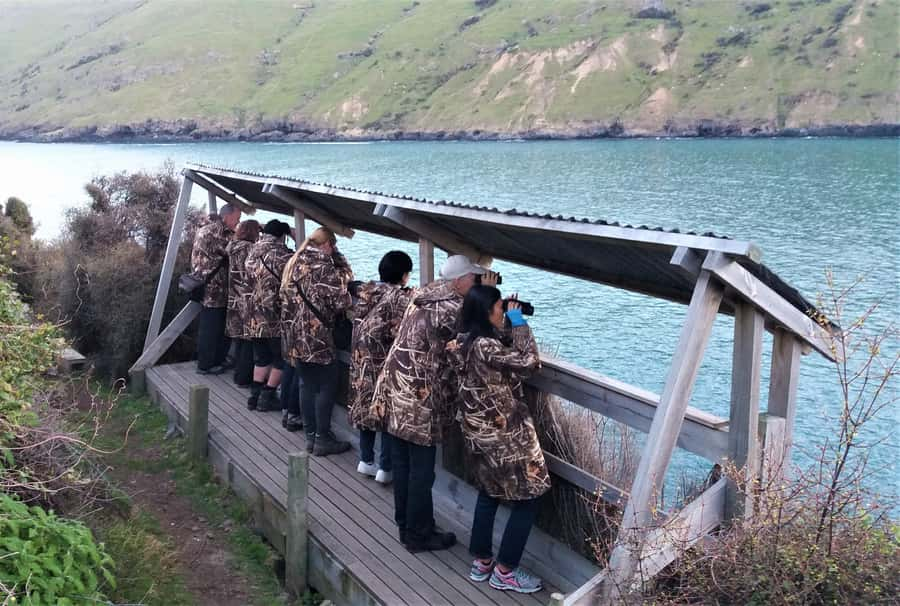
At $68 per person, this is a fair price for a three-hour guided trip, especially when you count the return 4WD transport, guide, photo stops, binoculars, camouflage gear, and access to a sensitive colony that cannot be visited independently.
The strongest value comes from the conservation work. You are helping fund a long-running local project, and the tour gives you a look at monitoring that you could not arrange on your own. The experience also covers a scenic drive and natural history of the peninsula, not just a short penguin viewing session.
Still, you should understand what you are buying. This is not three hours of continuous penguin watching. Time is spent driving, stopping for views, walking between nest sites, listening to explanations, and scanning the water. If the birds stay offshore, the animal viewing may feel brief.
One lower-rated experience points to this exact issue: a cold, rainy outing with only a few penguins in boxes and a few more visible through binoculars. That is a fair warning, not a flaw in the tour. The operator cannot control the weather or the birds. The price works best for you if you value responsible wildlife access and the conservation story as much as the number of penguins seen.
Guides, group size, and the feel of the outing
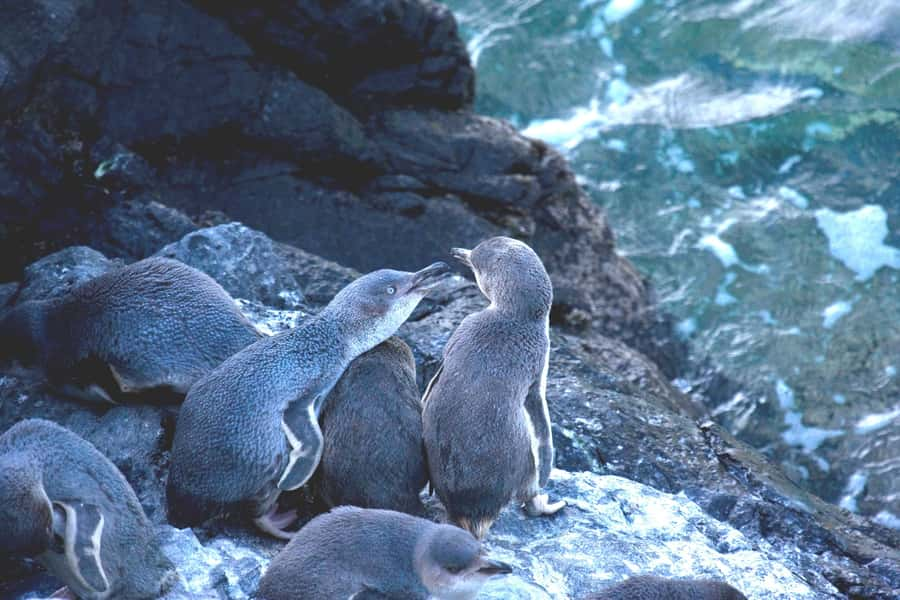
The guide shapes this experience. Ben has been praised for explaining both the penguins and the wider Akaroa area. Tayla has shared helpful local information, including a possible aurora sighting. Mona, Gayla, Kevin, and Joey have also led outings that included clear explanations and friendly attention to the group.
The group size is capped at 12, though more than one guide may be used when needed. The small-group setup helps keep people spread out around the colony. It also gives you more room to ask about penguin behavior, classification, local plants, or the conservation work.
The style is educational without being stiff. You may learn why the nest boxes are checked, how penguins behave during moulting, and what happens when birds need extra help. At certain times of year, you might see rehabilitation work such as supplemental feeding.
You should not expect a fast-moving activity. The best parts require patience, quiet, and time spent looking through binoculars. That pace suits you if you enjoy wildlife and natural history. It may frustrate you if you want a tightly packed schedule with guaranteed action.
Practical details that make a difference
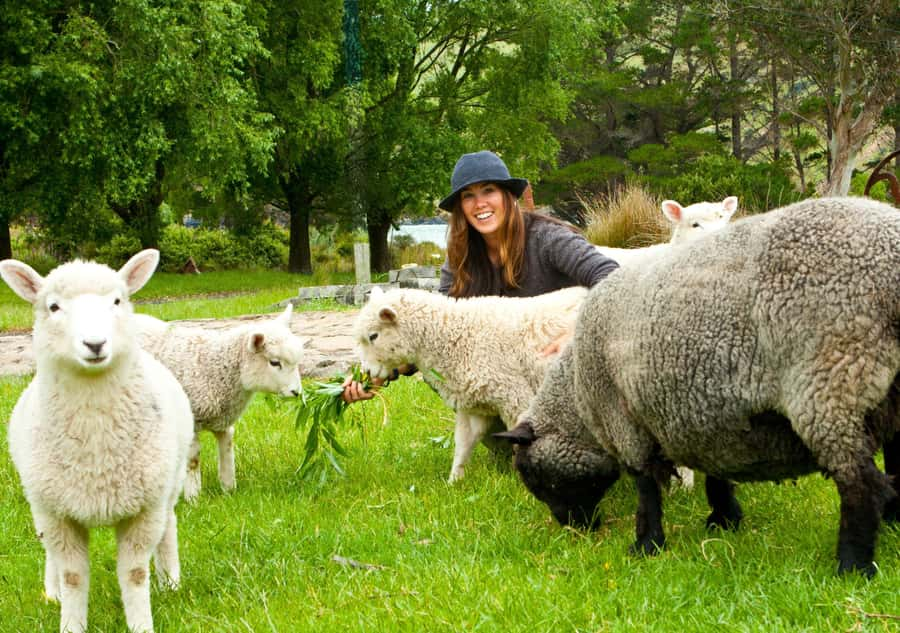
The operator sends an email with the final departure time, meeting details, and preparation notes. Since the time changes with sunset, check your messages close to the date of the tour. The meeting point is before St Peter’s Church in Akaroa.
Bring hiking shoes and clothing suited to the weather. The bay can feel cold once the sun drops, and rain can make the paths less comfortable. There is no artificial lighting, so the evening naturally becomes darker as the tour ends.
Photography is welcome, but flash is strictly forbidden. A camera with a strong zoom may help, though the supplied binoculars are the more useful tool for birds on the water. Keep your voice low and follow the guide’s instructions around the nest boxes.
Free cancellation is available up to 24 hours before departure for a full refund. You can also reserve now and pay later, which helps if your South Island schedule depends on changing weather or transport.
Who will enjoy this Akaroa experience most
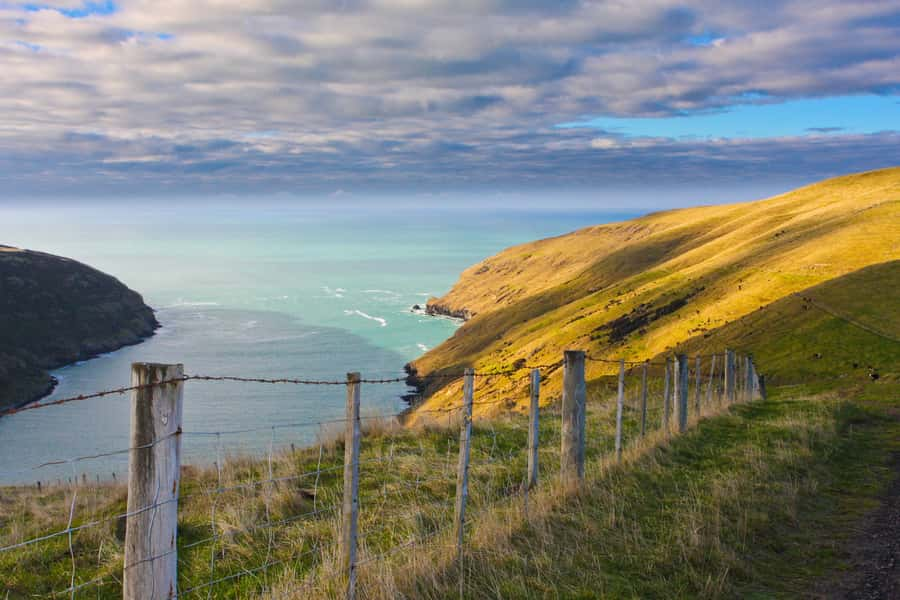
I would recommend this outing to you if you care about animal welfare, like small-group tours, and want to see wildlife in a real setting rather than a controlled display. It is especially good for anyone interested in conservation, local ecology, geology, or the rural side of the Akaroa Peninsula.
Families with older children may enjoy it, provided everyone can walk quietly on narrow, steep paths. The activity also suits photographers who value natural behavior, though the fading light and no-flash rule require patience.
I would think twice if you need guaranteed animal sightings, have mobility limitations, or dislike cold evening conditions. I would also avoid booking it at the quietest time of year if seeing penguins is your main goal.
FAQ
Where does the Pohatu penguin tour meet?
The meeting point is before St Peter’s Church in Akaroa. The operator sends more precise meeting information by email.
How long does the experience last?
The guided experience lasts three hours, including transport from Akaroa to Pohatu and back.
How many people can join the tour?
The tour is limited to 12 participants.
Are penguins guaranteed to come ashore?
No. The penguins are wild, and their behavior depends on weather, season, and natural conditions. You may see them in nest boxes or socializing on the water, but they may not come ashore before it becomes too dark.
When is the best time to see penguins?
The colony breeds from mid-September through the end of December. Penguins moult through December and into mid or late February. Early March to mid-April is generally the quietest period, while winter sightings can vary.
Is artificial lighting used?
No. The tour relies on natural viewing, and the activity ends when it becomes too dark because artificial light could disturb the penguins.
What should I bring?
Bring hiking shoes and clothing suited to the weather. Photography is allowed, but flash photography, smoking, and making noise are not allowed.
Should you book it?
Book this tour if you want a respectful, useful wildlife experience and understand that nature sets the schedule. The scenic 4WD ride, excellent local guides, nest monitoring, and conservation funding make the outing worthwhile even when only a few penguins appear.
Choose a breeding-season date if possible, especially from mid-September through December. If you need guaranteed close views or dislike walking in cold, changing conditions, this is not the right pick. For most people who value real wildlife encounters over a staged show, Pohatu offers a memorable evening and a good way to support the penguins you came to see.
More 3-Hour Experiences in Akaroa
- Queenstown: 3-Hour Zipline Adventure with 6-Lines
★ 4.8 · 485 reviews - Fox Glacier: Up to 3 Hours Hike with Helicopter Transfer
★ 4.9 · 309 reviews - Mount Cook: 3-Hour Tasman Glacier Helicopter Ride and Hike
★ 4.9 · 235 reviews - Mount Cook: 3 Hour Heli Hike to the Tasman Glacier
★ 4.7 · 218 reviews
Just added around Akaroa
- Akaroa with optional dolphin cruise (Small Group Tour)★ 5.0 · 3 reviews
- Akaroa & Banks Peninsula from Lyttelton(Private Shore Excursion)★ 5.0 · 6 reviews
- Private Akaroa Day Tour From Christchurch★ 5.0 · 5 reviews
- Lyttelton Shore Excursion: Twin Harbour Tour (Lyttelton & Akaroa)★ 3.5 · 4 reviews
- Akaroa & Giants House Garden tour ex Lyttelton (Shore Excursion)★ 5.0 · 3 reviews
- Luxury Private Guided Crater Rim Walk on Banks Peninsula★ 5.0 · 30 reviews
- Akaroa Day Tour From Christchurch★ 4.5 · 6 reviews
- Half Day Guided Walking Tour on Banks Peninsula★ 5.0 · 40 reviews
Bird Watching Tours, compared.
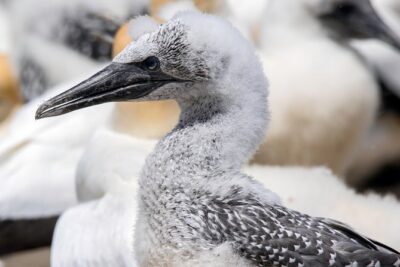
Gannet Safaris Overland tour to Cape Kidnappers Gannet Colony
Read our review →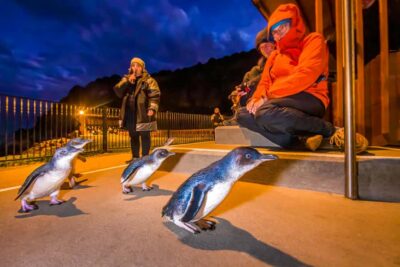
Guided Evening Penguin Viewing Otago Peninsula, Dunedin, New Zealand
Read our review →
Cape Kidnappers Gannet, Nature & Sightseeing Tour
Read our review →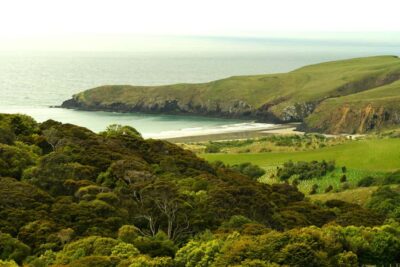
National Kiwi Hatchery – Kiwi Encounter Guided Tour
Read our review →
Albatross, seals, and sea birds-Wildlife Cruise
Read our review →Browse the lists this tour appears in