
Reviewed · BIRD WATCHING TOURS
National Kiwi Hatchery – Kiwi Encounter Guided Tour
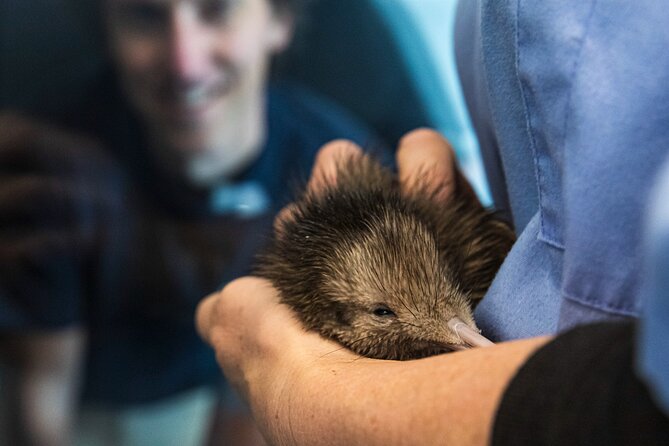
The most special part of the National Kiwi Hatchery is the chance to see New Zealand’s shy national bird at several stages of life. You may watch adults forage in a dark Nocturnal House, then see the careful work that turns a fragile egg into a chick ready for the wild. During the September to March hatching season, you might even see a newly hatched kiwi.
I like the direct conservation connection: your $47.74 admission helps fund the hatchery rather than simply paying for an animal display. I also like the compact, indoor format, which makes this a smart Rotorua activity on a wet day and an easy stop for families with children aged five and up.
The main caution is timing. Outside September to March, you may not see eggs or chicks, and the adult kiwis are nocturnal, shy, and not guaranteed to appear. Photography is not allowed, so you’ll need to enjoy the sight rather than record it.
Key things to know before you go
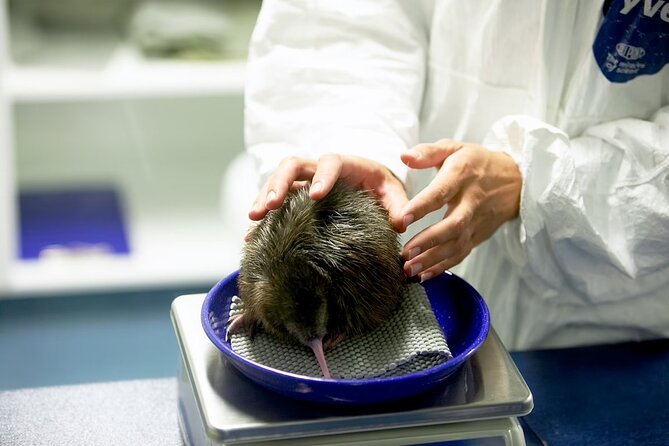
- September to March offers the best chance of seeing chicks: This is the hatchery’s main hatching season, with opportunities to see health checks, weighing, or feeding.
- The Nocturnal House is dark for a reason: Adult kiwis are active at night, so silence and low light help you see natural foraging behavior.
- Guides make the hour count: Guides including Teresa, Carol, Nico, and Kai have been praised for clear explanations, humor, and warm answers to questions.
- Your ticket supports kiwi protection: Admission money goes back into the hatching program and its work to increase kiwi numbers.
- No photographs are allowed: All birds and exhibits are viewed through glass, so expect an observation-first experience.
- The tour begins at the Agrodome: Check in there 15 minutes before departure, then use the included shuttle to the hatchery facility.
Why this short Rotorua tour matters
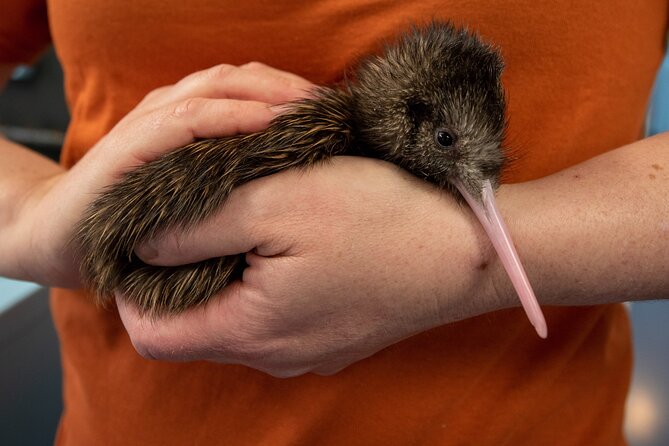
A kiwi is not an easy animal to see in the wild. It is nocturnal, shy, and threatened, and much of its natural behavior happens out of sight. The National Kiwi Hatchery gives you a controlled way to learn about the bird without turning the visit into a noisy wildlife spectacle.
The hatchery is described as one of the largest and most successful kiwi hatcheries in the world. Its work covers egg incubation, hatching, chick rearing, health checks, and preparation for release. That gives the visit more weight than a standard exhibit. You are not just looking at a New Zealand symbol. You are seeing part of the work needed to keep that symbol alive.
The tour lasts about one hour, which is long enough for a clear introduction without taking over your day in Rotorua. I see it fitting well between other activities, especially if you are also visiting the Agrodome site. It is short enough for children to manage, though the minimum age is five.
More bird watching tours in Rotorua:
- Rotorua: The National Kiwi Hatchery Kiwi Encounter Tour
★ 4.7 · 671 reviews - Gannet Safaris Overland tour to Cape Kidnappers Gannet Colony
★ 5.0 · 942 reviews - Oamaru: Penguins Evening Viewing Ticket
★ 4.5 · 682 reviews
Starting at the Agrodome in Rotorua
The National Kiwi Hatchery is located at the Agrodome in Rotorua. You check in at the Agrodome zone 15 minutes before the tour starts, then take the included return shuttle to the hatchery facility.
That shuttle matters because the ticket includes transport from the check-in area to the purpose-built facility and back. Hotel pickup and drop-off are not included, so you need to arrange your own way to the Agrodome. The attraction is near public transportation, which helps if you are not driving.
The facility itself is purpose-built, rather than a small room added as an afterthought. The setting is also connected with a farm environment, giving the visit a quieter feel before you enter the dark indoor enclosures. You should still allow extra time for finding the check-in point and arriving early. A late arrival could mean missing the start of the guided hour.
Inside the hatchery: eggs, hatching, and care
The guided experience explains how kiwi eggs are incubated and how chicks are raised during their most vulnerable period. You may see eggs under incubation, the hatching process, or newly hatched chicks, depending on the season and the stage of the birds in care.
From September through March, you have the strongest chance of seeing active hatchery work. The exact sight may vary. You could see a chick receiving a health check, being weighed, or being fed. You might also see an egg being inspected or a very young bird resting in its enclosure.
That uncertainty is worth understanding before you book. This is a working conservation facility, not a show scheduled around visitor convenience. A chick may be present one day and moved or absent the next. The opportunity to see a hatching is special precisely because it cannot be promised.
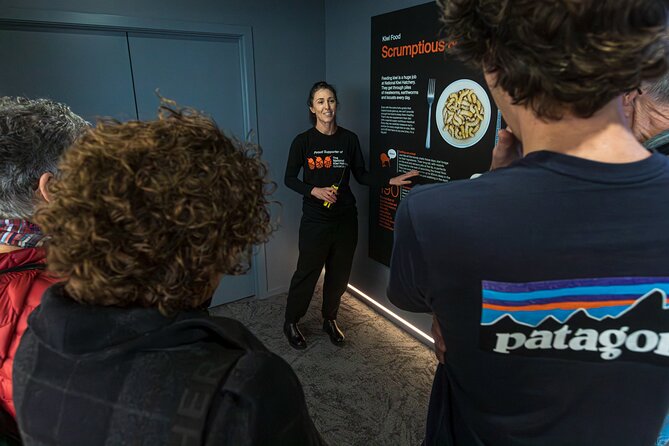
The guide fills in the details that a glass enclosure cannot provide. You learn why kiwi eggs need careful handling, how the young birds are monitored, and why raising chicks away from some predators can improve their chances. The presentation may include video, a quiz, physical examples, and explanations of the kiwi life cycle.
This mix works well for families. Children get something to look at, but they also receive a simple lesson in biology and conservation. Adults are likely to appreciate the practical side of the work: incubation systems, feeding, health checks, and the steps involved in preparing birds for life outside the hatchery.
The Nocturnal House and its resident kiwi
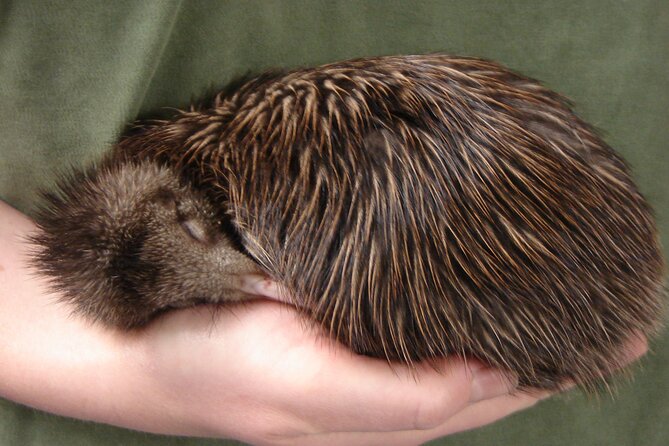
The adult kiwi portion is the emotional center of the visit for many people. You enter a dark, purpose-built Nocturnal House where the birds can behave more naturally. Kiwis roam and forage on their own schedule, using their long bills to search for food.
The room is intentionally quiet and dim. That may take a moment to adjust to, especially after arriving from daylight. Resist the urge to rush. Once your eyes settle, you may spot a kiwi moving through the enclosure, sometimes surprisingly close to the glass.
The birds are kept behind glass, and photography is not allowed. That rule may disappoint anyone hoping for a close-up image, but it protects the calm atmosphere the birds need. You are there to watch, not to create a flash-filled display around a shy nocturnal animal.
Sightings vary. You might see one adult, two, or several of the resident kiwis. Some people have been fortunate enough to see all three resident birds during one tour. Others may see less activity. Your guide can help you understand what you are seeing, but no one can make a kiwi appear on command.
This is one reason the tour works better when you treat it as a wildlife encounter rather than a guaranteed photo stop. A few quiet minutes watching a kiwi forage can feel more genuine than a staged animal presentation.
A few more Rotorua trips worth a look
- Rotorua Canopy Tours: 2.5Hour Native Forest Zipline Adventure
★ 5.0 · 4,563 reviews - Mitai Maori Village: Cultural Experience and Dinner Buffet
★ 4.7 · 3,575 reviews - Rotorua: Wai-O-Tapu Geothermal Park Entry Ticket
★ 4.6 · 2,601 reviews - Rotorua’s Ultimate Zipline: 6 ziplines, 400 m Tandem, Cliff Walk
★ 5.0 · 2,557 reviews
The interactive kiwi burrow
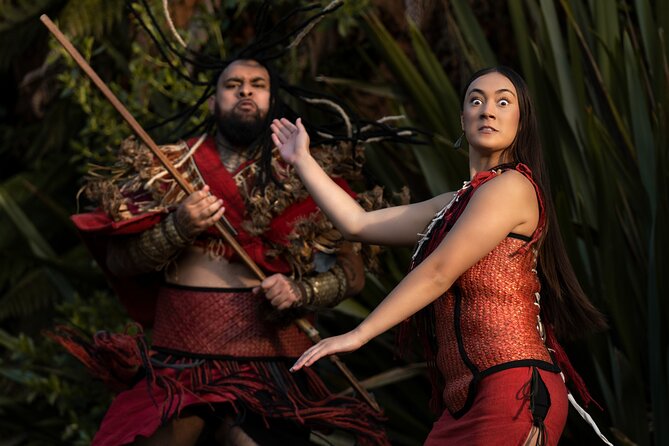
After the guided portion, you can explore the interactive and immersive kiwi burrow experience. It helps connect the technical work of the hatchery with the bird’s natural world.
The burrow is useful because the hatchery process can otherwise feel clinical. You see incubators, checks, and feeding routines, while the burrow shows how a kiwi’s life fits into a wider cycle. The experience is designed to help you follow the bird from egg to adult.
For children, this part adds movement and interaction after the quieter observation areas. For adults, it reinforces the central point of the visit: kiwi conservation involves more than hatching chicks. It also involves understanding how the birds live, forage, and eventually return to the wild.
The exact sequence can vary with the guided experience, but the hatchery, Nocturnal House, and burrow work together as one story. You begin with the egg, meet the young bird, see the adult, and learn why every stage needs care.
What the guides add
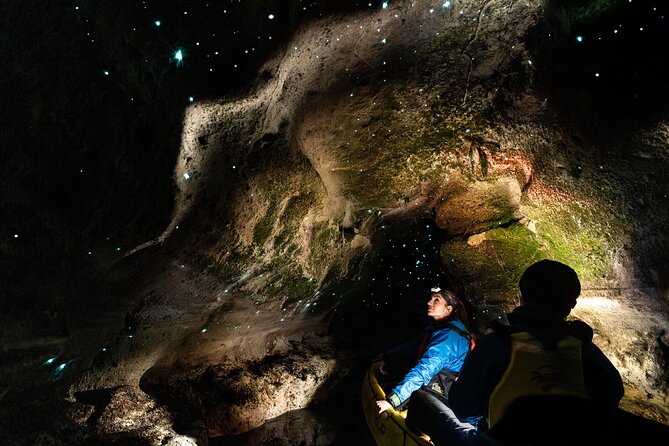
The guide is important here. Without clear explanations, a dark enclosure and a few glimpses through glass could leave you wanting more. The strongest guiding combines facts with a sense of care for the birds.
Teresa has been singled out for her humor, professionalism, and clear explanations. Carol has been praised for making her enthusiasm for brown kiwi infectious. Nico has been described as patient with questions and especially good at explaining the resident birds. Kai has also received praise for an informative tour and for explaining the hatchery work around young chicks.
You may not have one of these guides on your scheduled visit, but these examples show the tone to expect: friendly, focused, and passionate about kiwi protection. The format can include a presentation, video, quiz, and physical examples, so it is not simply a walk past enclosures.
I recommend listening closely even if you already know a little about kiwi. The most useful information concerns why the birds are endangered and how hatchery work fits into the wider effort to increase their numbers. The guide can also answer the small questions that make the bird memorable, such as how it forages and why darkness and silence matter.
How much value do you get for $47.74?
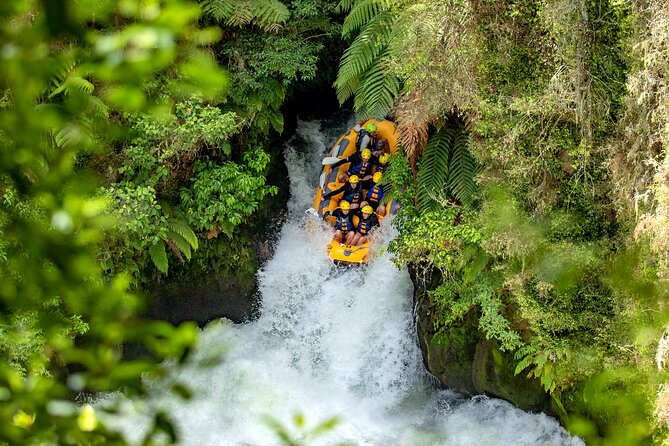
At $47.74 per person, this is not the cheapest one-hour activity in Rotorua. The value depends on what you want from the visit.
If your goal is a quick photo with a kiwi, the price may feel high, especially because photography is prohibited and sightings are not guaranteed. You are paying for a conservation program, a guided explanation, access to working hatchery areas, a Nocturnal House, the burrow experience, and return shuttle transport from the Agrodome check-in point.
I think the price makes more sense if you value the program itself. Your admission goes back into the kiwi hatching effort, so the purchase directly supports the work you are learning about. Seeing a chick being weighed or fed during hatching season can also make the cost feel worthwhile.
The tour is especially good value for animal lovers who want context rather than a quick encounter. It is also a sensible rainy-day choice because most of the experience is indoors, with only a short walk between buildings. The air-conditioned shuttle adds comfort, particularly for families.
The price is less compelling if you are outside the September to March season and mainly want to see eggs or chicks. In that case, book for the adult kiwi, the conservation education, and the facility itself, not for a particular stage of the life cycle.
The best time to visit
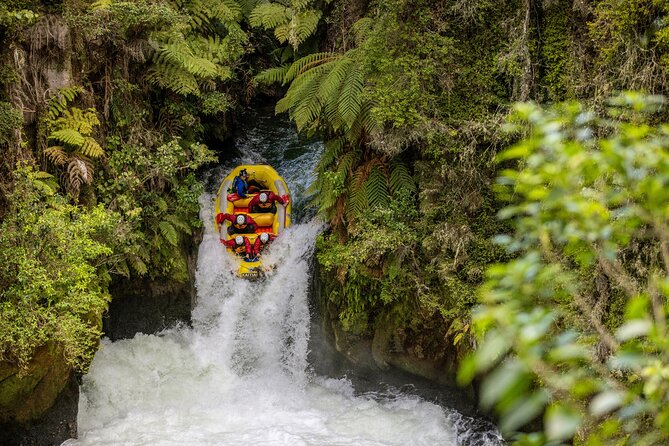
September to March is the key window for hatching activity. During these months, you have the best chance of seeing eggs, chicks, and hands-on care such as feeding, weighing, or health checks.
Outside that period, the hatchery still offers live kiwi in the Nocturnal House, along with the guided conservation presentation and burrow experience. But you may not see an egg or a chick. If a baby kiwi is a priority, plan your Rotorua schedule around the hatching season rather than assuming every tour will include one.
Even in season, a hatching is a bonus, not a promise. The birds develop on their own timetable. A visit can still be worthwhile without a newborn, since adult kiwi sightings and the explanations of conservation work form a large part of the experience.
Who will enjoy it most?
I would choose this tour for families with children aged five or older, wildlife enthusiasts, first-time visitors to New Zealand, and anyone who wants to understand the kiwi beyond its status as a national icon.
It suits children who can listen during a guided presentation and stay calm in a dark viewing area. The interactive burrow helps keep the visit varied, while the chance to see a chick can make the conservation message memorable.
It also suits adults who prefer a focused one-hour activity. You do not need to set aside a full day, and the indoor format gives you a useful option when Rotorua weather turns wet.
I would think twice if you need guaranteed animal activity, unlimited photography, or a large open-air experience. Kiwis are shy, the viewing areas are dark, and the birds may remain out of sight for part of the visit.
Practical details that affect your visit
The mobile ticket is convenient, and confirmation is provided at booking. Arrive 15 minutes before the scheduled departure time at the Agrodome check-in area.
Children must be at least five years old. Children under five cannot take part, so this is not an activity for families with toddlers or preschoolers.
Food and drinks are not included. Hotel pickup and drop-off are also excluded, so plan your transport to the Agrodome. The included shuttle covers the trip from the check-in zone to the facility and back.
Most people can participate, and the attraction is near public transportation. Since much of the tour takes place indoors, it is a practical choice in poor weather. You should expect a short walk between buildings, but the experience itself is largely inside.
Free cancellation is available if you cancel at least 24 hours before the start time. Changes or cancellations made less than 24 hours ahead do not qualify for a refund.
Should you book the National Kiwi Hatchery?
Book it if you want a close, respectful look at kiwi conservation and understand that wildlife sightings have limits. The strongest reasons are the chance to see hatchery work up close, the possibility of seeing a chick from September to March, and the fact that your admission supports the program.
I especially recommend it for a first visit to New Zealand. You may not get a photograph, but you can leave with a much clearer idea of why kiwi need protection and how people are helping them survive.
If you are visiting outside the hatching season, go for the adult birds and the guided education. If your schedule includes only one wildlife activity and you want a guaranteed, highly active display, this may feel too quiet. For everyone else, this focused hour offers a meaningful way to meet New Zealand’s national bird.
FAQ
Where is the National Kiwi Hatchery located?
The National Kiwi Hatchery is located onsite at the Agrodome in Rotorua, New Zealand.
How long does the guided experience take?
The guided experience lasts approximately one hour.
What does the $47.74 ticket include?
The ticket includes the one-hour guided experience, hatchery access, the Nocturnal House, the interactive kiwi burrow, and return shuttle transport from the Agrodome check-in zone.
Can I see a kiwi chick?
You have the best chance of seeing eggs and kiwi chicks from September to March. Outside those months, you may not see a chick or egg, but you can still see live adult kiwi in the Nocturnal House.
Can I see a kiwi being fed or weighed?
From September to March, you may see kiwi chicks receiving a health check, being weighed, or being fed. These activities depend on what is happening at the hatchery during your visit.
Are photographs allowed?
No. Photography is not allowed, and the kiwi and exhibits are viewed behind glass.
What is the minimum age for children?
Children must be at least five years old to take part. Children under five cannot participate.
Is transportation included?
Return shuttle transportation from the check-in zone at the Agrodome to the hatchery facility is included. Hotel pickup and drop-off are not included.
How early should I arrive?
You should check in 15 minutes before the tour departure time at the Agrodome.
Can I cancel for a refund?
You can cancel at least 24 hours before the experience start time for a full refund. Cancellations and changes made less than 24 hours before the start time are not accepted for a refund.
Just added around Rotorua
- TRIPLE DEAL Wai-O-Tapu, Redwood Forest & Blue Springs Ex Auckland★ 5.0 · 20 reviews
- Volcanic Rotorua Day Trip from Auckland★ 5.0 · 4 reviews
- Private Tour to Rotorua’s Natural wonders and Māori Arts & craft.★ 5.0 · 4 reviews
- Private Transfer From Auckland Airport To Rotorua★ 5.0 · 5 reviews
- Rotorua Highlights Tour inc. Te Puia Tour, Lunch & Cultural Show★ 4.5 · 53 reviews
- Private Tour – Rotorua Adventures Day Trip From Auckland★ 5.0 · 19 reviews
- Private Tour WaiOtapu & Huka Falls & Blue springs from Auckland★ 5.0 · 3 reviews
- Rotorua Full Day Private Tour from Auckland★ 5.0 · 3 reviews
Bird Watching Tours, compared.
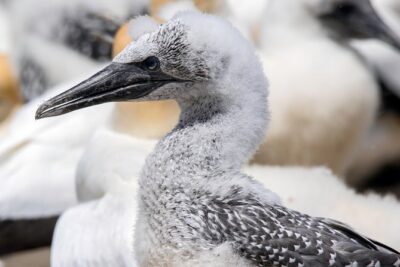
Gannet Safaris Overland tour to Cape Kidnappers Gannet Colony
Read our review →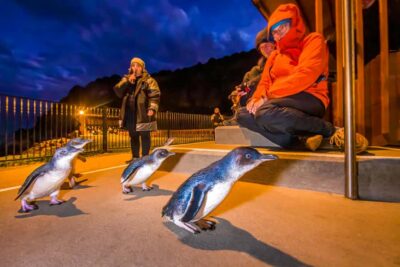
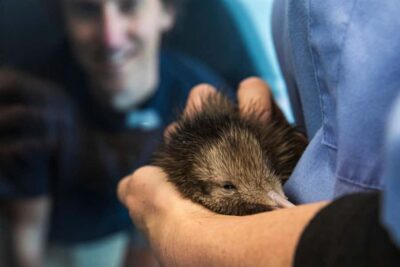
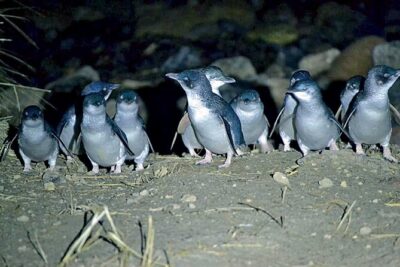
Guided Evening Penguin Viewing Otago Peninsula, Dunedin, New Zealand
Read our review →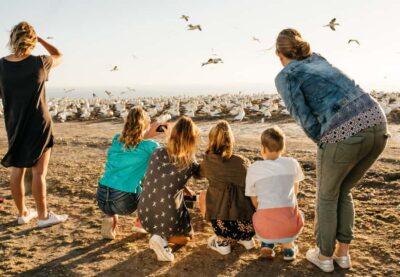
Cape Kidnappers Gannet, Nature & Sightseeing Tour
Read our review →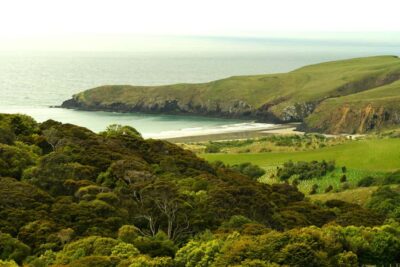
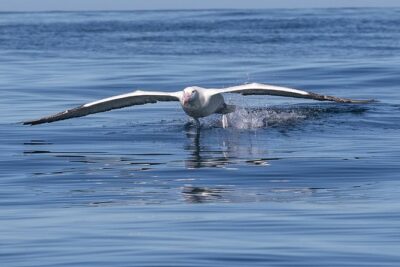
Albatross, seals, and sea birds-Wildlife Cruise
Read our review →
Browse the lists this tour appears in