
Reviewed · MAORI CULTURE TOURS
Mitai Maori Village: Cultural Experience and Dinner Buffet
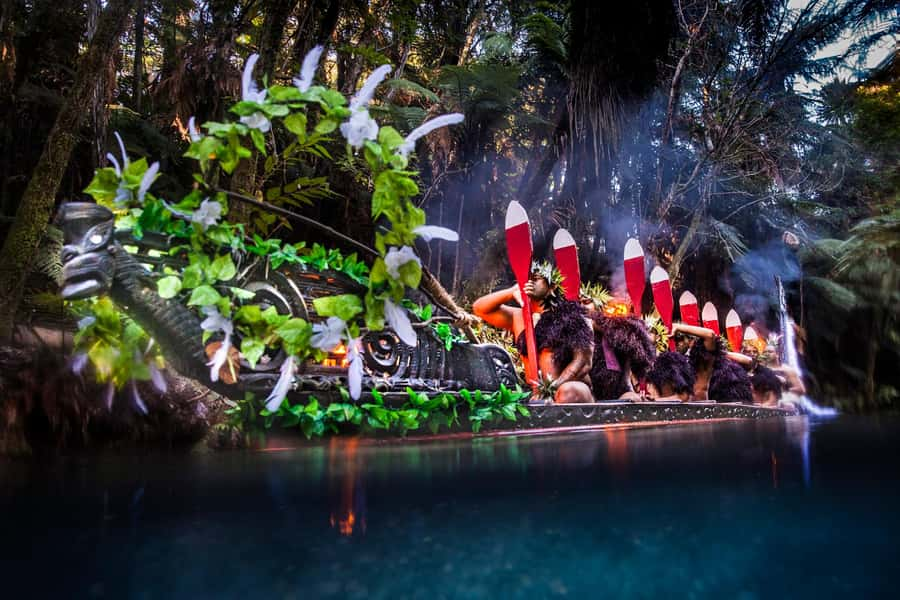
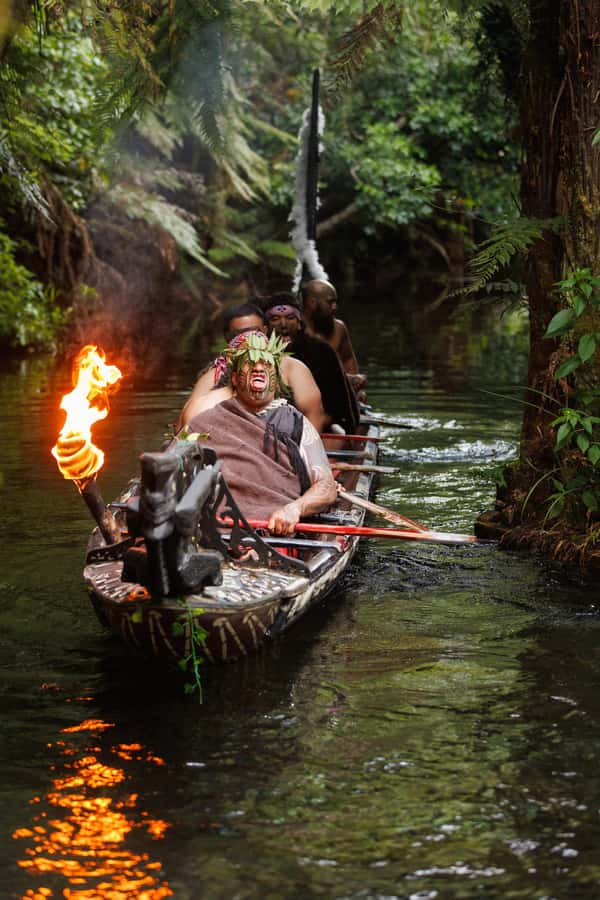
The most memorable part of Mitai Māori Village is the arrival of warriors in a carved waka, or canoe, gliding down the Wai-o-whiro stream while chanting. It gives the evening a sense of occasion before the indoor performance and dinner begin. You also get a short forest walk to a sacred spring and glow worms, though the glow worms are not guaranteed.
I like the way the experience joins Māori storytelling with a generous hāngī meal, rather than treating dinner and culture as separate attractions. I also like the friendly group participation, including the choice of a chief to represent your party. The main caution is that the program can feel tightly timed, and people seated toward the back may have trouble seeing or hearing every part of the presentation.
Key points to know before booking
- The waka arrival is the evening’s most striking scene, with traditionally dressed warriors paddling and chanting along the stream.
- The hāngī buffet is plentiful, with meats, poultry, vegetables, salads, and desserts. Drinks cost extra.
- The cultural presentation explains customs, music, weapons, tattooing, and the haka, not just dance steps.
- The forest walk adds atmosphere, with a sacred spring and possible glow worms, but stairs and uneven ground limit access.
- Pickup is available from registered Rotorua accommodations, but it must be confirmed when you book.
- The $101 price covers a three-hour cultural program and dinner, making it a reasonable evening option if you want both a show and a meal.
Why the waka arrival makes the evening special
Mitai Māori Village begins in a natural bush setting rather than a plain theater. That matters. The trees, stream, dim evening light, and sound of chanting create a setting that helps the cultural material feel connected to place.
The waka arrival is the first major scene. Warriors in traditional dress paddle the ancient-style canoe down the Wai-o-whiro stream, using chants and movement to announce their arrival. You watch from a platform, so the view is planned rather than improvised. The canoe passes through the water below, giving you a clear look at the paddling and performance.
This is a short moment, but it carries a lot of weight. The waka was an important means of travel and a symbol of group identity for Māori communities. Here, it also gives you an easy way into the evening. You do not need prior knowledge of Māori culture to understand the basic feeling of welcome, ceremony, and strength.
The setting is dark by the time some sessions reach the stream and forest. Bring a jacket, even in warmer months, and wear shoes that are comfortable on uneven paths. The ground can be damp, and the walk includes stairs.
More Maori Culture Tours in Rotorua
- Cultural Experience & Seasonal Māori Cuisine at Te Pā Tū
★ 5.0 · 1,546 reviews - Mitai Maori Village Cultural Experience in Rotorua
★ 4.5 · 1,294 reviews - Rotorua: Te Pa Tu Māori Cultural Experience with Dinner
★ 4.8 · 1,193 reviews
A welcoming introduction to Māori customs
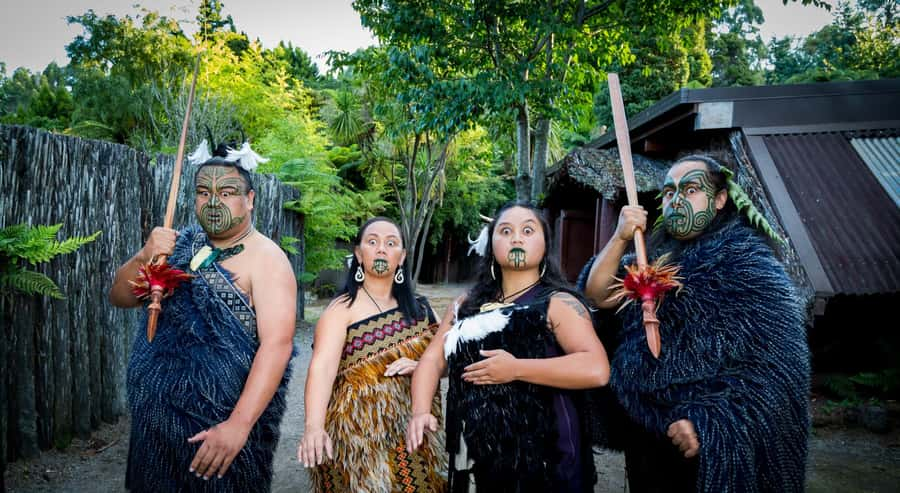
After pickup, if you have arranged it, you enter the village area and receive a formal welcome. A group chief is selected to represent the people visiting the village. This small piece of participation is useful because it gives your party a role in the ceremony without asking everyone to perform.
The guides explain the rules for entering a sacred site and outline the meaning behind the welcome. The tone is warm and direct, with room for humor and questions. One of the evening’s strengths is the care taken to explain what you are seeing. The program is not just a sequence of dances with no context.
You learn about Māori customs, beliefs, music, weapons, and tattooing. The discussion of ta moko, the traditional Māori tattoo practice, adds another layer to the program. It helps you see body marking as cultural identity and history, rather than simply as decorative art.
The cultural material is presented for a mixed international audience, so the explanations are accessible. If you already have a strong background in Māori history, some parts may feel introductory. For a first visit to Rotorua or New Zealand, the approach works well.
The forest walk, sacred spring, and glow worms
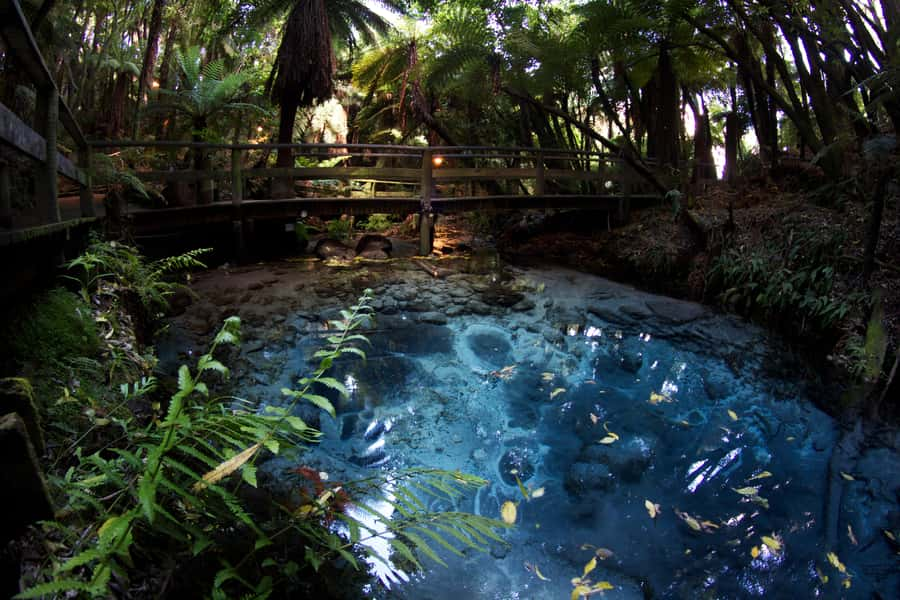
The walk through the bush is one of the quieter parts of the evening. After the noise and energy of the waka scene, you follow the stream and move into the forest. The clear water and native bush give you a close look at the setting that makes Rotorua’s cultural attractions feel different from a performance in a city hall.
You see a sacred spring below the forest and learn about the old pā, or village site. The walk is not a long hike, but it is not entirely smooth or flat. Flat walking shoes are the sensible choice. Comfortable clothing is also important because much of the activity takes place outdoors.
Glow worms may appear in their natural habitat along the walk. This is a lovely extra, but you should not book the experience solely for that sight. Conditions and visibility can vary, and some visitors are told in advance that glow worms may not be visible. One accessibility note is especially important: the forest exit uses stairs, and wheelchair access to the bush walk is limited.
If you use a wheelchair, you can still view the waka from the platform and go a short distance into the forest to see the old pā and sacred spring. You will not be able to complete the full walk or see the glow worms from the accessible route.
Songs, dances, and the haka
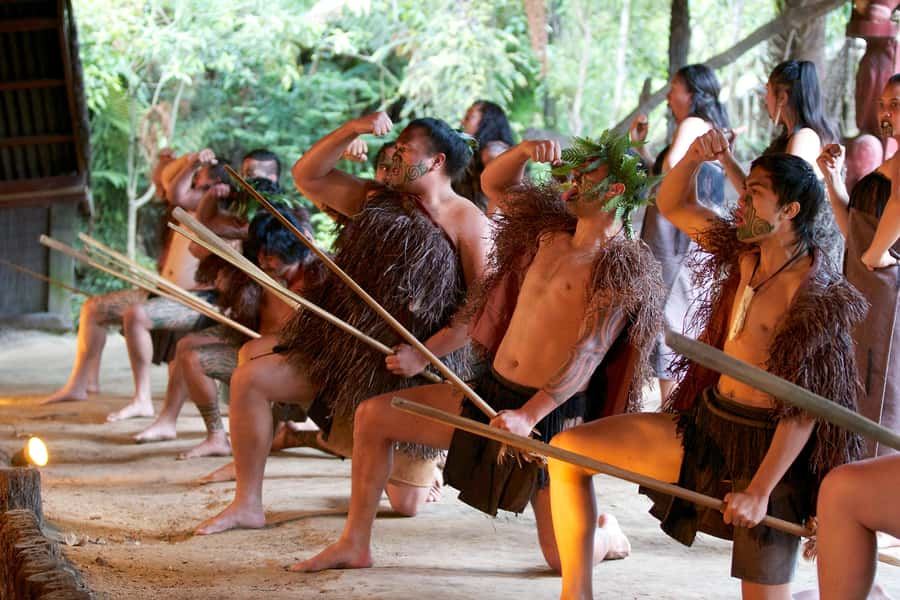
The indoor cultural performance forms the heart of the evening. It includes songs and dances by Māori men and women, with the haka as the best-known part. The haka is often reduced to a few dramatic facial expressions in popular culture. Here, the performance places it within a wider program of music, storytelling, graceful hand movements, and group action.
The tone changes throughout the show. Some sections are solemn. Others are playful and full of energy. The contrast keeps the program from becoming a single loud display. You get a sense of how performance can carry history, welcome, humor, challenge, and family memory at the same time.
The performers are clearly central to the experience. Their singing, timing, and physical control give the presentation its force. The evening’s host also has an important job, explaining what the audience is seeing and connecting each part of the program to Māori culture.
Your seat can affect how much you see. The stage is not especially high, so people in the middle or back may find that heads block parts of the performance. Arrive with enough time to settle in, and if you have a choice, a clear sightline is worth considering. At the meal, background noise from a drinks refrigerator has also made it harder for some people to hear the explanation, so do not be shy about moving closer when possible.
Same corner of the country, a very different day out:
- Rotorua Canopy Tours: 2.5Hour Native Forest Zipline Adventure
★ 5.0 · 4,563 reviews - Rotorua: Wai-O-Tapu Geothermal Park Entry Ticket
★ 4.6 · 2,601 reviews - Rotorua’s Ultimate Zipline: 6 ziplines, 400 m Tandem, Cliff Walk
★ 5.0 · 2,557 reviews - Rotorua Rafting: Kaituna River White Water Rafting & Free Sauna
★ 5.0 · 1,952 reviews
What comes from the earth-cooked hāngī
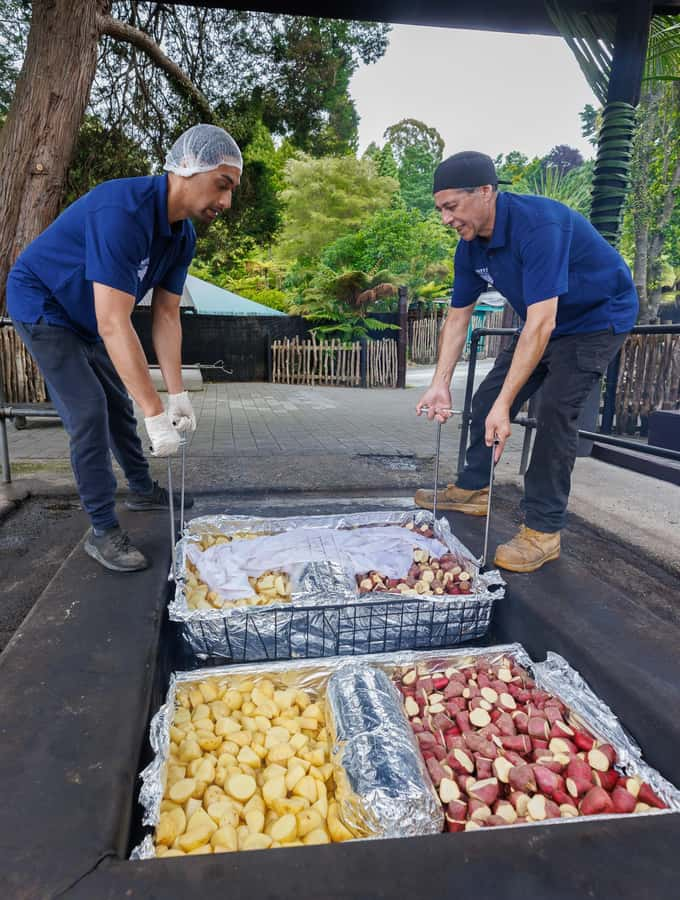
The hāngī is prepared in an earth oven, then lifted for you to see. This is more than a serving trick. Cooking food in heated earth is a traditional method, and watching the oven opened gives you a direct link between the meal and the cultural setting.
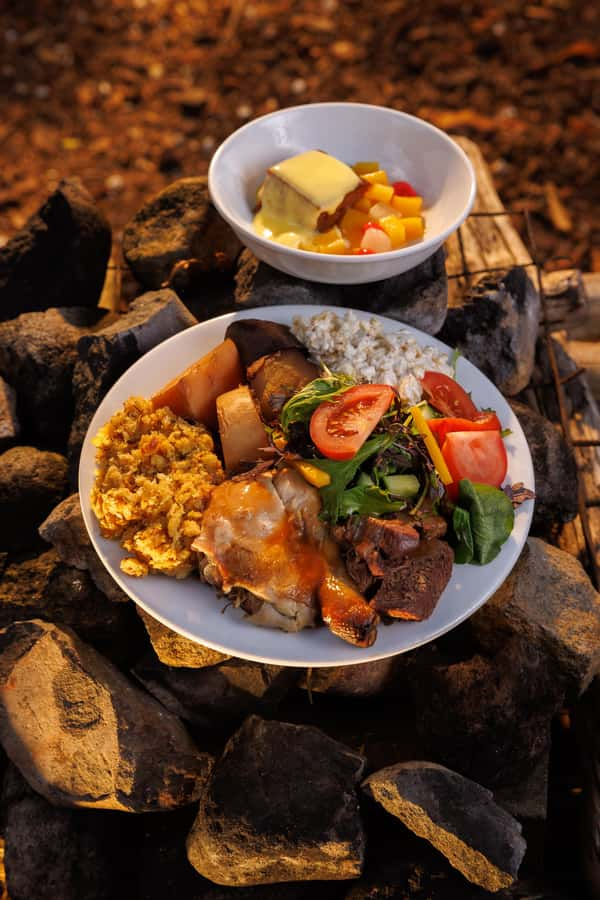
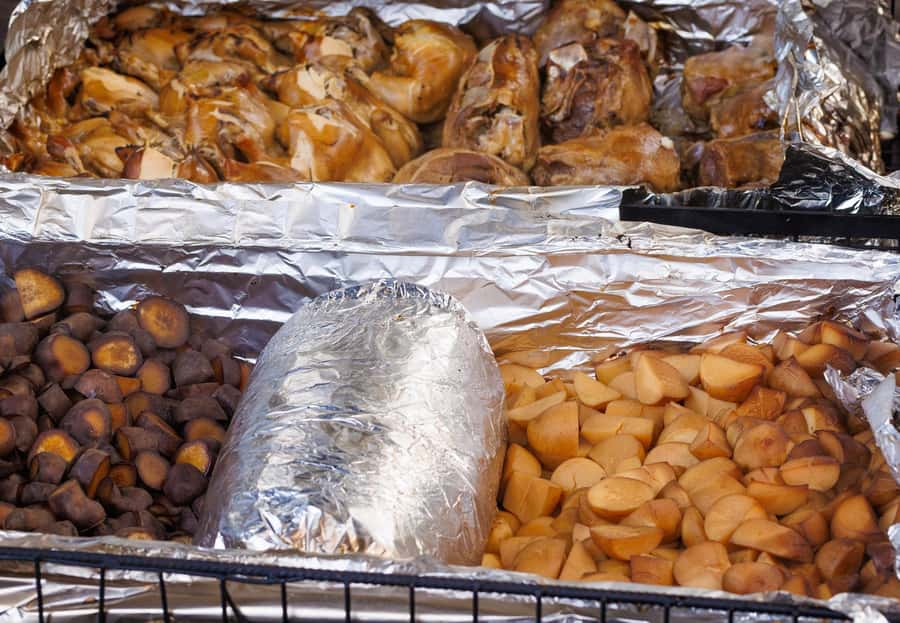
The buffet includes succulent meats and poultry, vegetables, fresh salads, and desserts. The meal is generous enough for hungry eaters, and the range gives you choices beyond the main hāngī dishes. Dessert is included, while drinks are available to buy separately.
Food quality can vary slightly from dish to dish. The buffet is generally a strong part of the evening, but some diners have found certain meats dry. If you have special dietary needs, ask the staff about the dishes before serving yourself. One useful improvement would be clearer labeling for allergens and vegetarian choices.
A practical tip: serve yourself promptly when the buffet opens. The host may begin speaking again while people are eating, and you may not get another easy chance to return for more food. This is not a reason to rush the meal, but it is worth organizing your plate before settling in.
How the three-hour schedule feels
The experience lasts about three hours, usually as an evening outing. Pickup from registered Rotorua accommodations is optional and subject to availability. Winter pickup runs between 5:15 and 5:45 p.m., while summer pickup runs between 5:45 and 6:15 p.m. The exact start time depends on the date, so check availability before planning dinner afterward.
Drivers wait no longer than five minutes after the scheduled pickup time. If your accommodation is not a registered pickup point, contact Mitai Māori Village for another arrangement. You can also meet at 196 Fairy Springs Road, Fairy Springs, Rotorua 3015.
The schedule moves between outdoor walking, viewing the waka, a performance, and the buffet. That pace suits you if you want an evening with several different elements. It may feel busy if you prefer long, quiet time in the bush or a slow meal.
The question-and-answer sections can also affect the flow. They are useful if you want context and have questions, but they may feel long if your main goal is the show and dinner. The final forest walk may happen in darkness, so you will hear explanations about the old pā more clearly than you see the structures themselves.
Is $101 good value?
At $101 per person, Mitai Māori Village is not a cheap dinner. The value comes from combining several paid experiences in one evening: a cultural presentation, live music and dance, the waka arrival, a forest walk, a hāngī buffet, and optional Rotorua pickup.
If you paid separately for a substantial dinner and an evening cultural show, the combined cost could easily approach this figure. The buffet is also more than a small tasting plate. You receive a full meal with meat, poultry, vegetables, salads, and dessert.
I think the price makes the most sense for a first-time visitor to Rotorua who wants a clear introduction to Māori culture without arranging several separate activities. Families can also get good value because the evening offers visual action, music, food, and short outdoor sections. A 9-year-old can take part, though children must not attend unaccompanied.
The value is weaker if you dislike scheduled group activities, buffets, or stage performances. You are paying for a polished evening program, not an intimate visit with a small local family. The experience presents Māori culture through performance and interpretation, so it should complement, not replace, your own reading or visits to museums and cultural sites.
Who will enjoy Mitai Māori Village most?
I would recommend this experience to first-time visitors who want a solid introduction to Māori customs in one evening. It works especially well if you have limited time in Rotorua and want dinner included rather than searching for a restaurant afterward.
Families should find the mix of canoe action, music, dance, food, and glow worms easy to follow. Couples may enjoy the evening setting and the walk beside the stream. People interested in photography should remember that low light, movement, and indoor seating can make photographs difficult.
You should think carefully before booking if you have limited mobility. The main waka viewing platform is accessible, but the bush walk includes stairs and uneven surfaces. You also need warm layers in winter and practical shoes in every season.
The program is in English. The explanations are useful for English-speaking visitors, but there is no indication of another language option.
Booking advice and final verdict
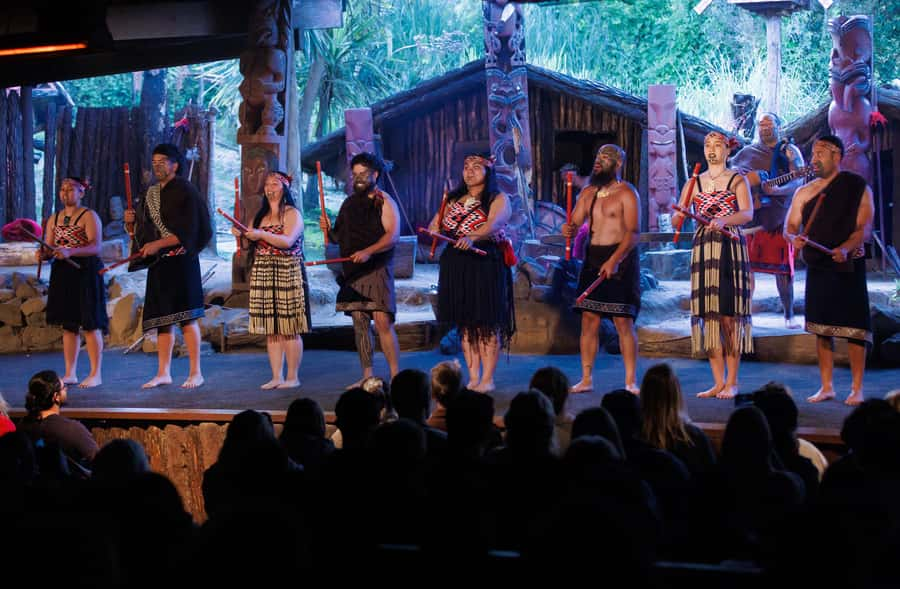
Mitai Māori Village is a strong choice when you want an evening that feels organized, informative, and full. The waka arrival, haka, and forest setting give the program its strongest moments, while the hāngī makes the $101 price easier to justify.
Book it if you want a broad first look at Māori culture, a substantial dinner, and a show with real ceremony behind it. Skip it if you want a very small group, a quiet meal, or a long independent walk through the bush. For most visitors spending a few nights in Rotorua, I would put this high on the list, with two practical reminders: confirm pickup early and do not count on the glow worms appearing.
FAQ
How long does the Mitai Māori Village experience last?
The experience lasts about three hours.
How much does the experience cost?
The listed price is $101 per person.
Is hotel pickup included?
Pickup and drop-off from registered Rotorua accommodations are included when available. Pickup must be arranged with a registered location, and availability is not held without that information.
Where is the meeting point?
The meeting point is 196 Fairy Springs Road, Fairy Springs, Rotorua 3015.
What food is included?
The buffet includes earth-cooked hāngī dishes, meats and poultry, vegetables, fresh salads, and desserts. Beverages are not included but can be purchased.
Can I see glow worms?
The forest walk may include glow worms in their natural habitat. They are not guaranteed, and wheelchair users following the accessible route will not see them.
Is the activity wheelchair accessible?
The activity is wheelchair accessible in a limited way. The waka can be viewed from a platform, and you can go a short distance into the forest to see the old pā and sacred spring, but the bush walk includes stairs and uneven surfaces.
What should I wear?
Wear flat walking shoes and comfortable clothes. A jacket is recommended during winter, and you should dress for the weather.
Can I cancel my booking?
You can cancel up to 24 hours in advance for a full refund. The reserve-now-and-pay-later option is also available.
More Dining Experiences in Rotorua
- Lake Rotoiti Evening Kayak Tour including Hot Springs, Glowworm Caves and BBQ Dinner
★ 5.0 · 60 reviews - Rotorua: Evening Starlight Gourmet Kayak Tour with dinner
★ 5.0 · 6 reviews - Te Puia: Te Pō Combo: Te Rā, Dinner, and Haka Performance
★ 4.6 · 5 reviews - Dinner at Walter Peak High Country Farm and Cruise from Queenstown
★ 4.5 · 576 reviews
Just added around Rotorua
- TRIPLE DEAL Wai-O-Tapu, Redwood Forest & Blue Springs Ex Auckland★ 5.0 · 20 reviews
- Volcanic Rotorua Day Trip from Auckland★ 5.0 · 4 reviews
- Private Tour to Rotorua’s Natural wonders and Māori Arts & craft.★ 5.0 · 4 reviews
- Private Transfer From Auckland Airport To Rotorua★ 5.0 · 5 reviews
- Rotorua Highlights Tour inc. Te Puia Tour, Lunch & Cultural Show★ 4.5 · 53 reviews
- Private Tour – Rotorua Adventures Day Trip From Auckland★ 5.0 · 19 reviews
- Private Tour WaiOtapu & Huka Falls & Blue springs from Auckland★ 5.0 · 3 reviews
- Rotorua Full Day Private Tour from Auckland★ 5.0 · 3 reviews
Maori Culture Tours, compared.
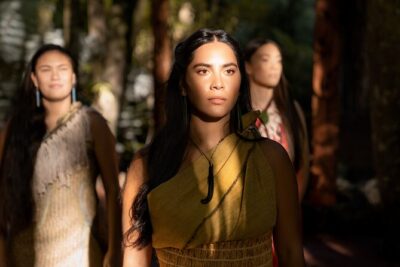
Cultural Experience & Seasonal Māori Cuisine at Te Pā Tū
Read our review →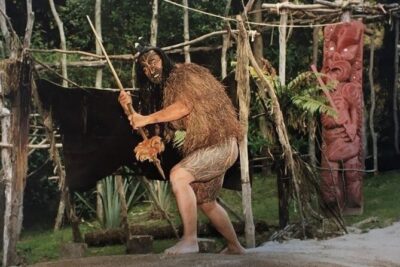
Mitai Maori Village Cultural Experience in Rotorua
Read our review →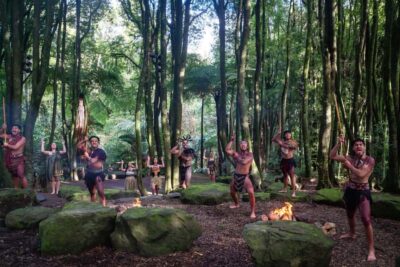
Te Pa Tu Māori Cultural Experience with Dinner
Read our review →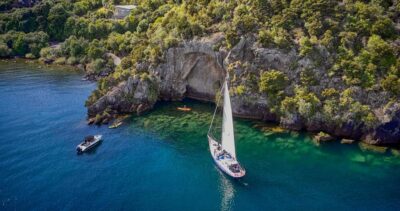
Lake Taupo: Sailboat Trip to the Maori Rock Carvings
Read our review →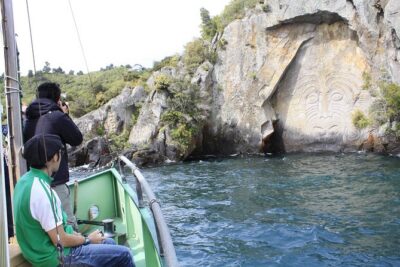
Lake Taupō Māori Rock Carvings Scenic Cruise aboard Ernest Kemp
Read our review →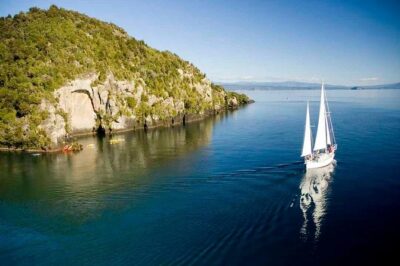
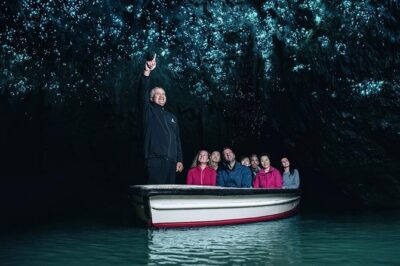
Waitomo Caves & Rotorua – Te Puia Small-Group Tour from Auckland
Read our review →
Lake Taupo: Maori Rock Carvings 10.30 AM 1.5-Hour Cruise
Read our review →Browse the lists this tour appears in