
Reviewed · BIRD WATCHING TOURS
Rotorua: The National Kiwi Hatchery Kiwi Encounter Tour
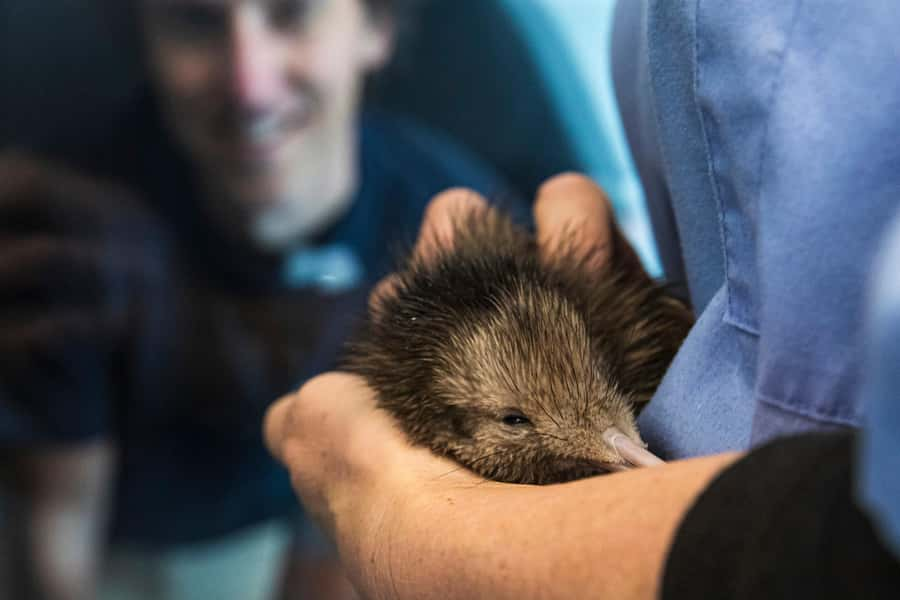
Rotorua’s National Kiwi Hatchery gives you something rare: a close look at New Zealand’s secretive national bird while the conservation work is happening around you. You may see adult brown kiwi in the Nocturnal House, eggs under care, or a chick only hours old.
I like that 100% of the ticket price supports the hatching program, and I like the way the one-hour tour moves from eggs to chicks to adult birds. The main caution is simple: baby kiwi sightings depend on the season and the hatchery schedule, so you should not book expecting a guaranteed newborn.
Key points to know
- See conservation work in progress: Learn how the hatchery has helped hatch more than 2,500 kiwi chicks.
- September to March is the best time for chicks: Outside hatching season, the focus shifts to adult kiwi in the Nocturnal House.
- The adult birds are nocturnal: The red-lit enclosures let you watch kiwi forage during their active hours.
- Your $44 ticket has a clear purpose: All tour income goes back into the kiwi hatching program.
- The visit begins at the Agrodome: A short shuttle carries you from the check-in area to the hatchery buildings.
- This is not for very young children: Children under five are not allowed inside the facility.
Why this one-hour kiwi visit matters
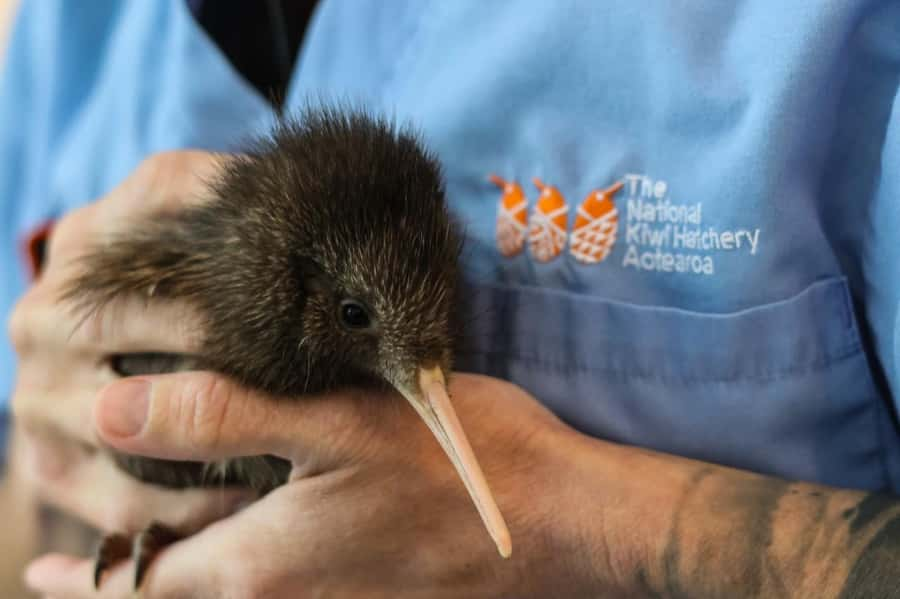
Kiwi are not easy to see in the wild. They are nocturnal, shy, and threatened, so even a long search in the bush may end without a sighting. At the National Kiwi Hatchery, you get a better chance to see one while also learning why the bird needs help.
The hatchery breeds and raises kiwi in captivity as part of wider efforts to increase their numbers. The work is practical rather than theatrical. You see the rooms, equipment, eggs, chicks, and care routines that help young birds reach the point where they can return to the wild.
That makes this more than a short animal encounter. You are paying for access to a working conservation center, and the money goes directly back into the program. At $44 per person, the price is fair if you want both a kiwi sighting and a better understanding of how the species is being protected.
More bird watching tours in Rotorua:
- National Kiwi Hatchery – Kiwi Encounter Guided Tour
★ 5.0 · 228 reviews - Gannet Safaris Overland tour to Cape Kidnappers Gannet Colony
★ 5.0 · 942 reviews - Oamaru: Penguins Evening Viewing Ticket
★ 4.5 · 682 reviews
Starting at the Agrodome north of Rotorua
The hatchery is at the Agrodome, about 10 minutes north of central Rotorua. You check in at the Kiwi Hatchery area 15 minutes before your departure time, then take a shuttle to the hatchery buildings.
The ride is short, roughly four minutes across the farm according to one detailed account. You may pass farm animals and other Agrodome activity areas on the way, including sheep, alpacas, and pigs. The farm setting can be slightly confusing at first because the hatchery is separate from the larger attraction, but staff direct you to the right place.
There is free parking onsite. If you use a wheelchair, contact the hatchery after booking. You will need to drive directly to the hatching facility rather than rely on the standard shuttle arrangement.
The one-hour length works well in a Rotorua day plan. It is long enough for a proper explanation and several viewing areas, yet short enough to combine with another attraction. Allow extra time before and after the tour for parking, check-in, and the shuttle.
Meeting the guides and learning the kiwi story
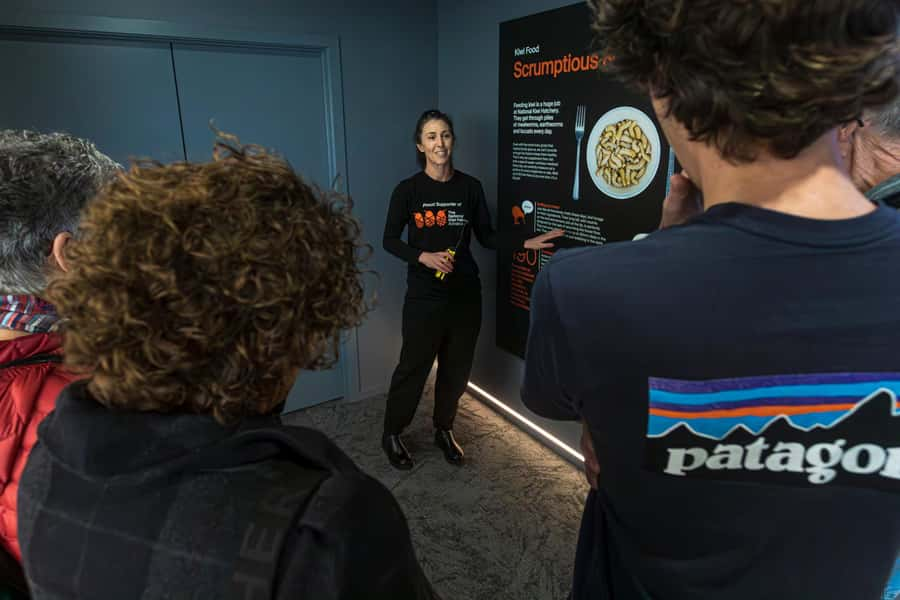
The quality of this tour depends heavily on the guide, and the named guides in the feedback show why the human side matters. Mya, Kai, Theresa, Nico, and Max have each been singled out for friendly, lively presentations and strong subject knowledge.
You should expect an English-speaking guide to explain the kiwi’s unusual biology, its struggle for survival, and the hatchery’s role in raising chicks. Guides use visual aids and allow time for questions. The best part is the way the information changes as you move through each section, rather than arriving as one long speech.
The tone can be serious when the guide explains the threat to kiwi, but it is not stiff. Theresa is known for humor, while Kai has been praised for combining clear facts with a warm manner. That mix helps children over five and adults stay interested during the technical parts of the tour.
The group size is not specified, so you should not assume a private or very small visit. Still, the tour format allows questions, and the guides make a point of explaining what you are seeing at each stop.
Eggs, incubation, and the chance to see a health check
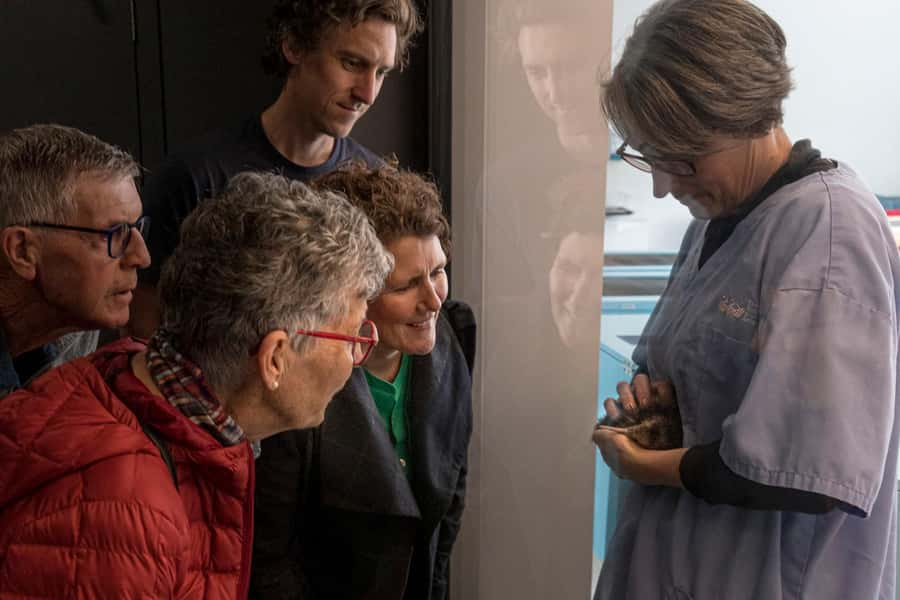
The hatchery’s most memorable section is often the egg and chick area. Here you learn about incubation and see how staff monitor the birds before and after hatching.
During hatching season, from September through March, you may see kiwi eggs and chicks. Some tours include candling, the process of scanning an egg to check its development. Seeing this makes the work feel very real. An egg is not just an object behind glass. It is being checked, monitored, and prepared for the next stage.
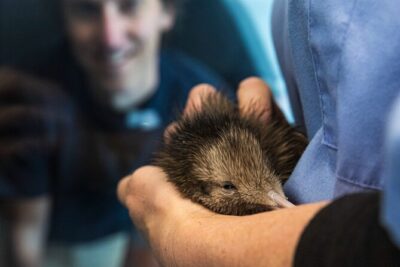
You may also see a health check or feeding session. The timing is not fixed for every group, so the exact view depends on what is happening that day. Recent visits have included chicks only 30 minutes, one day, or two days old. Other groups have seen babies being examined, hand-fed, or moved through different stages of care.
That uncertainty is part of the charm, but it is also the main limitation. The hatchery cannot schedule a birth for your arrival. If your top goal is to see a newborn, visit between September and March and understand that you may instead see eggs, older chicks, or adult birds.
The tour helps you understand that a kiwi chick does not look like a tiny version of a familiar garden bird. One account expected something like a small quail and was surprised by the actual appearance. The guide’s explanation is useful here, since the early stages of kiwi development are unlike what many people expect.
A few more Rotorua trips worth a look
- Rotorua Canopy Tours: 2.5Hour Native Forest Zipline Adventure
★ 5.0 · 4,563 reviews - Mitai Maori Village: Cultural Experience and Dinner Buffet
★ 4.7 · 3,575 reviews - Rotorua: Wai-O-Tapu Geothermal Park Entry Ticket
★ 4.6 · 2,601 reviews - Rotorua’s Ultimate Zipline: 6 ziplines, 400 m Tandem, Cliff Walk
★ 5.0 · 2,557 reviews
Adult kiwi in the red-lit Nocturnal House
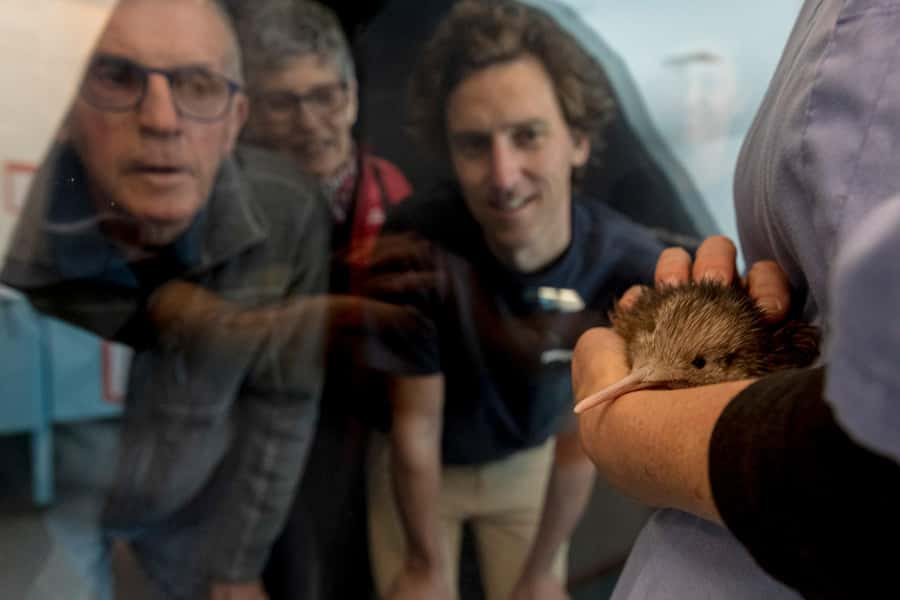
The tour does not depend entirely on hatching season. Adult kiwi live at the hatchery year-round in a Nocturnal House, where the light is kept low and the birds can follow their natural active cycle.
The red lighting is designed to let you see the birds without exposing them to bright light. You may watch a kiwi forage, move through its enclosure, or pause in the shadows. Sightings can be brief and the birds may not pose neatly, so patience helps.
Some people see two adult brown kiwi. Others have seen several birds, including young adults nearly ready to return to the wild. One group saw four kiwi in April, outside the main hatching season. Another counted seven. These numbers are not a promise, but they show why the adult house remains worthwhile outside summer.
If you visit early in the day, you may have a better chance of seeing active birds. One visitor specifically recommended the 9 a.m. time because the kiwi were waking after their artificial night. Check the available start times when booking, but choose an early departure if you want to improve your odds of seeing movement.
Do not expect a zoo-style display where the bird is always in full view. The kiwi is the point, but the viewing area is designed around the bird’s welfare. Sometimes you see a clear profile. Sometimes you catch movement and a long beak in the dim light.
What makes the conservation work worth supporting
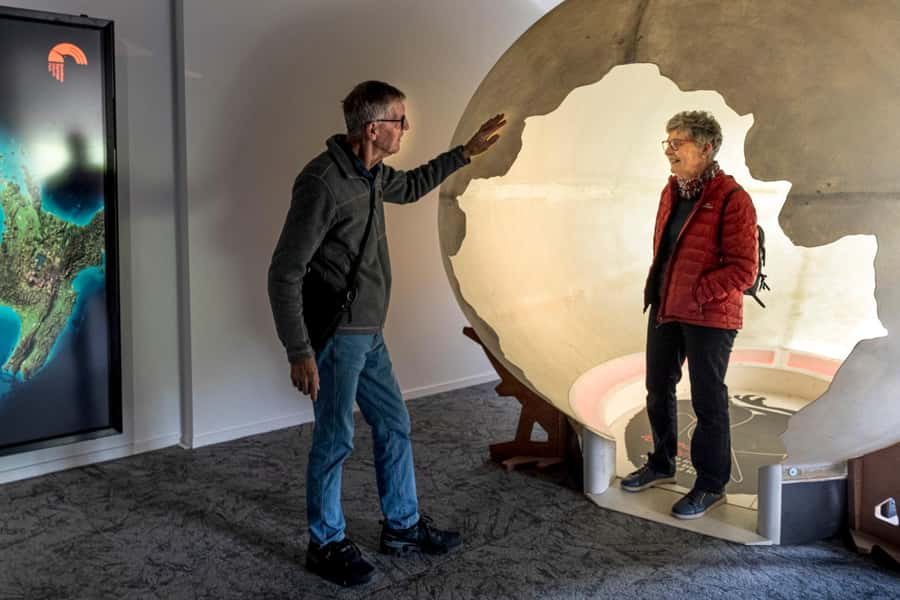
The National Kiwi Hatchery is presented as a not-for-profit charitable trust. Its aim is to breed and raise kiwi in captivity, helping increase the population of an endangered national icon.
The center has hatched more than 2,500 kiwi chicks. That figure gives the operation scale, but the tour is strongest when it shows the small daily tasks behind the number: egg checks, incubation, feeding, health monitoring, and preparation for release.
I like the direct link between admission and conservation. You are not simply paying for a display and hoping some money reaches the cause. The hatchery states that the full ticket price goes back into the kiwi hatching program. Souvenirs and optional chick sponsorship can provide another way to support the work.
This matters if you are choosing between several Rotorua attractions. The hatchery offers a clear purpose and an experience that you cannot easily copy at home. It also avoids promising a guaranteed wildlife encounter. The focus remains on care and conservation, with the bird sighting as an important bonus.
The photography rules are strict
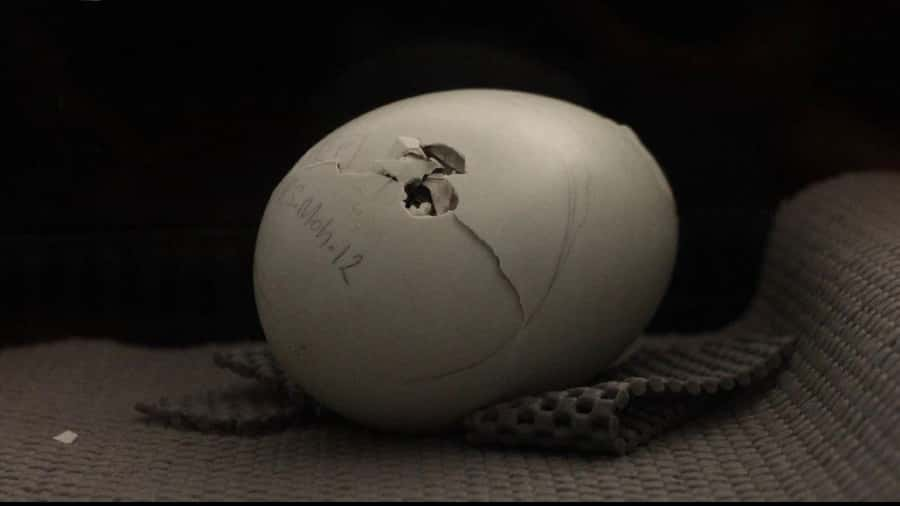
You cannot use flash photography or record video inside the facility. Because kiwi are sensitive to disturbance, this rule is more than a minor inconvenience.
A recent visit described a complete ban on photographs, so I would arrive prepared to keep your phone away. Do not plan the tour around getting a perfect kiwi portrait. Your memory may be the only record, and that is a reasonable trade for a calmer viewing space.
The no-camera policy also changes how you watch. Instead of looking down at a screen, you can listen for movement, follow the bird through the dim enclosure, and pay attention to the guide’s explanation. If you want a souvenir image, ask staff what is available in the shop rather than trying to take one inside.
When to visit for chicks, and when to go for adults
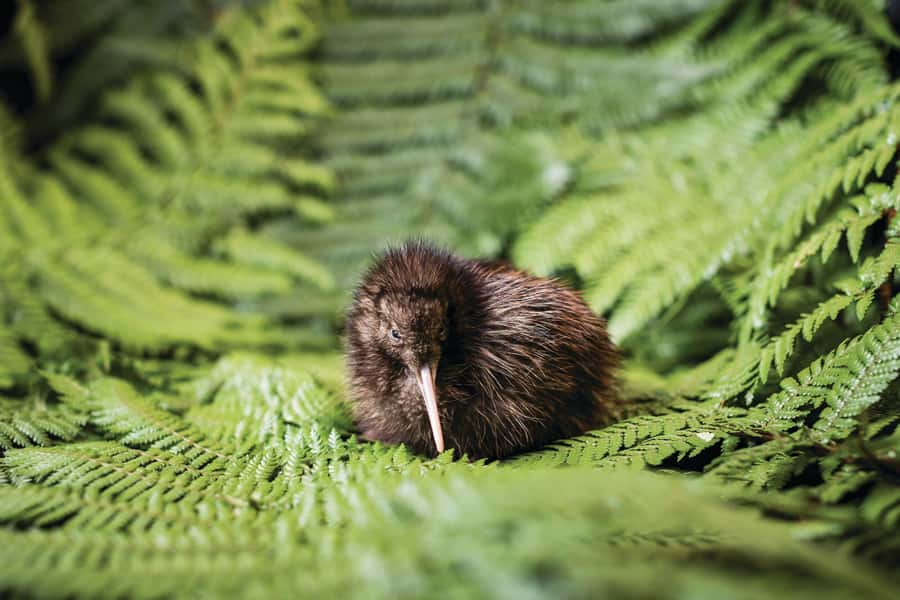
For eggs and baby kiwi, plan between September and March. This is the hatchery’s main hatching season, and your chances of seeing incubated eggs, newly hatched chicks, or nursery care are strongest.
March can still produce excellent sightings, with some tours seeing newborns and several stages of young birds. September has also delivered baby kiwi only hours old. The timing is not guaranteed, but these months give you the best chance.
From April through August, you can still see resident adult kiwi in the Nocturnal House and learn about the program. A visit in April included young birds close to release and another bird requiring hand feeding. That is a useful reminder that outside hatching season, the tour does not become empty or irrelevant.
If your schedule only allows a winter visit, I would still book it if seeing an adult kiwi matters to you. If you are especially interested in eggs and chicks, make the hatchery a spring, summer, or early autumn stop.
Who will enjoy the experience most
This tour suits anyone who wants a meaningful wildlife encounter without spending half a day in the bush. It is especially good for first-time visitors to New Zealand who want to understand why the kiwi is such a strong national symbol.
Bird lovers will appreciate the detail, but you do not need to be an expert. The guides explain the basics clearly, and several people who booked for a friend ended up enjoying the visit themselves.
Families should note the firm age rule. Children under five are not allowed in the facility, so this is not a good choice for families with toddlers. Older children who can listen quietly should get plenty from the live birds, incubators, and questions.
The tour also works well for visitors who care about responsible animal experiences. You are seeing birds in purpose-built care areas, with the visit supporting a conservation program. The experience is educational first, not a photo opportunity.
Is $44 good value?
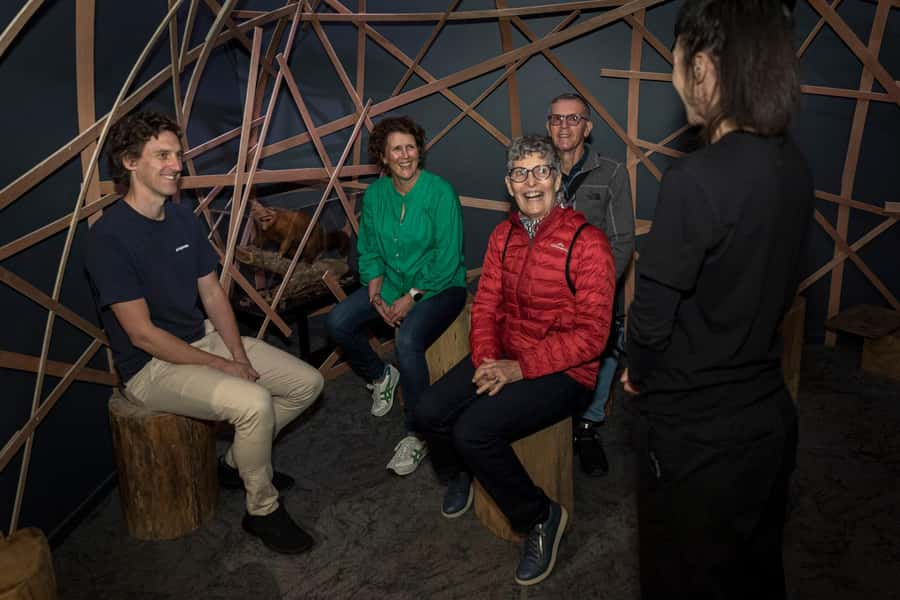
At $44, the tour is not the cheapest quick stop in Rotorua, but the price includes a guide, the shuttle from the Agrodome check-in area, access to the hatchery, and a direct contribution to conservation.
The value is strongest if you see several parts of the operation: adult kiwi, eggs, a chick, or a health check. Even without a newborn, the guide’s explanation and the chance to see kiwi in the Nocturnal House give the hour substance.
I would not judge the price by the number of minutes spent looking at a bird. Kiwi are difficult to see, and the hatchery is paying for specialist care, incubation, and husbandry. If your only goal is a guaranteed close-up photograph, this is the wrong purchase. If you want to support kiwi protection and understand how the work is done, the fee feels well directed.
There is no food or drink included, though the Agrodome cafe has been noted for coffee. Hotel pickup and drop-off are also not included, so plan your own transport to the site.
Practical details before you book
Book a departure that lets you arrive 15 minutes early. The hatchery is onsite at the Agrodome, but the actual buildings are reached by shuttle unless you have arranged direct access for wheelchair use.
The tour is conducted in English. It is wheelchair accessible, but contact the team after booking for the correct driving instructions.
You can cancel up to 24 hours before departure for a full refund, and a reserve-now, pay-later option is available. These terms help if your Rotorua plans depend on weather or other activities, but the most important booking decision is still the season.
Bring patience, listen closely, and leave your camera plans behind. The most rewarding moments may be quick: a kiwi crossing the red-lit enclosure, a chick being checked, or an egg being scanned.
Should you book the National Kiwi Hatchery?
Yes, if you want one of Rotorua’s clearest links between tourism and conservation. The hour is focused, the guides bring personality to the science, and the full ticket price supports the hatching program.
Book from September through March if baby kiwi are your priority. Visit at any time of year if you mainly want to see an adult kiwi and learn about its care.
I would skip it only if you need a guaranteed newborn, a long outdoor adventure, or unrestricted photography. For everyone else, especially visitors who may never get another chance to see a kiwi, this is a practical and worthwhile stop.
FAQ
Where is the National Kiwi Hatchery?
It is located at the Agrodome, about 10 minutes north of Rotorua city center. Free parking is available onsite.
How long does the Kiwi Encounter tour last?
The guided tour lasts one hour. Arrive 15 minutes before your scheduled departure for check-in.
What can I see during the tour?
You can see adult kiwi in the Nocturnal House all year. During hatching season, from September through March, you may also see eggs, chicks, feeding, candling, or a health check.
Are baby kiwi guaranteed?
No. Births and care activities depend on the hatchery schedule. September through March gives you the best chance of seeing eggs and chicks.
Can children attend the tour?
Children under five years old are not allowed inside the facility because of the kiwi’s welfare requirements.
Is the tour wheelchair accessible?
Yes, but wheelchair users need to drive directly to the hatching facility. Contact the hatchery after booking for directions.
Can I take photographs or record video?
Flash photography and video recording are not allowed. Photography rules are strict, so be prepared to watch the kiwi without filming.
Just added around Rotorua
- TRIPLE DEAL Wai-O-Tapu, Redwood Forest & Blue Springs Ex Auckland★ 5.0 · 20 reviews
- Volcanic Rotorua Day Trip from Auckland★ 5.0 · 4 reviews
- Private Tour to Rotorua’s Natural wonders and Māori Arts & craft.★ 5.0 · 4 reviews
- Private Transfer From Auckland Airport To Rotorua★ 5.0 · 5 reviews
- Rotorua Highlights Tour inc. Te Puia Tour, Lunch & Cultural Show★ 4.5 · 53 reviews
- Private Tour – Rotorua Adventures Day Trip From Auckland★ 5.0 · 19 reviews
- Private Tour WaiOtapu & Huka Falls & Blue springs from Auckland★ 5.0 · 3 reviews
- Rotorua Full Day Private Tour from Auckland★ 5.0 · 3 reviews
Bird Watching Tours, compared.
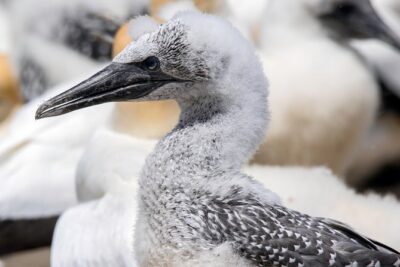
Gannet Safaris Overland tour to Cape Kidnappers Gannet Colony
Read our review →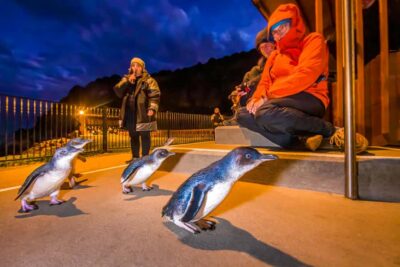
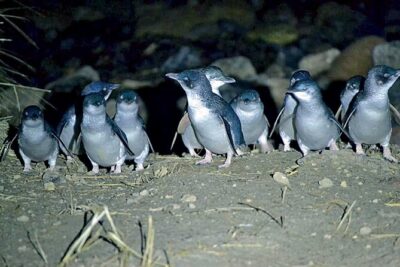
Guided Evening Penguin Viewing Otago Peninsula, Dunedin, New Zealand
Read our review →
Cape Kidnappers Gannet, Nature & Sightseeing Tour
Read our review →
National Kiwi Hatchery – Kiwi Encounter Guided Tour
Read our review →
Albatross, seals, and sea birds-Wildlife Cruise
Read our review →
Browse the lists this tour appears in