
Reviewed · GLACIER TOURS
Mount Cook: 3 Hour Heli Hike to the Tasman Glacier
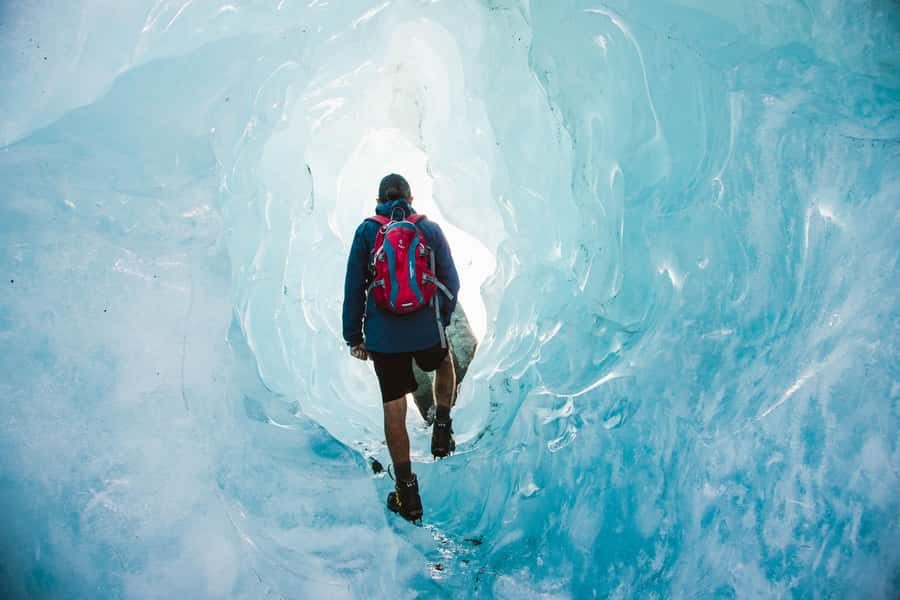
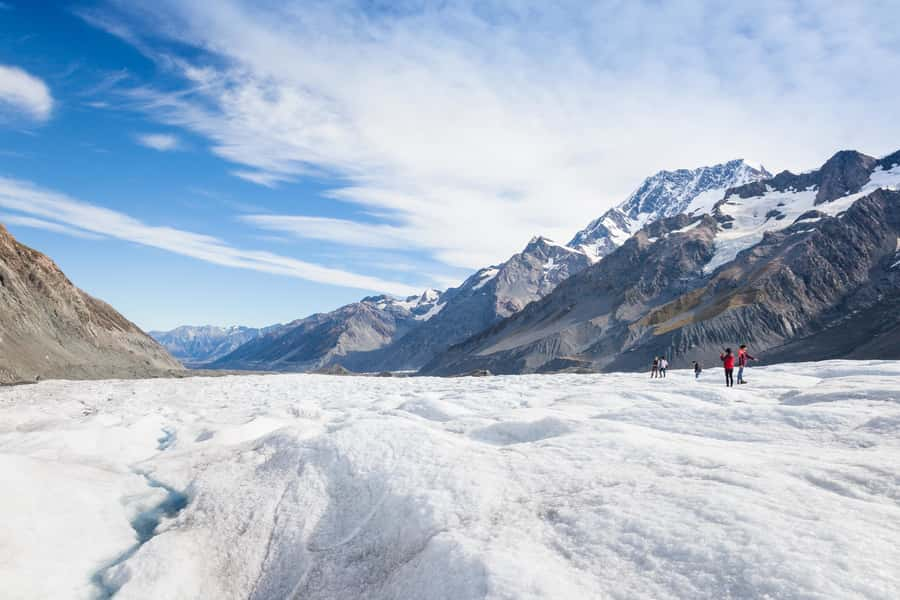
A helicopter landing on the Tasman Glacier gives you something a viewpoint cannot: time on the ice itself. After flying over Tasman Glacier Lake and the Southern Alps, you spend about two hours walking among snow, ice formations, crevasses, and possible ice caves beneath Aoraki and Mount Tasman.
I like the small groups of up to 10, which give the guide room to watch everyone’s footing and explain what you are seeing. I also like that the trip includes boots, crampons, and a waterproof jacket if needed, so you do not need to arrive as a mountaineer. The main catch is the price, $564 per person, and the hike can feel gentle rather than strenuous for fit walkers.
Key points before you book
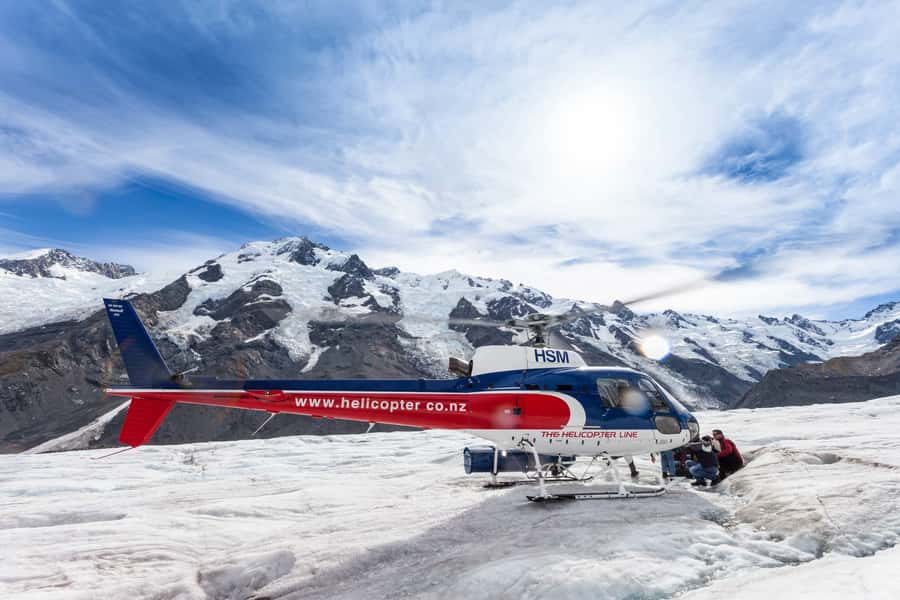
- Land on the Tasman Glacier by helicopter: The flight is part of the main event, not just a quick transfer.
- Walk for about two hours on glacial ice: Expect uneven snow and ice, with the exact route shaped by weather and conditions.
- Fly near the 1,000-meter Hochstetter Icefall: The return route offers a close look at one of Aoraki’s great ice features.
- Guides make the difference: Kerry, Scott, Maddie, Jess, and others have been praised for safety, glacier knowledge, and good photography.
- Plan for cold, wet weather: Bring warm layers, sunglasses, sunscreen, rain gear, and sturdy closed-toe shoes.
- Build in flexibility: Flights can be canceled by weather or low passenger numbers, and check-in is not the same as takeoff.
Why this Tasman Glacier trip feels different
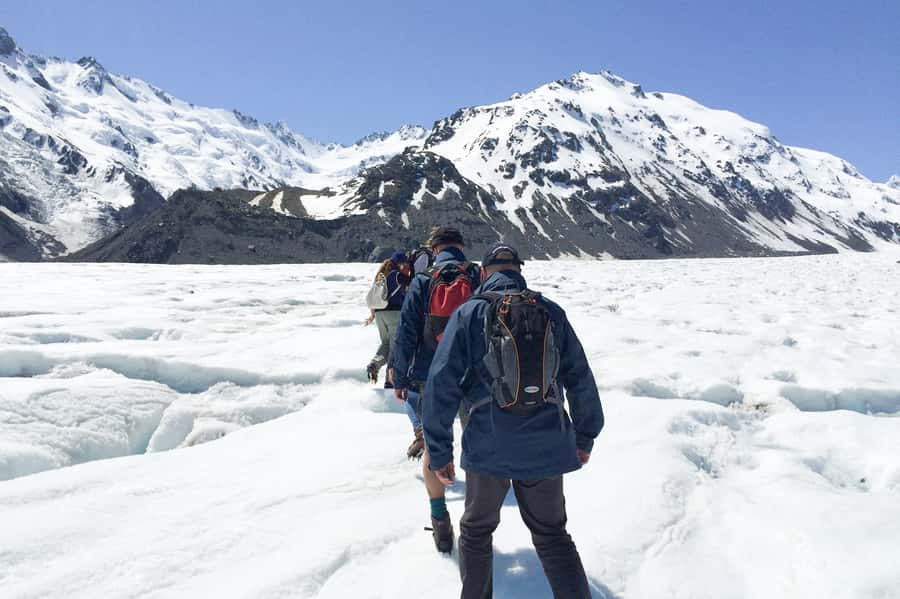
A scenic helicopter flight over Mount Cook is already a major New Zealand experience. This trip adds a proper landing on the glacier, followed by a guided walk across the ice. That extra step matters. From the air, the glacier is a vast white and gray river flowing between peaks. On foot, you notice its bumps, cracks, ridges, blue ice, and changing snow cover.
The Tasman Glacier is in Aoraki/Mount Cook National Park, home to New Zealand’s highest mountain, Aoraki, and nearby Mount Tasman. The setting gives the hike a grand scale, but the activity itself stays focused on a small, carefully chosen section of the glacier.
I like this balance. You get the thrill of a helicopter flight and the rare chance to walk on glacial ice, but you do not need to commit to a full mountaineering expedition. The guide handles route selection and safety while you concentrate on moving carefully and taking in the views.
Conditions can change quickly. Heavy snow may cover ice caves and formations that are visible at another time. One recent outing had a shorter or less varied route after snowfall, yet the guide still made good use of the available ice. This is important to understand before paying: you are booking access to a glacier in a changing alpine environment, not a guaranteed list of caves or formations.
More Glacier Tours in Mount Cook
- Mount Cook, Lake Tekapo and Tasman Glacier Tour from Christchurch
★ 5.0 · 353 reviews - From Queenstown: Mt Cook & Tasman Glacier Viewpoint Day Tour
★ 4.8 · 329 reviews - Mount Cook: Ski Plane and Helicopter Glacier Combo Flight
★ 4.6 · 271 reviews
Check-in at Mount Cook Airport
The tour begins at the operator’s office upstairs in Mount Cook Airport. Hotel pickup and drop-off from Mount Cook Village are included, which is useful if you are staying locally and do not have a car.
Your booked time is the check-in time, not the moment the helicopter leaves. Allow at least 45 minutes afterward for the safety briefing and for fitting your glacier gear. The stated schedule includes a 20-minute safety briefing, but the full preparation period can feel longer if the group needs extra help with boots, crampons, or clothing.
The airport has several operators, so pay attention to the signs and allow time to find the correct office. Staff have been praised for clear instructions, careful equipment fitting, and smooth handling of the helicopter boarding process.
This early stage may feel less exciting than the flight, but it is where you learn how to approach the helicopter safely and how to use the equipment. Take the time seriously. You will be walking on uneven ice soon, and properly fitted boots and crampons make a real difference.
The 15-minute flight to the glacier
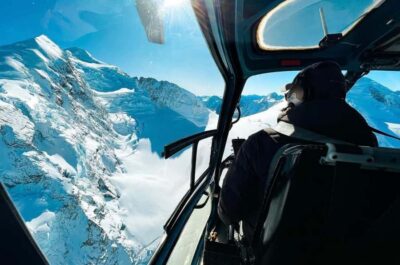
Once the group is ready, the helicopter lifts from Mount Cook Airport and heads toward the Tasman Glacier. The flight lasts about 15 minutes, though the views begin the moment you leave the ground.
You fly over Tasman Glacier Lake and the broad ice formations beyond it. From above, you can see how the glacier moves through the mountains, with snow, exposed ice, rocky edges, and deep folds creating a pattern that changes with the season.
The flight is not simply transport. Pilots point out features along the way, and the views open toward the Southern Alps. On a clear day, Aoraki and Mount Tasman create the backdrop for the landing. Clouds can move in quickly, though, so do not assume you will have a perfect view for the entire trip.
The smoothness and care of the pilots have been repeatedly praised. Helicopter flights always bring some nerves for first-time passengers, and the ground crew’s careful instructions help with buckling in, boarding, and getting out at the glacier.
Two hours walking across the Tasman Glacier
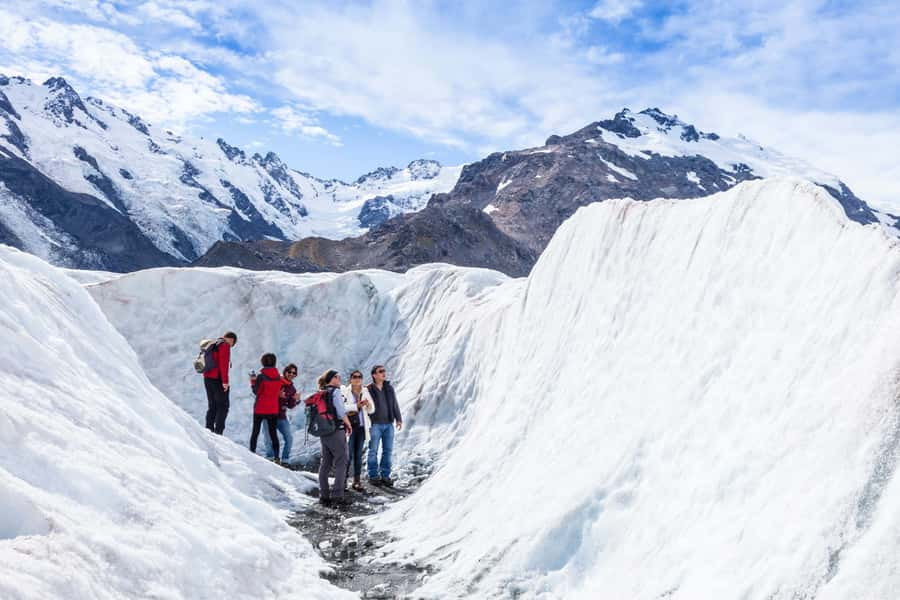
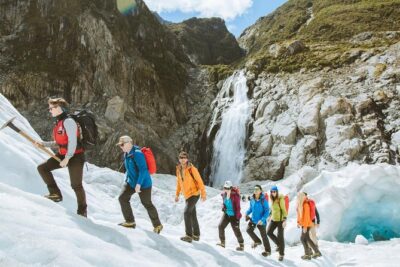
The glacier hike is the heart of the outing. You are fitted with glacier boots and crampons, then follow your guide across a section of ice selected for the day’s conditions.
Do not picture a flat walk on a polished white surface. The ice is surprisingly undulating, and the route may include snow-covered paths, ridges, hollows, and formations shaped by melting and movement. You need moderate fitness and reasonable hiking ability, but this is a guided experience rather than a technical climbing trip.
Your guide shows you how to walk with crampons and how to handle uneven ground. Guides such as Scott, Kerry, Maddie, and Jess have been praised for explaining glacial features, keeping the group safe, and helping tired participants complete the route. That personal attention matters in a small group, especially when people move at different speeds.
The walk is often described as a hike, but the pace may be relaxed. One fit participant wanted a harder and faster outing. Another noted that the hike could have been longer. If you want a demanding glacier trek, this may feel conservative. If you want a careful introduction to glacial travel, the measured pace is a benefit.
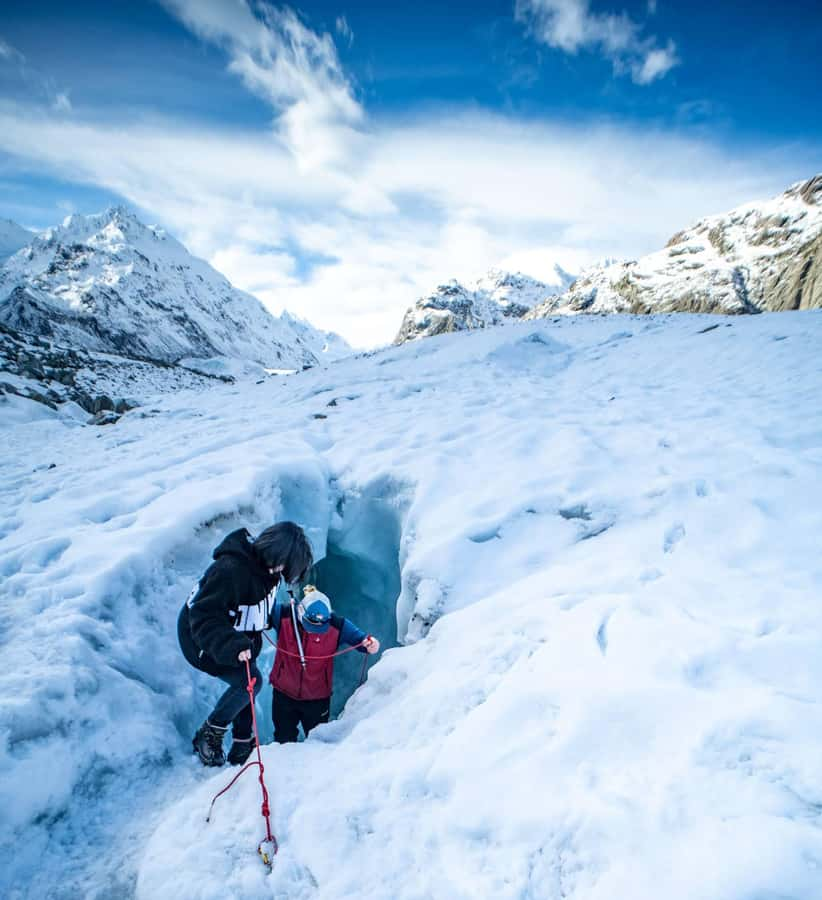
The route can include ice caves, seracs, crevasses, and other formations, but no particular feature is guaranteed. Snowfall, rain, melt, and the movement of the glacier all change what is accessible. On some days, the guide may find an ice cave large enough to enter. On others, fresh snow may hide those features.
That uncertainty is part of the experience, though it can also be the source of disappointment if you arrive expecting a specific photo opportunity. The guide’s skill is choosing an interesting and safe route with what the glacier offers that day.
More Hiking Tours in Mount Cook
- Mount Cook: 3-Hour Tasman Glacier Helicopter Ride and Hike
★ 4.9 · 235 reviews - The Adventurer: Tasman Glacier Heli-hike
★ 5.0 · 92 reviews - Tasman Glacier Heli-Hike Tour from Queenstown
★ 5.0 · 70 reviews - Glentanner High Country Heli Hike
★ 5.0 · 52 reviews
What the guides add to the experience
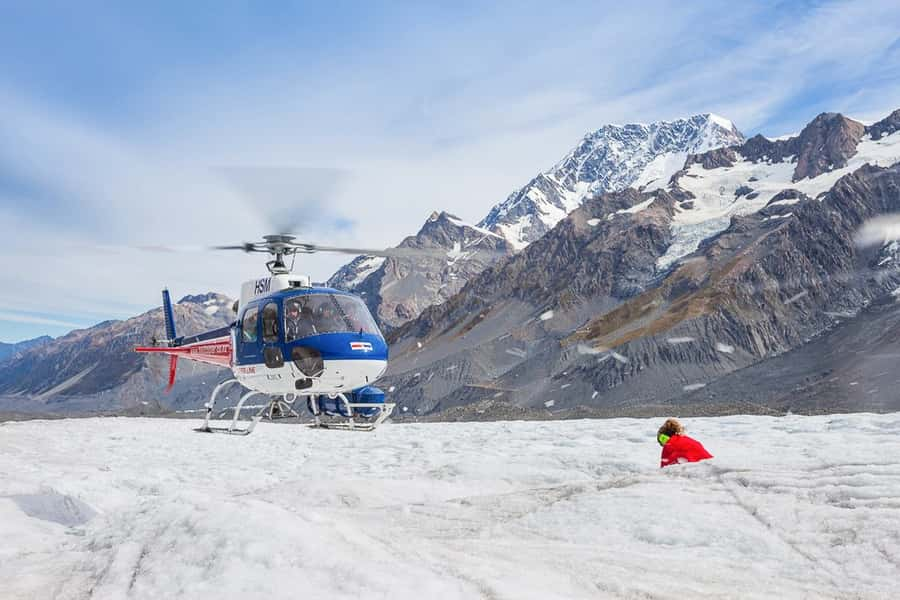
The guide is more than a person leading a line across the ice. A good guide helps you understand why the glacier looks the way it does and how to move through it safely.
You might learn how snow builds into ice, how water shapes channels and caves, or how to spot changing conditions. Guides have also demonstrated practical rope skills and explained what to look for around hazards. The information gives meaning to the scenery, rather than leaving you with a collection of dramatic photographs and little context.
Several guides have been singled out by name in past outings. Kerry has been praised for combining glacier knowledge with a calm, professional approach. Scott has been described as energetic, informative, and good at finding safe ice features. Maddie has been noted for taking care of each person in the group, while Jess has been praised for both instruction and photography.
Guides can also adjust to the group. One guide noticed a participant tiring and acted quickly to help them finish. That is the kind of small safety decision you want on a glacier. At the same time, communication is important. If you have very limited English, the operator advises bringing a translator, and you should take that guidance seriously because instructions on ice need to be clear.
The return flight and Hochstetter Icefall
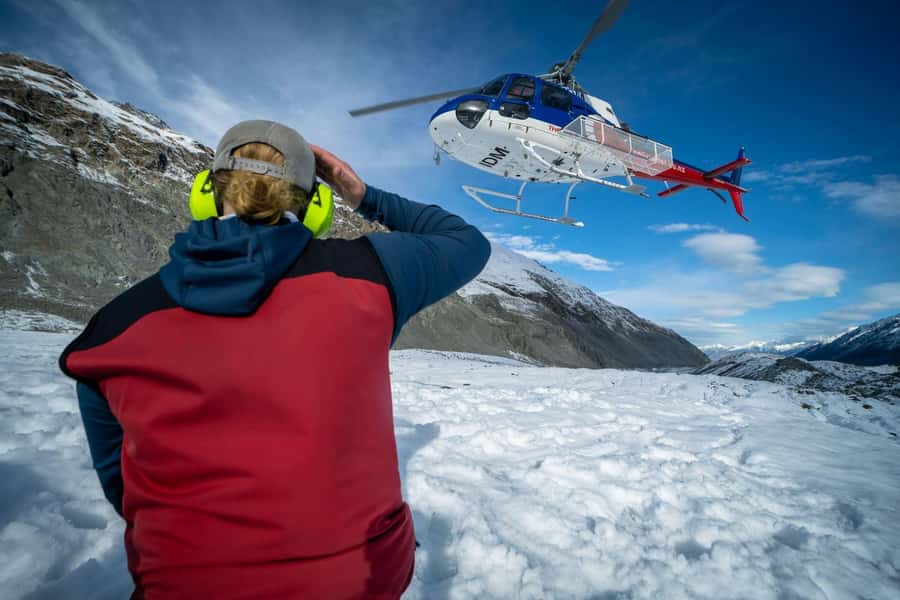
After the hike, the helicopter takes you back toward Aoraki/Mount Cook National Park. The return flight passes close to the Hochstetter Icefall on Aoraki’s eastern face.
The icefall rises about 1,000 meters and gives you a dramatic view of ice descending from the mountain. It is one of those sights that is difficult to judge from photographs because the scale is so large. From the helicopter, you can see the broken ice, steep mountain walls, and snow-covered upper slopes in one sweep.
The route home also gives you another chance to see the Southern Alps from above. Weather may have changed since the flight in, and clouds can gather around the peaks quickly. That unpredictability is normal in the Mount Cook area and one reason the flight schedule cannot be treated as fixed.
The full activity lasts three hours, including the safety briefing, flights, and roughly two hours on the glacier. The time on the ice is long enough to feel substantial, but short enough to fit into a Mount Cook itinerary without taking the entire day.
Price, value, and what is included
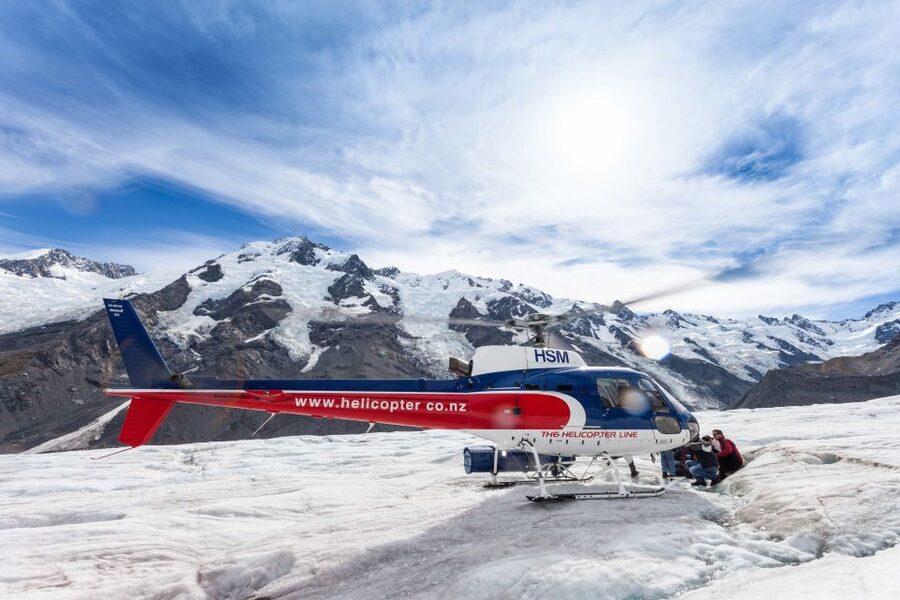
At $564 per person, this is an expensive activity. The cost pays for a helicopter flight, glacier landing, guide, equipment, airport staff, and a small group rather than a simple scenic ride.
I think the value depends on what you want from Mount Cook. If you only want aerial views, a scenic flight without the hike may be a better comparison. If you want to set foot on the Tasman Glacier but do not have technical glacier experience, this package offers a practical route into that world.
The equipment also reduces the need to buy or rent specialist gear. Glacier boots, crampons, and a waterproof jacket if required are included. You still need to bring warm clothing, rain gear, sunglasses, sunscreen, and sturdy closed-toe shoes for the preparation and surrounding parts of the trip.
The strongest value comes from the combination of experiences. You fly over the glacier, land on it, walk across it, and then see Aoraki and the Hochstetter Icefall on the return flight. That is more memorable than a short landing followed by a few minutes of photographs.
Still, you should not book if you expect a strenuous mountaineering day. The hike can be steady and relatively gentle, and the exact route depends on the glacier. The price is easiest to justify if the landing and the chance to explore ice formations are central to your Mount Cook plans.
Weather, fitness, and practical limits
Weather is the main factor outside your control. The flight operates only in favorable conditions and also requires minimum passenger numbers. If the trip is canceled, you can choose another date or receive a full refund, but a cancellation can affect a tightly packed South Island itinerary.
Try to keep some flexibility around this activity. A number of outings have been postponed or canceled because of conditions, while later departures went ahead when the weather cleared. Mount Cook’s peaks can disappear into cloud quickly, and the flight crew must put safety first.
You need moderate fitness and hiking ability. The ice is uneven, and walking in crampons requires care. The tour is not suitable for children under 10, people over 150 kilograms including equipment, or people who are pregnant.
The operator does not allow drones, selfie sticks, or tablets and iPads. These rules are tied to helicopter safety and practical movement on the glacier. A phone or camera is allowed, and you will have many chances to take photographs, but keep your hands free when the guide is giving instructions or the surface becomes difficult.
Dress warmer than you think you need. Bring layers, a hat, gloves, sunglasses, sunscreen, and rain gear. One difficult outing involved rain and several people arriving too lightly dressed. Do not rely only on the supplied jacket. Personal warm layers are still your responsibility.
How this compares with a standard glacier walk
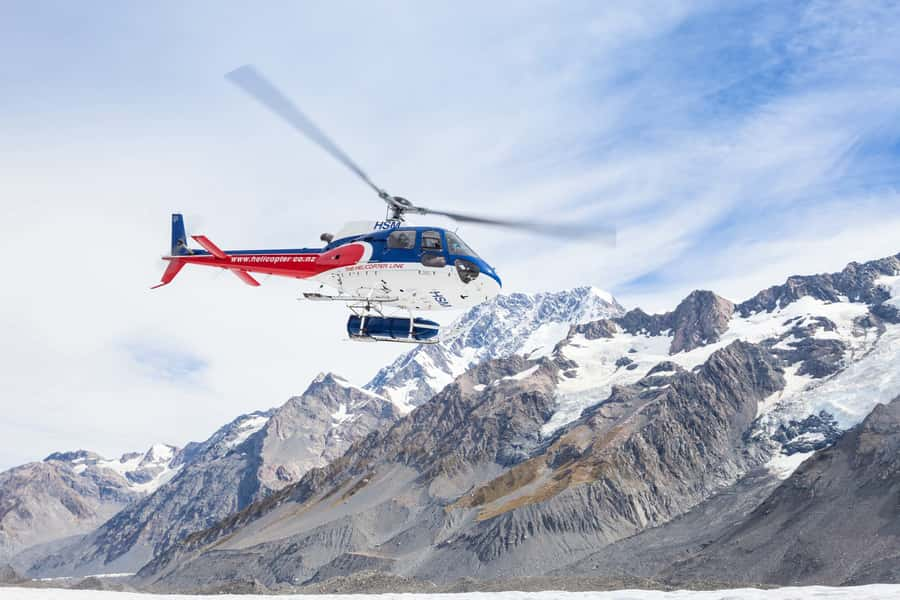
The big advantage here is access. A helicopter places you on the Tasman Glacier, where you can spend a meaningful amount of time walking on the ice. You avoid a long approach on foot and gain views of the mountains from the air.
The tradeoff is cost and dependence on flying conditions. A ground-based glacier activity may be cheaper, though it will offer a different setting and route. This heli hike also gives you only about two hours on the ice, so the physical walking portion is not an all-day expedition.
I would choose this trip for a special occasion, a first glacier experience, or a Mount Cook visit where you want one major activity rather than several small ones. Honeymooners and people marking a milestone may find the combination of flight, ice, and mountain views especially fitting.
If you dislike helicopters, have limited mobility, or want a hard workout, think carefully before booking. The activity requires boarding a helicopter, walking on irregular ice, and adapting to conditions that may not match the brochure image.
Should you book the Tasman Glacier heli hike?
Book it if you want the rare combination of flight and time on the ice, and if $564 fits your budget. The guides, careful equipment fitting, small groups, and return route near Hochstetter Icefall make this more than a quick scenic flight.
Before booking, accept three facts: weather can cancel the trip, the glacier route changes, and the hiking pace may be easier than the name suggests. Pack seriously for cold and wet conditions, keep your schedule flexible, and judge the value by the whole package rather than by the two-hour walk alone.
For a first visit to Aoraki/Mount Cook, this is one of the strongest ways to experience the area from both above and underfoot. It is costly, but for the right person, the landing on the Tasman Glacier is the part of the trip you will remember long after the helicopter is gone.
FAQ
Where does the Tasman Glacier heli hike begin?
The activity begins at Mount Cook Airport. The operator’s office is upstairs in the airport, and hotel pickup and drop-off from Mount Cook Village are included.
How long does the experience last?
The experience lasts three hours. This includes a safety briefing, helicopter flights, equipment preparation, and about two hours hiking on the Tasman Glacier.
How long is each helicopter flight?
The flight to the Tasman Glacier takes about 15 minutes, and the return flight through Aoraki/Mount Cook National Park also takes about 15 minutes.
What equipment is provided?
The tour provides glacier boots, ice crampons, and a waterproof jacket if required. You should still bring warm clothing, rain gear, sturdy closed-toe shoes, sunglasses, and sunscreen.
What should I bring?
Bring comfortable or sturdy closed-toe shoes, warm clothing, rain gear, sunglasses, sunscreen, and a phone or camera. The operator does not allow drones, selfie sticks, or tablets and iPads.
Is the hike difficult?
You need moderate fitness and hiking ability. The glacier surface is uneven, and you will walk using crampons, but the pace can be relaxed rather than strenuous.
What happens if the weather cancels the flight?
The flight operates only in favorable weather and with minimum passenger numbers. If it is canceled, you can choose an alternative date or receive a full refund.
Is there a minimum age?
Yes. Participants must be at least 10 years old. The activity is not suitable for children under 10.
Is there a weight limit?
Yes. The maximum weight is 150 kilograms per person, including equipment.
More 3-Hour Experiences in Mount Cook
- Mount Cook: 3-Hour Tasman Glacier Heli-Hike
★ 4.5 · 29 reviews - Queenstown: 3-Hour Zipline Adventure with 6-Lines
★ 4.8 · 485 reviews - Fox Glacier: Up to 3 Hours Hike with Helicopter Transfer
★ 4.9 · 309 reviews - Discover Wellington 3 hour City Tour
★ 5.0 · 213 reviews
Just added around Mount Cook
- Skydive Mt. Cook – 20+ Seconds of Freefall from 10,000ft★ 5.0 · 5 reviews
- Skydive Mt. Cook – 70+ Seconds of Freefall from 16,500ft★ 5.0 · 5 reviews
- Mt Cook to Christchurch One-Way Small Group Tour via Lake Tekapo★ 5.0 · 16 reviews
- Mt Cook to Queenstown Small Group Tour (One-Way)★ 4.5 · 25 reviews
- Mt Cook & Lake Tekapo 2-Day Small Group Tour from Queenstown★ 5.0 · 15 reviews
- Mount Cook: Mountains High 40-Minute Helicopter Flight★ 5.0 · 53 reviews
- Mount Cook Scenic 35 Minute Helicopter Flight★ 5.0 · 6 reviews
- Mount Cook Alpine Explorer Helicopter Flight with Alpine Landing★ 4.0 · 22 reviews
Glacier Tours, compared.
Franz Josef Glacier: Helicopter Flight & Alpine Landing
Read our review →
Small-Group Kayak Adventure from Franz Josef Glacier
Read our review →
Mount Cook, Lake Tekapo and Tasman Glacier Tour from Christchurch
Read our review →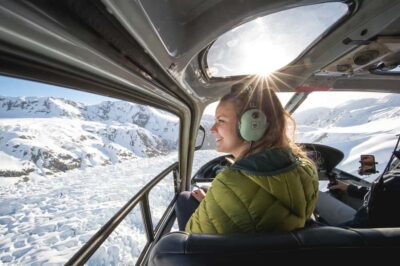
Franz Josef & Fox Glaciers Helicopter Flight & Snow Landing
Read our review →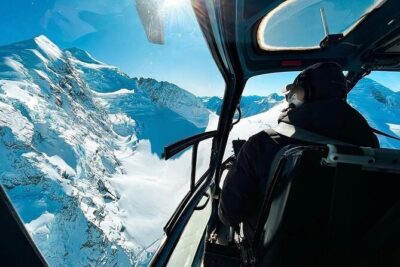
Pilot’s Choice: 2 Glaciers & Snow Landing – 35min
Read our review →Browse the lists this tour appears in