
Reviewed · BIRD WATCHING TOURS
Auckland (Tawharanui): Wild Kiwi Bird Spotting Encounter
The best part of this night tour is the chance to see wild North Island brown kiwis walking freely through Tāwharanui Regional Park. You move slowly through native bush, listening for calls and watching for quick, low shapes in the dark. Guides such as Legend, Chris, Millie, Lucas, and Sean know how to read the park and keep the search respectful.
I like the mix of wildlife and Southern Hemisphere stargazing, especially when a telescope brings planets or the Moon into view. I also like the setting: this is a protected coastal park far from Auckland’s city lights. The trade-off is simple: kiwi spotting takes patience, and sightings are never guaranteed. Some nights produce two birds, others seven, ten, or more, while cloudy weather can replace stargazing with extra time in the bush.
Key points to know before you book
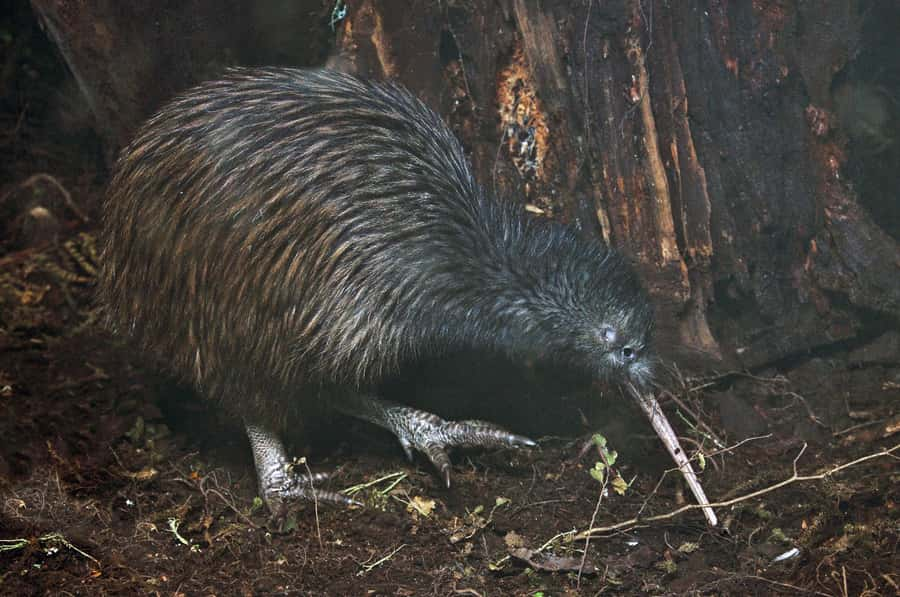
- Wild kiwi, not a zoo encounter: You search for North Island brown kiwis in their natural habitat.
- A slow and quiet walk: Patience matters, since the birds can be fast and hard to see.
- Dark skies add real value: You may view stars, planets, constellations, and the Moon with supplied equipment.
- Guides make the difference: Legend, Lucas, Chris, Millie, Sean, and others bring tracking skill, local stories, and a friendly mood.
- Optional overnight stay: Glamping can be added, but campsite fees and food are separate.
- Plan for cold conditions: Comfortable shoes, warm clothing, and water are essential.
Why Tāwharanui is a fine place to search for kiwi
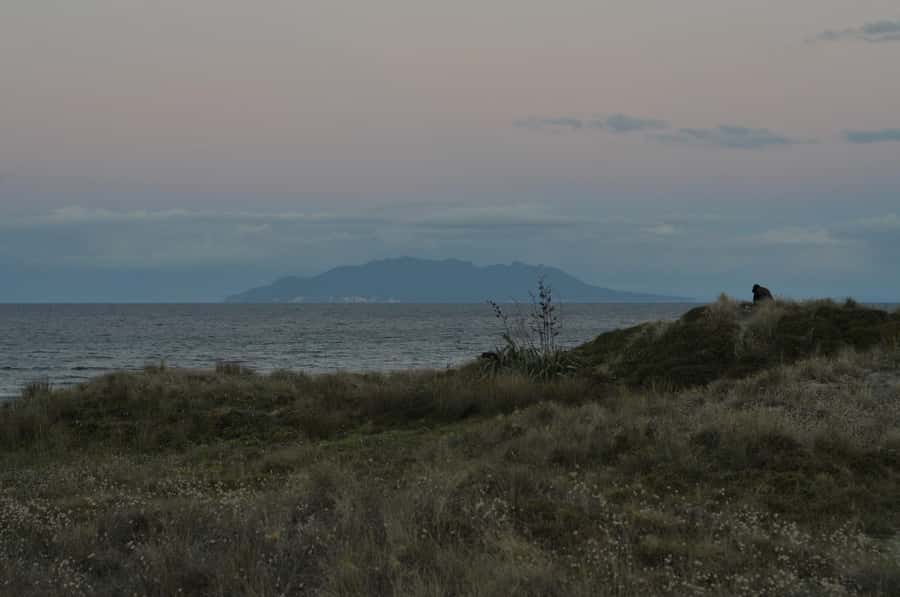
Tāwharanui Regional Park sits north of Auckland at the end of Takatu Road. The drive takes you away from city traffic and into a protected area where native bush, open ground, and the coast create a very different night setting.
This matters because kiwi spotting is not a quick roadside stop. You need a place with habitat, protection, and enough darkness for the birds to behave naturally. Tāwharanui is managed for native wildlife and forest restoration, so the search takes place in a conservation setting rather than a staged attraction.
You meet near the public bathrooms at the road’s end. That is not a grand arrival point, but it is practical and easy to find within the park. If you do not have a car, transport from Auckland can be added at checkout. One recent group found the ride especially useful because the return was around 2 a.m., so check the transport option carefully if you are not driving.
More bird watching tours in Auckland:
- Nocturnal Wonders Tawharanui Kiwi Spotting and Stargazing Tour
★ 5.0 · 23 reviews - Twilight Wild Kiwi Bird Encounter Private Tour
★ 5.0 · 3 reviews - Gannet Safaris Overland tour to Cape Kidnappers Gannet Colony
★ 5.0 · 942 reviews
The first briefing sets the tone
Your guide begins with an introduction to the evening, the park, and the animals you may encounter. You will hear about kiwi behaviour, habitat needs, threats, and the conservation work that helps these unusual birds survive.
The safety talk also matters. Night walks require a quieter pace, careful footing, and respect for wildlife. Guides provide kiwi-spotting and stargazing equipment, with torches and headlamps used during the walk. A thermal device has also been used to help locate birds in the dark.
The mood is relaxed rather than formal. Guides bring plenty of local knowledge and personality. Legend is often praised for mixing animal facts, Māori culture, stories, and humour, while Lucas has a reputation for explaining both kiwi and the night sky with real enthusiasm. Chris, Millie, Sean, Sharn, Ryan, and Hayley have also led outings, so the exact style depends on who is working that night.
Kiwi spotting is slow, quiet, and worth the wait
As daylight fades, you start walking through the park. This is not a march with a fixed number of stops. Your guide may pause, listen, scan the edge of the bush, and adjust the route based on sounds and signs of activity.
The first part can feel slow. That is normal, and you should treat it as part of the experience rather than a problem. Kiwi are nocturnal, but they are not trained performers. A bird may stay hidden, cross the track quickly, or appear only for a few seconds.
The payoff can be remarkable. Groups have seen anything from two birds to more than fifteen on a productive night. Individual sightings have included adults, smaller birds, and a pair close together. One particularly fortunate encounter gave the group time to see a kiwi sit down, allowing several photographs.
Do not expect a long, clear wildlife viewing session every time. The birds move fast, and your guide may see more than you do. One visitor saw three while the guide spotted eight, which is a useful reminder that your eyes need time to adjust and that a good position in the group helps.
Follow the guide’s instructions closely. Keep voices low, avoid sudden movements, and do not use bright light carelessly. The point is to watch the birds without changing their behaviour. That makes the experience more meaningful than a guaranteed close-up view behind glass.
Listen for ruru, insects, and the park after dark
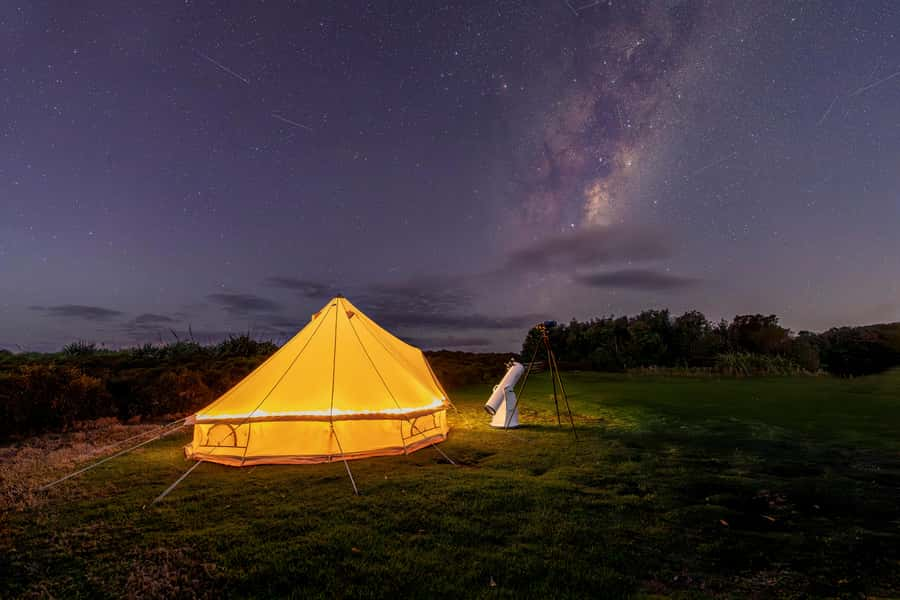
Kiwi are the main target, but they are not the only reason to pay attention. The park’s nocturnal world becomes easier to notice once the light fades. You might hear ruru calls, spot insects, or learn about plants used in traditional medicine.
The guides also explain the wider ecology of Tāwharanui. This helps you understand why the park matters beyond the individual birds you hope to see. A kiwi sighting is exciting, but the bigger story is the protection of native habitat and the work needed to keep these species present.
I especially like that the walk is not reduced to a checklist. Even if the birds stay hidden, you are still learning how a protected New Zealand park changes after sunset. That said, anyone who dislikes quiet walking or waiting may find the pace frustrating.
A few more Auckland trips worth a look
- Auckland Dolphin and Whale Watching Eco-Safari Cruise
★ 4.5 · 1,790 reviews - Auckland Explorer: Sightseeing Hop-on Hop-off Tour
★ 4.0 · 1,180 reviews - Half-day Discover Auckland City Sightseeing Tour
★ 5.0 · 1,080 reviews - Auckland: Whale and Dolphin Watching Half-Day Eco Cruise
★ 4.5 · 1,072 reviews
Stargazing turns the walk into a full night experience
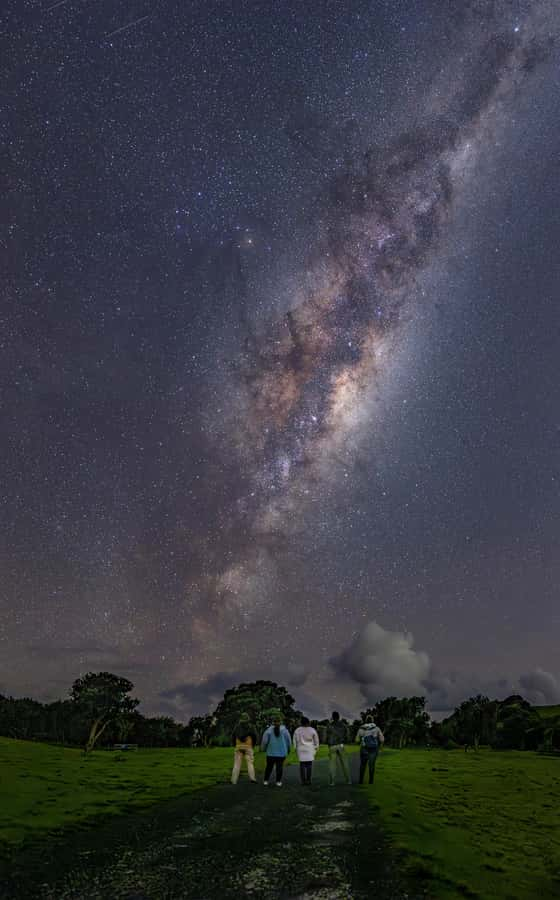
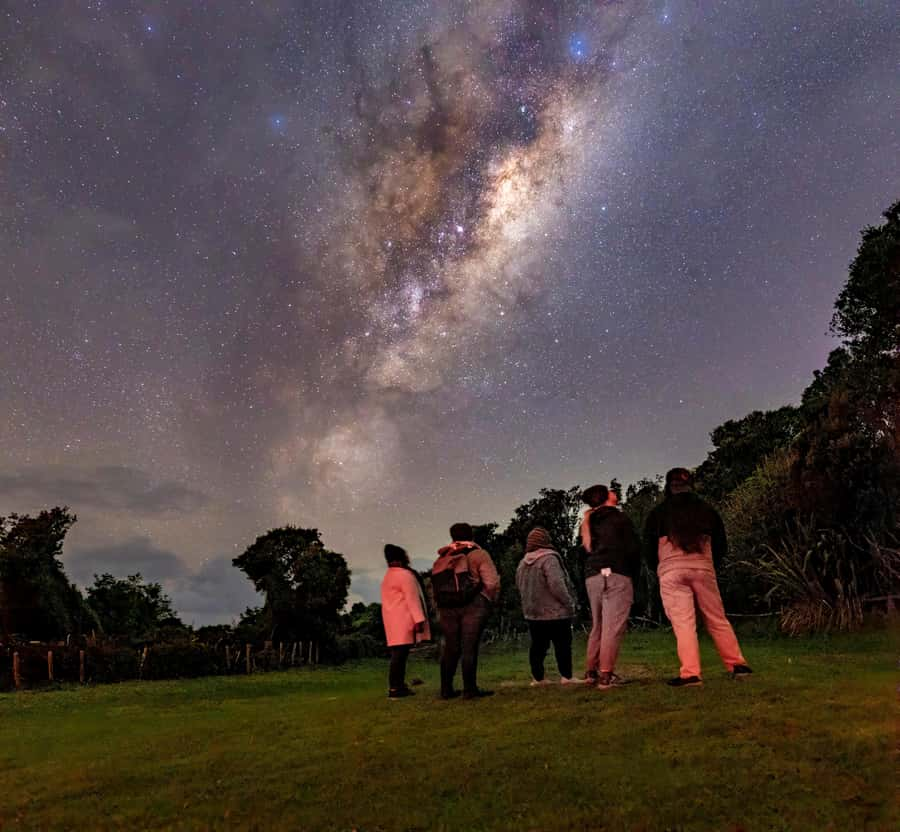
When the sky clears, the second half of the evening can be just as rewarding as the kiwi search. Tāwharanui has low light pollution because it lies away from Auckland’s bright urban centre and is surrounded by the coast.
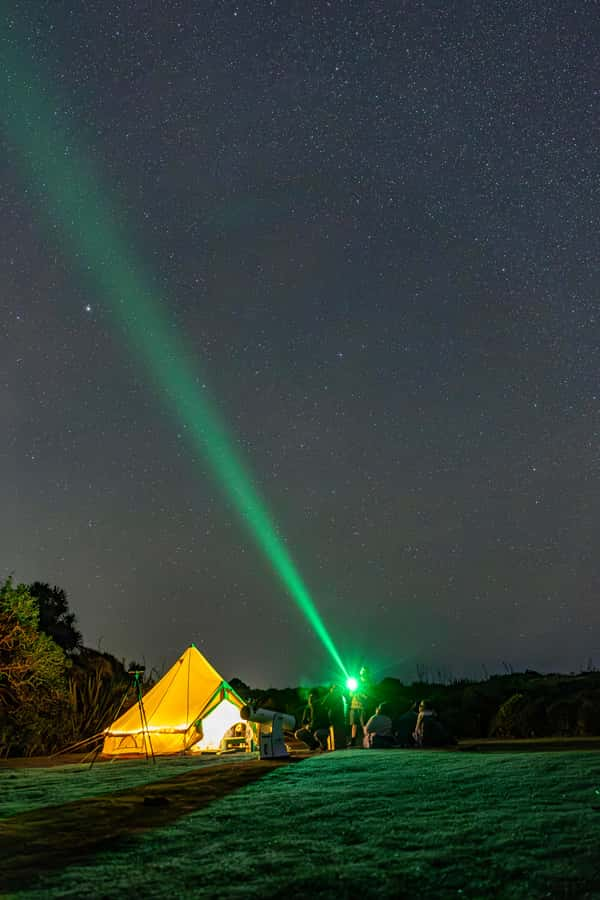
Your guide points out stars, planets, and seasonal constellations, using equipment supplied for the tour. Telescopes and binoculars have been used to view planets such as Venus, Jupiter, and Saturn, as well as the Moon’s craters. The exact view depends on cloud, moonlight, and the season.
The Southern Hemisphere sky also gives the session its own character. Guides connect the stars with navigation, science, and Māori stories, so the viewing is not just a silent look upward. One guide used Māori astronomy to explain the patterns overhead, giving the sky a local cultural setting.
Cloud can change the plan. On a heavily overcast night, there may be no stargazing at all, and the group spends more time searching for kiwi. That is not a failure, but you should know that the astronomy portion is weather dependent.
Bioluminescence is a lucky extra
On some outings, the group may visit the shoreline or shallow water and see bioluminescence. Movement in sand or water can produce a soft electric-blue glow caused by tiny luminous organisms.
This is not a promised part of every tour. It depends on conditions, so you should treat it as a bonus rather than a reason to book on its own. If it appears, it adds another layer to the night, showing that the coast has its own form of natural light.
The guide explains how glowing water works and why the effect appears at certain times. It is a small detail, but it fits the larger theme of the experience: New Zealand’s night life is active well after most people have gone indoors.
What the two-hour timing really means
The advertised duration is two hours, which is enough for a focused evening walk and wildlife search. The practical rhythm includes the briefing, slow movement through the park, kiwi watching, and some stargazing when the conditions allow.
The supplied schedule also refers to additional guided sightseeing and an overnight stay when the glamping option is selected. Confirm the exact timing when you book, especially if you are adding transport or staying overnight. Some outings have returned very late, close to 2 a.m., so this is not a casual early-evening activity.
The late finish is worth considering for families. Children can enjoy the birds, and a nine-year-old had a particularly good time, but young children need to cope with darkness, quiet waiting, walking, and a late return. The tour has also worked well for groups that included seniors, adults, and an 11-year-old.
The optional glamping stay
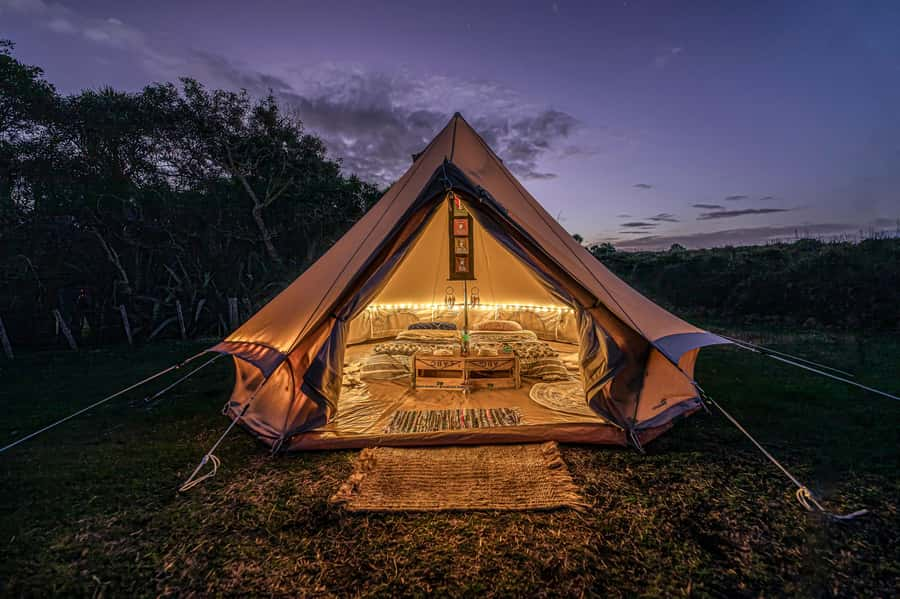
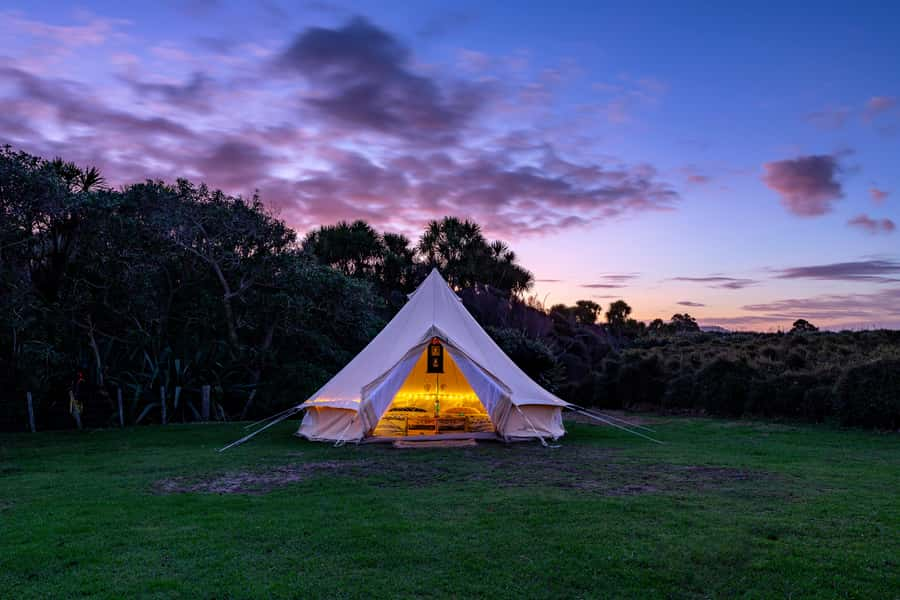
You can add a glamping stay if you want to remain in the park rather than travel back into Auckland after the night walk. The arrangement has included a prepared tent, blankets, foam mattresses, small snacks, and other basic necessities.
This can make sense if you are already planning time at Tāwharanui or want to avoid a late drive. It also gives the evening a slower shape, rather than turning the experience into a long return journey.
Do not assume every camping cost is included. Campsite booking and fees are listed separately, and extra food and drinks are not included. Transport is also separate. Check the chosen option carefully so the $89 per person base price does not come as a surprise once extras are added.
Is $89 good value?

At $89 per person, the price is fair for a guided wildlife experience that combines kiwi tracking, night interpretation, and stargazing equipment. The value is strongest when you see several birds and enjoy clear skies, but the guide’s tracking skill remains useful even on a difficult night.
Trying to find a wild kiwi alone would be much harder. You might walk the same paths and see nothing, while a guide can read the habitat, listen for calls, and help the group use lights correctly. You are paying for access to a protected setting, but also for the ability to make sense of what you see and hear.
The price feels less attractive if you expect guaranteed sightings, a polished attraction with fixed viewing times, or a long telescope session every night. This is a genuine wildlife search, and nature controls the result.
What to bring and how to dress
Bring comfortable shoes, warm clothing, and water. Even in warmer months, the temperature can drop once you stop moving, and winter outings have felt cold to some participants.
Wear shoes you can walk in comfortably on dark tracks. Keep your clothing practical and warm rather than dressing only for Auckland’s daytime weather. If you have a camera, use it carefully and follow the guide’s rules about light. Bright flashes and careless torch use can spoil the viewing for both birds and other people.
A small group or private booking may suit you if you want more room to ask questions and a better chance of standing near the guide. Larger groups can still work well, but wildlife viewing always depends on where you are positioned and how quietly everyone behaves.
Who will enjoy this most?
I would choose this for anyone who cares more about a real wildlife encounter than a guaranteed photograph. Bird lovers, families with older children, amateur astronomers, and visitors looking for something beyond Auckland’s usual city sights all have good reasons to consider it.
It is also a strong pick for a special trip. One couple booked it during a honeymoon, while another person used it to fulfil a long-held wish to see a kiwi in the wild. Those moments make sense because the setting is quiet and the sighting feels earned.
I would hesitate if you have limited mobility, dislike walking in darkness, need an early bedtime, or become frustrated when animals do not appear on cue. The supplied information does not give detailed accessibility guidance, so ask the operator before booking if you have specific walking or access needs.
Should you book the Tāwharanui kiwi encounter?
Book it if you want a thoughtful night in nature and understand that kiwi spotting is a patient search, not a show. The strongest reasons are the protected setting, skilled guides such as Legend and Lucas, the chance to see several wild birds, and the added pleasure of a dark coastal sky.
Choose a clear-weather night if your schedule allows, but do not cancel the idea simply because clouds may appear. The wildlife walk remains the heart of the experience. Add transport if you do not want a very late drive, and consider glamping if you would rather stay near the park.
At $89, this is good value for a focused, small-group night with real conservation context. Just arrive warm, quiet, and ready to wait.
FAQ
Where does the tour meet?
Meet near the public bathrooms at the end of Takatu Road in Tāwharanui Regional Park.
How long does the experience last?
The advertised guided experience lasts two hours. Additional sightseeing and an overnight stay may be part of the selected option, so check the exact arrangement when booking.
How much does the experience cost?
The listed price is $89 per person.
Are kiwi sightings guaranteed?
No. Kiwi are wild animals, and sightings depend on weather, conditions, and animal activity. Groups have seen anything from a few birds to more than fifteen, but no result is promised.
Is transport from Auckland included?
Transport is not included in the base activity, but it can be added at checkout.
What should I bring?
Bring comfortable shoes, warm clothing, and water.
Is stargazing included?
Stargazing and kiwi-spotting equipment are included. Clear views depend on the weather and cloud cover.
Can I stay overnight?
Yes, a glamping stay is available if that option is selected. Campsite booking and fees, as well as extra food and drinks, are not included.
Just added around Auckland
- Kumeu Wine Region Shuttle from Auckland★ 4.5 · 19 reviews
- Auckland Airport Private One-Way or Round-Trip Transfer★ 4.5 · 14 reviews
- Auckland’s Wild West Coast & Black Sand Beaches Tour inc Lunch★ 5.0 · 12 reviews
- West Coast Discovery – Piha Beach or Muriwai Beach from Auckland★ 3.5 · 6 reviews
- West Coast Discovery Tour★ 5.0 · 37 reviews
- Wētā Workshop Unleashed – Intro to Scars and Scrapes Workshop★ 5.0 · 5 reviews
- West Coast Discovery Piha Beach Private Tour★ 5.0 · 14 reviews
- Ultimate Auckland Experience Full Day Tour with Brewery Lunch★ 5.0 · 6 reviews
Bird Watching Tours, compared.
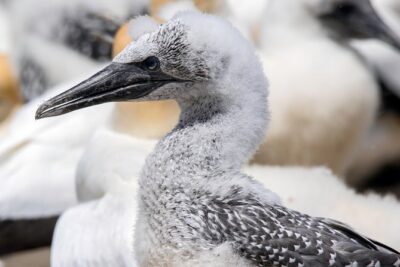
Gannet Safaris Overland tour to Cape Kidnappers Gannet Colony
Read our review →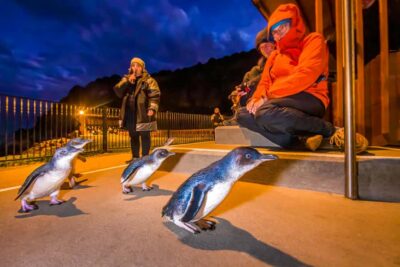
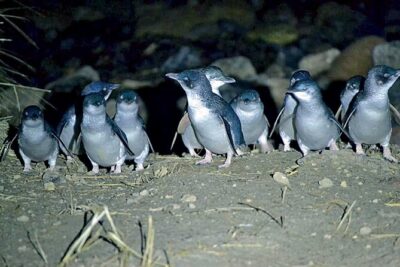
Guided Evening Penguin Viewing Otago Peninsula, Dunedin, New Zealand
Read our review →
Cape Kidnappers Gannet, Nature & Sightseeing Tour
Read our review →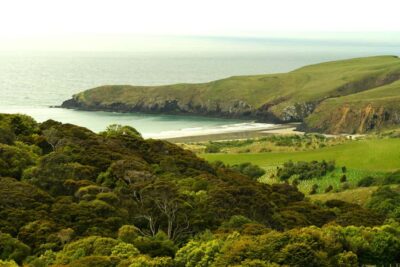
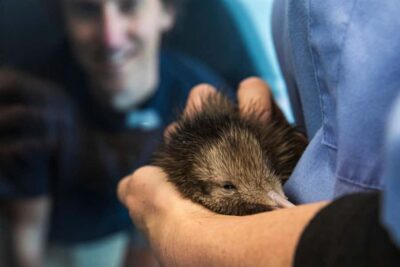
National Kiwi Hatchery – Kiwi Encounter Guided Tour
Read our review →
Albatross, seals, and sea birds-Wildlife Cruise
Read our review →Browse the lists this tour appears in