
Reviewed · STARGAZING TOURS
Nocturnal Wonders Tawharanui Kiwi Spotting and Stargazing Tour
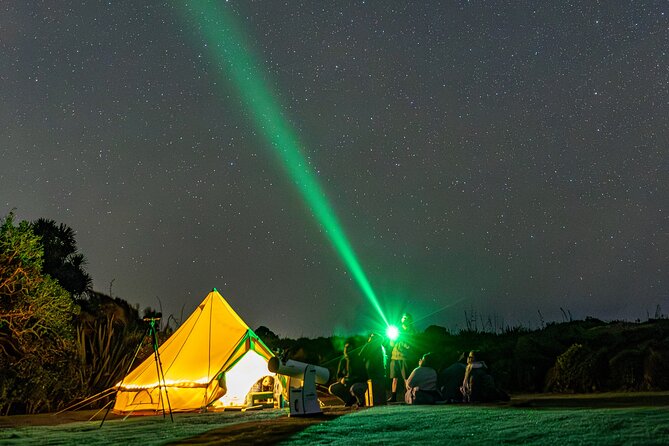
At Tawharanui, the best wildlife may appear after sunset. This three-hour walk takes you into the park’s native bush to look for North Island brown kiwi, then out beneath a remarkably dark sky to study stars, planets, and constellations. It is a rare chance to experience the park after most day visitors have gone.
I like the small group of no more than 10 because you can ask questions without shouting over a crowd. I also like the mix of wildlife and astronomy: one part quiet search, one part sky watching. The main consideration is that kiwi are wild animals, so sightings are never guaranteed, and the activity depends on suitable weather.
Key points to know before booking
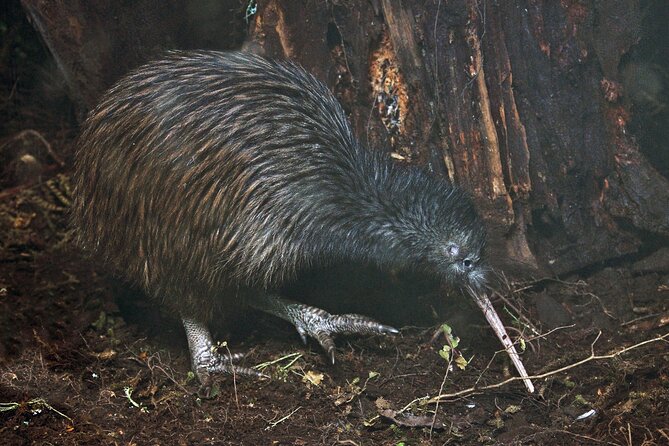
- Kiwi search after twilight: Walk through native bush with an experienced guide and look for signs of nocturnal activity.
- Three hours at Tawharanui: The tour begins and ends at Tawharanui Regional Park on Takatu Road.
- Telescopes and binoculars supplied: Your guide provides equipment for the stargazing portion.
- Indigenous astronomy included: The sky is explained through stars, planets, constellations, and Māori astronomical traditions.
- Small-group format: The maximum group size is 10 people, leaving room for questions and a quieter walk.
- Optional glamping extension: You can add a camping stay, but campsite reservations and fees are not included.
Why Tawharanui works after dark
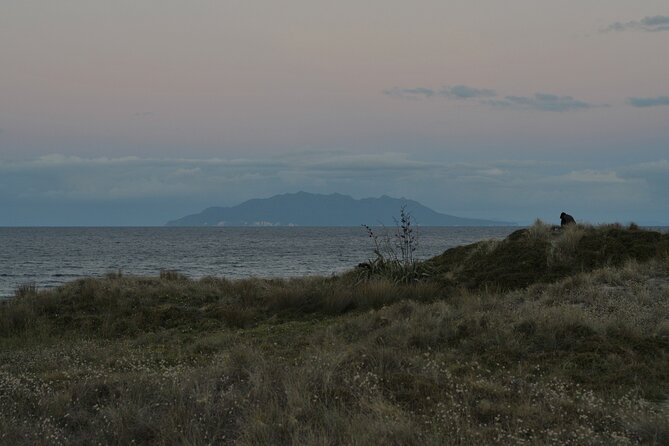
Tawharanui Regional Park is known for native bush, wildlife, and dramatic coastal scenery in daylight. This tour changes the rhythm completely. Instead of trying to cover a large area, you move slowly as evening settles in and pay attention to sounds, tracks, and movement close to the ground.
That change matters. During the day, it is easy to focus on views and overlook the smaller signs of animal life. At night, the guide’s attention turns toward the creatures that only become active after dark. You will need to stay alert and patient rather than expect a fast-moving sightseeing circuit.
The meeting point is 1181 Takatu Road, Tāwharanuī Peninsula 0986. You arrange your own way to the park, and the tour finishes back at the same point. Since the activity begins around twilight and continues into the night, plan your timing carefully. You do not want to arrive rushed or discover that you have left too little time to reach the peninsula.
The cost is $93.09 per person. I see that as fair value if you want both guided wildlife watching and astronomy in one outing. You are paying for the guide’s local knowledge, the small group, and the use of telescopes and binoculars, rather than simply access to the park. It is less compelling if you only want a short walk or a guaranteed animal sighting.
More stargazing tours in Auckland:
- Lake Tekapo: Alpine Stargazing Experience with a Guide
★ 4.5 · 626 reviews - Lake Tekapo: Stargazing Experience
★ 4.9 · 607 reviews - Chameleon Stargazing Shared Tour
★ 5.0 · 181 reviews
Following kiwi signs as darkness falls
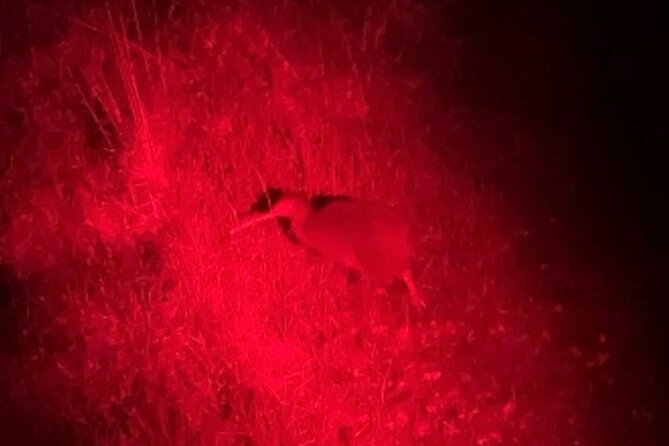
The first section is a kiwi discovery walk. You meet the guide as twilight begins and follow a route through the park’s native bush, watching for traces of kiwi activity and listening for signs of movement.
The guide explains the birds as you walk, including the habits that make the North Island brown kiwi such an unusual part of New Zealand’s wildlife. The focus is not just on spotting a bird. You also learn how to think about nocturnal wildlife, why quiet behavior matters, and what clues can point toward an animal nearby.
A small group helps here. Ten people is still enough for company, but it is far more manageable than a large evening outing. You have a better chance to hear the guide, ask a question, and stop without creating a noisy knot of people on the track.
You should also set your expectations correctly. Kiwi are not presented like animals in an enclosure, and the tour cannot promise a sighting. The strongest part of this section may be the process of looking, even when the bush stays quiet. You might notice traces of activity, hear movement, or see a kiwi briefly at close range.
One customer reported seeing three kiwis, including one at very close range. That is an exceptional result, not a guarantee, but it shows what can happen when conditions and luck line up. The guide’s experience clearly matters, yet wild encounters always retain an element of chance.
Because this is a night walk, comfort and care are important. The supplied information does not specify the route surface, lighting, or exact terrain, so ask the operator if you have concerns about walking after dark. Most people can take part, but you should be comfortable walking outdoors for the tour’s duration.
From native bush to a dark-sky viewing site
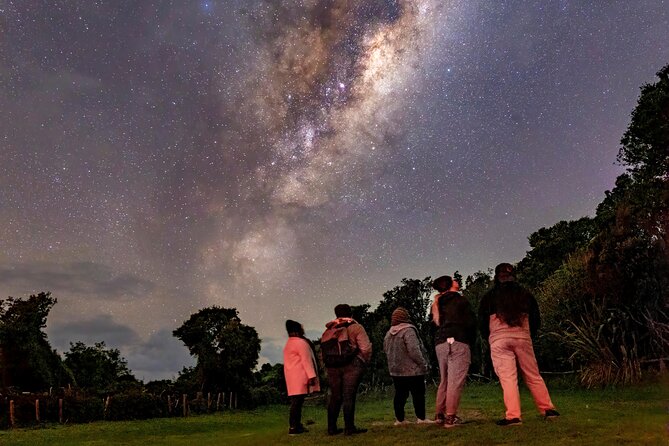
After the wildlife search, the tour moves to a secluded stargazing spot within the park. The change from bush watching to sky watching gives the evening a pleasing second act. You go from looking down for signs of kiwi to looking up at stars and planets.
The park’s distance from city glare makes this part especially useful. A darker sky allows more stars to appear and makes constellations easier to pick out. Your guide supplies telescopes and binoculars, so you do not need to bring specialist gear to take part.
The equipment is a real value point. Many people can recognize the Moon or a few bright stars, but binoculars and telescopes help turn the sky into something more detailed. You can ask questions as the guide identifies objects and explains what you are seeing.
The program also includes stories and ideas from indigenous astronomy. That gives the sky a local cultural setting instead of treating it as a list of scientific labels. You learn about stars and constellations while also hearing how Māori traditions connect people, place, and the night sky.
The stargazing stop is likely to be calmer than the kiwi search. There is no need to move quietly through bush or wait for an animal to appear. You can pause, look through the equipment, and let the guide set the pace. For many people, this will be the most relaxing part of the evening.
The tradeoff is weather. Clouds can reduce what you see, and the operator may cancel if conditions are poor. If that happens, you are offered another date or a full refund. It is worth keeping your schedule flexible rather than booking the tour immediately before an important flight or fixed evening plan.
What the small group changes
The maximum group size is 10. That number is small enough to make the guide accessible but large enough to keep the activity social. You are not simply following someone at the front of a long line.
I value this format most during the kiwi walk. Quiet wildlife watching works better when the group can stop together and receive instructions clearly. It also gives you more chances to ask about tracks, birds, plants, or the night sky.
The guide is described as experienced and provides the specialist equipment. No guide’s personal name is supplied, so I would not book expecting a particular individual. Instead, treat the quality of the evening as tied to the guide assigned to your date.
The tour is recommended for most people who can participate in an outdoor walking activity. Since the details do not specify a fully accessible route, vehicle transfer, or walking distance, contact Social Nature Movement before booking if you need those details confirmed.
More bird watching tours in Auckland:
- Auckland (Tawharanui): Wild Kiwi Bird Spotting Encounter
★ 4.9 · 78 reviews - Twilight Wild Kiwi Bird Encounter Private Tour
★ 5.0 · 3 reviews - Gannet Safaris Overland tour to Cape Kidnappers Gannet Colony
★ 5.0 · 942 reviews - Oamaru: Penguins Evening Viewing Ticket
★ 4.5 · 682 reviews
The glamping option and what it does not include
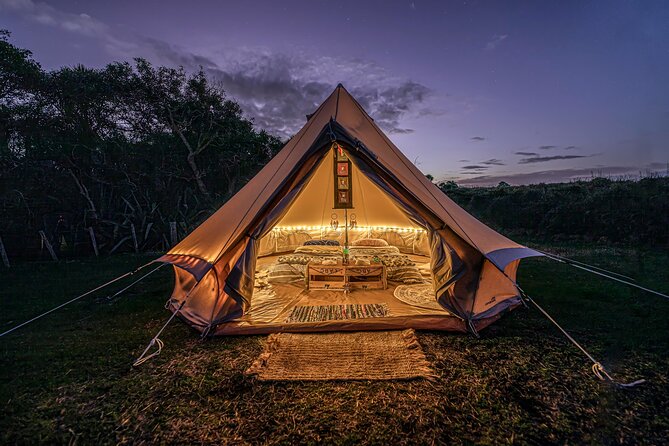
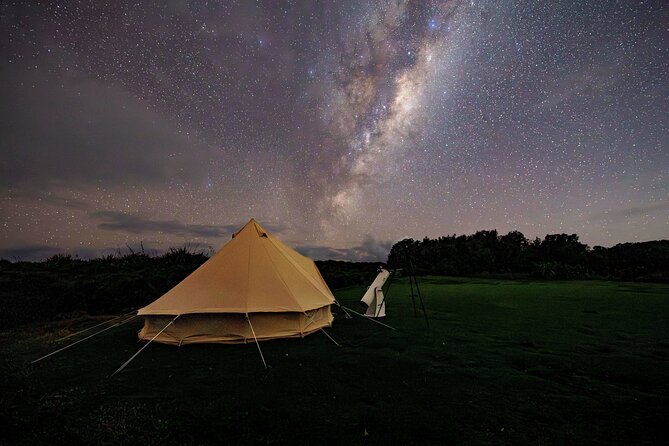
You can extend the outing with a stay in glamping tents. That option makes sense if you want to avoid a late drive after the stargazing or if you are building a slower weekend around Tawharanui.
The important catch is that campsite reservations and fees are not included in the tour price. You need to arrange that part separately. Confirm the campsite details and availability before assuming the overnight option is secured.
The glamping element is optional, so the core tour remains a three-hour evening activity. If you already have accommodation nearby, you can skip camping and simply return to the meeting point at the end.
Who will get the most from this evening
I would choose this tour if you want more than a standard daytime visit to Tawharanui. It suits people who enjoy wildlife but understand that nature does not work on a timetable. It also suits first-time stargazers who would benefit from equipment and guidance instead of trying to identify everything alone.
Families may appreciate the variety, provided everyone can manage a night walk and remain quiet during the kiwi search. The astronomy segment can help keep the evening engaging after the walk, while the small group gives the guide room to answer questions.
This is also a good fit for photographers and nature fans, but do not expect a dedicated photography session. The supplied details focus on walking, wildlife observation, and astronomy. Bring photography equipment only if you are comfortable handling it in low light and without any promise of a perfect shot.
I would hesitate to recommend it if you need a guaranteed kiwi sighting, dislike outdoor activity after dark, or have a tightly packed evening schedule. Poor weather can affect the experience, and the activity requires patience.
Practical value at $93.09
At $93.09, the price is easiest to justify by looking at what is bundled together. You receive a three-hour guided outing, a small group, wildlife interpretation, and access to telescopes and binoculars. The combination is more useful than paying separately for a simple park walk and an unrelated stargazing session.
The strongest value comes from the guide. Tawharanui after dark is not the kind of place where you can easily recreate the same experience by arriving alone and hoping for a kiwi. A guide helps you search with purpose and gives context to what you encounter.
Still, the price does not include camping, and you arrange your own transport to the park. Add those costs if you plan to use the glamping option. Also remember that the best wildlife outcome depends partly on luck, so judge the tour by the full evening rather than by a single animal sighting.
There are 10 or more bookings in a recent month, and the experience has a 4.9 rating from 23 reviews, with 100 percent recommending it. Those figures suggest strong demand and a consistently positive response, though the sample remains fairly small. Book ahead if your dates are fixed.
Cancellation and weather planning
You can cancel for a full refund up to 24 hours before the start time. Changes or cancellations made inside that 24-hour window are not accepted for a refund.
The operator may cancel if the weather is unsuitable or if the minimum number of participants is not reached. In either case, you are offered another date or experience, or a full refund. Cutoff times follow local time in New Zealand.
I would keep one spare evening in your schedule if the kiwi search and stargazing are a major part of your Auckland-area plans. That simple buffer makes a weather change far less frustrating.
Should you book the Tawharanui night tour?
Book it if you want a quiet, guided look at New Zealand wildlife after dark, followed by practical stargazing in a small group. The chance to see a North Island brown kiwi is the obvious draw, but the astronomy and Māori sky traditions give the evening more depth than a single wildlife search.
Skip it if you want a guaranteed sighting, a daytime sightseeing tour, or an activity with no walking. For the right visitor, $93.09 is a sensible price for three focused hours, supplied viewing equipment, and a chance to experience Tawharanui when its nocturnal life begins.
FAQ
Where does the tour start?
The tour starts at Tawharanui Regional Park, 1181 Takatu Road, Tāwharanuī Peninsula 0986, New Zealand.
Where does the tour finish?
The activity ends back at the meeting point in Tawharanui Regional Park.
How long does the tour last?
The tour lasts approximately three hours.
What wildlife might I see?
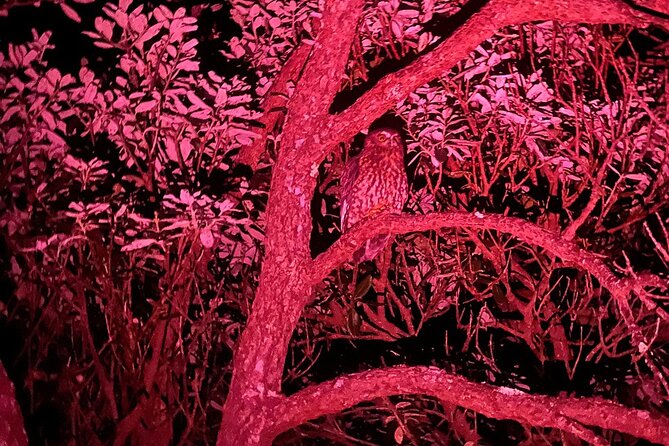
The tour focuses on nocturnal birds, insects, reptiles, and especially the North Island brown kiwi.
Is a kiwi sighting guaranteed?
No guarantee is provided. The tour involves looking for traces of kiwi activity and searching for the birds in their natural setting.
What equipment is provided?
Your guide provides telescopes and binoculars for the stargazing section.
How many people can join?
The maximum group size is 10 people.
Is camping included?
No. Glamping may be available as an added option, but campsite bookings and fees are not included.
Can I cancel for a refund?
Yes. You can cancel up to 24 hours before the start time for a full refund.
What happens if the weather is poor?
If poor weather causes cancellation, you are offered another date or a full refund.
Just added around Auckland
- Kumeu Wine Region Shuttle from Auckland★ 4.5 · 19 reviews
- Auckland Airport Private One-Way or Round-Trip Transfer★ 4.5 · 14 reviews
- Auckland’s Wild West Coast & Black Sand Beaches Tour inc Lunch★ 5.0 · 12 reviews
- West Coast Discovery – Piha Beach or Muriwai Beach from Auckland★ 3.5 · 6 reviews
- West Coast Discovery Tour★ 5.0 · 37 reviews
- Wētā Workshop Unleashed – Intro to Scars and Scrapes Workshop★ 5.0 · 5 reviews
- West Coast Discovery Piha Beach Private Tour★ 5.0 · 14 reviews
- Ultimate Auckland Experience Full Day Tour with Brewery Lunch★ 5.0 · 6 reviews
Stargazing Tours, compared.
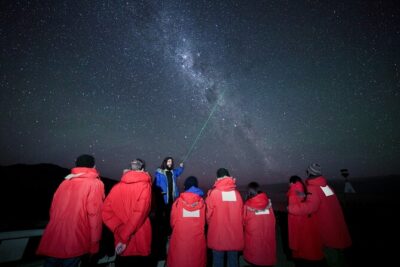
Mount John Observatory Stargazing Experience, Tekapo
Read our review →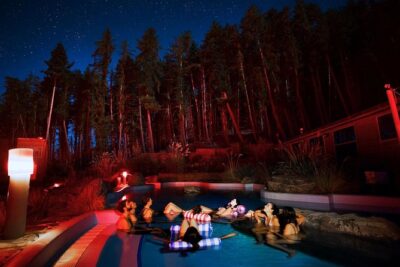
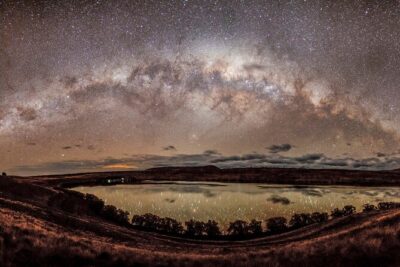
Silver River Stargazing Experience in Lake Tekapo
Read our review →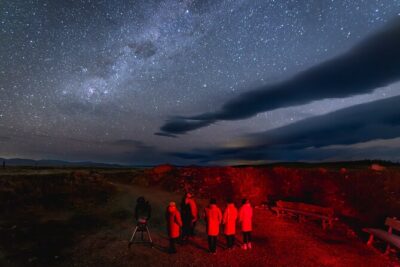
Stargazing Experience at Cowan’s Private Observatory
Read our review →Browse the lists this tour appears in