
Reviewed · STARGAZING TOURS
Lake Tekapo: Mountaintop Stargazing at Mount John Summit
Mount John’s summit gives you something rare: a chance to look across the Southern Hemisphere sky from 1,029 meters, surrounded by the University of Canterbury research centre and very little artificial light. I like the clear, practical astronomy instruction, and I like that transport and extreme-cold-weather jackets are included. The main catch is simple: clouds, wind, and moonlight can change the night dramatically.
I also like the guides’ enthusiasm. Oscar, one guide singled out by name, brought energy and clear explanations, while other guides have helped visitors find the Southern Celestial Pole, Alpha Centauri, Mercury, Jupiter, and star groups through the telescopes. Just keep your expectations sensible: the telescopes reveal more detail, but they do not turn every planet into a giant picture-book disk.
Key points to know before you book
- Mount John access: You ride to the 1,029-meter summit instead of stargazing only from the lakefront.
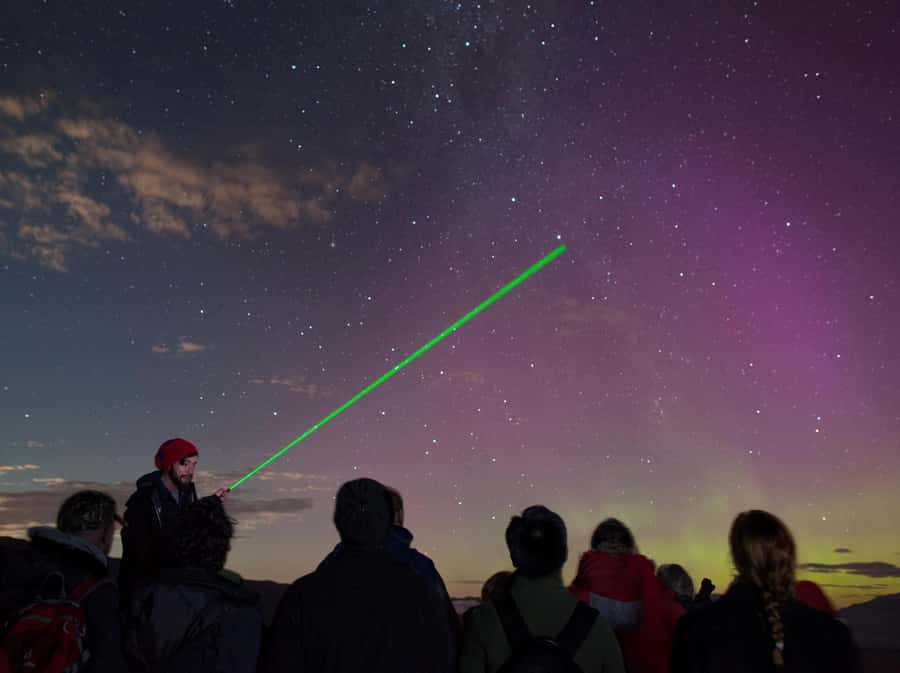
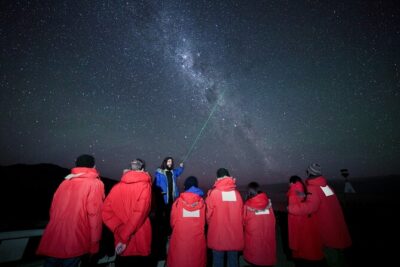
- Southern sky lessons: Guides use handheld lasers to point out stars and constellations, including features that are unfamiliar to many northern-hemisphere visitors.
- Telescope viewing: High-powered telescopes may show planets, stars, and other sky objects, but the exact sights depend on the night.
- Cold-weather help: Extreme-cold-weather jackets are supplied, though you should still dress warmly year-round.
- Weather matters: A clear, calm, moonless night gives the best chance of seeing the Milky Way clearly.
- Short but focused outing: The experience lasts 105 minutes and includes return transport from the Dark Sky Project base.
Why Mount John is such a strong place for stargazing
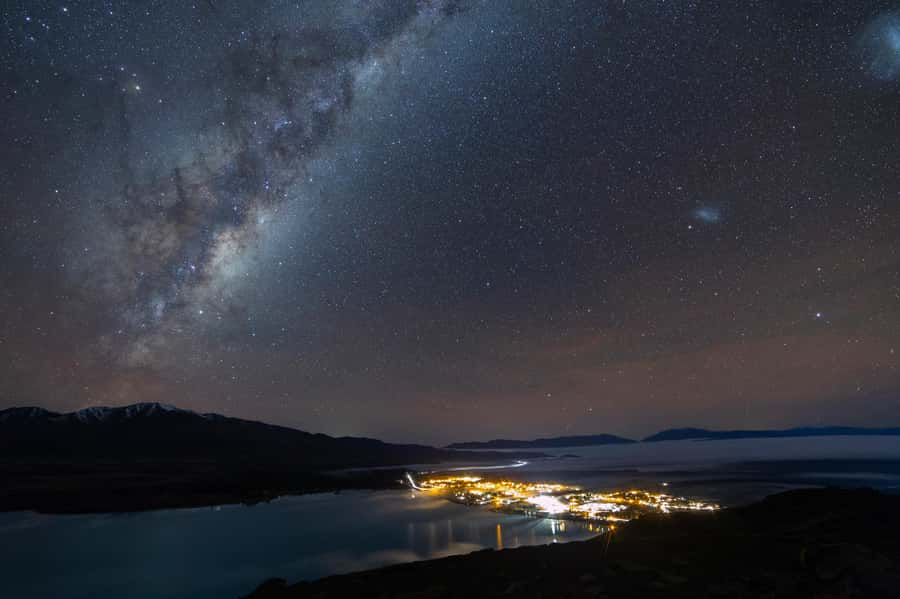
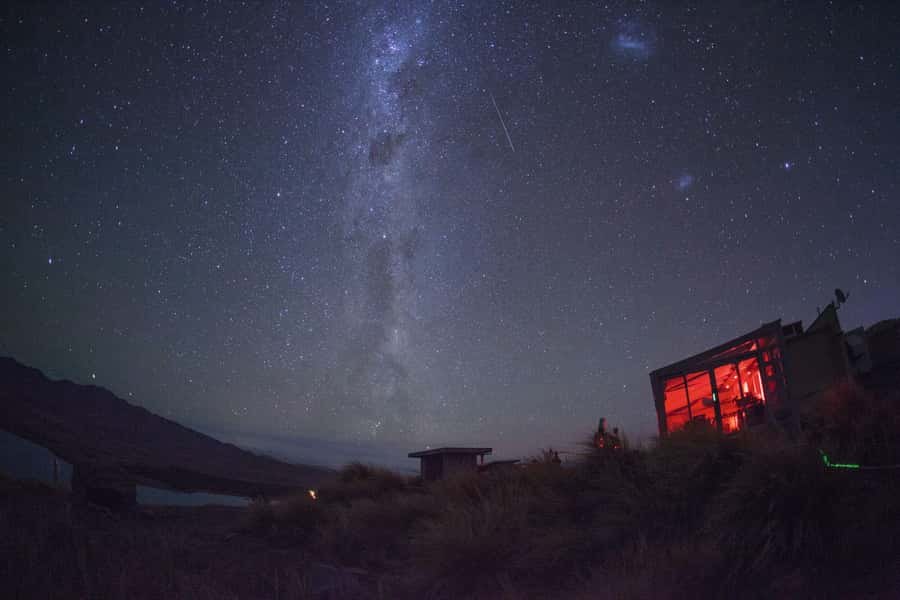
Lake Tekapo sits in the heart of the world’s largest Gold Standard International Dark Sky Reserve. That label matters here because darkness is not a minor backdrop. It is the central attraction.
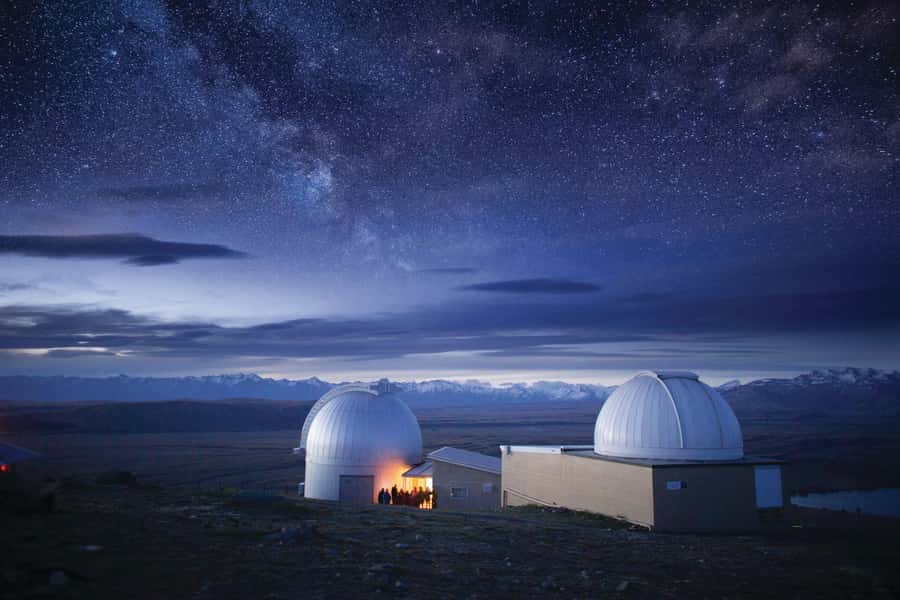
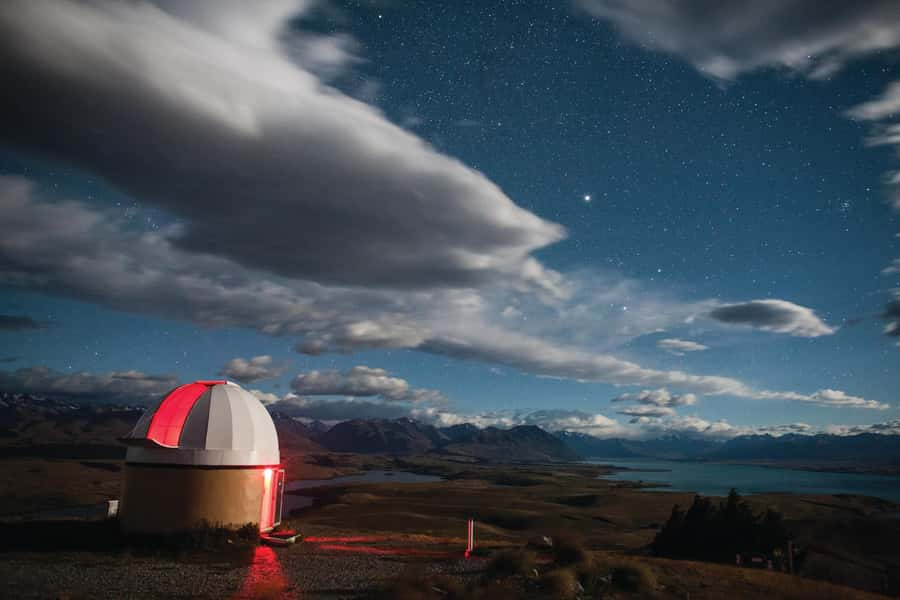
At Mount John, you are above the lake and away from much of the light below. The summit also has a connection to serious astronomical research through the University of Canterbury facility. You are not simply being taken to a scenic hill with a telescope. The setting has long been used for studying the sky, and the tour makes that scientific side part of the evening.
I like the way this changes the experience from passive sightseeing into a lesson you can use later. Instead of only being shown a few bright objects, you begin with the naked eye. Your guide uses a handheld laser to trace points in the sky and explain what you are looking at. That helps you build your own sense of direction.
The Southern Hemisphere has plenty that northern visitors will not recognize. The Southern Celestial Pole, Alpha Centauri, and other southern stars can seem confusing at first. A good guide gives you a few fixed points, and suddenly the sky becomes easier to read.
More Stargazing Tours in Lake Tekapo
- Lake Tekapo: Alpine Stargazing Experience with a Guide
★ 4.5 · 626 reviews - Lake Tekapo: Stargazing Experience
★ 4.9 · 607 reviews - Chameleon Stargazing Shared Tour
★ 5.0 · 181 reviews
Checking in at the Dark Sky Project base
You meet at the Dark Sky Project base on the Takapō, or Tekapo, lakefront. Arrive at least 20 minutes before departure. Hotel pickup is not included, so you need to make your own way to the base.
That early arrival matters. The evening is short, and late arrivals may miss the departure for the summit. The base also gives you a final chance to sort out clothing, use the facilities, and make sure you have everything you need before heading uphill.
Bring warm, weather-appropriate clothes even if the evening feels mild beside the lake. Mount John can be sharply cold after dark, and the tour supplies extreme-cold-weather jackets at check-in. Those jackets have been especially useful on chilly nights, but I would treat them as an extra layer rather than a substitute for warm trousers, socks, and covered shoes.
Flash photography is not allowed. That rule protects dark adaptation and prevents one person’s camera from spoiling the view for everyone else. Bring a phone or camera if you like, but expect the best part of the evening to be something you watch rather than photograph.
The ride up to the 1,029-meter summit
The tour includes return transport from the Dark Sky Project base to Mount John. This keeps the evening simple and avoids asking you to navigate the mountain road in the dark.
The ride itself is part of the change in mood. You leave the lakefront and head toward a darker, higher viewpoint. One driver jokingly described the vehicle as Tekapo’s only nightclub, a fitting bit of humor for a night tour with no music and plenty of stars.
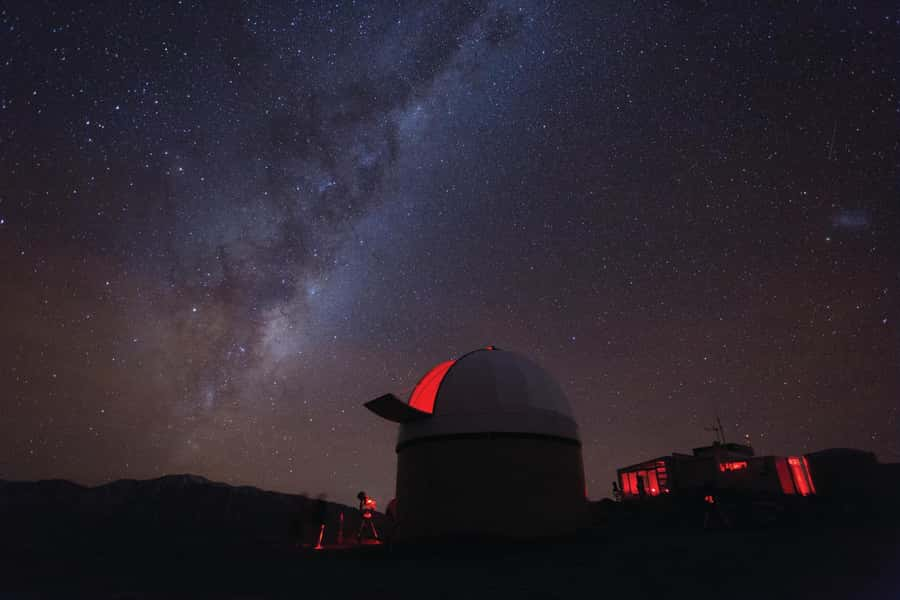
At the summit, you are surrounded by the University of Canterbury research centre. That gives the setting a serious astronomy feel, even though the activity remains family-friendly and accessible to people who know little about the subject.
The walking requirement is modest but real. You need to feel comfortable walking about 100 meters up a gravel incline and climbing a couple of steps in the dark. This is not a suitable outing for people with mobility impairments, and children must be at least 10 years old.
Starting with the naked-eye Southern Sky
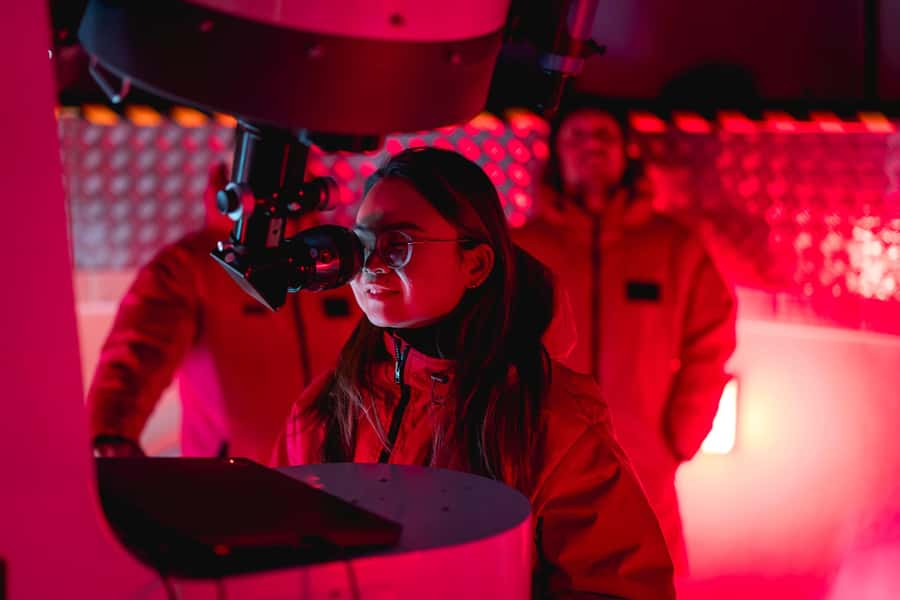
The first main part of the evening uses no telescope. Your guide takes you outside and uses a handheld laser to identify stars and other points of interest.
This is one of the most valuable parts of the experience because it gives context to everything that follows. A telescope can show you a bright object, but it does not always tell you how to find it again. The laser lesson helps you learn the pattern and position of the sky above you.
You might learn to locate the Southern Celestial Pole, a key reference point in the southern sky. You may also see Alpha Centauri, Jupiter, Mercury, or other star groups, depending on the date and conditions. The exact program cannot be fixed because the sky changes from night to night.
The guides are the reason this section works. They explain rather than simply point. Their enthusiasm also helps if you arrive knowing very little about astronomy. Oscar has been praised for combining energy with clear explanations, and other guides have been described as passionate and engaging.
This is a tour where you should ask questions. The format allows the guide to respond to what is actually visible, so your questions may lead to a different explanation or object than the group expected.
Same corner of the country, a very different day out:
- Mount John Observatory Stargazing Experience, Tekapo
★ 4.5 · 160 reviews - Lake Tekapo: Single Day Multiple Entry Pass for Hot Pools
★ 4.2 · 129 reviews - Tekapo Star Gazing Tour – Soak in the Stars
★ 4.5 · 109 reviews - Silver River Stargazing Experience in Lake Tekapo
★ 4.5 · 106 reviews
Telescopes and the limits of what you will see
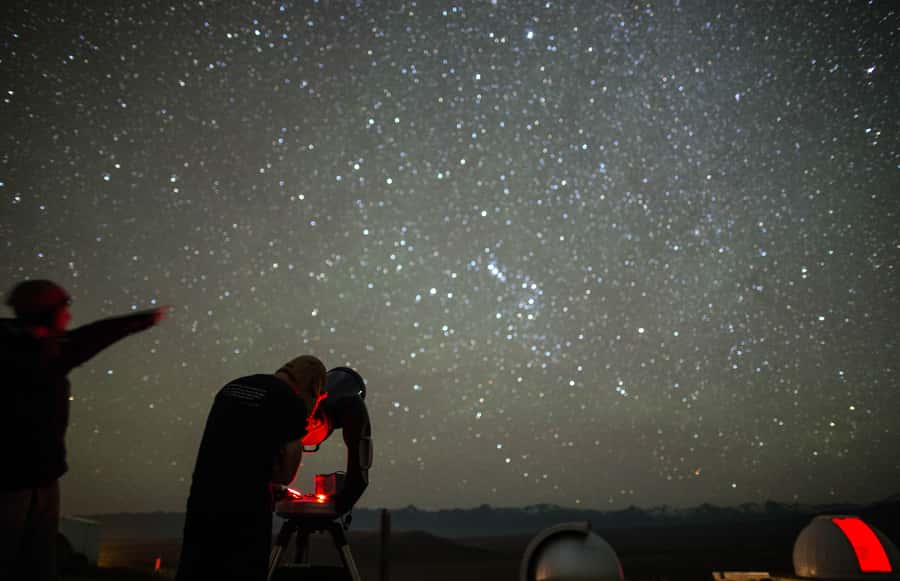
After the naked-eye introduction, you get closer views through high-powered telescopes. This is where many people expect the biggest visual payoff, and it can be impressive when the right object is visible.
You might see a planet, a star group, or another bright object in much greater detail than with your eyes alone. One clear night included views of Mercury, Jupiter, and several star groups. Another evening may offer a different selection.
Here is the practical point: the telescopes are not enormous planetarium-style machines, and they cannot guarantee a dramatic view of Saturn, Venus, or the Moon. One visitor found the telescope image only slightly larger than the naked-eye view and felt the price was high as a result. That is a fair concern, especially if you are booking mainly to see one particular planet.
The telescope experience depends on three things: what is above the horizon, how clear the air is, and how bright the moon is. A tour under a bright moon may still produce attractive telescope views, but moonlight can wash out the Milky Way. If your main goal is a dark, star-filled sky, aim for a night near the new moon when possible.
Weather, wind, and moonlight can reshape the evening
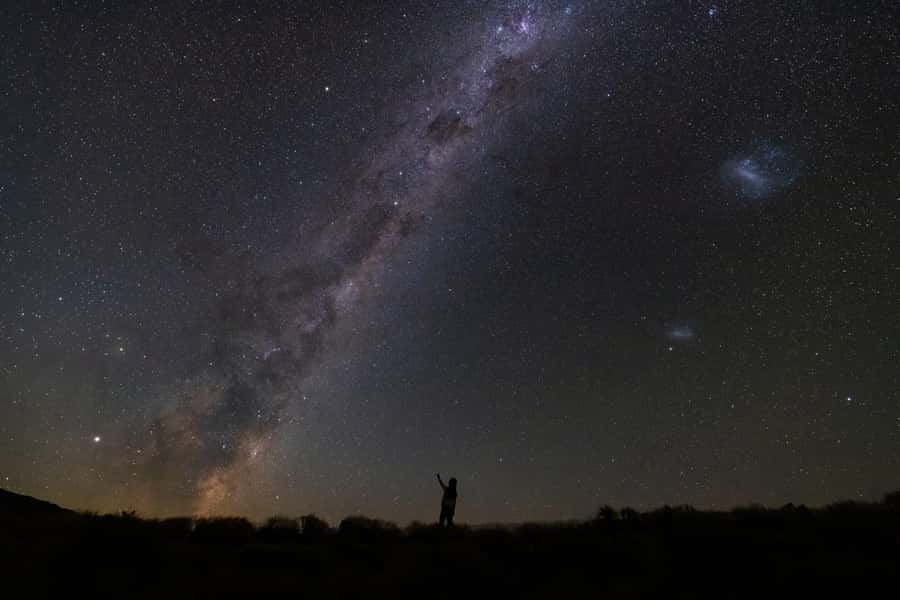
This is an outdoor activity, and weather is not a small detail. Cloud cover can block the stars. Wind can make the summit feel colder. Poor conditions can also prevent the trip to the top.
Tours may be cancelled in bad weather. If that happens, an indoor alternative is offered, or you can receive a full refund. You can also cancel up to 24 hours before departure for a full refund, which gives you some useful flexibility when planning around a changeable forecast.
If your schedule allows, keep an eye on the forecast and consider rescheduling. One visitor postponed a booking after poor weather and had a much better experience the following night, with less wind and no clouds. That kind of flexibility can matter more than the exact date.
Moon phase deserves attention too. A waxing moon can make the night look beautiful and help illuminate the surroundings, but it also reduces the contrast of the Milky Way. A moonless night may look darker at first, yet the stars and Milky Way can be bright enough to guide you around.
How cold is the summit?
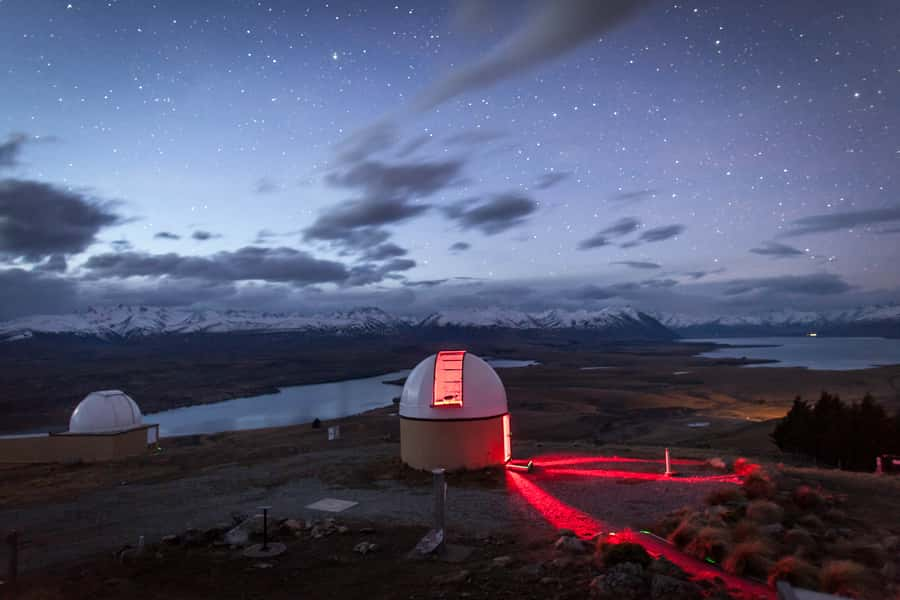
Mount John is a mountaintop experience, so you should plan for cold conditions at any time of year. The tour provides extreme-cold-weather jackets, which is a thoughtful inclusion and makes the outing easier for visitors who did not pack specialist outdoor gear.
Still, wear warm clothing from the base. I would choose layers, long trousers, warm socks, and closed shoes suitable for gravel. You may be standing outside for much of the 105-minute experience, and cold feet can distract you from an otherwise excellent sky.
The darkness also changes how you move. You need to climb a couple of steps in the dark and walk on a gravel incline. A small lanyard torch is provided according to one detailed account, but avoid using a bright phone light unless necessary. Protecting your night vision makes the stars easier to see.
Is the NZD 130 price good value?
At the listed price of NZD 130 per person, you are paying for more than a telescope session. The cost includes the return ride to the summit, access to a restricted mountaintop setting, a 105-minute guided program, astronomy instruction, and a warm jacket.
I think the price makes sense if you value the setting and the guide-led explanation. You are not just looking upward from the town. You are taken to a high point within a major dark sky reserve, shown how to read the southern sky, and given telescope time.
Value becomes less certain if you expect a large telescope with guaranteed views of particular planets. The guide cannot control which objects are visible, and the telescope may show a star or planet only modestly larger than it appears to your eye. A clear, moonless night will make the price feel much better than a cloudy or brightly moonlit one.
The tour also offers guides in English, Japanese, and Chinese. Be aware that you must speak the language of the tour for health and safety reasons. If you cannot communicate in that language, you will not be allowed to join.
Who will enjoy this Mount John experience most?
I would recommend it to anyone curious about astronomy, especially first-time stargazers who want help making sense of the sky. The naked-eye instruction is as important as the telescopes, and it gives you something useful to take away.
It also suits visitors who want a distinctive evening during a South Island road trip. You get a high viewpoint, a short transport ride, expert instruction, and a very different view of the region after dark.
Families can book, but children must be at least 10 years old. The gravel incline, steps, darkness, and cold mean that this is not a relaxed stroll suitable for every mobility level.
Photography enthusiasts should adjust their expectations. Flash photography is not allowed, and the darkness makes casual phone photos difficult. One visitor managed only a few seconds of usable time-lapse footage, despite spending much longer beneath the sky. You will likely get more from watching than from trying to record every moment.
Seven practical questions before departure
FAQ
How long does the Mount John stargazing tour last?
The experience lasts 105 minutes, or one hour and 45 minutes.
Where do I meet the tour?
You check in at the Dark Sky Project base on the Takapō, or Tekapo, lakefront. Arrive at least 20 minutes before departure.
Is transport to Mount John included?
Yes. Return transport from the Dark Sky Project base to the Mount John summit is included. Hotel pickup and drop-off are not included.
Are warm clothes provided?
An extreme-cold-weather jacket is provided at check-in. You should still bring warm, weather-appropriate clothing because the summit can be cold year-round.
Can children join the experience?
Children must be at least 10 years old. The activity is not suitable for children under 10.
What happens if the weather is bad?
The tour may be cancelled in bad weather. An indoor alternative will be offered, or you can receive a full refund.
Can I cancel my booking?
You can cancel up to 24 hours before departure for a full refund. Reserve-now, pay-later booking is also available.
Should you book the Mount John summit tour?
Book it if you want a guided introduction to the Southern Hemisphere sky and you can choose a night with a decent forecast. The strongest parts are the summit setting, the clear naked-eye instruction, the warm jackets, and the guides’ enthusiasm.
If you are hoping for guaranteed views of Saturn, Venus, the Moon, or a giant telescope image, think twice. The sky decides much of the program, and a bright moon or cloud cover can reduce what you see.
My best advice is to check the forecast, consider the moon phase, arrive early, and dress more warmly than you think necessary. With clear skies and a flexible attitude, Mount John can give you one of the most memorable evenings of a South Island visit.
Just added around Lake Tekapo
- Lake Tekapo Scenic Wilderness Cass Valley Tour★ 4.5 · 19 reviews
- Lake Tekapo Ultimate Stargazing Experience★ 5.0 · 3 reviews
- Christchurch to Tekapo Small-Group Tour (one-way)★ 5.0 · 4 reviews
- Tekapo: Merino Sheep Shearing and Sheepdog Demonstration★ 5.0 · 26 reviews
- Lake Tekapo: Indoor Māori Cultural Astronomy Experience★ 4.5 · 43 reviews
- Queenstown to Tekapo Small Group Tour One Way★ 4.6 · 6 reviews
- Private Photoshoot in Lake Tekapo★ 5.0 · 3 reviews
- Lake Tekapo: Ultimate Stargazing Experience★ 4.3 · 12 reviews
Stargazing Tours, compared.
Mount John Observatory Stargazing Experience, Tekapo
Read our review →
Silver River Stargazing Experience in Lake Tekapo
Read our review →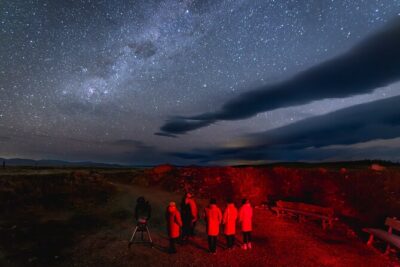
Stargazing Experience at Cowan’s Private Observatory
Read our review →
Dark Sky Indoor Maori Cultural Astronomy Experience
Read our review →Browse the lists this tour appears in