
Reviewed · BIRD WATCHING TOURS
Guided Evening Penguin Viewing Otago Peninsula, Dunedin, New Zealand
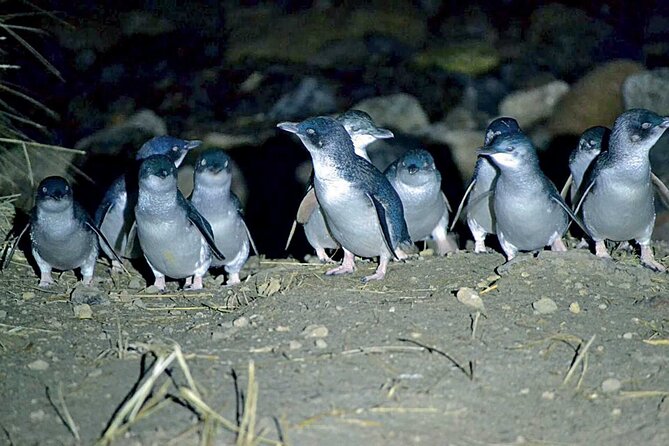
Little blue penguins come ashore after dark, often just a few metres from the viewing platform. You first hear the surf, then see small groups, or rafts, hurry up the beach toward their nest boxes. It is a simple wildlife experience, but the close range makes it memorable.
I like the expert conservation talk, which covers penguin behavior as well as the Māori and European history of the headland. I also like the open platform, where staff move people around so you can get different views and take photos without flash. The main drawback is the weather: this exposed coast can be cold, windy, and wet, even when Dunedin feels mild.
Key points at a glance
- Up to 200 little blue penguins: Numbers are generally higher in summer, while February through August can bring roughly 10 to 80 penguins a night.
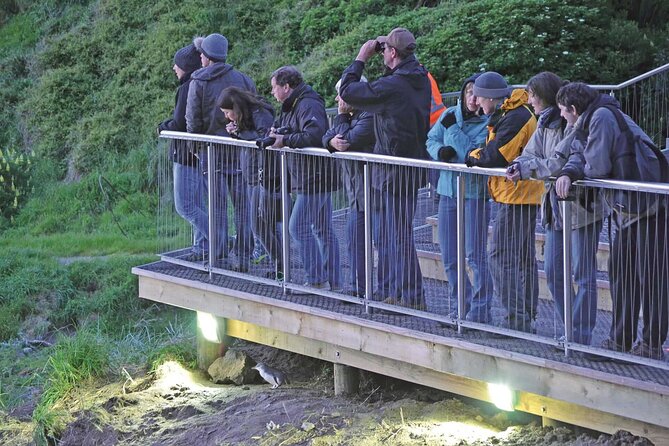
- A close, carefully managed view: Penguins pass only a few metres away, while the platform and staff help keep people from disturbing them.
- About 30 minutes of introduction: Expect local human history, penguin facts, and guidance on what will happen before the outdoor viewing.
- Self-drive only: You must reach Blue Penguins Pukekura at 1245 Harington Point Road by your own car.
- Photography is allowed: Use a camera or phone without flash.
- Dress for the coast: Bring warm, windproof layers and a rain jacket. Umbrellas are not allowed.
Why the penguin return is the main event
The little blue penguin is the world’s smallest penguin, and its size is part of the charm here. These birds do not make a grand entrance. They arrive in small groups from the water, pause, then scurry across the beach and under the viewing deck.
That unpredictability is important. This is a wild penguin colony, not a stage show. Some evenings bring only a few birds. On better nights, you might see dozens or even more than 100. The largest stated count is up to 200, with higher numbers usually seen during the summer breeding period.
The wait is part of the experience. You are watching a natural routine, so there may be quiet stretches before another group appears. Staff let you know when a raft is approaching, which helps you keep your eyes on the right part of the beach.
The penguins can pass very close to the platform. You do not need to chase them, call to them, or use a powerful camera. The best approach is to stay quiet, watch their route, and let them move at their own pace.
More Bird Watching Tours in Otago Peninsula
- Otago Peninsula In-Depth Tour & Blue Penguins Pukekura Experience
★ 5.0 · 163 reviews - Dunedin City Highlights, Otago Peninsula Scenery & a Guided Penguin Reserve Tour
★ 4.5 · 77 reviews - Dunedin: Otago Peninsula with Guided Penguin Reserve Tour
★ 4.7 · 66 reviews
The opening talk and the story of Pukekura
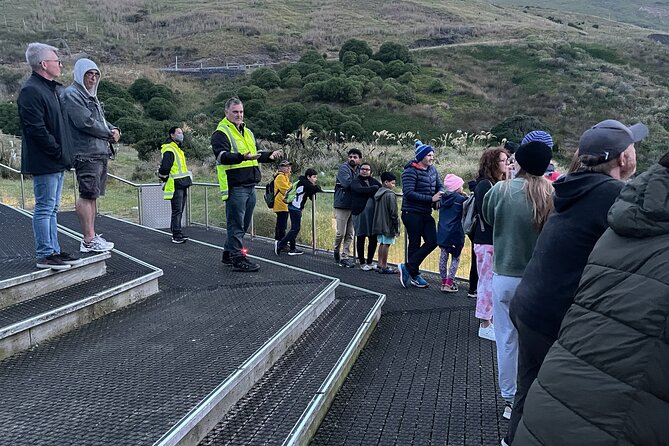
The evening begins at the reserve with an introduction to the headland. The talk includes the area’s human history, including its Māori occupation long before European arrival, then turns to the penguins and their environment.
Allow about 30 minutes for this opening section. It is more than filler before the main event. You learn how the birds use the coast, what their return from the sea means, and what to expect once you reach the viewing platform.
Guides including Leon and Shane are singled out for their engaging style, and the team is happy to answer questions when they are free. One useful detail is that the formal presentation may not include a long question period afterward, so ask during the talk or catch a guide once the outdoor viewing begins.
I appreciate this format because it gives you a way to understand what you are seeing. Without the explanation, a penguin crossing the beach is cute. With it, you begin to notice the timing, the group behavior, and the work involved in protecting the colony.
The 300-metre walk to the viewing platform
After the introduction, you walk roughly 300 metres along a gravel path and boardwalk. The route includes more than 60 built-in steps, so you need to walk unaided and feel comfortable on uneven ground.
The distance is short, but the steps matter. Wear sturdy shoes and do not assume this is a flat stroll from the visitor center to a roadside lookout. The reserve sits on an exposed headland, and the ground can feel more difficult in rain or strong wind.
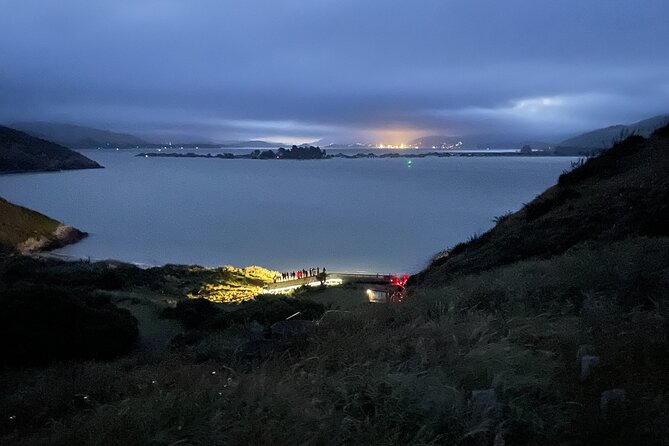
The route leads to an open viewing platform above the penguin area. It is designed to give you a clear view while keeping you at a respectful distance. Staff rotate groups around the platform so people at different positions get a fair look.
This rotation is one of the better practical features of the evening. A large group can otherwise mean standing behind someone taller or being stuck at one end. Here, you have the chance to change position and see the penguins from different angles.
The maximum group size is 75 people. That is not a tiny private outing, but the platform movement helps spread the viewing opportunity around. If you prefer a quiet, one-on-one wildlife encounter, this may feel busy. If you want a well-organized chance to see a colony, the system works well.
Watching the penguins come home
At dusk, the platform becomes the focus. Look toward the beach and the waterline, and wait for the first movement. The penguins may appear in a loose group, then hurry past the viewing area toward their nesting spots.
The setting feels close without requiring contact. You are not placed on the beach beside the birds, and you are not encouraged to approach them. That distance protects the animals while still giving you a clear view.
Lighting is used to help you see the penguins after dark. You should not expect daylight conditions or a perfectly illuminated wildlife set. Still, the viewing setup lets you follow the birds as they move below and beside the platform.
You can take photographs and video, but never use flash. Flash can disturb wildlife and ruin the night vision of people around you. A phone may record the scene, but do not let photography replace watching. The penguins move quickly, and the most satisfying part is often seeing the whole group make its way inland.
Staff may tell you when each group is coming ashore. They also help shift people around the platform. That matters because the birds can approach from different points, and the best view may change from one raft to the next.
Same corner of the country, a very different day out:
- Clearwater Wildlife Tours (small group 10max) Otago Peninsula
★ 5.0 · 531 reviews - Larnach Castle and Gardens Admission Ticket
★ 4.5 · 279 reviews - Dunedin Shore Excursion: Small-Group Tour of Dunedin and the Otago Peninsula
★ 4.5 · 270 reviews - Otago Peninsula Wildlife Cruise with Monarch
★ 4.5 · 227 reviews
How many penguins might you see?
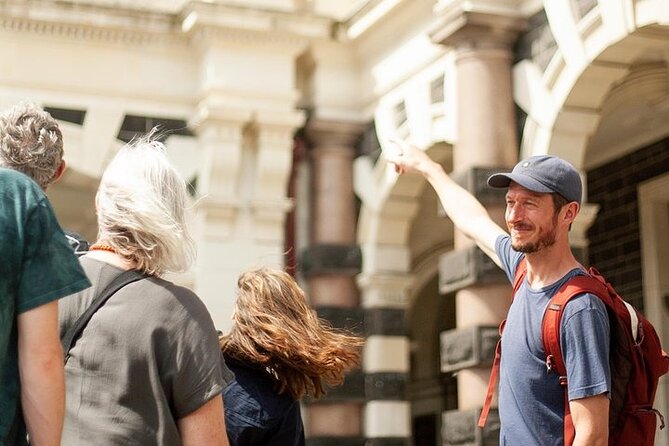
There is no guaranteed number, but the reserve gives a useful seasonal guide. From February through August, the expected nightly count is about 10 to 80 penguins. More are usually seen during summer.
The breeding season can be especially rewarding. November may bring chicks, and the colony can be very active. If your main goal is to see the largest possible number, summer is the stronger choice, though nature never follows a firm timetable.
A quiet night does not mean the tour has failed. Seeing fewer penguins can reflect the season, the weather, or the birds’ own schedule. The operator offers a 30 percent refund through this booking channel if fewer than five penguins are seen. That policy does not change the uncertainty, but it does acknowledge that wildlife viewing is not guaranteed.
You may also see other animals. Fur seals, sea lions, and albatross are possible around the Otago Peninsula, and sea lions have been seen near the penguin route. These sightings are not promised, so treat them as a bonus rather than part of the central plan.
The cold, wind, and rain are real factors
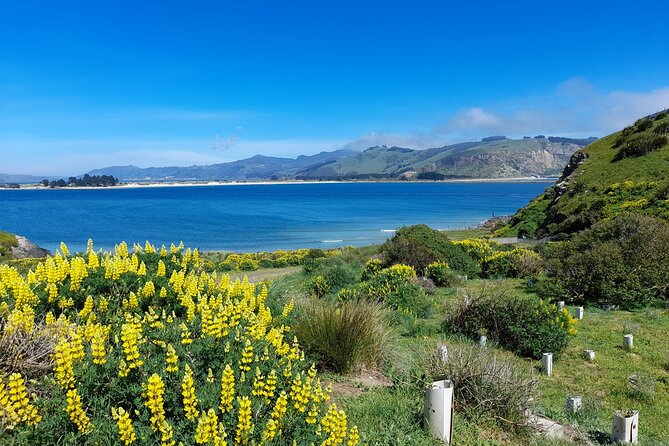
The biggest practical warning is the weather. The reserve is on an exposed part of the Otago Peninsula, and the coast can be far colder than central Dunedin. Wind makes the temperature feel lower, especially while you stand still on the platform waiting for the birds.
Wear warm layers, a windproof outer jacket, and comfortable shoes. A warm hat and gloves are sensible additions. If rain is forecast, bring a rain jacket. Umbrellas are not allowed, and an umbrella would be awkward on the boardwalk and platform in strong wind anyway.
Hot coffee and hot chocolate may be available while you watch, but do not rely on a drink to keep you warm. The outdoor portion lasts long enough for poor clothing to become a serious nuisance.
The center may close after the group moves outside, so plan ahead for facilities. One practical concern is that toilets may not be available once you leave the center. Use them before the walk and avoid drinking a large amount right before the viewing begins.
The tour can be canceled for poor weather. If that happens, you are offered another date or a full refund. This is a reasonable policy for a coastal wildlife outing, where wind and rain can affect both safety and animal activity.
Getting there from Dunedin
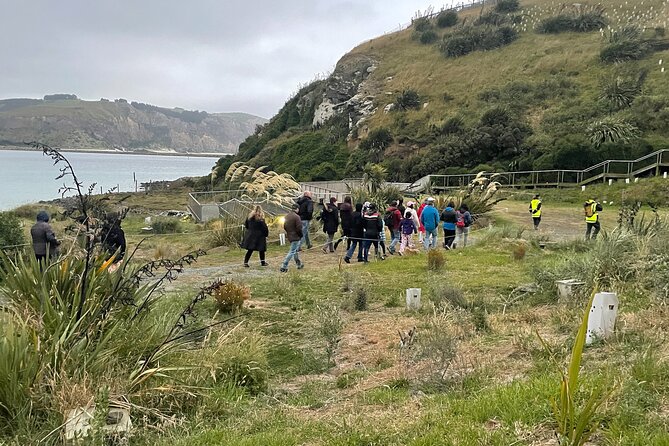
You must drive yourself to Blue Penguins Pukekura at 1245 Harington Point Road, Harington Point 9077. No transport is included with this option.
That detail is easy to overlook when planning an evening on the peninsula. The tour ends back at the same meeting point, and you are responsible for the return drive. The road can feel unfamiliar after dark, especially if you are not used to New Zealand roads, so allow enough time and avoid rushing away after the final penguins pass.
If you do not have a car, choose the provider’s separate option with transport instead. This particular ticket is best for people already driving around the Otago Peninsula or arranging a rental car for the evening.
Because the activity ends at night, check your fuel, phone battery, and route before leaving Dunedin. The operator does not provide a transfer as part of the $34.13 price.
Is $34.13 good value?
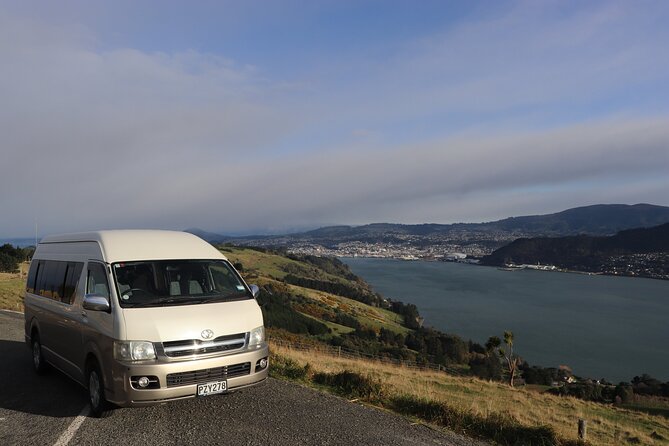
At $34.13 per person, the price is reasonable for a 90-minute evening experience that includes all fees and taxes, a guided talk, reserve access, and organized wildlife viewing. You are paying for more than a short look at penguins. The fee also supports a conservation operation funded through visitors.
The value depends on what you want. If you need a guaranteed large colony, a heated building, or transport from Dunedin, this self-drive option may not suit you. You also need to accept the chance of a low penguin count and spend much of the evening outdoors.
For a nature-focused visit, the price is strong. You receive context from a biologist or conservation guide, a managed viewing area, and a close look at wild penguins without being placed in direct contact with them. The ability to take no-flash photographs is another advantage over wildlife experiences with stricter camera rules.
The provider has been rated 4.9 from 471 reviews, with 99 percent recommending it. Those figures do not remove the weather or wildlife risks, but they match the strongest parts of the experience: friendly staff, clear explanations, close penguin views, and a viewing platform that works well for a sizeable group.
Who will enjoy this evening most?
I would choose this tour if you care about birds, conservation, and seeing animals in their own routine. It is also a good fit for families and first-time visitors to Dunedin who want a focused evening activity rather than a full-day peninsula tour.
Photography enthusiasts should like the open viewing arrangement and no-flash policy. You can move around the platform, but you still need patience and realistic expectations about low light.
The tour is less suitable if you dislike cold weather, standing outdoors, gravel paths, or steps. It is also a poor choice for anyone who cannot walk the 300-metre route unaided.
If you want a broader Otago Peninsula experience, the provider also offers an in-depth peninsula tour that includes penguins and other wildlife. The evening viewing described here is more focused. That narrow purpose is its strength if little blue penguins are your priority.
Cancellation and booking details to know
You can cancel up to 24 hours before the local start time for a full refund. Changes or cancellations made within 24 hours are not refunded.
Confirmation is provided when you book, and mobile tickets are accepted. The activity has a maximum of 75 people, so book ahead if your schedule is fixed, particularly during the busier summer period.
Plan your evening around the full experience, not only the moment the penguins appear. Allow time for the drive, the introduction, the walk, the wait, and the return to your car.
Should you book the Blue Penguins Pukekura evening tour?
Book it if you want a close, respectful look at little blue penguins and are prepared for coastal weather. The expert talk, rotating viewing positions, and short walk make the experience feel organized without turning it into a staged animal show.
I would be especially keen to go from late spring into summer, when penguin numbers tend to rise and November may bring chicks. If you visit from February through August, keep expectations modest and enjoy the natural setting even if the count is closer to 10 than 100.
Skip this option if you need transport, have difficulty with steps, or cannot tolerate cold and wind. For everyone else, $34.13 buys a well-run wildlife evening and one of the closest opportunities to see these small penguins return from sea.
FAQ
Where does the penguin viewing tour start?
It starts at Blue Penguins Pukekura, 1245 Harington Point Road, Harington Point 9077, New Zealand. The activity ends back at the same meeting point.
Is transportation from Dunedin included?
No. This tour option requires you to drive yourself to the reserve. A separate option with transport is available from the provider.
How long does the experience last?
The activity lasts about 1 hour and 30 minutes. It includes an introductory talk, a walk of roughly 300 metres, and outdoor penguin viewing.
How many penguins will I see?
The number varies. The reserve expects about 10 to 80 penguins per night during the non-breeding months from February through August, while summer can bring more. Up to 200 may arrive on a busy night.
Can I take photographs?
Yes. Photography and video are allowed, but flash photography is not permitted.
Is the tour suitable for people with limited mobility?
You must be able to walk unaided. The route includes a 300-metre gravel path and boardwalk with more than 60 built-in steps.
What happens if the weather is poor?
The experience requires good weather. If it is canceled because of poor conditions, you can choose another date or receive a full refund.
More Evening Experiences in Otago Peninsula
- Oamaru: Penguins Evening Viewing Ticket
★ 4.5 · 682 reviews - Twilight Glowworm Kayak Tour – Lake Karapiro
★ 5.0 · 493 reviews - Tauranga: Evening Glowworm Kayak Tour
★ 5.0 · 311 reviews - Tauranga: Evening Glowworm Kayak Tour
★ 4.8 · 206 reviews
Just added around Otago Peninsula
- Otago Peninsula Wildlife Tour & Cruise★ 5.0 · 60 reviews
- Private Dunedin & Otago Peninsula Day Tour Up to 4★ 5.0 · 6 reviews
- Heritage City and Larnach Castle Van tour with Historian Guide★ 5.0 · 65 reviews
- Larnach Castle & Dunedin City Highlights Tour (Shore Excursion)★ 5.0 · 56 reviews
- Otago Peninsula Tour and Larnach Castle City Sights (min 4 )★ 5.0 · 3 reviews
- Otago Peninsula & Larnach Castle Shore Excursion★ 4.5 · 38 reviews
- Dunedin City Highlights, Otago Peninsula Scenery & Albatross Guided Tour★ 5.0 · 41 reviews
- Dunedin and Otago Peninsula Private Tours Up to 4 people★ 5.0 · 3 reviews
Bird Watching Tours, compared.
Gannet Safaris Overland tour to Cape Kidnappers Gannet Colony
Read our review →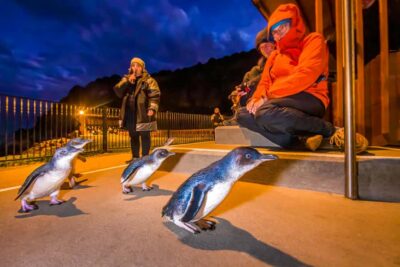

Cape Kidnappers Gannet, Nature & Sightseeing Tour
Read our review →
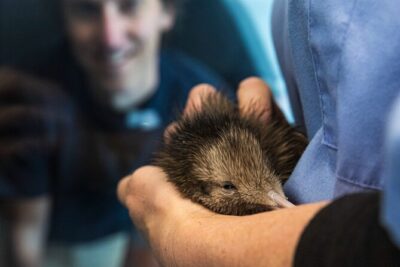
National Kiwi Hatchery – Kiwi Encounter Guided Tour
Read our review →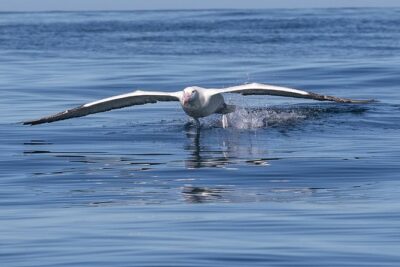
Albatross, seals, and sea birds-Wildlife Cruise
Read our review →
Browse the lists this tour appears in