
Reviewed · BIRD WATCHING TOURS
Otago Peninsula In-Depth Tour & Blue Penguins Pukekura Experience
The evening’s star is the little blue penguin, the world’s smallest penguin, arriving from the sea after dark and waddling just metres from the viewing platform. Before that close encounter, you travel through the Otago Peninsula with a guide who explains its wildlife, Māori significance, geology, plants, and human past.
I like the small vehicle group, capped at 11 people, and the way the tour uses the drive as part of the experience rather than treating it as mere transport. I also like the careful wildlife approach at Pukekura, where the penguins remain wild and the reserve’s charitable trust puts colony protection first.
The main drawback is the timing and weather. Penguins do not follow a timetable, and you may wait in the cold after dark. You need to walk about 300 metres, manage roughly 60 stairs, and bring proper warm clothing. Young children under six cannot join.
Key things to know before you book
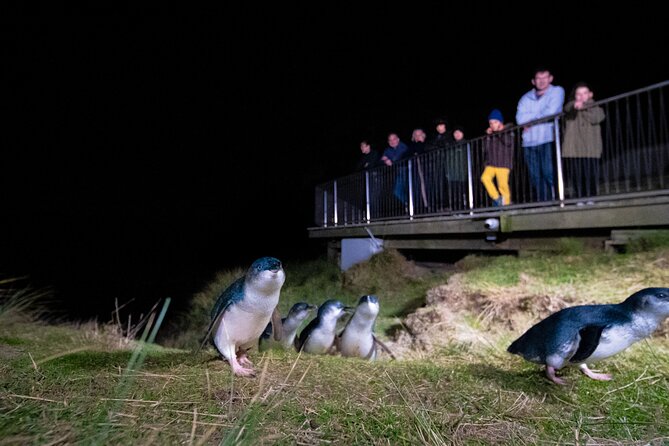
- Little blue penguins come ashore after dark, often in small groups, then walk past the viewing area toward their burrows.
- The tour starts with a broad Otago Peninsula introduction, covering birds, geology, Māori culture, local history, and native plants.
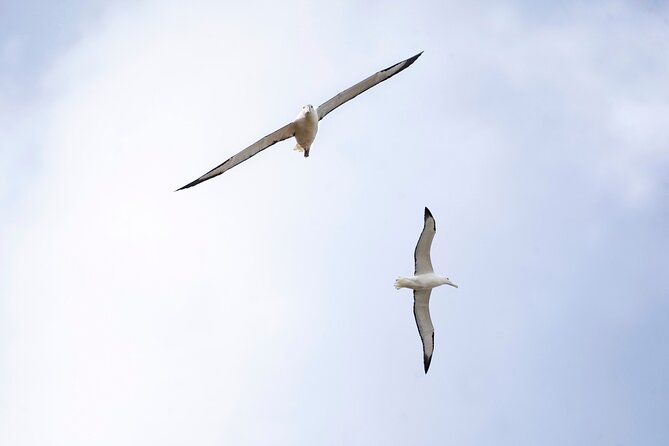
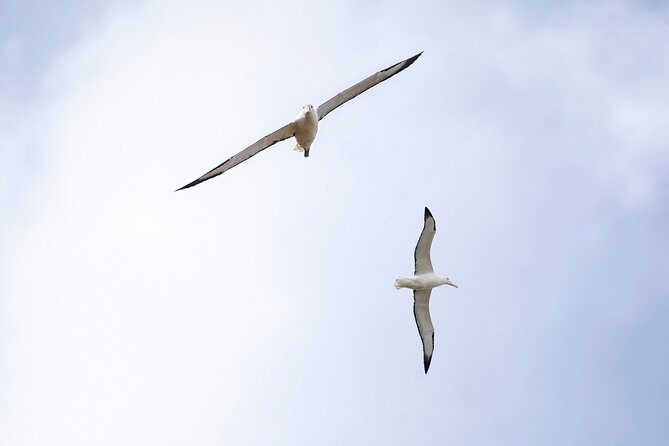
- Taiaroa Head offers more than penguins, with chances to see seals and albatross overhead, depending on season and conditions.
- The vehicle group is small, with no more than 11 people on the wider peninsula tour.
- The penguin viewing is shared, with up to 75 people joining that part of the evening.
- Cold-weather gear matters, since the final viewing takes place outside after sunset.
Why this tour works so well as a first look at Otago
Many visitors head straight to a single wildlife site and miss the story of the peninsula around it. This experience takes a better route. You leave Dunedin, pass notable city buildings, follow the peninsula roads, stop for views and wildlife, and build up a sense of place before reaching Pukekura at Taiaroa Head.
I like that balance. The blue penguins are the clear headline, but you also get a guided introduction to the area’s ecology and culture. Guides including Jonathan, Danni, James, Sian, and Jono are praised for explaining the region in a lively, personal way. Their commentary covers far more than bird names. Expect discussion of Māori traditions, local history, geology, native plants, marine life, and the way the reserve protects its animals.
The format suits you if you want more than a quick photograph. It also works well if you are visiting Dunedin for a short time and want one outing that combines scenery, wildlife, and interpretation. The total cost is listed at $102.39 per person. For roughly five hours, transport, guiding, peninsula stops, and the penguin viewing are included, which makes the price fair for visitors who would otherwise need to arrange several separate pieces.
More Bird Watching Tours in Otago Peninsula
- Guided Evening Penguin Viewing Otago Peninsula, Dunedin, New Zealand
★ 5.0 · 471 reviews - Dunedin City Highlights, Otago Peninsula Scenery & a Guided Penguin Reserve Tour
★ 4.5 · 77 reviews - Dunedin: Otago Peninsula with Guided Penguin Reserve Tour
★ 4.7 · 66 reviews
Leaving Dunedin and heading toward the peninsula
The first part lasts about 30 minutes, including pickup time. The standard meeting point is the Dunedin i-SITE Visitor Information Centre at 50 The Octagon, though pickup is offered, and several departures have included hotel pickup and return.
This opening drive is useful because your guide begins the story before you reach the wildlife reserve. You pass some of Dunedin’s best-known buildings and then move toward the Otago Peninsula. The city-to-coast transition gives you a quick sense of how close the urban centre is to open country and marine habitat.
Do not expect a long sightseeing stop in central Dunedin. This is an introduction while you are being driven. If you want extensive time inside the city’s museums or historic buildings, plan that separately.
The small minibus makes the trip more personal than a large coach outing. It also lets the guide respond to the group. A few people have been seated near the front when they needed help with motion sickness, though that cannot be guaranteed. If winding roads bother you, mention it when arranging pickup.
Reading the Otago Peninsula through its wildlife and geology
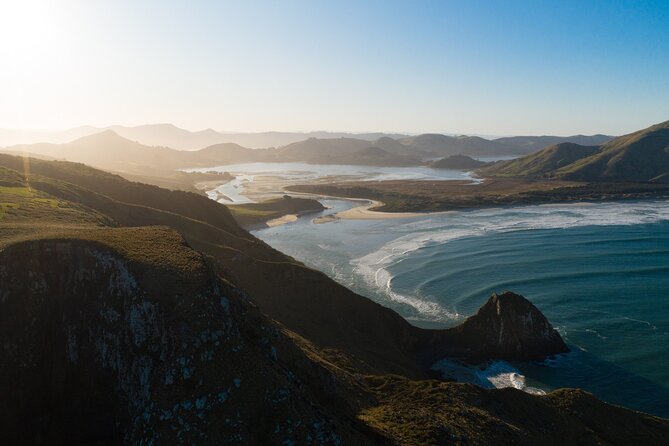
The main peninsula section takes about 1 hour and 45 minutes. This is where the tour earns its in-depth name. The route is not simply a drive to the penguin site. Your guide points out birds, coastal features, plants, notable landmarks, and places tied to Māori and European settlement.
The peninsula has a strong natural story. Its rocky coast and elevated viewpoints help explain why so many seabirds and marine animals live here. The guide connects what you see from the van with the larger forces that shaped the area, including geology and changing plant life.
This part is especially valuable if you are not familiar with New Zealand’s birdlife. Guides have pointed out many species along the way, and you might see more than you would on a self-drive outing because someone is actively watching for movement, flight patterns, and calls.
The stops also break up the drive. You can get out, look across the water, and take photographs when conditions allow. The exact wildlife sightings vary. Albatross may be flying overhead, and seals may be nearby, but neither is guaranteed. One evening can offer great bird activity, while another may bring fewer albatross because of wind or season.
That uncertainty is part of wildlife watching, but it is worth keeping in mind. You are paying for access, transport, and expert interpretation, not a fixed list of animals.
Taiaroa Head and the meaning of Pukekura
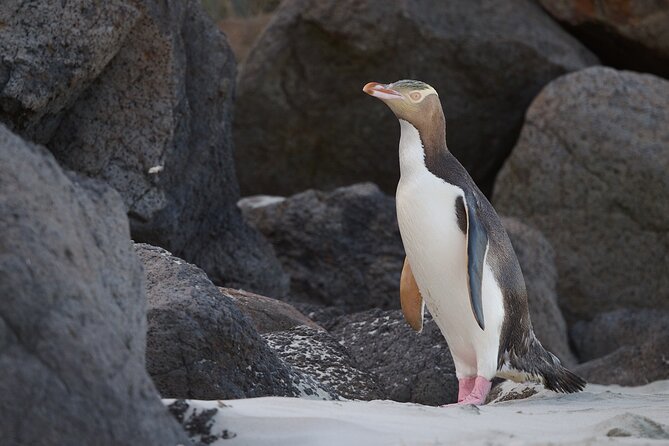
At the far end of the peninsula, you reach Pukekura, also known as Taiaroa Head. This is a significant Māori site as well as an important wildlife reserve. The location gives the tour a stronger sense of place than a simple penguin show would provide.
The guide leads you to cliff viewing spots for about 30 minutes. Depending on the season and conditions, you may see seals close by or albatross passing overhead. The headland itself is a major part of the experience. You are at the edge of the peninsula, looking out over a place where human culture and wildlife protection meet.
This is also the point where the focus shifts from broad regional context to the blue penguin colony. The change of pace works well. You have spent the afternoon or early evening learning how the peninsula functions, and now you watch one small species return to its home.
Bring a jacket even if Dunedin feels mild earlier in the day. Wind and darkness can make Taiaroa Head feel much colder than expected.
Same corner of the country, a very different day out:
- Clearwater Wildlife Tours (small group 10max) Otago Peninsula
★ 5.0 · 531 reviews - Larnach Castle and Gardens Admission Ticket
★ 4.5 · 279 reviews - Dunedin Shore Excursion: Small-Group Tour of Dunedin and the Otago Peninsula
★ 4.5 · 270 reviews - Otago Peninsula Wildlife Cruise with Monarch
★ 4.5 · 227 reviews
Waiting for the blue penguins at dusk
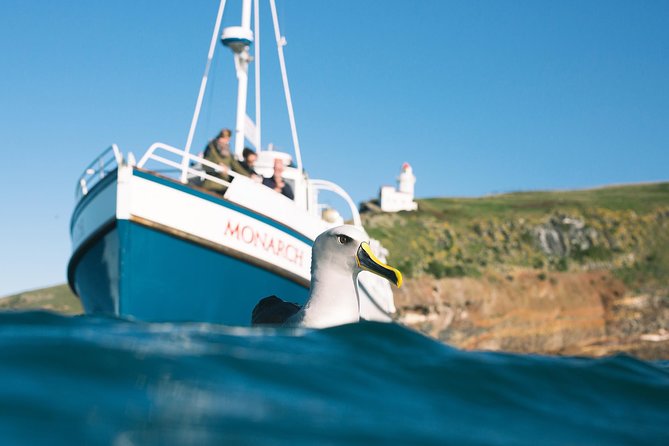
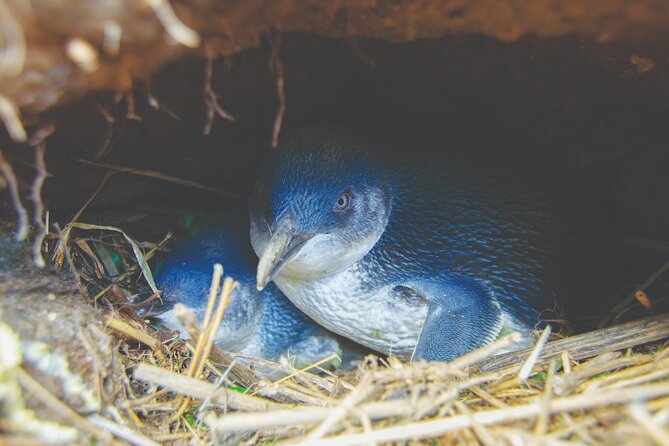
The Blue Penguins Pukekura Experience lasts about 1 hour and 30 minutes. Your small tour group joins other visitors for this section, with a maximum of about 75 people. That means the close-knit feel of the minibus does not continue all the way through the viewing, but the group remains limited enough for a managed platform experience.
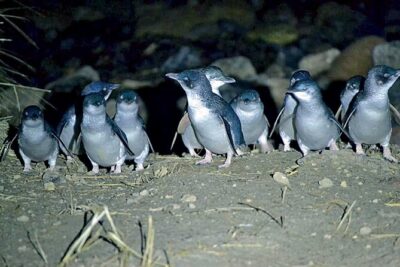
The penguins emerge from the sea after dark. They may arrive in a group, in smaller bunches, or later than you hope. One evening can produce more than 100 birds, while another may take longer to get going. The operator offers a 30 percent refund through this booking channel if fewer than five penguins are seen, which gives you some protection against an unusually quiet night.
Still, no refund policy can turn wildlife into a scheduled performance. You need patience. The birds have been at sea feeding, and they return when they are ready. That waiting period is easier when you understand what you are watching: wild penguins coming home to feed their chicks or rest, not animals trained to appear at a set time.
The viewing platform brings the birds close. They walk past only a few metres away, then continue toward their burrows. You can hear their calls and see their distinctive waddling movement. Photography is allowed, but flash is not. Keep your camera ready before the penguins appear, and avoid fiddling with settings once the action starts.
The reserve’s conservation focus is important here. Blue Penguins Pukekura operates as a charitable trust, with the stated aim of caring for the reserve and protecting the Otago Peninsula’s largest penguin colony. The best part of the setup is that you watch from a designated area while the birds follow their usual route.
What the guides add to the evening
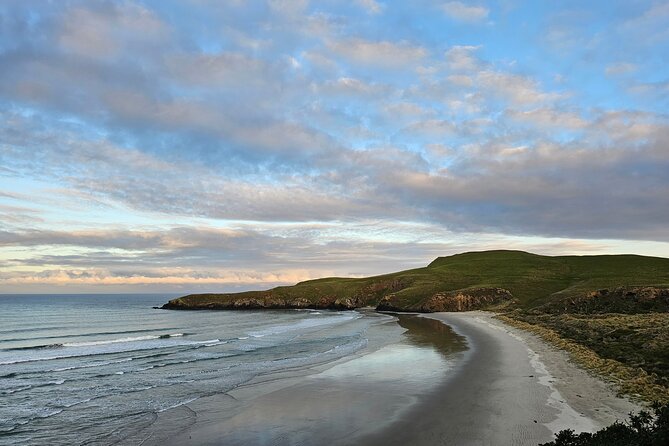
The guides are a major strength. Jonathan and Jono are frequently praised for linking the wildlife to the peninsula’s human and natural story. Danni brings strong enthusiasm for birds and conservation, while James has been singled out for clear explanations and calm care during the late return. Sian is also noted for lively commentary, including local mythology and natural history.
Names matter because the experience depends heavily on the person behind the wheel and microphone. A quiet guide could make the long drive feel like a transfer. Here, the best guides turn it into a moving lesson, pointing out birds, landmarks, and details you would likely pass without noticing.
Their role also matters on the way home. The roads are winding, and the return takes place in darkness. Having someone else drive lets you concentrate on the evening rather than navigating unfamiliar roads after a long day outdoors.
Timing, transport, and the real cost of the outing

The full experience lasts about five hours, but the evening can run late. Since the penguins return after dark, you may not be back in Dunedin until around 11:30 p.m., depending on the departure time, viewing conditions, and drop-offs.
That timing has two effects. First, it leaves most of your daytime free for Dunedin or another activity. Second, it can be tiring if you have an early start the next morning. The tour is a better fit for an evening when you can take things slowly afterward.
The $102.39 price includes the guided peninsula journey and the penguin experience. I see good value here for three reasons:
- You do not need to drive the peninsula at night.
- The guide provides context across several subjects, not only penguins.
- The outing combines transport, wildlife stops, Taiaroa Head, and a managed viewing platform.
A cheaper self-drive option might look attractive, but it would not provide the same commentary or ease. You would also need to manage the winding return road in the dark and arrange your own access to the penguin viewing. If your main aim is simply to see penguins at the lowest possible price, compare options carefully. If you want the full peninsula story, this package makes more sense.
Clothing, walking, and small practical details
You need to walk about 300 metres without assistance and manage around 60 stairs on the walkway to the viewing platform. The vehicles and route are not suitable for very young children, and children must be at least six years old. There are no small child restraints in the vehicles.
Wear several warm layers, a proper jacket, and a hat. The final hour can feel cold once the sun is gone. Do not bring an umbrella onto the viewing platform because it can create an eye hazard for other people.
Photography is permitted without flash. A phone can capture the moment, but low light may challenge small cameras. The most useful preparation is not a larger lens. It is having your camera ready before the first penguins arrive.
The experience is generally accessible to people who can walk the stated distance and handle the stairs, but it is not step-free. If you have mobility concerns, check directly before booking.
Who will enjoy this Otago Peninsula tour most
I would choose this outing if you care about wildlife but also want to understand the place where the animals live. It suits first-time visitors to Dunedin, couples, solo visitors, families with older children, and anyone who prefers a guided drive over self-navigation.
It is particularly good for solo visitors because the small vehicle group provides structure without the feel of a large coach. The guides also help make the long evening comfortable and organized.
You may want another option if you dislike waiting outdoors, need a very early night, cannot manage stairs, or expect guaranteed sightings of albatross and seals. The penguins are the strongest reason to book, but even they follow nature’s schedule.
Should you book the Pukekura penguin experience?
Book it if you want a close view of wild little blue penguins and a proper introduction to the Otago Peninsula, not just a quick stop at a viewing centre. The guide-led route, small vehicle, wildlife stops, and conservation setting give the evening real substance.
Go prepared for cold weather, late timing, stairs, and uncertain animal activity. If you can accept those limits, this is one of the better ways to combine Dunedin’s coastal scenery with an unforgettable penguin return. The penguins may be tiny, but watching them come ashore in the dark is a big finish to the day.
FAQ
Where does the tour start?
The listed meeting point is the Dunedin i-SITE Visitor Information Centre at 50 The Octagon, Central Dunedin. Pickup is also offered, so confirm the exact arrangement when booking.
How long does the experience last?
The tour lasts about five hours, including the Dunedin transfer, peninsula tour, Taiaroa Head visit, penguin viewing, and return to Dunedin.
What animals might I see?
Depending on the season and conditions, you might see little blue penguins, seals, albatross, and other birds along the Otago Peninsula.
Are the penguins wild?
Yes. The little blue penguins return from the sea to their burrows, and the reserve protects the colony rather than keeping the birds in an indoor enclosure.
How close do the penguins come?
The penguins can pass only a few metres from the viewing platform as they walk from the beach toward their burrows.
Can I take photographs?
Yes. Photography is allowed, but flash photography is not permitted.
How many people join the tour?
The guided vehicle tour has a maximum of 11 people. The Blue Penguins Pukekura viewing is shared with other visitors, with a maximum of about 75 people.
Are children allowed?
Children must be at least six years old. The vehicles do not carry small child restraints.
Is the experience suitable for people with limited mobility?
You need to walk about 300 metres unaided and manage roughly 60 stairs on the walkway to the viewing platform. The tour is not suitable for people who cannot manage those requirements.
What happens if fewer than five penguins appear?
The operator offers a 30 percent refund through this booking channel if fewer than five penguins are seen. If poor weather causes cancellation, you can be offered another date or a full refund. Free cancellation is available up to 24 hours before the start time.
Just added around Otago Peninsula
- Otago Peninsula Wildlife Tour & Cruise★ 5.0 · 60 reviews
- Private Dunedin & Otago Peninsula Day Tour Up to 4★ 5.0 · 6 reviews
- Heritage City and Larnach Castle Van tour with Historian Guide★ 5.0 · 65 reviews
- Larnach Castle & Dunedin City Highlights Tour (Shore Excursion)★ 5.0 · 56 reviews
- Otago Peninsula Tour and Larnach Castle City Sights (min 4 )★ 5.0 · 3 reviews
- Otago Peninsula & Larnach Castle Shore Excursion★ 4.5 · 38 reviews
- Dunedin City Highlights, Otago Peninsula Scenery & Albatross Guided Tour★ 5.0 · 41 reviews
- Dunedin and Otago Peninsula Private Tours Up to 4 people★ 5.0 · 3 reviews
Bird Watching Tours, compared.
Gannet Safaris Overland tour to Cape Kidnappers Gannet Colony
Read our review →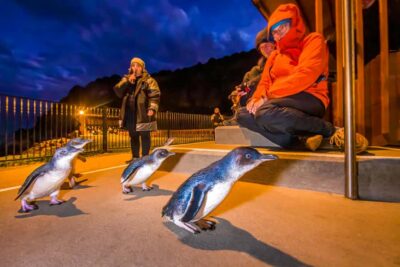
Guided Evening Penguin Viewing Otago Peninsula, Dunedin, New Zealand
Read our review →
Cape Kidnappers Gannet, Nature & Sightseeing Tour
Read our review →
National Kiwi Hatchery – Kiwi Encounter Guided Tour
Read our review →
Albatross, seals, and sea birds-Wildlife Cruise
Read our review →Browse the lists this tour appears in