
Reviewed · BIRD WATCHING TOURS
Stewart Island Wild Kiwi Experiences
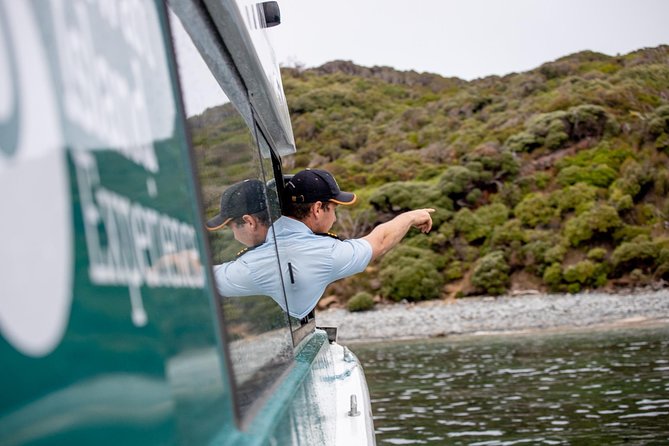
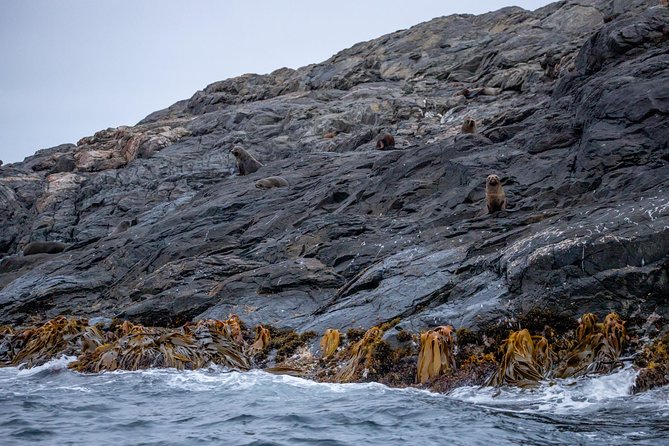
The best part of this Stewart Island evening is the chance to see a tokoeka kiwi in the wild, not behind glass or in a nighttime house. Your search begins with a catamaran ride that may reveal albatross, seals, penguins, and other seabirds before the torchlit walk begins.
I like the mix of marine and forest wildlife, and I like that the guides, including Jan, Natasha, and Karen, add useful natural history rather than simply marching you to a viewing spot. The catch is simple: kiwi are wild, shy, and not guaranteed. You may see one at close range, or only a brief glimpse.
Key points to know before you book
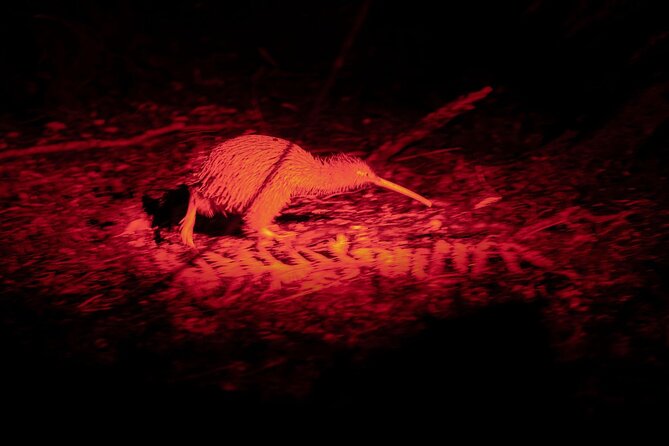
- Kiwi search after dark: You walk through forest and along a beach where southern brown kiwi are often seen.
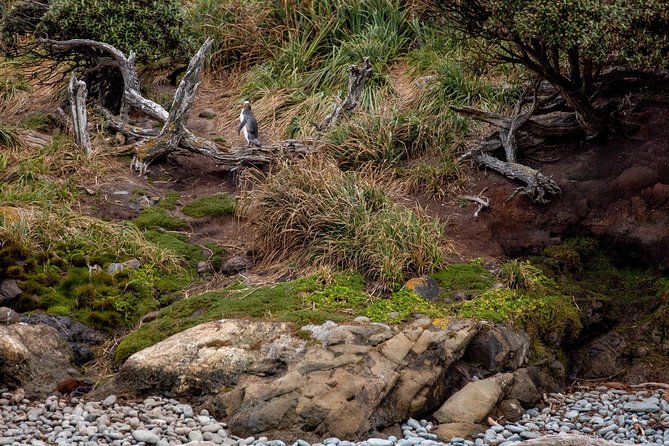
- Wildlife begins on the water: The catamaran ride can produce sightings of albatross, fur seals, Fiordland crested penguins, little blue penguins, and yellow-eyed penguins.
- About two hours on foot: Expect muddy or uneven tracks, so sturdy footwear and moderate fitness matter.
- Small maximum group: The tour is limited to 20 people, though the walking party may still feel sizable at times.
- Warm drinks included: A hot drink helps at the end of a cool southern evening, but bring your own warm layers.
- Best for adults and older teens: Children under 16 are not permitted.
Why a wild kiwi search is worth the effort
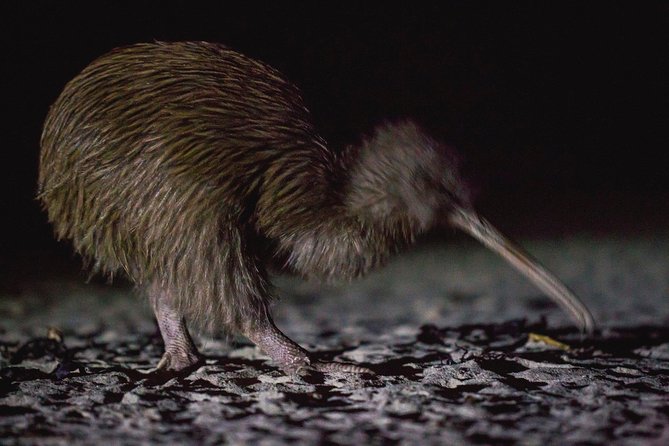
Stewart Island, or Rakiura, is one of the few places in New Zealand where you have a realistic chance of seeing a kiwi in its natural setting. That distinction matters. A kiwi house can help you understand the bird, but a night walk through its actual forest and beach habitat gives the encounter a different weight.
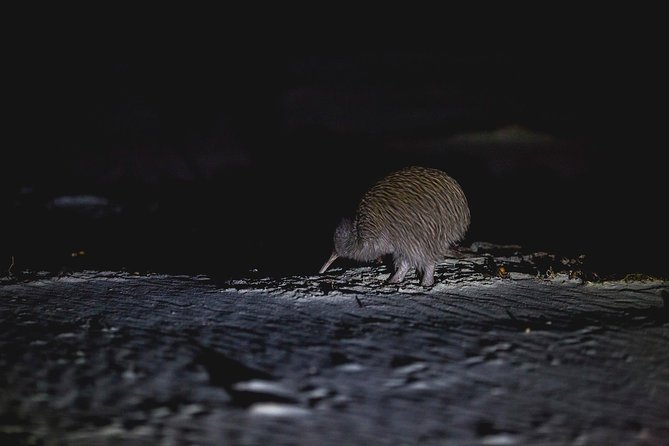
The southern brown kiwi, known here as tokoeka, is nocturnal. It feeds and moves after dark, when the island feels quiet and close. Your guide uses a flashlight while leading the group, and the search depends on patience, careful listening, and luck. This is not a wildlife show with a fixed schedule.
That uncertainty is part of the appeal, but it also shapes your expectations. You might see a kiwi only briefly, perhaps moving through the undergrowth or crossing near the beach. One outing produced a close sighting only a few feet away. Another ended with a glimpse of a kiwi’s back. On a less fortunate evening, you may see none at all.
The experience still has value without a perfect sighting. Walking through the bush at night is a memorable activity in itself, and the guides explain how kiwi behave, why they are sensitive to disturbance, and how Stewart Island supports them.
More bird watching tours in New Zealand:
- Gannet Safaris Overland tour to Cape Kidnappers Gannet Colony
★ 5.0 · 942 reviews - Oamaru: Penguins Evening Viewing Ticket
★ 4.5 · 682 reviews - Rotorua: The National Kiwi Hatchery Kiwi Encounter Tour
★ 4.7 · 671 reviews
The ferry terminal start and catamaran cruise
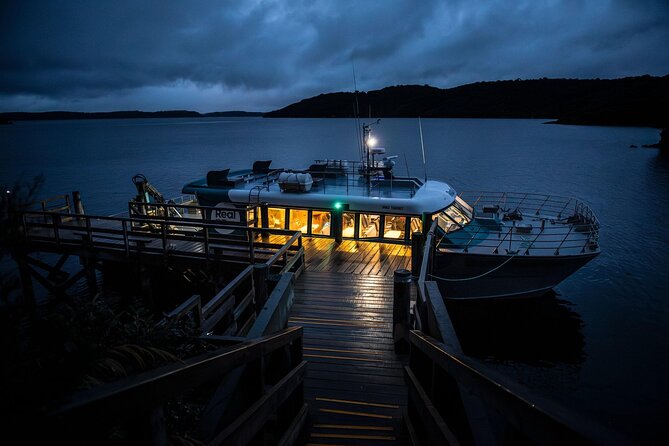
You check in at the Visitor Terminal for Stewart Island Experience in Southland Region 9818. The initial check-in takes about 20 minutes, then the boat carries you toward the evening wildlife site.
The cruise is more than a transfer. It gives you a first look at the island’s marine setting and adds a second wildlife chapter before the kiwi search begins. Keep your eyes open for seabirds and marine mammals. Sightings reported on this trip have included albatross, fur seals, Fiordland crested penguins, little blue penguins, and yellow-eyed penguins.
You should treat these animals as possible sightings, not promises. Weather, sea conditions, light, and animal behavior all affect what appears. Still, this part of the trip helps justify the evening price because you are not paying only for a forest walk with uncertain results.
The catamaran also sets the mood. By the time you reach the walking area, the transition from ferry terminal to open water to dark bush makes the outing feel like a proper expedition, even though the route is guided and organized.
Into the bush with a flashlight
After the cruise, you head into the bush on foot. The walking section lasts about two hours and may include forest tracks and a beach. Expect mud and uneven ground. This is not a smooth boardwalk stroll, and you will enjoy it more if you are comfortable walking in low light over changing surfaces.
The group moves slowly because the goal is to notice a kiwi, not rush past its habitat. Your guide shares information about the birds and the island’s natural environment along the way. Guides Jan, Natasha, and Karen have been singled out for their energy, clear explanations, and ability to keep the outing moving without making it feel hurried.
The group size is capped at 20, which is reasonable for a guided wildlife outing. Still, it is worth understanding that 20 people is not the same as a private walk. One concern raised about the experience involved larger walking parties, flashlights, noise, and the effect of movement on kiwi. If you are highly focused on minimal-impact wildlife viewing, ask about the group arrangement and lighting practice before booking.
That concern does not erase the value of the tour, but it is worth taking seriously. Kiwi are sensitive to noise, vibration, and bright lights. Follow the guide’s instructions closely, keep your voice low, and avoid shining your light around unnecessarily.
Searching the beach for a tokoeka
The beach is one of the key kiwi-search areas. A shoreline at night offers a different setting from the forest, with open ground that can make a moving bird easier to spot. It also leaves you exposed to wind and cold, so warm clothing is not optional.
Bring several layers rather than relying on one heavy coat. Add insect repellent, since the walk takes place outdoors and may include damp bush. Sturdy shoes are essential. Trainers with smooth soles are a poor match for muddy or uneven tracks.
You may spend time standing quietly and scanning the edges of the forest. This is where patience pays off. A kiwi may appear for only a moment, and the guide’s experience can help the group notice movement that an untrained eye would miss.
The reported sightings range from a kiwi only a few feet away to a partial view of the bird’s back. That range tells you what to expect: a close encounter is possible, but a full, long look is not guaranteed. Do not book this outing expecting a posed wildlife photograph.
A few more New Zealand trips worth a look
- Stewart Island: Wild Kiwi Experiences
★ 4.8 · 177 reviews - Stewart Island: Ulva Island Guided Wilderness Walk & Cruise
★ 4.5 · 165 reviews - Stewart Island: Village and Bays Tour
★ 4.8 · 141 reviews - Stewart Island: Village and Bays Tour
★ 5.0 · 100 reviews
The optional culture element at Oneke
The tour offers a Wild Kiwi and Culture Encounter at Oneke as an alternative format. Before the kiwi search, you hear stories connected to Māori and European heritage. The evening finishes with a warm drink in a traditional whare.
This option adds a cultural layer to the natural history focus. It can be a good choice if you want more context about the place, rather than treating the island as a stage for wildlife sightings alone. The warm drink also becomes especially welcome after time outdoors.
The supplied details do not specify that every booking includes the culture format, so check which version you are selecting. The standard Wild Kiwi Encounter centers on the catamaran cruise and torchlit search through forest and beach. The Oneke version adds heritage stories and the whare setting.
How much wildlife can you see?
The possible wildlife list is unusually strong for one evening. Sightings have included:
- Albatross
- Fur seals
- Fiordland crested penguins
- Little blue penguins
- Yellow-eyed penguins
- Southern brown kiwi
That does not mean you will see all six. Wildlife is the main variable in this outing, and the conditions change from night to night. The cruise gives you more chances than a single-site kiwi walk, which is one reason I see value in the overall format.
The strongest praise centers on the variety. Seeing penguins and seals before searching for kiwi can turn a good evening into a major holiday highlight. Even if the kiwi stays hidden, the trip may still deliver worthwhile marine and bird sightings.
At the same time, you should not confuse a long wildlife list with a guarantee. The most honest way to book this tour is to think of the kiwi as the main possibility and the cruise wildlife as a welcome bonus.
Guides, group size, and the tone of the evening
Good guiding matters here because much of the outing involves waiting, watching, and moving quietly. The guides are described as friendly, energetic, efficient, and well-informed about kiwi and other animals. That combination is useful. You need clear instructions in the dark, but you also want someone who can keep the mood light during a long search.
Jan, Natasha, and Karen are among the guides named in connection with the experience. You can expect explanations about kiwi behavior and the wider island environment, along with practical direction during the walk.
The maximum group size is 20. That keeps the outing smaller than a large coach excursion, but it may still feel busy during a quiet wildlife search. One negative account objected to the number of people and the use of flashlights without red filters. If low-impact wildlife practice is a major concern for you, raise this point before departure.
The price and what you receive
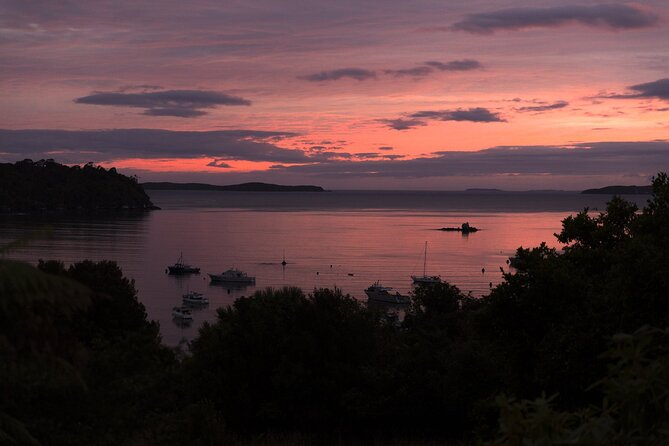
At $160.73 per person, this is not a cheap evening activity. The price makes more sense when you count the full package: the catamaran cruise, roughly five hours of guided time, access to a kiwi-search location, naturalist interpretation, and a hot drink.
I would not judge the value only by asking whether you see a kiwi. A wild animal can refuse to appear, and no honest operator can control that. The better question is whether the boat trip, marine wildlife, forest walk, cultural option, and guiding together make the evening worthwhile.
For many people, the answer will be yes, especially if a kiwi sighting is a major New Zealand goal. The rating is 4.7 from 72 reviews, with 92 percent recommending the experience, which points to strong overall satisfaction. Still, the price may feel high if you want a guaranteed sighting, dislike walking at night, or prefer a private and very quiet wildlife outing.
Who should book this Stewart Island tour?
I would recommend it to adults and older teens who are comfortable outdoors and willing to accept uncertainty. You should have moderate fitness and be able to manage about two hours of walking on muddy or uneven tracks.
It suits you especially well if you:
- Want a genuine chance to see a kiwi in the wild
- Enjoy guided wildlife walks after dark
- Like combining a boat ride with a bush outing
- Are interested in seabirds, penguins, seals, and kiwi
- Appreciate natural history and local cultural context
- Can stay patient when wildlife does not appear on cue
It is a poor match if you need step-free access, dislike uneven ground, or want a short and easy evening. The tour is not suitable for children under 16, and good general fitness is required.
Practical preparation for a cold, muddy evening
Wear warm layers from the start. Stewart Island evenings can feel cold, and the walk may leave you standing still for periods while the group searches.
Use sturdy footwear with good grip. Add insect repellent, and bring any extra warm layer you normally want on a damp evening outdoors. Hot drinks are provided, but that is a comfort at the end of the outing, not a substitute for proper clothing.
At the meeting point, allow time to check in at the ferry terminal. The full activity lasts about five hours and ends back at the meeting point, so plan your evening around the complete duration rather than only the walking time.
The activity requires good weather. If poor weather forces a cancellation, you can choose another date or receive a full refund. You may cancel for a full refund up to 24 hours before the start time. Changes or cancellations inside that window are not accepted.
Should you book the Wild Kiwi Experience?
Book it if seeing a wild kiwi matters more to you than having a guaranteed result. The combination of catamaran wildlife viewing, forest and beach walking, strong guides, and possible kiwi sightings gives this evening real substance.
Go in with sensible expectations. You may see a kiwi at close range, or you may see only a brief glimpse. You may also return with penguin, seal, and albatross sightings, plus a better understanding of Rakiura’s night environment.
I would choose this tour for a first visit to Stewart Island, particularly if you have warm clothes, steady footwear, moderate fitness, and patience. I would skip it if the $160.73 price feels too high for an uncertain wildlife result or if a group torchlit walk sounds uncomfortable. For the right kind of nature-focused visitor, this is one of the better chances to meet New Zealand’s most elusive bird on its own terms.
FAQ
How long does the Stewart Island Wild Kiwi Experience last?
The activity lasts approximately five hours and 20 minutes. The walking portion takes about two hours, and the outing ends back at the meeting point.
Where does the tour begin?
You check in at the Visitor Terminal for Stewart Island Experience in Southland Region 9818, New Zealand.
Is walking required?
Yes. The experience includes a guided torchlit walk through forest and along a beach. Tracks may be muddy or uneven, and a moderate level of fitness is required.
Are kiwi sightings guaranteed?
No. The tour visits areas where southern brown kiwi are often spotted, but kiwi are wild and sightings are not guaranteed.
What should I bring?
Bring warm clothing, insect repellent, and sturdy footwear suitable for muddy or uneven tracks. Hot drinks are provided.
Is the tour suitable for children?
No. The activity is not suitable for children under 16.
What happens if the weather is poor?
The experience requires good weather. If it is canceled because of poor weather, you can choose another date or receive a full refund. Free cancellation is available up to 24 hours before the start time.
Just added around New Zealand
- Cruise, Walk, and Sail in Abel Tasman National Park★ 4.5 · 29 reviews
- Half Day Sightseeing and Taste Tour★ 5.0 · 35 reviews
- Heli-Picnic Alpine Lake Kahurangi National Park★ 5.0 · 4 reviews
- Small group – Napier Premium Winery , Beer & Cider + 5.5h to 6h.★ 5.0 · 43 reviews
- Wine Tour and Tastings in Hawkes Bay★ 5.0 · 67 reviews
- Taste Hawke’s Bay – A Sweet treat food Tour★ 5.0 · 3 reviews
- National Aquarium of New Zealand in Napier General Admission★ 4.0 · 41 reviews
- Napier and Hawkes Bay Scenic and Art Deco Tour by VW Kombi★ 5.0 · 21 reviews
Bird Watching Tours, compared.
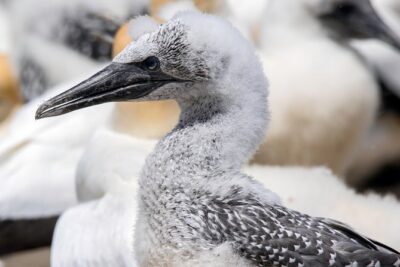
Gannet Safaris Overland tour to Cape Kidnappers Gannet Colony
Read our review →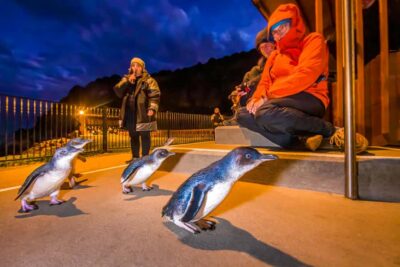
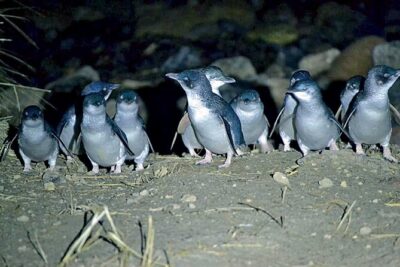
Guided Evening Penguin Viewing Otago Peninsula, Dunedin, New Zealand
Read our review →
Cape Kidnappers Gannet, Nature & Sightseeing Tour
Read our review →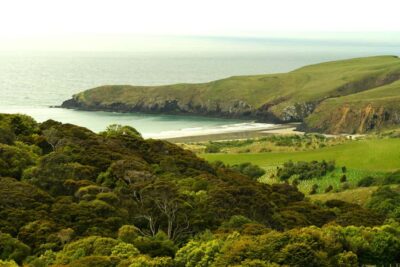
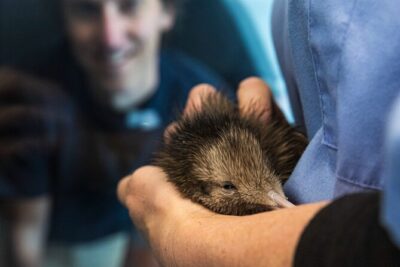
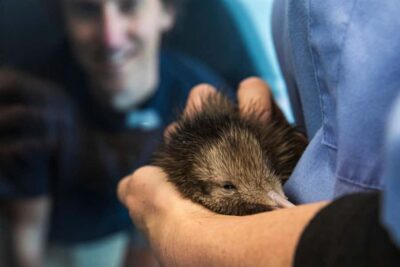
National Kiwi Hatchery – Kiwi Encounter Guided Tour
Read our review →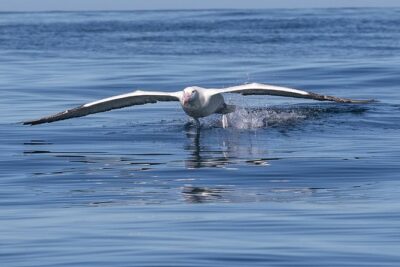
Albatross, seals, and sea birds-Wildlife Cruise
Read our review →Browse the lists this tour appears in