
Reviewed · WILDLIFE
Dunedin: Wildlife and Penguin Tour
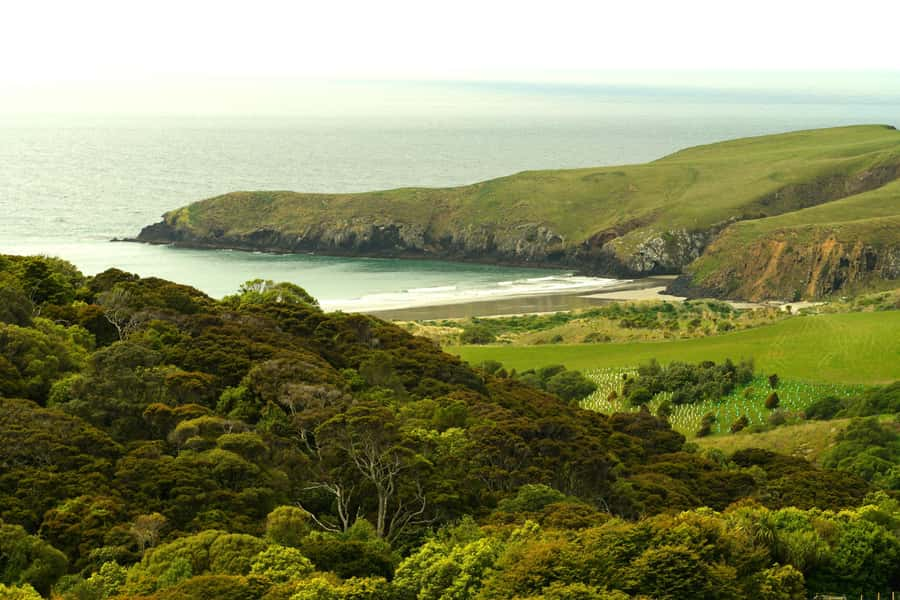
The rarest sight here is not a grand view or a dramatic boat ride. It is the chance to watch hoiho, or yellow-eyed penguins, in a protected reserve where conservation comes before close-up photographs. The 90-minute visit combines a short film, a rehabilitation centre stop, a bus ride, and a guided walk on the Otago Peninsula.
I like two things especially: your ticket helps fund habitat restoration, and the tour looks beyond penguins to fur seals, sea lions, little blue penguins, and native birds. Guides such as Emma and Eden are praised for their warm, informed commentary, and rain jackets are available if the weather turns. The main catch is simple: wild animals keep their own timetable. You may see yellow-eyed penguins only at a distance, or not at all.
Key points to know before you go
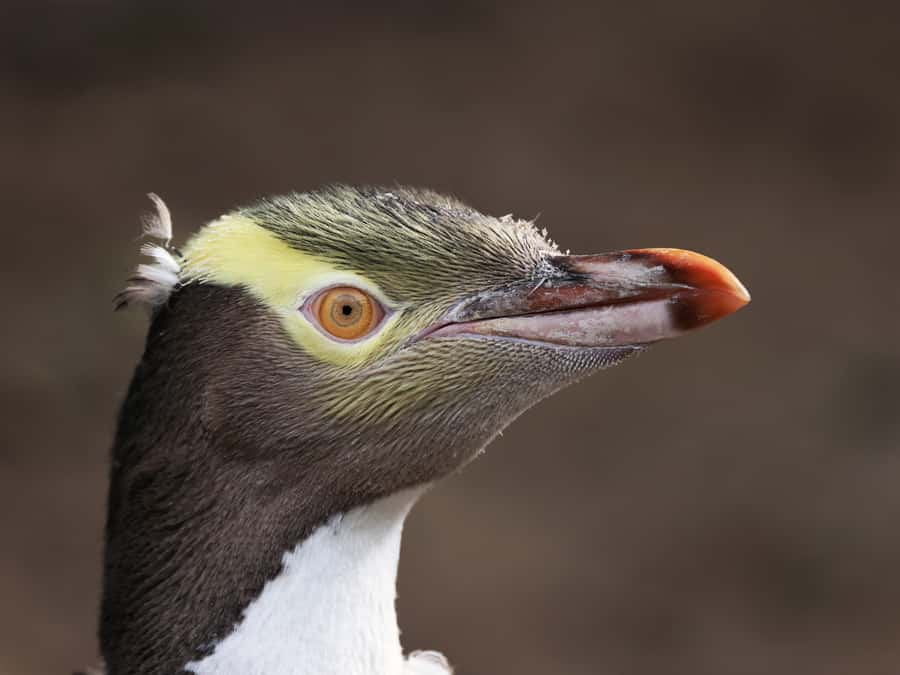
- Yellow-eyed penguins are the main prize: Hoiho numbers are declining, and sightings change with the season and the day.
- The tour has three parts: A theatre presentation, a rehabilitation centre visit when penguins are present, and a guided nature walk.
- The walk covers about 2 kilometres: You need comfortable shoes and a reasonable level of fitness.
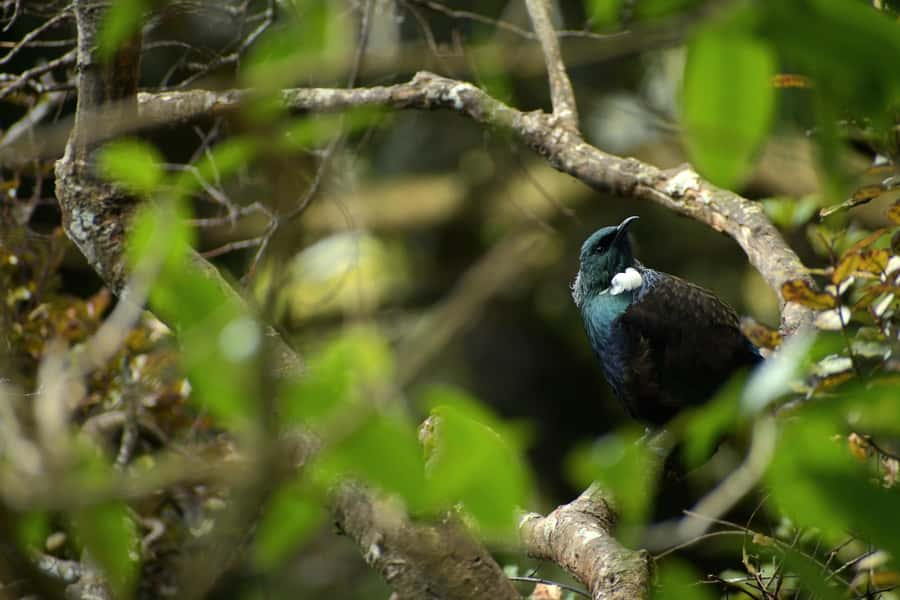
- The reserve is home to more than penguins: Fur seals, sea lions, little penguins, shorebirds, and forest birds may all appear.
- The experience supports conservation: You learn how the reserve is being restored and how the animals are protected.
- Wildlife viewing is never promised: The rehabilitation centre can offer a closer look, but visibility may be limited to protect the birds.
A conservation visit, not a guaranteed penguin show
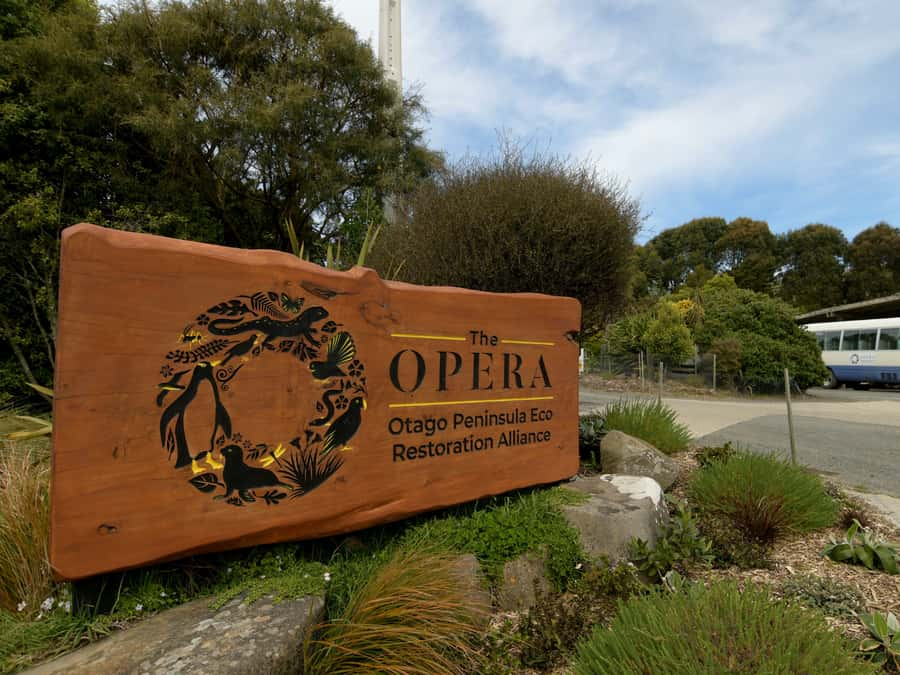
The OPERA tour begins at 45 Pakihau Road, on the Otago Peninsula. At $44 per person, it is priced more like a focused wildlife visit than a full-day excursion, and that matters. You are not paying for hours of transport or a long list of stops. You are paying for access to a private eco-reserve, a guide, a short walk, and the chance to support work aimed at bringing native habitat back to life.
I like that the conservation story comes first. Before heading out, you learn how the reserve is being restored to a more natural state and why yellow-eyed penguins need careful protection. That gives the wildlife sightings some meaning. A penguin is not just a cute photo subject here. It is part of a fragile population that needs quiet nesting areas, healthy habitat, and sensible human contact.
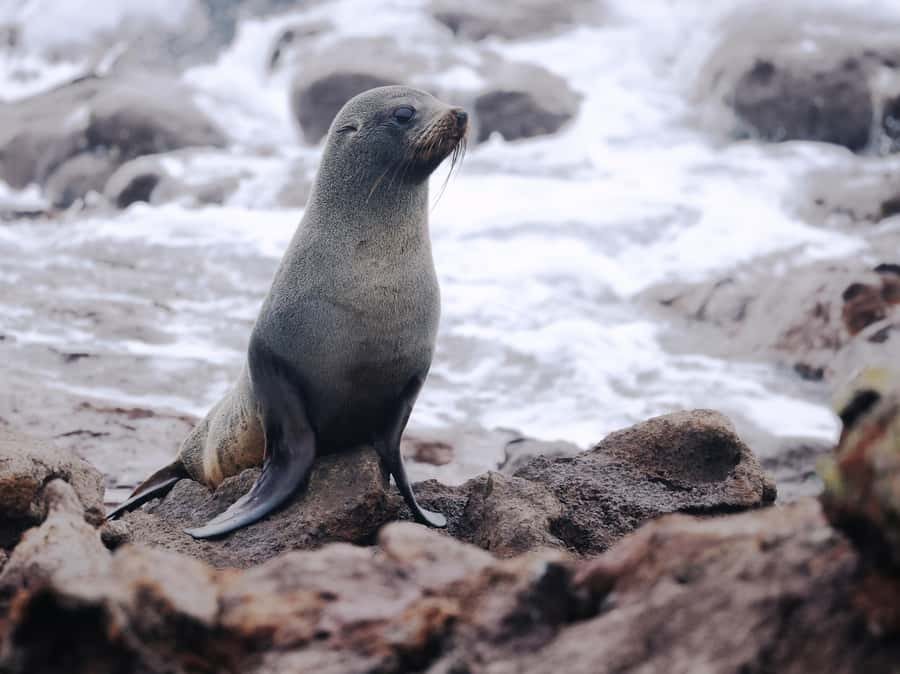
The second strength is the mix of animals. The tour is built around penguins, but you may spend just as much time watching New Zealand sea lions, fur seals, or birds along the shore and in the forest. Several visitors have found the seals and sea lions especially rewarding because they can sometimes be seen close to the walking route.
Still, I would not book this as a guaranteed yellow-eyed penguin encounter. Hoiho sightings vary from day to day and across the year. Even the guide cannot make a wild penguin come ashore. Go for a chance to see rare wildlife in a protected place, not for a fixed checklist.
More Wildlife Tours in Dunedin
- Albatross, seals, and sea birds-Wildlife Cruise
★ 5.0 · 189 reviews - Dunedin Wildlife Cruise-Albatross, seals and harbour
★ 5.0 · 115 reviews - Dunedin: Monarch – One Hour Wildlife Cruise
★ 4.5 · 48 reviews
The theatre presentation sets the scene
The first part takes place in a theatre setting. Here you learn about the reserve’s restoration work, the yellow-eyed penguin, and the steps being taken to protect all species living on the property.
This opening is useful because it explains the rules you will follow later. Penguins are sensitive to people, noise, and disturbance, so the guide’s instructions are part of the conservation work, not a nuisance added to the tour. You are asked not to touch animals, and smoking is not allowed.
The presentation also helps you understand why a modest wildlife sighting can be important. Yellow-eyed penguins are the rarest of the world’s penguin species, and their numbers are currently declining. A distant bird crossing the beach may not produce a perfect photograph, but it can still be a meaningful sighting when you know what the reserve is trying to protect.
Guides are a major part of the experience. Emma and Eden are both praised for their enthusiasm and their ability to explain the animals and the restoration project in clear terms. The bus ride also comes with continuous commentary, so the time between stops does not feel empty.
The rehabilitation centre offers the closest penguin view
When penguins are present, the tour includes an exclusive visit to the rehabilitation centre. This is the best chance for a close look at yellow-eyed penguins and other penguin species, especially on a day when the wild birds stay out of sight.
The centre is not a petting zoo. You cannot touch the penguins, and the need to keep them calm affects how much you can see. One visitor felt that the rehabilitation area could offer better visibility, while another noted that the limited view made sense for the birds’ welfare. That is a fair trade-off to expect from a conservation facility.
Conditions also change. On one visit, three different penguins were present. On another, several birds could be seen in the rehabilitation area. The centre may therefore add a strong close-up moment, but it is not a guaranteed part of every visit in the same form. The description specifies access when penguins are present, so I would treat this as a valuable possibility rather than a promise of a particular number or species.
This stop can also help you compare the birds. Little penguins, also called little blue penguins, and yellow-eyed penguins have different appearances and habits. Seeing more than one species makes the later walk easier to follow, even if the wild animals keep their distance.
The reserve bus ride gives you useful context
After the indoor introduction, you take a short bus trip into the private reserve. The ride is not just a transfer. Guides provide commentary along the way, explaining what you are seeing and making use of the time before the walk begins.
This is helpful on a wildlife outing because your attention can wander between the scenery, the guide, and the possible animal sightings. You might spot birds or other movement before reaching the walking route, and the guide can point out details that are easy to miss from the bus.
The reserve has been set aside for native plants and animals, and the work here aims to restore it to something closer to its original condition. That restoration is a central reason to choose this tour over a quick roadside stop. You see a protected place in use, not just a viewing platform.
The bus also keeps the tour within its 90-minute schedule. You get into the reserve quickly, leaving most of the visit for the guided walk. If you have limited time in Dunedin, that compact format is useful. If you want a long, slow wildlife outing, it may feel brief.
More bird watching tours in Dunedin:
- Wildlife and Penguin Tour
★ 5.0 · 27 reviews - Gannet Safaris Overland tour to Cape Kidnappers Gannet Colony
★ 5.0 · 942 reviews - Oamaru: Penguins Evening Viewing Ticket
★ 4.5 · 682 reviews - Rotorua: The National Kiwi Hatchery Kiwi Encounter Tour
★ 4.7 · 671 reviews
The 2-kilometre walk is where the tour comes alive
The guided nature walk covers about 2 kilometres, or 1.25 miles. The route brings you through the reserve in search of penguins, seals, sea lions, and birds from both shore and forest habitats.
I would wear proper walking shoes, even though the distance is not extreme. The operator lists the tour as unsuitable for people with mobility impairments, wheelchair users, visually impaired people, and those with a low level of fitness. The information does not describe the route in detail, so you should be ready for an outdoor walk rather than a smooth, fully accessible path.
The walk is paced with wildlife in mind. Guides may stop for photographs or spend more time at a useful viewing point if the group is interested. One guide was praised for not rushing people and for allowing extra time when the group wanted to stop. That flexibility matters because wildlife rarely appears on schedule.
You may see fur seals resting or moving near the shore. New Zealand sea lions can also appear close to the route, creating one of the most memorable parts of the visit even when no yellow-eyed penguins come ashore. Little blue penguins may be visible in nest boxes, though that is not the same as seeing them out in the open.
Bring binoculars if you have them. The operator recommends them, and they are particularly useful for animals farther away. Binoculars have also been provided when someone arrived without a pair, but I would not rely on that being available for every person in every group.
What you may see, and what you may miss
The reserve is home to hoiho yellow-eyed penguins, kororā little penguins, New Zealand fur seals, sea lions, forest birds, shorebirds, and other native life. That variety makes the tour worthwhile even when the main target stays hidden.
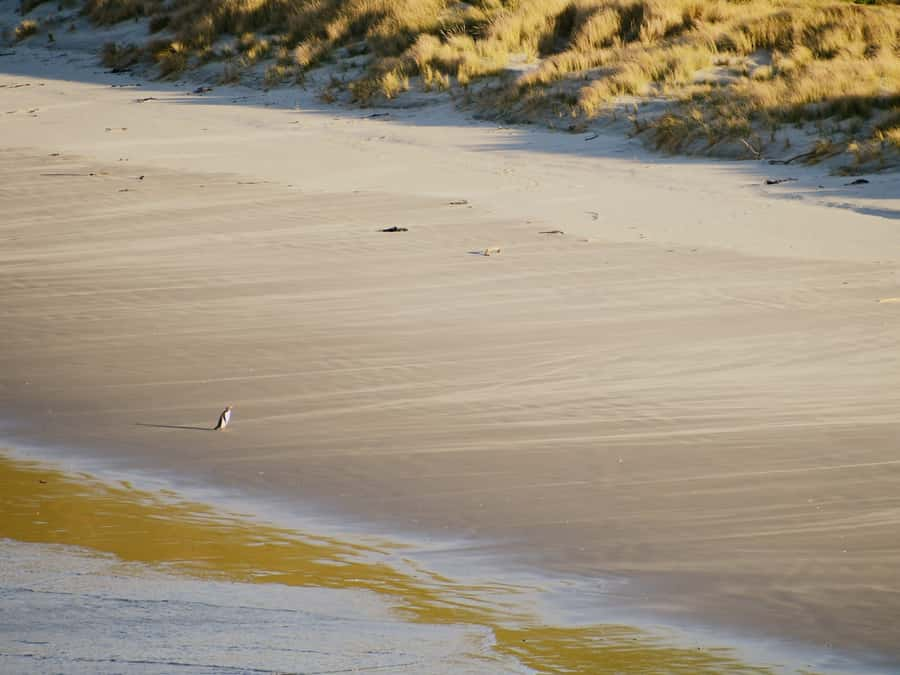
Yellow-eyed penguins are the most uncertain sighting. They may be resting in cover, out at sea, or arriving at a different time from your visit. Some outings have produced wild yellow-eyed penguin sightings, including birds seen on the beach. Other outings have found little penguins and rehabilitation birds but no hoiho in the wild.
That difference is not a flaw in the tour. It is the basic condition of watching wild animals. The important thing is to set your expectations correctly. If you need a guaranteed close look at a yellow-eyed penguin, this is not the right promise to seek. If you want a responsible chance to see one, while learning why it is rare, the tour makes sense.
The best approach is to count the whole reserve as the experience. A sea lion rolling near the shore, a fur seal resting in the grass, or a small penguin tucked into a nest can make the walk memorable. The guides can also help you notice forest and shore birds that you might otherwise ignore.
Why the conservation angle adds real value
The most worthwhile part of this tour may be the explanation of what happens beyond the visitor path. You learn about habitat restoration, penguin protection, rehabilitation, and future plans for the reserve.
That matters because wildlife tourism can be a mixed bargain. A close encounter is exciting, but the animals should not have to pay for it through stress or lost habitat. Here, the stated aim is to restore the reserve and protect the species living there. Your admission supports that work, and the tour explains why viewing rules are strict.
I also appreciate that the guides encourage respect instead of treating animals as performers. You are told to follow instructions and avoid touching wildlife. The best sightings may be brief, distant, or partly hidden, but they are less likely to harm the animals you came to see.
The experience is especially useful for anyone who wants more context around the Otago Peninsula. You are not simply driven to a lookout, shown a bird, and sent away. You learn how the species live, why their numbers matter, and what practical protection looks like on the ground.
Weather, clothing, and practical comfort
Otago weather can change, so bring outdoor clothing and comfortable shoes. Rain jackets are included, which is a thoughtful touch for a short walk in a place where conditions can shift quickly.
You should also bring a camera and binoculars. A camera is useful for scenery and wildlife, but do not plan on every animal appearing close enough for a phone snapshot. Binoculars can make the difference between a vague shape and a proper view of a seal, bird, or penguin.
Food and drinks are not included. The tour lasts 90 minutes, so this is not a major problem, but plan to eat before or after if you are fitting the visit into a full day around Dunedin.
The meeting point is reception at 45 Pakihau Road. The tour is guided in English. Starting times vary, so check availability when booking. You can cancel up to 24 hours ahead for a full refund, and the reserve-and-pay-later option allows you to hold a place without paying immediately.
Is $44 a fair price?
For $44, I consider this good value if you care about conservation and want a short, structured wildlife visit. The price includes the guided tour, bus transport within the reserve, the nature walk, access to the rehabilitation centre when penguins are present, and rain jackets.
The value is less certain if you are judging the outing only by the number of penguins seen. You may see yellow-eyed penguins in the wild, but you may also see only little penguins, seals, sea lions, birds, or rehabilitation animals. Since wildlife viewing is never guaranteed, the price pays for access, guidance, and conservation support, not a guaranteed photograph.
The 90-minute duration suits a busy Dunedin schedule. It is long enough to include several different settings but short enough to combine with other Otago Peninsula stops. The trade-off is that you do not get a full-day reserve experience or unlimited time at each viewing area.
Who should book this Dunedin wildlife tour?
I would choose this tour if you want to understand the conservation work as well as see animals. It suits couples, families with older children, and nature-minded visitors who can manage a 2-kilometre walk and do not need wheelchair access.
It is also a good fit if you prefer a small, guided experience with room for questions. The guides Emma and Eden receive especially strong praise for their enthusiasm, and the commentary continues during the bus ride and nature walk.
I would be cautious if you have limited mobility, poor fitness, or need a fully accessible route. I would also think twice if your main goal is a guaranteed close view of a wild yellow-eyed penguin. No responsible wildlife operator can promise that.
Should you book it?
Book this tour if you want a practical introduction to the Otago Peninsula’s wildlife and conservation work, with a real chance of seeing rare penguins and a strong chance of seeing seals, sea lions, birds, or little penguins. The rehabilitation centre can add a close encounter, while the reserve walk gives you the wider setting.
Go with flexible expectations. The best day may bring yellow-eyed penguins to the beach, but another day may offer only distant wildlife and a good lesson in why these birds need protection. At $44, that combination of access, interpretation, and conservation support is a sensible choice for many visitors to Dunedin.
FAQ
Where does the tour begin?
The tour begins at 45 Pakihau Road on the Otago Peninsula. Check in at reception.
How long does the experience last?
The experience lasts 90 minutes, including the guided visit, bus ride, and nature walk.
What animals might I see?
You might see yellow-eyed penguins, little blue penguins, New Zealand fur seals, sea lions, forest birds, shorebirds, and other native plants and animals.
Are yellow-eyed penguins guaranteed?
No. Yellow-eyed penguins are wild animals, and sightings vary throughout the year and from day to day. The operator will do its best to provide good viewing opportunities.
Can I see penguins at close range?
The rehabilitation centre may provide a closer view when penguins are present. Visibility can be limited to protect the animals, and you must not touch them.
How far is the nature walk?
The guided walk is approximately 2 kilometres, or 1.25 miles.
What should I bring?
Bring comfortable walking shoes, outdoor clothing, a camera, and binoculars. Rain jackets are provided.
Is the tour suitable for wheelchair users?
No. The experience is not suitable for wheelchair users, people with mobility impairments, visually impaired people, or people with a low level of fitness.
Can I cancel the booking?
Yes. You can cancel up to 24 hours in advance for a full refund. A reserve-and-pay-later option is also available.
Just added around Dunedin
- Invercargill to Dunedin via the Catlins Small Group 1 Way Tour★ 5.0 · 5 reviews
- Dunedin City – Settlers & Voyages Tour★ 5.0 · 13 reviews
- Wildlife and Penguin Tour★ 5.0 · 27 reviews
- Twilight at the Opera★ 5.0 · 5 reviews
- Speight’s Brewery Tour & Dinner★ 5.0 · 7 reviews
- Private Guided Tour of Dunedin City Heritage and Unique Wildlife and Scenery★ 5.0 · 36 reviews
- Shared Small Group Dunedin City and Peninsula Scenery Day Tour★ 5.0 · 5 reviews
- Southern Skies Stargazing Tour in Dunedin★ 5.0 · 62 reviews
Wildlife, compared.
Clearwater Wildlife Tours (small group 10max) Otago Peninsula
Read our review →
6 Ziplines, Swing-Bridges & Wildlife Encounters
Read our review →
Sea Life Kelly Tarlton’s Aquarium General Admission
Read our review →
Browse the lists this tour appears in