
Reviewed · WILDLIFE
Kiwi Park Queenstown Admission
The best reason to visit Kiwi Park Queenstown is simple: it gives you a real chance to see a live kiwi. The nocturnal house is dark by design, but once your eyes adjust, you can watch these funny, busy birds probe the ground for food. I also like the close look at tuatara and the chance to see native birds that are difficult to spot in the wild.
I like the all-day admission and the free audio guide, which let you set your own pace. The central location beside the gondola makes this an easy rainy-day plan. The main drawback is size: five acres is pleasant to walk, but some people may find the admission price high if they expect a large zoo. Kiwi viewing can also be tricky at first because the enclosure is genuinely dark.
Key points to know before you go
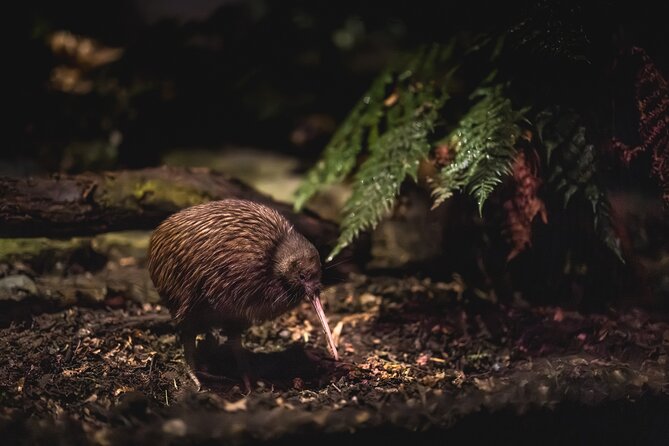
- The kiwi house is the star: Expect a dark, nocturnal enclosure where patience and quiet help you see the birds moving about.
- Time your visit around the shows: The conservation show runs two or three times daily, depending on the season, and kiwi encounters are offered throughout the day.
- You can stay all day: Your ticket is not limited to a single entry time, so you can return to favorite areas or fit the park around other Queenstown plans.
- The park is in central Queenstown: It is near the gondola and public transport, making it easy to pair with a visit to the Skyline area.
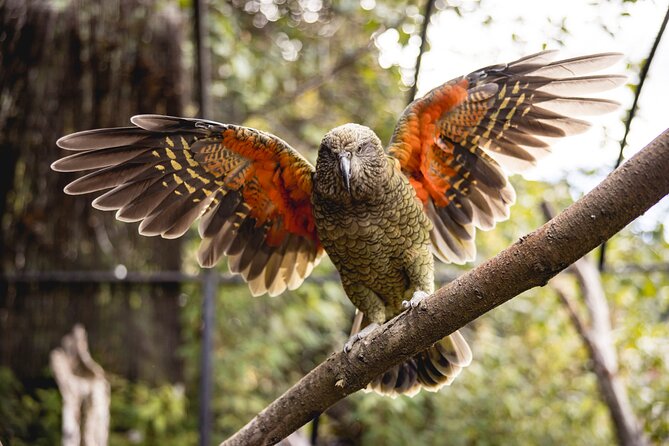
- Expect more than kiwis: Tuatara, kea, kereru, kakariki, pateke, buff weka, birds of prey, and Antipodes Island parakeets are among the wildlife on show.
- Bring sensible footwear: The forest paths include some slopes, and comfortable walking shoes make the visit easier.
Why the kiwi encounter is worth planning around
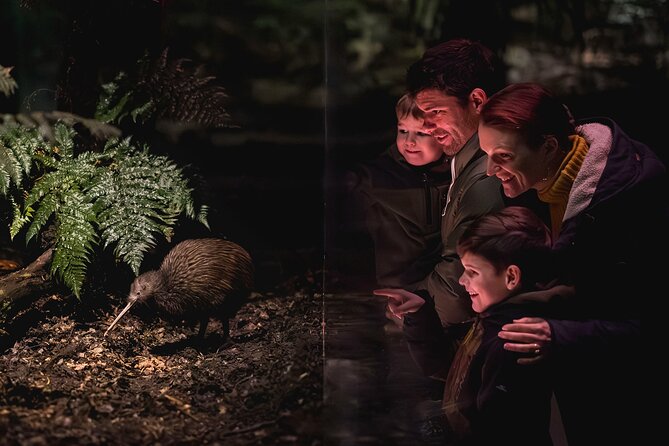
New Zealand’s kiwi is hard to see in the wild. It is nocturnal, flightless, and most active when people are asleep. Kiwi Park solves that problem with a darkened enclosure designed to copy nighttime conditions.
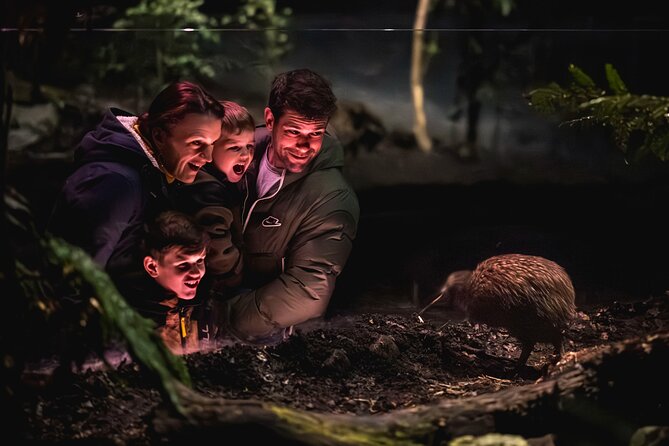
Do not walk in expecting a brightly lit birdhouse. At first, you may see only shadows and quick movement. Give your eyes time to adjust, keep your voice low, and watch the ground rather than the walls. The birds spend their time searching for food, and their long bills and quick steps become easier to follow after a few minutes.
The park currently presents kiwi encounters at set times. From October through April, sessions are listed at 10am, 11am, 12:15pm, 1pm, 2:15pm, 3pm, 4:15pm, and 5pm. From May through September, the listed times are 10am, 11am, 12:15pm, 1pm, 2pm, 3:45pm, and 4:43pm.
Schedules can matter here because the kiwi house is the part you are least likely to want to rush. If seeing a kiwi is your main goal, choose a session early in your visit. That gives you time to return later if the first look is brief or the birds stay out of view.
Quiet matters, too. Children can enjoy this experience, but explain before entering that loud voices and sudden noise make viewing harder. The darkness is not a fault in the exhibit. It is necessary for a nocturnal animal, though it does mean this is a slower, more patient kind of wildlife experience.
More wildlife tours in Queenstown:
- Kiwi Park Admission Ticket
★ 4.5 · 118 reviews - Clearwater Wildlife Tours (small group 10max) Otago Peninsula
★ 5.0 · 531 reviews - Wildlife Sea Kayaking Tour – Kaikoura
★ 5.0 · 467 reviews
Start with the conservation show
The conservation show is a good introduction to the park’s purpose. It takes place in an outdoor area enclosed by netting, where some birds can fly free during the presentation. You may see a kakariki, a small parakeet, or a kereru, New Zealand’s native pigeon.
The show also brings you closer to birds of prey and introduces species such as the pateke, buff weka, and Antipodes Island parakeet. The appeal is not just seeing an animal at close range. You learn how native species live, what threatens them, and why breeding and rehabilitation work matter.
The seasonal schedule is:
- October through April: 11:30am, 1:30pm, and 3:30pm
- April through September: 11:30am and 3pm
The schedule overlaps slightly in April, so check the day’s posted times when you arrive. Starting with the conservation show is a sensible plan because it gives shape to the rest of your visit. Afterward, you can walk through the bird enclosures, visit the kiwi house, and listen to the audio guide without watching the clock.
The presentation has an educational purpose but is not just a lecture. It includes close encounters with selected animals and gives children a clear reason to care about what they are seeing. If you have limited time, fit in one conservation show and one kiwi encounter before wandering the rest of the park.
A five-acre walk through native bush
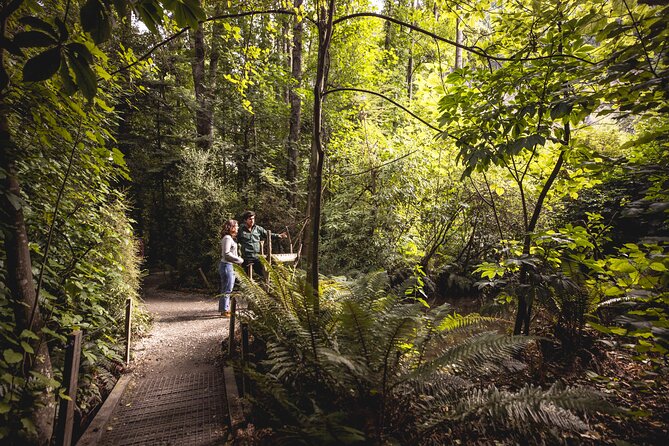
Kiwi Park occupies about five acres, or two hectares, in central Queenstown. It is compact enough to cover in two hours, but the bush setting gives it a calmer feel than its city location suggests.
The paths take you past forest, streams with trout, and a series of bird enclosures. Some areas allow you to get close to the birds, and the park’s layout makes the visit feel more like a walk than a row of indoor displays.
That compact size is both a strength and a limitation. You can see the main areas without committing half a day, which is useful in Queenstown, where weather and activity schedules often change. On the other hand, you should not expect the range of a major zoo. The admission price makes the most sense if you value native wildlife, conservation work, and the chance to see a kiwi.
The audio guide helps fill in the details. Use it as you move through the park rather than trying to listen to everything at once. A map and audio equipment are available, and the audio options include different languages, including Mandarin. That is useful for families and for anyone who wants more context than the exhibit signs provide.
The park includes a café, gift shop, and honey shop. These are extras rather than reasons to buy a ticket, but the café gives you a convenient place for tea or a light bite during a longer visit.
Tuatara and the birds you may not see in the wild
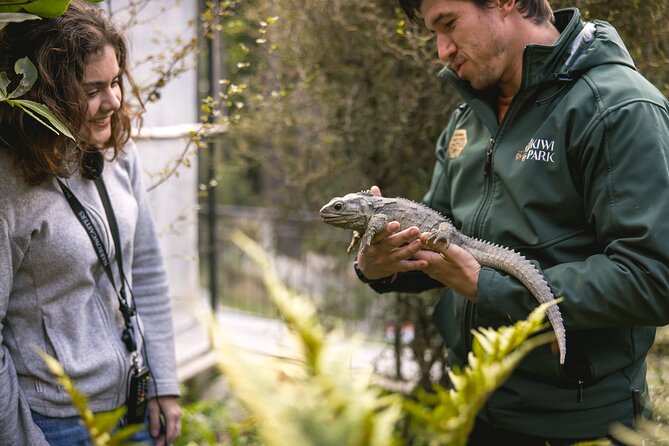
The Tuatara Encounter is one of the most distinctive stops. The tuatara is a prehistoric reptile found only in New Zealand, and it is sometimes described as a living dinosaur. Seeing one close up gives you a better sense of its unusual form than a photograph does.
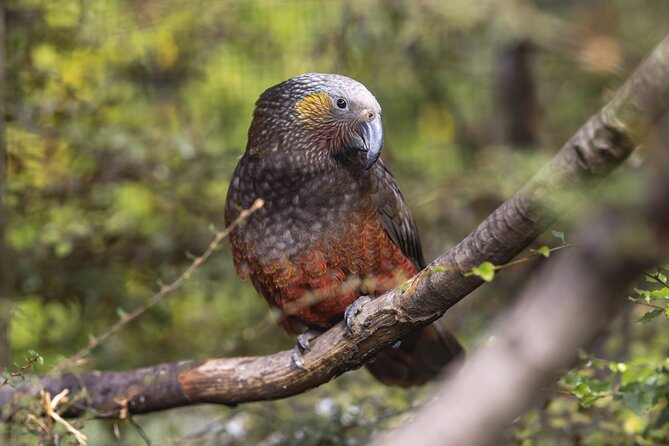
The bird collection covers several species associated with New Zealand’s native bush. The kea is a particular highlight because you can get close to this bold alpine parrot. The kereru is larger and more striking than many first-time visitors expect, while the kakariki brings bright color and lively movement.
You can also learn about the pateke, a native duck, and the buff weka, a flightless bird. The Antipodes Island parakeets add another unusual entry to the collection. Birds of prey provide a different experience, showing the size and power of native raptors at close range.
These exhibits matter because wild sightings are never guaranteed. A forest walk in New Zealand can be rewarding, but you may hear a bird without seeing it. Here, the park gives you a reliable way to study native species and compare their shapes, calls, and behavior.
A few more Queenstown trips worth a look
- Queenstown: Walter Peak Gourmet BBQ & Lake Whakatipu Cruise
★ 4.8 · 2,713 reviews - Shotover River Extreme Jet Boat Ride in Queenstown
★ 5.0 · 2,540 reviews - Queenstown: Shotover River and Kawarau River Jet Boat Ride
★ 4.7 · 1,682 reviews - Queenstown: Lake Wakatipu Scenic Cruise (90 Minutes)
★ 5.0 · 1,462 reviews
Conservation is part of the visit
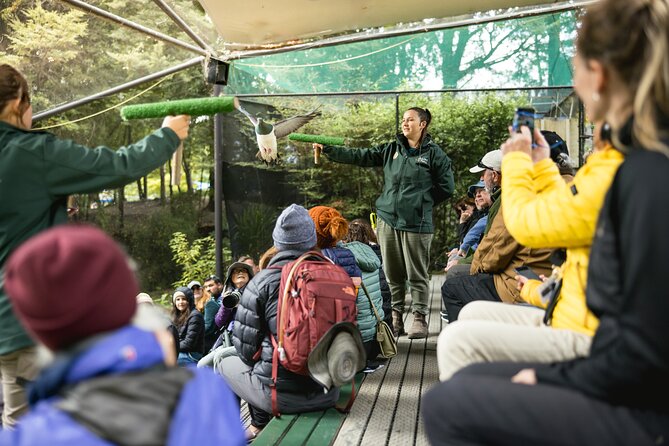
Kiwi Park is not only a display of wildlife. Its work includes rehabilitating injured animals and breeding kiwi for release into the wild. The conservation show and keeper presentations explain how those efforts connect to the future of New Zealand’s native species.
That background adds value to the admission price. You are not simply paying to look at animals in enclosures. You are also supporting a place that presents conservation as a practical task, not an abstract idea.
The kiwi breeding program is especially important to understand. Young kiwi can be raised and protected until they reach an age when release into the wild gives them a better chance. The park explains this process during its talks, along with the birds’ habits, their underground burrows, and their preference for sleeping during daylight.
I found this context useful because it changes the way you see the dark enclosure. You are not just trying to spot a rare bird. You are seeing part of a wider effort to keep that bird in New Zealand’s forests.
How long to allow and how to plan your day
The advertised visit takes about two to three hours. You can move faster, especially if you focus on the kiwi house, but a rushed visit may leave out the conservation show and several bird areas.
A practical plan looks like this:
- Arrive in time for the first conservation show or an early kiwi encounter.
- Walk through the bird exhibits while using the audio guide.
- Visit the tuatara area and forest paths.
- Return for the kiwi encounter if you want a longer look.
- Finish with the conservation show, café, or gift shop.
The park is open daily from 9:30am to 5:30pm. All-day admission gives you flexibility, so you do not have to complete every part in one circuit. You can also fit it around the gondola, since Kiwi Park is close to the gondola entrance.
That location is a major practical advantage. You do not need a special transfer or a long ride from central Queenstown. The park is near public transport, and hotel pickup and drop-off are not included because the attraction is designed for independent arrival.
Parking is not included either. If you have a car, plan for your own parking arrangements rather than assuming the ticket covers them.
Is $39.72 good value?
At $39.72 per person, Kiwi Park is not a throwaway stop. The value depends on what you want from it.
If your main aim is to see a kiwi, the price is easier to justify. You also receive the audio guide, kiwi viewing, the conservation show, access to the tuatara, and the rest of the bird park. The all-day ticket helps because you can take your time rather than squeezing everything into a short paid session.
If you expect a large wildlife park with many mammals and hours of entertainment, you may find the experience limited. The collection focuses on New Zealand birds and reptiles, and the walking area is small. The best comparison is not a full-scale zoo. It is a focused conservation park in a very convenient location.
I would also factor in the weather. Queenstown has plenty of outdoor activities, but cold or wet conditions can disrupt your plans. Kiwi Park gives you a useful indoor and sheltered option, with enough outdoor walking to keep the visit varied. On a clear day, you may prefer a larger outdoor attraction, but on a rainy afternoon this can be a smart use of time.
Who will enjoy Kiwi Park most
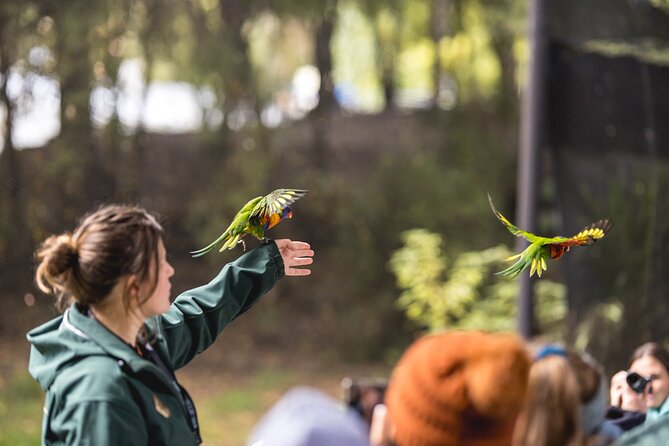
Families often get the most from the visit because the kiwi, tuatara, and conservation show offer different kinds of interest. Children can see animals up close, while the presentations explain why the species need protection. The Mandarin audio option is also helpful for families who do not want to rely on English explanations.
It suits first-time visitors to New Zealand who want a dependable introduction to native wildlife. It also works for solo visitors. The dark kiwi house can be an absorbing experience when you take your time and watch carefully.
Bird lovers will find more to study than the title suggests. The kea, kereru, kakariki, native duck, weka, and birds of prey create a good range within a compact area.
The main caution is mobility. Some paths are steep, so the walk may be harder for people with mobility issues. Comfortable shoes and sun protection are recommended. The park is manageable for most people, but it is not a completely flat indoor attraction.
Small details that make the visit better
Arrive early if seeing a kiwi is the priority. The first session gives you more time to adjust to the dark and leaves room to try again later.
Listen carefully during the keeper presentations. The kiwi talks explain behavior that is easy to miss, including how the birds search for food and where they sleep. The conservation information is one of the strongest parts of the visit.
Keep noise down in the nocturnal house. You may be able to see the kiwi clearly after your eyes adjust, but loud talking and movement make the experience harder for everyone nearby.
Bring a little patience. The birds do not perform on demand, and the kiwi may be partly hidden. That is a fair trade for seeing the animals in conditions closer to their natural routine.
The park also has some pleasant small extras, including honey tasting, a café, and forest paths. None should replace the main wildlife stops, but they help turn a short visit into a relaxed two-hour outing.
Should you book Kiwi Park Queenstown?
Book it if you want a good chance to see a kiwi, prefer a central attraction, or need a weather-friendly activity with real conservation content. The combination of kiwi viewing, tuatara, native birds, keeper talks, and all-day entry gives the ticket solid value for the right audience.
Skip it if you want a large zoo, a long hike, or a broad collection of animals from around the world. The park is focused and compact, and the kiwi house requires quiet patience.
For most first visits to Queenstown, I would consider it a worthwhile stop, especially if you pair it with the nearby gondola. Plan around one conservation show and at least one kiwi encounter, allow two to three hours, and you will get far more from the ticket than a quick walk through the entrance.
FAQ
How long does a visit to Kiwi Park Queenstown take?
The suggested visit lasts about two to three hours. All-day admission lets you explore at your own pace and revisit areas during the park’s opening hours.
What are the opening hours?
Kiwi Park is open Monday through Sunday from 9:30am to 5:30pm.
Is kiwi viewing included in the admission price?
Yes. Kiwi viewing, an audio guide, and the conservation show are included with admission.
When are the kiwi encounters held?
From October through April, kiwi encounters are listed at 10am, 11am, 12:15pm, 1pm, 2:15pm, 3pm, 4:15pm, and 5pm. From May through September, they are listed at 10am, 11am, 12:15pm, 1pm, 2pm, 3:45pm, and 4:43pm.
When is the conservation show held?
From October through April, the show is listed at 11:30am, 1:30pm, and 3:30pm. From April through September, it is listed at 11:30am and 3pm.
Is the park suitable for children?
Yes. The park is family-friendly, and children can see kiwi, tuatara, native birds, and conservation presentations. Quiet behavior is important in the dark kiwi enclosure.
Is parking included?
No. Parking is not included. The park is near public transportation and is located in central Queenstown.
Can I cancel for a refund?
You can cancel at least 24 hours before the experience start time for a full refund. Cancellations or changes made less than 24 hours before the start time are not refunded or accepted.
Just added around Queenstown
- 7 – Day North to South Island Grand Tour – Auckland to Queenstown★ 5.0 · 5 reviews
- 12 Day New Zealand Private Tour from Auckland to Queenstown★ 5.0 · 7 reviews
- Ultimate Lake Dunstan Bike Hire, Shuttles And Boat Return★ 5.0 · 4 reviews
- Thrillzone Queenstown: Multiplayer Virtual Reality★ 5.0 · 3 reviews
- The Grand Circle 30-Minute Helicopter Tour & Alpine Landing★ 5.0 · 5 reviews
- From Queenstown: ‘Valley of the Vines’ Wine and Bike Tour★ 4.9 · 79 reviews
- Queenstown: Scenic Alpine Heli-Flight★ 4.7 · 88 reviews
- Queenstown: Helicopter Flight and Gin Tasting Tour★ 5.0 · 3 reviews
Wildlife, compared.

Clearwater Wildlife Tours (small group 10max) Otago Peninsula
Read our review →



6 Ziplines, Swing-Bridges & Wildlife Encounters
Read our review →
Sea Life Kelly Tarlton’s Aquarium General Admission
Read our review →
Browse the lists this tour appears in