
Reviewed · BIRD WATCHING TOURS
Stewart Island: Wild Kiwi Experiences
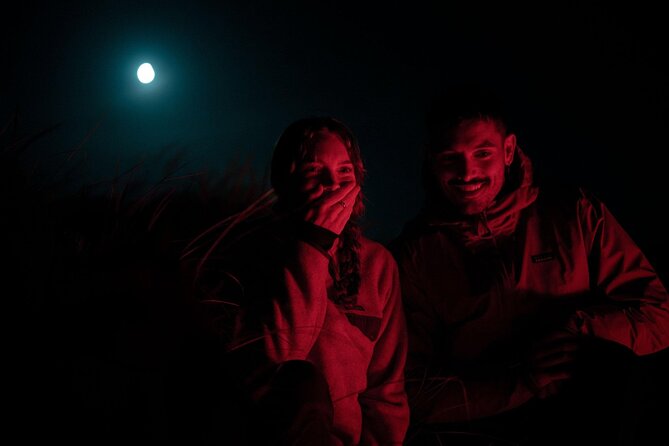
A wild kiwi walking close to your boots in the dark is the moment this Stewart Island outing is built around. You cruise out from Oban before sunset, then use red lights on a quiet forest and beach walk at Little Glory Cove or Oneke, listening and looking for southern brown kiwi.
I like the small groups of up to 10 and the fact that the boat trip is a real wildlife outing, not just a ride to the walking track. I also like the thoughtful pace: guides position everyone for a fair look, explain how to behave near kiwi, and finish the evening with hot drinks, biscuits, and often a remarkable view of the stars.
The main drawback is simple: kiwi are wild. You may see several, or none at all. The walk can be muddy and uneven, the return is late, and the $154 price is a serious outlay for four hours.
Key points at a glance
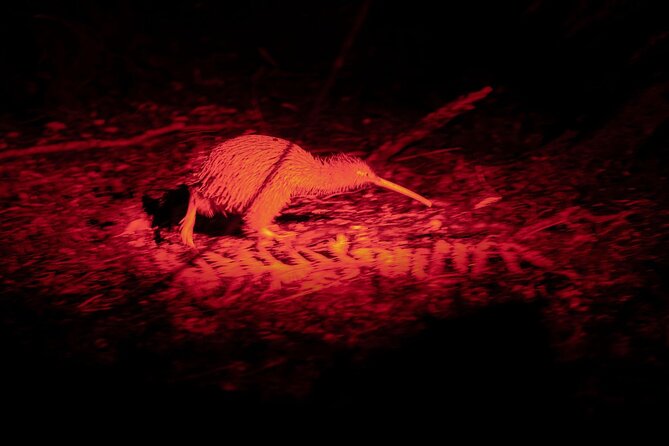
- Kiwi in the wild: Search for tokoeka on a guided night walk rather than visiting a captive wildlife center.
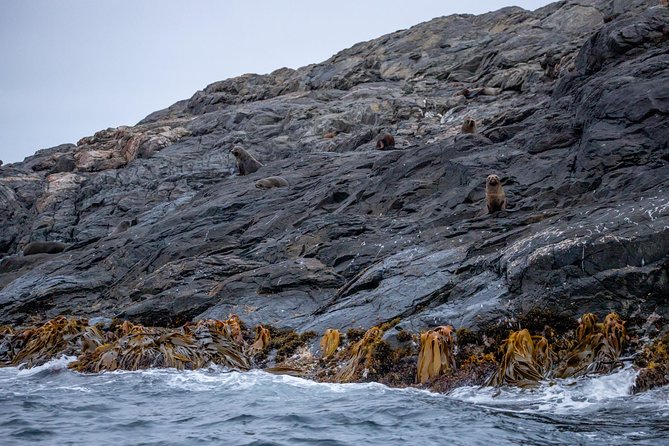
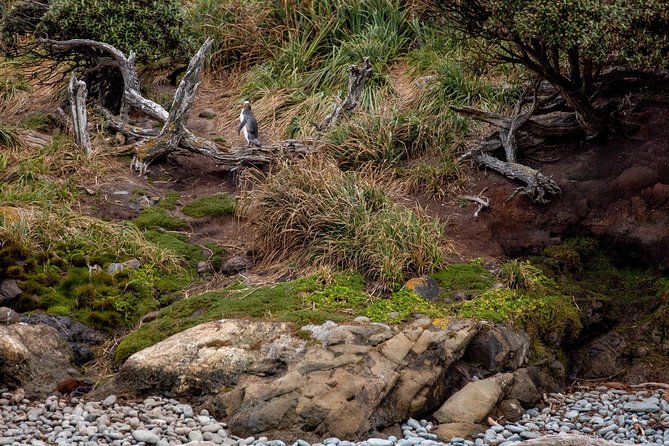
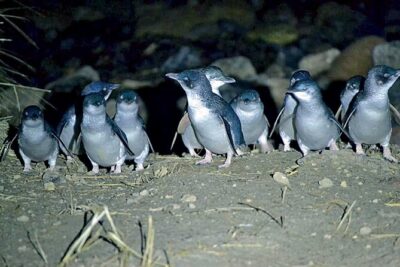
- Wildlife before dark: The cruise can bring sightings of little penguins, yellow-eyed penguins, Fiordland crested penguins, albatrosses, seals, and sea lions.
- Small, attentive groups: A maximum of 10 people gives guides a better chance to manage noise, torchlight, and viewing positions.
- Bring proper gear: Wear hiking shoes, warm layers, rain gear, and insect repellent. The track may be muddy.
- Late finish: You return to Oban late at night, so book accommodation on Stewart Island for that evening.
- Conservation-minded booking: If no kiwi appears, $20 per person is donated to conservation work at Little Glory Cove rather than offering a refund.
Why this kiwi search feels different
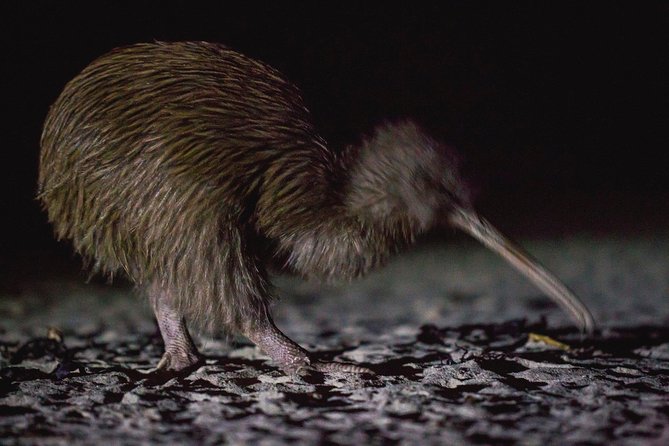
Stewart Island, known in Māori as Rakiura, offers one of New Zealand’s strongest chances to see a kiwi in the wild. This is not a quick roadside stop or a neatly staged animal encounter. You enter the forest after dark, move quietly, and let the guides read the clues: tracks, sounds, movement, and feeding areas.
That uncertainty is part of the deal. A kiwi may cross the track, forage on the beach, or stay out of sight. Several people have seen two, three, four, or even five birds on one evening. Others have seen no kiwi but still had a full night of marine wildlife, forest sounds, and southern stars.
I appreciate that the experience does not pretend the result is guaranteed. The operator states clearly that there are no refunds if a kiwi stays hidden. Instead, $20 from each booking without a sighting goes toward conservation work at Little Glory Cove. That does not erase the disappointment of missing the bird, but it gives the cost a useful purpose.
More bird watching tours in New Zealand:
- Gannet Safaris Overland tour to Cape Kidnappers Gannet Colony
★ 5.0 · 942 reviews - Oamaru: Penguins Evening Viewing Ticket
★ 4.5 · 682 reviews - Rotorua: The National Kiwi Hatchery Kiwi Encounter Tour
★ 4.7 · 671 reviews
From Oban to the islands before sunset
Meet at the Visitor Terminal in central Oban, not Bluff, 20 minutes before departure. The activity lasts about four hours, with departure roughly 90 minutes before nightfall. Exact times change with the season, so check the available start time when booking.
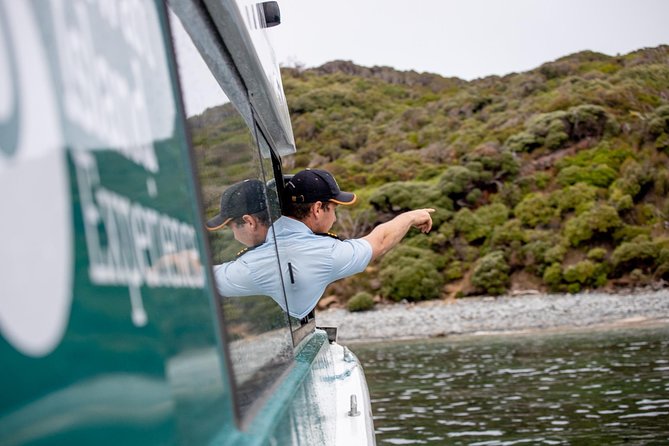
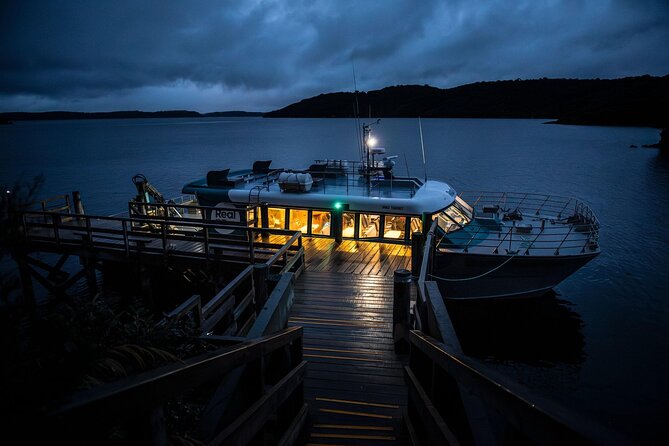
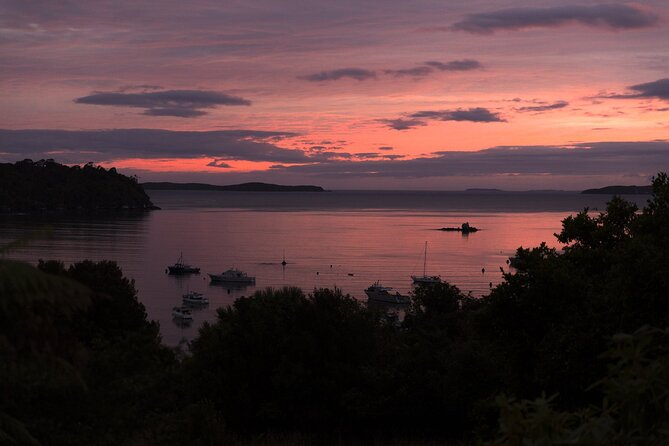
The first part is a coastal cruise around nearby islands. This is one of the best features of the trip because it gives you a second wildlife experience before the kiwi search even begins. The skipper may turn the boat so people on both sides get a look, and binoculars have been provided on some outings.
Look for little penguins, yellow-eyed penguins, Fiordland crested penguins, fur seals, sea lions, albatrosses, cape petrels, giant petrels, shags, and other seabirds. Sightings depend on weather, sea conditions, and animal behavior, but the range of species reported on good evenings is impressive.
The cruise also helps you understand the setting. You see remote beaches and islands that are hard to reach independently, while the guide explains local wildlife and island history. This makes the boat ride more than transport. It gives the night some shape before you step ashore in the dark.
Still, keep your expectations sensible. A boat tour is not a guarantee of a particular penguin or seabird. Wind, cloud, rain, and the animals themselves decide what appears. Bring warm clothing even if Oban feels mild. Conditions on the water can change quickly.
The walk at Little Glory Cove or Oneke
After the cruise, you begin the guided night walk. The route may include forest and beach at Little Glory Cove, or the Oneke area known as The Neck. The total walking time is about two hours, and the route can include uneven or muddy ground.
This is not a technical hike, but it does require steady movement over rough ground. The activity is not suitable for anyone who struggles to walk independently for more than 1.5 kilometers along an uneven track. It is also not suitable for wheelchair users or children under 15.
Your guide explains how to use the torch, how to move quietly, and how to avoid disturbing a kiwi. Flash photography is not allowed. The quiet matters. You may spend part of the walk standing still in the dark, waiting for a sound or a bird to move into view.
The best sightings often come from patience rather than speed. One bird stayed near a group for about half an hour while feeding. Another came within a few feet of the group and pecked around people’s boots. Guides have also found birds on the return route after the main search seemed to be finished.
That is where the small group matters. Guides can place people carefully so that those at the back get a proper look, not just a glimpse over someone else’s shoulder. They also help prevent the group from bunching up or making unnecessary noise.
What makes tokoeka special
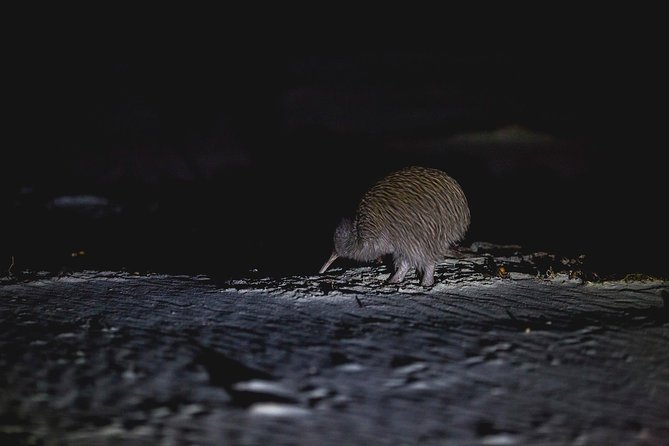
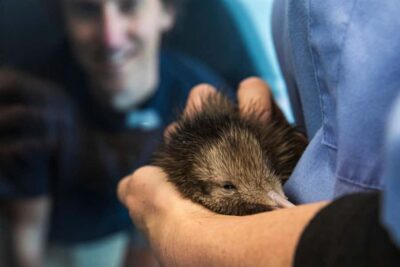
The southern brown kiwi, or tokoeka, is a nocturnal bird with a long bill and a strong sense of smell. You will not get an educational lecture on every detail, but the pre-walk briefing gives you the basics needed to watch without causing harm.
Seeing a kiwi in its natural setting feels very different from seeing one indoors. It may be feeding, crossing the beach, or moving through the undergrowth with no interest in you. The bird is not performing. Your reward is a brief chance to observe ordinary wild behavior.
You should also accept that the walk may be successful even without a clear sighting. You might hear a kiwi, find tracks, or sense movement in the bush. The forest after dark has its own appeal, with unfamiliar smells, bird calls, damp ground, and long pauses where everyone is listening.
The guides are essential here. People have walked past feeding kiwi without noticing them, while experienced guides have spotted movement that would otherwise be missed. Names connected with especially well-regarded outings include Natasha, Karen, Sarah, Jan, Jen, and skipper Nick. Guide teams change, but the important quality is their ability to keep the group calm, informed, and attentive.
A few more New Zealand trips worth a look
- Stewart Island: Ulva Island Guided Wilderness Walk & Cruise
★ 4.5 · 165 reviews - Stewart Island: Village and Bays Tour
★ 4.8 · 141 reviews - Stewart Island: Village and Bays Tour
★ 5.0 · 100 reviews - Ulva Island Explorer from Stewart Island
★ 4.5 · 79 reviews
Oneke, Māori stories, and a warm drink
The Oneke version adds more cultural and historical context. The Neck is presented as a place with Māori and European connections, and the guide shares stories about the area before the night search begins.
I value this part because the island is not just scenery and wildlife. Hearing how people have used and understood the area gives the walk a stronger sense of place. The cultural material is part of the experience rather than a separate museum stop.
At some point, the group can enjoy a warm drink in a traditional whare. Cocoa, tea, and coffee are included, along with biscuits. This may sound minor, but after a damp walk in the dark, a hot cup is welcome.
The beach also offers a chance to look up. On clear evenings, guides have pointed out stars and constellations, including the Southern Cross. A few groups have even glimpsed the Aurora Australis. Treat those as lucky extras, not promised parts of the tour.
The return cruise under the stars
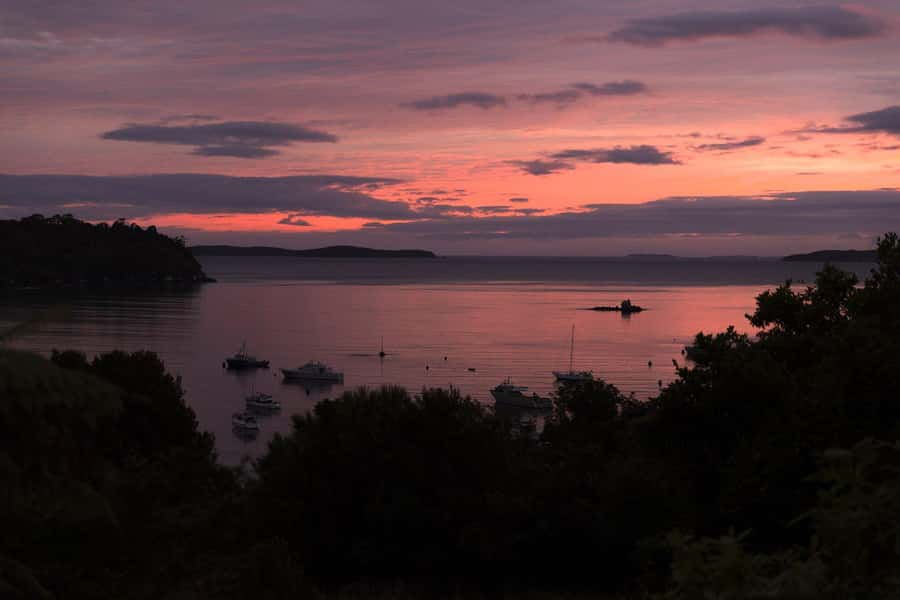
The return to Oban takes place after dark. The water, islands, and sky feel different from the outward journey, and the boat ride gives you time to settle after the concentration of the kiwi walk.
This late cruise is a bonus for anyone who enjoys quiet coastal scenery. You may still see wildlife, but the main value is the night atmosphere and the chance to reflect on the evening. The return can be late, so do not plan an early morning departure from Stewart Island unless you are prepared for a short night.
You need accommodation in Oban for that evening. The tour does not include a place to stay, and the boat departs and returns at the Visitor Terminal on Stewart Island. If you arrive from Bluff that day, allow enough time to reach Oban before the meeting time.
How much value do you get for $154?
At $154 per person, this is not a cheap wildlife outing. You are paying for a small group, a return boat trip, specialist guiding, a torch, hot drinks, and access to a remote setting that is difficult to arrange by yourself.
The value improves if you think of it as two linked experiences: a marine wildlife cruise and a guided night search for kiwi. Several outings have included penguins, seals, sea lions, and unusual seabirds before the walking even began. Add a strong kiwi sighting, and the price feels easier to justify.
The value is harder to judge if you want a guaranteed animal encounter. No guide can promise a kiwi, and the lack of a refund after a missed sighting matters. You should book this because you want the full experience of searching responsibly in the wild, not because you are buying a guaranteed photograph.
A good comparison is the quality of access. Without a boat and local guides, you cannot easily reach the same beaches and islands or know where to look for nocturnal wildlife. The price reflects that transport, the limited group size, and the conservation contribution attached to an unsuccessful kiwi search.
Clothing and practical preparation
Take the packing advice seriously. Wear warm layers, hiking shoes, and rain gear, including a windproof and waterproof jacket. Add insect repellent, especially for the walking portion.
Avoid noisy clothing if possible. One person specifically noted that waterproof fabric can rustle loudly in the forest, making it harder to move quietly and listen. Put on rain protection if needed, but choose the quietest practical gear you have.
You should also expect limited photography. Flash photography is not allowed, and using a camera in the dark can distract you from the animal. A red-lit torch is part of the equipment, and the best approach is to follow the guide’s instructions rather than chase a perfect image.
Weather can cancel departures, so keep some flexibility in your Stewart Island plans. The activity is most comfortable when you are prepared for wind, rain, and cool temperatures, even if the evening begins pleasantly.
Who will enjoy this most?
I would choose this outing if you care about wild animals, enjoy walking at an easy but steady pace, and can remain quiet for long stretches. It suits adults and older teenagers aged 15 and above who are comfortable with uneven ground.
It is particularly good for anyone who wants more than a standard sightseeing cruise. The combination of marine wildlife, Māori and European stories, forest walking, and night skies gives the evening plenty of variety.
I would hesitate if you dislike boats, mud, darkness, or uncertainty. You should also think twice if a guaranteed kiwi sighting is essential to your plans. Even a well-run search can finish with tracks, calls, and excellent marine sightings but no bird in view.
The group size is small, but it is not private. One participant felt the group could have been smaller, while most of the experience depends on the guides sharing positions and keeping everyone included. If you prefer complete solitude, this is not that. If you want a social but controlled wildlife outing, it is a good fit.
Should you book the Stewart Island Wild Kiwi Experience?
Yes, if seeing native wildlife in a natural setting matters more to you than certainty. The guides are the heart of the evening, and the best teams combine careful kiwi etiquette, local stories, sharp wildlife spotting, and a friendly attitude.
Book it with realistic expectations. You might see several kiwi at close range, as some groups have. You might see one briefly, hear one nearby, or miss the bird entirely while still enjoying penguins, seals, sea lions, seabirds, a forest walk, and a star-filled beach.
For me, the strongest case is the complete evening rather than one animal. The cruise adds real value, the walking brings you into the island after dark, and the conservation donation gives an unsuccessful search a practical benefit. Bring good clothing, keep the following morning free, and book this as a patient wildlife experience rather than a guaranteed photo opportunity.
FAQ
Where does the Stewart Island Wild Kiwi Experience depart from?
It departs from the Visitor Terminal in central Oban on Stewart Island. It does not depart from Bluff. Arrive 20 minutes before the activity begins.
How long does the experience last?
The activity lasts about four hours. The departure time changes according to the season and available conditions, so check the scheduled start time when booking.
How many people are in the group?
The group is limited to 10 participants.
Is seeing a kiwi guaranteed?
No. Kiwi are wild and unpredictable, so there is no guarantee of a sighting. There are no refunds if no kiwi appears, but $20 per person is donated to conservation projects at Little Glory Cove.
What other wildlife might I see?
The cruise may include little penguins, yellow-eyed penguins, Fiordland crested penguins, albatrosses, cape petrels, giant petrels, shags, fur seals, and sea lions. Sightings depend on weather and animal behavior.
What should I wear and bring?
Bring warm clothing, hiking shoes, rain gear, and insect repellent. A windproof and waterproof jacket is especially useful because the boat and walking track can be exposed to changing weather.
Is the walk difficult?
A reasonable level of fitness is required. Total walking time is about two hours, and the track can be uneven and muddy. The experience is not suitable for anyone unable to walk independently for more than 1.5 kilometers over uneven ground.
Can children or wheelchair users join?
Children under 15 are not permitted, and the activity is not suitable for wheelchair users.
Just added around New Zealand
- Half-Day Cruise in Marlborough Sounds from Picton★ 4.5 · 145 reviews
- Marlborough Sounds Day Visit to Lochmara★ 4.5 · 13 reviews
- Full-Day Marlborough Catamaran Cruise with Wine Tour and Lunch★ 4.5 · 26 reviews
- Marlborough Sounds Greenshell Mussel Tasting Cruise★ 5.0 · 51 reviews
- Hop on Hop off Wine Tours Marlborough★ 4.5 · 46 reviews
- CRUISE SHIP DAY Marlborough Hop On Hop Off Wine Tours★ 4.0 · 88 reviews
- 3.5 Hour Marlborough Sounds Delivery Cruise★ 4.5 · 55 reviews
- Half Day, Grade 5, White Water Rafting on the Rangitikei River★ 5.0 · 66 reviews
Bird Watching Tours, compared.
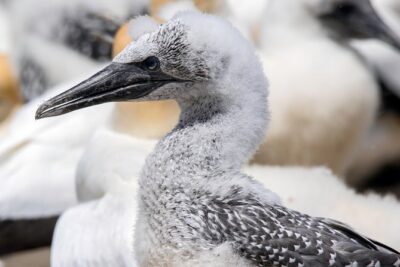
Gannet Safaris Overland tour to Cape Kidnappers Gannet Colony
Read our review →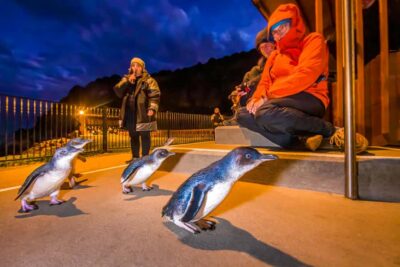
Guided Evening Penguin Viewing Otago Peninsula, Dunedin, New Zealand
Read our review →
Cape Kidnappers Gannet, Nature & Sightseeing Tour
Read our review →
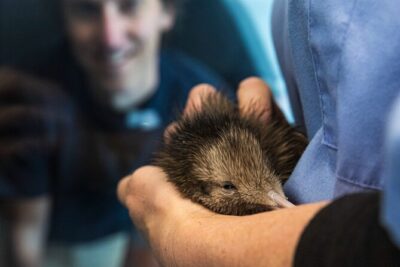
National Kiwi Hatchery – Kiwi Encounter Guided Tour
Read our review →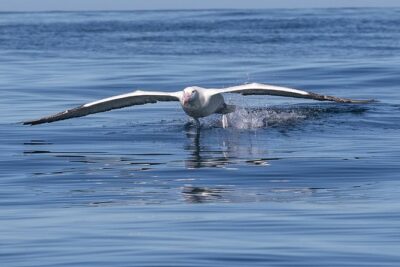
Albatross, seals, and sea birds-Wildlife Cruise
Read our review →Browse the lists this tour appears in