

Reviewed · BIRD WATCHING TOURS
Napier: Cape Kidnappers Gannet, Nature & Sightseeing Tour
Cape Kidnappers is one of New Zealand’s finest close-up wildlife encounters. Thousands of gannets nest in tight rows above the cliffs, with adults sweeping in on two-metre wings and pairs performing their curious greeting ritual only a few feet away. The sheer number of birds is the main event.
I like the easy access. You ride an air-conditioned 4×4 coach across private land instead of hiking a steep coastal track. I also like the guides, who add Maori stories, local farming history, and conservation details rather than treating the trip as a simple drive. The main drawback is the rough, winding ride, and some seats can feel cramped or warm.
Key points to know
- Thousands of gannets at eye level: See adults, chicks, nests, and courtship behavior from very close range.
- No hike required: The coach takes you close to the colony, though the track can be bumpy and steep in places.
- Best from September to early April: Chicks are present in December and January, while adults return in September to prepare nests.
- More than a bird stop: The route includes Maori stories, a native forest, a production forest, a predator-proof reserve, and broad coastal views.
- Local guides make the ride: Guides including Marcus, Jan, Tom, Trevor, and Marty are praised for humor, stories, and clear explanations.
- Bring a warm layer: Cape Kidnappers can be windy and chilly, even when Napier feels mild.
Cape Kidnappers Gannets, Close Enough for Portraits
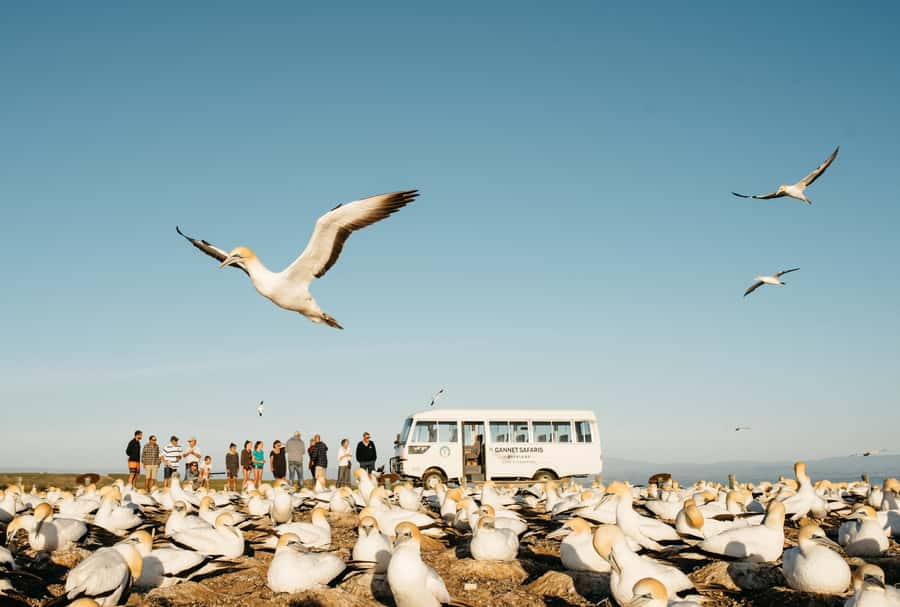
The colony sits on a high coastal terrace at Cape Kidnappers, reached by coach from Gannet Safaris Overland at 396 Clifton Road in Te Awanga. This is not a distant viewpoint where birds become white specks. The coach brings you close to nesting gannets, often within a few feet.
Gannets are members of the booby family. Adults have pale gold crowns and strong black markings around the eyes, which give them a sharp, almost painted look. Their wings can reach about two metres, and you will see them arrive with fish, call to their mates, preen, and perform the head and bill movements used to recognize one another.
The colony is especially striking because of its order. Birds sit in serried rows, each pair focused on its own nest while thousands of neighbors carry on around them. The result is noisy, busy, and wonderfully odd. You may also notice the smell. A large seabird colony is not a scented garden, so keep that small fact in mind if you are sensitive to strong natural odors.
The experience is built around watching, not touching. The birds are close because the route reaches their nesting area, but you should still give them room and follow the guide’s instructions. The best photographs often come from simply waiting as adults return, land, and greet their partners.
More bird watching tours in Napier:
- Gannet Safaris Overland tour to Cape Kidnappers Gannet Colony
★ 5.0 · 942 reviews - Oamaru: Penguins Evening Viewing Ticket
★ 4.5 · 682 reviews - Rotorua: The National Kiwi Hatchery Kiwi Encounter Tour
★ 4.7 · 671 reviews
September to April: Choose Your Gannet Season
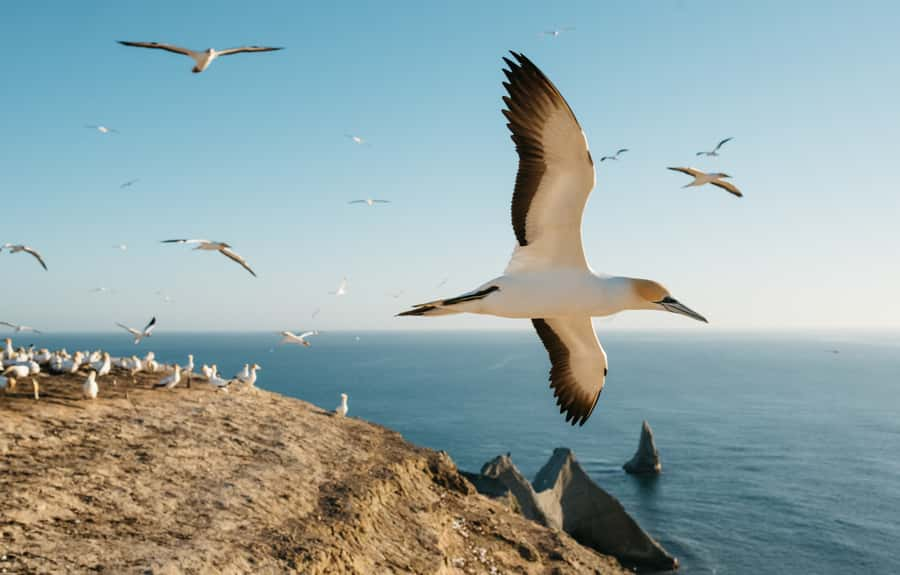
The colony changes through the season, so timing affects what you see.
In September, the adults return from their winter migration and begin preparing nests. This period gives you a strong sense of the colony restarting its yearly cycle. By December and January, chicks are present, and the nesting terraces become even more active as adults feed and protect their young.
The chicks grow quickly. By late April, they leave for warmer regions as part of their annual migration, and the main viewing season ends. The birds can be seen from September to early April, so check the operating dates carefully if your trip falls near the edges of the season.
I would choose December or January if your priority is seeing chicks. September and early autumn can still be excellent for adult birds, courtship, and clearer views of the colony’s daily routine. The supplied information does not promise a particular number of chicks on any departure, so treat the season as a guide rather than a guarantee.
The Ride Across Private Cape Kidnappers Farm
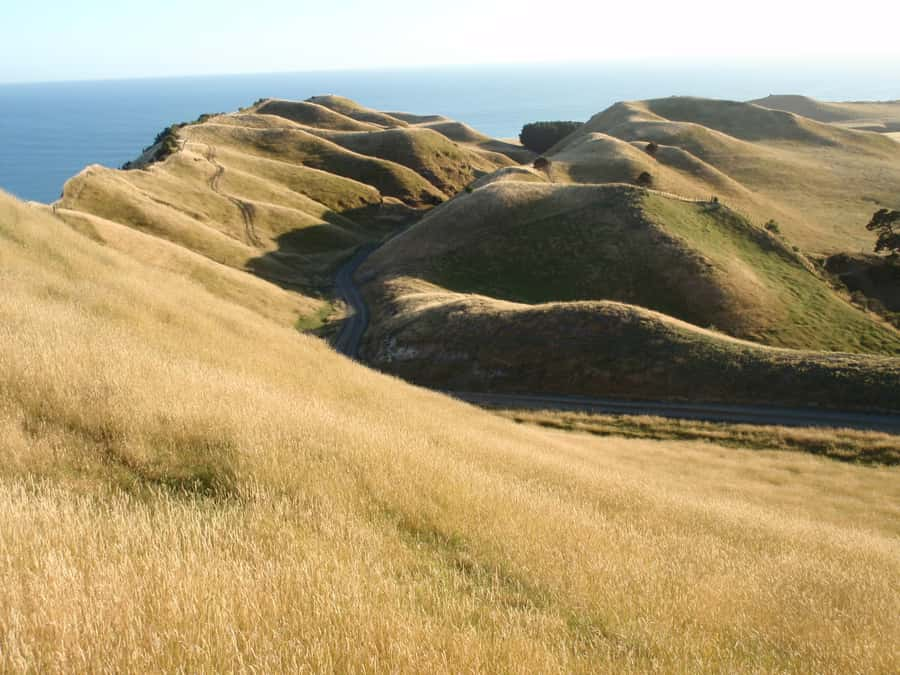
The journey is part of the outing. The 4×4 coach crosses private land that you could not access on your own, passing through an area shaped by farming, coastal erosion, and conservation work.
You are not simply driven straight to the birds. The guide points out scenery and explains the area as the vehicle moves along the track. Local guides can add details that make the route more than a transfer. Jan, for example, has been praised for stories tied to the area, while Marcus is known for mixing humor with useful facts. Tom, Trevor, Marty, and other guides also bring their own local knowledge and style.
The ride can be bumpy. One account describes the route as an interesting and comfortable enough rough ride, while another notes steep sections of the track. The vehicle handles the route, but this is still a rural 4×4 outing, not a smooth city coach trip.
Some passengers have found the back row less comfortable, with poorer sound and more movement. If you are sensitive to bumps or need to hear every word, sit as close to the guide as practical. The commentary is a major part of the value, so a seat with a clear view and good sound will improve the trip.
Native Forest, Production Forest, and Predator Protection
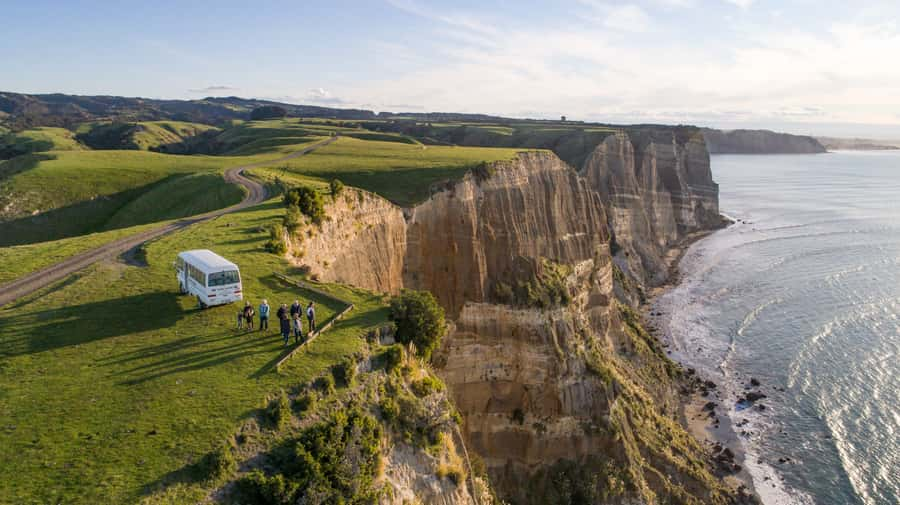
The gannets get the headlines, but the route gives you a wider look at New Zealand nature.
You visit a native forest, which offers a contrast to the open coastal cliffs and farmland. Depending on the season and conditions, you may hear or see native birds. One recent outing included sightings of kaka, tui, rifleman, and saddleback, though wildlife sightings are never guaranteed.
The route also passes a production forest. That detail matters because it shows how several kinds of land use sit together in the Cape Kidnappers area. You are seeing more than untouched bush. The guide helps explain how farming, forestry, habitat protection, and tourism fit into the region.
A predator-proof reserve is another stop or viewing point along the way. New Zealand’s native birds evolved with few land predators, and introduced pests have made protection a major part of conservation work. The reserve gives useful context for the gannet colony and for the smaller forest birds you might see along the route.
This mix makes the outing worthwhile even during a less productive birding day. You still have coastal scenery, forest, conservation work, and local stories around the main colony visit.
A few more Napier trips worth a look
- Top-Rated Hawke’s Bay Wine Tour – Small Group
★ 5.0 · 256 reviews - Shore Excursion: Scenic Rafting from Napier
★ 5.0 · 179 reviews - Guided 10am Morning Art Deco Walk From Napier Art Deco Trust
★ 4.5 · 167 reviews - Napier: Afternoon Winery & Gin Tasting Tour Thu Fri Sat
★ 4.8 · 143 reviews
Maori Stories and Hawke’s Bay Context
The guide commentary includes Maori legends and local stories, along with information about the land and its past. This is one reason I would choose the guided route instead of trying to find a viewpoint independently.
The quality of the commentary depends partly on who is driving. The guides are not delivering an identical script in a lecture room. They bring personal stories, local history, humor, and observations from the road. Jan has been described as patient and entertaining, while Marcus is often singled out for lively and informative commentary. Other guides, including Garth and Trevor, have added good stories during the ride.
Some guides speak quickly, and accents or road noise can make the commentary harder to catch from the back. That is a practical issue, not a reason to skip the tour. Sit forward, ask if you miss something, and remember that the road itself can be noisy.
The best guides keep the facts connected to what you can see. A story about the farm means more when you are crossing it. A conservation explanation lands better when you can look toward protected bush or a bird colony at the same time.
How Much Walking Is Involved?
The tour is a strong choice if you want a wildlife experience without a long hike. The operator says walking is not required, and the vehicle takes you close to the gannet colony.
That does not mean every surface is perfectly flat. One account found part of the track daunting and steep, while the coach handled it well. You may also want to step out for viewpoints or move around near the colony, depending on the day’s arrangements. Bring comfortable shoes even if you plan to stay close to the vehicle.
This setup suits older adults, families, and anyone who cannot manage a long coastal walk. It also suits photographers carrying equipment, since you are not hauling a camera bag along miles of track.
The ride itself may be more tiring than the walking. Expect bumps, occasional tight seating, and changing temperatures inside the coach. A jacket or jumper is a smart choice because the cape can be windy, and one passenger found the bus warm when the air conditioning was switched off.
Three Hours Well Spent at $59
At $59 per person, the tour offers good value if you want close access to Cape Kidnappers without arranging transport across private land. The price covers the experienced driver-guide, air-conditioned transport, gannet viewing, and light refreshments.
The value comes from access as much as from the birds. You are not paying only for a ride to a lookout. You are entering an area that is not otherwise open for independent access, with a guide explaining the birds, land, conservation work, and local stories along the way.
Three hours is long enough to make the drive worthwhile and still fit into a half-day in the Hawke’s Bay area. It also gives you proper time at the colony rather than a rushed photo stop. Several people have particularly appreciated having enough time to watch and photograph the birds.
Food is not included, so plan to eat before or after. Light refreshments are provided, and past trips have included a hot drink and biscuit, which can be welcome on a cold, windy morning. Hotel pickup and drop-off are not included, and direct transfers are available only through direct bookings with the operator. The listed meeting point is Gannet Safaris Overland at 396 Clifton Road, Te Awanga.
The tour is not the cruise ship excursion product. Cruise ship passengers need to book the separate excursion directly through the operator’s website. Do not assume this standard departure includes port transfers.
Comfort, Sound, and Weather Tips
The coach is air-conditioned, but comfort can vary. Some passengers have found the seats a little cramped, and the back row can receive less clear commentary. The road is also rough enough that you will feel the terrain.
Wear comfortable shoes and bring a jacket. Wind is the main weather issue at the cape, and a warm layer remains useful even if the day begins pleasantly in Napier. If you plan to photograph the colony, protect loose items and keep your camera strap secure in the wind.
The tour operates in English. The guide’s commentary is central to the experience, so people who are hard of hearing may want to sit near the front. If you prefer a quiet ride, this may not be your ideal outing, since the guides provide running commentary for much of the route.
A light refreshment break adds a small comfort but does not replace a meal. Bring food only if you need something substantial, since food is not included.
Who Will Get the Most From This Tour?
I would recommend this outing to anyone who wants close wildlife viewing without a demanding hike. It works particularly well for families, photographers, bird lovers, and visitors making a short stay in Hawke’s Bay.
You do not need to be an experienced birder. The gannets are easy to appreciate because they are large, active, colorful, and close. The guide explains what you are seeing, so you can follow the colony’s behavior without knowing birding terms in advance.
The tour also suits people interested in conservation. The predator-proof reserve and forest stops show that the area is about more than one famous bird colony. The local stories add a human connection to the road and the land.
I would think twice if you dislike bumpy rides, want complete control of your schedule, or need a polished coach with lots of room. The trip crosses rural tracks, and the ride can feel warm or cramped. The payoff is access and proximity, not luxury transport.
Should You Book Cape Kidnappers Gannet Safari?
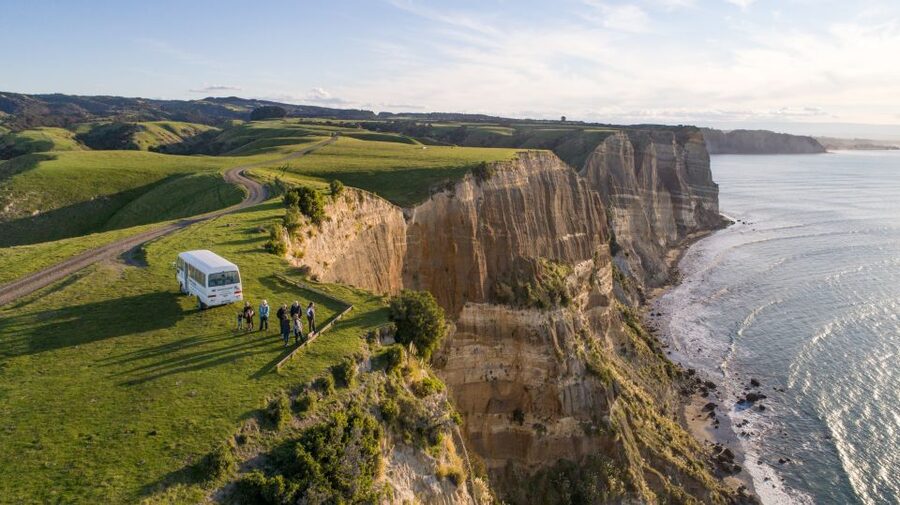
Yes, if you are in Hawke’s Bay during the September to early April season and want one memorable wildlife stop. The close view of thousands of gannets is hard to match, and the no-hike format opens the experience to people who would not tackle the coastal route on foot.
Book with realistic expectations. The vehicle ride is bumpy, the birds smell like birds, and the seating and sound are not perfect in every part of the coach. Bring a warm layer, try to sit near the front, and allow three hours for the full outing.
If chicks are your priority, aim for December or January. If you are visiting near the end of the season, check availability first. For cruise ship passengers, use the separate direct-booking excursion rather than assuming this $59 departure includes port transfers.
FAQ
Where does the Cape Kidnappers gannet tour meet?
The meeting point is Gannet Safaris Overland Ltd at 396 Clifton Road, Te Awanga 4172, New Zealand. Look for the Gannet Safaris sign on the side of the road.
How long does the tour last?
The tour lasts three hours. Starting times depend on availability.
Do I have to walk to the gannet colony?
No. Walking is not required if you do not want to walk. The 4×4 coach takes you close to the colony, although comfortable shoes are still recommended for any optional movement on uneven ground.
When can I see the gannets?
The birds can be seen from September to early April. They return in September, chicks arrive during December and January, and young birds leave for warmer regions in late April.
Is the tour suitable for cruise ship passengers?
This tour is not available for cruise ship passengers. The cruise ship excursion must be booked directly through the operator’s website.
What should I bring?
Bring comfortable shoes and a jacket or jumper. The cape can be windy and chilly, even when conditions elsewhere are mild.
Is food included?
Food is not included, but light refreshments are provided. Past outings have included a hot drink and biscuit.
Just added around Napier
- Half Day Sightseeing and Taste Tour★ 5.0 · 35 reviews
- Small group – Napier Premium Winery , Beer & Cider + 5.5h to 6h.★ 5.0 · 43 reviews
- Wine Tour and Tastings in Hawkes Bay★ 5.0 · 67 reviews
- Taste Hawke’s Bay – A Sweet treat food Tour★ 5.0 · 3 reviews
- National Aquarium of New Zealand in Napier General Admission★ 4.0 · 41 reviews
- Napier and Hawkes Bay Scenic and Art Deco Tour by VW Kombi★ 5.0 · 21 reviews
- Shore excursion – Napier sight seeing/Art Deco Tour,★ 4.5 · 3 reviews
- Napier Gourmet Winery Luncheon + tastings at 3 Great Wineries★ 5.0 · 81 reviews
Bird Watching Tours, compared.
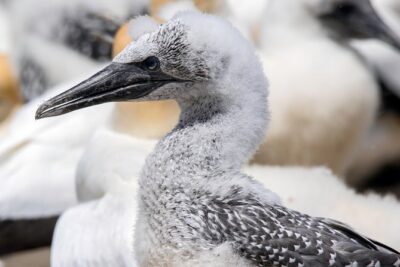
Gannet Safaris Overland tour to Cape Kidnappers Gannet Colony
Read our review →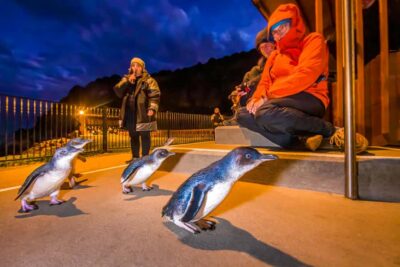
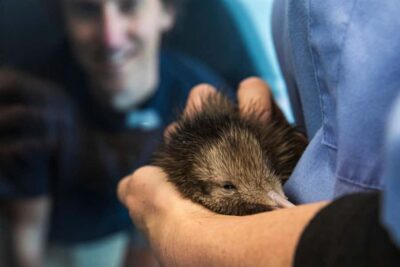
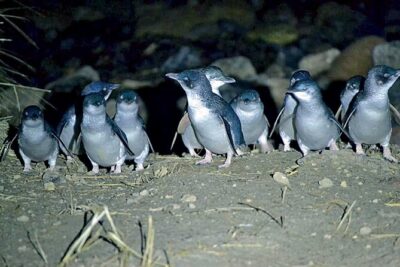
Guided Evening Penguin Viewing Otago Peninsula, Dunedin, New Zealand
Read our review →
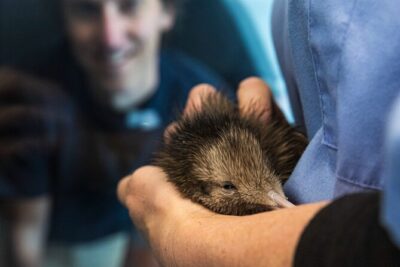
National Kiwi Hatchery – Kiwi Encounter Guided Tour
Read our review →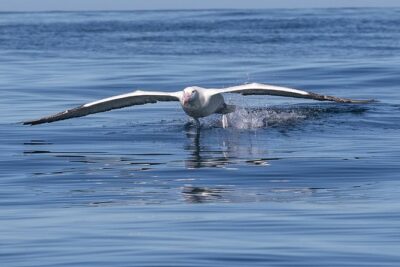
Albatross, seals, and sea birds-Wildlife Cruise
Read our review →
Browse the lists this tour appears in