
Reviewed · HELICOPTER TOURS
Mount Cook Alpine Explorer Helicopter Flight with Alpine Landing
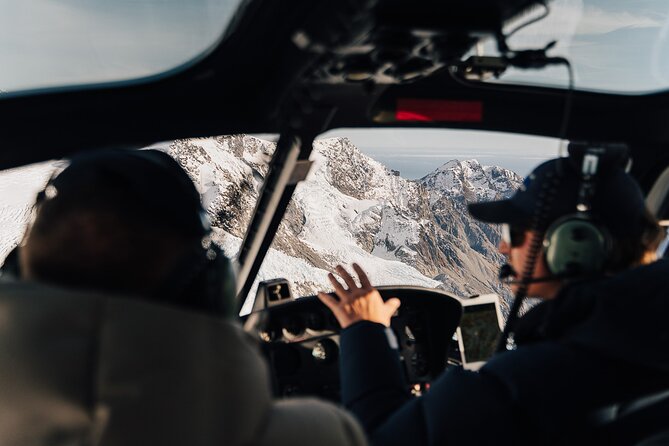
A snow landing high above Aoraki Mount Cook is the main draw here. In about 35 minutes, you rise over the Ben Ohau Range, cross a mountain pass, and step out on an alpine snowfield when conditions allow. I like the small maximum group of six and the pilot commentary, which helps you understand what you are seeing instead of simply staring out the window. The main catch is that weather and seasonal snow conditions can change the experience, and a snow landing is never guaranteed.
I also like the route’s variety: steep glacier-cut ridges on the way out, a short mountain landing, and broad views down the Tasman Valley on the return. The price of $359.62 is serious, but the access is special. You are reaching high country that would take far longer, and sometimes be impossible, to reach on foot. Just leave room in your schedule, since poor weather, minimum numbers, or a late operational change can affect departure.
Key points to know before booking
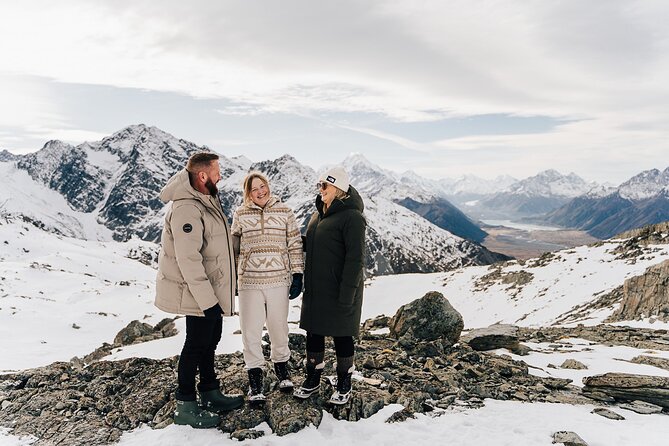
- The snow landing is weather and season dependent: You may step onto snow, but some summer departures include only an alpine landing without a snowy surface.
- The helicopter carries up to six people: This keeps the experience relatively personal and gives the pilot room to provide commentary.
- The flight lasts about 35 minutes: Expect roughly 20 to 25 minutes in the air and about 10 minutes on the ground at the alpine landing.
- The route includes the Ben Ohau Range and Tasman Valley: You see both rugged mountain ridges and the broad valley leading toward Lake Pukaki.
- The base is at Glentanner Park: The meeting point is The Helicopter Line on State Highway 80, near Mount Cook Village.
- Weather can change the plan: Poor conditions may lead to a cancellation, rescheduling, or refund, so do not build a tightly timed day around this flight.
Why this short flight feels like a big Mount Cook experience
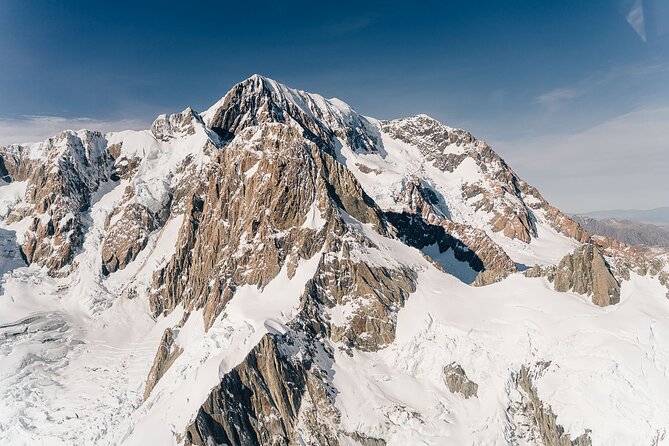
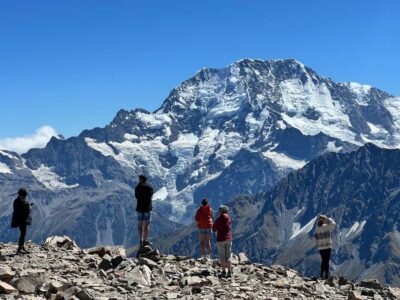
Aoraki Mount Cook is New Zealand’s highest mountain, reaching 12,217 feet, or 3,724 meters. From valley level, the mountain is impressive. From a helicopter, you get a much wider sense of the Southern Alps, with scarred ridges, snowfields, glaciers, and braided rivers spreading out below.
The Māori name Aoraki has been translated as cloud piercer. That name feels fitting here, since clouds and weather are part of the mountain’s character. You may see the summit clearly, or you may get shifting views as clouds move across the peaks. That uncertainty is part of the setting, but it is also the reason a flight needs good conditions before it can go.
The helicopter does more than take you up for a quick look at Mount Cook. The route travels over the Ben Ohau Mountain Range and toward a pass in the Southern Alps. That gives you a changing series of views rather than one repeated panorama.
I think that variety matters. A short scenic flight can feel limited if it circles one viewpoint and returns. Here, the ridge crossing, alpine landing, and Tasman Valley return each bring a different angle on the region.
More Helicopter Tours in Mount Cook
- Mount Cook: Scenic Helicopter Flight with Alpine Landing
★ 4.8 · 442 reviews - Mount Cook: Ski Plane and Helicopter Glacier Combo Flight
★ 4.6 · 271 reviews - Mount Cook: 3-Hour Tasman Glacier Helicopter Ride and Hike
★ 4.9 · 235 reviews
From Glentanner Park to the Ben Ohau Range
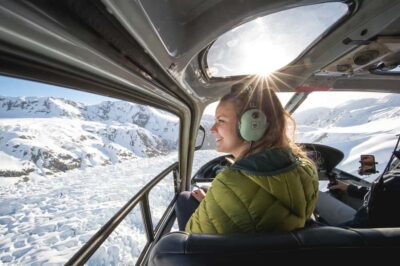
You begin at The Helicopter Line base at Glentanner Park, on State Highway 80. After a safety briefing, you board a twin-engine helicopter with room for up to six passengers. The compact group size is one of the best features of this trip, especially if you prefer a quieter flight over a large sightseeing operation.
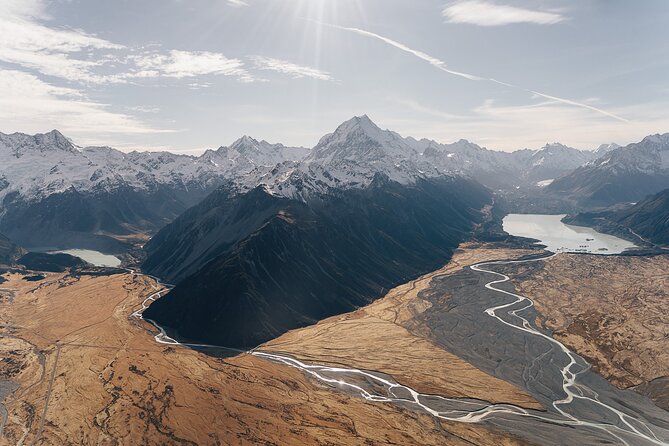
The first stage takes you above the Ben Ohau Range. From the air, the ridges show the marks of ancient glaciers. You see steep slopes and rough mountain forms that are hard to appreciate from a road or valley track.
Your pilot provides commentary during the flight. That turns the trip into more than a photo opportunity. Pilots Greg and Dan have been singled out for explaining the area, pointing out sights, and helping people make sense of the route. The exact pilot depends on the day, but you should expect narration about the mountains and places below.
The helicopter itself gives you a close view of the terrain. You are not looking across a distant mountain wall. You are moving above ridges and passes, with the shape of the ranges changing as the aircraft climbs and turns.
If you are prone to motion sickness, the short duration may be reassuring, though the tour still takes place in a small aircraft. Keep your attention on the horizon or the distant peaks if needed, and follow the crew’s safety instructions.
The alpine landing in Aoraki Mount Cook National Park
The landing is the moment that makes this more than a standard scenic flight. In Aoraki Mount Cook National Park, the helicopter sets down at an alpine location with views across high peaks, wide valleys, and winding rivers.
You get about 10 minutes outside the helicopter. That is not enough time for a hike, but it is long enough to stand in the mountain air, take photographs, and absorb the scale of the surroundings. The landing gives you a physical sense of altitude that a window view cannot provide.
Snow is possible, but it depends on the season and conditions. This point deserves careful attention when you compare tours. A summer landing may take place on an alpine surface without much or any snow. One person specifically booked the trip hoping to show a friend snow, only to find that the seasonal conditions did not provide it.
So, book this for the alpine landing and the views first. Treat the snow as a bonus. If stepping onto actual snow is your main reason for booking, ask about current conditions before you commit, since the product information does not promise it.
The landing area also gives the pilot a chance to take photographs. One pilot, Greg, was praised for taking pictures and making them available before departure in a presentation card for purchase at the end. That photo service may be useful if you want a record of the moment without relying only on your own camera.
Wear warm clothing and suitable footwear. Even if the helicopter cabin feels comfortable, mountain conditions can be cold when you step outside. Sunglasses are also sensible in bright snow and high-country light.
Seeing Aoraki Mount Cook from above
The best view of Aoraki Mount Cook depends on the route and the day’s weather. The flight is designed to show you the mountain and the peaks around it from an angle that is impossible from the road.
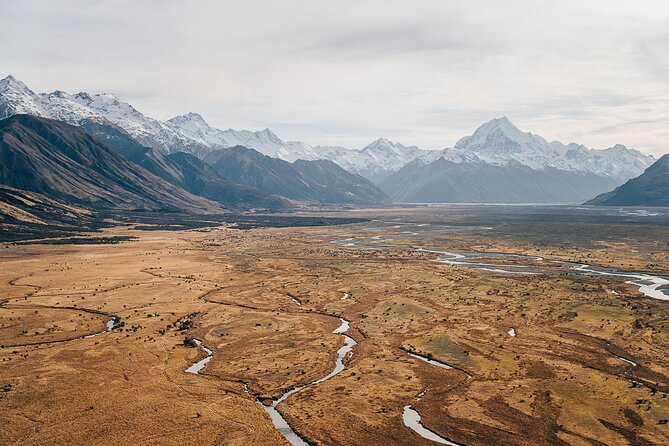
From above, the mountain is part of a much larger system. You can see valleys cut by ice and water, high ridges running toward the Southern Alps, and the pale lines of glaciers. The aerial view explains why Mount Cook National Park is valued not only for one famous summit but for the entire high alpine region.
Your pilot’s narration helps here. Without context, snowfields and ridges can blur together quickly. A good explanation gives you names and direction, so you know what you are looking at and how the route relates to the valley below.
The aircraft may use an alternative route depending on the day. One passenger was especially pleased with a route that brought the helicopter closer to Mount Cook. That flexibility can work in your favor, but it also means the exact views are not identical on every departure.
Cloud is the great variable. One flight was canceled because cloud remained in the area, while another operated from a different nearby aerodrome when fog affected Glentanner. The operator may adjust the departure plan when conditions allow, but you should not assume every flight will follow precisely the same path.
More Scenic Flights in Mount Cook
- Mount Cook and The Glaciers 55-Minute Helicopter Flight
★ 4.5 · 133 reviews - 45-Minute Mount Cook Ski Plane and Helicopter Combo Tour
★ 4.5 · 107 reviews - Lake Tekapo: 50-Minute Mount Cook and Beyond Scenic Flight
★ 4.9 · 103 reviews - Franz Josef: 30-min Flight Franz Josef & Tasman Glaciers
★ 4.8 · 54 reviews
Returning through the Tasman Valley
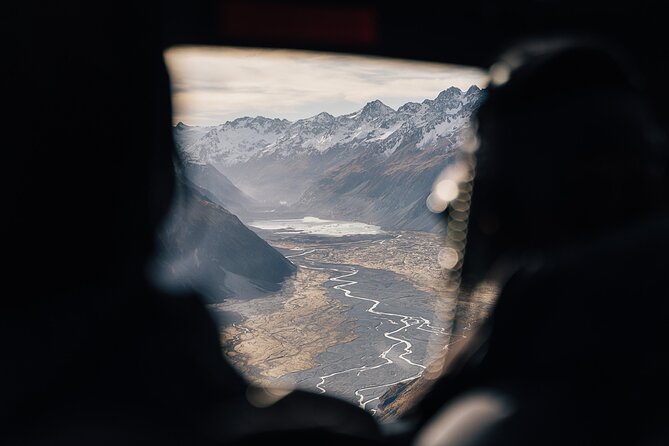
After the alpine stop, the helicopter returns toward Glentanner Park. The route looks down the Tasman Valley toward Lake Pukaki, giving you a broader, more open view after the tight mountain ridges and landing site.
This final section helps you connect the high country with the wider Mackenzie Basin. You see how the river valleys lead away from the peaks and how the glacial terrain shapes the region.
I like this return view because it gives the flight a proper finish. You are not simply descending over the same route. The valley and lake provide a different scale, with open space replacing the enclosed feeling of the mountain pass.
The total trip is about 35 minutes, including the landing. Actual flight time is about 20 to 25 minutes, with roughly 10 minutes outside. That is enough for a strong overview, but not enough for a long alpine walk or a detailed glacier visit. If you want more time in the air, longer helicopter flights are available in the wider Mount Cook operation, including a 40-minute option mentioned by a previous passenger.
Is $359.62 good value?
At $359.62 per person, this is one of the more expensive short activities around Mount Cook. The price includes the scenic helicopter flight, pilot commentary, GST, and the alpine landing. Personal purchases, such as optional photographs, are not included.
The value depends on what you want from the day. If you only want a quick look at Aoraki Mount Cook, the cost may feel high. If you want access to an alpine viewpoint that cannot be reached by road or a short walk, the price becomes easier to justify.
The group limit of six also matters. You are not paying for a mass sightseeing ride. The smaller aircraft allows a more personal setting, and the pilot can point out sights and help with photographs. Still, a small group does not guarantee an exclusive flight. The operator requires a minimum number of participants, and one account describes waiting for additional people before departure.
I would compare this with the cost and time of other Mount Cook activities, but I would not judge it only by minutes in the air. The helicopter gives you a quick way to see ridges, valleys, snowfields, and Mount Cook from several angles in one outing.
The weak value case is a flight where poor weather cancels the trip, or where seasonal conditions remove the snow element you expected. The operator offers another date or a full refund when weather causes cancellation, but that does not recover a missed birthday plan or a long drive made unnecessarily. If you are driving a great distance, confirm the status before setting out.
Who should book this flight?
I would recommend it to you if you want a compact, high-impact view of the Mount Cook region and you are comfortable paying for access and speed. It suits couples, families with older children, photographers, and anyone with limited time in the national park.
It is also a good choice if you want to see terrain that is beyond ordinary walking routes. The flight reaches high alpine areas and gives you a view of the Southern Alps that road-based sightseeing cannot match.
Families can take part, with children accompanied by an adult. Children under 15 kilograms must sit on a parent’s lap. Most people can participate, but the total passenger weight limit is 276 pounds per person, so provide accurate weight information when required.
I would be more cautious if the snow landing is the central purpose of your trip. Snow is seasonal, and the landing may be on an alpine surface without snow. In that case, you still receive the aerial tour and landing, but not the exact experience you pictured.
The same advice applies if your schedule is tight. This activity depends on weather and minimum numbers. Keep some flexibility around the booking, especially if you have a long drive to Glentanner Park or onward plans immediately afterward.
Practical details that can make the flight better
Book ahead if your dates are fixed. This activity is booked around 17 days in advance on average, which suggests that you should not leave it until the last moment during a busy Mount Cook visit.
Wear layers and solid footwear. You may be comfortable in the cabin but cold outside at the landing. Sunglasses are useful, particularly if the surface is snowy.
Keep your camera ready, but do not spend the whole flight looking through a screen. The scenery changes quickly, and the pilot’s narration gives you information you cannot recover later. At the landing, take a moment to look around before taking photographs.
If the first departure time is canceled, ask about another time or route. One flight was moved from the Glentanner area to the Mount Cook aerodrome because fog affected conditions at the original base. The operator may be able to offer alternatives, though this depends on weather and availability.
Cancellations made at least 24 hours before the start time receive a full refund. Changes or cancellations inside 24 hours are not accepted for a refund. If the operator cancels because of weather or insufficient numbers, you can be offered another date or experience, or receive a full refund.
Should you book the Mount Cook Alpine Explorer?
Book it if you want the fastest way to gain an aerial view of Aoraki Mount Cook, the Ben Ohau Range, the Southern Alps, and the Tasman Valley, with the added thrill of stepping outside at an alpine landing.
I especially like the six-person limit, the changing route, and the pilot commentary. The experience feels more substantial than a simple point-to-point flight because you see glacier-cut ridges, cross a mountain pass, land high in the park, and return along the Tasman Valley.
Do not book it solely for guaranteed snow. That part depends on season and weather. At this price, you should also protect yourself with a flexible schedule and confirm conditions before driving to the base.
For a first Mount Cook visit, I think the flight is worth considering when the forecast is good and the budget allows. It gives you a rare view of the region in a short time, and the alpine landing turns a scenic ride into something you can physically step into.
FAQ
Where does the helicopter flight start?
The flight starts at The Helicopter Line, Glentanner Park, State Highway 80, Glentanner 7999, New Zealand.
Where does the experience finish?
The activity ends back at the meeting point at Glentanner Park.
How long does the tour last?
The total trip lasts approximately 35 minutes, including the alpine landing. Flight time is about 20 to 25 minutes, with roughly 10 minutes at the landing site.
Is the snow landing guaranteed?
No. The alpine landing is weather dependent, and snow depends on the season. You may land at an alpine site without finding a snowy surface.
How many people can join the helicopter flight?
The helicopter carries up to six travelers, and the activity has a maximum of six participants.
What is included in the price?
The price includes the scenic helicopter flight, the approximately 10-minute alpine landing, pilot guide and commentary, GST, and the total 35-minute trip.
What should I wear?
Warm clothing and suitable footwear are recommended because temperatures can be cold during the alpine landing.
Can children join the activity?
Most children can participate when accompanied by an adult. Children under 15 kilograms must sit on a parent’s lap.
What happens if bad weather cancels the flight?
You may be offered another date or a full refund. The experience requires good weather, and it can also be canceled if the minimum number of participants is not reached.
Just added around Mount Cook
- Skydive Mt. Cook – 20+ Seconds of Freefall from 10,000ft★ 5.0 · 5 reviews
- Skydive Mt. Cook – 70+ Seconds of Freefall from 16,500ft★ 5.0 · 5 reviews
- Mt Cook to Christchurch One-Way Small Group Tour via Lake Tekapo★ 5.0 · 16 reviews
- Mt Cook to Queenstown Small Group Tour (One-Way)★ 4.5 · 25 reviews
- Mt Cook & Lake Tekapo 2-Day Small Group Tour from Queenstown★ 5.0 · 15 reviews
- Mount Cook Scenic 35 Minute Helicopter Flight★ 5.0 · 6 reviews
- Mount Cook: Mountains High 40-Minute Helicopter Flight★ 5.0 · 53 reviews
- Mount Cook: Alpine Vista Helicopter Flight with Alpine Landing★ 4.5 · 39 reviews
Helicopter Tours, compared.
Franz Josef Glacier: Helicopter Flight & Alpine Landing
Read our review →
Franz Josef & Fox Glaciers Helicopter Flight & Snow Landing
Read our review →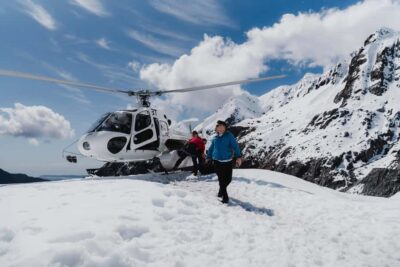
2.5 Hour Glacier Hike with Helicopter Transfer
Read our review →
Fox Glacier: Up to 3 Hours Hike with Helicopter Transfer
Read our review →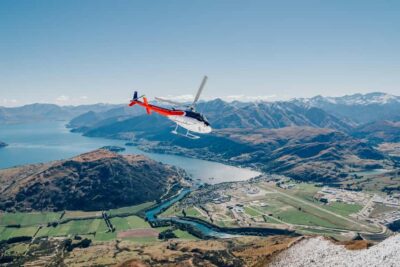
Pilot’s Choice Helicopter Tour & Alpine Landing
Read our review →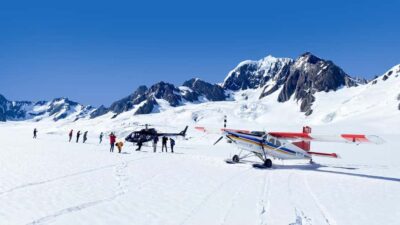
Browse the lists this tour appears in