
Reviewed · MAORI CULTURE TOURS
Auckland Urban Māori Experience with Transportation
Auckland’s Māori culture comes into focus on this seven-hour outing, which links a dormant volcano, harbour views, a traditional lunch, haka, local artisans, and an ancient Pacific ceremony. The city setting matters: you see how Māori identity continues within urban Auckland, not only in remote villages or cultural centers.
I like the personal storytelling from guide Ama, a member of the local Māori community, and the comfortable private vehicle with pickup and drop-off. I also like that your lunch and activity fees are included, so the day feels like one complete cultural experience rather than a string of add-ons.
The main consideration is the price, $279.26 per person, which is a serious spend. You should also be ready for a light outdoor walk, and the coffee stop includes an optional extra purchase rather than a fully included meal or drink.
Key points at a glance
- Ama brings a local connection: She shares Māori and Pacific culture through personal knowledge and stories about urban Auckland.
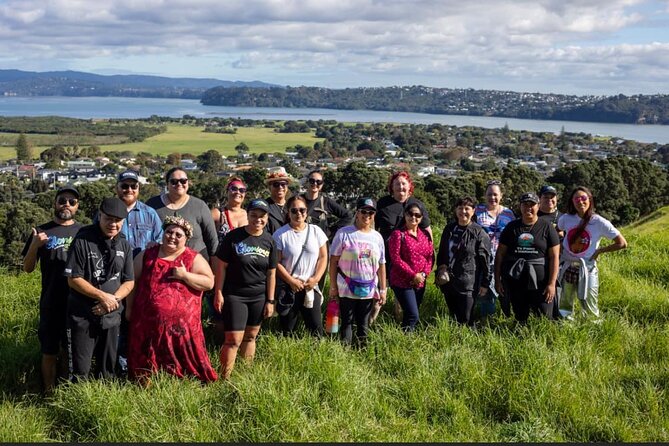
- Te Pane o Mataoho provides the setting: A dormant volcano offers harbour views and a history lesson from a local descendant.
- Lunch is part of the cultural experience: Traditional Māori cuisine made with locally sourced ingredients is included.
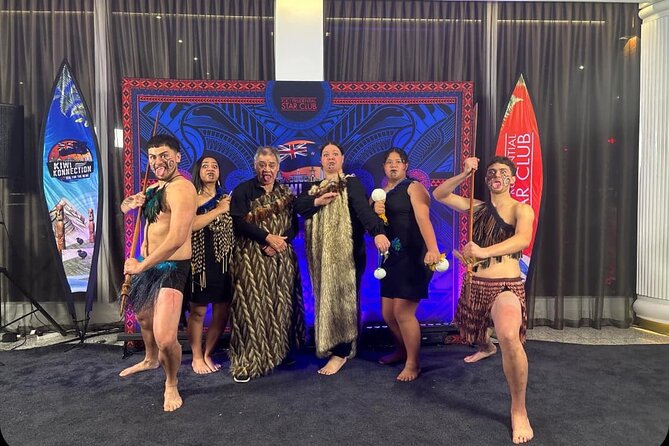
- The haka is performed for your group: This gives the day a strong, memorable cultural moment.
- Your booking supports local makers: Time with local artisans lets you shop for distinctive Māori or Pacific treasures.
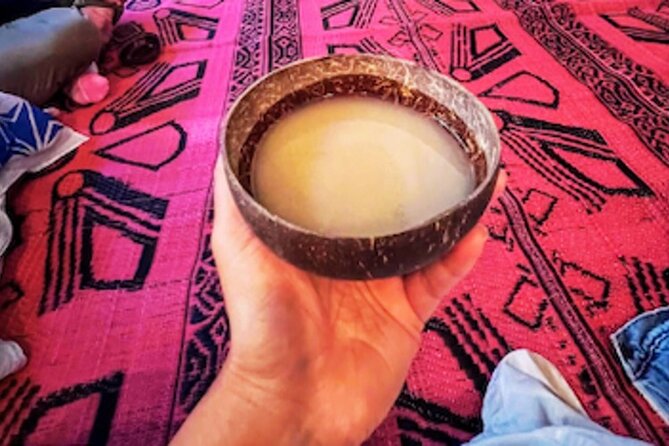
- The ending is reflective: An ancient Pacific ceremony focuses on connection and well-being.
Auckland culture beyond the usual sightseeing route
This experience is built around a useful idea: Auckland is not just a modern New Zealand city with Māori history added as decoration. It is the world’s largest Polynesian city, and the tour looks at how Māori culture functions in an urban setting.
That makes the day different from a visit to a rural Māori village. You still receive cultural explanation, food, performance, and ceremony, but the subject is city life and the way Māori communities have adapted to urban Auckland. I find that angle especially useful if you have already visited a more traditional village setting and want a fuller picture.
The tour is designed for a small group, although the activity is private, meaning only your own group participates. That gives you a more personal setting than a large coach tour. You can ask questions directly, and the day should feel more like a guided conversation than a standard sightseeing circuit.
Pickup is offered, and transport takes place in an air-conditioned, spacious, private vehicle. That matters in Auckland, where a day of moving between cultural sites can become tiring if you are managing buses, directions, and parking on your own.
More Maori Culture Tours in Auckland
- Auckland: All Blacks Experience Guided Cultural Tour
★ 4.7 · 453 reviews - All Blacks Experience: Interactive Guided Cultural Tour
★ 4.5 · 228 reviews - Māori Cultural Experience & Auckland Museum General Admission
★ 4.5 · 92 reviews
Starting with coffee and local context
The day begins at 8:30 a.m. with a local coffee stop. The coffee itself is not included, so you should budget for an extra drink or food purchase if you want one. The stop is optional, which gives you some flexibility at the beginning of a full day.
I like this gentle start. Coffee provides time to meet Ama and settle into the pace of the experience before the more structured cultural activities begin. It also avoids opening the morning with a rushed transfer straight into a formal presentation.
Do not expect the coffee stop to be the main attraction. Its value is practical and social. You get a chance to start the day comfortably, while Ama can introduce the themes that will return throughout the tour: Māori identity, Pacific connections, and life in a modern city.
Te Pane o Mataoho and the Auckland view
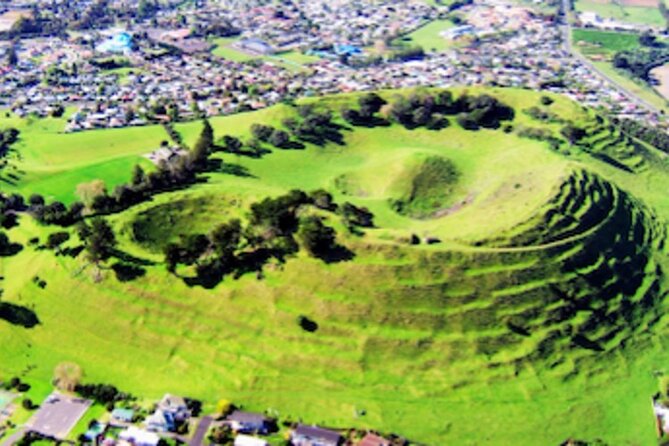
One of the day’s key stops is Te Pane o Mataoho, a dormant volcano. The site offers broad harbour views and provides a natural setting for learning about Auckland’s past.
The important detail is not only the view. A local descendant gives you a personal history lesson, connecting the place to people and family rather than treating the volcano as a scenic overlook. That personal link can make the history easier to understand and remember.
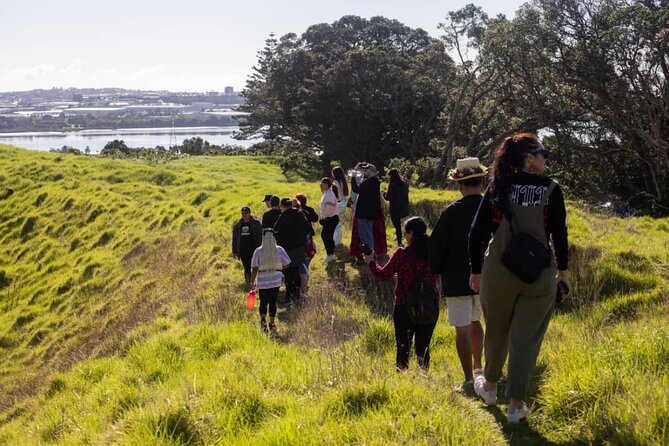
The stop includes a light outdoor walk. You do not need to plan for a strenuous hike based on the information provided, but the tour is not entirely vehicle-based. If you have limited mobility, this experience is not recommended.
Wear practical walking shoes and be prepared for outdoor conditions. The tour information does not provide a detailed route length or terrain description, so you should ask Glorious Tours for more specifics if walking comfort is a concern.
The harbour views are also a useful reminder that Auckland’s geography and culture are closely tied together. You get a visual sense of the city while learning about the people and places connected to it. This is a better use of a viewpoint than simply stopping for a photograph and moving on.
A traditional Māori lunch with local ingredients
Lunch is included and features traditional Māori cuisine made with locally sourced ingredients. For many people, this will be one of the most memorable parts of the day because food offers a direct, practical way to connect with culture.
The description does not provide a fixed menu, so you should not book expecting specific dishes. Instead, think of lunch as part of the cultural program. Ama can place the food within the wider story of Māori life and local resources, giving the meal more meaning than a standard restaurant break.
You must share any dietary requirements when booking. That is important because the lunch is included as part of the scheduled experience, not something you can easily replace with a different restaurant at the last minute.
I also appreciate the pacing here. After the morning coffee and outdoor visit, a proper meal gives you time to sit, eat, and continue the conversation. A seven-hour cultural tour can feel packed if every stop is a presentation. Lunch creates a natural pause.
Same corner of the country, a very different day out:
- Auckland Dolphin and Whale Watching Eco-Safari Cruise
★ 4.5 · 1,790 reviews - Auckland Explorer: Sightseeing Hop-on Hop-off Tour
★ 4.0 · 1,180 reviews - Half-day Discover Auckland City Sightseeing Tour
★ 5.0 · 1,080 reviews - Auckland: Whale and Dolphin Watching Half-Day Eco Cruise
★ 4.5 · 1,072 reviews
The haka as a living performance
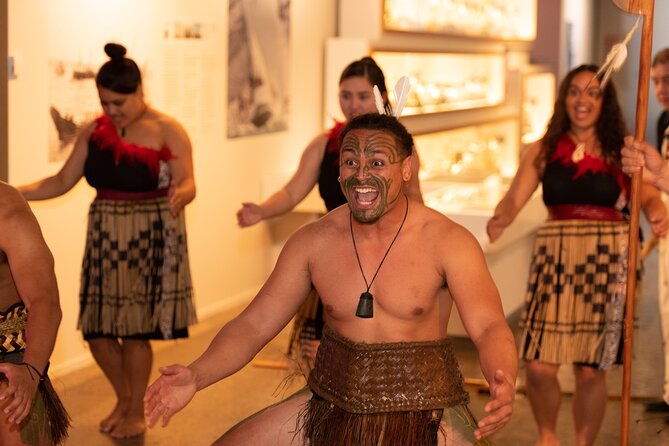
The haka is a central part of the day. You do not simply hear about it in a museum display or read a short explanation in a brochure. You witness the powerful performance directly.
The haka carries physical force, but the value is not just spectacle. Within a cultural experience, a performance can help you understand how movement, voice, posture, and group participation communicate identity and feeling. Ama’s explanations help place the performance in context.
You should approach this part of the tour with respect. It is not a novelty act designed only for photographs. Pay attention to the words, gestures, and atmosphere, and allow the performance to be more than a quick entertainment stop.
The exact length and format of the haka are not specified, so keep your expectations open. What is clear is that it is a planned element of the day and one of its most distinctive cultural moments.
Meeting local artisans and choosing a meaningful souvenir
The tour also includes an opportunity to support local artisans and find unique treasures. This gives the day a practical connection to the present. You are not only learning about Māori and Pacific traditions as something from the past, but also seeing how local makers express and sustain those traditions now.
Shopping is not compulsory, and the information does not specify the type of goods, prices, or payment methods. If you hope to buy something, ask about accepted payment and budget separately from the tour price.
I like this part because it can turn a souvenir into a reminder of the experience rather than an airport purchase. Still, keep your buying decisions thoughtful. The value of artisan work is not always measured by size or bargain pricing, and the tour does not promise a particular product.
This stop also supports local community initiatives and Indigenous businesses in the Auckland area. That gives your spending a more direct connection to the communities the tour introduces you to.
Ending with an ancient Pacific ceremony
The final activity is an ancient Pacific ceremony centered on connection and well-being. It gives the day a quieter finish after the view, meal, performance, and shopping.
The ceremony is not described in enough detail to explain its exact steps, so you should avoid arriving with a fixed idea of what will happen. What you can expect is a guided cultural moment with a reflective purpose rather than another sightseeing stop.
I find this ending well chosen in principle. A cultural day can become a rapid sequence of facts and photographs. A ceremony allows the experience to slow down and encourages you to consider what you have heard about Māori and Pacific communities.
As always, follow Ama’s instructions and treat the ceremony with care. This is a cultural practice, not a stage show, and your attitude will affect the quality of the experience for everyone in your group.
Why Ama’s role matters
Ama is identified as the guide, and she is part of the local Māori community. Her role is central because the tour depends on personal explanation rather than a set of disconnected attractions.
She has been praised for sharing her own story, presenting each part of the itinerary clearly, and remaining attentive throughout the day. That suggests a warm, engaged guiding style, though you should remember that the exact character of any tour can vary by group and schedule.
The strongest reason to choose this experience is the chance to ask questions in a direct, personal setting. You are not only looking at a volcano or watching a haka. You are hearing how urbanization affected Māori land and how Māori and Pacific communities continue to live in Auckland.
That urban focus is especially useful for people who have already seen Māori culture in rural settings. It fills in a part of the picture that a village visit may not cover.
Transport, timing, and the real cost
The tour lasts about seven hours and begins at 8:30 a.m. Pickup and drop-off transfers are included, along with admission and entrance fees for all activities. Lunch is also included.
At $279.26 per person, this is not a budget sightseeing trip. The value depends on how much you want a private cultural day with transportation, a guide, lunch, performances, ceremony, and included admissions in one package.
If you tried to arrange each element separately, you would need to manage transport, timing, cultural interpretation, and meal planning yourself. The tour price pays for that coordination as well as the activities. It may be worthwhile for visitors who want cultural context and personal guidance more than a low-cost city loop.
The price is harder to justify if you mainly want Auckland viewpoints or a short introduction to Māori culture. In that case, a less expensive city tour may suit you better. This experience earns its higher price through its cultural focus and private format.
The tour is booked, on average, about 60 days ahead. That does not guarantee that every date sells out, but it is a good reason to plan early, particularly if your Auckland stay is short.
Who should book this experience
I would recommend this day to you if you want to understand Māori life in an urban setting, not just see a performance. It is also a good match if you value local guides, prefer private transportation, and want lunch and activity fees handled in advance.
Couples and small groups are likely to appreciate the private format. The tour can also work well for first-time visitors who want a structured introduction to Auckland’s Māori and Pacific cultures without navigating several separate bookings.
You should think twice if you have limited mobility because of the light outdoor walk. You should also consider the full seven-hour length. This is not a quick morning outing that leaves most of the day free.
The coffee stop is optional, and extra food or drink there costs more. Lunch is included, but dietary needs must be shared ahead of time. Most people can participate, though the outdoor portion means comfortable movement is important.
Booking and cancellation details
Confirmation is received at the time of booking. The tour is near public transportation, but pickup and drop-off transfers are offered, so you do not need to rely on public transport for the full day.
Free cancellation is available if you cancel at least 24 hours before the local start time. Cancellations or changes made less than 24 hours before the start are not accepted for a refund.
The experience requires a minimum number of participants. If Glorious Tours cancels because that minimum is not met, you will be offered another date or experience, or receive a full refund.
Should you book the Auckland Urban Māori Experience?
Book it if you want a personal, full-day look at Māori and Pacific culture in Auckland, especially the connection between Indigenous identity and city life. The combination of Ama’s local guidance, Te Pane o Mataoho, traditional lunch, haka, artisans, and a closing ceremony gives the day a clear cultural purpose.
Skip it if you are seeking a cheap overview, a flexible hop-on-hop-off outing, or a tour with no walking. At $279.26, the price demands genuine interest in the subject.
For the right visitor, this is a thoughtful choice. It shows Auckland as a living Māori and Pacific city, not simply a collection of views and attractions.
FAQ
What time does the tour start?
The tour starts at 8:30 a.m.
How long does the Auckland Urban Māori Experience last?
The experience lasts approximately seven hours.
Is transportation included?
Yes. Private transportation, pickup, and drop-off transfers are included in an air-conditioned, spacious, private vehicle.
Is lunch included?
Yes. Traditional Māori cuisine is included. You should provide any dietary requirements when booking.
Is the coffee stop included?
The coffee stop is part of the experience, but any extra food or drink purchased there is not included. The stop is optional.
Is the tour private?
Yes. This is a private activity, and only your group participates. It is also described as a small-group cultural experience.
Can I cancel for a full refund?
Yes, if you cancel at least 24 hours before the experience start time. Cancellations or changes made less than 24 hours before the start are not accepted for a refund.
Just added around Auckland
- Auckland’s Wild West Coast & Black Sand Beaches Tour inc Lunch★ 5.0 · 12 reviews
- Kumeu Wine Region Shuttle from Auckland★ 4.5 · 19 reviews
- Auckland Airport Private One-Way or Round-Trip Transfer★ 4.5 · 14 reviews
- West Coast Discovery – Piha Beach or Muriwai Beach from Auckland★ 3.5 · 6 reviews
- West Coast Discovery Tour★ 5.0 · 37 reviews
- Wētā Workshop Unleashed – Intro to Scars and Scrapes Workshop★ 5.0 · 5 reviews
- West Coast Discovery Piha Beach Private Tour★ 5.0 · 14 reviews
- Ultimate Auckland Experience Full Day Tour with Brewery Lunch★ 5.0 · 6 reviews
Maori Culture Tours, compared.
Mitai Maori Village: Cultural Experience and Dinner Buffet
Read our review →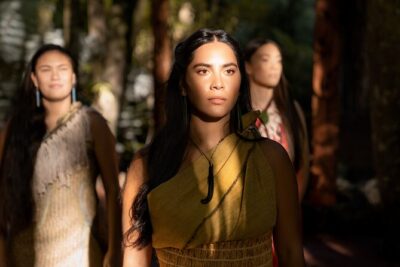
Cultural Experience & Seasonal Māori Cuisine at Te Pā Tū
Read our review →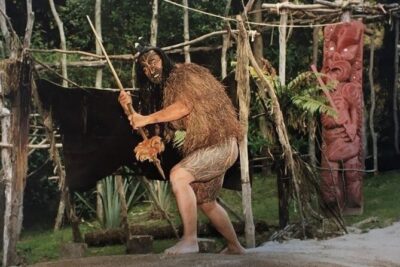
Mitai Maori Village Cultural Experience in Rotorua
Read our review →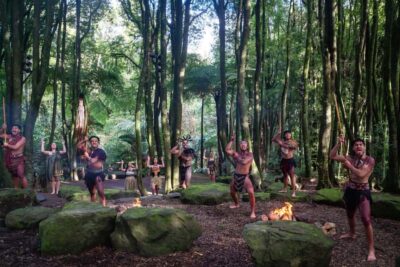
Te Pa Tu Māori Cultural Experience with Dinner
Read our review →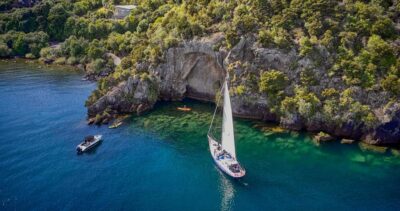
Lake Taupo: Sailboat Trip to the Maori Rock Carvings
Read our review →
Lake Taupō Māori Rock Carvings Scenic Cruise aboard Ernest Kemp
Read our review →
Waitomo Caves & Rotorua – Te Puia Small-Group Tour from Auckland
Read our review →Browse the lists this tour appears in