
Reviewed · GUIDED
Whakarewarewa Village Guided Tour
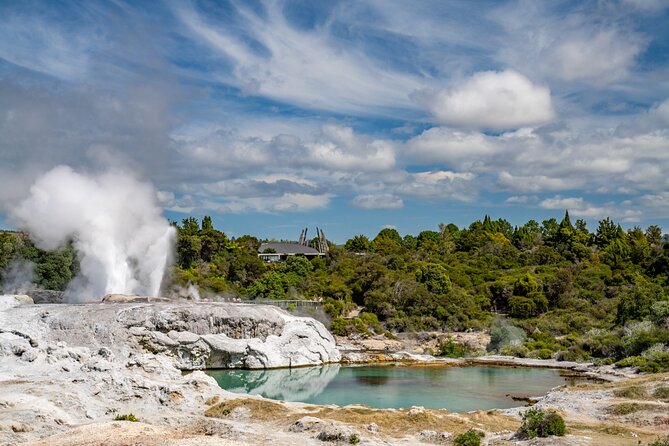
Rotorua’s geothermal ground is more than a scenic backdrop at Whakarewarewa Village. It is part of daily life in a Māori community, where hot pools cook food and steam rises beside homes and pathways. A local guide leads you through the village, explains Tūhourangi Ngāti Wāhiao traditions, and takes you to viewing platforms for Pohutu Geyser.
I like the personal village stories and the chance to see geothermal cooking in action, not just a line of bubbling pools behind a fence. I also like the compact one-hour format, which fits neatly into a busy Rotorua day. The main consideration is that this is primarily a guided walk, not a full cultural performance, and some visitors find the geothermal sights receive more attention than Māori culture.
Key points to know before you go
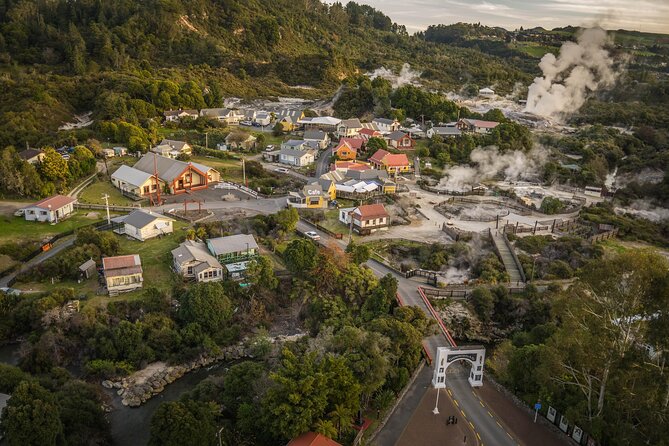
- A living Māori community: Whakarewarewa is home to the Tūhourangi Ngāti Wāhiao people, who have welcomed visitors for more than two hundred years.
- Pohutu Geyser viewing: The tour includes two viewing platforms for seeing the famous geyser safely.
- Geothermal cooking: You can sample corn cooked in the village’s largest hot pool.
- Local guides make the difference: Guides including Philip, Daniel, Kylie, and others have been praised for personal stories, humor, singing, and strong ties to the village.
- One hour, with more to see afterward: The walk is paced to keep the group together, then you can explore the village, museum, shops, café, and gift areas if they are open.
- Book your time carefully: A late tour may finish after the shop closes, while an early tour may not line up with other cultural performances.
Why Whakarewarewa feels different from a standard geothermal stop
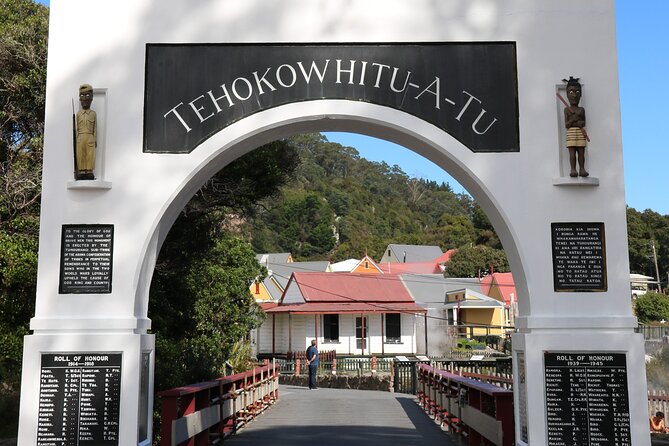
Many Rotorua geothermal sites let you look at steaming ground, colored pools, and erupting water. Whakarewarewa adds a human story: the hot water is part of how people live, cook, work, and explain their home.
That distinction matters. You are not simply walking through a park with volcanic features. The village is connected to the Tūhourangi Ngāti Wāhiao people, and guiding has been part of its public life for generations. The experience is built around manaakitanga, a Māori idea of hospitality and care for others.
The setting can be startling. Boiling mud bubbles near the walking route, hot springs send up steam, and the smell of sulfur reminds you that Rotorua sits in an active geothermal area. The natural heat is not tucked away in one dramatic crater. It appears throughout the village.
The tour also gives you a useful glimpse of how Māori communities adapted to this unusual environment. The included corn tasting is a small detail, but it makes the geothermal story practical. You do not just hear that hot pools can cook food. You get to taste the result.
A few more Rotorua trips worth a look
- Rotorua Canopy Tours: 2.5Hour Native Forest Zipline Adventure
★ 5.0 · 4,563 reviews - Mitai Maori Village: Cultural Experience and Dinner Buffet
★ 4.7 · 3,575 reviews - Rotorua: Wai-O-Tapu Geothermal Park Entry Ticket
★ 4.6 · 2,601 reviews
The one-hour route through the living village
The walk begins at 17 Tryon Street, at Whakarewarewa, The Living Māori Village. Your admission is included, and the group can contain up to 20 people. That limit keeps the guide within reach without making the walk feel like a private tour.
Expect the guide to set a brisk but manageable pace. There is some walking, so comfortable shoes are a sensible choice. The route is suitable for most people, but it is still an outdoor village walk, and rain can change the feel of the hour. One guide made the experience work even in heavy rain, though the geothermal steam and wet paths may make it harder to see and hear everything.
Your guide explains village life, Māori traditions, and the story of the community. The strongest part of the experience is often the guide’s own connection to the place. Some guides grew up in the village or are direct descendants of the people who have lived there. Guides named Philip, Daniel, and Kylie have been praised for bringing humor, personal stories, and pride to the walk.
That personal element is important. A guide who can explain childhood memories, family connections, and modern village life gives you more than a standard historical talk. The quality of the hour depends partly on your guide, so come ready to ask questions. The group format means you may not get a long private conversation, but a good guide will usually make room for questions.
Boiling mud, hot springs, and Pohutu Geyser
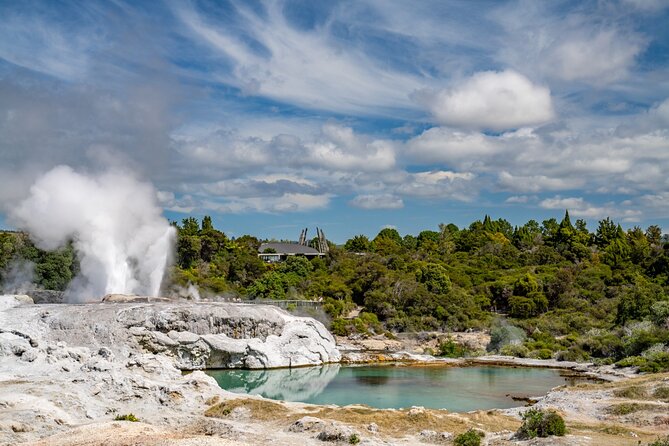
The geothermal features are a major part of the route. You see boiling mud pools, hot springs, and other signs of the heat below the ground. The village’s location makes these features feel close and immediate rather than distant natural attractions.
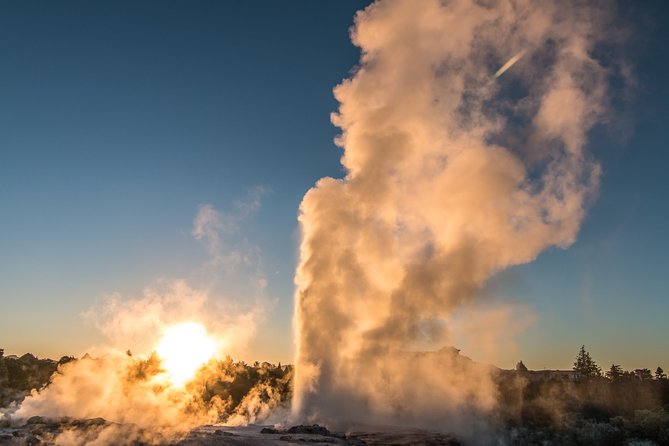
Pohutu Geyser is the star. The walk includes two viewing platforms where you can watch the world-famous geyser from a safe position. The exact timing of an eruption is not stated, so you should not treat the tour as a guaranteed geyser show. Still, the platforms give you a good place to see the feature if it is active during your visit.
This is where the tour can divide opinion. If you mainly want geothermal scenery, the route delivers a close look at Rotorua’s boiling ground. If your main goal is a performance or a long discussion of Māori history, the one-hour guided walk may feel short.
I would treat the geothermal features as part of the cultural story, not a substitute for it. The pools explain why this village developed as it did. The best moments come when your guide connects the hot water to cooking, community life, and local traditions.
The corn cooked in the village hot pool
The included taste of corn is one of the most memorable details because it is simple and tangible. The corn is cooked in the village’s largest hot pool, using the natural heat beneath the village.
Do not expect a full meal. This is a small sample, but it gives you a direct sense of kai, the Māori word for food. You can see how geothermal resources become part of everyday practice rather than merely something to photograph.
The corn also helps break up the walking and talking. After hearing about hot springs, you get to experience one practical use for yourself. For families, this can be the detail children remember most.
Same corner of the country, a very different day out:
- Rotorua’s Ultimate Zipline: 6 ziplines, 400 m Tandem, Cliff Walk
★ 5.0 · 2,557 reviews - Rotorua Rafting: Kaituna River White Water Rafting & Free Sauna
★ 5.0 · 1,952 reviews - Cultural Experience & Seasonal Māori Cuisine at Te Pā Tū
★ 5.0 · 1,546 reviews - Mitai Maori Village Cultural Experience in Rotorua
★ 4.5 · 1,294 reviews
The cultural side: what you will and will not see
The tour explains Māori culture, language, traditions, village life, and the community’s past and present. It also points to the way the people of Whakarewarewa have worked with visitors over many generations.
Some guides include singing, chants, or other cultural elements during the walk, but a separate performance may be required for a fuller stage presentation. Daily shows at 11 a.m., noon, and 1 p.m. have been noted, and they may cost extra. Check what is included in your chosen booking before you assume the guided tour comes with a performance.
This distinction is worth taking seriously. A guided village walk and a cultural concert are different experiences. The walk is better for learning how the community uses its geothermal setting and for seeing village features at close range. A performance is more structured and gives you a chance to hear traditional singing and chants in a dedicated setting.
Timing can affect what you see. An 11 a.m. tour may not line up with a later performance, while a tour around midday could make it easier to add one if seats and schedules allow. The provided tour itself lasts about an hour, so you should leave room in your plan if you want to stay for more.
A closer look at village life and local stories
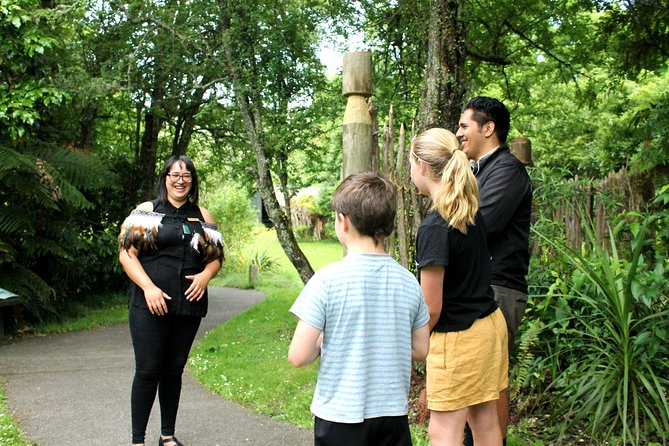
The most worthwhile part for me is the contrast between past and present. You learn about traditional ways of life, but you also see an active community rather than a recreated settlement.
Guides explain how people used the hot pools and how the village developed as a place that welcomed outsiders. You may hear about the community’s role in New Zealand tourism and its long tradition of guiding. That perspective adds depth to the usual Rotorua story, which often focuses only on volcanoes and hot water.
The tour also touches on life before colonization and the changes that followed. This can be an important part of understanding New Zealand, but the way it is presented will depend on your guide. You may hear strong views about colonization, religion, and national history. For some people, frank discussion adds value. For others, a guide who presents political opinions too forcefully can distract from the visit.
I would go with an open mind and remember that this is a community telling its own story. It is reasonable to expect a Māori perspective rather than a neutral museum-style lecture. If you prefer a short, tightly scripted presentation with little interpretation, this may feel less predictable.
What happens after the guided walk

The tour ends back at the starting point. The guide-led portion lasts about an hour, but you may have time to look around afterward, depending on your booking time and the site’s opening hours.
The village includes a museum, shops, a café, and gift shops. These areas give you a chance to slow down after the walk and look at displays or locally connected items. If shopping matters to you, avoid leaving it until the end of a late afternoon tour. A 3 p.m. tour can finish after the shop has closed.
The guided route is paced for the group, so I would stay with the guide rather than wandering off to study every feature. You can return to areas afterward if time allows. That approach helps you hear the main explanations first, then explore at your own speed.
Is the $34.13 price good value?
At $34.13 per person, the tour is reasonably priced for a guided cultural and geothermal experience in Rotorua. You are paying for entry, a local guide, a structured walk, access to the village setting, views of geothermal features, and the corn tasting.
The value depends on what you want. If you want a quick introduction to Māori village life and Rotorua’s geothermal setting, the price is fair. The one-hour length makes it easy to combine with another attraction, lunch, or a longer cultural show.
It is less convincing if you expect a complete half-day cultural program. The tour does not promise a full meal, a long performance, or an extended workshop. Those looking for a deeper program should consider adding one of the longer experiences offered by the village, if available during their visit.
The small maximum group of 20 also helps. It does not make the tour private, but it gives the guide a better chance to answer questions and keep everyone together. For a short walk, that is useful.
Timing, weather, and practical planning
Choose a time that fits your wider Rotorua plan, but do not treat every slot as interchangeable. Earlier tours may leave more of the day for the museum, shops, café, or a separate performance. Later tours can work well if you want to visit other attractions first, but the shop may be closed by the time you finish.
The meeting point and ticket redemption point are both at 17 Tryon Street, Whakarewarewa, Rotorua 3010. The village is near public transportation, and the activity returns to the same meeting point.
The tour requires good weather. If poor weather causes cancellation, you are offered another date or a full refund. For your own comfort, wear shoes suited to walking and bring weather protection. Geothermal steam, rain, and outdoor paths can make conditions change quickly.
Free cancellation is available up to 24 hours before the start time for a full refund. Cancellations or changes made less than 24 hours before the start time are not accepted for a refund.
Who should book this tour?
I would recommend it to first-time visitors to Rotorua who want a compact introduction to Māori culture and geothermal life. It works especially well for families, people with limited time, and anyone who wants a local guide rather than a self-guided walk.
It also suits you if personal stories matter. Guides such as Philip, Daniel, and Kylie have been praised for warmth, humor, singing, and strong family ties to the village. You may find that the guide’s personality shapes the hour as much as the pools and geyser do.
You may want something longer if your main goal is a substantial cultural performance, a full meal, or extended historical discussion. The tour is informative, but it moves along. Some people find the cultural content too brief and the geothermal portion too prominent.
Should you book Whakarewarewa Village?
Yes, if you want to understand how Māori community life and Rotorua’s geothermal environment fit together. The boiling mud, hot springs, Pohutu Geyser, and cooked corn give the visit a clear sense of place, while the village guides add family stories and a modern perspective.
Book it with realistic expectations. This is a one-hour guided introduction, not a full-day cultural program. Choose your time carefully if you want to see a performance, shop afterward, or spend extra time at the museum. For a fairly priced, focused look at one of Rotorua’s most distinctive communities, it is a worthwhile addition to your itinerary.
FAQ
How long does the Whakarewarewa Village guided tour last?
The guided tour lasts approximately one hour.
Where does the tour begin?
The tour begins at Whakarewarewa, The Living Māori Village, at 17 Tryon Street, Whakarewarewa, Rotorua 3010, New Zealand.
Where does the tour finish?
The activity ends back at the meeting point.
What geothermal features are included?
The tour includes views of boiling mud pools, hot springs, and Pohutu Geyser from two viewing platforms.
Is food included?
Yes. The guided tour includes an opportunity to try a piece of corn cooked in the village’s largest hot pool.
How many people can join the tour?
The tour has a maximum group size of 20 people.
Can I cancel for a refund?
You can cancel at least 24 hours before the experience start time for a full refund. Changes or cancellations made less than 24 hours before the start time are not accepted for a refund.
Just added around Rotorua
- TRIPLE DEAL Wai-O-Tapu, Redwood Forest & Blue Springs Ex Auckland★ 5.0 · 20 reviews
- Volcanic Rotorua Day Trip from Auckland★ 5.0 · 4 reviews
- Private Tour to Rotorua’s Natural wonders and Māori Arts & craft.★ 5.0 · 4 reviews
- Private Transfer From Auckland Airport To Rotorua★ 5.0 · 5 reviews
- Rotorua Highlights Tour inc. Te Puia Tour, Lunch & Cultural Show★ 4.5 · 53 reviews
- Private Tour – Rotorua Adventures Day Trip From Auckland★ 5.0 · 19 reviews
- Private Tour WaiOtapu & Huka Falls & Blue springs from Auckland★ 5.0 · 3 reviews
- Rotorua Full Day Private Tour from Auckland★ 5.0 · 3 reviews
Guided, compared.
Hobbiton & Waitomo Caves Guided Day Trip from Auckland incl lunch
Read our review →
Waitomo Caves: Ruakuri Cave 1.5 Hour Guided Tour
Read our review →
Hobbiton & Waitomo Caves Guided Tour from Auckland with Lunch
Read our review →Browse the lists this tour appears in