
Reviewed · MAORI CULTURE TOURS
Whaka Trails and Maori Village Combo Tour
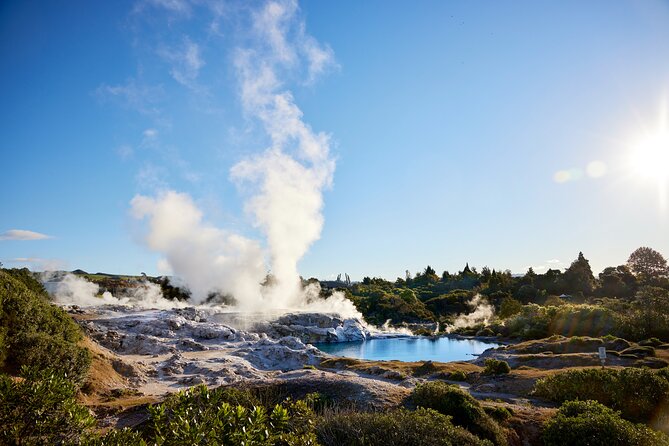
Rotorua’s geothermal power is not just something to photograph here. At Whakarewarewa, The Living Māori Village, it is part of daily life. A local guide leads you through a community built around hot springs, steam vents, mud pools, and Pohutu Geyser, then you can walk into quieter geothermal areas on your own.
I like the direct connection with local life, especially the stories about cooking food and heating water with the earth below. I also like the corn tasting, a simple but memorable way to understand how useful these hot pools can be.
The main consideration is that the experience has two different moods. The guided village visit is social and story-led, while the geothermal trail is self-guided. Some people will prefer the freedom; others may wish the second part had a guide too.
Key points to know before you go
- Pohutu Geyser from two viewing platforms: The geyser can erupt up to twice an hour, so you have a good chance of seeing it in action.
- A real living community: Māori families live here, and the tour focuses on present-day life as well as history and customs.
- Corn cooked by geothermal heat: The tasting helps turn an abstract science lesson into something you can see, smell, and eat.
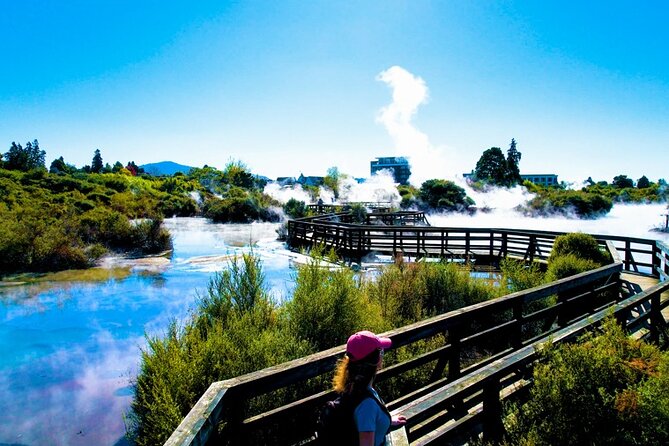
- Self-guided trails included: After the village tour, follow paths through less developed geothermal areas with bubbling pools and steam vents.
- Small group size: The maximum is 20 people, which helps keep the guide’s stories personal and leaves room for questions.
- Good value for a short visit: At $54.30 per person, you get the guided tour and geothermal trails without committing half a day.
Why this village feels different from a standard geothermal stop
Rotorua has no shortage of places to see steam, boiling water, and erupting geysers. What makes Whakarewarewa different is the human setting. The thermal features are not separated from ordinary life behind a distant fence. They sit beside homes, walkways, cooking areas, and bathing places.
That changes how you look at the ground. A steaming pool is not only a natural oddity. It can also be part of how a community cooks meals, warms water, and understands the power of Papatūānuku, or Mother Earth.
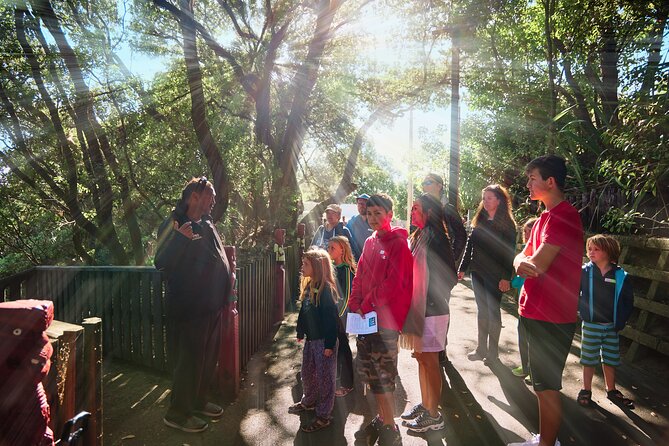
Your guided visit begins inside the village, where a local resident explains the area’s history, traditions, and daily routines. Guides have included Daniel, Angela, Mirama, Michael, Ben, and Waimairia, with the exact guide depending on the day. That local connection is important. You are not simply hearing a general explanation of Māori culture. You are hearing how one community lives with these conditions now.
I especially value the chance to ask questions. Several guides are described as warm, funny, and open, and the small group limit of 20 makes conversation easier than it would be in a large coach tour. The tone is generally relaxed rather than theatrical, which suits the subject.
Still, a live guide means the style can vary. One critical account found the guide’s political comments uncomfortable. That appears to be an isolated complaint beside the strong overall response, but it is fair to remember that a personal, discussion-based tour will not feel identical every time.
More Maori Culture Tours in Rotorua
- Mitai Maori Village: Cultural Experience and Dinner Buffet
★ 4.7 · 3,575 reviews - Cultural Experience & Seasonal Māori Cuisine at Te Pā Tū
★ 5.0 · 1,546 reviews - Mitai Maori Village Cultural Experience in Rotorua
★ 4.5 · 1,294 reviews
The guided village walk and everyday geothermal life
The guided portion takes about an hour. You walk through the community while learning how residents use the hot springs and steam vents around them.
One of the most useful parts is the explanation of geothermal cooking. The village uses the heat of the hot pools to prepare food, and you receive a piece of corn cooked in the thermal water. It is a small tasting, not a full meal, but it gives the tour a welcome sensory touch.
I find this more effective than hearing a list of temperatures or chemical facts. You can see the steaming water, then taste what it has helped cook. It makes the relationship between nature and daily life much easier to grasp.
The guide also discusses bathing and heating water. That helps explain why people would build a community in a place that can seem harsh at first glance. Steam, hot ground, and bubbling pools may look dangerous or strange, but they also provide practical benefits when treated with care.
Expect stories about family, customs, village life, and Māori heritage. The precise content depends on the guide, so one visit may lean more toward personal memories while another gives more attention to science or local history. The best approach is to listen closely and ask questions when something catches your interest.
This is an easy walking experience according to the supplied information, and most people can take part. You should still wear shoes suited to paths and viewing areas, since the experience includes outdoor walking around geothermal features. Service animals are allowed.
Pohutu Geyser and the two lookout platforms
Pohutu Geyser is the visual centerpiece. During the guided visit, you go to two lookout platforms where you can watch the geyser erupt. It can do so up to twice per hour, although nature does not work to a strict tour timetable.
That frequency gives you a reasonable chance of seeing an eruption during a visit of this length. You may need a little patience, but the wait is part of the experience. Keep your camera ready, yet do not spend the whole time looking through a screen. The steam and sudden burst of water are better appreciated in person.
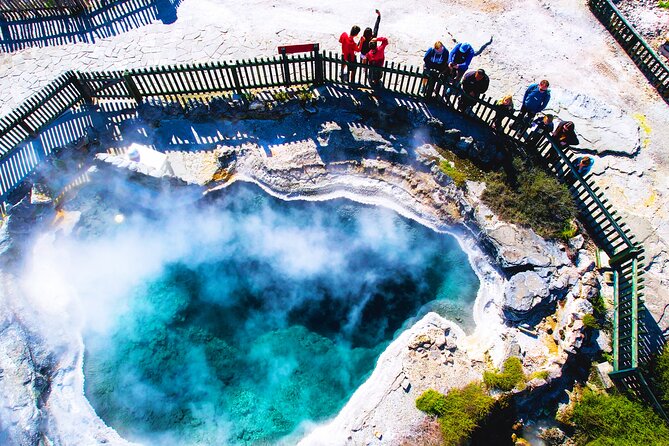
The platforms also give you a clear way to understand the scale of the geothermal area. From above, you can take photographs of the geyser and nearby thermal features without wandering close to dangerous ground.
Pohutu is not the only thing worth seeing. The village route includes hot-spring pools and other signs of geothermal activity. You get the best value by treating the geyser as one part of a larger story rather than the entire reason to come.
The self-guided geothermal trails
After the guided village walk, you can take a leisurely self-guided walk through the Whaka Geothermal Trails. This section takes about an hour, giving the full experience a stated duration of roughly two hours, though the overall activity is described as taking from one to three hours.
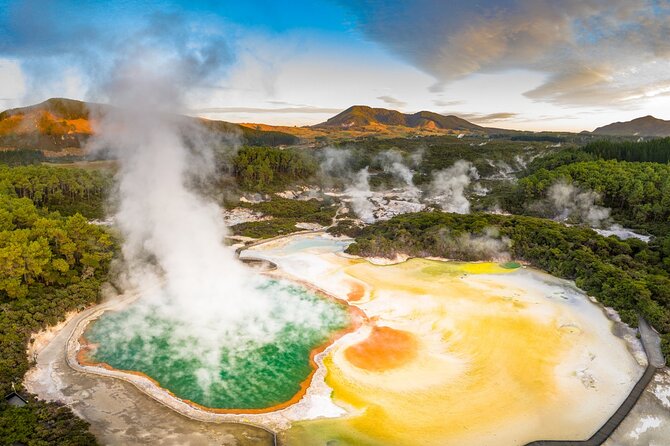
The trails offer access to less disturbed geothermal areas. You can expect bubbling mud, steam vents, hot pools, and unusual ground formations. The setting has a raw, almost prehistoric feel, which is why the area can seem more like a film set than a city attraction.
This part is especially useful if you want time for photographs. The guided visit moves at the group’s pace, but the trail lets you stop, look, and take pictures more freely. You can also absorb the contrast between the lived-in village and the wilder thermal ground nearby.
The tradeoff is simple: there is no guide leading this section. If you enjoy wandering and reading the surroundings for yourself, that is a plus. If you want an explanation at every pool or mud vent, you may find the trail less satisfying than the village walk.
I would plan to do both sections rather than rushing off after the guide finishes. The village explains how people live with geothermal heat; the trail lets you experience the physical force of the setting more quietly.
Same corner of the country, a very different day out:
- Rotorua Canopy Tours: 2.5Hour Native Forest Zipline Adventure
★ 5.0 · 4,563 reviews - Rotorua: Wai-O-Tapu Geothermal Park Entry Ticket
★ 4.6 · 2,601 reviews - Rotorua’s Ultimate Zipline: 6 ziplines, 400 m Tandem, Cliff Walk
★ 5.0 · 2,557 reviews - Rotorua Rafting: Kaituna River White Water Rafting & Free Sauna
★ 5.0 · 1,952 reviews
What the Māori cultural side adds
This is not a performance-only cultural stop. The main value comes from seeing how culture and place remain connected in everyday life.
You learn about customs, family heritage, community life, and the ways geothermal features are used. Guides have shared personal stories about growing up in the village and continuing to live there. That detail gives the visit a sense of continuity. You are not looking at a recreated settlement that ended in the past.
A Māori cultural experience should be approached with respect. Listen to the guide, follow instructions near hot pools, and remember that this is also someone’s home. The chance to enter a living community is a privilege, not a license to treat the village like a theme park.
The supplied information also refers to Māori singing heard around the village and, in one account, a dance show. The dance presentation may be part of some visits or related programming, but it is not listed as a guaranteed inclusion in the core package. If it matters to you, confirm what is scheduled on your date.
For families, the combination works well. Younger children and teens have the spectacle of steam and geysers, while older children can follow the cultural stories. One family found that the corn tasting and the guide’s storytelling kept both teens and a younger child interested.
Price, timing, and what you receive
The price is $54.30 per person. For Rotorua, that is a reasonable price for a roughly two-hour experience that combines a guided cultural visit, geyser viewing, geothermal trails, and a tasting.
The strongest value comes from the combination. A basic geothermal walk may show you hot pools but tell you little about the people who live beside them. A cultural presentation may explain customs without giving you much time in the natural setting. Here, the two parts support each other.
Coffee, tea, lunch, and bottled water are not included. The corn tasting is a small sample, not a meal, so plan food and drinks separately if you are visiting around lunchtime.
The meeting point is 17 Tryon Street, Whakarewarewa, Rotorua 3010. The activity ends there as well. It is near public transportation, and confirmation is provided when you book. The group maximum is 20 people.
Because the tour depends on outdoor conditions, poor weather can lead to a date change or full refund. You can cancel for a full refund up to 24 hours before the start time. Changes or cancellations made inside that window are not accepted, so keep the local cut-off time in mind.
Who should book this experience?
I would choose this tour if you want Rotorua to make sense as a place where people and geothermal forces share the same ground. It suits first-time visitors, families, couples, and anyone who prefers a local guide to a signposted walk.
It is also a good pick if your schedule is tight. The experience can fit into a morning or afternoon without taking over the day, and the village, geyser, and trails cover several sides of Rotorua in one visit.
You may want something else if you are looking for a long Māori cultural performance, a full meal, or an intensive science tour. The included tasting is modest, and the trail section does not include a guide. People who dislike outdoor walking around steam and uneven geothermal areas may also prefer a more contained attraction.
The 4.7 rating from 180 reviews and 94 percent recommendation figure suggest a reliably strong experience, with the usual variation that comes from different guides and group dynamics. The repeated praise is aimed at the local storytelling, the chance to learn about real village life, the corn tasting, and the geothermal trail.
Should you book Whaka Trails and Māori Village Combo Tour?
Yes, if you want a short, useful introduction to both Māori culture and Rotorua’s geothermal character. The best reason to book is not simply the chance to see Pohutu Geyser. It is the connection between the geyser, the village, and the practical ways people use the heat beneath their feet.
Allow enough time for both the guided visit and the self-guided trail. Listen closely to your guide, ask questions, and save time for the corn tasting and photographs. At $54.30, this is a sensible choice for a compact Rotorua experience with genuine local contact and a strong natural setting.
FAQ
Where does the Whaka Trails and Māori Village Combo Tour start?
The tour starts at 17 Tryon Street, Whakarewarewa, Rotorua 3010, New Zealand.
Where does the activity finish?
The activity ends back at the meeting point on Tryon Street.
How long does the experience take?
The full visit is expected to take about two hours, although the stated overall duration is approximately one to three hours.
What is included in the ticket?
The ticket includes access to the Whaka Geothermal Trails and the village guided tour.
Is the Pohutu Geyser included?
Yes. The guided visit includes viewing Pohutu Geyser from two lookout platforms.
Will I taste food cooked using geothermal heat?
Yes. The experience includes a tasting of corn cooked in one of the hot pools.
Are food and drinks included?
Coffee, tea, lunch, and bottled water are not included.
How large is the group?
The activity has a maximum group size of 20 people.
Can I cancel for a full refund?
Yes. You can cancel at least 24 hours before the start time for a full refund. If poor weather causes the operator to cancel, you will be offered another date or a full refund.
Just added around Rotorua
- TRIPLE DEAL Wai-O-Tapu, Redwood Forest & Blue Springs Ex Auckland★ 5.0 · 20 reviews
- Volcanic Rotorua Day Trip from Auckland★ 5.0 · 4 reviews
- Private Tour to Rotorua’s Natural wonders and Māori Arts & craft.★ 5.0 · 4 reviews
- Private Transfer From Auckland Airport To Rotorua★ 5.0 · 5 reviews
- Rotorua Highlights Tour inc. Te Puia Tour, Lunch & Cultural Show★ 4.5 · 53 reviews
- Private Tour – Rotorua Adventures Day Trip From Auckland★ 5.0 · 19 reviews
- Private Tour WaiOtapu & Huka Falls & Blue springs from Auckland★ 5.0 · 3 reviews
- Rotorua Full Day Private Tour from Auckland★ 5.0 · 3 reviews
Maori Culture Tours, compared.
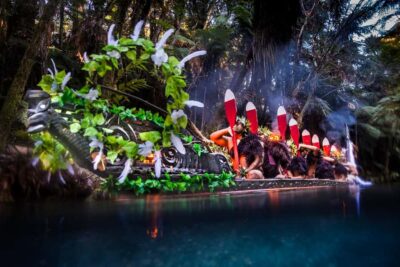
Mitai Maori Village: Cultural Experience and Dinner Buffet
Read our review →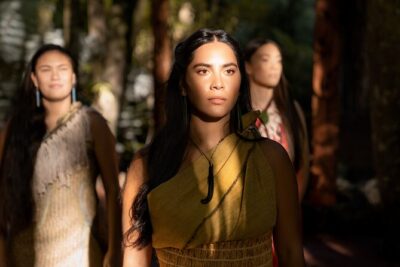
Cultural Experience & Seasonal Māori Cuisine at Te Pā Tū
Read our review →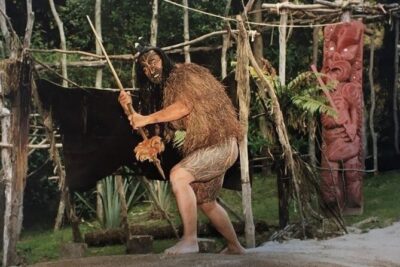
Mitai Maori Village Cultural Experience in Rotorua
Read our review →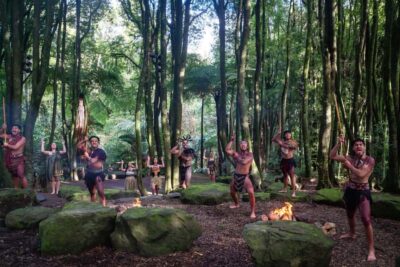
Te Pa Tu Māori Cultural Experience with Dinner
Read our review →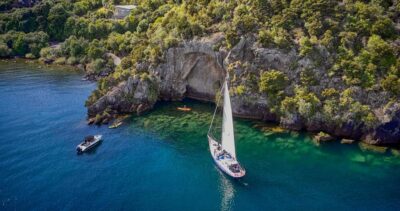
Lake Taupo: Sailboat Trip to the Maori Rock Carvings
Read our review →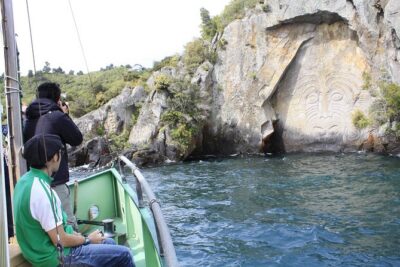
Lake Taupō Māori Rock Carvings Scenic Cruise aboard Ernest Kemp
Read our review →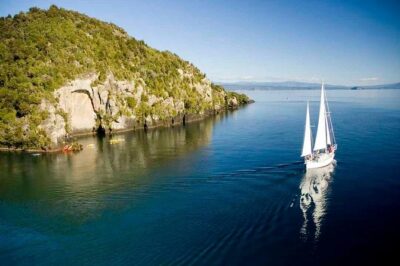
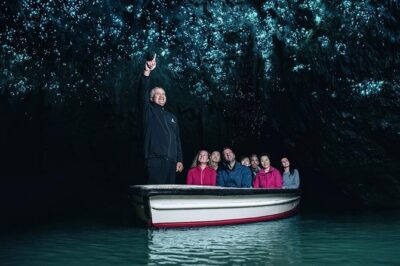
Waitomo Caves & Rotorua – Te Puia Small-Group Tour from Auckland
Read our review →Browse the lists this tour appears in