
Reviewed · MAORI CULTURE TOURS
Te Puia: Te Rā Guided Experience
Te Puia puts two of Rotorua’s best experiences in one visit: Pohutu Geyser and Māori culture. In about 90 minutes, you walk past steaming vents and mud pools, see New Zealand’s shy kiwi, and visit workshops where woodcarving and flax weaving are still taught.
I like the direct connection between the geothermal valley and Māori life. I also like that you can meet at the site, skip a complicated transfer, and stay on afterward to revisit the geysers, workshops, or gift shop. The main caution is that the tour can feel rushed, and its quality depends heavily on your guide.
Key points before you book
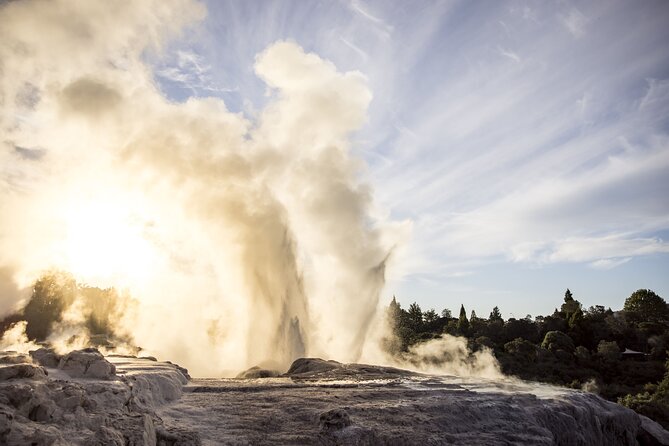
- Pohutu Geyser erupts up to 20 times a day, but no eruption is guaranteed during your visit.
- The Māori Arts and Crafts Institute includes wood, bone, and greenstone carving, plus flax weaving.
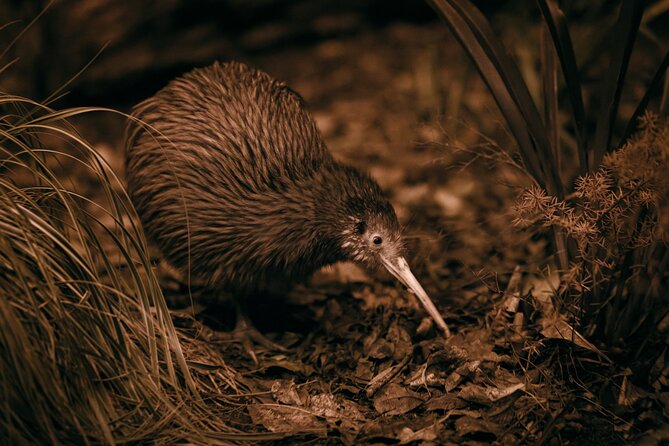
- The kiwi conservation centre offers a chance to see New Zealand’s national bird in a nocturnal enclosure.
- The 90-minute guided visit covers a lot, but some groups move quickly through the geothermal area.
- A cultural performance upgrade adds song, poi, stick games, weapon displays, a hongi, and the haka.
- You pay $62.06 per person, with admission and a professional guide included. Food, drinks, and transport are extra.
Why Te Puia works as a first Rotorua stop
Rotorua can feel like several destinations packed into one town. There are hot pools, volcanic valleys, Māori cultural centres, craft workshops, and evening performances. Te Puia gives you a useful introduction to several of these at once.
The setting is Te Whakarewarewa Thermal Valley, where the ground sends up steam, mud bubbles, and hot water. The centre also houses the New Zealand Māori Arts and Crafts Institute, so this is not simply a geyser walk with a cultural display added on afterward.
That combination is the strongest reason to choose Te Puia. You see the natural force of the valley, then learn how Māori traditions, stories, art, and architecture connect with the land. I find that more satisfying than visiting a geothermal site with only signs and photo stops.
The visit lasts about 1 hour and 30 minutes. That is enough time for a useful overview, but not enough for a slow, independent exploration of every path and workshop. Plan your expectations accordingly. This is an introduction, not a full-day study of Rotorua’s Māori culture and geothermal activity.
More Maori Culture Tours in Rotorua
- Mitai Maori Village: Cultural Experience and Dinner Buffet
★ 4.7 · 3,575 reviews - Cultural Experience & Seasonal Māori Cuisine at Te Pā Tū
★ 5.0 · 1,546 reviews - Mitai Maori Village Cultural Experience in Rotorua
★ 4.5 · 1,294 reviews
Meeting your guide at the Māori Arts and Crafts Institute
You make your own way to Te Puia at Hemo Road in Whakarewarewa, Rotorua. The tour ends at the same meeting point, and public transport is available nearby. Hotel pickup and drop-off are not included, so check your route before booking, especially if you are coming from a cruise port or another town.
At the entrance, you meet a Māori guide and join a group of up to 36 people. Actual group sizes can be smaller, but a larger group may affect how well you hear the guide and how long you can pause at each stop.
The guide introduces Māori settlement in Rotorua and shares stories and legends passed down through generations. This part matters because it gives the geothermal valley a human context. The steaming ground is not just a dramatic natural attraction. It is part of a place with living traditions and a strong connection between people, land, ancestry, and daily life.
Guide quality is the biggest variable here. Guides such as Rebecca have been praised for clear explanations and engaging stories, while Ivy and Buster have also received warm mention for making the visit interesting. At other times, people have found the commentary too light, difficult to hear, or rushed.
That does not make the tour a poor choice, but it does mean you should not expect a perfectly identical experience every time. Stay close enough to hear, ask questions when there is an opening, and do not be shy about requesting a repeat if the group is outdoors near steam or moving water.
Watching master carvers and flax weavers at work
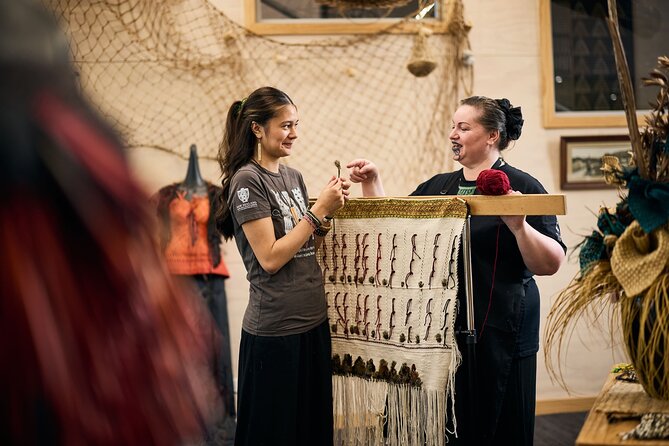
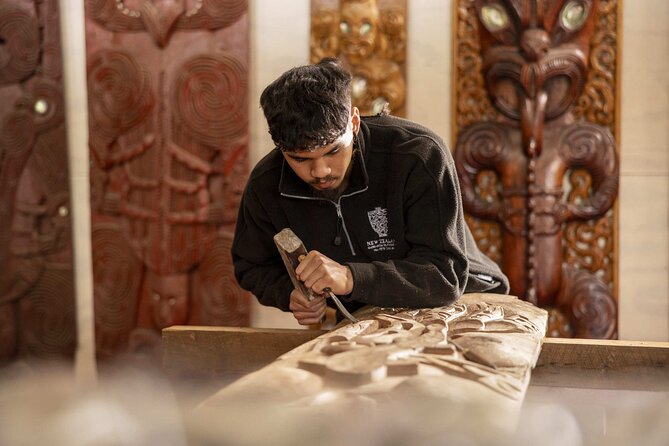
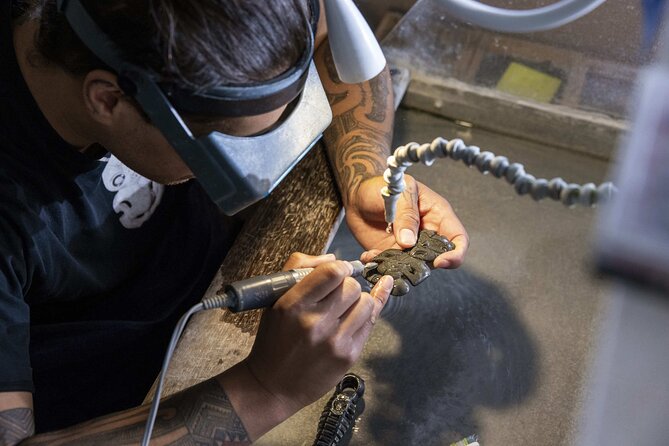
The cultural centre is more than a gallery. You see working schools devoted to wood, bone, and greenstone carving, along with the intricate weaving of flax.
This is one of my favourite parts of the visit because it shows Māori culture as a living practice rather than a display from the past. The skill involved in carving and weaving becomes easier to appreciate when you see the tools, materials, and patient work in front of you.
You also visit a marae and Māori village. The marae is a meeting place, and it gives the cultural portion of the tour a physical setting. Depending on the guide and timing, you may hear Māori words, learn about local traditions, and gain a basic sense of how ceremonial and community spaces function.
Some people have found this part too brief, particularly when the guide spends only a short time explaining the craft schools. If Māori art is your main reason for coming, allow extra time after the guided walk to look again at the centre and its displays.
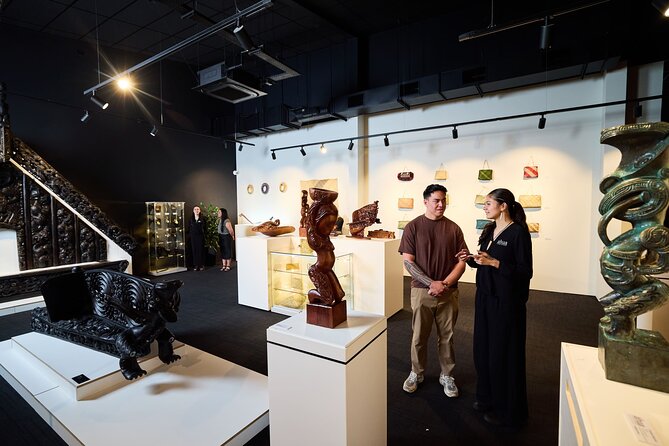
The Oha Store, Te Puia’s gift shop, is also worth a look. It carries locally made taonga, or treasured objects, along with handcrafted gifts. Several people have found the selection unusually strong and reasonably priced. Even if you are not shopping, it gives you another chance to see the quality and range of local craftwork.
Entering the kiwi conservation centre
Te Puia has a nocturnal kiwi house, designed for New Zealand’s famously shy, flightless national bird. The enclosure is dark, so you may need patience and careful attention to spot a kiwi moving through the space.
Seeing a kiwi is never quite like seeing a bright, showy bird in an open aviary. The experience is quieter and more uncertain, which is part of its appeal. You might catch one searching for food or moving through the enclosure, but the viewing period can be short.
Groups keep moving through the kiwi house, and a group of around 20 people may limit how long you can stand at the viewing windows. If the kiwi centre matters greatly to you, listen closely for the guide’s instructions and take your chance when you reach the viewing area.
The centre is included in the admission price. That adds real value, especially for anyone who wants to see a kiwi without treating the bird as a quick photo opportunity. It also supports Te Puia’s conservation work, which gives this stop more purpose than a standard animal exhibit.
Same corner of the country, a very different day out:
- Rotorua Canopy Tours: 2.5Hour Native Forest Zipline Adventure
★ 5.0 · 4,563 reviews - Rotorua: Wai-O-Tapu Geothermal Park Entry Ticket
★ 4.6 · 2,601 reviews - Rotorua’s Ultimate Zipline: 6 ziplines, 400 m Tandem, Cliff Walk
★ 5.0 · 2,557 reviews - Rotorua Rafting: Kaituna River White Water Rafting & Free Sauna
★ 5.0 · 1,952 reviews
Walking through Te Whakarewarewa Thermal Valley
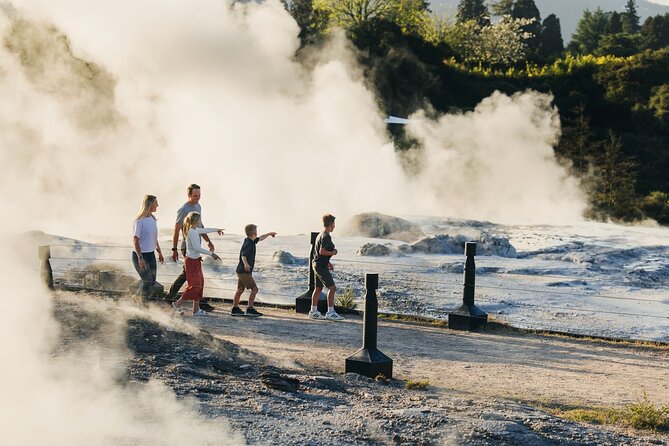
The geothermal walk is the visual heart of the visit. You follow paths past steaming springs, boiling mud pools, and vents that release heat and sulphur into the air.
The smell is part of the experience. Rotorua’s geothermal areas can smell strongly of sulphur, sometimes compared with rotten eggs. If you are sensitive to the odour, you may find certain spots uncomfortable, but it is an honest reminder that these are active geothermal features, not decorative pools.
The paths lead toward Pōhutu Geyser, the largest and most active geyser in the Southern Hemisphere according to the attraction’s description. It can erupt up to 20 times a day and reach around 100 feet, or 30 metres.
Pōhutu is the main event, but the valley contains more than one dramatic feature. Mud pools bubble and spit, steam curls through the air, and smaller geysers may erupt during your visit. Some people have been lucky enough to see four geysers active in one visit.
Still, do not book this tour on the promise of a geyser eruption at one exact moment. Activity changes, and some visits have missed the main eruption. If seeing Pōhutu erupt is your only reason for paying the admission price, the uncertainty may bother you.
The guide may explain the geothermal activity as you walk, but several itineraries leave visitors to explore parts of the geyser area independently. I see that as both a strength and a weakness. It gives you freedom to look around, but it can feel disappointing if you booked mainly for detailed commentary about the valley.
The optional Māori cultural performance
You can upgrade the visit to include a Māori cultural performance. Performances take place several times during the day, and the programme begins with a ceremonial welcome at the marae.
The performance may include a hongi, the traditional nose-to-nose greeting, as well as Māori song, poi dances, stick games, weapon displays, and the haka. The haka is often the part people remember most, but the full presentation works best when you pay attention to the range of movement, rhythm, and group coordination rather than waiting only for the war dance.
This upgrade makes sense if you have not seen a Māori performance elsewhere in New Zealand. It adds a structured cultural experience to the walking tour and may be particularly appealing to families. Children have been captivated by the performers, and the live setting helps the traditions feel immediate.
If you are already attending an evening cultural show in Rotorua, compare the programmes before paying for both. The daytime performance is convenient, but you may prefer to spend the extra time on the geothermal paths and workshops instead.
Is $62.06 good value?
At $62.06 per person, the experience is not the cheapest way to see a geyser. The price includes entry, the guided visit, the kiwi conservation centre, the craft schools, the marae, the Māori village, and access to the geothermal valley.
That package gives you solid value if you want a broad introduction in a limited amount of time. You would otherwise need to arrange separate visits to see Māori arts, a kiwi centre, and a geothermal site. The guide adds value when the storytelling is strong, particularly for anyone with little previous understanding of Māori culture.
The value is weaker if you prefer to move at your own pace. A few people have felt that the guided route provided less information than expected and that they could have explored the site independently for less money. The attraction does allow you to remain on site after the tour, which helps. You can revisit the areas that interested you instead of leaving as soon as the 90 minutes end.
Food and drinks are not included, but the cafe is available on site. Transport is also not included, so include the cost of getting to Hemo Road when you compare this with a packaged Rotorua excursion.
Who should book this experience?
I would recommend Te Puia to first-time visitors who want geothermal sights and Māori culture in one stop. It is also a good fit for families, since the geysers, bubbling mud, kiwi centre, workshops, and optional performance offer several different types of interest.
It suits you if you value a local guide and want context rather than simply taking pictures. The guide can explain names, traditions, legends, and the role of the arts institute in preserving Māori craft skills.
It is less suited to you if you want a quiet, self-directed walk with plenty of time at every mud pool and geyser. It may also disappoint if you expect a long, detailed lecture on Māori history or geothermal science during the 90 minutes.
Wear practical walking shoes and keep your schedule flexible enough to stay afterward. The valley is the kind of place where a few extra minutes beside a bubbling mud pool can be more rewarding than rushing to the next scheduled stop.
Booking details and cancellation
You receive confirmation within 48 hours of booking, subject to availability. Most people can take part, and service animals are allowed.
Free cancellation is available up to 24 hours before the start time. Changes or cancellations made less than 24 hours before the local start time are not accepted for a refund.
My verdict on Te Puia
I would book Te Puia if I had one morning or afternoon in Rotorua and wanted a well-rounded introduction. The combination of Pohutu Geyser, the kiwi centre, and working Māori craft schools is the real strength, and staying afterward makes the fixed 90-minute route more worthwhile.
I would not book it solely for a guaranteed geyser eruption or an in-depth cultural lecture. For the best visit, treat the guided walk as your orientation, then use the remaining time to revisit the geothermal valley, browse the crafts, and add the performance if Māori song and dance are new to you.
FAQ
Where does the Te Puia guided experience begin?
It begins at Te Puia on Hemo Road, Whakarewarewa, Rotorua 3010, New Zealand.
How long does the experience last?
The guided experience lasts approximately 1 hour and 30 minutes.
What is included in the price?
Admission, a professional guide, access to the geothermal valley, the kiwi conservation centre, the carving and weaving schools, the marae, and the Māori village are included.
How much does the experience cost?
The listed price is $62.06 per person.
Is transport from my hotel included?
No. Hotel pickup and drop-off are not included. Te Puia is near public transportation.
Can I see Pohutu Geyser erupt?
Pohutu Geyser can erupt up to 20 times a day, but an eruption is not guaranteed during your visit.
Will I see a kiwi?
The experience includes entry to the nocturnal kiwi conservation centre, where you may see New Zealand’s national bird.
Is a Māori cultural performance included?
The cultural performance is an optional upgrade. It may include a ceremonial welcome, hongi, song, poi dances, stick games, weapon displays, and the haka.
Can I stay at Te Puia after the guided tour?
Yes. You can remain on site after the tour and revisit points of interest.
What happens if I need to cancel?
You can cancel up to 24 hours before the experience start time for a full refund. Cancellations made less than 24 hours before the start time are not refunded.
Just added around Rotorua
- TRIPLE DEAL Wai-O-Tapu, Redwood Forest & Blue Springs Ex Auckland★ 5.0 · 20 reviews
- Volcanic Rotorua Day Trip from Auckland★ 5.0 · 4 reviews
- Private Tour to Rotorua’s Natural wonders and Māori Arts & craft.★ 5.0 · 4 reviews
- Private Transfer From Auckland Airport To Rotorua★ 5.0 · 5 reviews
- Rotorua Highlights Tour inc. Te Puia Tour, Lunch & Cultural Show★ 4.5 · 53 reviews
- Private Tour – Rotorua Adventures Day Trip From Auckland★ 5.0 · 19 reviews
- Private Tour WaiOtapu & Huka Falls & Blue springs from Auckland★ 5.0 · 3 reviews
- Rotorua Full Day Private Tour from Auckland★ 5.0 · 3 reviews
Maori Culture Tours, compared.
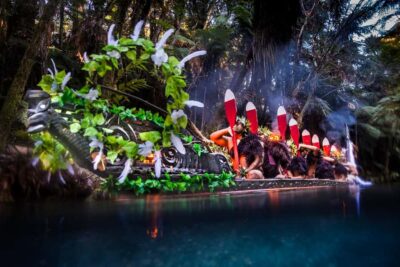
Mitai Maori Village: Cultural Experience and Dinner Buffet
Read our review →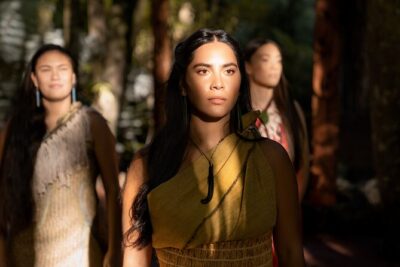
Cultural Experience & Seasonal Māori Cuisine at Te Pā Tū
Read our review →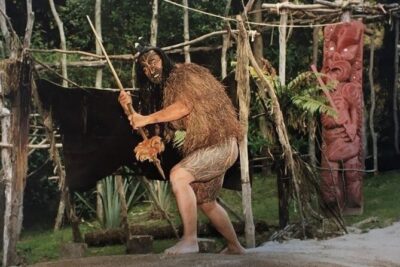
Mitai Maori Village Cultural Experience in Rotorua
Read our review →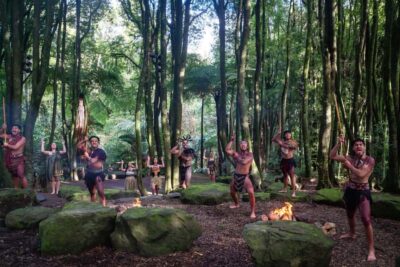
Te Pa Tu Māori Cultural Experience with Dinner
Read our review →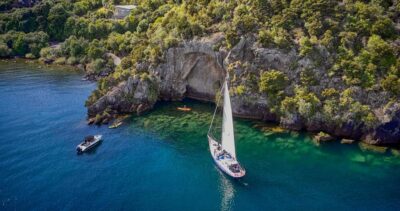
Lake Taupo: Sailboat Trip to the Maori Rock Carvings
Read our review →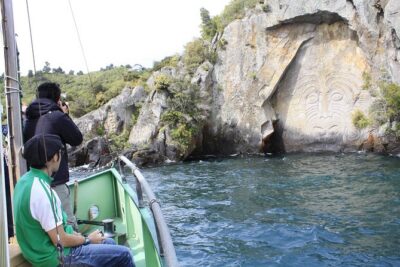
Lake Taupō Māori Rock Carvings Scenic Cruise aboard Ernest Kemp
Read our review →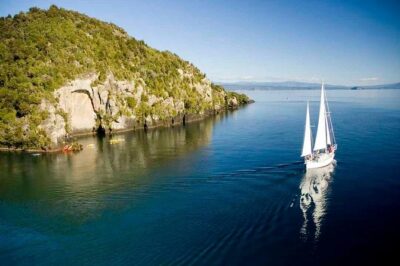
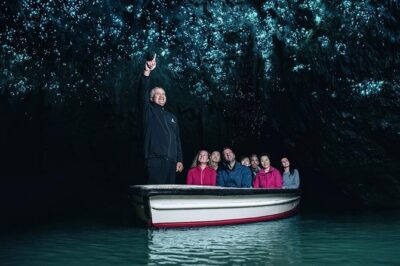
Waitomo Caves & Rotorua – Te Puia Small-Group Tour from Auckland
Read our review →Browse the lists this tour appears in