
Reviewed · MAORI CULTURE TOURS
Te Puia: Te Rā Guided Day Tour
Pōhutu Geyser is the star here, but it is not the only reason to come. In 90 minutes, you’ll walk through the steaming Te Whakarewarewa Geothermal Valley, see kiwi in a darkened enclosure, and visit the New Zealand Māori Arts and Crafts Institute. Nature and living culture share the same stop, which makes this more than a quick geyser outing.
I like the way the tour links geothermal life with Māori heritage, rather than treating them as separate attractions. I also like the guides’ personal touch. Guides including Makaere, Michael, Paul, Nate, Mita, Kohu, and others have been praised for warmth, humor, and clear explanations. The main drawback is time: the geothermal walk can feel rushed, especially when the group spends longer at the arts school.
Key points
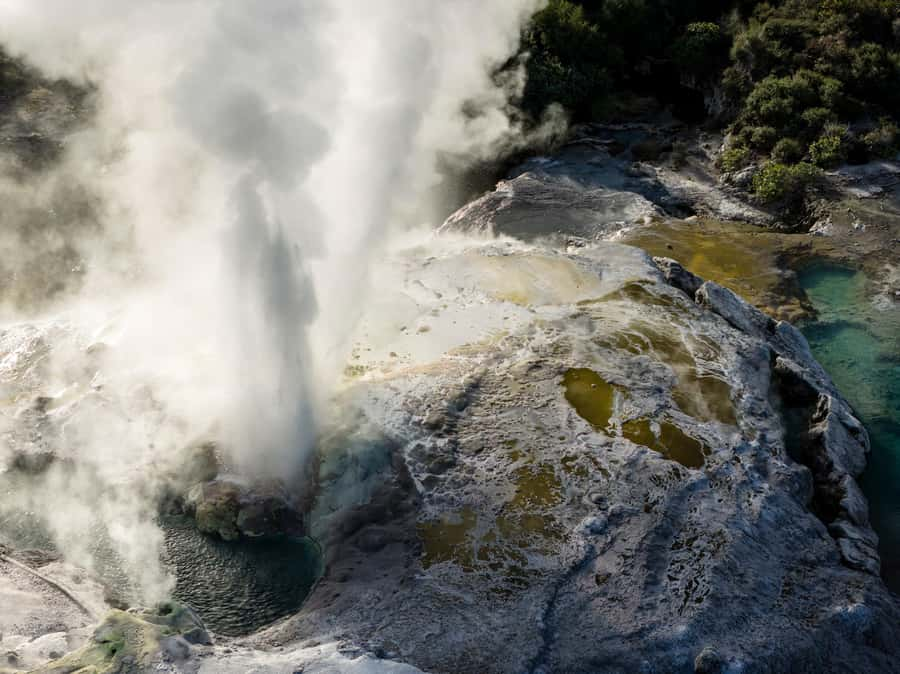
- Pōhutu Geyser: See the largest active geyser in the Southern Hemisphere, with guides suggesting the best viewing places.
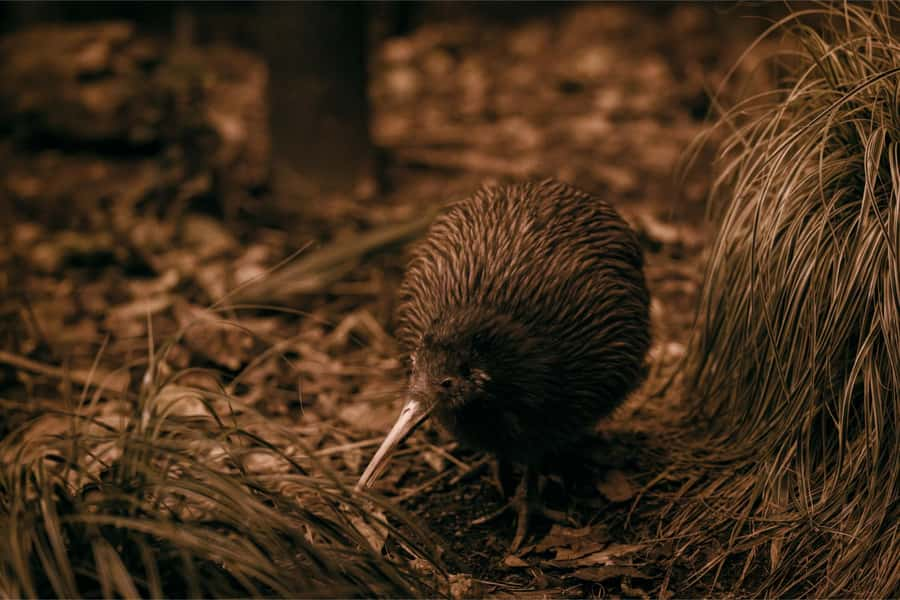
- Kiwi Conservation Centre: Enter a specially designed nocturnal enclosure for a chance to see New Zealand’s national bird.
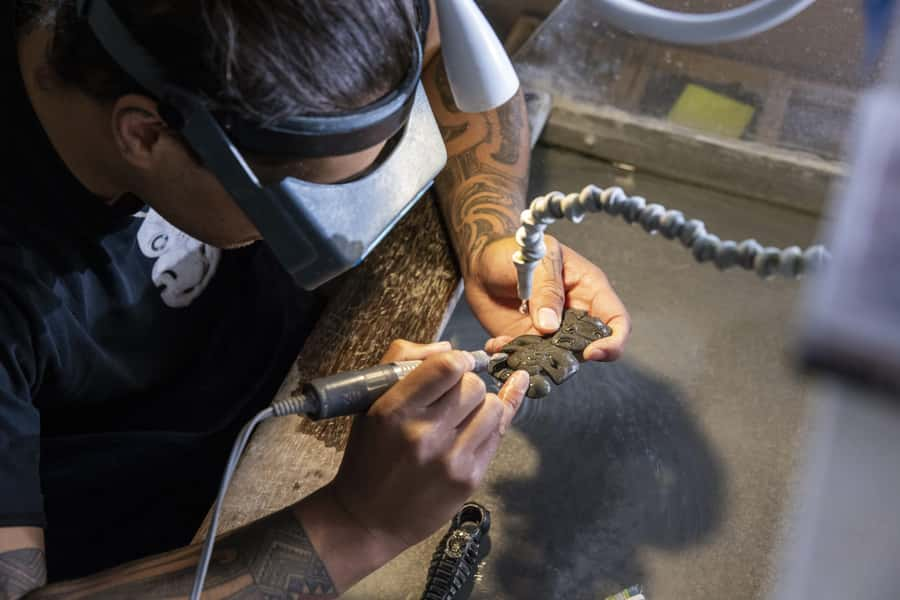
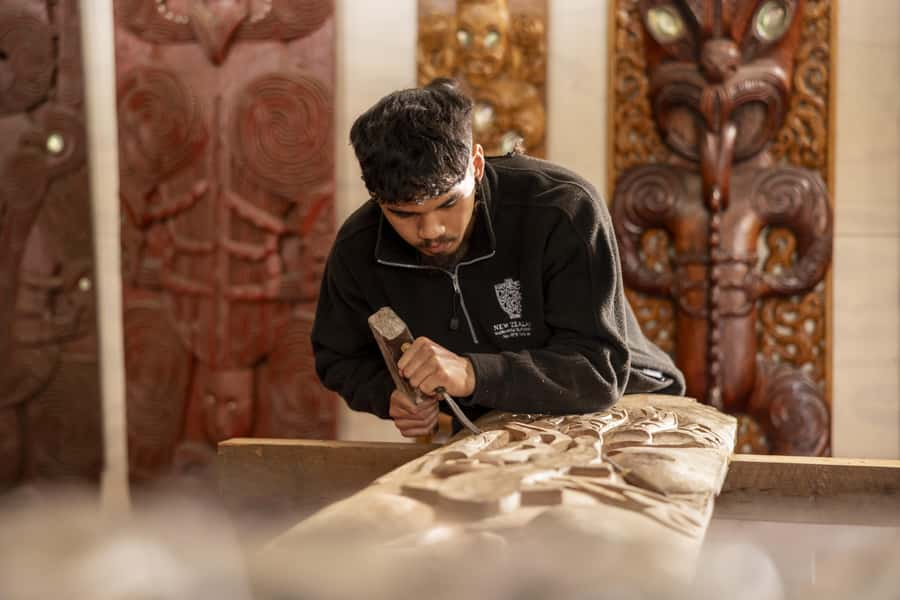
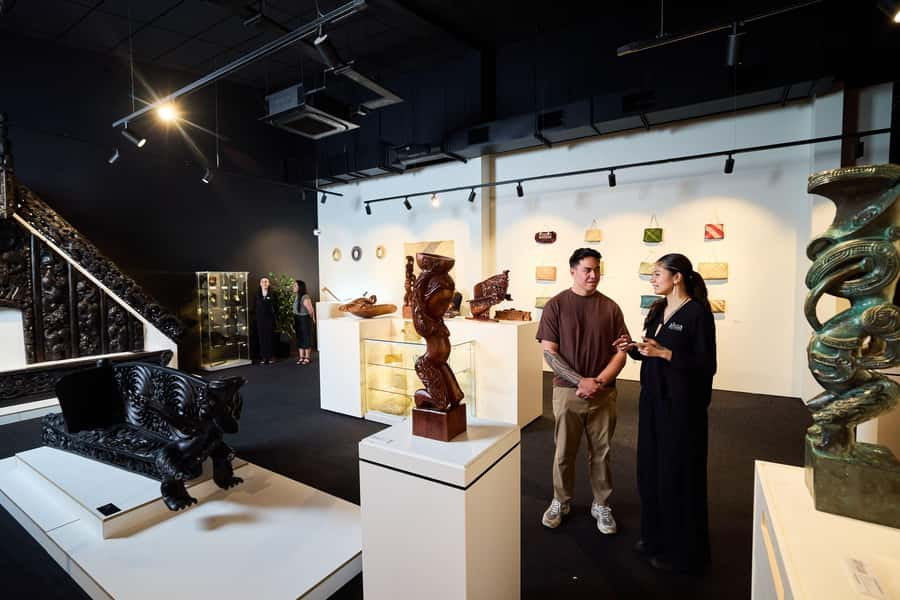
- Māori arts in practice: Watch students work with wood, stone, bone, and weaving at the country’s Māori arts and crafts institute.
- Strong guiding: English-speaking kaiārahi bring family heritage, environmental care, and humor into the walk.
- Good short-format value: The $59 price includes entry, guiding, the geothermal valley, kiwi centre, arts institute, and Āhua Gallery.
- Plan for outdoor weather: Wear comfortable shoes and bring rain protection, since much of the visit is outside.
Three Rotorua experiences in one 90-minute visit
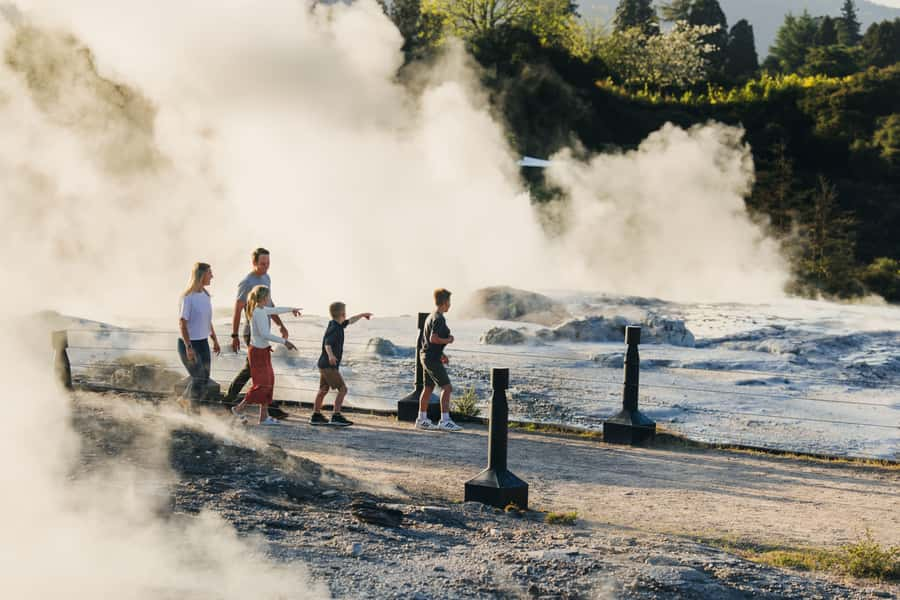
Te Puia’s Te Rā Guided Day Tour is designed for people who want a compact introduction to Rotorua’s geothermal features and Māori culture. You meet at Te Puia, join an English-speaking guide, and return to the same site after about an hour and a half.
That format matters. Rotorua has several geothermal attractions, but this visit gives you three different kinds of experience in one ticket: hot springs and geysers, a conservation centre, and a working school of Māori arts. I find that mix more useful than a tour focused only on scenery, especially if you have limited time in town.
The tour costs $59 per person. I consider that fair value because admission and guiding are included, along with access to the geothermal valley, Kiwi Conservation Centre, New Zealand Māori Arts and Crafts Institute, and Āhua Gallery. Food, drinks, and hotel pickup are not included, so you need to arrange your own way to Te Puia and allow time to eat separately.
More Maori Culture Tours in Rotorua
- Mitai Maori Village: Cultural Experience and Dinner Buffet
★ 4.7 · 3,575 reviews - Cultural Experience & Seasonal Māori Cuisine at Te Pā Tū
★ 5.0 · 1,546 reviews - Mitai Maori Village Cultural Experience in Rotorua
★ 4.5 · 1,294 reviews
Pōhutu Geyser and the steaming valley
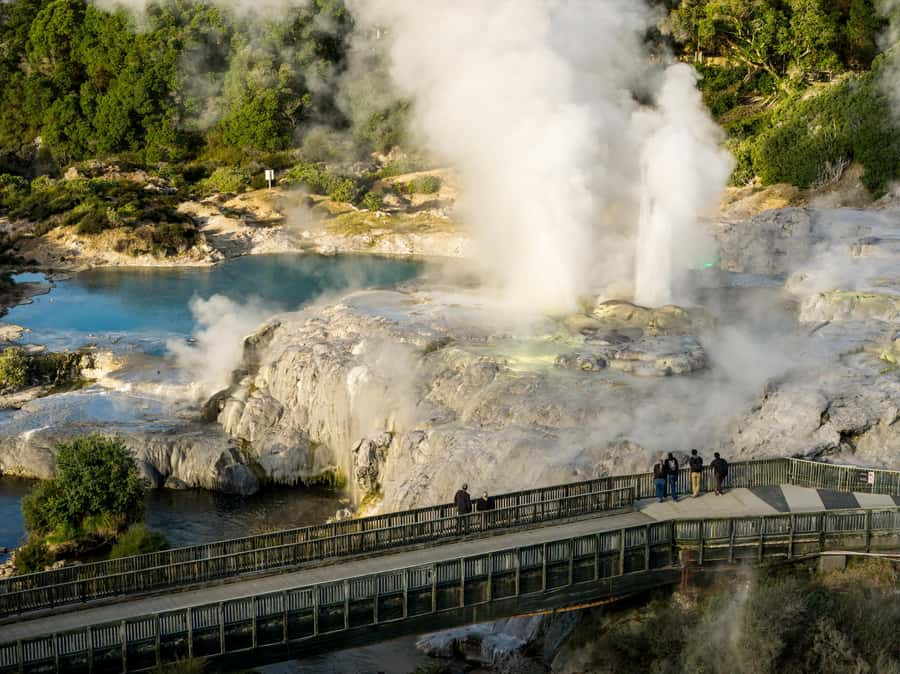
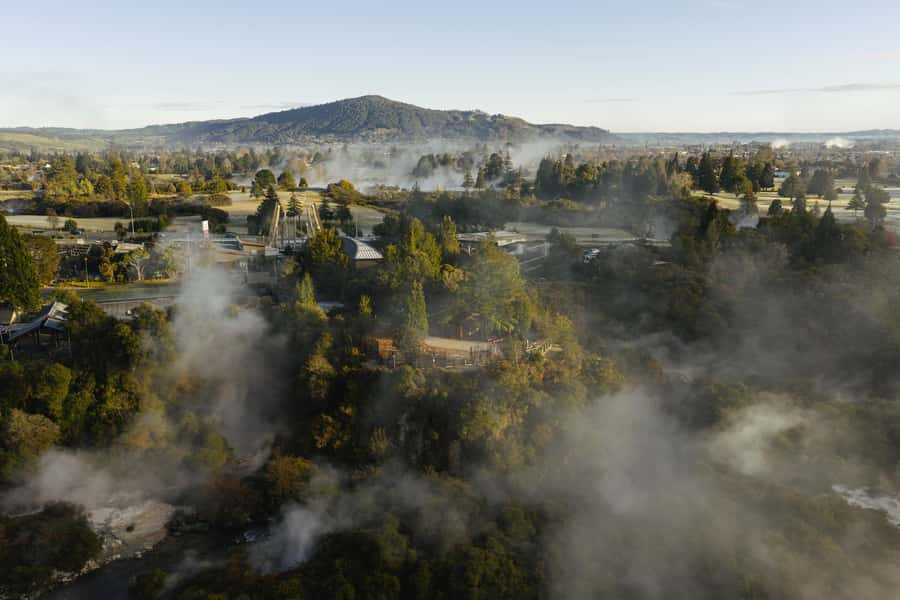
The outdoor portion takes you through Te Whakarewarewa Geothermal Valley. Expect geysers, bubbling mud, steam, native bush, and the sharp sense that the ground below is active. Your guide explains what you’re seeing while leading you through the site.
Pōhutu Geyser is the major event. It is the largest active geyser in the Southern Hemisphere, and watching it erupt gives the tour its big visual moment. A guide can also point out good places to stand, which is useful because the best view depends on the direction of the steam and the position of the group.
Weather affects this part of the visit. Cold rain can make the geyser plume harder to see clearly, and steam may hide some of the full effect. Still, the valley remains worth walking through in poor weather because the mud pools, hot ground, bush, and shifting vapour create a different atmosphere. I would bring a waterproof jacket or umbrella, since one visitor specifically wished an umbrella had been available during rain.
The geothermal walk is also the section most likely to feel hurried. You have plenty to look at, but the 90-minute schedule must cover the whole site. If you stop often for photographs, you may feel you are moving on just as the view gets interesting. Comfortable shoes are essential, and you should expect some outdoor walking rather than a purely indoor cultural visit.
Seeing a kiwi in a nocturnal enclosure
The Kiwi Conservation Centre gives you a chance to see New Zealand’s national bird in conditions designed for its nocturnal habits. The enclosure is dark, so patience helps. You may not get a bright, postcard-style view, but that is part of the point: kiwi are active at night and are protected from normal daytime conditions.
For many people, this is the most memorable part of the visit. Seeing a kiwi in person can be difficult elsewhere, and the centre adds a conservation message to the encounter. The tour does not simply present the bird as a symbol. It places the kiwi within Te Puia’s wider work with New Zealand culture, land, and wildlife.
I would keep your expectations sensible. A live kiwi is not a display animal posing on command. The quality of your view may depend on where the bird is moving inside the enclosure and how quickly the group passes through. Even so, this stop gives the tour something that a standard geothermal walk cannot provide.
At the Māori Arts and Crafts Institute
The New Zealand Māori Arts and Crafts Institute is a working school, not just a room filled with finished objects. Students train in weaving, wood carving, stone carving, and bone carving, carrying on skills that require years of practice.
This is where the tour gains much of its cultural value. You can watch traditional techniques being used in the present, rather than seeing Māori culture presented only as something from the past. The institute also helps explain the meaning behind patterns, materials, and artistic practice.
The Āhua Gallery is included as part of the visit. It gives you another chance to look at Māori design and completed work, although the exact amount of time available depends on the pace of your group. Some people may wish they had longer to examine the displays, especially because the geothermal section and arts school compete for the same 90 minutes.
I like that the school gives the visit a practical focus. You are not simply told that Māori carving matters. You see the tools, materials, and careful work involved. The experience also has a direct connection to education, since money from admission helps support the art school.
Same corner of the country, a very different day out:
- Rotorua Canopy Tours: 2.5Hour Native Forest Zipline Adventure
★ 5.0 · 4,563 reviews - Rotorua: Wai-O-Tapu Geothermal Park Entry Ticket
★ 4.6 · 2,601 reviews - Rotorua’s Ultimate Zipline: 6 ziplines, 400 m Tandem, Cliff Walk
★ 5.0 · 2,557 reviews - Rotorua Rafting: Kaituna River White Water Rafting & Free Sauna
★ 5.0 · 1,952 reviews
Guides who make the difference
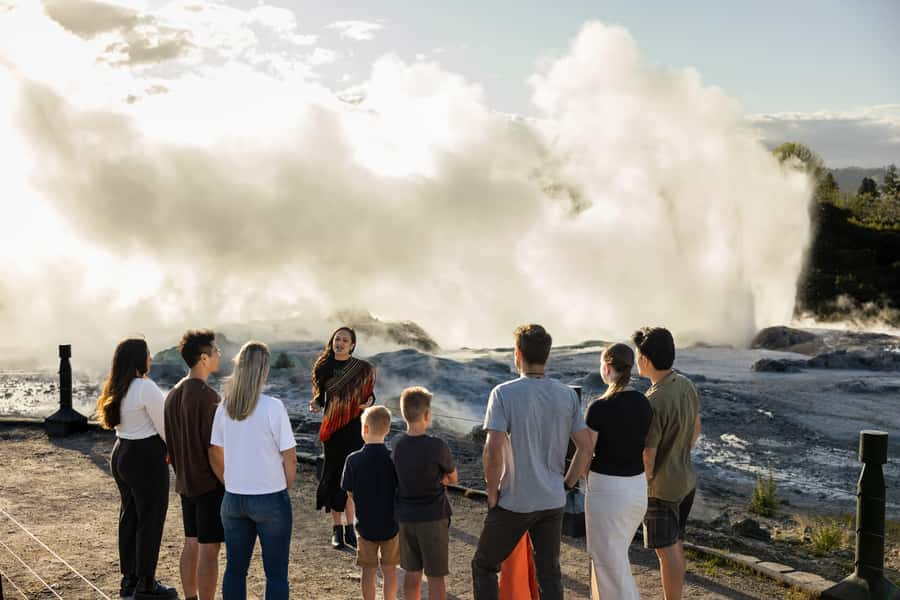
The guide can shape this tour more than any single attraction. The kaiārahi explain the geothermal valley, share Māori traditions and ancestral stories, and connect the places you see with cultural meaning. The best guides also manage the timing, answer questions, and help the group find good viewing points.
The guiding has been a major strength for me when weighing the tour. Paul has been described as funny and well informed, while Michael brought clear explanations and a strong concern for the environment. Makaere was praised for being friendly and capable, and Nate, Mita, and Kohu also made strong impressions through their energy and personal knowledge.
That list does not guarantee a particular guide on your departure, but it gives you a useful idea of the standard to expect. Several guides have been praised for answering questions and making the information easy to follow. The strongest moments come when a guide speaks with personal pride about Māori heritage and the future of Māori communities, rather than delivering a dry list of facts.
Group size can affect the experience. In a large group, it may be hard to hear every word, especially outdoors near the geyser. One practical improvement would be a microphone or radio system for bigger parties. Stay close to the guide and move toward the front when the group gathers.
What the short schedule means for you
Ninety minutes is efficient, but it is not generous. You will get an overview of the geothermal valley, kiwi centre, institute, and gallery, but you will not have unlimited time at each stop.
The usual trade-off is clear: the geothermal walk may feel quick, while the school and cultural displays receive a larger share of the visit. That is not necessarily a flaw. Te Puia is making sure you see all three main parts, and the arts institute deserves time. Still, if geysers are your sole priority, you may wish for more time outdoors.
The good news is that you can continue looking around Te Puia after the guided portion. That helps soften the time pressure. You can revisit areas, browse the gallery, and spend longer with the arts and crafts displays rather than trying to absorb everything while following the group.
I would arrive at least 15 minutes before the scheduled departure. Since the tour begins and ends at Te Puia, it is easy to plan around a self-drive visit, but hotel transfers are not included. Check the available start time when booking, then allow extra time for parking or getting to the meeting point.
Price, comfort, and practical limits
At $59 per person, this is a reasonable choice if you want a guided introduction rather than a ticket to a single attraction. You are paying for entry to several parts of Te Puia and for a guide who can provide context that you would miss while walking alone.
The price is less compelling if you want a relaxed, all-day visit or need food and transport bundled into the ticket. Nothing to eat or drink is included. You should also consider the pace before booking. The official information says the site is wheelchair accessible, but the activity is listed as not suitable for people with mobility impairments. That mixed guidance means you should confirm the route and your specific needs with Te Puia before paying.
Comfortable shoes are the one stated essential. I would add weather protection based on the outdoor setting and the possibility of rain. The valley is exposed in places, and wet weather can affect both comfort and visibility around Pōhutu Geyser.
The tour is conducted in English. If you want a performance of Māori music and dance, that is a separate expectation to check carefully. One person enjoyed a music and dance show during a wider visit, but the 90-minute Te Rā experience itself is described around guiding, geothermal features, kiwi, and arts training.
Who will get the most from Te Rā
I would recommend this tour to first-time visitors to Rotorua who want a clear introduction without spending a full day at one attraction. Families, couples, solo visitors, and short-stay visitors can all get something from it, provided they are comfortable walking outdoors and keeping to a group schedule.
It is especially useful if you want more than photographs of geysers. The kiwi centre adds wildlife, while the arts institute gives you a direct look at Māori skills being taught today. The combination also helps you understand why Te Puia is more than a geothermal park.
Art lovers should allow extra time after the tour. The institute and gallery can feel compressed during the guided route, and you may want to look again at the carvings, weaving, and displays once the group has moved on.
This is less suitable if you dislike guided groups, need a slow pace, or want a detailed historical study of Māori culture. The tour offers a valuable introduction, but 90 minutes cannot cover every part of Māori history, artistic practice, and geothermal science in depth.
Should you book Te Puia’s Te Rā tour?
Book it if you want Pōhutu Geyser, a kiwi encounter, and Māori arts in one well-priced visit. The strongest reason to choose it is the combination, supported by guides who bring humor, family heritage, and environmental care to the experience.
Think twice if you need a completely unhurried visit, have mobility concerns, or are looking only for a long geothermal walk. For everyone else, I see Te Rā as a practical Rotorua choice: short, varied, culturally grounded, and easy to extend with more time at Te Puia after the guided tour.
FAQ
How long is the Te Rā Guided Day Tour?
The guided experience lasts 90 minutes, or one and a half hours.
What does the $59 price include?
The price includes entry to Te Puia, the guided tour, Te Whakarewarewa Geothermal Valley, the Kiwi Conservation Centre, the New Zealand Māori Arts and Crafts Institute, and Āhua Gallery.
Is food included?
No. Food and drinks are not included in the tour price.
Is hotel pickup available?
No. Hotel pickup and drop-off are not included. You meet at Te Puia in Rotorua and return there after the tour.
What language is the tour in?
The tour is conducted in English with a live English-speaking guide.
Can I see Pōhutu Geyser?
Yes. The tour takes you through the geothermal valley and includes Pōhutu Geyser, the largest active geyser in the Southern Hemisphere.
Will I see a kiwi?
The tour includes a visit to the Kiwi Conservation Centre, where you can see kiwi in a specially designed nocturnal enclosure.
What should I bring?
Bring comfortable shoes. Since the tour includes outdoor walking, rain protection is also a sensible choice, particularly in wet weather.
Just added around Rotorua
- TRIPLE DEAL Wai-O-Tapu, Redwood Forest & Blue Springs Ex Auckland★ 5.0 · 20 reviews
- Volcanic Rotorua Day Trip from Auckland★ 5.0 · 4 reviews
- Private Tour to Rotorua’s Natural wonders and Māori Arts & craft.★ 5.0 · 4 reviews
- Private Transfer From Auckland Airport To Rotorua★ 5.0 · 5 reviews
- Rotorua Highlights Tour inc. Te Puia Tour, Lunch & Cultural Show★ 4.5 · 53 reviews
- Private Tour – Rotorua Adventures Day Trip From Auckland★ 5.0 · 19 reviews
- Private Tour WaiOtapu & Huka Falls & Blue springs from Auckland★ 5.0 · 3 reviews
- Rotorua Full Day Private Tour from Auckland★ 5.0 · 3 reviews
Maori Culture Tours, compared.
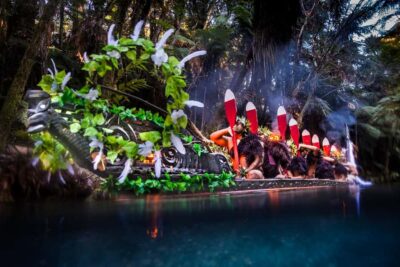
Mitai Maori Village: Cultural Experience and Dinner Buffet
Read our review →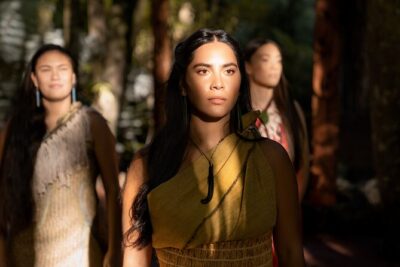
Cultural Experience & Seasonal Māori Cuisine at Te Pā Tū
Read our review →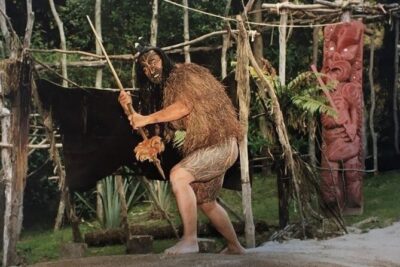
Mitai Maori Village Cultural Experience in Rotorua
Read our review →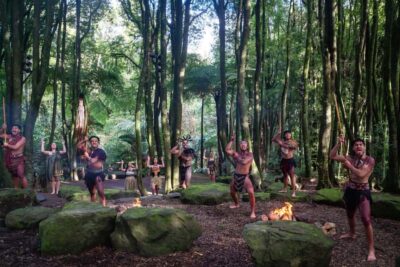
Te Pa Tu Māori Cultural Experience with Dinner
Read our review →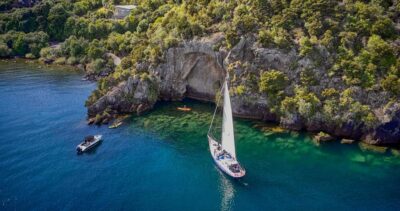
Lake Taupo: Sailboat Trip to the Maori Rock Carvings
Read our review →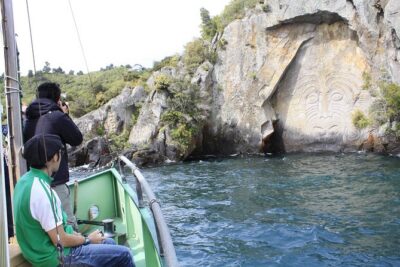
Lake Taupō Māori Rock Carvings Scenic Cruise aboard Ernest Kemp
Read our review →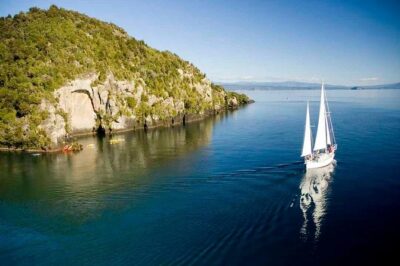
Waitomo Caves & Rotorua – Te Puia Small-Group Tour from Auckland
Read our review →Browse the lists this tour appears in