
Reviewed · WILDLIFE
Small Group Daytime 2-Hour Eco Wildlife Tour at Zealandia
Zealandia gives you a rare chance to see New Zealand wildlife in a protected valley just outside central Wellington. The sanctuary’s predator-proof fence has helped native birds and reptiles return, so your two-hour walk may bring you close to kākā, tūī, bellbirds, tuatara, or even the flightless takahē.
I like the small group of up to 12, which leaves room for questions and quiet stops to listen for birds. I also like that the entrance fee is included, letting you continue exploring the sanctuary after the guided walk. The main caution is that this is a real walk on uneven tracks, and poor weather or limited mobility can affect how much of the reserve you see.
Key points to know before booking
- The tour begins with context: You watch a short film and learn why Zealandia’s conservation work matters before entering the sanctuary.
- Bird calls are part of the experience: Guides such as Ruth, Don, Manuela, Oliver, Gill, Matt, and Roy have helped visitors identify birds by sound as well as sight.
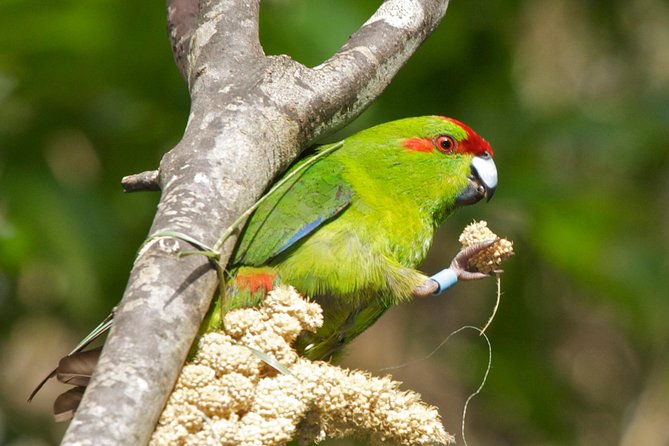
- Rare wildlife is possible, not promised: Kākā, kākāriki, tūī, tīeke, hihi, bellbirds, tuatara, and takahē are all possible sightings.
- The price includes sanctuary admission: At $43.44 per person, you are paying for both entry and a two-hour guided walk.
- Plan your own transport: The meeting point is the Zealandia Visitor Centre at 53 Waiapu Road in Karori, outside Wellington’s central core.
- Dress for Wellington weather: The tour operates in rain, wind, fog, and drizzle, and the forest can feel damp even when the city is dry.
Why Zealandia feels different from a standard city nature walk
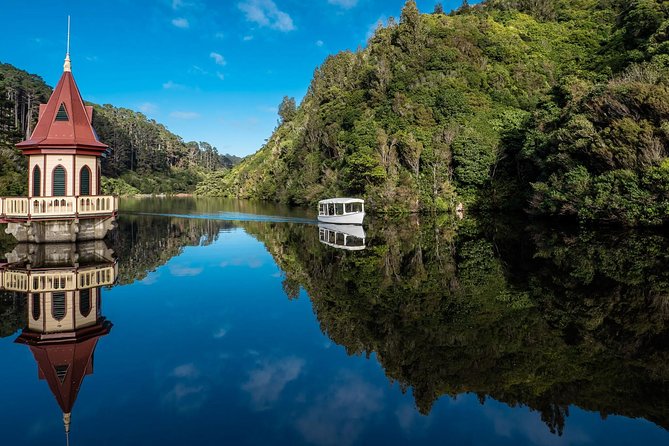
Zealandia is not simply a park with a few bird-feeding stations. It is a fully fenced urban eco-sanctuary built around the long-term restoration of native ecosystems. The project has a 500-year vision, an idea that gives the visit more weight than a quick wildlife stop.
You begin at the Visitor Centre, where your guide introduces the sanctuary and shows a short film on the large screen. This opening matters. Without it, the fence might seem like basic infrastructure. With it, you understand how much work goes into protecting native birds and reptiles from introduced predators and rebuilding a functioning natural area.
The sanctuary also gives you a useful picture of what parts of New Zealand may have looked and sounded like before many native species became rare. You walk through forest and wetland areas rather than viewing animals in cages. Sightings are never guaranteed, but the setting makes even a brief glimpse feel meaningful.
I especially like the way the tour slows you down. One of the most memorable parts can be standing quietly while the guide separates the calls of several birds. If you walk alone, you might hear the same sounds and carry on without knowing what made them.
More wildlife tours in Wellington:
- Clearwater Wildlife Tours (small group 10max) Otago Peninsula
★ 5.0 · 531 reviews - Wildlife Sea Kayaking Tour – Kaikoura
★ 5.0 · 467 reviews - Milford Sound: 2-Hour Wildlife & Nature Cruise
★ 4.6 · 418 reviews
Starting at the Visitor Centre and short film
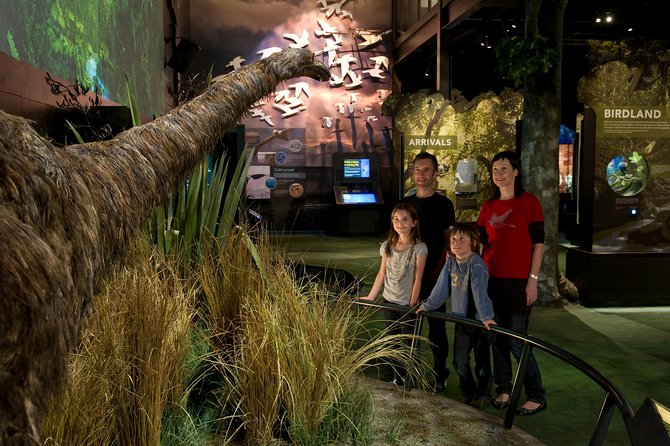
Arrive at least 15 minutes before your selected morning or afternoon departure. You meet your guide at the Visitor Centre ticket desk, then begin with an introduction to Zealandia’s purpose and conservation work.
The short film provides a quick sense of place before you head outside. It explains the sanctuary’s role in restoring native wildlife and helps you understand why the reserve is important to Wellington, not just to birdwatchers.
This start is useful for first-time visitors because it gives you a framework for the walk. You learn to look for more than attractive birds. The guide may point out how plants, insects, reptiles, wetlands, and birdlife depend on one another.
Food and drinks are not included, and lunch is not part of the tour. The Visitor Centre has a café, though its opening stock and drink availability should not be taken for granted. Several visitors enjoyed the café, while one found it had run out of coffee, so keep your expectations practical.
Following the forest and wetland tracks
After the introduction, you head into the sanctuary along a mix of tracks and trails. The exact route can depend on conditions, wildlife activity, and the needs of the group.
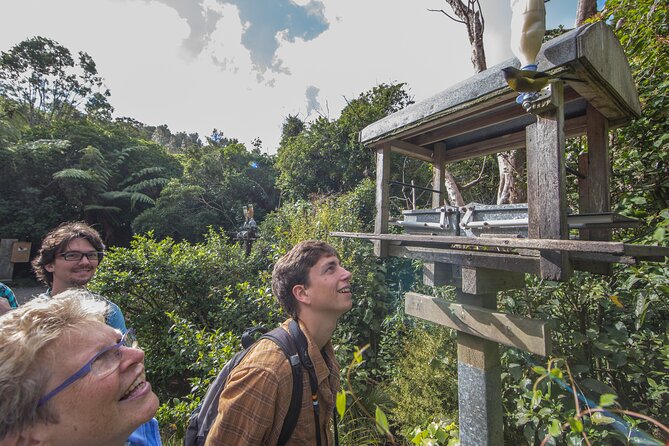
You may stop at viewpoints, feeding stations, and places where birds are easier to hear. The guide’s role is not just to point at an animal. You get stories about the sanctuary, explanations of the conservation work, and help identifying plants and bird calls.
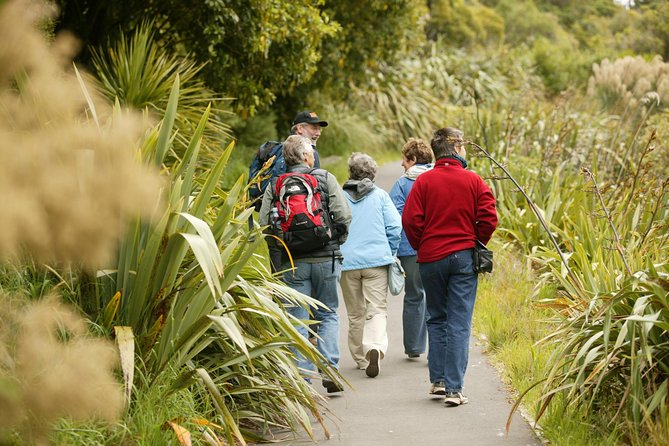
The walk is listed as requiring a moderate level of fitness. It lasts about two hours, so you should be comfortable spending that time on foot. Several people found the tracks manageable, but the reserve is not a flat indoor attraction. Wear shoes suited to walking and bring clothing for changing weather.
The forest is often the star of the visit. In drizzle or fog, it can feel especially atmospheric, though poor weather may make some sightings harder. One strong point of this tour is that rain does not cancel the experience. A guide can still explain the trees, listen for birds, and show you how the sanctuary functions in wet conditions.
The birds you may hear before you see
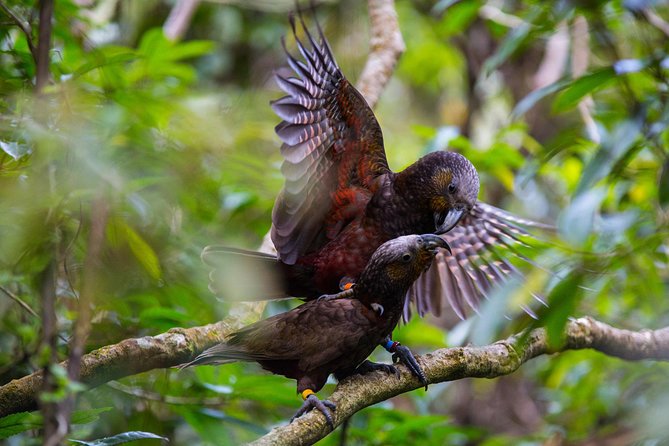
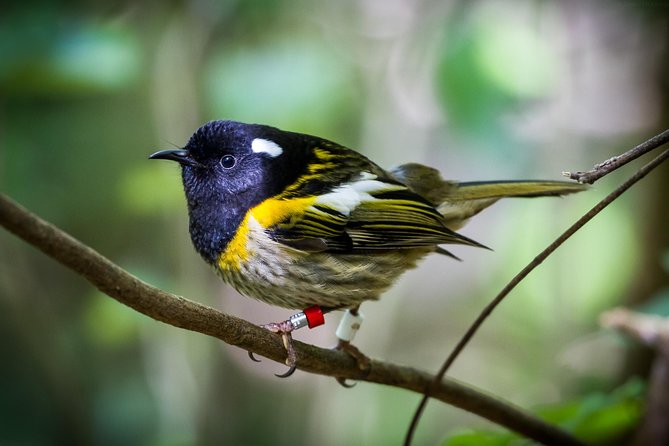
Zealandia is particularly good for learning how native birds sound. Kākā, the bush parrot, may draw attention with its calls and bright presence. Kākāriki, tūī, bellbirds, tīeke, and hihi are also among the species you may encounter.
Tūī and bellbirds can be easier to hear than see, especially in thick vegetation. That is where a guide makes a real difference. The guides mentioned by name in visitor accounts, including Don, Ruth, Manuela, Oliver, Gill, Matt, and Roy, were praised for explaining wildlife clearly and sharing their enthusiasm for the sanctuary.
You should not treat the species list as a checklist. Wildlife sightings depend on the time of day, weather, season, and sheer luck. The value of the guided walk is that you learn what to listen for and where to direct your attention.
Kākā are a particular draw, since you get to see a native parrot in a protected setting rather than only in a picture or museum display. If you are interested in New Zealand birds but do not already know their calls, the tour can turn a pleasant walk into a much more rewarding one.
A few more Wellington trips worth a look
- Wellington: Wētā Workshop Guided Tour Ticket
★ 4.7 · 997 reviews - Wētā Workshop Experiences Tour – Wellington
★ 5.0 · 875 reviews - Wellington: Return Cable Car Ticket
★ 4.6 · 714 reviews - Half Day Tour of Wellington
★ 4.5 · 638 reviews
Rare reptiles and the chance of a takahē sighting
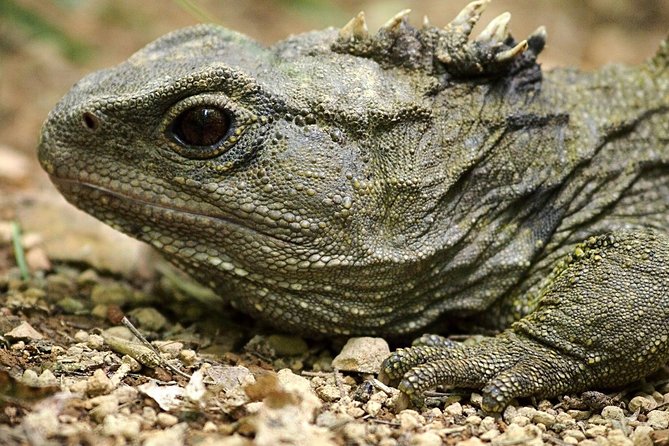
The sanctuary also protects reptiles, including tuatara and green geckos. Tuatara are one of New Zealand’s most distinctive animals, and several visitors were thrilled to see more than one during their visit.
A sighting is never certain. You might find a tuatara near a suitable viewing area, or you might spend the whole tour focused on bird calls and vegetation. The guide can help you understand what makes these reptiles important even if one stays out of view.
The flightless takahē is another possible highlight. This large, rare bird was once thought to be extinct, so seeing one in Zealandia carries real conservation meaning. It is best to regard a takahē sighting as a fortunate bonus rather than a promise built into the ticket.
This balance is important. If your main goal is a guaranteed close look at a particular animal, a wildlife sanctuary with fixed viewing areas may suit you better. If you enjoy the search and want to understand the work behind species recovery, Zealandia is the stronger choice.
Why the small group improves the walk
The maximum group size is 12 people. That is large enough to create a social outing but small enough for the guide to answer questions and manage quiet observation points.
A small group matters most when the guide spots a bird or hears a call. You can pause without holding up a large crowd, and there is a better chance of hearing the explanation. The format also suits people who want to ask about plants, conservation, or New Zealand’s native species without turning the walk into a private tour.
The quality of the experience depends partly on the guide assigned to your departure. The named guides praised in visitor accounts were described as warm, passionate, and well informed. One guide allowed plenty of time for photographs and discussion, while another adapted the pace to the group.
That flexibility can also create a drawback. If someone in the group has significant mobility needs, the route may need to stay on tracks suitable for a mobility scooter. This can limit access to some parts of the reserve and slow the pace. The activity advises a moderate fitness level, so contact the provider before booking if you need specific access arrangements.
What the $43.44 price gives you
At $43.44 per person, the price includes admission to Zealandia and the professional guide. You are not paying for a ride from central Wellington, food, drinks, or lunch.
I consider that fair value if you have only a few hours and want help finding wildlife. The admission alone gives you access to the sanctuary, but a self-guided walk may not teach you which calls belong to which birds or where to pause for reptiles. The guide adds interpretation, local detail, and a better chance of noticing animals you would otherwise miss.
The value is also stronger for visitors who care about conservation. Your admission supports a place working toward long-term ecological restoration, rather than simply providing a short scenic walk.
If you already know New Zealand birds well, you may prefer entering on your own and setting your own pace. The guided option is best for you if you want the sanctuary’s story explained and would like help spotting species.
Getting there from central Wellington
You make your own way to 53 Waiapu Road, Karori, Wellington 6012. The Visitor Centre is outside the central city, so allow time for the journey and aim to arrive 15 minutes before departure.
The meeting point is near public transport, but you should check the timing carefully for your chosen tour. One useful timing detail concerns early departures: the free shuttle buses may not begin until around 9:50 in the morning, which can be tight for a 10:00 tour. Other buses were available, and walking from a nearby stop was another option described by visitors.
Do not assume hotel pickup. It is not included. The activity ends back at the Visitor Centre, which makes it easy to continue around Zealandia independently if you still have time and energy.
Photography is allowed. Bring a camera if you like, but keep your attention on the guide and the sounds around you. The best moments may happen before you have the lens pointed in the right direction.
Who will enjoy the two-hour format
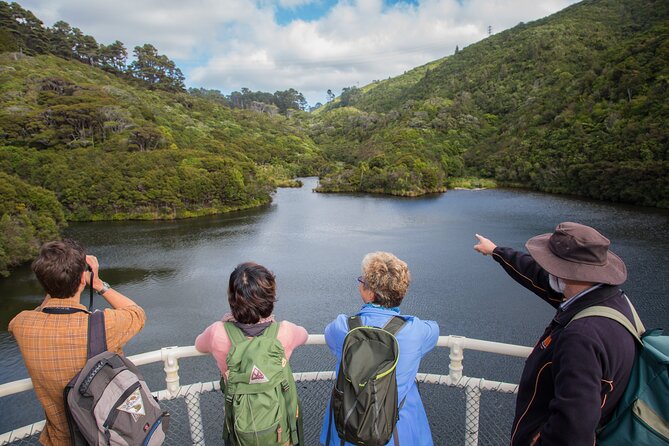
This tour suits you if you have a short stay in Wellington and want a focused introduction to native wildlife. It also works well for families with older children, couples, solo visitors, and anyone curious about birds but unsure how to find them.
Children must be accompanied by an adult. The experience is not designed as a fast sightseeing loop, so young children who dislike walking or quiet waiting may find it less engaging.
Birdwatchers will appreciate the chance to learn calls and search for less common species. Nature lovers who are more interested in ecology than lists of animals will also find plenty to think about.
The tour is less suitable if you need a completely flat route, cannot walk for two hours, or want guaranteed sightings. In those cases, ask Zealandia about access before booking, or consider exploring at your own pace.
Weather, clothing, and practical preparation
The tour runs in all weather conditions. Wellington can shift from sun to wind and drizzle quickly, so dress in layers and bring rain protection. Sturdy walking shoes are the sensible choice.
A quiet approach helps. Keep your voice down when the group stops to listen, and let the guide control the pace near feeding stations and viewpoints. You will get more from the tour if you treat the walk as a search rather than a race.
Build in time for the Visitor Centre at the start and end. You may want a drink or meal afterward, but food and drinks are not included in the tour price.
Should you book the Zealandia guided walk?
Book it if you want a clear introduction to New Zealand’s native birds, reptiles, and conservation work, especially if you have limited time in Wellington. The two-hour length is manageable, the group size is sensible, and the included admission makes the $43.44 price reasonable.
I would choose the guided option over wandering alone if you do not know local bird calls. A guide can turn a sound in the trees into a tūī, bellbird, or kākā, and can explain why the fence and restoration project matter.
Choose a self-guided visit instead if you want complete control over your route, need to move at a very slow pace, or already have strong birding skills. For most first-time visitors, though, the guide adds enough insight to justify the extra structure. Just arrive early, dress for rain, and remember that rare wildlife rewards patience rather than promises.
FAQ
How long does the Zealandia eco wildlife tour last?
The guided walk lasts approximately two hours and ends back at the Zealandia Visitor Centre.
What is included in the $43.44 price?
The price includes admission to Zealandia and a professional tour guide. Food, drinks, lunch, alcoholic beverages, and hotel pickup and drop-off are not included.
Where does the tour meet?
You meet at the Zealandia Visitor Centre ticket desk, 53 Waiapu Road, Karori, Wellington 6012, New Zealand.
What wildlife might I see?
Possible sightings include kākā, kākāriki, tūī, tīeke, hihi, bellbirds, green geckos, tuatara, and the rare flightless takahē. Sightings are not guaranteed.
Do I need to be fit for the walk?
The activity recommends a moderate level of physical fitness. You should be comfortable walking for about two hours on sanctuary tracks. Ask the provider about access needs before booking if you use a mobility scooter or require specific assistance.
What happens if it rains?
The tour operates in all weather conditions, so dress appropriately for rain, wind, or cooler conditions. Photography is allowed, and the tour still includes the sanctuary’s forest, wetlands, viewpoints, and wildlife interpretation.
More 2-Hour Experiences in Wellington
- Milford Sound: 2-Hour Small Boat Scenic Cruise
★ 4.8 · 2,561 reviews - 2-Hour Milford Sound Scenic Cruise
★ 5.0 · 1,520 reviews - Whitianga: 2-Hour Cathedral Cove and Volcanic Coast Cruise
★ 4.8 · 816 reviews - Queenstown: 2-Hour Zipline Tour with 4-Lines
★ 4.7 · 462 reviews
Just added around Wellington
- Te Awa Kairangi Grade 2 Scenic Rafting Tour★ 4.8 · 10 reviews
- Te Awa Kairangi Grade 2 Scenic Duckie Tour★ 4.7 · 9 reviews
- Kapiti Island: Classic Guided Day Tour★ 4.8 · 5 reviews
- From Wellington: Kapiti Island Classic Guided Day Tour★ 5.0 · 4 reviews
- Wellington: Commentated Harbour Explorer tour★ 4.7 · 26 reviews
- Zealandia by Day Tour★ 4.9 · 295 reviews
- Wellington: Wētā Workshop Guided Tour Ticket★ 4.7 · 997 reviews
- Wellington: Original LOTR Half-Day Experience with Weta★ 4.8 · 368 reviews
Wildlife, compared.

Clearwater Wildlife Tours (small group 10max) Otago Peninsula
Read our review →

6 Ziplines, Swing-Bridges & Wildlife Encounters
Read our review →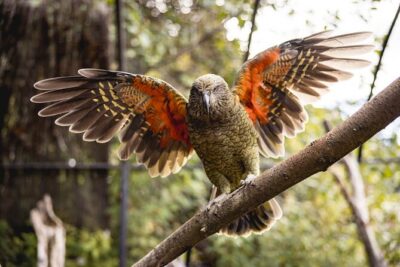
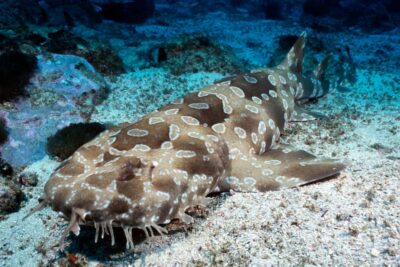
Sea Life Kelly Tarlton’s Aquarium General Admission
Read our review →
Browse the lists this tour appears in