
Reviewed · WELLINGTON TOURS
Zealandia by Day Tour
Zealandia is not just a wildlife park. It is a predator-free sanctuary where native birds and reptiles have room to recover inside a protected valley only about 10 minutes from Wellington’s city center. The most rewarding part is hearing the forest come alive while your guide points out birds and plants you would likely walk past alone.
I like two things right away: the small group size, capped at 12, and the guides’ clear passion for the project. Guides such as Scott, Juli, Kevin, Maria, Kieran, and Merle have been praised for explaining both the wildlife and the work behind the fence. The main drawback is that two hours can feel rushed if the group stops often, and the route includes uneven ground and a moderate amount of walking.
Key points to know before you book
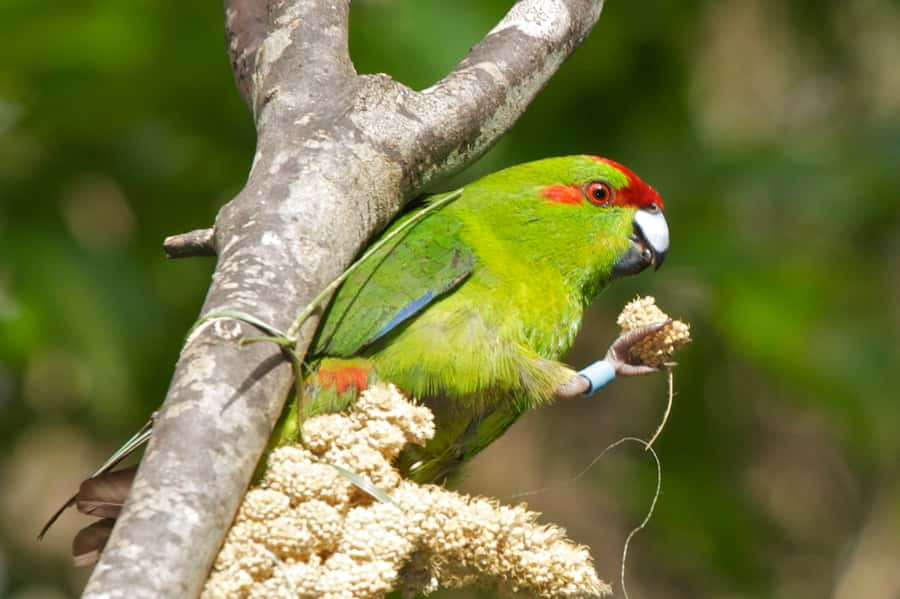
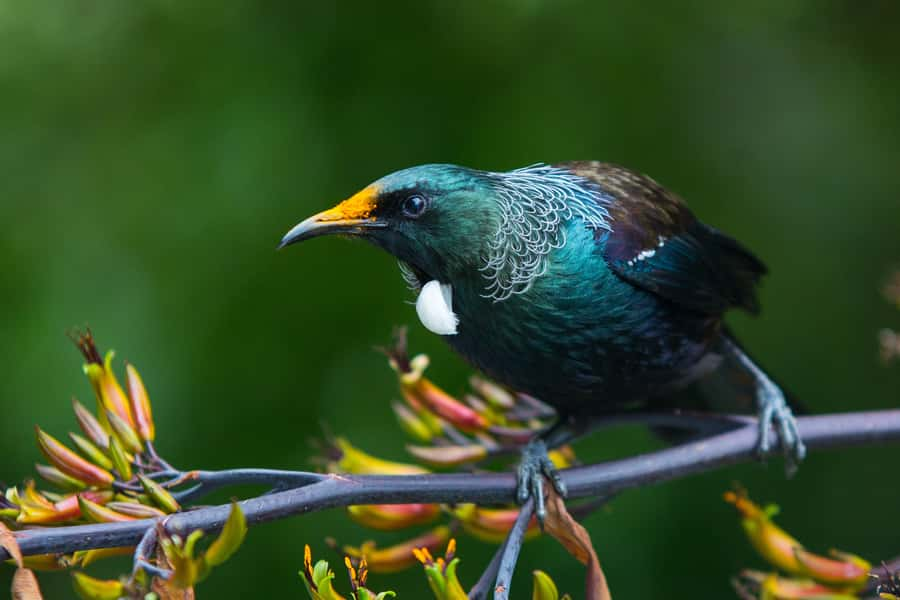
- Rare wildlife in a city setting: Look for takahē, kākā, tūī, bellbirds, kākāriki, tuatara, and other native species.
- A guide adds real value: Your guide helps locate birds, explains their calls, and gives the conservation story context.
- Small groups matter: With no more than 12 people, it is easier to ask questions and hear explanations.
- The visit begins with biosecurity: Your bag is checked before entry to help keep predators and pests outside the sanctuary.
- Plan for Wellington weather: The tour runs in all weather, so bring good shoes and clothing for rain, wind, or sun.
- Easy city access: Reach the visitor center by car, free shuttle, or cable car from Wellington CBD.
Why Zealandia feels different from an ordinary wildlife attraction
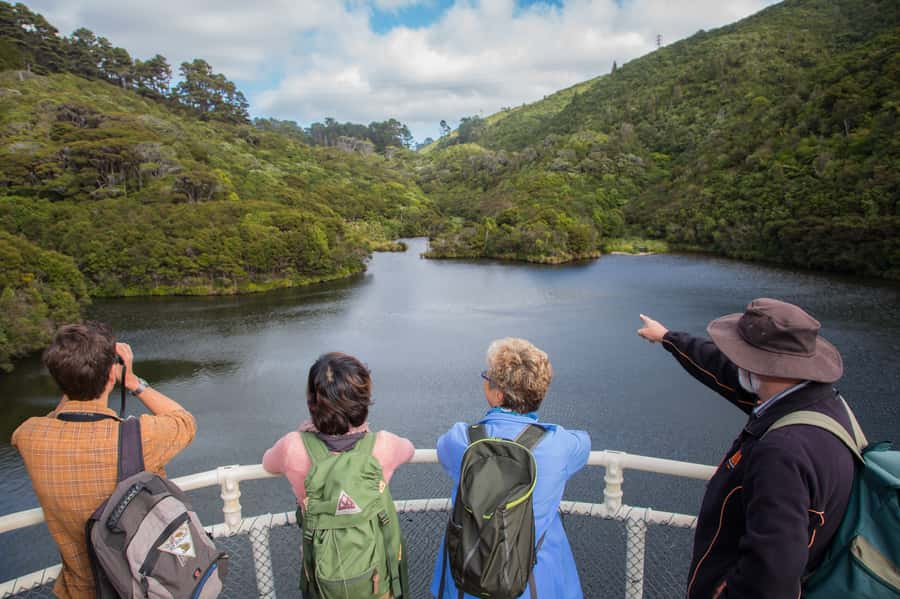
The heart of Zealandia is its purpose. This fully fenced sanctuary is designed to protect native animals from predators and give threatened species a better chance to survive. That makes the walk more than a search for good photographs. You are seeing a working conservation project.
The setting also changes the mood. Instead of viewing animals in separate enclosures, you walk through forest and open parkland while listening for movement in the trees. Some birds may appear at feeding stations, while others are easier to find when a guide recognizes a call or knows where to pause.
The sanctuary’s story is especially useful for first-time visitors to New Zealand. Your guide explains how the country’s native wildlife developed in isolation, why introduced predators caused such serious harm, and how fencing, pest control, habitat work, and species recovery fit together. You do not need a background in ecology to follow it.
I also like that the tour gives you a better understanding of Wellington itself. Zealandia is close to the city, yet the sounds and pace can feel far removed from the CBD. It is a good choice when you want nature without committing to a full-day trip outside Wellington.
A few more Wellington trips worth a look
- Wellington: Wētā Workshop Guided Tour Ticket
★ 4.7 · 997 reviews - Wētā Workshop Experiences Tour – Wellington
★ 5.0 · 875 reviews - Wellington: Return Cable Car Ticket
★ 4.6 · 714 reviews
Starting at the visitor center and exhibition
You meet at the Zealandia Visitor Center at 53 Waiapu Road in Karori. Allow enough time to reach the center comfortably, especially if you are using public transport or the free shuttle. The sanctuary can also be reached by car or by cable car from Wellington CBD.
Check in at the ticket desk, then begin with an introduction in the exhibition area. This opening helps you understand what you are about to see. Rather than walking straight into the trees with a list of bird names, you get the basic story of Zealandia and its goals.
The short biosecurity check follows. Staff inspect bags before you enter the sanctuary, a simple step meant to prevent predators or unwanted pests from coming in with you. It may feel like a small delay, but it is central to how a predator-free sanctuary works. Keep your bag easy to open and expect this part to be taken seriously.
This is also the time to tell the guide about any medical condition they should know about, such as asthma. The tour operates in all weather, and the walking route can include uneven surfaces, so arrive prepared rather than hoping Wellington will provide a perfect forecast.
Walking into the forest and hearing the sanctuary
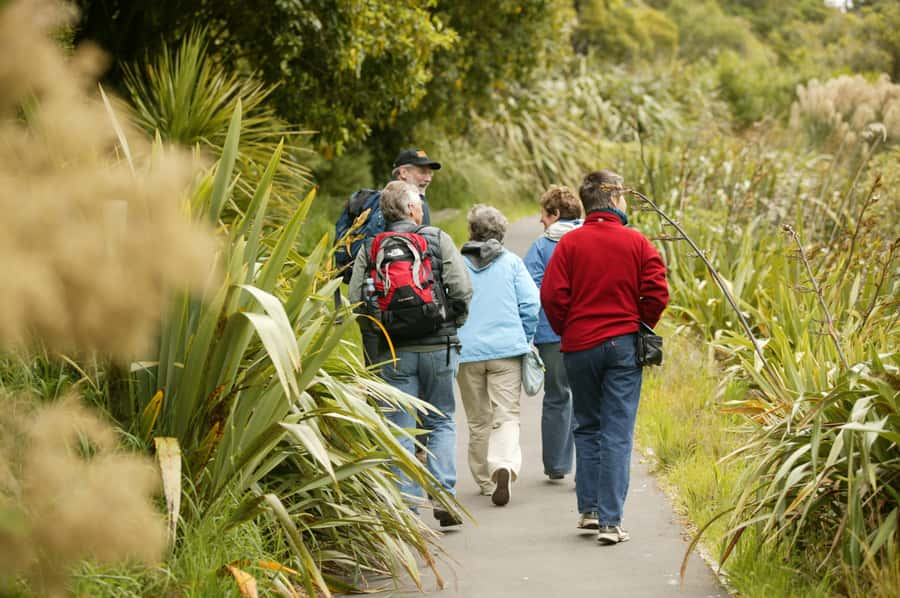
Once inside, the pace becomes a guided walk through Zealandia’s native plants, forest, and open areas. Your guide explains the sights and sounds around you, often stopping to identify trees, shrubs, bird calls, and signs of wildlife.
This is where the guided format earns its price. On your own, you can follow the paths, but you may miss a bird high in the canopy or fail to notice the significance of a plant. A guide can also explain how native plants relate to Māori uses and the wider conservation effort, details that are easy to overlook on a self-guided visit.
Several people who enjoyed the tour especially valued the guides’ enthusiasm. Maria, who has been connected with the project since its early days, was praised for bringing the sanctuary’s story to life. Merle was noted for taking time with individual members of the group, while Kieran has been especially good at answering questions and encouraging younger visitors.
The pace may vary with the group. Some guides extend the tour beyond the stated two hours when the group wants more information, but you should not count on extra time. If someone stops for every sighting, the group may not cover as much of the sanctuary as expected. Stay close when the guide calls the group together so you do not miss the next stop.
Bird sightings at the feeding stations
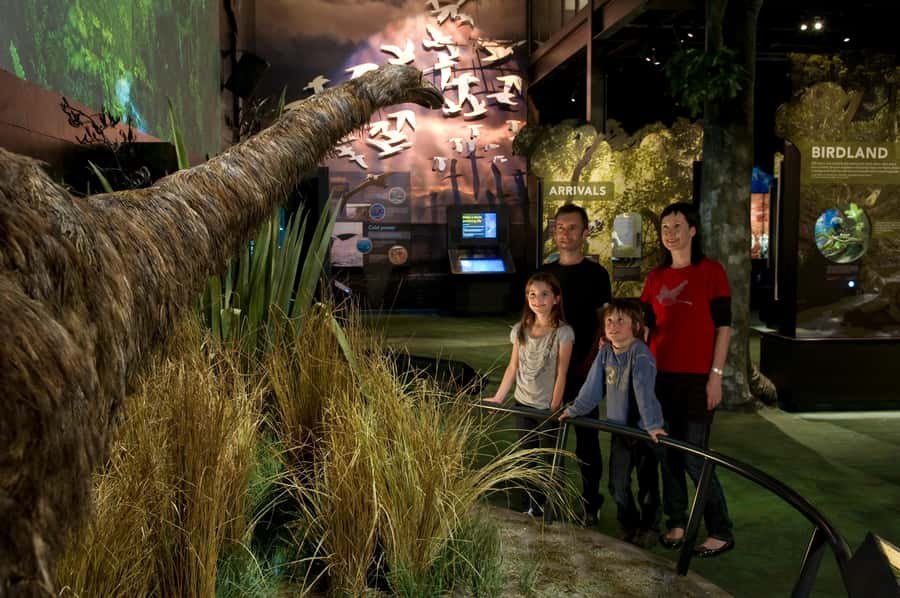
The feeding stations are among the most dependable points of interest. They give you a better chance of seeing birds that might otherwise stay hidden, and they let your guide discuss behavior as well as identification.
Kākā are a major draw. These intelligent native parrots can be lively and curious, and the guides often use them to explain how native bird populations are recovering. You may also see kākāriki, tūī, and bellbirds around the feeding areas and along the paths.
Takahē are another important sight. Once considered close to extinction, these large flightless birds are a powerful example of why protected habitat matters. Seeing one is not guaranteed, but Zealandia gives you a meaningful chance to encounter a species that many people know only from conservation stories.
The tour is not a promise of a fixed wildlife list. Wildlife has its own schedule, and weather, season, and animal behavior affect what appears. You might see several species in quick succession, or spend more time listening than photographing. That uncertainty is part of a real sanctuary, but it is worth knowing if you want guaranteed close-up viewing.
Bring patience. When a rare bird appears, the group may gather quickly. Keep your voice low if you want to hear birdsong or record it on your phone. One visitor found that people talking over a pair of tīeke made it difficult to capture the birds rather than the human conversation. The practical lesson is simple: when the guide finds something special, give the sighting a quiet minute.
Same corner of the country, a very different day out:
- Half Day Tour of Wellington
★ 4.5 · 638 reviews - Wellington: Guided City Tour with Cable Car Ticket
★ 4.8 · 553 reviews - Wellington’s Original LOTR Experience – includes Weta and Lunch
★ 5.0 · 529 reviews - Kapiti Island Classic Guided Day Tour
★ 5.0 · 522 reviews
Searching for tuatara among the native habitat
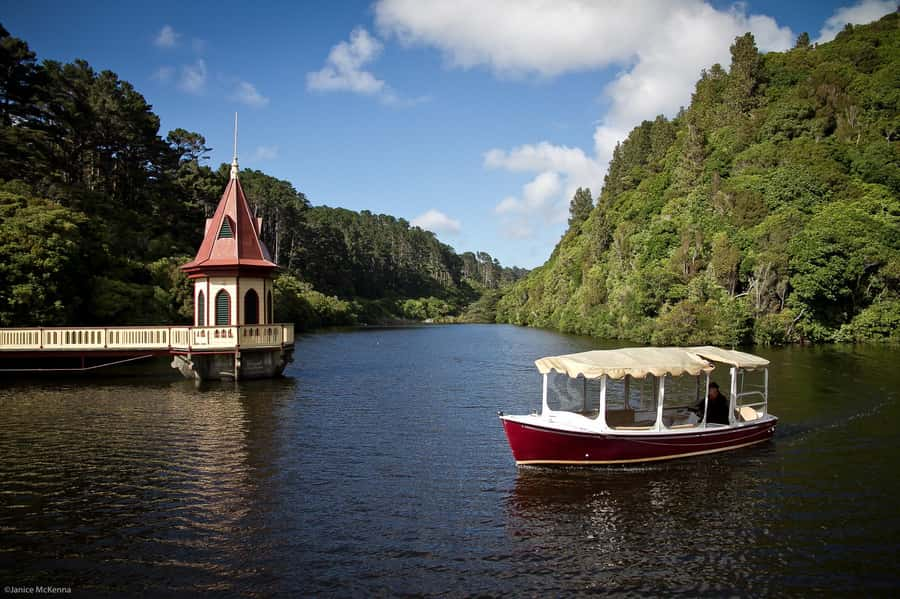
Tuatara are often a highlight, and the chance to see one adds something different from the birdwatching. These reptiles are not lizards, though they can look superficially similar, and they represent an ancient branch of New Zealand wildlife.
Your guide may point them out in places where you would not notice them yourself. Several tours have included sightings of one or more tuatara, but you should treat them as a fortunate encounter rather than a guarantee. Look carefully and listen to the guide instead of scanning only at eye level.
The tuatara sightings also connect neatly with the sanctuary’s wider message. Zealandia protects not only attractive or noisy birds but also less obvious animals that need safe habitat. That broader view makes the visit more rewarding than a simple checklist of species.
What the guide adds to the two-hour route
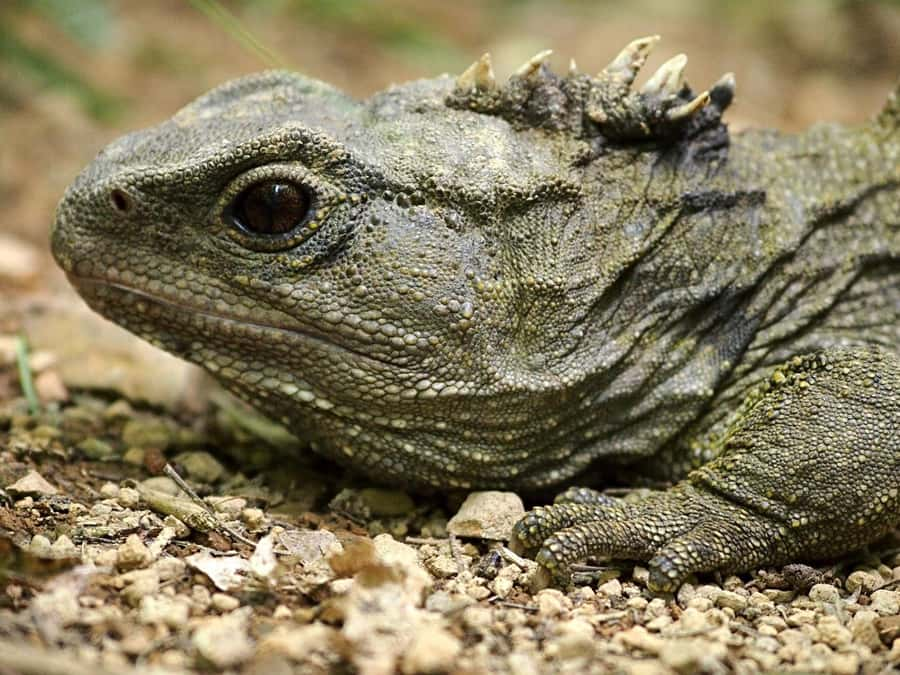
The strongest reason to choose this tour over a self-guided visit is the human interpretation. Your guide does more than name a bird. They explain why it matters, what threats it faces, how the sanctuary protects it, and what you should watch or listen for next.
The best guides balance facts with the group’s interests. Scott has been praised for answering a wide range of questions. Paul has been noted for explaining the rewilding vision and identifying native plants. Kevin has a lively style, while Tom and other guides have been described as friendly, enthusiastic, and willing to explain the predator-free fencing in detail.
A small group makes this easier. Twelve people is still enough for a proper shared outing, but it is far more personal than a large bus tour. You can ask about a bird you just saw, request clarification, or tell the guide if you are having trouble keeping up.
The tradeoff is that the amount of information can feel brisk. One visitor found the tour slightly fast-paced, with some people missing sightings because they had not caught up. If you want to hear every explanation, stay near the guide and avoid lingering too long at earlier stops.
Weather, walking, and comfort
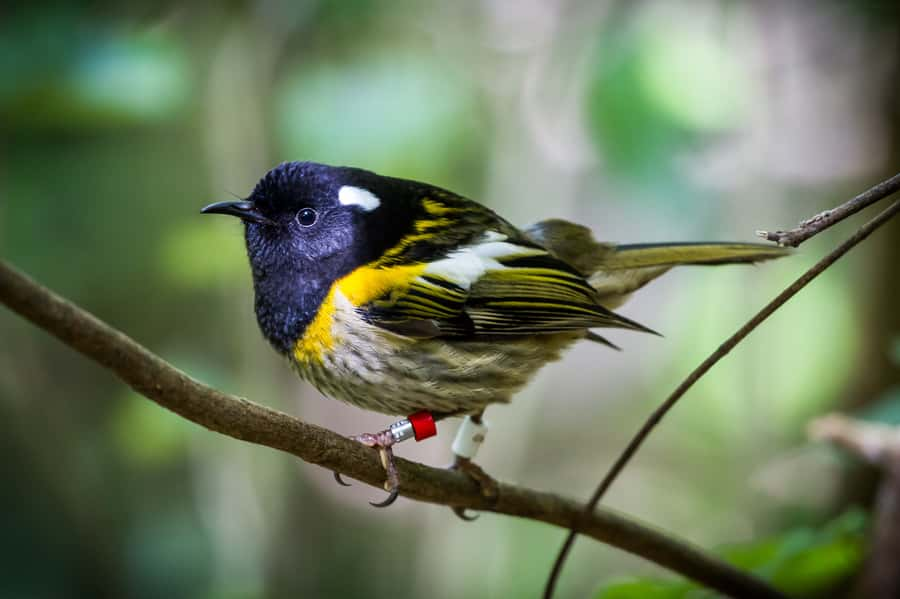
This is an outdoor tour in Wellington, and it operates in all weather. A sunny day can make birdwatching pleasant, but poor weather does not necessarily spoil the walk. The sanctuary’s valley can feel more sheltered once you are inside, even when conditions at the visitor center are unpleasant.
Wear comfortable walking shoes with a good grip. The route involves a moderate amount of walking and uneven surfaces, so it is not suitable for people with mobility impairments or those using a wheelchair. Children must be accompanied by an adult, and unaccompanied minors are not permitted.
The tour is not a hard wilderness hike based on the information provided, but it is not a flat museum visit either. If you have asthma or another medical concern, tell the guide before setting out. Dress in layers and bring weather protection rather than relying on a forecast that may change.
Families can enjoy the outing, especially when children are interested in animals. Several guides have been praised for adjusting their explanations for younger members of the group. Still, the walking and the need to stay with the group mean that very young children may need extra attention.
Getting there and planning the rest of your visit
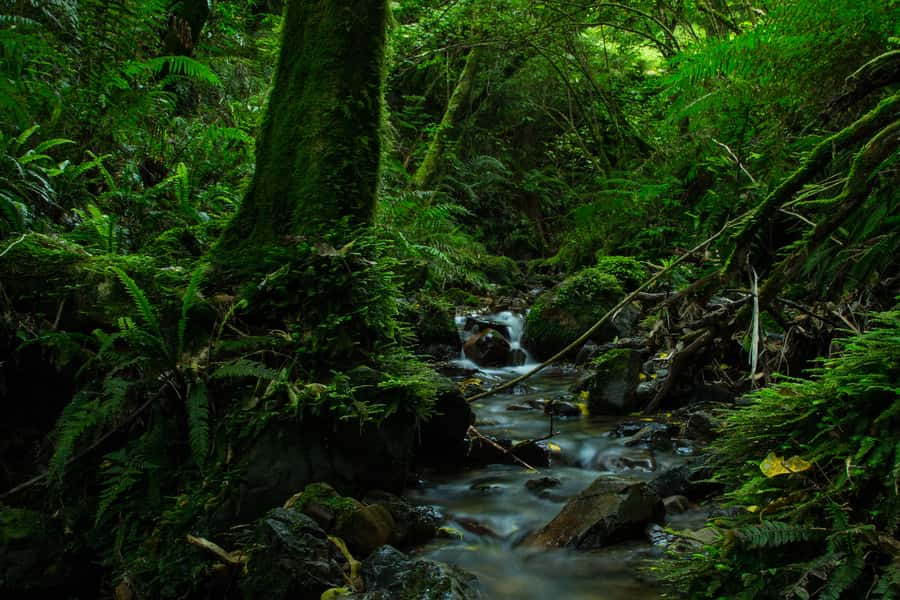
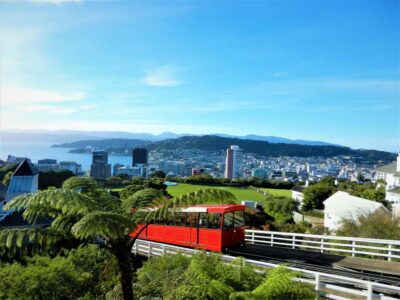
Zealandia is close enough to fit into a Wellington sightseeing day. The free shuttle is useful if you do not want to arrange a car, and the sanctuary can also be reached by cable car from the CBD. Check the available starting times when you book, since the activity lasts two hours and you will want to allow time for transport before and after.
The meeting point is the visitor center, not a downtown hotel. Hotel pickup and drop-off are not included, so make your own way to Karori. If you are arriving by car, plan around the time needed to park and check in.
After the walk, you can return to the visitor center and stop at Rātā Cafe for coffee or a meal. This is a useful way to finish the visit, especially if the weather has been wet or you want time to look again at the exhibition. Food and drinks are not included in the tour price.
The tour is offered in English and Chinese. That language choice can make a major difference when the guide is explaining bird calls, Māori names, or the details of the sanctuary’s conservation work.
Is $41 good value for two hours?
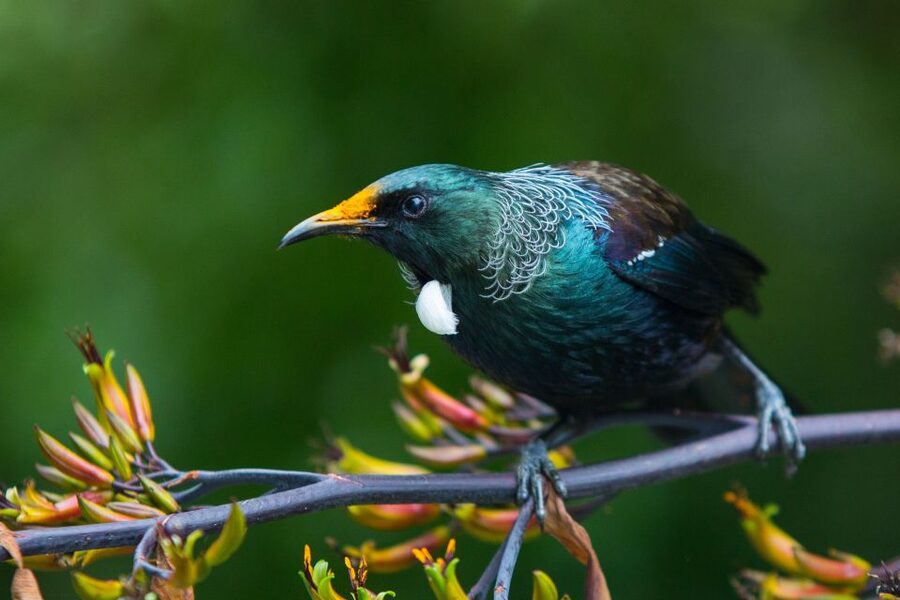
At $41 per person, the tour costs more than simply entering a place and walking around without a guide. The value comes from the included entry ticket, the two-hour small-group walk, and the guide’s ability to help you find wildlife and understand the project.
I would pay the extra amount if this is your first visit or if you have limited time in Wellington. You are not only buying access to the sanctuary. You are buying a better chance of seeing birds, a clearer explanation of the predator-free system, and the opportunity to ask questions as the walk unfolds.
Independent visitors may prefer to explore at their own pace, especially if they want to stop for long periods to take photographs. If you are already familiar with Zealandia, a self-guided visit may be enough. For a first visit, though, the guide helps prevent the sanctuary from becoming a pleasant but confusing walk through trees.
Free cancellation up to 24 hours before the activity and reserve-now, pay-later booking make it easier to fit into a changeable Wellington schedule. Check the exact departure time and current availability before committing.
Who should book the Zealandia day tour?
Book this tour if you like native wildlife, conservation, birdwatching, or guided nature walks. It suits first-time visitors to Wellington particularly well because it combines easy city access with a strong introduction to New Zealand’s ecological story.
It is also a good pick for families with older children, couples, solo visitors, and anyone who wants help spotting wildlife. The small group and two-hour length keep the outing manageable, while the guides add enough detail to make it feel substantial.
Think twice if uneven paths are a problem, if you dislike outdoor activities in uncertain weather, or if you need a fully accessible route. Also consider a self-guided visit if you prefer complete control over your pace.
For most visitors who can manage the walking, I would book it. The rare birds and tuatara are exciting, but the bigger reward is understanding why Zealandia exists and how much work is needed to bring native wildlife back.
FAQ
How long does the Zealandia day tour last?
The guided walking tour lasts two hours. Starting times vary, so check availability when booking.
Where does the tour meet?
You meet at the Zealandia Visitor Center, 53 Waiapu Road, Karori, Wellington, New Zealand.
How far is Zealandia from Wellington CBD?
Zealandia is about 10 minutes from Wellington CBD. You can reach it by car, free shuttle, or cable car from the city center.
What wildlife might I see?
Possible sightings include takahē, kākā, kākāriki, tūī, bellbirds, tuatara, and other native wildlife. Sightings are not guaranteed because the animals move freely through the sanctuary.
Is entry to Zealandia included?
Yes. The entry ticket and the two-hour guided walking tour are included.
What languages are available?
The live tour guide is available in English or Chinese.
Is the tour suitable for people with mobility impairments?
No. A moderate amount of walking and uneven surfaces are involved, and the activity is not recommended for people with walking disabilities or those using a wheelchair.
What should I bring?
Bring comfortable shoes and clothing suited to the weather. The tour operates in all weather conditions.
Just added around Wellington
- Te Awa Kairangi Grade 2 Scenic Rafting Tour★ 4.8 · 10 reviews
- Te Awa Kairangi Grade 2 Scenic Duckie Tour★ 4.7 · 9 reviews
- Kapiti Island: Classic Guided Day Tour★ 4.8 · 5 reviews
- From Wellington: Kapiti Island Classic Guided Day Tour★ 5.0 · 4 reviews
- Wellington: Commentated Harbour Explorer tour★ 4.7 · 26 reviews
- Wellington: Wētā Workshop Guided Tour Ticket★ 4.7 · 997 reviews
- Wellington: Original LOTR Half-Day Experience with Weta★ 4.8 · 368 reviews
- Wellington: Return Cable Car Ticket★ 4.6 · 714 reviews
Wellington Tours, compared.

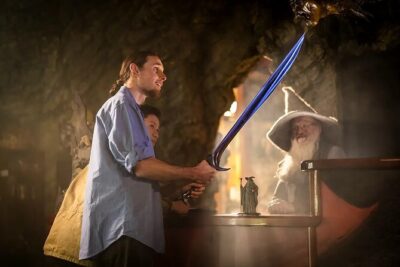


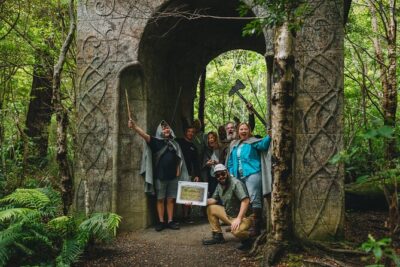
Wellington’s Original LOTR Experience – includes Weta and Lunch
Read our review →

Browse the lists this tour appears in