
Reviewed · GEOTHERMAL TOURS
Ex Auckland: TE PUIA Geothermal, Redwood & Blue Springs
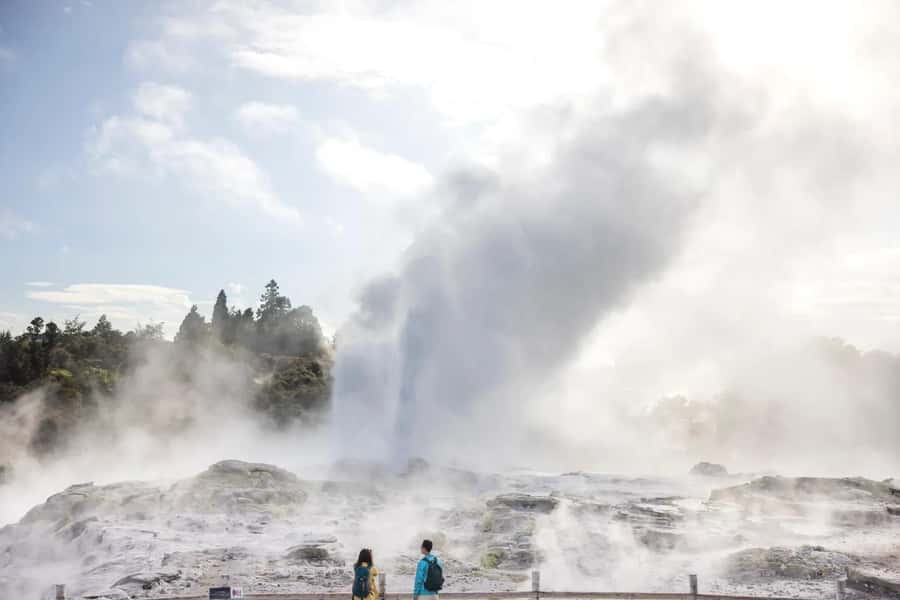
Pōhutu Geyser is the star here. It sends boiling water skyward in Rotorua’s Te Whakarewarewa Thermal Valley, where steaming ground, mud pools, Māori art, and kiwi conservation share one compact site. I like the way this tour joins several New Zealand essentials in one day: a geothermal park and Māori cultural performance, plus a look at native kiwi birds.
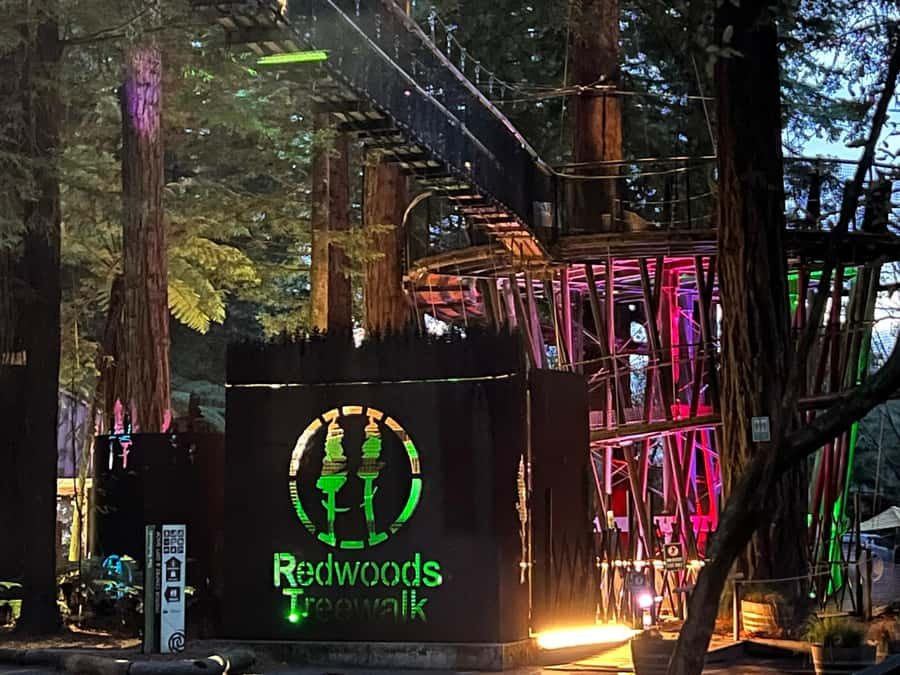
I also like the short stop in Tirau, with its corrugated iron dog and sheep buildings, and the chance to reach Te Puia without arranging a rental car. The drawback is the long day: pickup begins before 6 AM, and the trip can feel tightly packed. Also, the title names Redwood and Blue Springs, but the detailed schedule does not describe visits to either place. Confirm the final route before paying.
Key points at a glance
- Pōhutu Geyser: See the Southern Hemisphere’s largest active geyser in Te Whakarewarewa Thermal Valley.
- Kiwi Conservation Centre: Look for New Zealand’s famous flightless bird in a protected setting.
- Māori performance: Watch pōhiri, waiata, mōteatea, poi, and haka inside the carved Te Aronui a Rua meeting house.
- Tirau photo stop: Take a 15-minute break among the town’s famous corrugated iron sculptures.
- Auckland to Rotorua connection: Hotel pickup and return transport make this useful if you do not have a car.
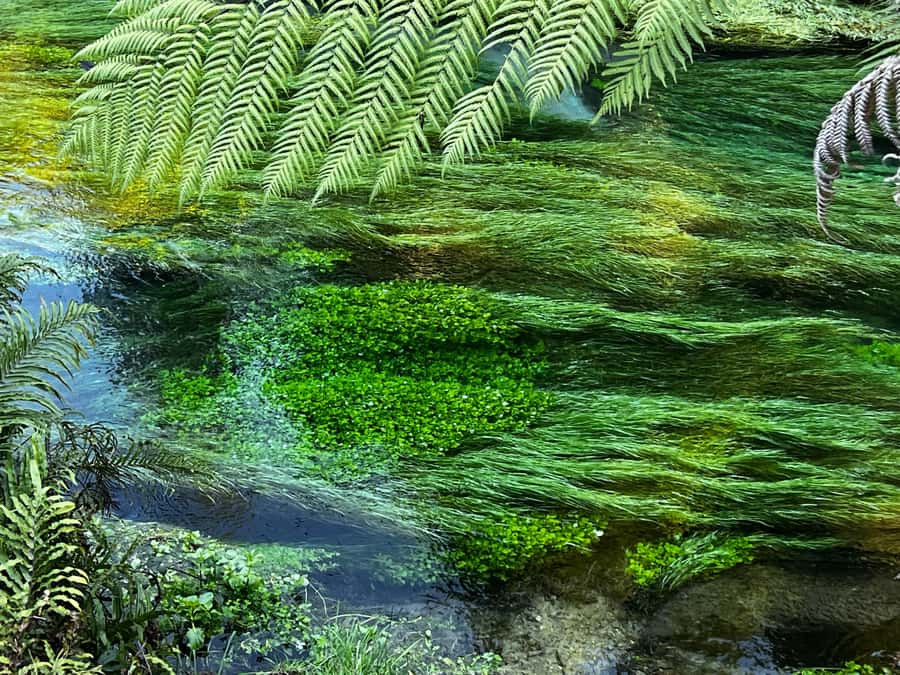
- Important route check: Redwood and Blue Springs appear in the product name, but they are not listed as detailed stops in the supplied schedule.
Te Puia gives you Rotorua in concentrated form
Rotorua can easily fill several days, but this tour reduces its main themes to one visit. At Te Puia, you get hot water and steam, Māori art and performance, a kiwi conservation center, and a guided walk through the thermal valley.
That combination matters. You are not simply looking at a geyser from a viewing platform, then moving on. The visit connects the geothermal setting with the people, craft traditions, and stories of the area. Guides share stories passed down through generations, while carvers and weavers work at the New Zealand Māori Arts and Crafts Institute.
The detailed Te Puia visit lasts 90 minutes, and all experiences are now guided. Arrive 15 minutes before the scheduled start so you do not lose part of the visit. This is not a place where you should wander in late and hope to catch up.
The timing also means you should think of Te Puia as a focused introduction, not a full-day exploration. You will see the major features, but the schedule leaves limited room for lingering over every sculpture, taking long photographs, or enjoying a slow lunch.
More Geothermal Tours in Rotorua
- Rotorua: Wai-O-Tapu Geothermal Park Entry Ticket
★ 4.6 · 2,601 reviews - Rotorua: Hell’s Gate Outdoor Mud Spa & Guided Walk
★ 4.7 · 1,140 reviews - Hell’s Gate Mud Bath & Spas
★ 4.5 · 475 reviews
The early Auckland departure sets the tone
Pickup is scheduled between 5:45 and 6 AM from Auckland CBD hotels. Auckland Airport hotel pickup follows at about 6:15 to 6:30 AM. You should be waiting at the entrance at least 10 minutes early, with the correct hotel address and phone details already supplied.
Look for a vehicle marked ENZOY TOURS or use the vehicle number provided before departure. A local SIM card, international roaming, and WhatsApp are recommended for contact during the day. Those small preparations matter when you are standing outside an Auckland hotel before sunrise.
The reward is a full day beyond the city without the work of driving. Auckland to Rotorua is a substantial road journey, and the return can be tiring. If you want a relaxed morning, this is not the right outing. If you have only one day available for Rotorua, the early start buys you access to a lot of New Zealand in one sweep.
The transport is by bus, with hotel pickup and drop-off included. The supplied information does not give a fixed group size, so do not assume this is a small private tour. Guide flexibility has been a positive feature at times. Ambrose has adjusted plans and added a few surprises, while Denish has been praised for listening to requests, including those from a family with two young children. Guide assignments can change, so treat those names as examples rather than a promise.
Tirau adds a useful 15-minute pause

After roughly two hours on the road, the first stop is Tirau in the Waikato region. You get about 15 minutes to stretch, use the restroom, and buy coffee or a light snack at a local café.
Tirau’s corrugated iron buildings shaped like a dog and sheep make this more than a generic roadside stop. They give you a quick glimpse of the town’s playful character and offer an easy photo opportunity. The break is short, so have your camera ready and do not wander far from the bus.
I appreciate stops like this on a long day. Fifteen minutes will not turn Tirau into a destination, but it breaks up the road journey and gives you a chance to reset before the next hour of driving to Rotorua.
Pōhutu Geyser is the main natural attraction
Te Whakarewarewa Thermal Valley is the dramatic center of the outing. Steam rises from the ground, mud boils in pools, and the smell of geothermal activity reminds you that Rotorua is not an ordinary town park.
Pōhutu Geyser is the headline feature. It is described as the largest active geyser in the Southern Hemisphere, and its eruptions provide the big visual moment of the visit. You may find the geyser more impressive in person than photographs suggest because the surrounding steam, pools, and carved Māori works create a much broader setting.
The guided format helps you understand what you are seeing. Instead of treating the hot pools as random curiosities, the tour places them within Te Puia’s wider cultural setting. You can listen to stories, look at sculptures, and follow the route without spending time figuring out where to go next.
Wear comfortable shoes. The tour includes walking outdoors, and conditions can change. Bring water, sunscreen, a hat, a camera, and clothing suited to the weather. You should also be ready for geothermal odors and damp conditions around the thermal features.
More Maori Culture Tours in Rotorua
- Mitai Maori Village: Cultural Experience and Dinner Buffet
★ 4.7 · 3,575 reviews - Cultural Experience & Seasonal Māori Cuisine at Te Pā Tū
★ 5.0 · 1,546 reviews - Mitai Maori Village Cultural Experience in Rotorua
★ 4.5 · 1,294 reviews - Rotorua: Te Pa Tu Māori Cultural Experience with Dinner
★ 4.8 · 1,193 reviews
Māori craft gives the visit more depth
The New Zealand Māori Arts and Crafts Institute is one of the strongest reasons to choose Te Puia over a quick geothermal viewpoint. Skilled carvers and weavers demonstrate traditional Māori techniques, and the work gives you something human to focus on after the raw power of the geyser.
The setting also includes Māori artwork and sculptures throughout the grounds. These are not background decoration. They help connect the thermal valley with Māori identity and creative practice.
Te Puia opens the doors of its wānanga, or school, to show the work of Māori artists. That makes this part of the visit useful for anyone who wants more than a nature stop. You can see how cultural knowledge is taught and carried forward, rather than only watching a staged performance.
Your guide’s explanation will shape how much you take from this section. Stay close, listen for the stories behind the designs, and allow yourself a few quiet moments to look at the details. The schedule is efficient, so you may not have unlimited time at each display.
The performance brings the culture into the room
The Māori cultural performance takes place in the carved Te Aronui a Rua meeting house. It includes a pōhiri, or welcome, waiata, or song, mōteatea, or chant, poi, and haka.
This is a compact cultural presentation, but it covers several forms rather than relying only on the haka. The meeting house adds a strong sense of place, and the carved interior makes the performance feel connected to the wider Te Puia visit.
You should approach this respectfully. The performance is not simply a theatrical add-on after the geothermal walk. It presents Māori language, song, movement, welcome, and community traditions in a defined cultural setting.
For many people, this will be the most memorable part of the day. For others, the geyser will be the clear favorite. The value comes from seeing both together. The thermal valley explains the place, while the performance gives you a way to encounter its living culture.
The Kiwi Conservation Centre fills an important gap
The kiwi is difficult to see in the wild, partly because it is nocturnal and protected. At Te Puia’s Kiwi Conservation Centre, you have a practical chance to see New Zealand’s famous bird during a short visit.
This is a conservation stop, not a guarantee that the birds will pose in perfect light. Keep your expectations sensible. The center gives you access to a native species that you might otherwise miss entirely, and it adds wildlife to a day otherwise focused on geology and culture.
The kiwi section is particularly useful for families. The geothermal valley can be intense and abstract for younger children, while a real kiwi gives them a clear focal point. Denish’s flexibility with a family traveling with two children is a good reminder that the guide may help adjust the pace, though this depends on the day’s group and schedule.
Lunch is on your own at Te Puia
Lunch is not included. You are asked to eat at the Te Puia café or restaurant, at your own expense.
This arrangement is convenient because you do not need to search for food during the visit, but you should budget for it separately. The schedule does not provide a long independent lunch stop elsewhere, so arriving with a snack or buying something at the venue may be sensible.
Coffee is also excluded. The Tirau stop gives you an early chance to buy a drink, while Te Puia provides the main food option later. If you have dietary needs, the supplied information does not give menu details, so contact the provider before departure rather than relying on guesswork.
Rotorua comes in a broad, busy afternoon segment
After Te Puia, the tour includes about an hour of driving highlights around Rotorua. The bus may pick up people from other attractions and drop off people checking in at Rotorua hotels.
This part is less focused than the Te Puia visit. You are not promised a dedicated Rotorua sightseeing circuit with long stops at named landmarks. Instead, you get a moving look at the city while the operator manages transfers.
That can be useful if you want a first impression of Rotorua or need transport onward. It can also feel like waiting if the bus is collecting or dropping off other passengers. The 2 out of 5 rating in the available feedback specifically mentions a long wait, so patience is part of the bargain.
On the return, the route includes a stop by the Waikato River. It offers a calm place to stretch and take in the water and surrounding scenery before the final drive to Auckland. After a full day of walking and sitting, this pause is welcome even if it is brief.
Is $234 good value for a 12-hour day?
At $234 per person, this is not a cheap bus outing. The price needs to be judged against what you would otherwise pay for transport, entry, guiding, and cultural activities.
The package includes hotel pickup and drop-off, round-trip bus transport, entry to Te Puia, the guided geothermal visit, the Māori performance, and the Kiwi Conservation Centre. If you do not have a car, those pieces make the price easier to justify. You avoid rental costs, fuel, parking, and the responsibility of driving a long route after a pre-dawn start.
The value is weaker if you already have a car and want to choose your own pace. A self-drive day could give you longer at Te Puia, more freedom for lunch, and the option to add other Rotorua sites. You would then need to arrange admission and performance times yourself.
The biggest value question is the route. Since the title includes Redwood and Blue Springs but the detailed plan lists Tirau, Te Puia, Rotorua driving, and the Waikato River, ask ENZOY Tours exactly what is included on your chosen date. Do not pay on the assumption that both Redwood Forest and Blue Springs are guaranteed stops unless the operator confirms it.
Who should book this day trip?
I would choose this tour if you are staying in Auckland, have only one day for Rotorua, and want a guided introduction rather than a self-drive project. It suits first-time visitors who want geothermal activity, Māori culture, a kiwi, and transport in one package.
Families may also find it practical because the guide can sometimes respond to requests, as Denish did for a group with two young children. Still, the early departure and long return make the day demanding for small children.
I would be more cautious if you have back problems, need frequent breaks, or dislike long bus journeys. The activity information also gives conflicting accessibility guidance: it says the tour is wheelchair accessible, but separately lists wheelchair users as not suitable. Ask ENZOY Tours for a current, vehicle-specific answer before booking.
Should you book it?
Book this if Te Puia is your priority and you want its geyser, kiwi center, Māori arts, and performance handled in one organized day. The combination is strong, and the inclusion of hotel transport removes much of the practical hassle.
Skip it, or compare it with a self-drive option, if you want a slow Rotorua visit or a clearly defined Redwood and Blue Springs itinerary. Before committing, confirm the route, group size, lunch arrangements, accessibility, and the day’s pickup details. With those points settled, this is a useful high-energy introduction to Rotorua from Auckland.
FAQ
How long is the tour?
The full experience lasts about 12 hours. Pickup begins around 5:45 to 6 AM from Auckland CBD hotels, or around 6:15 to 6:30 AM from Auckland Airport hotels, with return to Auckland CBD around 6 PM.
What is included in the price?
The price includes hotel pickup and drop-off, round-trip bus transportation, entry to Te Puia Rotorua Geothermal Park, the guided geothermal tour, the Māori cultural performance, and the Kiwi Conservation Centre.
Is lunch included?
No. Lunch and coffee are not included. You are asked to eat at the Te Puia café or restaurant at your own expense.
How long are the Te Puia experiences?
All Te Puia experiences are guided and last 90 minutes. You should arrive 15 minutes before the scheduled time.
Where does pickup take place?
Pickup is available from Auckland CBD hotels between 5:45 and 6 AM, and from Auckland Airport hotels between 6:15 and 6:30 AM. Wait at the hotel entrance at least 10 minutes early and look for the ENZOY TOURS sign or the supplied vehicle number.
Are Redwood Forest and Blue Springs included?
The activity title names Redwood and Blue Springs, but the detailed schedule provided describes Tirau, Te Puia, Rotorua driving, and a Waikato River stop. Confirm directly with ENZOY Tours whether Redwood and Blue Springs are included on your date.
Just added around Rotorua
- TRIPLE DEAL Wai-O-Tapu, Redwood Forest & Blue Springs Ex Auckland★ 5.0 · 20 reviews
- Volcanic Rotorua Day Trip from Auckland★ 5.0 · 4 reviews
- Private Tour to Rotorua’s Natural wonders and Māori Arts & craft.★ 5.0 · 4 reviews
- Private Transfer From Auckland Airport To Rotorua★ 5.0 · 5 reviews
- Rotorua Highlights Tour inc. Te Puia Tour, Lunch & Cultural Show★ 4.5 · 53 reviews
- Private Tour – Rotorua Adventures Day Trip From Auckland★ 5.0 · 19 reviews
- Private Tour WaiOtapu & Huka Falls & Blue springs from Auckland★ 5.0 · 3 reviews
- Rotorua Full Day Private Tour from Auckland★ 5.0 · 3 reviews
Geothermal Tours, compared.
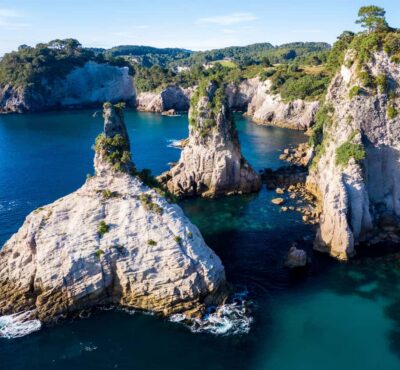
2-Hour Cathedral Cove and Volcanic Coast Cruise
Read our review →
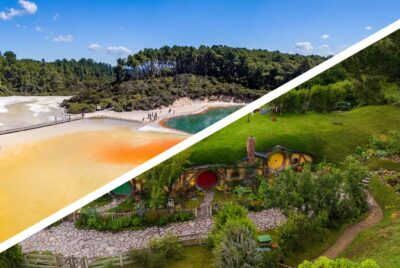
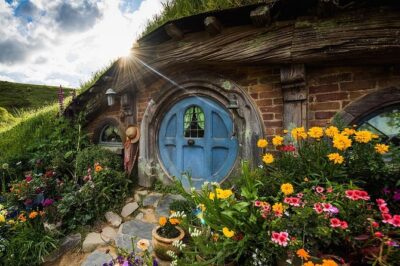
Hobbiton & Rotorua including Wai-O-Tapu – Small Group Tour from Auckland
Read our review →

2 Hour Cathedral Cove and Volcanic Coast Cruise with Shade Canopy
Read our review →Browse the lists this tour appears in