
Reviewed · WILDLIFE
Dunedin: Monarch – One Hour Wildlife Cruise
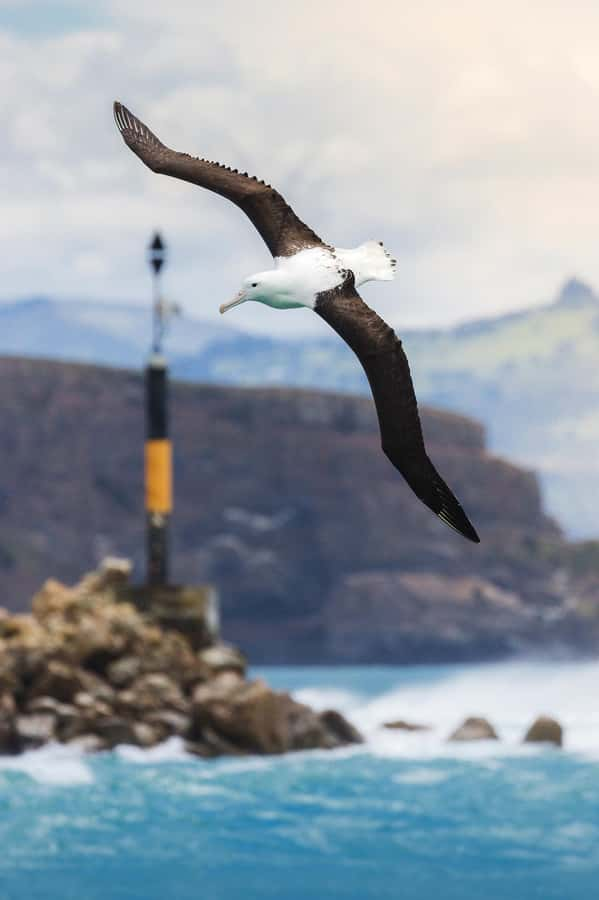
The star here is the royal albatross colony at Taiaroa Head, the only mainland colony of its kind in the world. From a sturdy boat below the cliffs, you can watch these huge birds glide in from the Pacific, catch the updrafts, and circle toward their nests. It is a fine way to see the Otago Peninsula from the water without giving up half a day.
I like the clear commentary, which ties wildlife to the peninsula’s geology and military past. I also like the chance to see several species in a short outing, from fur seals and sea lions to ocean birds and, sometimes, dolphins. The catch is the drive: Wellers Rock Wharf is 45 to 60 minutes from central Dunedin, and the cool southerly wind can make the boat feel brisk.
Key points at a glance
- Royal albatross in flight: Watch birds with wingspans of about three metres use the cliffs’ rising air.
- A busy wildlife route: The cruise passes sea lions, fur seals, cormorants, petrels, and other seabirds.
- Taiaroa Head from below: See the historic lighthouse and volcanic cliffs from a useful water-level angle.
- Commentary with context: The crew covers animals, geology, and military remains along the harbour entrance.
- A compact one-hour trip: You get a focused wildlife outing, but must drive yourself to the wharf.
- Good value at $41: The price is reasonable if you want wildlife viewing without paying for a longer excursion.
Why the royal albatross is the main event
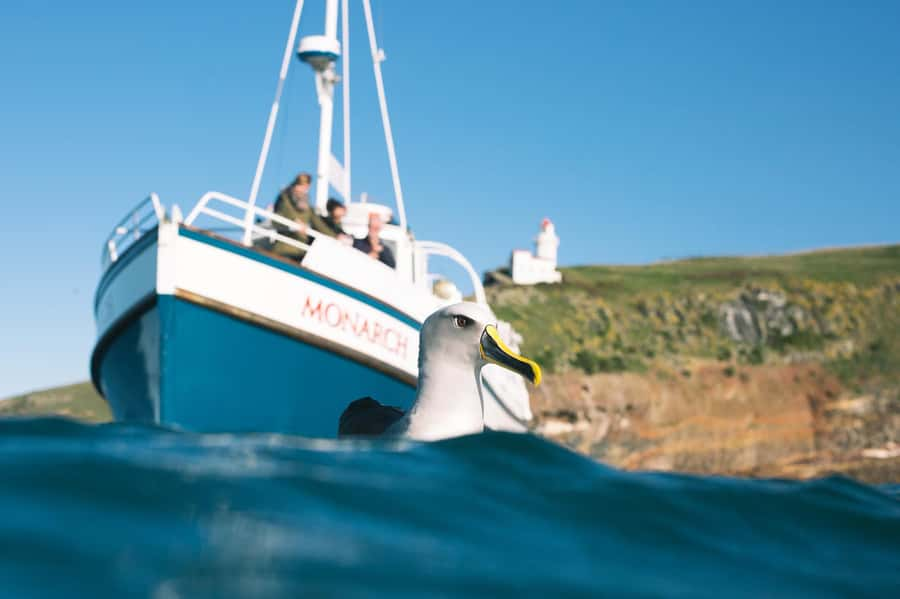
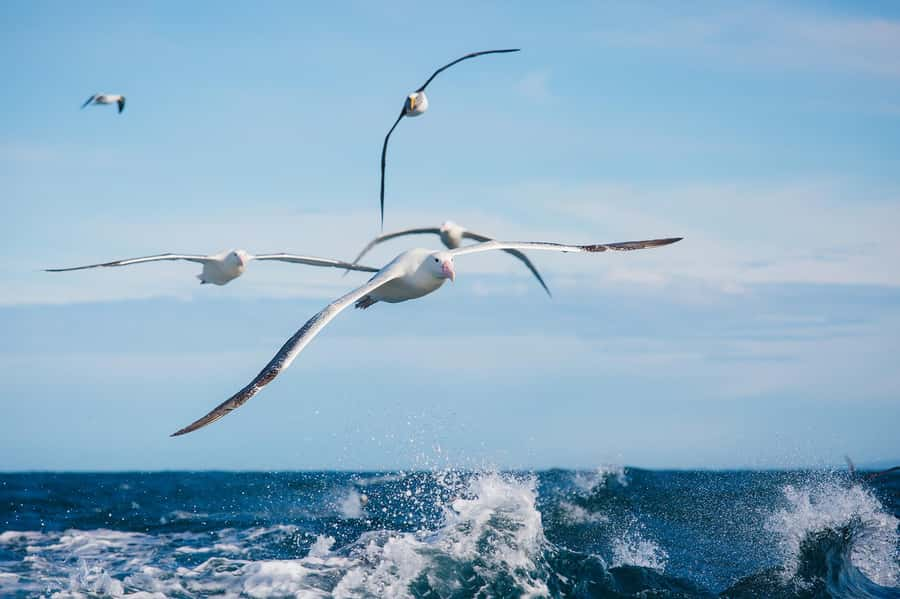
The Otago Peninsula is famous for its wildlife, but the royal albatross gives this cruise its special edge. The birds can reach wingspans of roughly three metres, yet they do not flap constantly like smaller seabirds. They ride air currents over the cliffs, gliding with a calm, almost effortless motion.
From the boat, you may see an albatross arrive low over the ocean before rising on the air flowing up the hillside. That view helps explain why Taiaroa Head matters. The colony is not simply a collection of birds on a cliff. It is a rare mainland breeding site where ocean-going birds return to land and nest within sight of Dunedin.
The boat offers a different angle from a land-based lookout. You see the cliff face, lighthouse, and birds in the same sweep, with the Pacific behind them. I would bring a camera, but I would also keep watching with your own eyes. Birds move quickly, and the boat will not pause for every perfect frame.
More Boat Tours in Dunedin
- Albatross, seals, and sea birds-Wildlife Cruise
★ 5.0 · 189 reviews - Cruise Dunedin City and Castle Tour
★ 5.0 · 142 reviews - Dunedin Wildlife Cruise-Albatross, seals and harbour
★ 5.0 · 115 reviews
Leaving Wellers Rock Wharf for the harbour entrance
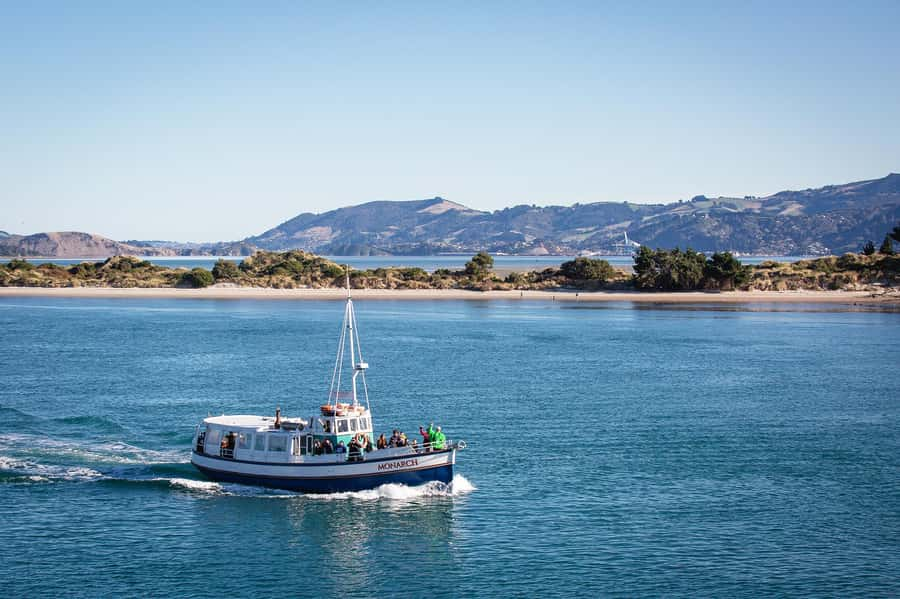
You drive yourself to Wellers Rock Wharf, so build the journey into your day. From central Dunedin, allow 45 to 60 minutes along the Otago Peninsula. That drive is part of the appeal, with coastal views and a gradual shift from the city to open water and rugged shore.
The cruise lasts one hour, which makes it easy to fit around other plans. The short length is useful if you want a wildlife experience but do not want a full-day commitment. It also means the route is focused rather than padded with long stretches at sea.
The boat is described as sturdy, cosy, clean, and tidy, with room to settle in and watch the coast. Still, this is a working wildlife cruise, not a glassy indoor sightseeing ride. A cool southerly wind is common, and the air can feel much colder on the water than it did in Dunedin.
Wear warm layers and take a hat. Sunscreen matters even on a cool day, and a waterproof camera or waterproof cover is sensible near spray. Seasickness is a real concern for people prone to it, especially when the boat moves beyond the harbour channel.
Aramoana Beach and its sunbathing sea lions
One of the first useful wildlife stops is Aramoana Beach, where tidal sandflats offer a resting place for sea lions. You may see them sprawled out in the sun, a pleasant contrast to the sleek movement of animals in the water.
The sandflats also show how much of wildlife watching depends on timing and conditions. Sea lions do not perform on command. They may be still, active, or partly hidden, and the crew will help you know where to look.
This section of the route also gives you a sense of the harbour entrance. The water, sand, and open coast meet here, and the boat lets you observe the area without walking over muddy or uneven ground. If you use a wheelchair, though, this cruise is not suitable according to the activity information.
Military remains above the harbour channel
Wildlife is the focus, but the commentary also points out traces of local military history. On the rocky hill across the harbour channel, you can see lookout posts and gun emplacements connected by tunnels.
These structures add useful context to the setting. The harbour entrance was not valued only by birds and fishermen. Its position also made it important to people watching and defending the coast. From the water, the remains appear built into the rock rather than placed on top of it.
You will not be touring the tunnels or climbing to the gun positions on this one-hour trip. Instead, you get a view from below while the crew explains what you are seeing. That is enough to add another layer to the cruise without pulling the outing away from wildlife.
More Wildlife Tours in Dunedin
- Dunedin: Wildlife and Penguin Tour
★ 4.6 · 239 reviews - Dunedin City to Sea Wildlife Cruise + Peninsula Bus Tour
★ 5.0 · 38 reviews - Private Guided Tour of Dunedin City Heritage and Unique Wildlife and Scenery
★ 5.0 · 36 reviews - Wildlife and Penguin Tour
★ 5.0 · 27 reviews
Taiaroa Head lighthouse and volcanic cliffs
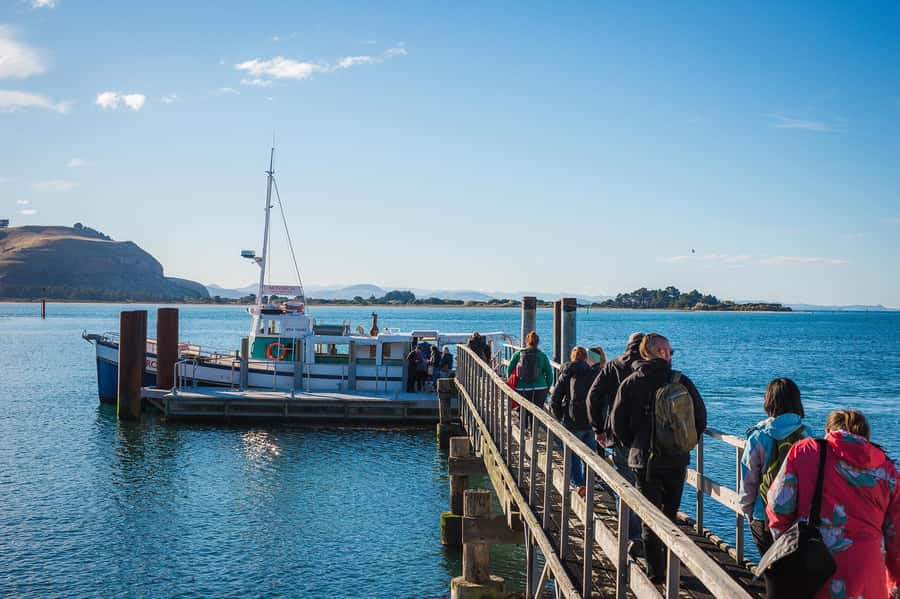
The approach to Taiaroa Head brings together several of the cruise’s strongest views. The historic lighthouse sits high above the cliffs and dates from 1864. It was the first lighthouse built on New Zealand’s South Island.
Seen from the water, the lighthouse helps you judge the scale of the cliffs and the exposed position of the headland. The volcanic rock reaches out toward the ocean, creating ledges and updrafts that matter to the albatross colony.
The boat gets close to rocky outcrops extending into the Pacific. This is where the trip shifts from harbour scenery to a more open coastal setting. The water can feel rougher here, which is worth remembering if you are sensitive to motion.
Fur seals at the rocky breeding area
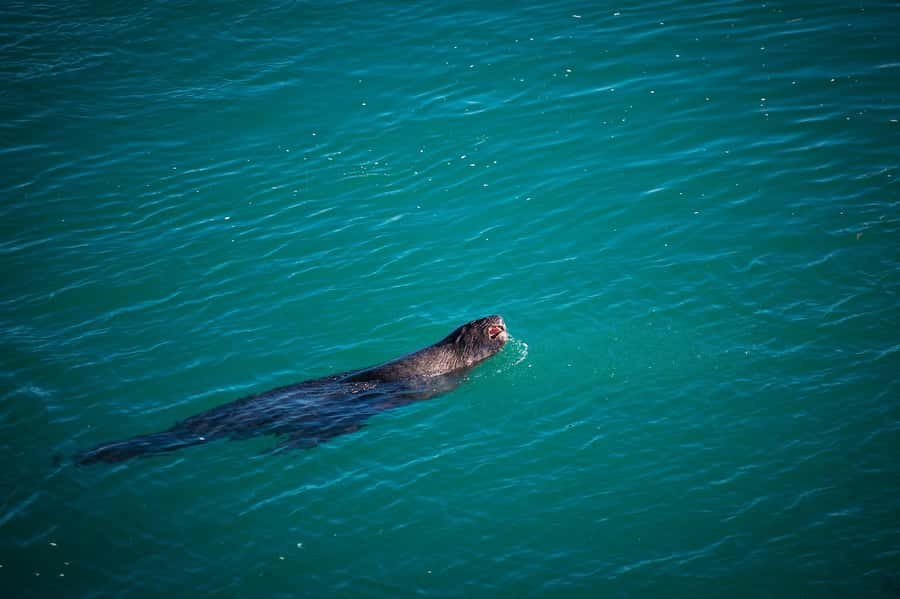
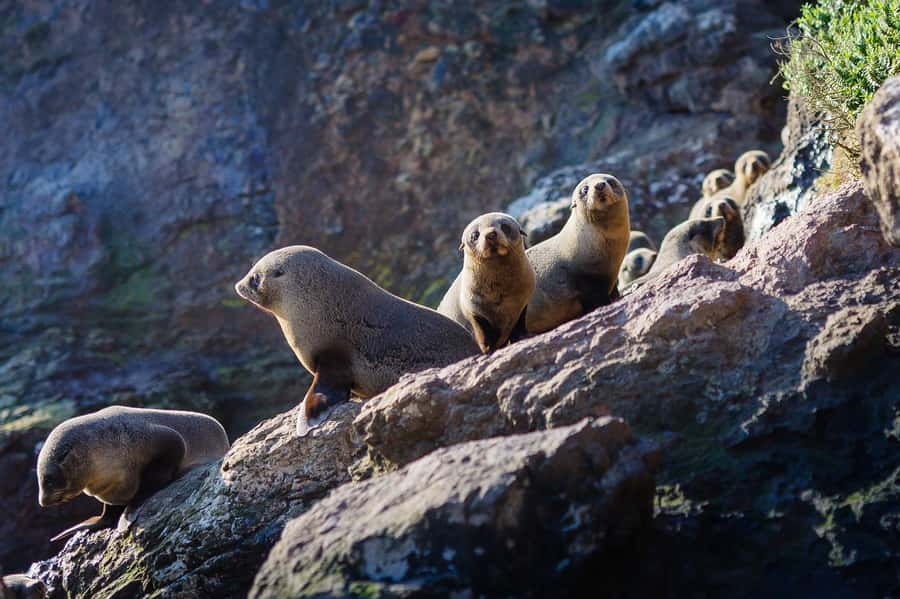
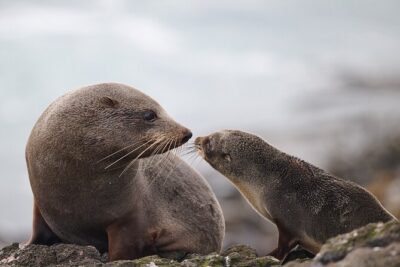
The fur seal colony is another strong reason to book. The animals gather on rocky outcrops near the water, where you may see them sleeping, fighting, playing, or swimming around the breeding area.
This is more than a quick look at a single animal. You get a chance to watch different behaviour within the colony. Some seals may lie motionless on the rocks, while others move through the water or jostle with neighbours.
The best viewing distance depends on sea conditions and the animals themselves. The crew’s role is important here. They explain where the colony is and help you spot movement against dark rocks and moving water.
Do not expect every seal to be active. A sleepy seal is still part of the experience, and quiet viewing is better for both you and the animals. Feeding animals is not allowed, and neither is climbing onto rocks.
Smaller seabirds and possible marine mammals
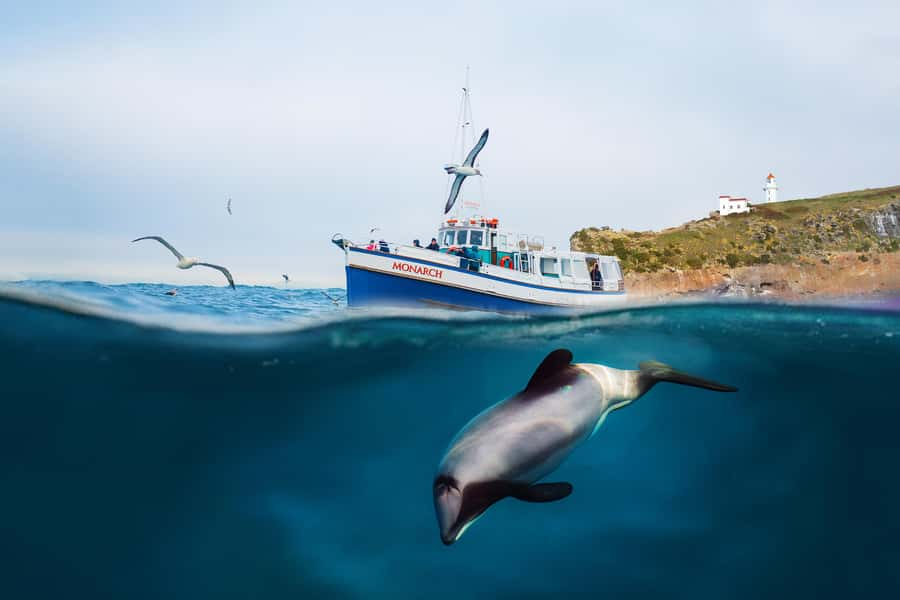
Once the boat reaches the Pacific, the bird list grows. You might spot smaller albatross species, cormorants, and petrels. These birds are less imposing than the royal albatross, but they show how many kinds of seabirds use the waters around the peninsula.
The cruise may also produce sightings of blue penguins, dusky dolphins, and Hector’s dolphins. These are possible rather than guaranteed, so I would treat them as a bonus instead of the main reason to book.
That distinction matters. If your only goal is to see dolphins, this one-hour cruise cannot promise it. If you want a chance at several species, with royal albatross, fur seals, and sea lions as the main targets, the route makes good sense.
Keep your camera ready, but do not spend the whole hour looking through a screen. Ocean birds and dolphins may appear briefly, and the crew’s commentary can help you turn in the right direction.
The crew’s commentary adds real value
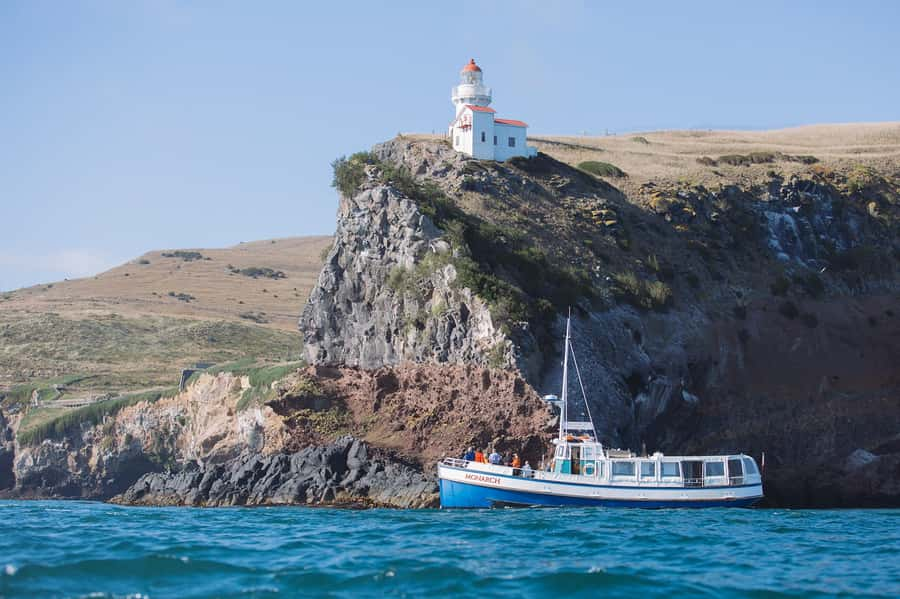
The live commentary is in English and covers three subjects: wildlife, local history, and geology. That mix makes the hour more useful than a simple boat ride around the harbour.
Wildlife information helps you identify what you see. Geology explains the cliffs, outcrops, and headland. The military remains provide a human story tied to the harbour entrance. Each subject gives you another way to read the coast.
The crew has received strong praise for explaining the animals clearly and for knowing the route well. The boat itself has also been described as cosy, clean, and tidy. Those details matter on a short cruise because there is no spare time to compensate for poor organisation or a distracting setup.
No guide names are provided for this departure, so the quality of the experience rests with the crew working that day. What you can count on is a live English-speaking guide rather than a recorded narration.
Is one hour enough for the Otago Peninsula?
One hour is enough for a focused look at the harbour entrance and nearby Pacific coast. You can see several key points, including Aramoana Beach, Taiaroa Head, the lighthouse, the albatross colony, and fur seal rocks.
It is not enough for a full exploration of the Otago Peninsula. You will not have time to linger at each location or combine the cruise with a long land visit. The trip works best as one part of a driving day, especially if you are already planning to see more of the peninsula by car.
The short duration is also useful for families and for people who want a manageable outing. But strollers are not allowed, and the cruise is not suitable for people using wheelchairs. People prone to seasickness should think carefully before booking.
What the $41 price buys you
At $41 per person, the cruise offers fair value for a one-hour wildlife outing. The fee covers the boat trip and full commentary, with the chance to see a rare mainland albatross colony, seals, sea lions, and ocean birds.
The value depends on how you use the trip. If you are already driving around the Otago Peninsula, the cruise adds a water-level view that you cannot get from the road. If you must make a special trip from Dunedin only for this hour, the 45 to 60 minute drive each way makes the total time commitment much larger.
Food, drinks, transport, and hotel pickup are not included. Plan to eat before or after the cruise and arrive with your own vehicle. The reserve-now-and-pay-later option can help if your weather plans are still shifting, and you can cancel up to 24 hours ahead for a full refund.
Who will enjoy this cruise most?
I would choose this for anyone who wants a short, well-focused wildlife trip with a strong chance of seeing royal albatross and fur seals. It suits photographers, bird lovers, families with older children, and visitors who prefer a one-hour boat outing to a longer sea tour.
It is also a good choice if you enjoy context along with scenery. The crew does not only point at animals. You also hear about the cliffs, lighthouse, harbour, and military remains.
I would be more cautious if you get seasick, dislike cold wind, or need wheelchair access. The open coastal section can feel brisk, and the activity information specifically says it is not suitable for wheelchair users.
What to bring and what to leave behind
Bring warm clothing, a hat, sunscreen, and a camera. A waterproof camera is especially useful, or use a waterproof cover for your phone and regular camera.
Leave alcohol, drugs, drones, fishing gear, bicycles, and strollers behind. Smoking and vaping are not allowed, and you cannot feed animals or climb on the rocks.
The restrictions are sensible for a wildlife cruise. They protect the animals, reduce hazards on a moving boat, and keep the short trip focused on viewing the coast.
Should you book Monarch’s one-hour cruise?
Book it if you want a compact wildlife outing with a strong albatross focus and you are happy to drive to Wellers Rock Wharf. The combination of royal albatross, fur seals, sea lions, coastal birds, and clear commentary gives the hour plenty to do.
Skip it if you need hotel transport, wheelchair access, or a guaranteed dolphin sighting. Also think twice if cold wind and boat movement are likely to spoil the experience.
For $41, this is a sensible add-on to an Otago Peninsula day. The royal albatross colony gives it a rare hook, while the seals, lighthouse, cliffs, and military remains keep the hour varied. Pack warm clothes, allow extra driving time, and treat dolphins and penguins as welcome surprises rather than promises.
FAQ
Where does the wildlife cruise depart?
The cruise departs from Wellers Rock Wharf on the Otago Peninsula.
How far is Wellers Rock Wharf from central Dunedin?
You should allow 45 to 60 minutes to drive from central Dunedin to the wharf.
How long does the cruise last?
The wildlife cruise lasts one hour.
What wildlife might I see?
You may see royal albatross, New Zealand fur seals, sea lions, cormorants, petrels, smaller albatross species, blue penguins, dusky dolphins, and Hector’s dolphins.
Is dolphin viewing guaranteed?
No. Dusky dolphins and Hector’s dolphins are sometimes seen, but sightings are not guaranteed.
Is the tour guided in English?
Yes. The cruise includes a live English-speaking guide and commentary about wildlife, history, and geology.
Is transport from Dunedin included?
No. You must arrange your own transport to Wellers Rock Wharf. Hotel pickup and drop-off are not included.
What should I bring?
Bring warm clothing, a hat, sunscreen, a camera, and a waterproof camera or camera protection.
Can I cancel the booking?
Yes. You can cancel up to 24 hours in advance for a full refund. You can also reserve now and pay later.
More 1-Hour Experiences in Dunedin
- One Hour Cathedral Cove Boat Tour in Hahei
★ 5.0 · 340 reviews - Queenstown: 1-Hour Zipline Tour with 2-Lines & 21-Meter Drop
★ 4.6 · 119 reviews - Lake Wanaka 1-Hour Cruise Including Wine and Cheese
★ 4.5 · 95 reviews - Russell: 1-Hour Sightseeing Tour by Coach & Long Beach
★ 4.8 · 61 reviews
Just added around Dunedin
- Invercargill to Dunedin via the Catlins Small Group 1 Way Tour★ 5.0 · 5 reviews
- Dunedin City – Settlers & Voyages Tour★ 5.0 · 13 reviews
- Wildlife and Penguin Tour★ 5.0 · 27 reviews
- Twilight at the Opera★ 5.0 · 5 reviews
- Speight’s Brewery Tour & Dinner★ 5.0 · 7 reviews
- Southern Skies Stargazing Tour in Dunedin★ 5.0 · 62 reviews
- Private Guided Tour of Dunedin City Heritage and Unique Wildlife and Scenery★ 5.0 · 36 reviews
- Shared Small Group Dunedin City and Peninsula Scenery Day Tour★ 5.0 · 5 reviews
Wildlife, compared.
Clearwater Wildlife Tours (small group 10max) Otago Peninsula
Read our review →
6 Ziplines, Swing-Bridges & Wildlife Encounters
Read our review →
Sea Life Kelly Tarlton’s Aquarium General Admission
Read our review →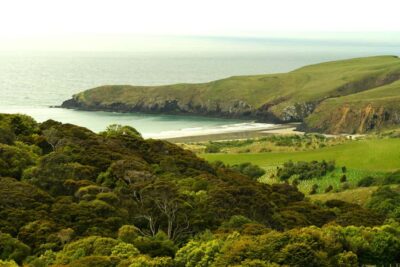
Browse the lists this tour appears in