
Reviewed · WILDLIFE
Christchurch: Orana Wildlife Park Admission
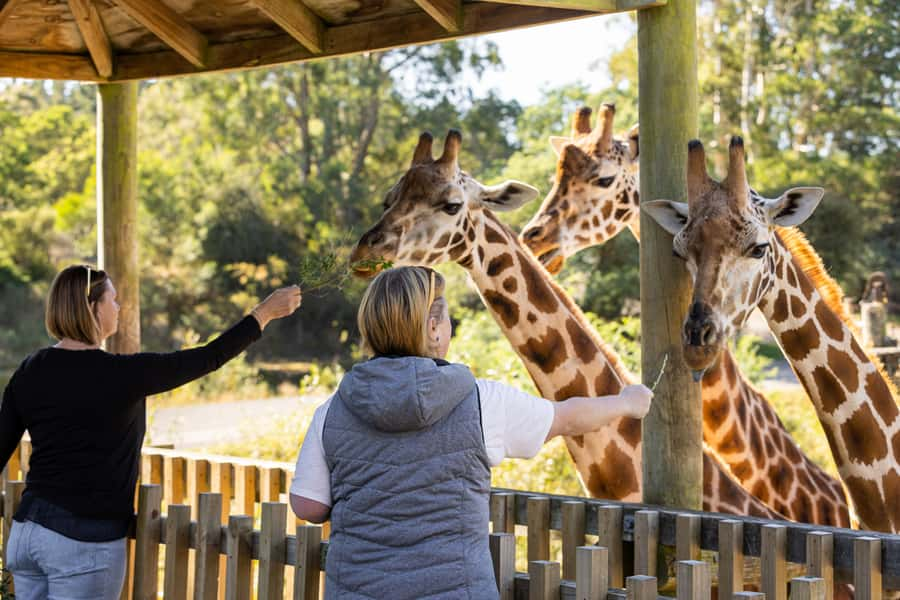
The giraffe feeding is the star here. You walk right up with food in hand and meet these tall, gentle animals at close range. It is the sort of encounter that works for children and adults alike, and it gives the park more punch than a standard walk past animal enclosures.
I like the free Safari Shuttle, which makes a 180-hectare park far easier to tackle. I also like the daily talks, where wildlife guides explain what you are seeing and lead you from one part of the park to the next. The main consideration is time: two hours is the minimum, but four hours is a better fit if you want the talks, animal encounters, and walking trails.
I like the chance to see New Zealand wildlife alongside animals such as gorillas, rhino, cheetah, and Tasmanian devils. The tradeoff is that this is a large, open-air attraction, so comfortable shoes, sunscreen, and a morning start matter more than they would at a compact city zoo.
Key points
- Hand-feed giraffe at close range, one of the park’s most memorable encounters.
- Ride the free Safari Shuttle around eight stops, or combine it with walking.
- Follow daily presentations from 10:45 AM, with talks held at roughly half-hour intervals.
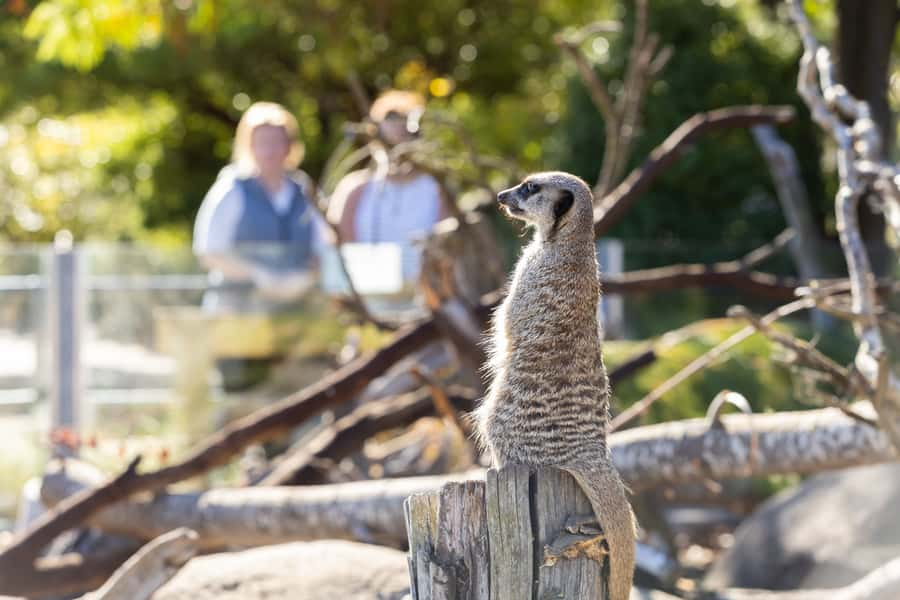
- See New Zealand’s only gorillas, along with rhino, cheetah, lions, monkeys, meerkats, and Tasmanian devils.
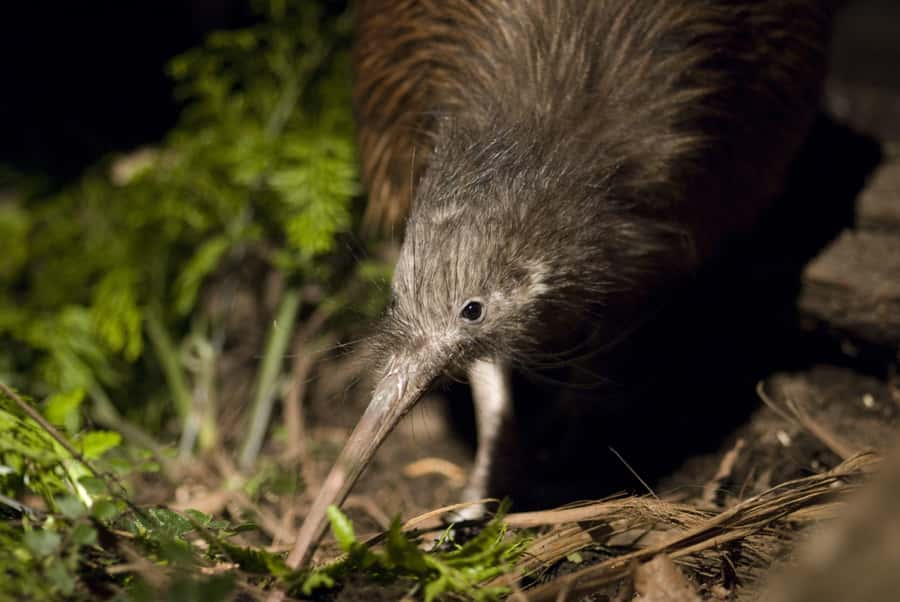
- Explore native wildlife areas, including kiwi, kakariki, whio, kea, reptiles, and walk-through aviaries.
- Plan on four hours, even though two hours is the stated minimum visit time.
Why Orana Works Better Than a Quick Zoo Visit
Orana Wildlife Park covers 180 hectares at McLeans Island, about 15 minutes by car from Christchurch Airport. It is New Zealand’s only open-range zoo, so the scale feels different from a small urban animal park.
You are not simply moving from one indoor exhibit to the next. The park spreads its animals across broad spaces, with walking routes, scheduled presentations, a shuttle, and several places to stop. That gives you freedom, but it also means you should arrive with a loose plan.
The park holds more than 1,000 animals from over 90 species. That mix is a major strength. You can spend part of the day learning about native birds and reptiles, then turn a corner and find yourself watching gorillas, lions, zebra, or rhino.
I would not treat this as a quick stop between Christchurch sights. The park is open from 10 AM to 5 PM, with last admission at 4 PM, and the average visit lasts about four hours. You can see the main areas in two hours, but that leaves little room for talks, feeding encounters, a meal, or a second look at animals that were quiet when you first passed by.
More wildlife tours in Christchurch:
- Willowbank Wildlife Reserve Day Entry
★ 4.5 · 94 reviews - Clearwater Wildlife Tours (small group 10max) Otago Peninsula
★ 5.0 · 531 reviews - Wildlife Sea Kayaking Tour – Kaikoura
★ 5.0 · 467 reviews
Starting at 10 AM and Following the Presentation Route
Arrive near opening time if you want the fullest day. The regular animal presentations begin at 10:45 AM, and the schedule is designed to guide you around the park.
This is one of the smartest ways to use your time. Instead of wandering until you happen upon an exhibit, you can follow the day’s talks from stop to stop. Presentations take place roughly every half hour, though the exact order and timing can vary.
Wildlife guides lead the sessions and explain the animals in front of you. The talks also give you a chance to ask questions, which adds context that signs alone cannot provide. If you have children with you, this structure helps turn the visit into a series of short activities rather than one long walk.
You do not need to attend every talk. Use the schedule as a backbone, then skip a stop if the children need a break or if you want extra time with a favorite animal.
The main practical issue is timing. Arriving late can mean missing the early presentations and trying to catch up. If you enter closer to midday, you can still explore the park, but you may not fit in the full sequence of scheduled encounters.
The Free Shuttle and the Eight-Stop Strategy
The complimentary Safari Shuttle is a real help in a park this large. It travels around the grounds with eight quick stops, allowing you to get off near the area you want or remain aboard for the full circuit.
I would use the shuttle early to understand the layout. It saves energy and helps you decide which areas deserve a longer stop. After that, walk between nearby exhibits and use the shuttle again when your legs need a break.
The shuttle is especially useful for families, anyone who has difficulty walking long distances, and visitors trying to fit Orana into a busy Christchurch schedule. The park is described as a flat walk, which makes the main route manageable, but flat does not mean small. You can still spend several hours on your feet.
You can also join a guided walkabout tour or explore at your own pace. The choice depends on how much structure you want. The presentation schedule gives you expert guidance, while independent walking lets you linger when an animal is active or move on when an exhibit is quiet.
A useful plan is to combine all three options: take the shuttle to a distant section, attend a presentation, then walk to the next stop before catching the shuttle again.
Giraffe Feeding and a Close Look at Rhino
The giraffe feeding is the experience to protect on your schedule. Hand-feeding these animals brings you close enough to notice their long tongues, large eyes, and calm movements. It is a simple activity, but the physical contact makes it memorable.
The feeding experience is included with admission, which improves the value of the visit. You are not paying a low entry price and then facing a string of extra charges for every worthwhile encounter.
Rhino are another major draw. The park gives you a close look at these powerful animals while keeping the encounter controlled. That combination of size and proximity makes the presentation worthwhile, especially if your main interest is large wildlife rather than small exhibits.
Animal activity can never be guaranteed at a precise moment. Some animals may be resting or out of view, and the conditions of the day can affect what you see. The scheduled talks help because staff can explain the animals’ behavior rather than leaving you to guess.
A few more Christchurch trips worth a look
- Christchurch Hop-On Hop-Off Tram
★ 4.5 · 841 reviews - Christchurch Gondola and Tram City Tour Combo
★ 4.5 · 725 reviews - Christchurch: Hop-On Hop-Off Tour by Vintage Tram
★ 4.6 · 717 reviews - Christchurch: Tram, Punt and Gondola Ride Combo Ticket
★ 4.7 · 608 reviews
Gorillas, Big Cats, and the Main Animal Areas
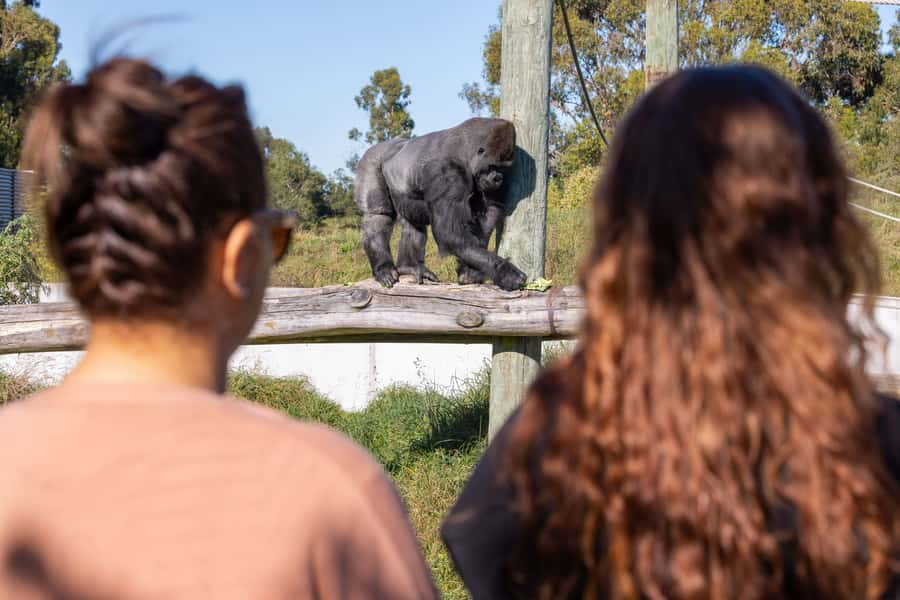
Orana is home to New Zealand’s only gorillas. That alone gives the park a clear point of difference. Gorillas are compelling to watch because their behavior can shift from quiet observation to sudden play or movement.
The park also includes cheetah, lions, tiger, zebra, monkeys, meerkats, and Tasmanian devils. This wide range means the day is not built around a single highlight. If one animal is resting, another area may offer plenty to see.
The large-animal habitats are also part of the appeal. A visit here gives you the chance to see animals in spacious settings rather than rushing through a line of small displays. The scale helps you understand the animals’ size and movement, though it can sometimes mean that a particular animal is farther away.
The lions can be especially active around feeding time. If you want to see more action, it is worth checking the schedule rather than arriving at a random hour. Still, animal behavior changes from day to day, so treat feeding times as a useful chance, not a promise.
The park’s animal collection also includes farmyard animals. This area gives younger children a break from larger, more serious exhibits. It is a friendly, hands-on part of the visit and fits well between scheduled talks.
Kiwi, Kea, and New Zealand’s Native Wildlife
Orana is not only about exotic animals. Its native sections give you a closer look at wildlife that belongs to New Zealand.
You can observe kiwi, one of the country’s most distinctive birds, as well as kakariki, whio, and kea. The walk-through aviaries are a strong part of the experience because you move through the bird habitat instead of simply looking through a distant barrier.
Kea bring a little mischief to the native bird areas. These clever parrots are active and entertaining, but the real value is learning how different they are from the large mammals elsewhere in the park.
The native reptiles add another layer to the visit. They may not draw the same immediate reaction as giraffe or gorillas, yet they help round out the picture of New Zealand wildlife.
I recommend giving these areas proper time. It is easy to hurry toward lions or giraffe, but the native birds and reptiles make the park feel tied to its location in New Zealand rather than interchangeable with any large zoo overseas.
A Flat Walk, but Still a Full-Day Outing
The park’s layout is described as well signposted and flat, which makes navigation straightforward. You can walk around the main exhibits without dealing with steep paths, and the shuttle reduces the amount of ground you need to cover on foot.
Even so, bring comfortable shoes. A full visit can involve several hours of walking, standing at presentations, and moving between shuttle stops. Sandals or unsuitable footwear could make the last part of the day less pleasant.
Bring sunscreen and a camera. The park is outdoors, and you will want protection for a long day in the open air. A camera is useful for the giraffe feeding, bird areas, and larger animals, though the best moments may happen quickly.
The grounds include two large picnic areas, a café, and a wildlife-themed gift shop. You can pack food and use a picnic area, or take a break at the café. Having these options matters because a four-hour visit is easier when you can stop for lunch rather than trying to push through.
There is also a children’s adventure playground. For families, that can be the difference between a good day and an exhausting one. A playground gives children a change of pace after the animal talks and walking routes.
Is the $23 Admission Good Value?

At $23 per person, admission offers strong value if you use the park for more than a brief walk around. The giraffe feeding, animal presentations, guided talks, shuttle, native bird areas, and large collection are all part of the visit.
The price makes most sense for someone who plans to stay three to four hours. If you only have time for a fast two-hour visit, the ticket can still work, but you will need to choose carefully.
Compared with an attraction where every special encounter costs extra, Orana keeps much of the day within the admission price. That makes the experience easier to budget, particularly for families.
The value also comes from the variety. You get native New Zealand wildlife, African animals, primates, predators, farmyard animals, and birds in one place. You may not give every section equal attention, but you have plenty of choice.
The main cost beyond admission is your time. Because the park is outside central Christchurch, allow for the drive to McLeans Island and plan your day around the 10 AM opening. Its location near the airport can be useful if you are arriving or departing, but you should still avoid cutting the visit too close to a flight.
Who Will Enjoy Orana Most?
Families will find the park easy to use. The flat routes, shuttle, playground, farmyard, café, and short presentations create natural breaks for children. The giraffe feeding is also a strong choice for younger visitors who need an immediate highlight.
Wildlife fans will appreciate the mix of native and exotic species. The gorillas, kiwi, rhino, giraffe, Tasmanian devils, and native birds give you more variety than a single-theme attraction.
It also suits visitors who prefer a flexible day. You can follow the talks closely, join a guided walkabout, ride the shuttle, or simply wander. Wheelchair access is available, though the overall size of the park still means you may want to use the shuttle to reduce distances.
This may not be ideal if you dislike open-air attractions or have less than two hours. The park rewards patience. Some animals will be active, while others may be resting or temporarily off display.
Practical Details Before You Go
Orana Wildlife Park is at 793 McLeans Island Road, McLeans Island, Christchurch 8051. It is about a 15-minute drive from Christchurch Airport.
The park opens at 10 AM and closes at 5 PM. Last admission is at 4 PM, but arriving that late leaves too little time for the full experience. Start in the morning if possible, especially if you want to follow the presentation schedule.
The park is closed on December 25. Admission is valid for one day, and the activity is wheelchair accessible. You can cancel up to 24 hours ahead for a full refund, and a reserve-now, pay-later option is available when booking.
Plan for at least two hours, but set aside around four hours for a relaxed visit. Wear comfortable shoes, bring sunscreen and a camera, and check the presentation times when you arrive.
Should You Book Orana Wildlife Park?
I would book this if you want a hands-on wildlife day near Christchurch, especially if giraffe feeding, native birds, or gorillas appeal to you. The combination of included encounters, daily talks, a free shuttle, and broad animal variety gives the $23 admission solid value.
Book with enough time to stay through several presentations. If your schedule allows only a short stop, choose your priorities in advance: giraffe, gorillas, kiwi, and one or two talks.
Skip it only if you want a compact attraction that can be finished quickly or if your day cannot spare at least two hours. For most families, animal fans, and visitors with a free morning or afternoon, Orana is a practical and memorable addition to a Christchurch itinerary.
FAQ
Where is Orana Wildlife Park?
Orana Wildlife Park is at 793 McLeans Island Road, McLeans Island, Christchurch 8051, New Zealand.
How far is the park from Christchurch Airport?
The park is about a 15-minute drive from Christchurch Airport.
How much does admission cost?
The listed admission price is $23 per person.
How long should I allow for a visit?
You should allow at least two hours, though the average visit lasts about four hours.
What are the park’s opening hours?
Orana Wildlife Park is open from 10 AM to 5 PM. Last admission is at 4 PM.
Is the park open on December 25?
No. Orana Wildlife Park is closed on December 25.
Is giraffe feeding included with admission?
Yes. Hand-feeding the giraffe is included as part of the park admission.
Does the park offer transportation around the grounds?
Yes. A complimentary Safari Shuttle travels around the park, with eight stops where you can get on and off.
Is Orana Wildlife Park wheelchair accessible?
Yes. The activity is wheelchair accessible.
Can I cancel my booking for a refund?
Yes. You can cancel up to 24 hours in advance for a full refund. A reserve-now, pay-later option is also available.
Just added around Christchurch
- Willowbank Wildlife Reserve Day Entry★ 4.5 · 94 reviews
- Wine trail and Christchurch City – Luxury, Small Group Tour★ 5.0 · 15 reviews
- Waipara Valley Winery Tour Wine Tastings and Scenic Views★ 5.0 · 5 reviews
- Uniquely Kiwi Landsailing Adventure★ 5.0 · 66 reviews
- Tranz Alpine Train Tour★ 5.0 · 92 reviews
- Arthur’s Pass Tour From Christchurch With Jet Boat & TranzAlpine★ 5.0 · 8 reviews
- Small Group Southern Loop 7 Days Tour★ 5.0 · 18 reviews
- Small Group Southern Voyager 7 Days Tour★ 5.0 · 36 reviews
Wildlife, compared.

Clearwater Wildlife Tours (small group 10max) Otago Peninsula
Read our review →


6 Ziplines, Swing-Bridges & Wildlife Encounters
Read our review →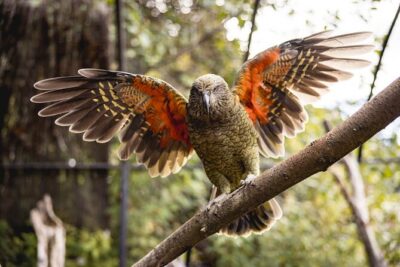
Sea Life Kelly Tarlton’s Aquarium General Admission
Read our review →
Browse the lists this tour appears in