
Reviewed · WILDLIFE
Willowbank Wildlife Reserve Day Entry
The best reason to visit Willowbank is simple: you have a guaranteed chance to see a kiwi. The nocturnal bird lives in a darkened kiwi house, but you do not have to trek into the bush or wait for a rare sighting. You can also see kea, kaka, takahe, tuatara, and other native species in one Christchurch stop.
I like the relaxed, self-guided format and the chance to feed or pat selected animals. I also like the location near Christchurch Airport, which makes Willowbank useful on a travel day, not just as a full-day outing. The main drawback is the kiwi enclosure itself: it is very dark, and you may need patience to spot a bird behind the fence.
Key points to know
- Guaranteed kiwi viewing: Look for New Zealand’s famous nocturnal bird in a simulated nighttime enclosure.
- Hands-on animal encounters: Feed selected animals and pat farm animals such as sheep, rabbits, and alpaca.
- Native species in one place: See kea, kaka, takahe, tuatara, and other wildlife without leaving Christchurch.
- Good stop near the airport: The reserve fits neatly into an arrival, departure, or short Christchurch itinerary.
- Flexible visit length: Allow about one to three hours, depending on how long you spend at each habitat.
- Useful for families: Children can see animals up close, explore the paths, and use the play and learning areas.
Why the kiwi house is the main event
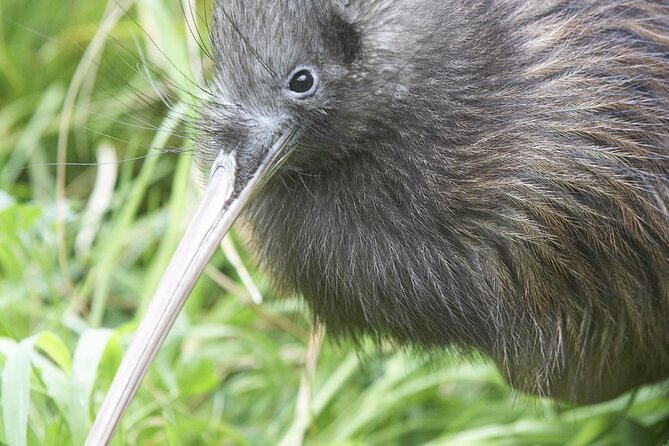
Willowbank’s biggest draw is the chance to see a kiwi without relying on luck in the wild. New Zealand’s national bird is nocturnal, so the kiwi house is kept dark to match its active hours. That makes the experience more realistic, but it also means your eyes need time to adjust.
Go slowly and keep quiet. The kiwi may be moving in the shadows, resting, or partly hidden behind the enclosure. One useful tip is to wait near the fence instead of walking straight through. A little patience can reward you with a much better view.
The dark room is also the one part that may frustrate you. If you have trouble adjusting to low light, you might miss the bird unless it moves into a clearer spot. The guarantee means a kiwi is present for viewing, not that it will pose in the open for every person. Think of this as a quiet observation experience, not a brightly lit animal display.
That distinction matters. You are seeing an animal in conditions designed around its natural routine. The tradeoff is less instant visibility, but the setting feels more respectful and gives you a better sense of why kiwi sightings in the wild are so difficult.
More wildlife tours in Christchurch:
- Christchurch: Orana Wildlife Park Admission
★ 4.5 · 119 reviews - Clearwater Wildlife Tours (small group 10max) Otago Peninsula
★ 5.0 · 531 reviews - Wildlife Sea Kayaking Tour – Kaikoura
★ 5.0 · 467 reviews
A self-guided walk through New Zealand wildlife
Willowbank is not a timed tour with a guide leading you from enclosure to enclosure. You follow the paths at your own pace, stopping where something catches your eye. That freedom works well if your group has different interests or if you need to fit the reserve between flights, a cruise transfer, or other Christchurch plans.
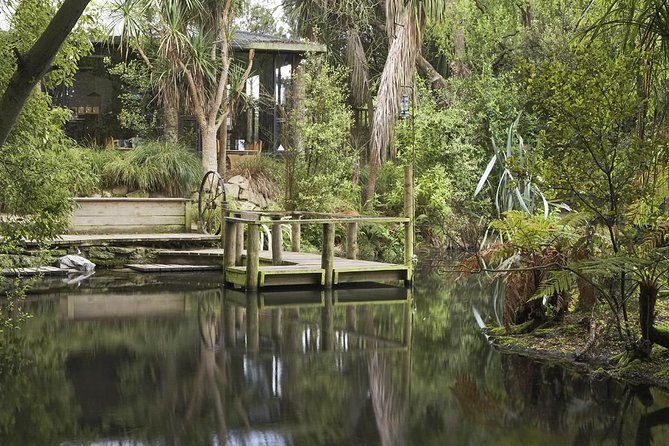
The paths move through a mix of native habitats, animal enclosures, and open areas. Wooden walkways cross water in places, and the reserve is designed to feel like a walk through a natural setting rather than a row of tightly packed cages. The route is generally easy to follow, though some gravel paths could use clearer signs.
Allow at least one hour if you are short on time. Two hours is a more comfortable target for most people, giving you space to pause at the kiwi house, watch the animals, and visit the farm section. If you have young children or stop for lunch, you can easily stretch the visit closer to three hours.
The paths are straightforward, but do not rush the walk. Willowbank’s appeal comes from small moments: an animal approaching for food, a bird calling from nearby, or a child spotting something before the adults do.
Native New Zealand species worth watching for
Willowbank brings several hard-to-see New Zealand species together in one place. The exact viewing experience can change depending on animal activity, but the reserve gives you a practical introduction to wildlife that is central to the country’s identity.
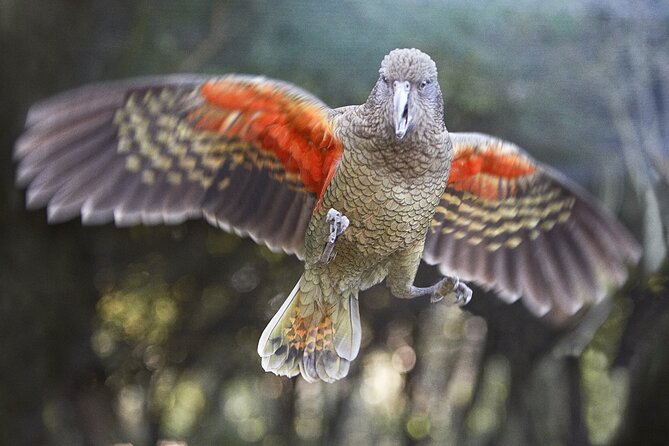
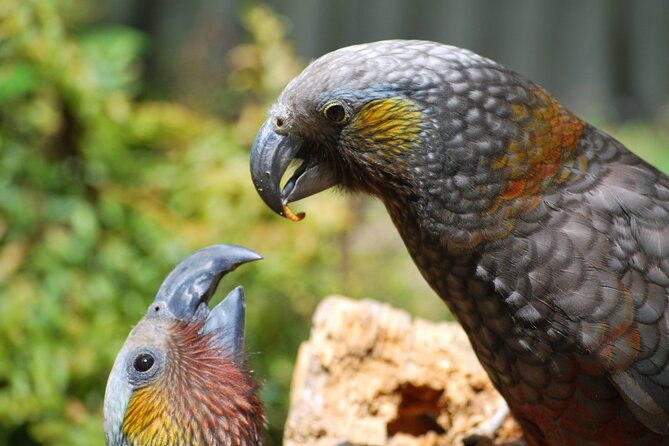
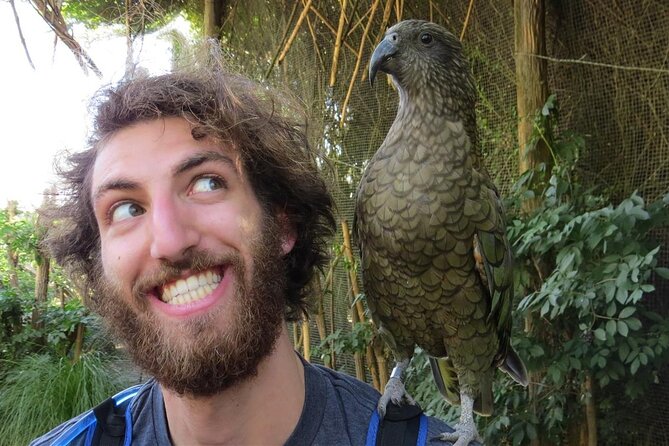
Kea and kaka are two of the most memorable names on the list. These native parrots are intelligent, lively birds, and seeing them helps explain why New Zealand birdlife feels so different from what you may know at home. Takahe and tuatara add more variety, showing both New Zealand’s rare bird species and its ancient reptile life.
The kiwi house remains the highlight, but it is worth giving the other native species proper time. If you walk straight to the kiwi enclosure and leave, you will miss much of what makes Willowbank more than a single-animal attraction.
The reserve is also useful for first-time visitors who want an introduction to New Zealand wildlife before heading farther afield. You can learn the names and shapes of several native species in one visit, then recognize them more easily at museums, conservation centers, or in the wild later in your trip.
Feeding deer, ducks, and other friendly animals
The hands-on side of Willowbank gives the visit its family appeal. You can feed selected animals, and many of the residents are accustomed to people carrying food. Deer in particular may recognize a paper food bag quickly and approach with enthusiasm.
That is fun, but keep a little distance and pay attention. Animals that know visitors may bring food can become persistent. Ducks and other birds may follow you, and deer can be eager to reach the next mouthful. The playful ambush is part of the experience, but you should follow the reserve’s instructions and avoid teasing or overfeeding the animals.
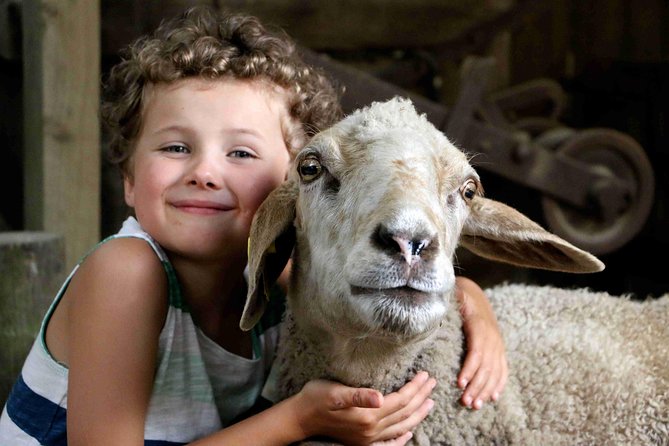
You can also pat farm animals including sheep, rabbits, and alpaca. This section is a good counterpoint to the darker, quieter kiwi house. Children who find it hard to wait in a dark room often enjoy the immediate response from the farm animals.
Some of the birds are uncaged, so expect a livelier atmosphere in parts of the reserve. Ducks, swans, and other feathered residents may move around the paths or gather near feeding areas. If you prefer quiet wildlife watching, spend more time in the native species areas and less time around the busiest feeding spots.
A few more Christchurch trips worth a look
- Christchurch Hop-On Hop-Off Tram
★ 4.5 · 841 reviews - Christchurch Gondola and Tram City Tour Combo
★ 4.5 · 725 reviews - Christchurch: Hop-On Hop-Off Tour by Vintage Tram
★ 4.6 · 717 reviews - Christchurch: Tram, Punt and Gondola Ride Combo Ticket
★ 4.7 · 608 reviews
Monkeys, lemurs, capybara, and wallabies
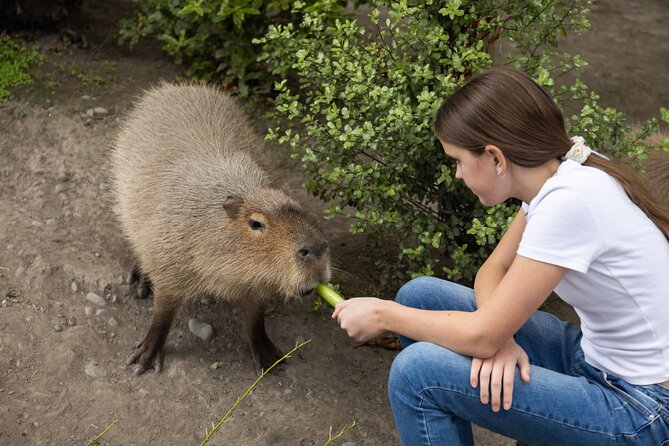
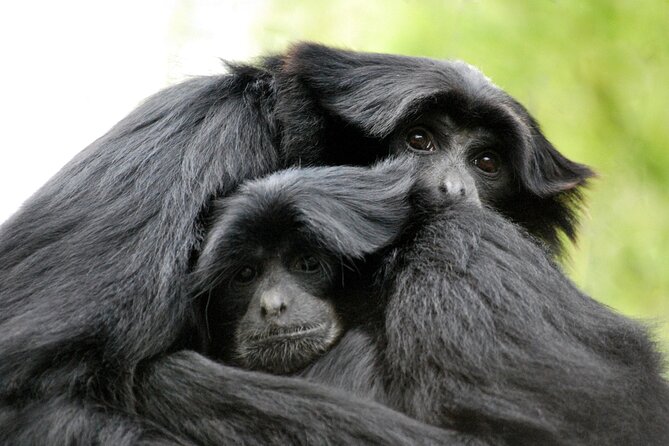
Willowbank also includes introduced animals such as monkeys, lemurs, capybara, and wallabies. These animals are not native to New Zealand, but they broaden the visit and give children familiar favorites alongside the local species.
Capybara have a strong following for good reason. They are calm, unusual-looking animals, and close views can be a real highlight. Lemurs and monkeys bring more movement and energy, while wallabies add another gentle encounter to the walk.
The reserve combines these animals with farm creatures and native species, so the experience is not focused on one style of wildlife viewing. You get a bit of a nature walk, a farm visit, a small animal park, and a conservation-focused kiwi encounter in one admission.
That mix is a strength for families and mixed-interest groups. Someone who is not especially interested in farm animals may prefer the black swans, otters, native birds, or kiwi house. Someone else may spend much longer with the sheep, rabbits, alpaca, or wallabies. The self-guided route lets each person choose.
How long should you spend at Willowbank?
The stated visit time is about one to three hours. I would plan around two hours if you want a satisfying visit without turning it into a full day.
Use one hour only if you are making a quick stop or have a tight airport schedule. You can walk the route, visit the kiwi house, and see a fair number of animals, but you will have little time to wait quietly for the kiwi or stop for feeding.
Two hours gives you a better balance. You can move at a comfortable pace, spend time with the native species, visit the farm animals, and pause at the kiwi enclosure. This is also enough time for many families before children begin to tire.
Three hours works if you want lunch at the cafe, spend longer with the animals, or let children use the play and learning areas. One family reported spending two hours, while another had about three hours available before closing. Build in extra time if your visit is tied to a flight or cruise transfer, since you do not want to turn an easy outing into a rushed one.
Planning a visit from Christchurch Airport or the port
Willowbank’s location near Christchurch Airport is one of its practical advantages. It can work well on your first or last day in Christchurch, especially if you have a few open hours around your flight.
It is also a useful option for cruise passengers. The reserve has been used as a shore excursion, and the drive from the port is described as roughly 25 minutes. You will need to arrange your own transportation, since transport to and from the attraction is not included with admission.
A shuttle from Cathedral Square has also been described as convenient. Since transport arrangements can affect your timing, check the current departure details before relying on a shuttle. Public transportation is nearby, but the exact route and schedule are not included in the ticket.
The mobile ticket makes entry simple on a travel day. A paper ticket option is also available, so you can choose the format that suits your plans. Pre-booking gives you a confirmed admission and avoids spending time arranging entry after you arrive.
Is the $22.65 admission good value?
At $22.65 per person, Willowbank is reasonably priced for a flexible wildlife visit that can fill one to three hours. The value is strongest if you want several types of animal experience in one place: native birds, a guaranteed kiwi viewing opportunity, farm animals, and introduced species.
The price also makes sense for families who want an activity where children can do more than look through glass. Feeding and patting selected animals adds a practical, hands-on element, although food, drinks, and transport cost extra.
The cafe helps make the visit easier to manage. You can stop for lunch or a snack instead of leaving the reserve when children need a break. Food is not included, but having a cafe on site means you do not need to plan every minute around a separate restaurant.
The value is less clear if you want only a short kiwi sighting and have no interest in the other animals. In that case, you may find the full reserve more than you need. For most families and visitors with a spare half day, the combination of access, variety, and location makes the admission worthwhile.
What families should know before arriving
Children must be accompanied by an adult. Most people can take part, and the reserve is suitable for a wide range of ages.
The setting is especially good for children who enjoy changing activities. They can move from native birds to farm animals, then watch capybara, lemurs, wallabies, or otters. The play and learning areas offer another break from simply walking and looking.
The only tricky part for younger children may be the kiwi house. It is dark, quiet, and requires patience. Prepare children for a slow look rather than an instant, close-up sighting. If they understand that the bird is nocturnal and the room is designed for its routine, the wait becomes part of the fun.
Feeding areas can also be busy and noisy. Ducks and other birds may approach quickly, and some animals are eager for food. Keep young children close and make sure everyone follows the reserve’s feeding rules.
Cafe, paths, and small practical details
You will find a cafe and retail store at the reserve. The cafe is useful for families who need a proper pause, and food choices have been described as suitable for young children. This means you can treat Willowbank as a relaxed half-day outing rather than a quick walk between meals.
The paths are generally easy to navigate, with attractive wooden walkways over water in some areas. Some gravel sections may not have enough signs, so pay attention to the route and allow time to retrace a short stretch if you are unsure where to go.
Animal care is an important part of the experience. The reserve is designed around close encounters, but you should still remember that these are living animals, not props for photographs. Watch their behavior, keep food under control, and give them room when they move away.
The mix of open and enclosed areas means the visit can feel lively in one section and peaceful in another. Black swans, ducks, and other birds may add noise, while the native habitats and kiwi house call for a quieter approach.
Booking, cancellation, and group size
Your confirmation is provided at booking, and the mobile ticket is convenient if you are moving around Christchurch. The maximum group size listed for the activity is 200 people, although the self-guided format means you are not tied to a large guided walking group.
Free cancellation is available when you cancel at least 24 hours before the experience start time. A cancellation made less than 24 hours ahead is not refunded, and changes inside that window are not accepted. The cut-off follows local time, so check the Christchurch time zone if you are booking from abroad.
Children need an accompanying adult, and food, drinks, and transportation are not included in the admission price.
Who will enjoy Willowbank most?
I would recommend Willowbank to families, first-time visitors to Christchurch, wildlife lovers, and anyone with a few spare hours near the airport. It is also a smart choice for a cruise day when you want a local wildlife stop without committing to a long excursion.
You will get the most from it if you enjoy moving at your own pace and seeing a mix of animals. The reserve is not a tightly scripted tour, so you decide how long to watch the wallabies, when to feed the farm animals, and how patiently to wait for the kiwi.
It may be less satisfying if you want a quiet, purely native wildlife sanctuary. The introduced animals, farm section, feeding areas, and active birds give the reserve a broad family attraction feel. That variety is its purpose.
Should you book Willowbank Wildlife Reserve?
Yes, if you want a practical Christchurch wildlife stop with a guaranteed kiwi viewing opportunity and plenty of animal variety for $22.65. The location near the airport, flexible one to three hour visit, cafe, and hands-on encounters make it easy to fit into a busy itinerary.
Plan your time carefully if you are connecting with a flight or cruise, and leave room for transport. Most important, give the kiwi house a quiet few minutes. If you treat the dark enclosure as a patient wildlife sighting rather than a quick photo stop, Willowbank offers a memorable and fairly priced introduction to New Zealand animals.
FAQ
How long does a visit to Willowbank Wildlife Reserve take?
The expected visit lasts about one to three hours. Around two hours gives you time to follow the paths, see the animals, and wait patiently in the kiwi house.
Will I definitely see a kiwi?
Kiwi viewing is guaranteed as part of admission. The kiwi house is dark because kiwi are nocturnal, so you may need to wait quietly and allow your eyes to adjust before spotting one.
Can I feed or pat the animals?
Yes. You can feed selected animals and pat farm animals such as sheep, rabbits, and alpaca. Food for the animals is not listed as included, so check the reserve’s arrangements when you arrive.
Is transportation included?
No. Transportation to and from Willowbank Wildlife Reserve is not included. The reserve is near Christchurch Airport, close to public transportation, and a shuttle from Cathedral Square has been described as useful.
Are food and drinks included?
No. Food and drinks are not included in admission. A cafe is available at the reserve, along with a retail store.
What is the cancellation policy?
You can cancel for a full refund up to 24 hours before the experience start time. Cancellations or changes made less than 24 hours in advance are not accepted for a refund.
Just added around Christchurch
- Wine trail and Christchurch City – Luxury, Small Group Tour★ 5.0 · 15 reviews
- Waipara Valley Winery Tour Wine Tastings and Scenic Views★ 5.0 · 5 reviews
- Uniquely Kiwi Landsailing Adventure★ 5.0 · 66 reviews
- Tranz Alpine Train Tour★ 5.0 · 92 reviews
- Arthur’s Pass Tour From Christchurch With Jet Boat & TranzAlpine★ 5.0 · 8 reviews
- Small Group Southern Loop 7 Days Tour★ 5.0 · 18 reviews
- Small Group Southern Voyager 7 Days Tour★ 5.0 · 36 reviews
- Sea Kayaking Christchurch, Lyttelton Harbour & Quail Island★ 4.5 · 7 reviews
Wildlife, compared.
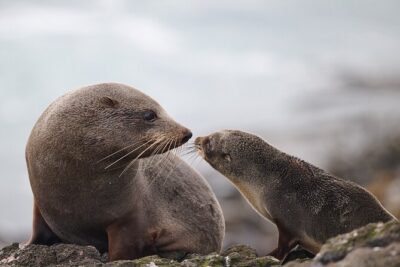
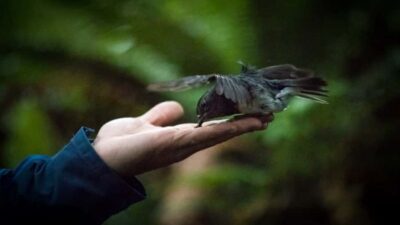
Clearwater Wildlife Tours (small group 10max) Otago Peninsula
Read our review →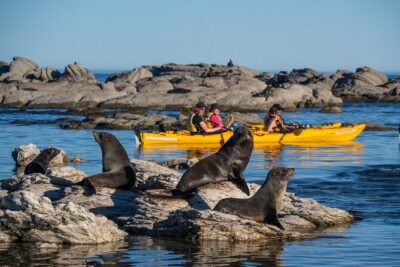
6 Ziplines, Swing-Bridges & Wildlife Encounters
Read our review →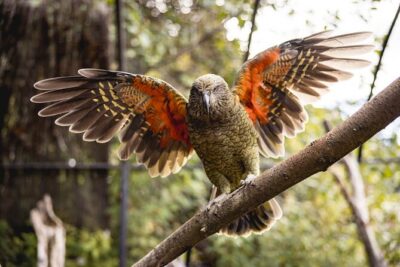
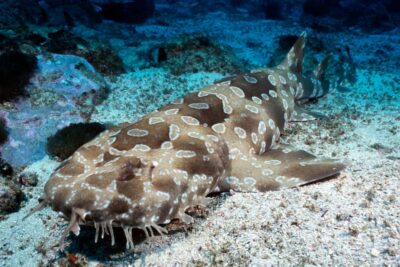
Sea Life Kelly Tarlton’s Aquarium General Admission
Read our review →
Browse the lists this tour appears in