
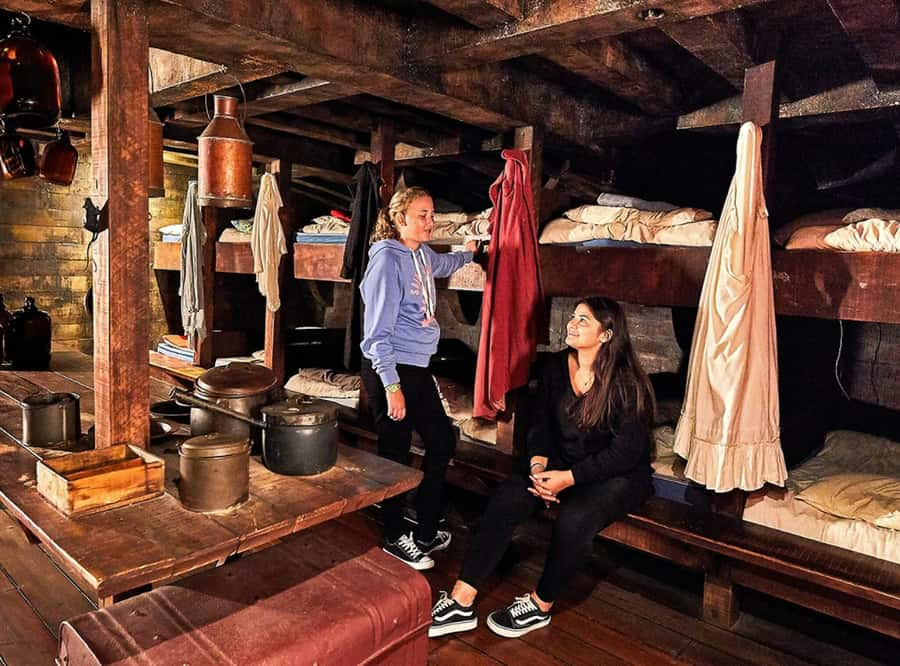
Reviewed · MUSEUMS
Auckland: Maritime Museum Entry Ticket
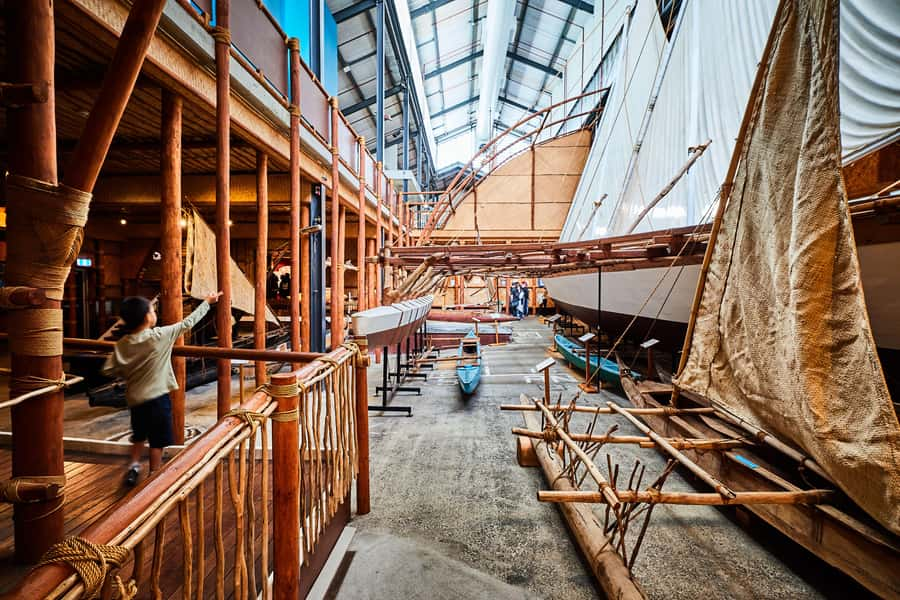
Auckland’s Maritime Museum tells New Zealand’s story through the sea. You’ll move from Pacific migration and Māori traditions to Western shipping, trade, leisure, and America’s Cup yacht design. I like the wide historical sweep and the way personal stories and hands-on displays make the subject easier to grasp. I also like the setting at Viaduct Harbour, especially if a sailing event is taking place nearby.
The main drawback is simple: this is a self-guided museum visit, not a led tour with a named guide or a fixed route. If you want a quick attraction with a dramatic outdoor spectacle, you may find the museum quieter than expected. Plan on one to three hours so the $14 entry fee feels worthwhile.
Key points before you go
- Māori and Pacific stories come first: Learn how ocean travel shaped migration and identity in New Zealand.
- Western shipping gets equal attention: The displays connect the sea with trade, immigration, work, and technology.
- America’s Cup design adds a modern angle: Yacht innovation brings the story into the present.
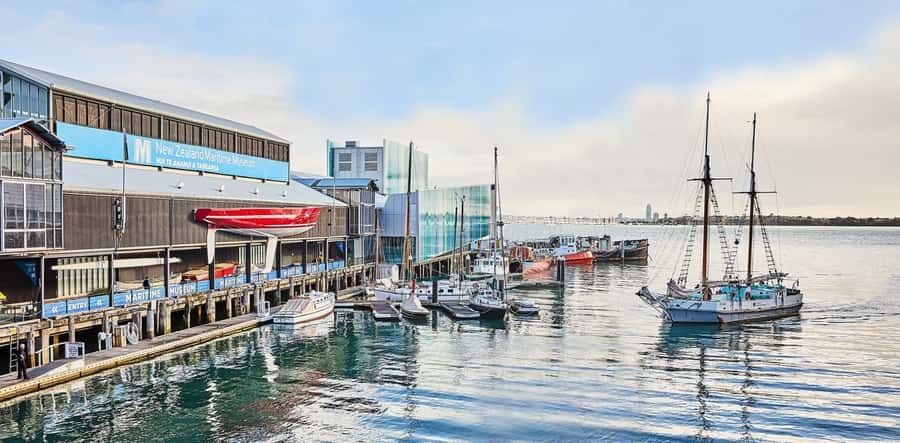
- Viaduct Harbour is part of the appeal: A sailing race, such as the ITM New Zealand Sail Grand Prix, can make the location especially lively.
- A practical $14 stop: The ticket covers museum entry for the day, with no transport, food, or drinks included.
- Easy timing: Open from 10:00 AM to 5:00 PM, with last entry at 4:00 PM, every day except December 25.
Auckland’s ocean story begins with people
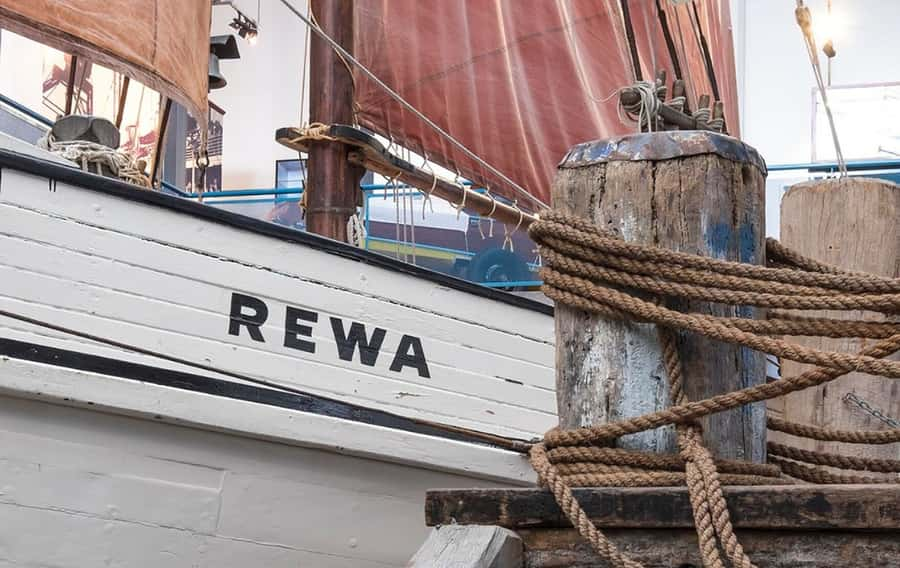
The New Zealand Maritime Museum is not only about boats. Its larger subject is the way the ocean has shaped life in the country. That means migration, family stories, work, trade, competition, design, and leisure all have a place here.
I appreciate that approach because it gives the museum a human scale. A vessel matters here because of the people who sailed it, built it, depended on it, or used it to reach a new home. You get a sense of New Zealand as a country connected to the Pacific and to the wider world.
The exhibits cover Pacific migrations and Māori traditions alongside Western shipping. That balance matters. It keeps the story from becoming a narrow parade of European vessels and commercial progress. Instead, you see several ways people have understood and used the sea.
The museum also reaches into more recent subjects. America’s Cup yacht design shows how New Zealand’s relationship with the water is not frozen in the past. Sailing remains part of national identity, sport, engineering, and design.
More museums and galleries in Auckland:
- Auckland War Memorial Museum Entry Ticket
★ 4.5 · 293 reviews - Skip the Line: Auckland Museum General Admission Ticket
★ 4.5 · 183 reviews - Māori Cultural Experience & Auckland Museum General Admission
★ 4.5 · 92 reviews
What you can see in one to three hours
The suggested visit lasts one to three hours, which gives you flexibility. I would allow about an hour if you need a compact indoor stop between other Auckland plans. Give yourself closer to three hours if you read labels carefully, pause at the hands-on displays, and want time for the different historical themes.
There is no required sequence, and the ticket is valid for one day. That makes the museum easy to fit around a walk through Viaduct Harbour or another Auckland activity. You can move at your own pace rather than keeping up with a group.
At the start, expect an introduction to New Zealand’s connection with the ocean. The early material focuses on Pacific movement and Māori traditions. These subjects provide the cultural base for everything that follows. The sea was not simply a barrier between islands. It was a route for settlement, exchange, and connection.
From there, the displays broaden into immigration and Western shipping. You’ll see how ocean travel affected the arrival of people and goods, and how maritime work helped shape the country’s economy. The museum’s collection gives these broad topics physical form through objects, personal accounts, and displays.
The later material turns toward innovation, leisure, and yacht design. The America’s Cup section gives the visit a modern finish, with a focus on technical progress and the competitive side of sailing. It is a useful contrast to the older stories of migration and trade.
Pacific migration and Māori traditions
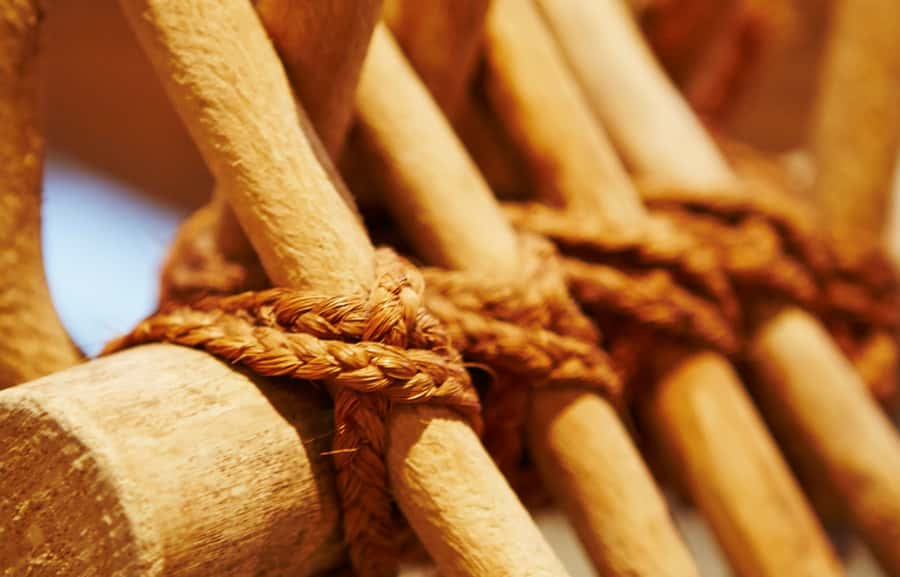
For many people, the most important part of the visit will be the attention given to Pacific migration and Māori traditions. These displays help explain New Zealand through movement across the ocean rather than treating the sea as scenery.
You can expect stories about people whose lives were shaped by long-distance travel and island connections. The subject has real weight, but the museum presents it through objects, stories, and visual material rather than only through dates and formal history.
I like this part because it gives you context before you reach the later shipping and design galleries. You begin to see maritime life as more than transport. It involves belonging, memory, skill, risk, and contact between communities.
The museum is also a useful choice for visitors who want cultural context but do not have time for a separate, full-day cultural program. Still, it does not replace a specialist Māori cultural experience. Its focus is maritime, so Māori traditions appear as part of the larger ocean story.
That distinction helps set expectations. You should come here to understand how the sea connects with Māori and Pacific life, not to treat the museum as a complete survey of Māori culture.
Shipping, immigration, and trade
The Western shipping displays shift the mood. Here, the ocean becomes a working highway for people, cargo, and commerce. You’ll find connections to immigration, trade, and the growth of New Zealand as a country linked to distant ports.
This section should appeal to anyone interested in how everyday life changes through transport. A ship can carry more than goods. It can bring new residents, new ideas, new industries, and new ways of doing business.
The museum’s strength is the connection between the large subject and the personal one. Rather than leaving shipping as a story of companies and routes, the exhibits use individual experiences and heritage objects to show what the system meant for actual people.
I find this especially useful if you are visiting Auckland without much background on New Zealand’s past. The displays give you a framework for understanding why a country made up of islands has always looked outward across the water.
Some visitors may find the subject more thoughtful than entertaining. The museum is not presented as a fast-moving attraction with constant spectacle. It rewards patience, especially if you enjoy reading and making links between different periods.
A few more Auckland trips worth a look
- Auckland Dolphin and Whale Watching Eco-Safari Cruise
★ 4.5 · 1,790 reviews - Auckland Explorer: Sightseeing Hop-on Hop-off Tour
★ 4.0 · 1,180 reviews - Half-day Discover Auckland City Sightseeing Tour
★ 5.0 · 1,080 reviews - Auckland: Whale and Dolphin Watching Half-Day Eco Cruise
★ 4.5 · 1,072 reviews
America’s Cup design brings the story up to date
The America’s Cup material adds energy and modern relevance. It shows the sea as a place of engineering, competition, design, and national pride.
This is one of the easiest sections to enjoy if you like machines, sleek forms, or sports technology. Yacht design turns abstract ideas about innovation into something visible. You can see how the maritime story continues into modern research and competition.
The section also broadens the museum’s appeal. You do not need to be a specialist in sailing to understand the basic draw of design and performance. The displays connect the technical side of yachts with the wider cultural importance of the America’s Cup in New Zealand.
A visit during a major sailing event can add an unusual bonus. In February 2026, the ITM New Zealand Sail Grand Prix was underway near the museum, and the Viaduct Harbour location offered a good place to watch the race. Event schedules change, so do not plan on this extra feature every time, but it is worth checking what is happening around the waterfront before you go.
The race setting can make the museum feel more connected to the present. Without an event, the attraction still works well, but the surrounding harbor may feel more like a backdrop than part of the experience.
Hands-on displays and personal stories
The museum uses hands-on displays along with artifacts and written material. That mix helps the visit work for families and for adults who prefer more than glass cases and long panels.
I would not expect every exhibit to be equally interactive. The point is not nonstop activity. Instead, the hands-on elements break up the reading and give younger visitors a way to stay involved while adults take in the larger story.
Personal accounts are another useful feature. Maritime history can become distant when it is told only through dates, ships, and technical facts. Individual stories restore the human side. You get reminders that ocean travel involves decisions, hopes, danger, work, and separation.
The design is also part of the experience. One visitor described the museum as beautifully designed, and that is a useful expectation to carry into your visit. The presentation is intended to make the collection approachable rather than dry or overly academic.
Still, it helps to arrive with realistic expectations. This is a museum entry ticket, not a guided performance. An English-speaking host or greeter is available, but the supplied details do not promise a named guide or a personal tour. You will spend most of your time choosing what interests you and setting your own pace.
Why the Viaduct Harbour location matters
The museum sits at Auckland’s Viaduct Harbour, a convenient waterfront setting. You arrive directly at the New Zealand Maritime Museum and show your voucher at the ticket counter.
The location gives you an easy way to combine the museum with time near the water. It also makes the subject feel appropriate. You are not studying maritime life in an isolated building far from the harbor. The working and recreational waterfront is close by.
That said, the ticket includes only museum entry. Hotel pickup and drop-off are not included, and food and drinks are not included either. Plan your route and meal separately.
The waterfront setting can also affect how long you want to stay. On a quiet day, the museum may be the main reason to visit. During a sailing event, the surrounding area can add extra excitement. The 2026 Sail Grand Prix visit shows how well the museum and harbor can work together when the timing lines up.
Is $14 good value?
At $14 per person, this is a reasonable Auckland cultural stop, especially if you give it at least an hour. The price covers entry to the Maritime Museum and access for the day, so you are paying for a collection with several themes rather than a single small exhibit.
The value is strongest for visitors who enjoy history, design, and cultural context. You get Pacific migration, Māori traditions, Western shipping, trade, immigration, leisure, and America’s Cup design in one place. That range makes the ticket more useful than an attraction focused on only one vessel or one period.
Families may also find the price practical because the displays include hands-on elements. The museum can give children something to look at and touch while adults follow the bigger story. Children must remain with a supervising adult, and unaccompanied minors are not allowed.
The value is weaker if you only have a few minutes. A rushed walk through the galleries will not give you much time to understand the links between the sections. If your schedule is tight, check that you can arrive before the 4:00 PM last entry.
Planning your visit around the clock
The museum is open from 10:00 AM to 5:00 PM, every day except December 25. Last entry is at 4:00 PM.
For a calmer visit, I would choose a time that leaves room before closing. Arriving late in the afternoon may work if you want a short visit, but it gives you less freedom to read and revisit displays.
Wear comfortable shoes. The recommended visit can last up to three hours, and you will want to move between galleries without treating the museum like a quick photo stop. Bring a camera if you like recording design details or objects, along with your passport or ID card and student card if relevant.
The activity is wheelchair accessible. The available information does not provide further details about individual gallery access, so anyone needing specific arrangements should confirm them before arrival.
English is the listed language for the host or greeter. The exhibits may include written material designed for self-guided viewing, but no other language service is specified.
Cancellation is flexible if your plans change: you can cancel up to 24 hours in advance for a full refund. A reserve-now, pay-later option is also available, which can help if you are still arranging your Auckland schedule.
Who will enjoy this museum most?
I would recommend this experience to several kinds of visitors:
- History fans who want migration, trade, shipping, and national development in one visit.
- Families looking for a cultural attraction with hands-on displays.
- Design enthusiasts drawn to yacht technology and America’s Cup innovation.
- First-time Auckland visitors who want context for New Zealand’s island identity.
- Sailing fans visiting during a waterfront race or other maritime event.
- Independent explorers who prefer choosing their own pace instead of joining a fixed tour.
It may be less suitable if you want a fully guided experience, a large outdoor attraction, or a visit built around live demonstrations. The museum’s appeal comes from its collection and ideas, not from a packed schedule of activities.
Should you book the Auckland Maritime Museum?
Book it if you want a thoughtful, well-priced Auckland stop that explains how the ocean shaped New Zealand. The $14 fee is fair, the one-day entry gives you flexibility, and the subject reaches from Pacific migration to modern yacht design.
I especially like it as a two-hour waterfront visit, with extra time if you enjoy reading or are visiting during a sailing event. The museum will suit you best if you are willing to follow the stories rather than rush from object to object.
Skip it only if your Auckland schedule is extremely tight or you want a guided tour with a personal expert. For everyone else, this is an easy way to connect the city, the harbor, and the country’s ocean-based identity.
FAQ
Where is the New Zealand Maritime Museum?
It is at Auckland Viaduct Harbour. Arrive at the museum and show your voucher at the ticket counter.
How much does admission cost?
Entry costs $14 per person.
How long should I plan for the museum?
The recommended visit is 1 to 3 hours. The ticket duration is listed as one day.
What are the museum’s opening hours?
The museum is open from 10:00 AM to 5:00 PM, with last entry at 4:00 PM. It is open every day except December 25.
Is the museum wheelchair accessible?
Yes, the activity is wheelchair accessible.
Are children allowed to visit alone?
No. All children must be accompanied by a supervising adult at all times, and unaccompanied minors are not allowed.
Just added around Auckland
- Auckland’s Wild West Coast & Black Sand Beaches Tour inc Lunch★ 5.0 · 12 reviews
- Kumeu Wine Region Shuttle from Auckland★ 4.5 · 19 reviews
- Auckland Airport Private One-Way or Round-Trip Transfer★ 4.5 · 14 reviews
- West Coast Discovery – Piha Beach or Muriwai Beach from Auckland★ 3.5 · 6 reviews
- West Coast Discovery Tour★ 5.0 · 37 reviews
- Wētā Workshop Unleashed – Intro to Scars and Scrapes Workshop★ 5.0 · 5 reviews
- West Coast Discovery Piha Beach Private Tour★ 5.0 · 14 reviews
- Ultimate Auckland Experience Full Day Tour with Brewery Lunch★ 5.0 · 6 reviews
Museums, compared.
Explore gardens & galleries filled with incredible art, Matakana
Read our review →
Skip the Line: Auckland Museum General Admission Ticket
Read our review →
Māori Cultural Experience & Auckland Museum General Admission
Read our review →
Skip the Line:WWI & WWII Combo Exhibitions at the Omaka Aviation Heritage Centre
Read our review →
Knights of the Sky – The Great War Exhibition in Blenheim
Read our review →
Skip the Line: Dangerous Skies WWII Exhibition – Omaka Aviation Heritage Centre
Read our review →
Browse the lists this tour appears in