
Reviewed · MAORI CULTURE TOURS
Lake Tekapo: Indoor Māori Cultural Astronomy Experience
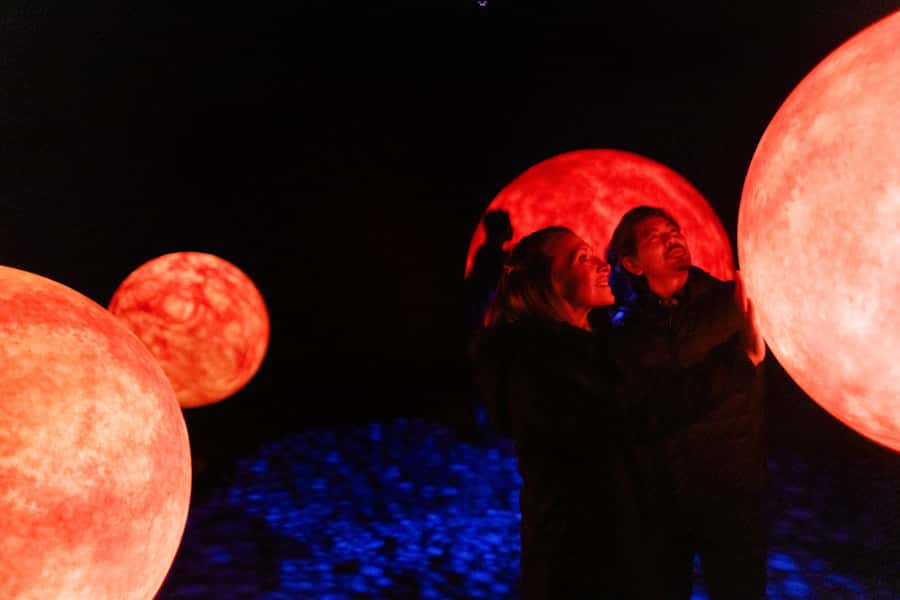
Māori astronomy takes center stage in this unusual daytime experience, where theatrical lighting, sound, storytelling, and science replace the need for a clear night. You’ll move through four interactive zones, then see the restored 125-year-old Brashear telescope up close.
I like that you can learn how Māori used stars and ocean currents for navigation without staying up late or gambling on the weather. I also like the clear cultural focus, which gives Lake Tekapo’s famous sky a human meaning, not just a scientific one.
The main caution is the guide’s delivery. The experience is spoken in English, and some visitors have found a strong accent or nearby children made parts difficult to follow. Sit close to the guide and choose a quieter tour time if possible.
Key points to know before you book
- Māori astronomy comes first: Learn how constellations, star clusters, ocean currents, and creation stories connect.
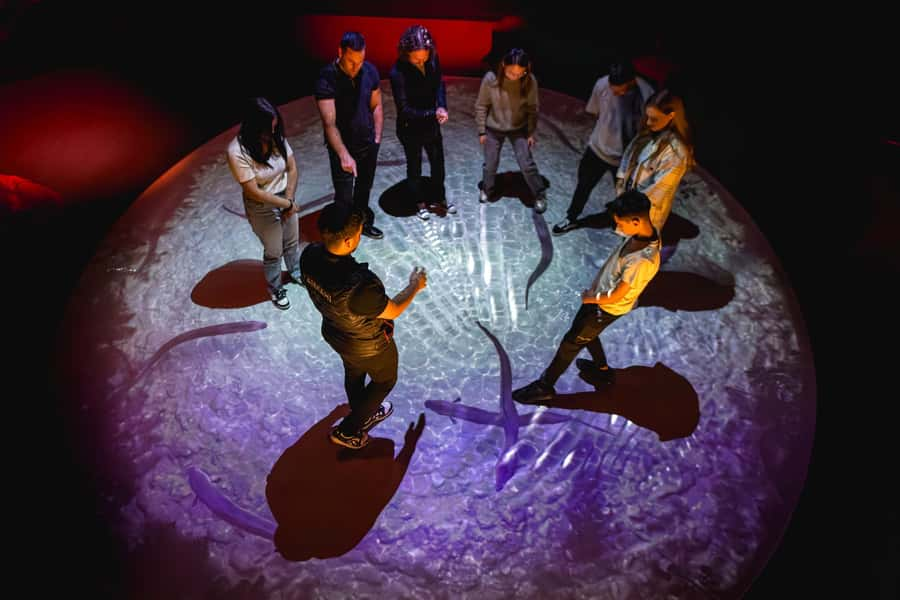
- Four indoor zones: The guided route uses theatrical lighting and sound to build a hands-on astronomy story.
- A practical rainy-day choice: The tour runs indoors in all weather, making it useful when outdoor stargazing is not possible.
- Historic Brashear telescope: See a restored Victorian-era telescope that is 125 years old.
- Short and easy to fit in: The full experience lasts 45 minutes and costs $35 per person.
- Language and access: Tours are available in English and Chinese, and the venue is wheelchair accessible.
Māori astronomy without waiting for darkness
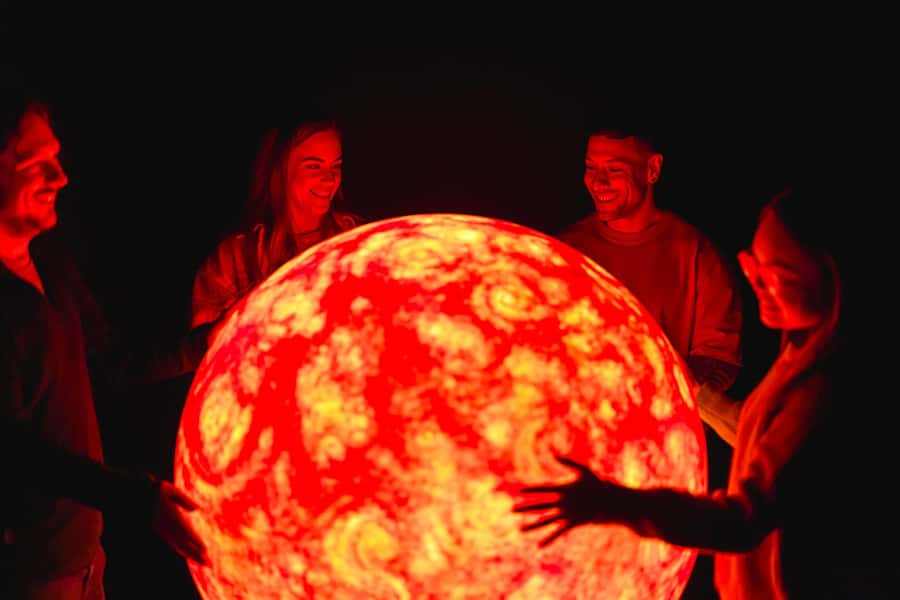
Lake Tekapo is famous for its night sky, but this experience makes astronomy possible in the middle of the day. You do not need a clear evening, warm clothes, or a late bedtime. Instead, you enter a purpose-built indoor zone where the night sky is explained through Māori culture and modern science.
That change of setting matters. Outdoor stargazing can be beautiful, but it often asks you to stand still, stay warm, and concentrate in the dark. Here, you can focus on the story. The lighting and sound help create a sense of movement through space, while the guide connects what you see to Māori beliefs, observation, and practical knowledge.
I would think of this as a cultural astronomy show rather than a conventional telescope session. You are not coming mainly to inspect planets through an eyepiece. You are coming to understand how people read the sky, gave meaning to stars, and used celestial knowledge as part of life at sea and on land.
The experience has a 4.5 rating from 43 reviews, with especially strong praise for the subject matter and the guides’ friendly, informative approach. That matches the appeal of the format: the ideas are serious, but the presentation is designed to be approachable for families and first-time astronomy visitors.
More Stargazing Tours in Lake Tekapo
- Lake Tekapo: Alpine Stargazing Experience with a Guide
★ 4.5 · 626 reviews - Lake Tekapo: Stargazing Experience
★ 4.9 · 607 reviews - Chameleon Stargazing Shared Tour
★ 5.0 · 181 reviews
Four zones that connect stars, sea, and creation
The route is divided into four interactive zones. The exact order and individual presentation may vary, but the central themes give you a useful idea of what you will encounter.
The first part introduces the Māori relationship with the night sky. You learn that stars are not simply distant points of light. They can carry stories, mark seasonal patterns, and help people understand their place in the world.
This cultural frame is the experience’s strongest feature. Scientific astronomy often asks what a star is, how far away it sits, or how it formed. Māori astronomy adds another set of questions: What does this star mean? How does it relate to the natural world? How has it helped people travel, remember, and pass knowledge from one generation to the next?
A later zone looks at navigation. Māori used constellations and ocean currents to guide long journeys across the Pacific. That subject gives the astronomy a practical edge. You are not just learning names in the sky. You are seeing how the sky and sea worked together as a navigation system.
The connection between stars and currents is particularly useful for visitors who assume navigation depends only on a compass or map. The presentation shows a wider skill set, where direction, weather, water movement, and celestial patterns all matter. It also helps explain why astronomy was a living part of daily knowledge rather than a hobby separated from ordinary life.
Another section focuses on star clusters. You’ll learn why groups of stars matter in Māori traditions and how patterns in the sky can be used to organize stories and observation. This is a good place to pause and remember that constellations are human patterns. Different cultures connect the same stars in different ways, producing different stories and meanings.
The final themes reach into the Milky Way and the science of how living beings came to be. The experience links Māori ideas with a science-based account of origins, giving you two ways to think about the same great questions.
That mix is handled as a shared conversation between cultural knowledge and scientific discovery. It is not simply a standard astronomy lesson with Māori names added afterward. The cultural perspective shapes the way the sky is presented from the start.
The Brashear telescope is the physical highlight
The most tangible object on the route is the restored Brashear telescope. This Victorian-era instrument is 125 years old, and you can see it up close as part of the guided visit.
The telescope gives the experience a useful physical anchor. Much of the tour uses sound, light, stories, and interactive displays. The Brashear is different. It is a real historic instrument with a long connection to astronomical observation, and its presence reminds you that people have been building tools to study the heavens for generations.
You should not book this tour expecting a lengthy telescope viewing session. The Brashear is an important stop, but the full experience is about Māori astronomy, science, and storytelling. Think of the telescope as a special object within a broader cultural presentation.
For children, it can help turn an abstract lesson into something concrete. Instead of hearing only about stars and distant galaxies, they get to see a large historic telescope and understand that astronomy depends on both human stories and carefully made instruments.
Why the indoor format works in Lake Tekapo
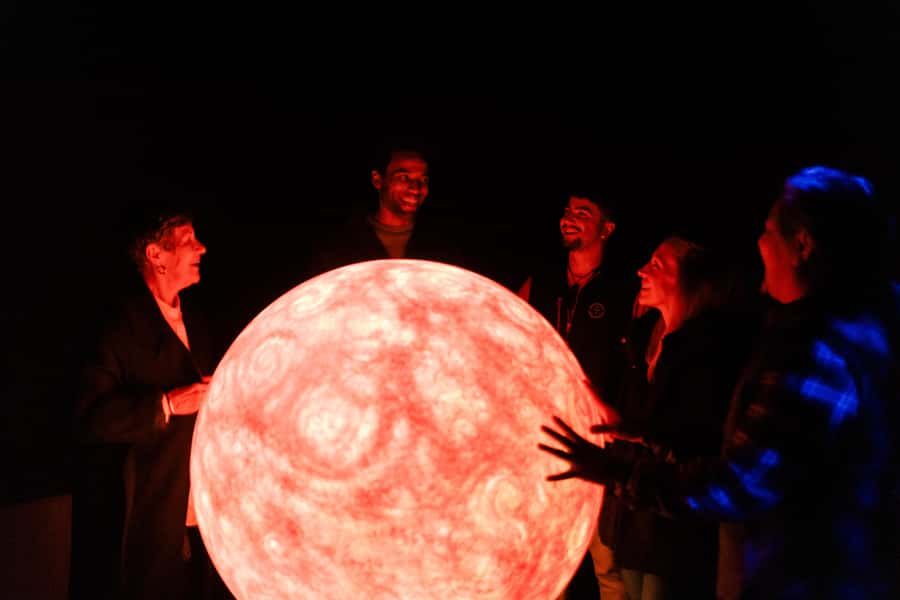
Lake Tekapo’s outdoor sky experiences depend on conditions. Clouds, rain, wind, and bright moonlight can affect what you see. This tour avoids that uncertainty because it operates indoors in all weather.
I see it as especially useful on a cloudy day or as a daytime introduction before an evening outdoors. You can learn the basic ideas first, then look at the sky later with more context. Once you know the cultural meaning attached to certain stars and clusters, night viewing becomes less about spotting random points of light.
The indoor setting is also family-friendly. The 45-minute duration is long enough to make the visit worthwhile, but short enough for most children to manage. Families with young children should still consider the sound level and group setting. Two children under five made it difficult for one visitor to hear the guide, so a quieter time and a seat near the front may make a real difference.
Theatrical lighting and sound add energy, but they may also make the experience less restful than a quiet planetarium talk. If you prefer a calm, technical lecture, this could feel more performative than expected. If you learn best through stories and visual effects, the format should suit you well.
More Maori culture tours in Lake Tekapo:
- Dark Sky Indoor Maori Cultural Astronomy Experience
★ 4.5 · 70 reviews - Mitai Maori Village: Cultural Experience and Dinner Buffet
★ 4.7 · 3,575 reviews - Cultural Experience & Seasonal Māori Cuisine at Te Pā Tū
★ 5.0 · 1,546 reviews - Mitai Maori Village Cultural Experience in Rotorua
★ 4.5 · 1,294 reviews
A closer look at the 45-minute visit
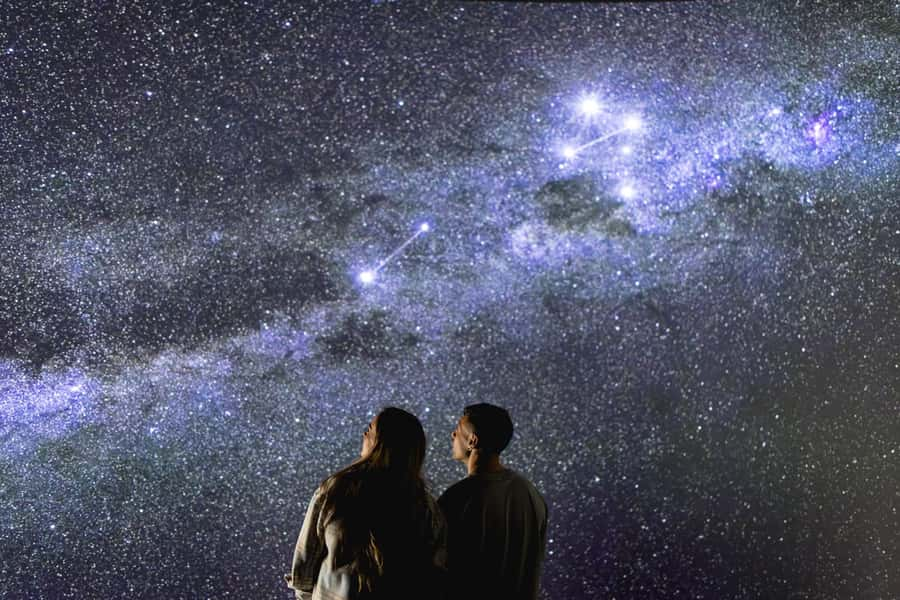
Your visit begins at the Dark Sky Project location at 1 Motuariki Lane, around 100 meters from the Four Square Supermarket. That central position makes it easy to reach on foot if you are already in Lake Tekapo.
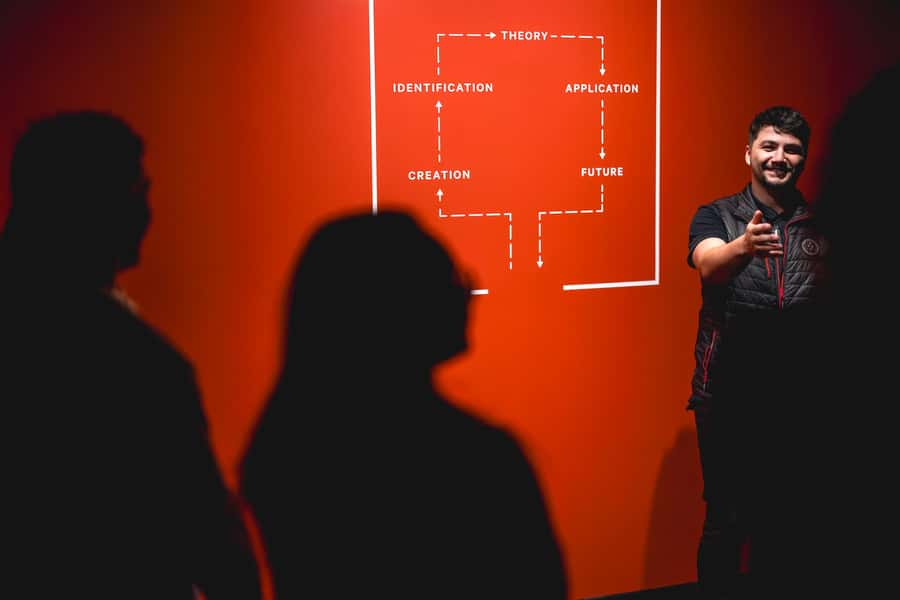
The tour is fully guided. Rather than moving through displays alone, you follow the guide through the four zones and receive explanations as the story develops. The guide’s role matters here because the experience depends on timing, narration, and clear connections between Māori culture and science.
The first stage sets the cultural foundation. You begin to see the sky as a source of identity, direction, and seasonal knowledge. The guide then takes you through the navigation material, including the use of constellations and ocean currents.
The star cluster section broadens the story. It explains how groups of stars can hold cultural meaning and how sky patterns help people organize knowledge. The route then moves toward the Milky Way and the origins of living beings, bringing the story from local observation to very large scientific questions.
The Brashear telescope provides a final physical point of interest. You can view the restored instrument at close range and hear about its place in the history of astronomy. The entire visit takes 45 minutes, so the pacing is brisk rather than slow and meditative.
The guides speak English or Chinese. English comprehension can vary depending on the guide and the noise in the room. One visitor found a guide pleasant and informative but difficult to understand, while another had trouble hearing over children. That does not make the tour unsuitable, but it does make your position in the room important. Stay near the guide, and ask for clarification if you miss a key point.
Is $35 good value?
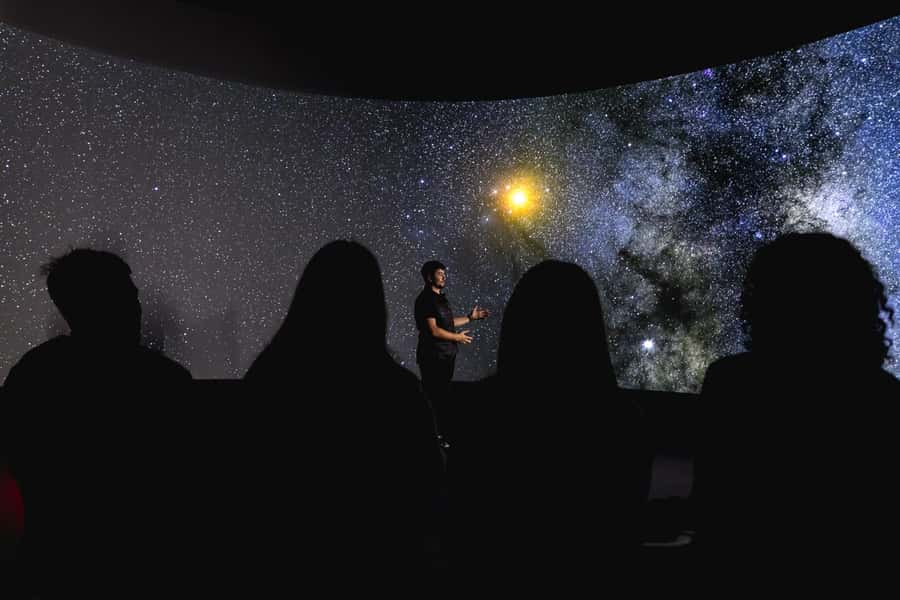
At $35 per person, this is reasonably priced for a guided, purpose-built cultural attraction in Lake Tekapo. The value comes from the combination of a live guide, interactive zones, theatrical production, and access to a historic telescope.
I would not compare it directly with a long outdoor stargazing session. Those are different products. An evening tour may spend more time looking through telescopes or identifying objects in the actual sky. This visit gives you cultural context, works in daylight, and lasts only 45 minutes.
That short duration makes the price easier to justify if you are building a full day around Lake Tekapo. You can fit it between walks, meals, or other local activities without giving up half a day. It also offers a reliable option when clouds cancel outdoor plans.
The value is strongest for people who want meaning as well as information. If you only want to see stars through a telescope, this may not be the best match. If you want to understand how Māori knowledge connects people, sea, and sky, the experience offers more than a basic astronomy display.
Food, drinks, hotel pickup, and drop-off are not included. The central meeting point keeps transport simple, but you need to make your own way there.
Who will enjoy this experience most?
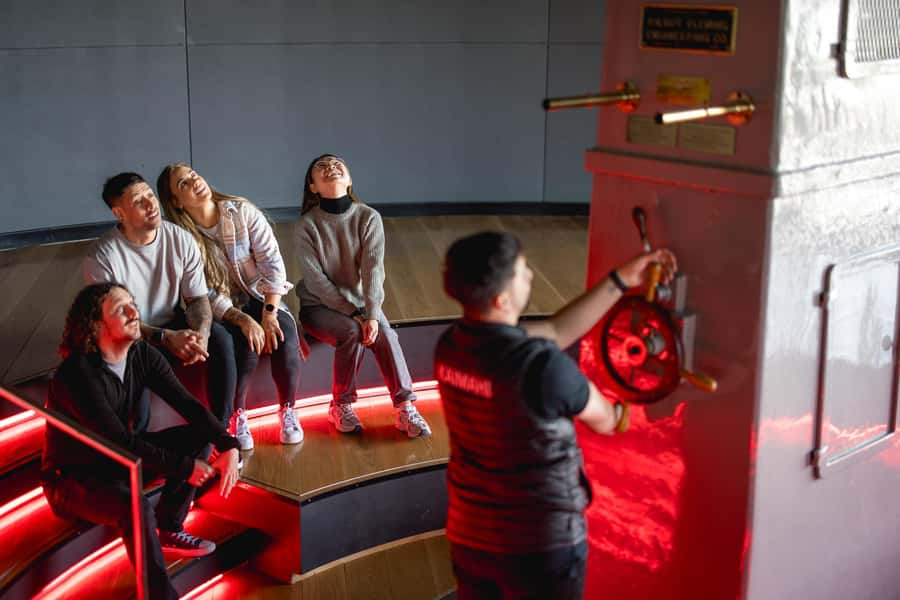
I would recommend it to families, culture-minded visitors, and anyone who wants a clear introduction to Māori astronomy. It is also a good choice for people who cannot manage a late-night activity or who have limited time in Lake Tekapo.
The tour suits first-time astronomy visitors because it does not assume technical knowledge. You can arrive knowing very little about the stars and still follow the main story. The combination of science, mythology, navigation, and visual presentation gives you several ways into the subject.
It is also useful for visitors who already plan to see the southern sky outdoors. The indoor session can give you a framework for what you later notice above Lake Tekapo. The two experiences serve different purposes and can work well together.
You may want to skip it if your priority is hands-on telescope viewing, a long outdoor session, or highly technical astronomy. You should also think carefully about audio comprehension if you have difficulty understanding spoken English. Chinese tours are available, which may solve that problem for some visitors.
The venue is wheelchair accessible, and the indoor setup means you do not need to plan around rain or cold. Those practical advantages make it one of the easier astronomy activities to fit into a South Island itinerary.
Timing, booking, and cancellation
The experience lasts 45 minutes, but starting times vary, so check availability before you plan the rest of your day. The central location near the Four Square Supermarket makes it convenient to reach without a hotel transfer.
You can reserve a place and pay later, which is helpful if your South Island schedule is still changing. Free cancellation is available up to 24 hours before the start time for a full refund.
Because the tour runs in all weather, you do not need to wait for a clear forecast before booking. That is one of its practical advantages over outdoor astronomy. A rainy afternoon can still become a useful astronomy session.
Should you book the Māori Astronomy Experience?

Book it if you want a short, accessible introduction to Māori culture and the night sky, especially if you value storytelling as much as equipment. The combination of four interactive zones, navigation knowledge, Māori star traditions, the Milky Way, and the historic Brashear telescope gives the 45 minutes a clear purpose.
I would make this a strong daytime choice for families and for anyone with only a short stay in Lake Tekapo. It is also a smart backup when outdoor conditions look poor.
Approach it with the right expectations. This is not a long night under the stars, and it is not mainly a telescope viewing session. It is a guided cultural astronomy experience. Sit close, listen carefully, and allow the story to change the way you look at the sky later that night.
FAQ
Where does the Māori Astronomy Experience take place?
It takes place at 1 Motuariki Lane, Lake Tekapo 7999, New Zealand, about 100 meters from the Four Square Supermarket.
How long does the experience last?
The guided experience lasts 45 minutes.
How much does it cost?
The listed price is $35 per person.
Is the experience indoors?
Yes. It takes place in a purpose-built indoor experience zone and operates in all weather conditions.
What languages are available?
Live guided tours are available in English and Chinese.
Is the venue wheelchair accessible?
Yes, the experience is wheelchair accessible.
What will I learn during the tour?
You will learn about Māori astronomy, constellations, star clusters, ocean-current navigation, Māori connections with the night sky, the Milky Way, and the science-based story of how living beings came to be.
Can I see a historic telescope?
Yes. The experience includes a close view of the restored 125-year-old Brashear Victorian-era telescope.
Are food, drinks, and hotel transfers included?
No. Food, drinks, hotel pickup, and hotel drop-off are not included.
Just added around Lake Tekapo
- Lake Tekapo Scenic Wilderness Cass Valley Tour★ 4.5 · 19 reviews
- Lake Tekapo Ultimate Stargazing Experience★ 5.0 · 3 reviews
- Christchurch to Tekapo Small-Group Tour (one-way)★ 5.0 · 4 reviews
- Tekapo: Merino Sheep Shearing and Sheepdog Demonstration★ 5.0 · 26 reviews
- Queenstown to Tekapo Small Group Tour One Way★ 4.6 · 6 reviews
- Private Photoshoot in Lake Tekapo★ 5.0 · 3 reviews
- Lake Tekapo: Ultimate Stargazing Experience★ 4.3 · 12 reviews
- Lake Tekapo High Country Farm Tour (Carbon Positive)★ 4.8 · 26 reviews
Maori Culture Tours, compared.
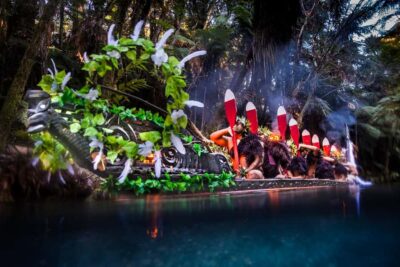
Mitai Maori Village: Cultural Experience and Dinner Buffet
Read our review →
Cultural Experience & Seasonal Māori Cuisine at Te Pā Tū
Read our review →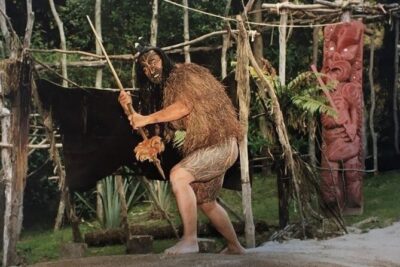
Mitai Maori Village Cultural Experience in Rotorua
Read our review →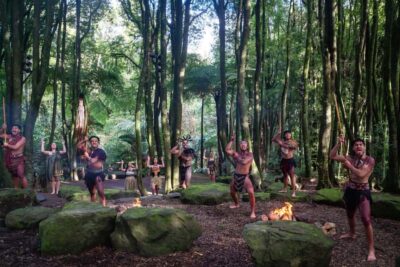
Te Pa Tu Māori Cultural Experience with Dinner
Read our review →
Lake Taupo: Sailboat Trip to the Maori Rock Carvings
Read our review →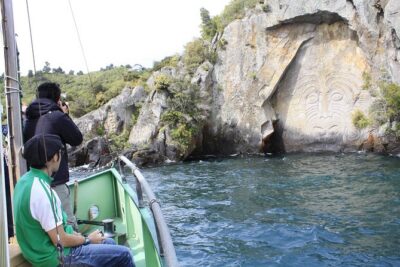
Lake Taupō Māori Rock Carvings Scenic Cruise aboard Ernest Kemp
Read our review →
Waitomo Caves & Rotorua – Te Puia Small-Group Tour from Auckland
Read our review →Browse the lists this tour appears in