
Reviewed · 2-HOUR EXPERIENCES
Tarawera and Lakes 2-Hour Duck Eco Tour
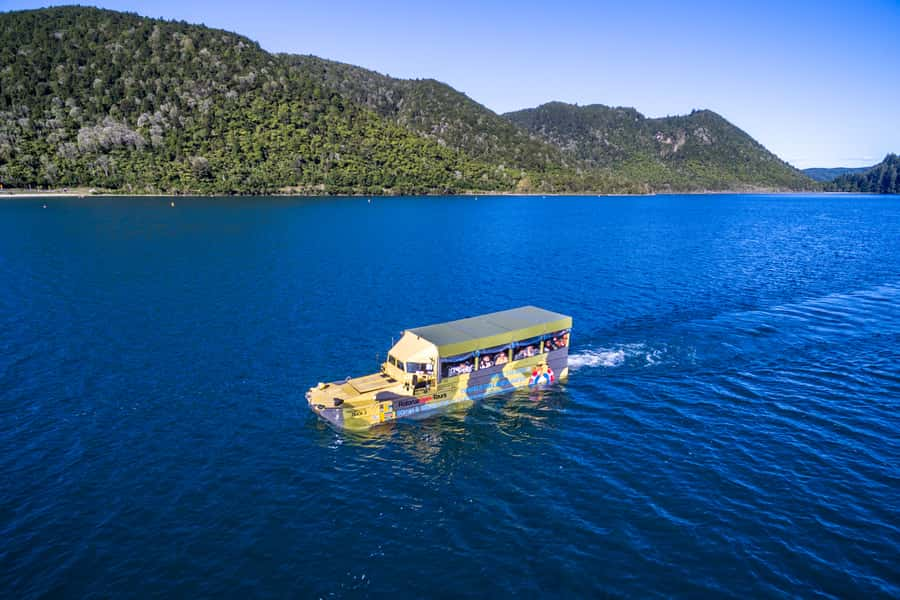
The most unusual part of this Rotorua outing is the vehicle itself: a genuine WWII amphibious Duck that drives along the road and splashes onto three lakes without you changing seats. You get volcanic scenery, a bit of military history, and a playful ride in one tidy two-hour trip.
I like the four-lake route and the way the live guide links scenery with Māori stories, the 1886 eruption, and Rotorua’s geothermal past. I also like the easy family appeal: the water entries are exciting, but you do not need to swim or handle any equipment.
The main drawback is exposure to the weather. The Duck has open windows, so it can feel cold or wet, and one guide’s talk may feel too long if you prefer quiet sightseeing. The vehicle can also move slowly on the return road.
Key points
- A genuine 1942 amphibious Duck: Ride a real WWII landing craft on both roads and lakes.
- Four Rotorua lakes in two hours: Visit Okareka, Tarawera, Rotokakahi, and Tikitapu.
- Three splashdowns: Stay in your seat as the Duck enters Lake Okareka, Lake Tarawera, and Tikitapu.
- Mount Tarawera from the water: See the volcanic domes linked to the devastating 1886 eruption.
- Stories with plenty of personality: The English commentary covers Māori migration, local legends, geology, ecology, and geothermal activity.
- Pack a warm layer: Roll-down sides help in rain, but wind can still make the ride chilly.
Why the WWII Duck makes this Rotorua tour different
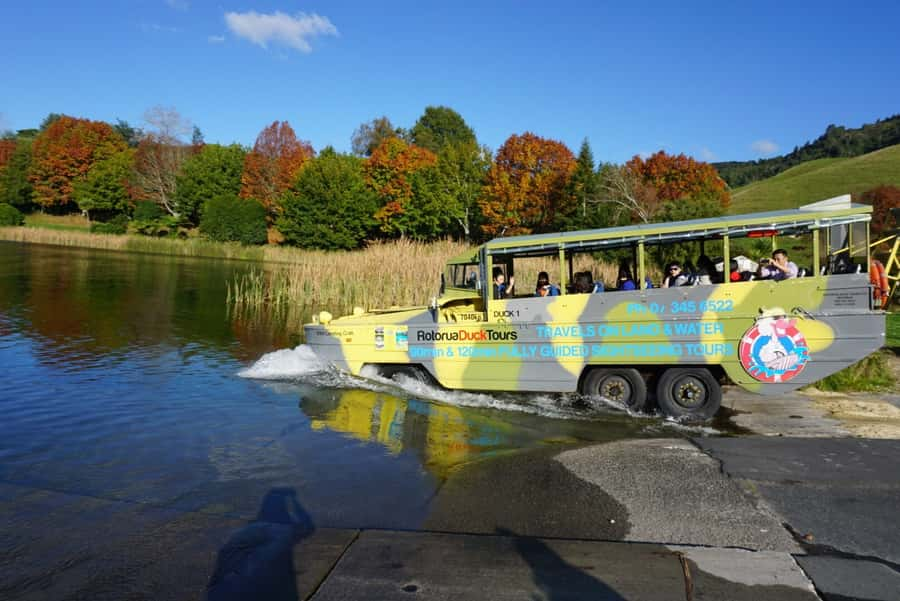
Rotorua has no shortage of lake cruises, scenic drives, and cultural attractions. This outing combines several of those ideas in a way that feels genuinely odd and memorable. You begin in a large amphibious vehicle, travel through the roads around the lakes district, then enter the water without leaving your seat.
The Duck is a genuine WWII landing craft made in 1942. That detail gives the trip more substance than a simple novelty ride. You are not just sitting in a themed bus. You are riding in a piece of working military transport, adapted for sightseeing while retaining its ability to move from land to water.
The vehicle is also part of the entertainment. A duck quacker is included, and the playful tone is built into the outing. On the return to Rotorua, you may find yourself joining the group’s noisy duck calls as the vehicle makes its way back through town. If you want a quiet, polished coach trip, this is not that. If you enjoy a little silliness alongside useful information, the format works well.
The tour costs $65 per person and lasts two hours. I see that as fair value if you want both sightseeing and interpretation in one short activity. You are paying for a guided road trip, three water entries, a historic vehicle, and a broad introduction to the Rotorua lakes district. It is less compelling if you only want a boat ride, since much of the time is spent driving between the lakes.
A few more Rotorua trips worth a look
- Rotorua Canopy Tours: 2.5Hour Native Forest Zipline Adventure
★ 5.0 · 4,563 reviews - Mitai Maori Village: Cultural Experience and Dinner Buffet
★ 4.7 · 3,575 reviews - Rotorua: Wai-O-Tapu Geothermal Park Entry Ticket
★ 4.6 · 2,601 reviews
Leaving Rotorua for Lake Okareka
The meeting point is at 1241 Fenton Street, in central Rotorua. There is no hotel pickup or drop-off, so allow enough time to reach the departure point and be ready when the tour starts. Punctuality matters here, since the vehicle follows a set route and cannot easily wait for late arrivals.
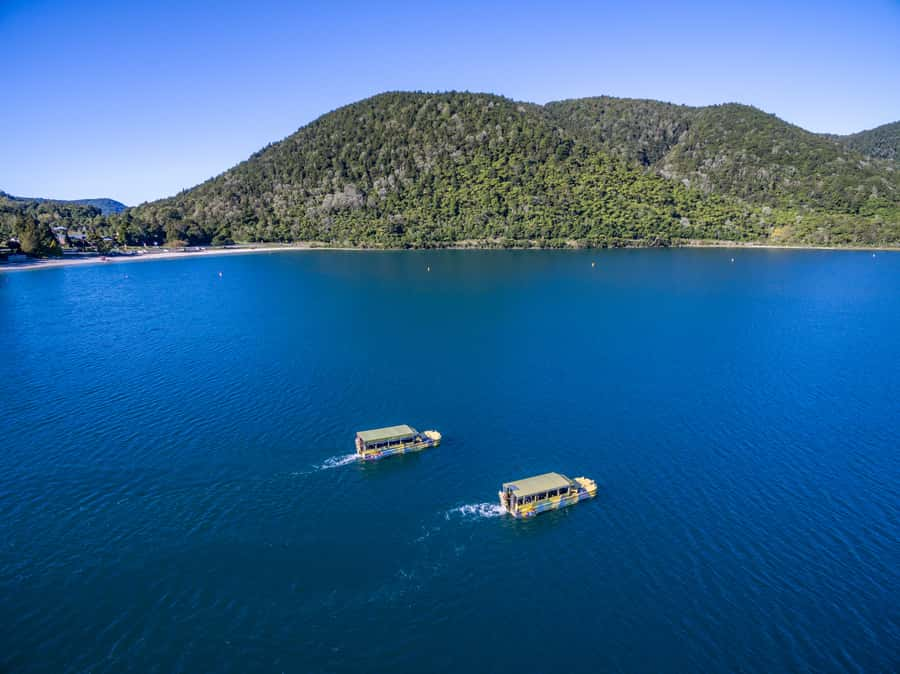
The first splashdown is at Lake Okareka. This is a sheltered start to the water portion of the tour, so you get a gentler introduction before the trip reaches Lake Tarawera. The moment the Duck moves from road to lake is the main mechanical thrill. You remain seated while the vehicle noses into the water and becomes a boat.
That simple change makes the experience work for several age groups. Children get the excitement of a splashdown, while older passengers can enjoy the unusual machinery and the view. You do not need to be sporty, and there is no need to get into the water.
As you travel through the lakes district, the guide explains what you are seeing. The focus is not just on place names. Commentary covers geology, ecology, Māori legends, migration to New Zealand, and Rotorua’s geothermal activity. The best guides keep these subjects connected, so a lake becomes part of a larger story rather than just a photo stop.
Guides named Esther, Ollie, Shelley, Marcus, and others have led tours associated with this operation. Their styles vary. Some lean heavily into jokes, while others give more factual detail. That variation can shape the ride, but the tour is designed around live English commentary rather than a recorded track.
Lake Tarawera and the volcanic domes of Mount Tarawera
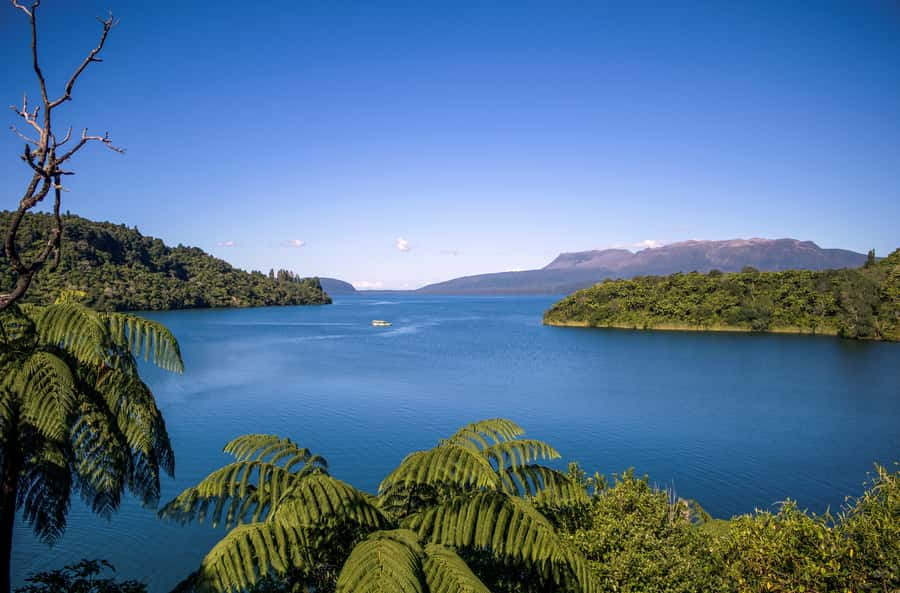
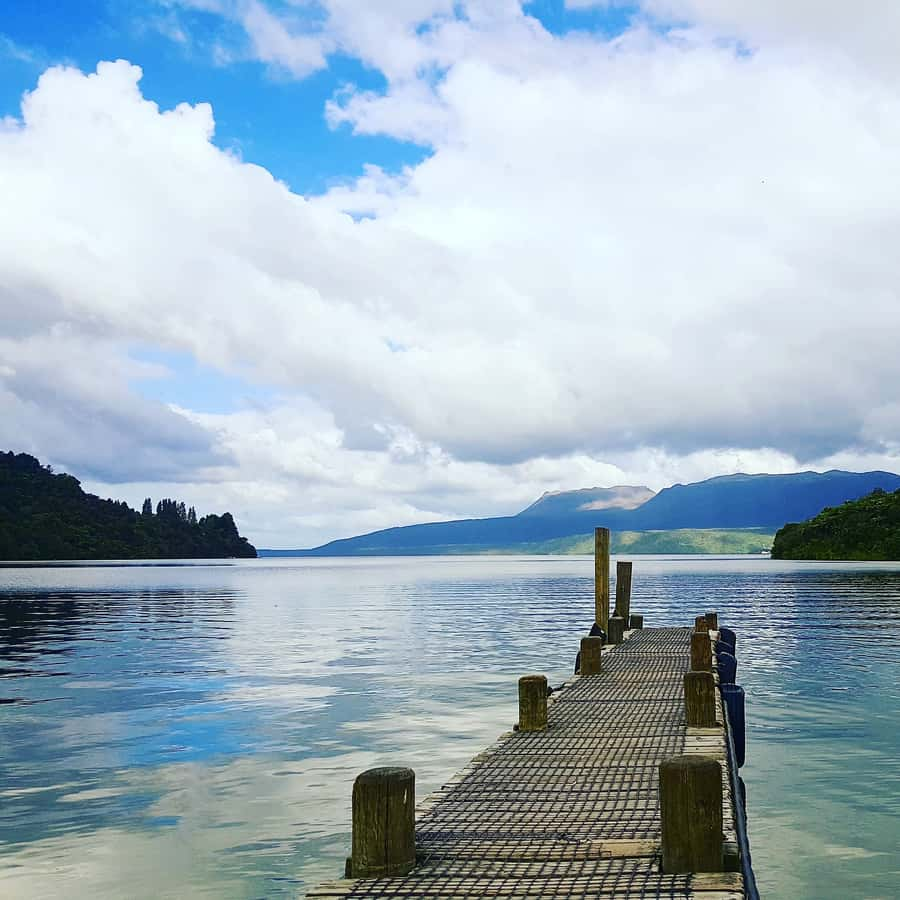
Lake Tarawera is the main visual prize. The lake sits below the volcanic domes of Mount Tarawera, whose form dominates the surrounding area. From the water, you get a useful sense of how the lake and mountain fit together. The view is not just scenic; it helps explain the region’s volcanic identity.
The guide discusses the 1886 eruption of Mount Tarawera, one of the key events in Rotorua’s past. The eruption destroyed the famous Pink and White Terraces and had a devastating effect on local Māori communities. Hearing about that event while looking toward the mountain gives the story a strong sense of place.
The tour also brings in Māori history and migration. This adds an important human layer to the geology. Rotorua is not simply a region shaped by volcanic forces. It is home to communities with long connections to the lakes, waterways, mountains, and geothermal areas.
Lake Tarawera is also the second major water entry. The Duck plunges into its deeper blue water, giving you another chance to enjoy the unusual sight of a road vehicle becoming a boat. The lake portion is not a long independent cruise, so set your expectations correctly. This is a moving tour with short water sections, not a slow, extended sailing trip.
The open windows help you see and photograph the surroundings, but they also let in wind. On a clear day, that makes the ride pleasant. On a cold or wet day, you will be glad to have a warm jacket. Blankets are provided in colder conditions, and clear roll-down sides help keep rain out, but you should still dress for the weather.
Rotokakahi, the Green Lake
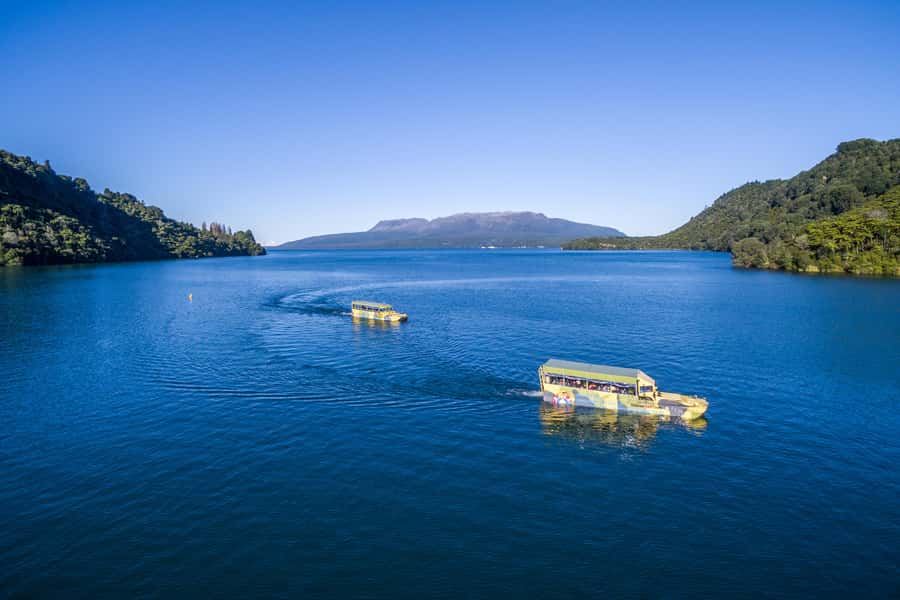
On the return route, you view Lake Rotokakahi, also known as the Green Lake. Unlike the other main water entries, this lake is viewed rather than entered. It is considered sacred, so the route treats it differently.
That distinction matters. The tour is not simply trying to turn every lake into a splashdown. The stop gives the guide a chance to explain the cultural importance of the area and reminds you that these places are not only scenic attractions. Some sites call for respect and distance.
You should expect a passing view rather than a long stop with time to wander. The value is in the explanation and the contrast with the more playful water entries. After the noise and movement of the Duck, looking toward a sacred lake adds a quieter note to the route.
This is also where the tour’s range becomes clear. In two hours, you are getting volcanic geology, Māori culture, local ecology, military history, and lake scenery. None of these subjects receives the time of a dedicated specialist tour, but together they create a useful first look at the district.
Same corner of the country, a very different day out:
- Rotorua’s Ultimate Zipline: 6 ziplines, 400 m Tandem, Cliff Walk
★ 5.0 · 2,557 reviews - Rotorua Rafting: Kaituna River White Water Rafting & Free Sauna
★ 5.0 · 1,952 reviews - Cultural Experience & Seasonal Māori Cuisine at Te Pā Tū
★ 5.0 · 1,546 reviews - Mitai Maori Village Cultural Experience in Rotorua
★ 4.5 · 1,294 reviews
Tikitapu, the Blue Lake, and the final splash
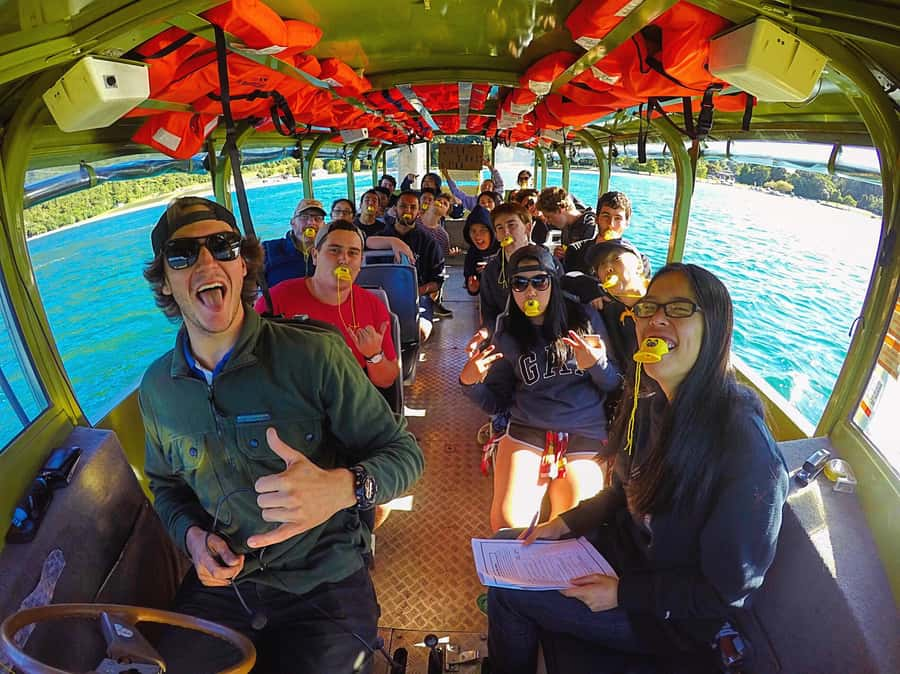
The last lake visit is Tikitapu, better known as the Blue Lake. This is the third and final splashdown. By now you know the rhythm: road travel, commentary, a change of scenery, then the Duck enters the water with everyone still aboard.
Tikitapu provides a lively finish before the return to Rotorua. The lake is one of the best-known scenic stops in the district, and seeing it from the water gives you a different angle than a roadside lookout. The short lake entry is especially good for families who want a clear sense of adventure without committing to a full water activity.
The route then heads back toward the city. You may notice the sulphurous smell returning as Rotorua comes closer. That aroma is a small but fitting reminder that geothermal activity is part of daily life here, not just something reserved for a visitor attraction.
The return drive can be slower than you expect. The Duck is a large, unusual vehicle, and one past account even joked about a long line of traffic behind it. If you have a fixed appointment soon after the tour, leave a generous buffer. The advertised length is two hours, but road conditions and the pace of the group can affect the exact return time.
The commentary: useful facts with a comic edge
The guide is central to the experience. The vehicle alone is fun, but the commentary turns it into a tour. You can expect information about volcanic activity, Māori migration, local legends, geology, ecology, and the 1886 eruption.
The tone is usually light. Guides such as Esther and Shelley have been praised for keeping people entertained, while Ollie has been described as friendly and well informed. Marcus has also been associated with lively commentary. You may hear jokes, puns, and deliberately groan-worthy lines along with the factual material.
That style suits a fun family outing, but it will not please everyone. One account found the comedic delivery tiring, and another felt that a newer guide talked too much. If you prefer a quiet view and short explanations, you may find the constant talk distracting. If you like a guide who keeps the vehicle lively, the humor is a plus.
The most useful approach is to treat the commentary as part of the show. You are not booking a silent scenic transfer. You are booking a guided experience where personality matters. The quality of the talk can vary by guide, but the subject range gives the trip real educational value.
Weather, comfort, and what to bring
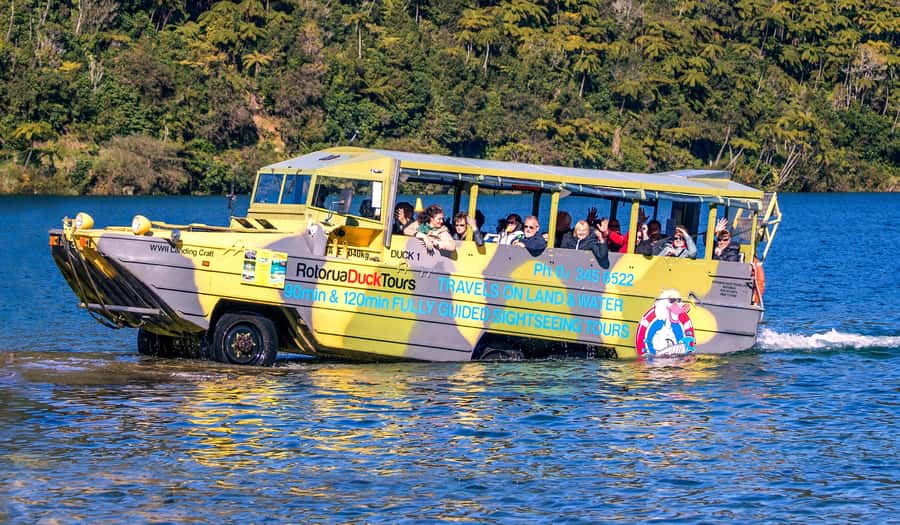
The Duck operates in all weather. On rainy days, clear roll-down sides help keep you dry. They do not remove every discomfort, though. Wind can still enter through the open design, and cold weather is noticeable on the water.
Wear comfortable shoes and bring warm clothing, even if the forecast looks mild. A jacket or extra layer is more useful than dressy clothing. Blankets may be available on colder days, but you should not rely on them as your only protection.
The vehicle is family-friendly, but the experience is not a luxury ride. Expect the noise and movement of an old amphibious craft, plus the practical limits of a vehicle designed for military use. That is part of its charm. You get an authentic old machine rather than a quiet modern coach.
The tour is suitable for all ages according to the activity details. Still, parents should prepare young children for wind, road noise, and the excitement of the water entries. The Duck does not require passengers to leave their seats for the splashdowns, which keeps the activity simple.
Who gets the most from the $65 price
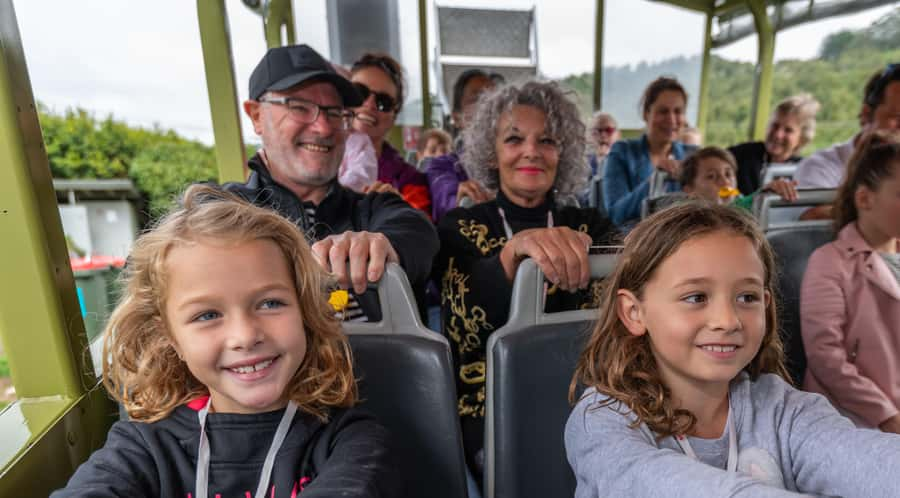
I would recommend this tour to families, first-time visitors to Rotorua, and anyone who enjoys a mix of history and scenery. It is also a good choice if you have only a few hours and want to see several lakes without arranging your own transport.
The value is strongest when you want interpretation. You are not paying $65 just to look at water. You are getting a guide who explains the volcanic setting, Māori stories, the eruption, local ecology, and the meaning of the lakes, plus an unusual vehicle and three entries into the water.
Couples who want a calm, romantic lake cruise may prefer another option. So might keen photographers who need long, quiet stops. The route keeps moving, the windows can be windy, and the commentary continues throughout much of the ride.
I also suggest allowing more than two hours in your day if you have a dinner booking, airport transfer, or another timed activity. The tour is scheduled for two hours, but the Duck’s slow road pace can make a tight connection uncomfortable.
Cancellation is free up to 24 hours before departure, and you can reserve now and pay later. Those terms are useful if your Rotorua plans may change, but the key decision is still the format: choose this for character, stories, and variety rather than luxury or silence.
Should you book the Tarawera and Lakes Duck Tour?
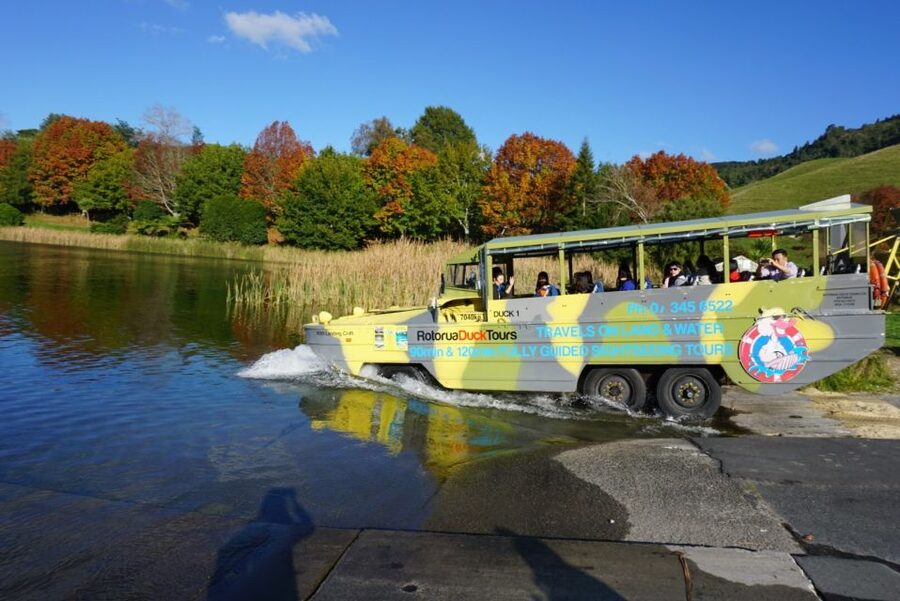
Book it if you want a memorable introduction to the Rotorua lakes district, especially if the idea of riding a real WWII amphibious vehicle appeals to you. The combination of Lake Tarawera, Mount Tarawera, the sacred Green Lake, the Blue Lake, and live local storytelling packs a lot into two hours.
Skip it if you dislike cold air, jokes, traffic delays, or guided commentary that fills the ride. For most visitors, though, the unusual vehicle and three splashdowns give this outing a clear edge over a standard sightseeing drive.
Bring a warm layer, arrive at 1241 Fenton Street on time, and leave space after the tour. If you do that, the $65 price buys a playful and informative look at four of Rotorua’s best-known lakes, with a story attached to nearly every mile.
FAQ
How long is the Tarawera and Lakes Duck Tour?
The tour lasts two hours. It begins in Rotorua and includes road travel, lake visits, three splashdowns, and a return journey to the city.
Which lakes does the tour visit?
The route visits Lake Okareka, Lake Tarawera, Lake Rotokakahi, also called the Green Lake, and Tikitapu, also called the Blue Lake.
Which lakes does the Duck enter?
The Duck splashes into Lake Okareka, Lake Tarawera, and Tikitapu. Lake Rotokakahi is viewed rather than entered.
Is the tour guided in English?
Yes. The tour includes a live English-speaking guide with commentary about Māori migration, legends, geology, geothermal activity, ecology, and the 1886 Mount Tarawera eruption.
What should I wear?
Wear comfortable shoes and dress warmly, especially on cold days. The Duck has open windows and can feel chilly in the wind. Clear roll-down sides help keep you dry in rain, and blankets are provided on colder days.
Is hotel pickup included?
No. Hotel pickup and drop-off are not included. You should go to the meeting point at 1241 Fenton Street in Rotorua and arrive on time.
More 2-Hour Experiences in Rotorua
- Milford Sound: 2-Hour Small Boat Scenic Cruise
★ 4.8 · 2,561 reviews - 2-Hour Milford Sound Scenic Cruise
★ 5.0 · 1,520 reviews - Whitianga: 2-Hour Cathedral Cove and Volcanic Coast Cruise
★ 4.8 · 816 reviews - Queenstown: 2-Hour Zipline Tour with 4-Lines
★ 4.7 · 462 reviews
Just added around Rotorua
- TRIPLE DEAL Wai-O-Tapu, Redwood Forest & Blue Springs Ex Auckland★ 5.0 · 20 reviews
- Volcanic Rotorua Day Trip from Auckland★ 5.0 · 4 reviews
- Private Tour to Rotorua’s Natural wonders and Māori Arts & craft.★ 5.0 · 4 reviews
- Private Transfer From Auckland Airport To Rotorua★ 5.0 · 5 reviews
- Rotorua Highlights Tour inc. Te Puia Tour, Lunch & Cultural Show★ 4.5 · 53 reviews
- Private Tour – Rotorua Adventures Day Trip From Auckland★ 5.0 · 19 reviews
- Private Tour WaiOtapu & Huka Falls & Blue springs from Auckland★ 5.0 · 3 reviews
- Rotorua Full Day Private Tour from Auckland★ 5.0 · 3 reviews
2-Hour Experiences, compared.
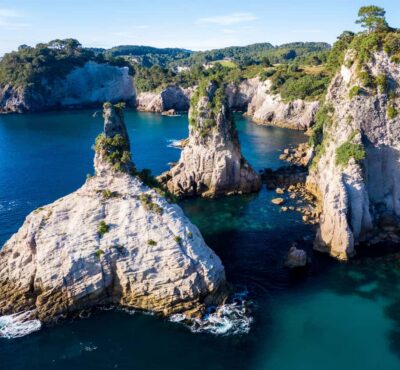
2-Hour Cathedral Cove and Volcanic Coast Cruise
Read our review →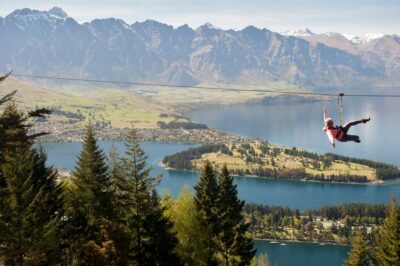
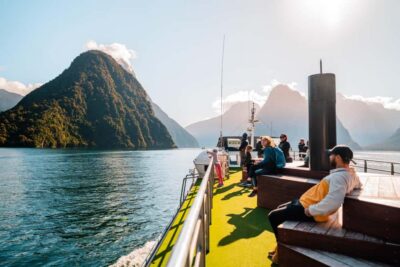
2 Hour Cathedral Cove and Volcanic Coast Cruise with Shade Canopy
Read our review →
America’s Cup 2-Hour Sailing Experience Waitemata Harbour
Read our review →
Browse the lists this tour appears in