
Reviewed · DINING EXPERIENCES
Mount Cook, Lake Pukaki: Billion Star Dining
The best part of Billion Star Dining is the change of pace: you begin with a polished meal at The Moraine, then move outdoors for a close look at the Southern sky. That pairing gives the evening two distinct pleasures, food and astronomy, without making either feel like an afterthought.
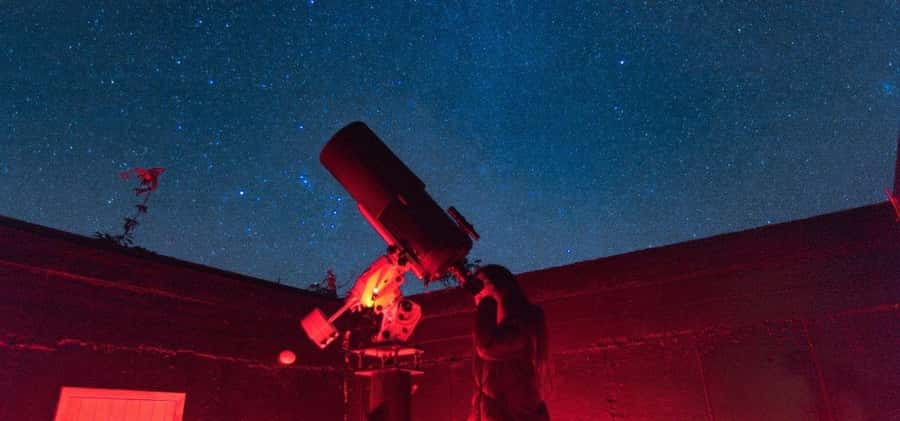
I like the small group of no more than 10 and the purpose-built observatory, whose retractable roof opens a clean view above the telescope. I also like that the astronomy guide explains the Southern sky before you look through the eyepiece. The main caution is simple: stargazing depends on weather, while dinner still goes ahead if clouds or rain spoil the sky.
Key points at a glance
- Two-part evening: Enjoy fine dining at The Moraine before visiting Pukaki Observatory.
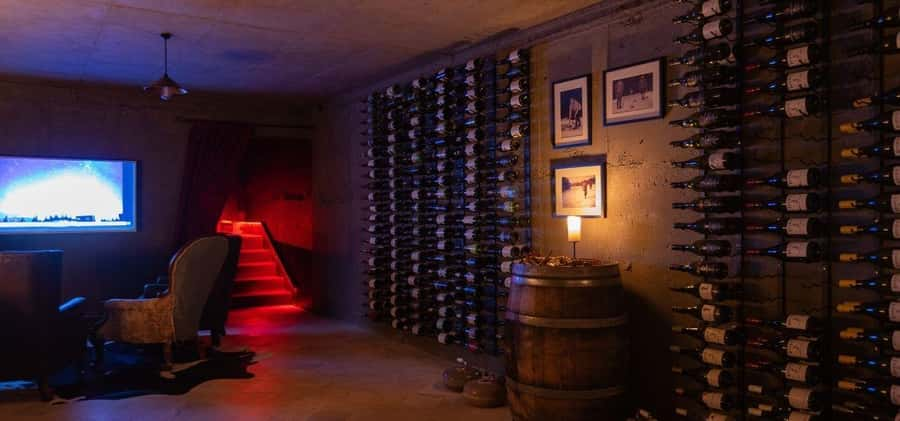
- Wine-cellar welcome: Start with a drink and an introduction to the Southern sky.
- A real telescope: Use a 9-inch reflector telescope to view planets, star clusters, and nebulae.
- Small, personal setting: The group is limited to 10 people, with an English-speaking astro-guide.
- Weather matters: The dining portion continues in poor weather, but the stargazing may not.
- Adults and older children: The experience is not suitable for children under 10, and the minimum charge covers two people.
Dinner first, stars second
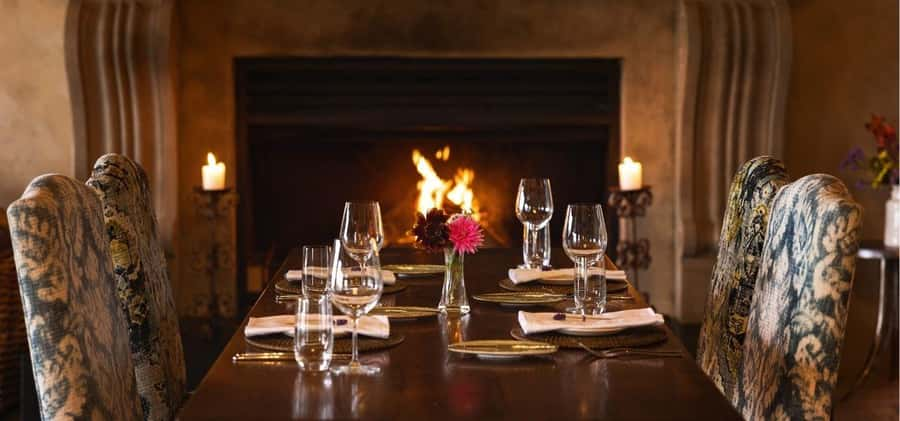
Billion Star Dining is designed as a four-hour evening rather than a quick telescope session. You first settle into a refined meal at The Moraine, then continue to Pukaki Observatory for the sky-watching part of the experience.
That order makes sense. Dinner gives you time to slow down after a day around Mount Cook and Lake Pukaki. The observatory then provides a clear change of mood, shifting your attention from the table to the sky above you.
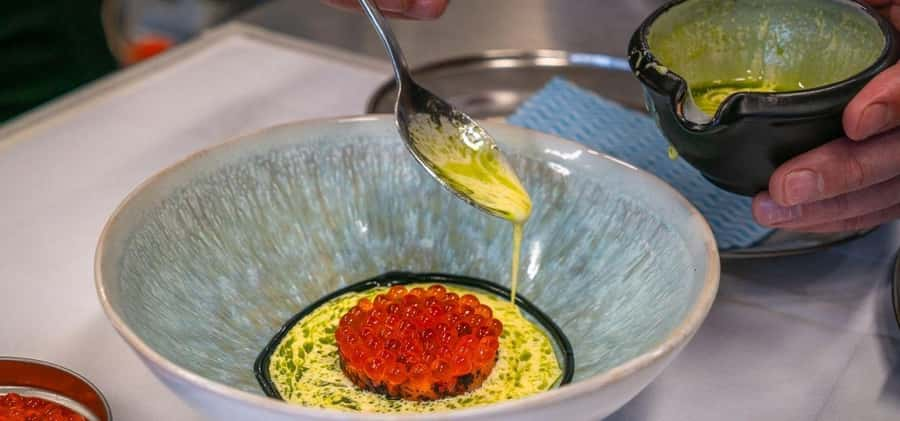
The dining room experience is described as fresh and innovative, so you should expect more than a basic meal attached to an excursion. The supplied details do not specify the menu, number of courses, or drink pairings, so I would not book this expecting a particular dish. Instead, think of the meal as the first half of a carefully planned evening.
The food is one of the strongest reasons to consider this experience. Recent feedback has singled out the meal as outstanding, and the setting has also earned praise. That matters because dinner continues even when the weather refuses to cooperate. You are not left with nothing to do if the clouds roll in.
More dinners out in Mount Cook:
- Mitai Maori Village: Cultural Experience and Dinner Buffet
★ 4.7 · 3,575 reviews - Rotorua: Te Pa Tu Māori Cultural Experience with Dinner
★ 4.8 · 1,193 reviews - Dinner at Walter Peak High Country Farm and Cruise from Queenstown
★ 4.5 · 576 reviews
A welcome drink in the wine cellar
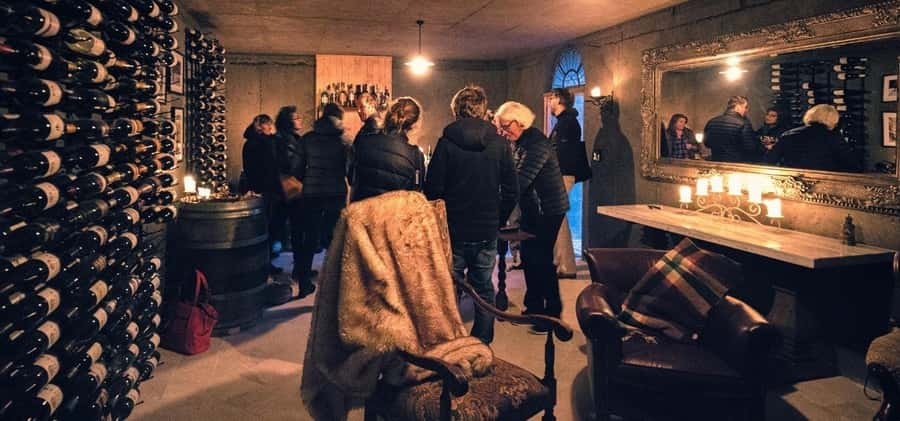
Before the observatory portion, you enjoy a welcome drink in the wine cellar. This is not just a place to wait for darkness. It is where you are introduced to the Southern sky and given some context for the stargazing ahead.
I like this part because it helps you get your bearings before stepping outside. The night sky can look like a wall of stars when you first see it from a dark location. A short introduction gives you something to look for and makes the telescope viewing easier to follow.
The wine cellar also gives the evening a more social start. With a group capped at 10, you should have a better chance to hear the explanation and ask a question than you would in a large coach group.
The welcome drink is included in the price. The available information does not say what drink is served, so you should not assume a particular wine, beer, or nonalcoholic option. If you have special drink needs, ask the provider before booking.
Inside Pukaki Observatory
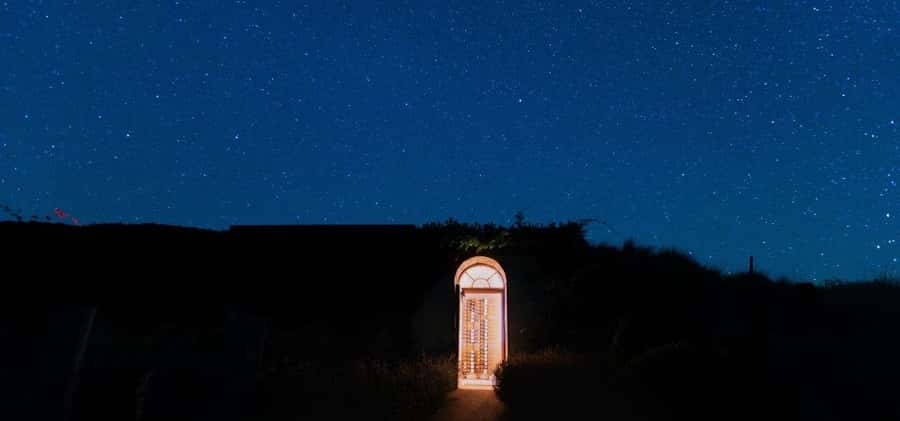
After the meal and cellar introduction, you head to Pukaki Observatory. The observatory is purpose-built for stargazing, with a retractable roof and a 9-inch reflector telescope.
The retractable roof is the key design feature. When it opens, the observatory walls frame the sky instead of leaving you to peer through a small opening or from behind a window. That creates a more direct connection with the night above you, while the telescope gives the guide a stable tool for showing specific objects.
A 9-inch reflector telescope is large enough to bring planets and distant objects into a much clearer view than your unaided eyes can provide. You may see the rings of Saturn, the bands of Jupiter, bright star clusters, nebulae, and planets. What appears as a tiny point from the ground can take on structure through the telescope.
The guide controls the viewing sequence, so the exact sights will depend on the season, the time of night, and the conditions. You may see different objects on different dates. The Southern Lights, or Aurora Australis, are possible on special nights, but they are not a standard part of every visit.
This is an important distinction. The telescope experience is planned, but an aurora is a bonus. Do not book this expecting the Southern Lights. Book it for the guided introduction to the Southern sky and the chance to view several celestial objects through a proper telescope.
Why the Southern sky matters
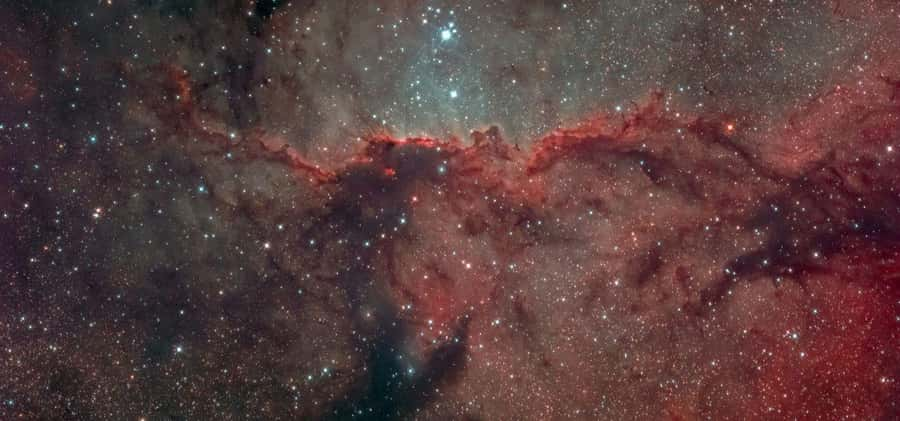
For many people, the attraction here is not simply seeing more stars. It is seeing a sky that differs from the familiar northern view.
An astro-guide introduces the Southern sky before the telescope session, giving the experience a sense of place. The explanation helps you understand that the night above Lake Pukaki is not just a generic star field. It is a different part of the sky, with its own patterns and notable objects.
I find that kind of context useful. Without guidance, you can look up and see plenty of stars but have little idea what you are seeing. The guide gives the sky a structure, then uses the telescope to connect that explanation with real views.
The small group should help here. With no more than 10 participants, the session is limited enough to feel more personal. You may still need to share the telescope and wait your turn, but you are not competing with a large crowd for a quick look.
A few more Mount Cook trips worth a look
- Mount Cook & Lake Tekapo Day Tour from Christchurch
★ 4.9 · 483 reviews - Mount Cook: Scenic Helicopter Flight with Alpine Landing
★ 4.8 · 442 reviews - Mt Cook Small Group Scenic Day Tour from Queenstown
★ 5.0 · 407 reviews - Mount Cook, Lake Tekapo and Tasman Glacier Tour from Christchurch
★ 5.0 · 353 reviews
Weather can change the evening
The biggest variable is the sky itself. Stargazing is weather dependent, and poor conditions can prevent the astronomy portion from taking place.
This is not a minor footnote. A German booking party received the meal and location but missed the stargazing because of weather. That is the risk you accept with any astronomy outing. Clouds can block the stars even when the observatory, dinner, and guide are all ready to go.
The good news is that the dining portion proceeds in bad weather. That gives the experience some protection against a disappointing forecast. You should still set your expectations correctly: the meal is reliable, but telescope viewing is not guaranteed.
Warm clothing is essential. Even if the afternoon around Lake Pukaki feels mild, the evening can be cold, especially when you are standing outside or waiting near the observatory. Bring layers rather than relying on the temperature at dinner time.
Reaching the property near Lake Pukaki
The entrance gate is 860 meters from the SH80 and SH8 turnoff. Look for the property sign at the gate, then follow the signs to the Observatory. The observatory is another 1.2 kilometers from the gate.
These distances are useful because the observatory is not directly at the highway turnoff. You should allow enough time to find the gate, enter the property, and continue along the marked route. Follow the signs rather than stopping at the first entrance and assuming you have arrived.
The supplied directions identify the meeting point but do not include a transfer service. Plan on making your own way to the property unless the provider confirms another arrangement. Check the starting time when you book, since the exact departure time varies by availability.
The location is part of the appeal. You are not going to a city planetarium with an artificial ceiling. You are heading to an observatory near Lake Pukaki, where the setting supports the night-sky experience.
Is the NZ$224 price good value?
At $224 per person, this is not a budget dinner or a casual stargazing stop. You are paying for two substantial parts: fine dining at The Moraine and a guided observatory session with a welcome drink and telescope use.
I see the value most clearly if you want a special evening and would otherwise pay separately for a quality dinner and an astronomy activity. The small group also matters. A group of up to 10 gives the guide room to explain what you are seeing instead of rushing through a long line.
The price is harder to justify if your main goal is simply to look at stars for a few minutes. It is also a less certain purchase if you care only about the telescope and have a poor forecast. In that case, the dinner becomes your fallback, not merely an extra.
There is a minimum charge for two people. Solo bookers should check how that applies before paying. You can reserve now and pay later, which helps if you are arranging a South Island itinerary before all your plans are fixed. Free cancellation is available up to 24 hours before the activity for a full refund.
Who will enjoy this evening most
I would recommend Billion Star Dining for couples, friends, and adults looking for a slower, more polished evening near Mount Cook. It suits anyone who enjoys good food but also wants a clear sense of place and a guided activity afterward.
It is a particularly good choice if you have already spent your days hiking or sightseeing and want something that does not involve another long walk. The evening has a calm rhythm: meal, welcome drink, explanation, telescope.
It also works for people who are curious about astronomy but do not know much about it. You do not need to arrive with star charts or telescope experience. The astro-guide provides the structure, and the equipment lets you see more than you could with your eyes alone.
Children under 10 are not permitted, so families with younger children should choose another activity. Older children may be eligible, but the supplied details do not specify an upper age limit or child pricing. Ask the provider if that affects your group.
What to bring and how to prepare
Bring warm clothing first. A jacket and extra layers are more useful than dressing only for the dinner portion. The observatory session is the reason to prepare for cold conditions.
Arrive with realistic weather expectations. A clear forecast improves your chances, but it cannot promise a particular planet, nebula, or aurora. The guide may show different objects depending on what is visible on the night.
Allow the full four hours. This is not a short pre-dinner telescope stop. You need time for the meal, welcome drink, Southern sky introduction, and observatory session.
The tour is conducted in English. If you need another language, this experience may not suit you, since the listed guide language is English only.
Should you book Billion Star Dining?
Book it if you want a memorable evening built around both food and astronomy, and if you are comfortable accepting some weather risk. The strongest reasons are the outstanding meal, the cellar introduction, the small group, and the chance to use a proper 9-inch reflector telescope rather than simply stand outside and look up.
Skip it if you need guaranteed stargazing, are traveling with a child under 10, or want a low-cost activity focused only on the stars. The dining portion softens the weather risk, but it does not remove it.
For the right visitor, the pairing feels well judged. You get a refined meal, a drink and sky lesson, then a chance to see Saturn, Jupiter, clusters, and nebulae in a purpose-built observatory. Keep your expectations grounded, wear warm clothes, and let the weather decide how much of the sky you receive.
FAQ
How long does Billion Star Dining last?
The experience lasts four hours.
What is included in the price?
The price includes fine dining at The Moraine, a welcome drink, the stargazing experience at Pukaki Observatory, and use of the 9-inch reflector telescope.
Is stargazing guaranteed?
No. Stargazing is weather dependent. The dining portion still proceeds in bad weather.
What can I see through the telescope?
Depending on the conditions and what is visible, you may see the rings of Saturn, the bands of Jupiter, star clusters, nebulae, and planets. The Southern Lights may be visible on special nights.
What should I bring?
Bring warm clothing for the observatory and outdoor portion of the evening.
Are children allowed?
Children under 10 are not permitted to join the experience.
Where is the meeting point?
The entrance gate is 860 meters from the SH80 and SH8 turnoff. From the gate, follow the signs for 1.2 kilometers to the Observatory.
Just added around Mount Cook
- Skydive Mt. Cook – 20+ Seconds of Freefall from 10,000ft★ 5.0 · 5 reviews
- Skydive Mt. Cook – 70+ Seconds of Freefall from 16,500ft★ 5.0 · 5 reviews
- Mt Cook to Christchurch One-Way Small Group Tour via Lake Tekapo★ 5.0 · 16 reviews
- Mt Cook to Queenstown Small Group Tour (One-Way)★ 4.5 · 25 reviews
- Mt Cook & Lake Tekapo 2-Day Small Group Tour from Queenstown★ 5.0 · 15 reviews
- Mount Cook: Mountains High 40-Minute Helicopter Flight★ 5.0 · 53 reviews
- Mount Cook Scenic 35 Minute Helicopter Flight★ 5.0 · 6 reviews
- Mount Cook Alpine Explorer Helicopter Flight with Alpine Landing★ 4.0 · 22 reviews
Dining Experiences, compared.
Mitai Maori Village: Cultural Experience and Dinner Buffet
Read our review →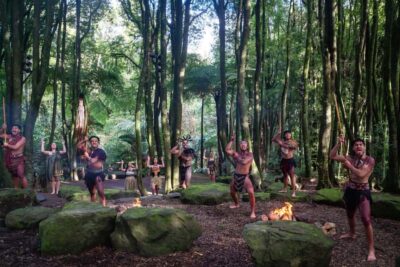
Te Pa Tu Māori Cultural Experience with Dinner
Read our review →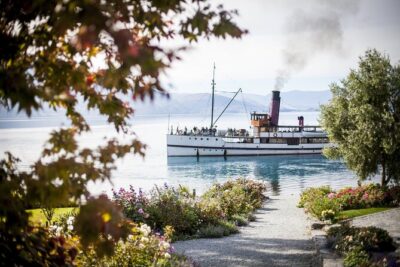
Dinner at Walter Peak High Country Farm and Cruise from Queenstown
Read our review →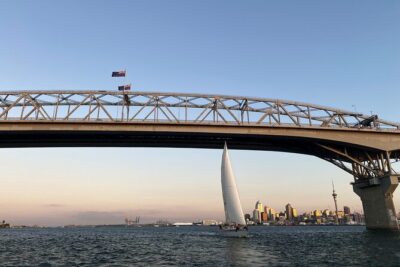
Auckland Harbour Sailboat Cruise Including Three Course Dinner
Read our review →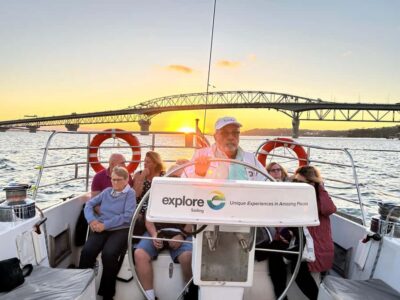
Lake Rotoiti Evening Kayak Tour including Hot Springs, Glowworm Caves and BBQ Dinner
Read our review →
Evening Starlight Gourmet Kayak Tour with dinner
Read our review →Browse the lists this tour appears in