
Reviewed · HISTORICAL TOURS
Rotorua: The Buried Village of Te Wairoa
The Buried Village of Te Wairoa brings the night of Mt. Tarawera’s 1886 eruption into focus through excavated homes, personal objects, museum displays, and a forest walk to Te Wairoa Falls. This was once a Maori and missionary settlement near the Pink and White Terraces. In a matter of hours, ash and volcanic debris buried the village and changed Rotorua’s story forever.
I like the way the visit combines archaeology with a waterfall walk, so you are not spending the whole day indoors. I also like the choice between a self-guided audio tour and scheduled talks from local hosts, including Marie, a third-generation guide linked to Sophia. The main consideration is the waterfall trail: its steps are steep in places, and the museum can feel chilly, so wear practical shoes and bring a layer.
Key points at a glance
- The 1886 eruption is explained through real excavated objects, not just display panels.
- The museum should come first, giving the ruined buildings and archaeological traces more meaning.
- A guide or audio tour adds the human story, including the final hours of Te Wairoa.
- Te Wairoa Falls is the reward at the end of the trail, especially after rain.
- The walk includes steep steps, so allow extra time and take care on the descent.
- Smith & Co cafe and Victorian dress-up photos make the site easier to enjoy as a family outing.
Start with the museum before walking into the ruins
Te Wairoa is only about a 15-minute drive from Rotorua, at 1180 Tarawera Road. The site is easy to treat as a quick stop, but I would not rush it. Allow at least an hour and a half, and closer to a few hours if you want the museum, village remains, waterfall trail, cafe, and gift shop.
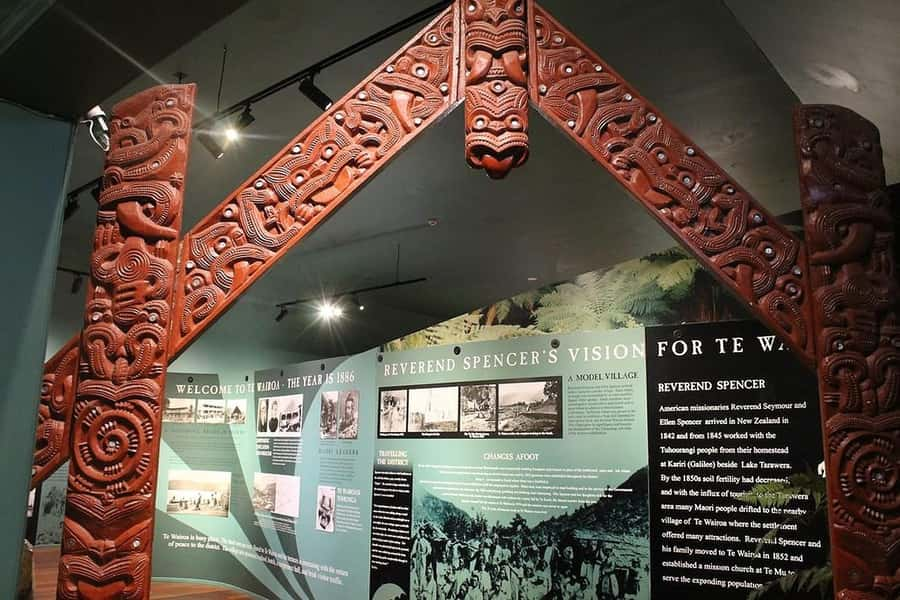
Begin indoors at the Museum of Te Wairoa. This is where you learn what the settlement was like before the eruption. The museum holds a substantial collection of objects excavated from the site, dating from the 1800s. Those objects help you picture daily life before the village was buried.
That order matters. If you walk straight to the ruins, you may see foundations, walls, and fragments without knowing what they meant. The museum gives those remains a human scale. You begin to understand that this was not simply a volcanic site. It was a home, a working settlement, and a place tied to Maori culture, missionaries, and visitors heading toward the Pink and White Terraces.
The museum is described as interactive and award-winning, with displays about the eruption and its effects. You can use the included English audio guide, read the signs, or join a talk or living-history presentation if one is scheduled during your visit. Some of the exhibits use modern technology, and an optional VR experience has been praised as worth the small extra cost. Check the current availability and price when booking, since it is not included in the basic entry described here.
The interior may be cool, even on a sunny day. One useful trick is to bring a light layer, then enjoy the warmth outdoors on the village trail.
More history on the ground in Rotorua:
- Olveston Historic Home Guided Tour
★ 5.0 · 205 reviews - Skippers Canyon 4WD Heritage half day Tour from Queenstown
★ 5.0 · 204 reviews - Scenic Cruise & Guided Walk on Historic Motor Yacht Lake Te Anau
★ 5.0 · 165 reviews
Follow the buried village through the archaeological site
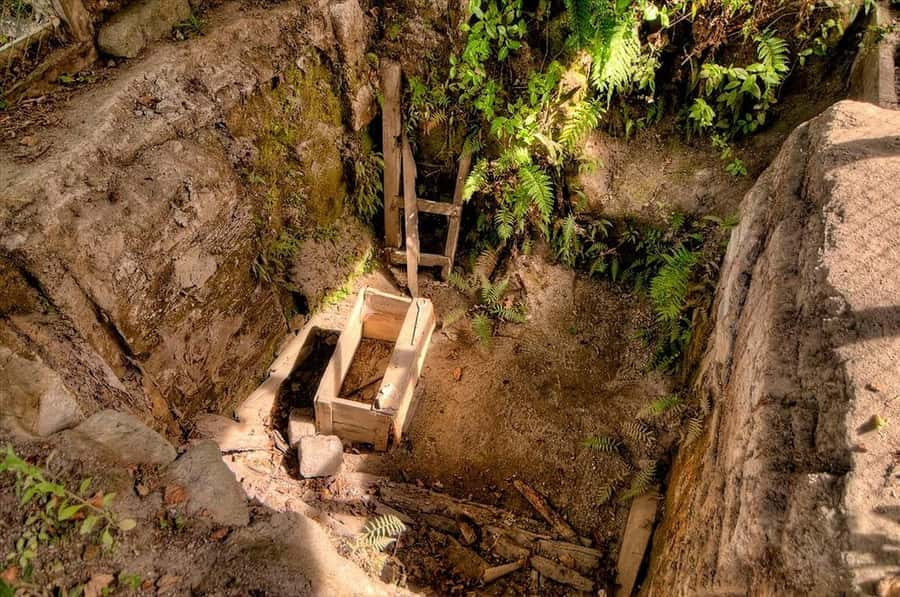
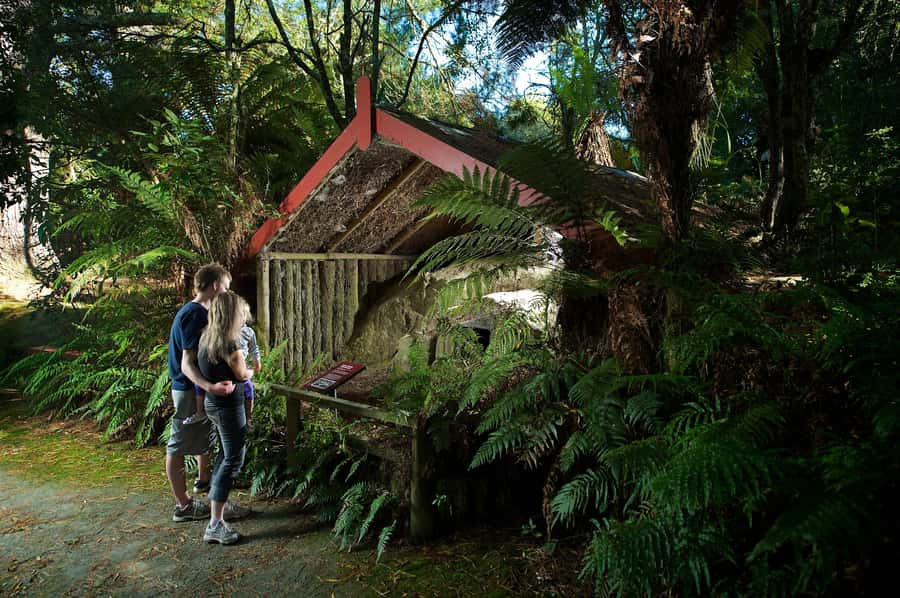
After the museum, head outside to the archaeological remains. The path takes you through the former settlement, where excavated structures and interpretive signs explain the buildings and the people who used them.
This is not a grand ruin with tall walls or monumental architecture. Its power comes from the traces of ordinary life. The remains make the eruption feel sudden and personal. You are looking at a place where people had homes, work, plans, and routines, then faced a disaster that gave them almost no time to respond.
The site is under the kaitiakitanga, or guardianship, of the Smith family, who have cared for it for nearly 90 years. That long connection gives the place a sense of continuity. It also helps explain why the interpretation is not limited to geology. The story includes the Maori community, the missionary settlement, the visitors who came to see the terraces, and the families who survived the destruction.
Local hosts add the details that signs cannot always provide. A guide identified as Marie has been described as a third-generation guide connected with Sophia, one of the people associated with the site’s early story. If a live talk is available, it is worth arranging your walk around it. A good spoken explanation can make the buildings and buried objects easier to understand.
If no talk fits your timing, the audio guide gives you a clear alternative. You can move at your own speed and pause when you want to look closely at a foundation or display. The site is also well marked, with maps and signs helping you follow the route without needing a formal tour.
One weakness is that a few signs may not explain each structure as fully as you would like. That is where the museum, audio guide, or scheduled talk becomes useful. I would not judge the visit only by the ruins themselves. The full story comes from combining all three parts.
Understand what was lost at Mt. Tarawera
The eruption of Mt. Tarawera in 1886 destroyed Te Wairoa and buried the Pink and White Terraces, a famous natural attraction of the time. The village was close enough to the terraces to be part of the route for people coming to see them.
The eruption is presented here as both a natural event and a human catastrophe. Ash and volcanic material transformed the settlement. The museum and outdoor displays explain the chaos of that night and the hardship that followed.
I find this kind of interpretation more useful than simply seeing a crater or lava field. You are not asked to admire destruction from a distance. You see how a community was affected, how homes and belongings were buried, and how memory was preserved afterward.
The Maori story is an important part of the visit. The site’s interpretation encourages respect for the people and culture connected with Te Wairoa rather than treating the settlement as an abandoned curiosity. That makes this a stronger choice for anyone who wants more than a scenic stop around Rotorua.
Take the forest route to Te Wairoa Falls
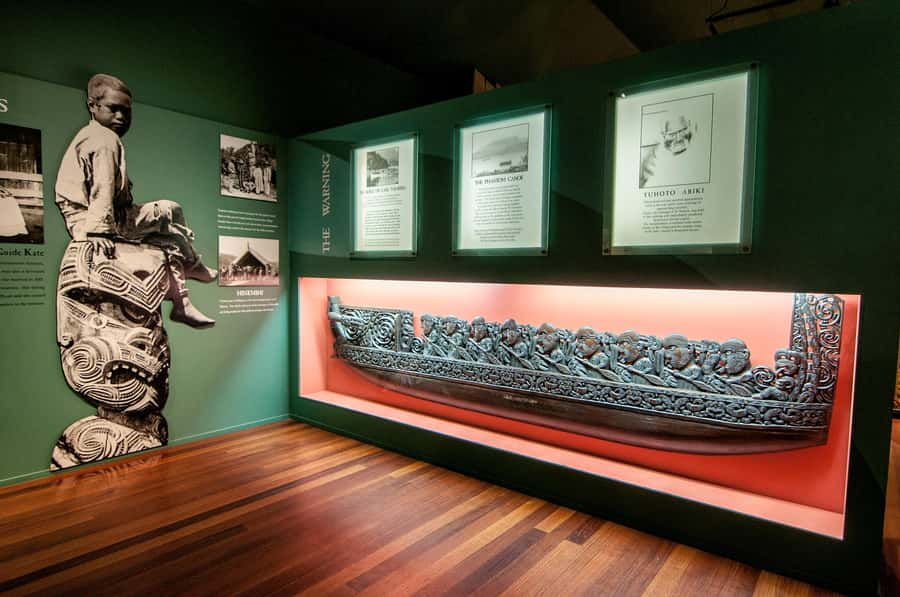
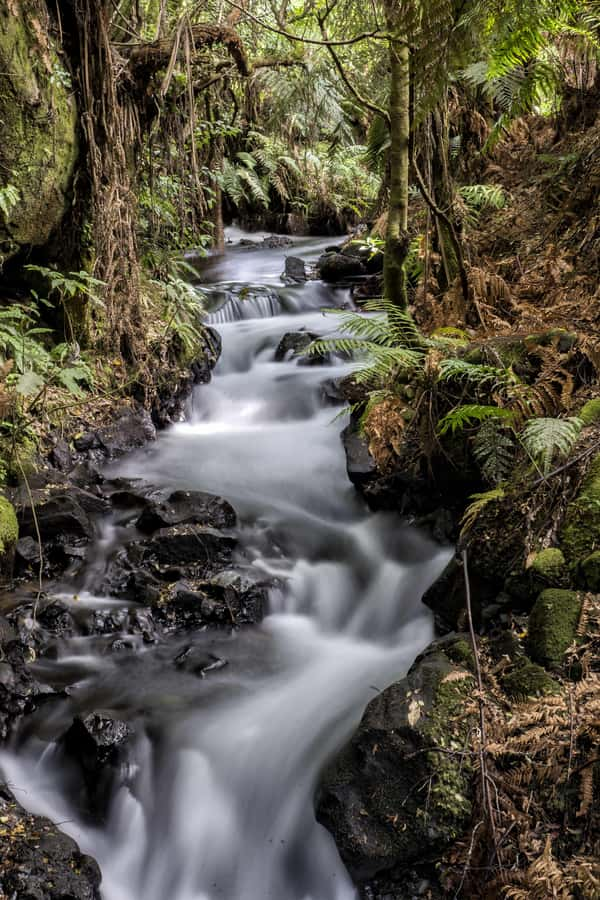
The waterfall trail is the most scenic part of the visit. It follows a stream through native plant life and forest before reaching Te Wairoa Falls. Along the way, interpretation covers native flora and fauna and explains how the area has recovered after such violent destruction.
The falls are especially impressive after rain. Several accounts of the walk describe the water as spectacular following wet weather, and you can expect mist near the base. That mist is part of the appeal, but it also means you should protect phones and cameras if you are taking them close to the waterfall.
The route includes steps, with a steep section on the way down. The walk to the falls has been described as roughly 10 to 15 minutes, though your total time will depend on how often you stop. The return climb takes more effort than the descent, so do not leave it until the last few minutes before closing.
I would make the waterfall a priority, but not pretend it is effortless. Comfortable shoes are specifically recommended, and they are a sensible choice. The trail is short enough for many people, yet the steps may be tiring for anyone with limited stamina.
The reward is a closer view than you get from a distant lookout. You can stand in the spray and see the falls within the recovering forest. After spending time with the eruption story, the greenery and running water offer a fitting change of pace. The setting does not erase the tragedy, but it shows the land continuing to recover.
The site is wheelchair accessible, but the waterfall route has steps and should be considered separately from the accessible parts of the venue. If the falls are essential to your visit, confirm the current trail conditions before setting out.
A few more Rotorua trips worth a look
- Rotorua Canopy Tours: 2.5Hour Native Forest Zipline Adventure
★ 5.0 · 4,563 reviews - Mitai Maori Village: Cultural Experience and Dinner Buffet
★ 4.7 · 3,575 reviews - Rotorua: Wai-O-Tapu Geothermal Park Entry Ticket
★ 4.6 · 2,601 reviews - Rotorua’s Ultimate Zipline: 6 ziplines, 400 m Tandem, Cliff Walk
★ 5.0 · 2,557 reviews
Add a cafe stop and a little Victorian theater
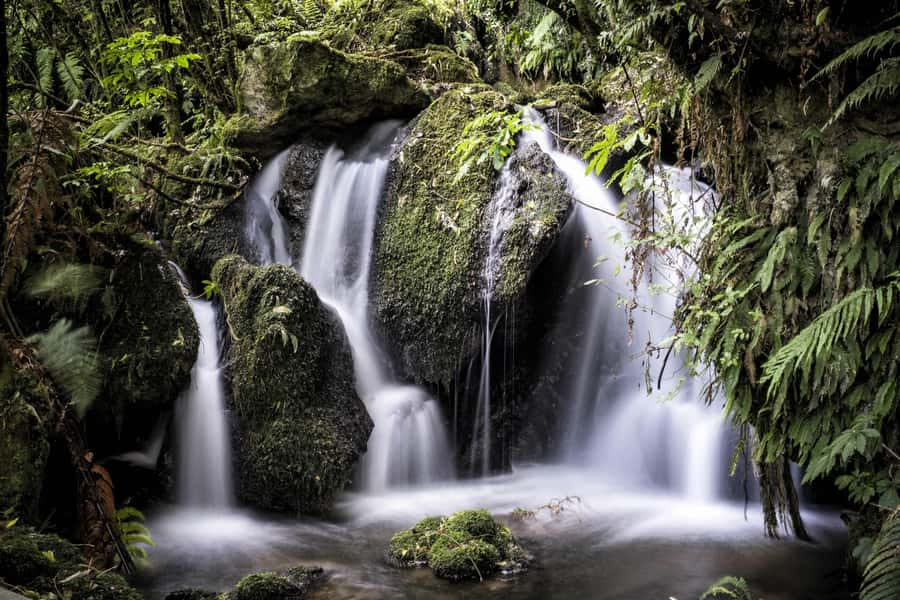
Smith & Co, the onsite cafe, gives you an easy place to pause after the museum and trail. Food and drinks are not included in the entry price, but you can buy scones with whipped cream and jam, Devonshire tea, coffee, hot chocolate, and New Zealand-style pastry pies.
The cafe is more than a practical food stop. It fits the historical setting without requiring you to spend the whole day in a formal tour. A hot drink is particularly welcome after the waterfall walk or on a cool day.
The site also offers Victorian-style clothing for dress-up photographs. This may sound like a small extra, but it gives families and children something hands-on to do after the more serious museum displays. An Easter scavenger hunt has also been used at the site, taking children through the museum and grounds. Since special activities can change, check what is running on your date.
The gift shop is worth a quick look at the end. It offers a range of goods and souvenirs connected with the site. I would save it for last so you do not carry purchases along the trail.
Is $14 good value for the time?
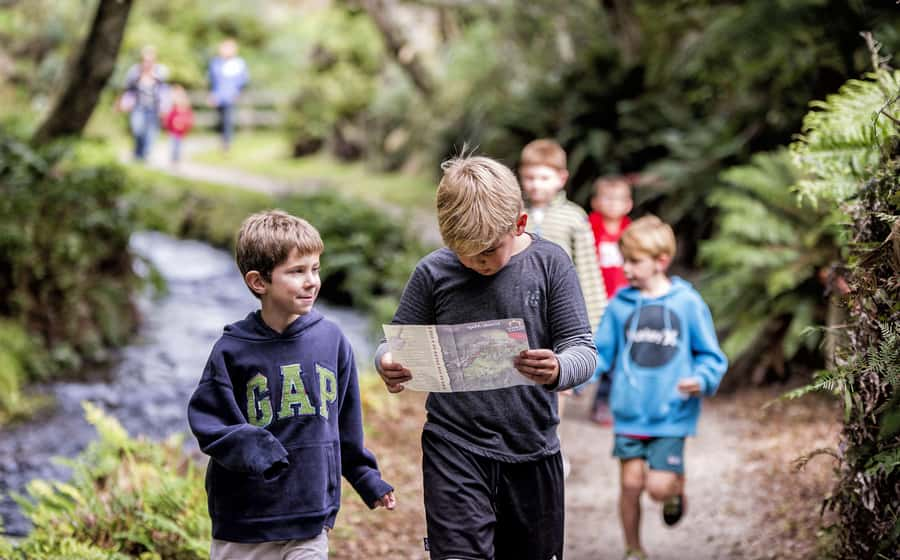
At $14 per person, the basic entry is good value if you use the whole site. It includes the Buried Village, Museum of Te Wairoa, archaeological walking route, and waterfall access. You are paying for several connected experiences rather than a single exhibit.
The value is strongest for people who spend at least 90 minutes here. A rushed 30-minute stop would miss the point. Give yourself time for the museum first, the village path second, and the falls last. Add time for the cafe or gift shop if those matter to you.
Food, drinks, hotel pickup, and drop-off are not included. The meeting point is the Buried Village itself, so you need to arrange your own way there unless you have separately booked transport through another service. Do not assume that standard admission includes a coach transfer.
The VR experience may cost extra, and it is not part of the listed entry. It could be a sensible addition if you enjoy technology-based interpretation, but the main visit already includes the museum, trail, and falls.
You can reserve now and pay later, and cancellation is allowed up to 24 hours before the visit for a full refund. The ticket is valid for one day, with available starting times shown when you check the date.
Who will enjoy Te Wairoa most?
I would recommend this site to anyone interested in Rotorua’s volcanic past, Maori culture, archaeology, or the history of the Pink and White Terraces. It is also a good family stop because the route mixes museum displays, outdoor walking, a waterfall, cafe food, dress-up clothing, and occasional activity sheets or scavenger hunts.
It suits solo visitors too. The audio guide lets you take your time, and the path is straightforward to follow. If you prefer personal storytelling, choose a time that includes a local guide or living-history talk.
You should think twice if you dislike uneven paths, stairs, or reading museum information. The falls require a downhill walk and a climb back up. The site is not just a scenic waterfall stop, and the people who get the most from it are willing to spend time with the historical material.
The venue offers host or greeter support in English, German, and Maori, while the included audio guide is in English. That makes the site easier to approach for many visitors, though the language options for the audio guide are more limited.
Should you book the Buried Village?
Yes, if you want a thoughtful half-day-style stop near Rotorua that joins volcanic history, Maori culture, archaeology, and a waterfall. The museum gives the eruption context, the buried settlement makes it personal, and the trail ends with one of the area’s most enjoyable short walks.
Book it with enough time to avoid rushing, and wear shoes suitable for steps. Choose a live talk if the schedule works, or use the audio guide for a more flexible visit. The main drawback is simple: the falls are not at the end of a flat path, and the signs alone may not answer every question.
For $14, this is a strong-value outing, especially for families and history-minded visitors. If you only want a quick scenic waterfall, there are easier options. If you want to understand what happened at Te Wairoa and then see the forest and falls that surround it, make the short drive from Rotorua.
FAQ
Where is the Buried Village of Te Wairoa?
It is at 1180 Tarawera Road, Rotorua 3076, New Zealand, about a 15-minute drive from Rotorua.
How long should I allow for the visit?
Allow at least one and a half hours to see the museum, archaeological site, and waterfall trail. You may want longer if you plan to use the cafe, browse the gift shop, or join a scheduled talk.
What does the admission price include?
The $14 entry includes access to the Buried Village, Museum of Te Wairoa, Te Wairoa Trail, and waterfalls.
Is food included?
No. Food and drinks are available for purchase at Smith & Co cafe, including scones, Devonshire tea, hot chocolate, coffee, and pastry pies.
Is the waterfall walk difficult?
The trail includes steps, and some sections are steep. The walk to the falls may take about 10 to 15 minutes, and comfortable shoes are recommended.
Are audio guides available?
Yes. An English audio guide is included. Hosts or greeters may also be available in English, German, and Maori, with talks and living-history presentations scheduled during the day.
Is the site wheelchair accessible?
The Buried Village is wheelchair accessible. The waterfall trail includes steep steps, so the falls route may require separate consideration.
Just added around Rotorua
- Rangitaiki River White Water Rafting from Rotorua★ 5.0 · 96 reviews
- Rangitaiki River White Water Scenic Rafting from Rotorua★ 5.0 · 23 reviews
- TRIPLE DEAL Wai-O-Tapu, Redwood Forest & Blue Springs Ex Auckland★ 5.0 · 20 reviews
- Volcanic Rotorua Day Trip from Auckland★ 5.0 · 4 reviews
- Private Tour to Rotorua’s Natural wonders and Māori Arts & craft.★ 5.0 · 4 reviews
- Private Transfer From Auckland Airport To Rotorua★ 5.0 · 5 reviews
- Rotorua Highlights Tour inc. Te Puia Tour, Lunch & Cultural Show★ 4.5 · 53 reviews
- Private Tour – Rotorua Adventures Day Trip From Auckland★ 5.0 · 19 reviews
Historical Tours, compared.
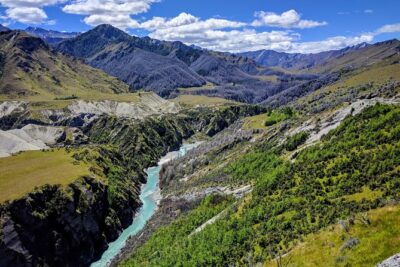
Skippers Canyon 4WD Heritage half day Tour from Queenstown
Read our review →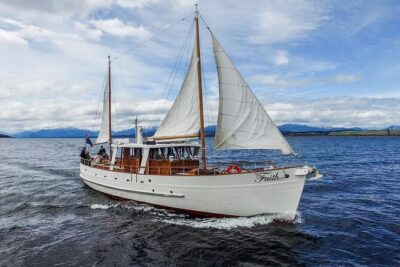
Scenic Cruise & Guided Walk on Historic Motor Yacht Lake Te Anau
Read our review →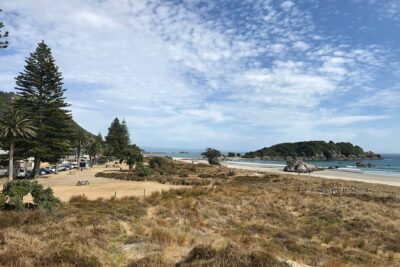
Tauranga Shore Excursion: History & Kiwifruit Tasting – 4 Hours
Read our review →
Skip the Line:WWI & WWII Combo Exhibitions at the Omaka Aviation Heritage Centre
Read our review →Scenic Cruise & Guided walk on Historic Motor Yacht Lake Te Anau
Read our review →
Heritage City and Larnach Castle Van tour with Historian Guide
Read our review →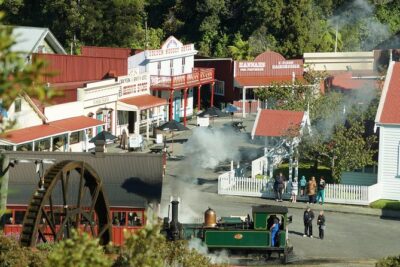
Browse the lists this tour appears in