
Reviewed · GUIDED
Guided Tour at Pukorokoro Shorebird Centre
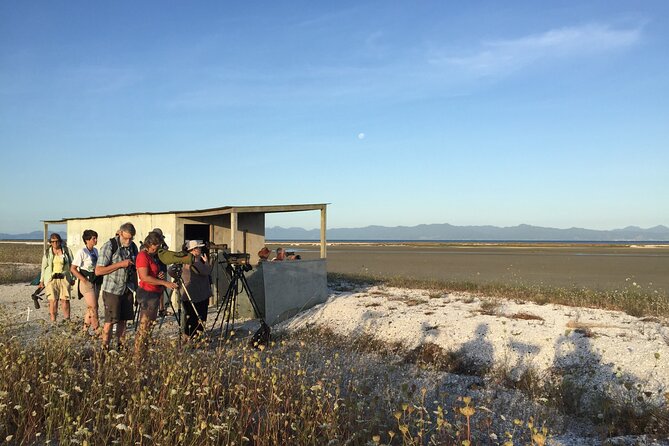
The most remarkable part of this 90-minute tour is the chance to watch thousands of shorebirds gathered in their natural wetland habitat. A telescope brings distant birds close enough to study, while your guide explains the journeys of kuaka, the Māori name for bar-tailed godwits, and the pressures these birds face.
I like the mix of hands-on birdwatching and conservation. I also like that the tour follows the tides, so the timing is planned around when birds are likely to be present. The main caution is simple: this is a walking tour in an open wetland, and it is not recommended if you have very limited mobility.
Key points
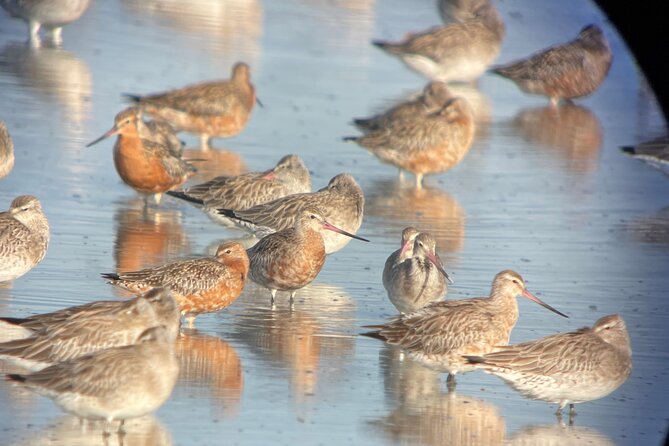
- Thousands of shorebirds: Use Centre telescopes to look for bar-tailed godwits, red knots, wrybills, and other species.
- Tide-aware timing: The tour is arranged so birds should be in the area when you visit.
- Robert Findlay Wildlife Reserve: Walk from the reserve toward bird hides within an internationally significant wetland.
- Strong guide-led learning: Guides such as Chelsea and Trudy explain identification, migration, and conservation in a relaxed way.
- Private activity: Only your own group participates, rather than joining a large shared party.
- Good value for bird lovers: At $31.03 per person, the fee covers the guided walk and telescope use, with proceeds supporting conservation work.
Why this wetland matters

Pukorokoro Shorebird Centre offers a close look at a part of New Zealand that is easy to miss. Estuaries can seem quiet at first glance, but their mudflats and tidal edges provide feeding grounds for large numbers of shorebirds.
That setting gives this tour its purpose. You are not simply ticking birds off a list. You are seeing how a wetland functions as a resting and feeding place for birds that travel vast distances. The guide connects the view in front of you with the larger story of migration, habitat protection, and the risks shorebirds face.
The Centre presents the area as an internationally significant wetland. That matters because the value of the visit is not limited to the birds visible on the day. Your admission supports an organisation focused on conservation, so the experience helps protect the setting you are visiting.
I also appreciate that the tour introduces you to the estuary itself. The guide discusses the geology that helped create the sanctuary, giving you a clearer sense of why birds gather here. It is a small but useful layer of context, especially if you normally see a wetland as simply open water and mud.
A few more Auckland trips worth a look
- Auckland Dolphin and Whale Watching Eco-Safari Cruise
★ 4.5 · 1,790 reviews - Auckland Explorer: Sightseeing Hop-on Hop-off Tour
★ 4.0 · 1,180 reviews - Half-day Discover Auckland City Sightseeing Tour
★ 5.0 · 1,080 reviews
Walking through Robert Findlay Wildlife Reserve
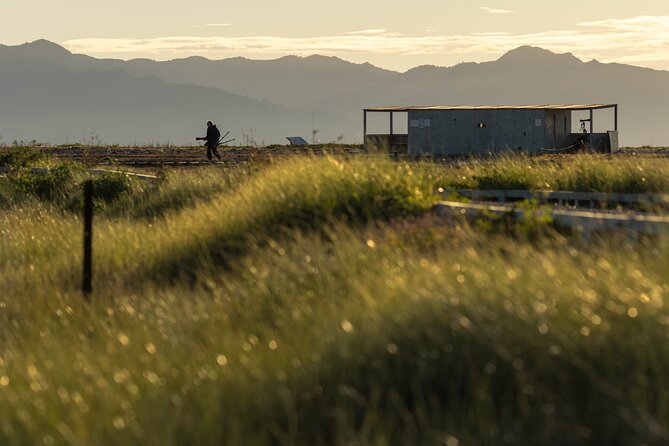
The tour takes place at Robert Findlay Wildlife Reserve. You walk around the reserve and continue toward bird hides, with the guide helping you watch the birds along the way.
This is a gentle, focused format rather than a long day in the field. The advertised length is about one hour and 30 minutes, enough time to learn the basics, use the telescopes, and spend meaningful time observing the birds without committing a full day.
The bird hides are an important part of the visit. They give you a practical viewing point and help keep the experience centred on observing birds in their own habitat. You should expect the guide to direct your attention across the wetland rather than lead you through a series of indoor displays or formal attractions.
The reserve is best suited to people who are happy to walk, pause, listen, and look carefully. Shorebirds are not always dramatic at first. Many are small or distant, and the differences between species can be subtle. That is exactly where the guide adds value.
Using telescopes to identify distant birds
Telescopes are included, which is a real advantage. Shorebirds often gather at a distance, and the naked eye may show you a moving group without revealing much about individual birds. The telescope lets you inspect shape, plumage, and behaviour with far more detail.
Bring your own binoculars if you have them. That tip is especially useful because binoculars let you keep watching while another person uses the telescope, and they give you a wider view of the flock.
The guide can help you sort out species that may look alike. The tour specifically introduces birds such as bar-tailed godwits, red knots, and wrybills. One of the pleasures is learning the difference between a wrybill and a godwit rather than leaving with the vague impression that you saw a group of shorebirds.
Guides including Chelsea and Trudy have been singled out for friendly, clear explanations. Their role is not just to name birds, but to answer questions and add memorable facts. That makes the tour suitable for a beginner who wants help getting started, as well as for someone already interested in birdwatching.
Still, you should set your expectations correctly. This is a wildlife outing, not a guarantee of a particular close-up sighting. The value comes from the setting, the large gatherings, and the guide’s ability to help you understand what you are seeing.
The extraordinary journey of the kuaka
The kuaka, or bar-tailed godwit, is one of the main reasons this visit feels larger than a short reserve walk. The tour explains the bird’s migration and the demands of its long-distance journeys.
Seeing a large group of godwits gathered in one place gives that story a physical sense. Migration can sound abstract when it is described only in figures and place names. Watching the birds feed and rest in a wetland makes the idea easier to grasp.
You also learn about the challenges facing shorebirds. The tour places birdwatching alongside conservation, so the guide can explain why wetlands matter and why these birds need safe places along their routes.
This is where the experience earns its fee. You are paying for access to the reserve, but also for interpretation that turns a distant flock into a group of identifiable animals with specific needs. The education is short, practical, and tied to what you can see at that moment.
Same corner of the country, a very different day out:
- Auckland: Whale and Dolphin Watching Half-Day Eco Cruise
★ 4.5 · 1,072 reviews - Auckland: Hop-On Hop-Off Explorer Bus Ticket
★ 4.4 · 1,064 reviews - Wētā Workshop Unleashed Tour – Auckland
★ 4.5 · 903 reviews - Afternoon Piha Beach and Rainforest Tour from Auckland
★ 5.0 · 807 reviews
A private tour with a relaxed pace
Only your group takes part in this activity. That private format can make a difference if you want to ask questions, take your time with the telescope, or focus on particular species.
The length also keeps the outing manageable. A 90-minute session works well as a dedicated stop while exploring Auckland and its surrounding coast. It does not demand the planning or stamina of a full-day birding trip.
The relaxed approach suits mixed groups. A keen birdwatcher can ask about identification and migration, while a newcomer can learn the basics without feeling out of place. Families and small groups may also find the private setting easier than a large public tour, though the information provided does not give a specific minimum age or family programme.
There is a trade-off. A short tour cannot cover every part of the reserve or provide an exhaustive bird survey. If you want many hours of quiet observation, you may want to spend additional time at the Centre beyond the guided walk.
Choosing the right time for the tide
Tides matter here. The tour is timed so birds should be present in the feeding areas, which is one of its most useful practical features.
That timing can shape the quality of the visit more than the clock time alone. If you are arranging a wider Auckland itinerary, keep the tour’s scheduled time fixed rather than assuming you can arrive at any hour and see the same conditions.
The tide-based planning also shows why a guide is useful. You do not need to work out the best viewing window on your own, and you are not left guessing why birds are gathered in one area on one visit and elsewhere on another.
Weather is another consideration. The experience requires good weather, and poor conditions can lead to a different date or a full refund. Open wetlands offer little shelter from wind and rain, so wear clothing suited to the forecast and be prepared for the operator’s decision if conditions turn poor.
What to bring and what to expect on site

Water and snacks are not included. You can refill your bottle at the Centre, so bring a reusable bottle instead of relying on a purchase during the tour.
The Centre can recommend local places to eat, but food is not part of the activity. Plan your meal separately if the tour sits between other stops in your day.
Binoculars are worth bringing if you own a pair. The Centre supplies telescopes, but personal binoculars give you more freedom to scan the wetland, follow a moving bird, and keep observing while the telescope is in use.
The tour is outdoors and involves walking around the reserve and to the hides. It is not recommended for people with very limited mobility. The supplied information does not provide a detailed route surface, distance, or seating plan, so contact the provider if you need more specific access information before booking.
Mobile tickets make entry simple. Confirmation is provided at booking, and the activity is private for your group.
Is $31.03 a fair price?
At $31.03 per person, I see this as a good-value specialist outing, especially if you care about wildlife or conservation. The price includes a guided walk through Robert Findlay Wildlife Reserve and use of telescopes, which are the two features that matter most for seeing and understanding the birds.
The fee also buys you timing and interpretation. You could visit a wetland independently, but you might miss the best tide window or fail to distinguish a wrybill from a godwit. A guide turns the visit from a scenic stop into a focused learning experience.
The value is less obvious if you are looking for a quick photo stop or a broad sightseeing tour. Shorebirds may be distant, and the experience is built around careful observation rather than constant action. You should book it because you want to learn about the wetland and its birds, not because you expect a fast-paced attraction.
Comfortable accommodation is available at the Centre for people who want to stay overnight. That can make the area more useful for a longer birdwatching visit, though the overnight stay is separate from the 90-minute guided activity.
Who will enjoy this tour most?
I would recommend the tour to:
- Birdwatchers who want help identifying shorebirds
- Nature lovers interested in estuaries and wetlands
- Visitors who want a quieter alternative to standard Auckland sightseeing
- People who care about conservation and habitat protection
- Beginners who want a friendly introduction to shorebird watching
- Small groups who prefer a private activity
It is less suitable if you have very limited mobility, dislike outdoor walking, or want a guaranteed close encounter with a particular species. It also may feel too short for serious birders hoping to spend most of the day in the reserve, although the Centre’s accommodation could support a longer stay.
Should you book the Pukorokoro Shorebird Centre tour?
Book it if you want a compact, well-focused introduction to one of New Zealand’s important coastal wetlands. The strongest reasons are the large shorebird gatherings, telescope viewing, tide-aware timing, and guides who can make species identification feel approachable.
I especially like the way the tour joins wildlife viewing with conservation. You see the birds, learn why they use this estuary, and support the Centre’s work at the same time.
Skip it if your schedule allows no flexibility for tide and weather, or if walking outdoors is difficult for you. For everyone else, $31.03 is a sensible price for a private 90-minute outing that offers far more than a quick look across the water.
FAQ
How long does the guided tour last?
The tour lasts approximately one hour and 30 minutes.
Where does the tour take place?
The guided walk takes place at Robert Findlay Wildlife Reserve, near the Pukorokoro Shorebird Centre in Auckland, New Zealand.
What birds might I see?
The tour introduces you to shorebirds including bar-tailed godwits, red knots, and wrybills. The exact birds seen can vary.
Are telescopes provided?
Yes. Use of telescopes is included in the tour.
Should I bring binoculars?
Yes, if you have them. Binoculars are recommended because they let you keep watching while the shared telescopes are in use.
Is the tour private?
Yes. Only your group participates in the activity.
Is the tour suitable for people with limited mobility?
It is not recommended for people with very limited mobility because the experience includes walking around the reserve and to bird hides.
Are food and drinks included?
No. Bottled water and snacks are not included. You can refill water bottles at the Centre, and the Centre can recommend local eateries.
What happens if the weather is poor?
The experience requires good weather. If it is cancelled because of poor conditions, you can choose a different date or receive a full refund.
Can I cancel for a full refund?
Yes, if you cancel at least 24 hours before the experience start time. Cancellations or changes made less than 24 hours in advance are not accepted for a refund.
Just added around Auckland
- Auckland’s Wild West Coast & Black Sand Beaches Tour inc Lunch★ 5.0 · 12 reviews
- Kumeu Wine Region Shuttle from Auckland★ 4.5 · 19 reviews
- Auckland Airport Private One-Way or Round-Trip Transfer★ 4.5 · 14 reviews
- Wētā Workshop Unleashed – Intro to Scars and Scrapes Workshop★ 5.0 · 5 reviews
- West Coast Discovery – Piha Beach or Muriwai Beach from Auckland★ 3.5 · 6 reviews
- West Coast Discovery Tour★ 5.0 · 37 reviews
- West Coast Discovery Piha Beach Private Tour★ 5.0 · 14 reviews
- Ultimate Auckland Experience Full Day Tour with Brewery Lunch★ 5.0 · 6 reviews
Guided, compared.
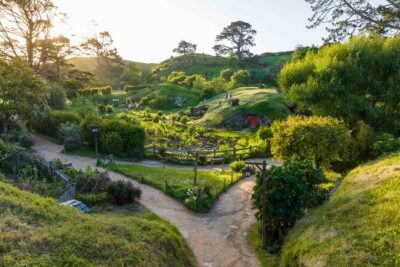
Hobbiton & Waitomo Caves Guided Day Trip from Auckland incl lunch
Read our review →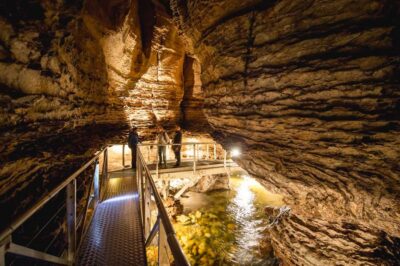

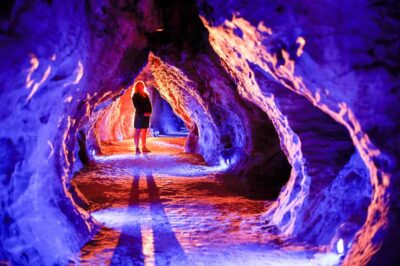
Waitomo Caves: Ruakuri Cave 1.5 Hour Guided Tour
Read our review →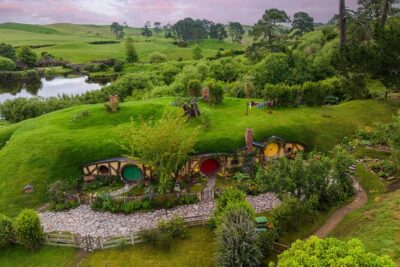
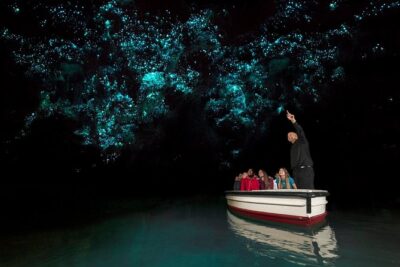
Hobbiton & Waitomo Caves Guided Tour from Auckland with Lunch
Read our review →Browse the lists this tour appears in