
Reviewed · GUIDED
Guided Snorkel Experience, Advanced
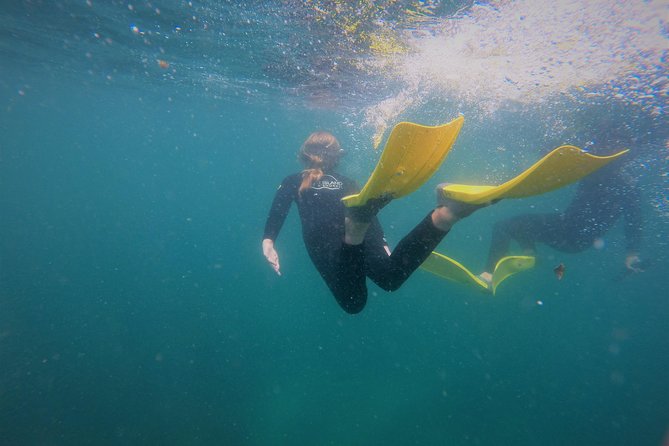
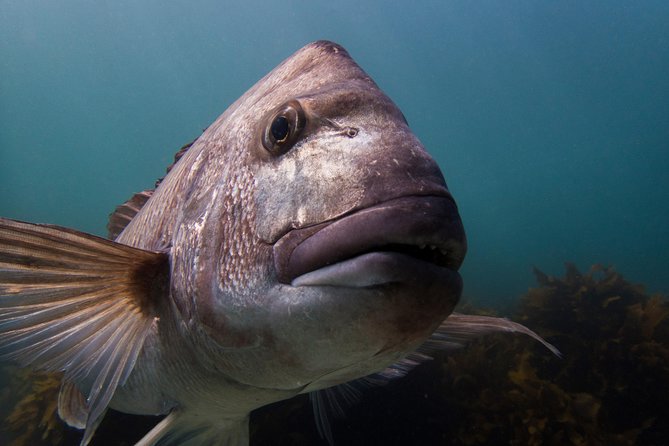
Goat Island is not just a place to float with a mask on. This advanced guided snorkel teaches you how to duck dive, equalize your ears, hold your breath more comfortably, and clear a flooded snorkel. Then you practise those skills in New Zealand’s first marine reserve, where large snapper, rays, sea urchins, squid, and tiny nudibranchs may appear below you.
I like two things in particular. First, the instructor stays close and turns a nervous swimmer into a more capable one without rushing the process. Second, your mask, snorkel, fins, wetsuit, and weight belt remain available for the rest of the day, which gives you time to practise after the 2.5-hour lesson. The main consideration is that sea conditions can change the plan, and a mixed-ability group may move slowly.
Key points at a glance
- Learn practical underwater skills: Practise duck diving, ear equalizing, breath control, and clearing your snorkel.
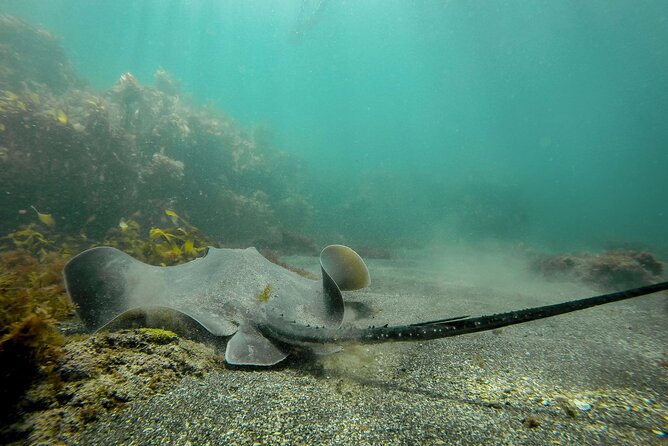
- Explore Goat Island Marine Reserve: Look for snapper, rays, sea urchins, squid, and smaller marine life.
- Guides stay close: Connor, Sara, Tiff, and Winnie are noted for patient instruction and careful group supervision.
- Equipment is included: You receive a mask, snorkel, fins, wetsuit, and weight belt.
- Keep the gear all day: After the guided session, you can continue snorkelling in the reserve.
- Small group format: The maximum is 10 people, though different swimming abilities can affect the pace.
Why Goat Island makes a good classroom
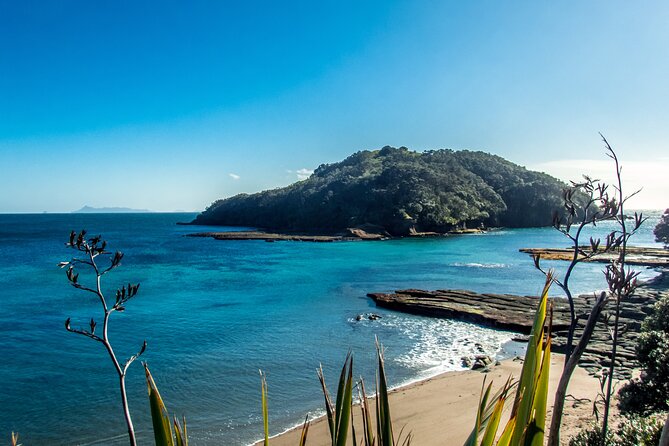
Goat Island Marine Reserve is a sensible place to learn better snorkelling technique. You are not being taught in a pool and then sent off to find your way in the sea. Instead, the lesson takes place beside the marine life you came to see.
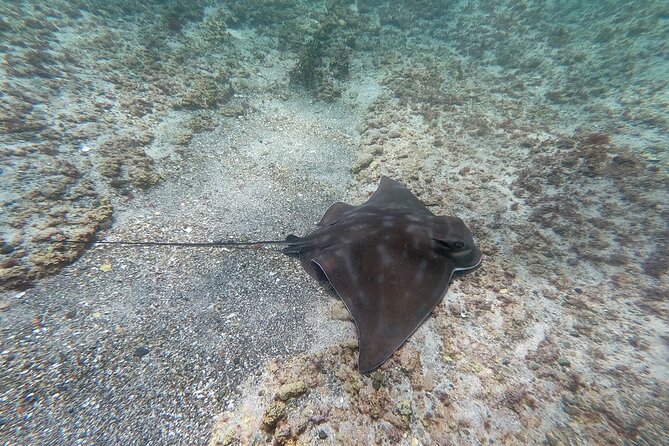
The reserve was New Zealand’s first marine reserve, and its protected waters support a good range of fish and other sea life. You might see large snapper moving through the shallows, stingrays or eagle rays gliding along the bottom, and smaller creatures that are easy to miss without a guide pointing them out.
The setting also makes the lesson feel useful. Equalizing your ears is not an abstract skill when you are trying to descend a little farther to inspect something below. Clearing your snorkel matters more when you are in open water and want to stay calm rather than stand up and remove the equipment.
The water is often shallow and manageable, but this is still an ocean activity. Wind, swell, and visibility can change the experience. On one occasion, rough conditions meant the group used Matheson Bay instead. That is a sensible safety choice, though it means the exact setting is not guaranteed.
A few more Auckland trips worth a look
- Auckland Dolphin and Whale Watching Eco-Safari Cruise
★ 4.5 · 1,790 reviews - Auckland Explorer: Sightseeing Hop-on Hop-off Tour
★ 4.0 · 1,180 reviews - Half-day Discover Auckland City Sightseeing Tour
★ 5.0 · 1,080 reviews
Meet at Leigh, then make the short trip to the reserve
The experience begins at Goat Island Dive & Snorkel, 142A Pakiri Road in Leigh. The scheduled start is 10:00 am, and you should allow time to be fitted with the supplied equipment before heading to the water.
The fitting process matters more than it may sound. A leaking mask or loose fins can turn a pleasant morning into a constant battle. Staff fit you with a mask, snorkel, fins, wetsuit, and weight belt, then explain how the equipment should feel and work.
You drive your own vehicle about 3 kilometres from the centre to Goat Island Marine Reserve. This is not a guided transfer, so you need your own transport between the meeting point and the reserve. The activity ends back at the original meeting point.
The arrangement is simple, but it is worth planning around. You do not arrive at the reserve and expect the operator to move your car. Pack anything you want for the rest of the day before you leave the shop, and keep in mind that the session begins at a fixed morning time.
The skills lesson: ears, breath, and a clear snorkel
The first teaching block focuses on the skills that separate casual surface swimming from more controlled snorkelling. You learn how to duck dive beneath the surface, equalize pressure in your ears, practise proper breathing, and clear water from your snorkel.
As you descend, pressure increases. Equalizing helps balance that pressure and makes the descent more comfortable. The instructor can show you the technique and help you avoid forcing it. That is useful for beginners to this style of snorkelling, as well as for people who have previously managed only short, awkward descents.
Breath holding is presented as a skill that improves with practice. The session includes breathing exercises and preparation before you head into the water. You do not need to treat this as a contest. The practical aim is to stay calm, use your air well, and return to the surface before you feel strained.
Clearing your snorkel is another small skill with a large payoff. Water in the tube can make a new snorkeller panic, especially when the sea is moving. Once you learn the technique, you can clear it and continue more comfortably instead of removing your mask or standing up each time.
The operator describes the teaching as advanced, but the experience can still suit someone building confidence. One first-time snorkeller joined with a more experienced partner and felt nervous about the wetsuit and ocean swimming. Patient instruction helped make the session workable. Still, you should have a moderate level of fitness and be comfortable in the water.
A guided look at fish and smaller creatures
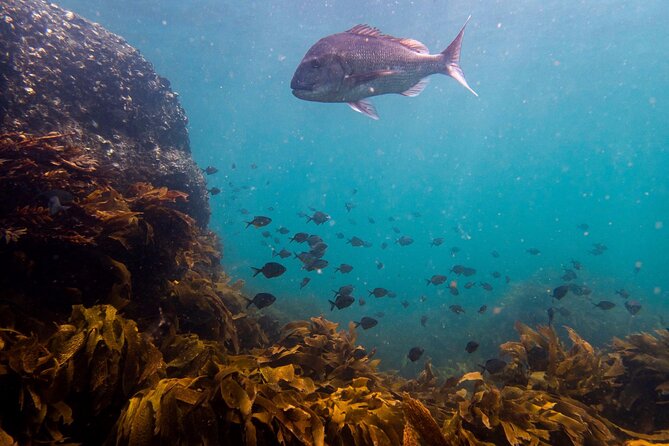
After the briefing, the group heads into the water and starts using the new techniques. The instructor does not simply lead you from one point to another. The guide also helps you notice what is around you and shows you how to position yourself for a closer look.
This is where the guided format earns its price. A person swimming alone may see fish, but a guide can point out details that are easy to pass by. You may encounter sizeable snapper, rays, sea urchins, squid, and a small nudibranch. One guide even showed a group squid ink, adding a memorable bit of natural-history detail to the morning.
The experience can include both surface viewing and short underwater descents. You practise staying relaxed, equalizing, and extending your underwater time gradually. There is no promise of dolphins or fur seals, so book this for the reserve’s broader marine life rather than for one particular animal.
The guides named in the feedback include Connor, Sara, Tiff, and Winnie. Connor was praised for showing fish and filming parts of the session. Tiff was noted for staying close to the group from the shore to the island and back. Sara was described as patient, safety-minded, and happy to help people inspect sea life. Winnie handled a group with uneven abilities while still pointing out creatures and coaching people on how to descend.
Those details give you a useful picture of the guiding style. Expect active instruction rather than a distant escort. The guide may point out fish, demonstrate a technique, keep an eye on the group, and adjust the pace when someone needs more time.
Same corner of the country, a very different day out:
- Auckland: Whale and Dolphin Watching Half-Day Eco Cruise
★ 4.5 · 1,072 reviews - Auckland: Hop-On Hop-Off Explorer Bus Ticket
★ 4.4 · 1,064 reviews - Wētā Workshop Unleashed Tour – Auckland
★ 4.5 · 903 reviews - Afternoon Piha Beach and Rainforest Tour from Auckland
★ 5.0 · 807 reviews
The group size and pace
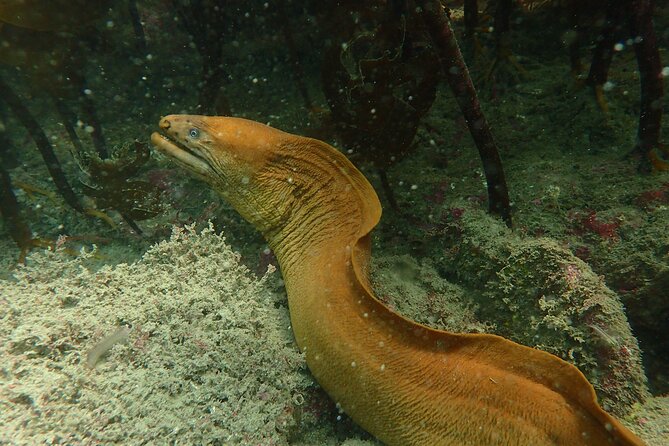
The maximum group size is 10 people. That is small enough for personal attention, but it does not guarantee a private lesson. The group may include confident swimmers, first-time snorkellers, older family members, and people at different comfort levels.
This matters most once you enter the water. A slower participant can affect how far the group travels and how much time is available for exploration. The guides try to keep everyone together, which is the correct safety approach, but a strong swimmer may find the pace conservative.
I would choose this format if you want help with technique, identification, and safety. If you already snorkel confidently and mainly want to cover a lot of water, an unguided session may feel less restricted. The benefit here is not distance. It is better control and a closer understanding of the reserve.
The group limit also helps if you are nervous. Having an instructor nearby can make the first few descents feel less daunting. You are not expected to perform perfectly at once, and the lesson is designed to build confidence step by step.
Wetsuits make cooler-season snorkelling possible
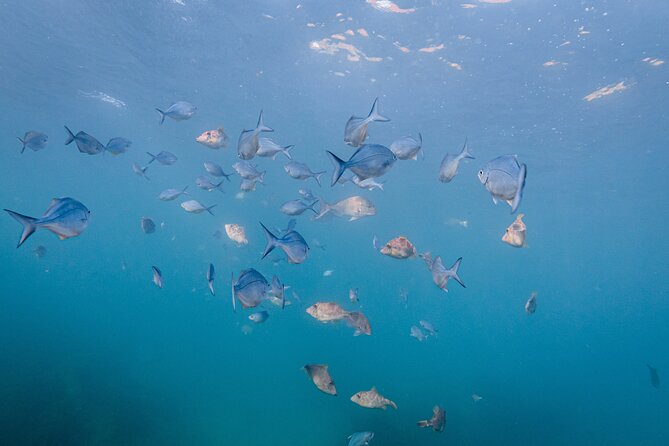
The supplied wetsuit is a major part of the experience, especially outside the warmest months. People have used the service in winter and reported staying comfortable in the water. That does not mean conditions will feel warm to everyone, but proper thermal protection makes a wider part of the year workable.
The equipment package includes the wetsuit, mask, snorkel, fins, and weight belt. Having the gear arranged at the centre saves you from bringing or hiring each item separately. It also means staff can help with fit before you drive to the reserve.
After the guided session, you can keep using the equipment for the rest of the day. This is one of the strongest value points. The lesson lasts about 2 hours and 30 minutes, but the equipment can support additional independent practice afterward.
Book an early start if you want to make full use of that benefit. A 10:00 am session leaves more of the day for another swim, assuming conditions remain suitable and you still have the energy.
Is the $48.18 price good value?
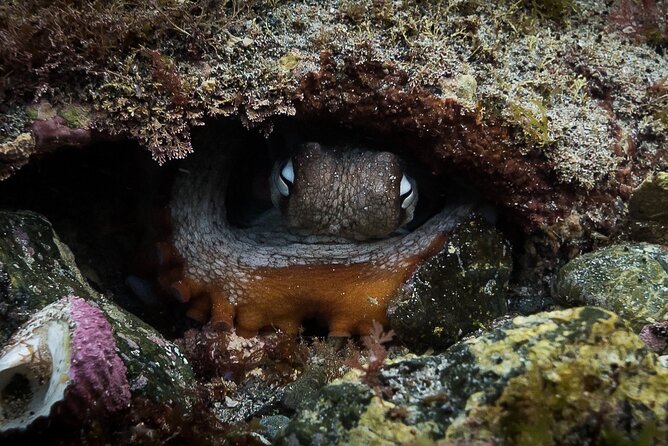
At $48.18 per person, the price is reasonable for a guided lesson that includes equipment and continued use of that equipment for the day. You are paying for more than access to the water. The cost includes fitting, instruction, a safety briefing, a guide in the water, and help identifying marine life.
The value is strongest for people who need coaching. If you are learning to clear a snorkel, have trouble equalizing, or want someone nearby while you practise short descents, the instruction can prevent a lot of frustration. The equipment loan afterward adds practical value.
The calculation is less convincing if you want only a quick swim and already own suitable gear. A group moving at the pace of its least confident member may also limit the amount of water you cover. Even then, the access to a protected marine area and the chance to see rays and larger fish give the outing more substance than a basic equipment rental.
The experience is often booked about 19 days in advance. That suggests you should not leave it until the last minute if your Auckland plans are fixed, particularly if you need a certain date.
Who should book this experience?
I would recommend it to you if you meet most of these points:
- You can swim and have a moderate level of fitness.
- You want to improve your snorkelling rather than simply float on the surface.
- You would like an instructor to show you marine life.
- You feel uncertain about ear pressure, breath control, or clearing a snorkel.
- You want to use the gear again after the lesson.
- You are visiting Auckland and can make the trip to Leigh.
It can also suit a family group or a pair with different levels of experience. One first-time snorkeller joined a more experienced partner, while another participant enjoyed the outing with a grandson. The guide can help bridge that gap, though the whole group still needs to move together.
I would be more cautious about booking if you dislike group activities, need a fast pace, or are hoping specifically to see dolphins or seals. Those animals may not appear, and sea conditions can lead to a different location.
Weather, cancellations, and sensible planning
The activity requires good weather. If conditions force a cancellation, you are offered another date or a full refund. The same applies if the minimum number of participants is not met.
You can cancel for a full refund up to 24 hours before the start time. Changes or cancellations inside that 24-hour window are not accepted and are not refunded. The cut-off uses local time.
Wear or bring what you need for a day around the water, but the supplied wetsuit is part of the package. Since you drive yourself from Leigh to the reserve, plan the short transfer rather than assuming transport is included.
My verdict: a useful lesson, not just a swim
Book the Guided Snorkel Experience, Advanced if you want to understand what you are doing underwater. The strongest part is the combination of patient coaching, close supervision, good equipment, and access to Goat Island’s marine life. You can learn a technique in the morning and keep practising it afterward.
The experience is not perfect for everyone. A mixed group may move slowly, the weather may change the location, and no particular animal is guaranteed. Still, at $48.18, the instruction and all-day equipment use make this a sound choice for a capable swimmer who wants more confidence and a better look at the reserve.
FAQ
Where does the experience begin?
It begins at Goat Island Dive & Snorkel, 142A Pakiri Road, Leigh 0985, New Zealand.
What time does the activity start?
The scheduled start time is 10:00 am.
How long does the guided snorkel last?
The experience lasts approximately 2 hours and 30 minutes.
Where does the activity finish?
It finishes back at the original meeting point.
Do I need my own vehicle?
Yes. After equipment fitting, you drive your own vehicle about 3 kilometres to Goat Island Marine Reserve.
What equipment is provided?
The operator provides a mask, snorkel, fins, wetsuit, and weight belt.
Can I use the equipment after the guided session?
Yes. You can use the equipment for the rest of the day to continue practising and snorkelling in the reserve.
What skills will I learn?
You will learn advanced snorkel techniques, including duck diving, equalizing your ears, breath-hold practice, and clearing your snorkel.
How many people can join the activity?
The maximum group size is 10 people.
What happens if the weather is poor?
If poor weather causes cancellation, you will be offered a different date or a full refund.
Just added around Auckland
- Kumeu Wine Region Shuttle from Auckland★ 4.5 · 19 reviews
- Auckland Airport Private One-Way or Round-Trip Transfer★ 4.5 · 14 reviews
- Auckland’s Wild West Coast & Black Sand Beaches Tour inc Lunch★ 5.0 · 12 reviews
- West Coast Discovery – Piha Beach or Muriwai Beach from Auckland★ 3.5 · 6 reviews
- West Coast Discovery Tour★ 5.0 · 37 reviews
- Wētā Workshop Unleashed – Intro to Scars and Scrapes Workshop★ 5.0 · 5 reviews
- West Coast Discovery Piha Beach Private Tour★ 5.0 · 14 reviews
- Ultimate Auckland Experience Full Day Tour with Brewery Lunch★ 5.0 · 6 reviews
Guided, compared.
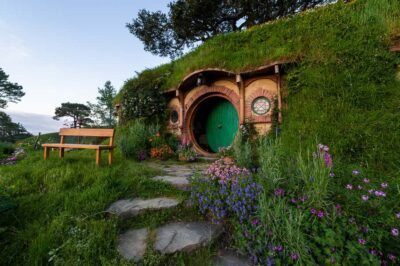
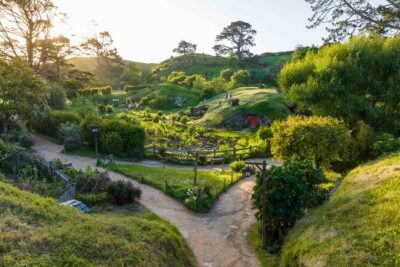
Hobbiton & Waitomo Caves Guided Day Trip from Auckland incl lunch
Read our review →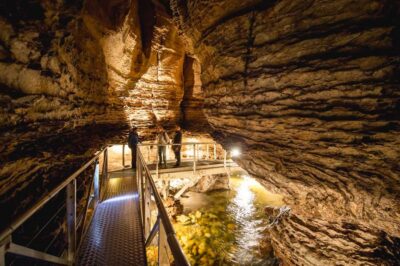
Waitomo Caves: Ruakuri Cave 1.5 Hour Guided Tour
Read our review →
Hobbiton & Waitomo Caves Guided Tour from Auckland with Lunch
Read our review →Browse the lists this tour appears in