
Reviewed · WILDLIFE
Franz Josef: West Coast Wildlife Centre Entry Ticket -48 hrs
The West Coast Wildlife Centre gives you something rare in Franz Josef: a close look at New Zealand wildlife without depending on good weather. The main draw is the open kiwi habitat, where you may watch rare rowi and Haast tokoeka moving through a darkened nocturnal setting without glass between you and the birds. I like the direct link to real conservation work, and I like that the visit also brings in tuatara and rescued little blue penguins. The main caution is that the kiwi viewing area is dark and quiet, and you may see only a small number of birds during a short visit.
The new Ambassador West Coast Penguin Encounter opened on October 18, 2025. Penguin feeding takes place at 11am and 3pm, so timing your visit around one of those sessions gives the $38 entry price more weight. The center is compact enough for a 30-minute stop, but you can also use the pass for two days if you want to return at a slower pace.
Key points to know before you go
- Rare kiwi at close range: See rowi and Haast tokoeka in an open, nocturnal-style habitat without glass barriers.
- Three important New Zealand species: The center brings together kiwi, tuatara, and rescued kororā, also called little blue penguins.
- Penguin feeding twice daily: Aim for 11am or 3pm to catch a live feeding session.
- Useful in bad weather: The attraction is indoors and open daily from 8am, including most public holidays.
- Two days for one admission: Your pass remains valid for 48 hours after first activation, useful if you are staying overnight in Franz Josef.
- Conservation is part of the visit: Your entry supports kiwi incubation, hatching, and protection work.
Why the kiwi room is the main event
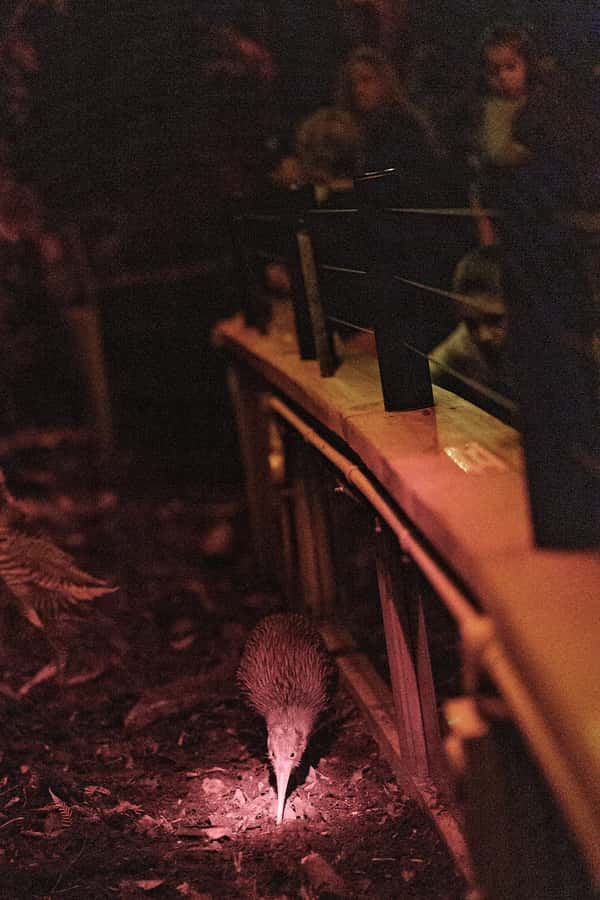
The West Coast Wildlife Centre is best known for its kiwi programme. It houses the largest kiwi incubation and hatching facility on the South Island, with particular attention on rowi and Haast tokoeka. These are the two most endangered kiwi species in the world, so this is not simply an animal display. You are seeing a working conservation programme.
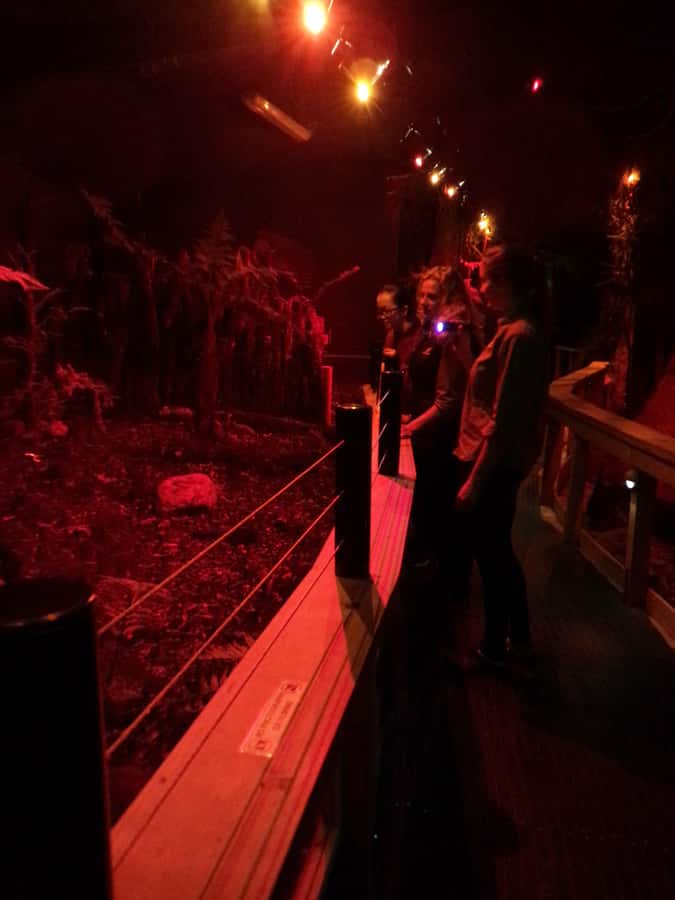
The kiwi habitat is designed as an open nocturnal environment. There are no glass barriers, which makes the experience feel more natural than a standard zoo enclosure. You will enter a dark room and adjust your eyes while looking for movement among the habitat features. Kiwi are nocturnal, so patience matters. This is not a guaranteed close-up photo opportunity, and flash photography would be out of place in such a setting.
I like the fact that the center does not treat the kiwi programme as a side exhibit. Incubation, hatching, and species recovery are central to the visit. Displays and stories explain the connection between the birds, local conservation, and the West Coast around Franz Josef.
There is one practical weakness. The kiwi room is not continuously accompanied by staff, so visitors need to follow the quiet-room rules carefully. Keep your voice low, move slowly, and avoid crowding the viewing area. The birds benefit from calm behavior, and you will have a better chance of seeing them if the room remains peaceful.
More wildlife tours in Franz Josef:
- Skip the Line: Franz Josef Wildlife Center Ticket with Optional Backstage Pass
★ 4.5 · 160 reviews - Franz Josef: Kayak & Walking Tour to Okarito Kiwi Sanctuary
★ 4.9 · 61 reviews - Clearwater Wildlife Tours (small group 10max) Otago Peninsula
★ 5.0 · 531 reviews
Meeting the ancient tuatara indoors
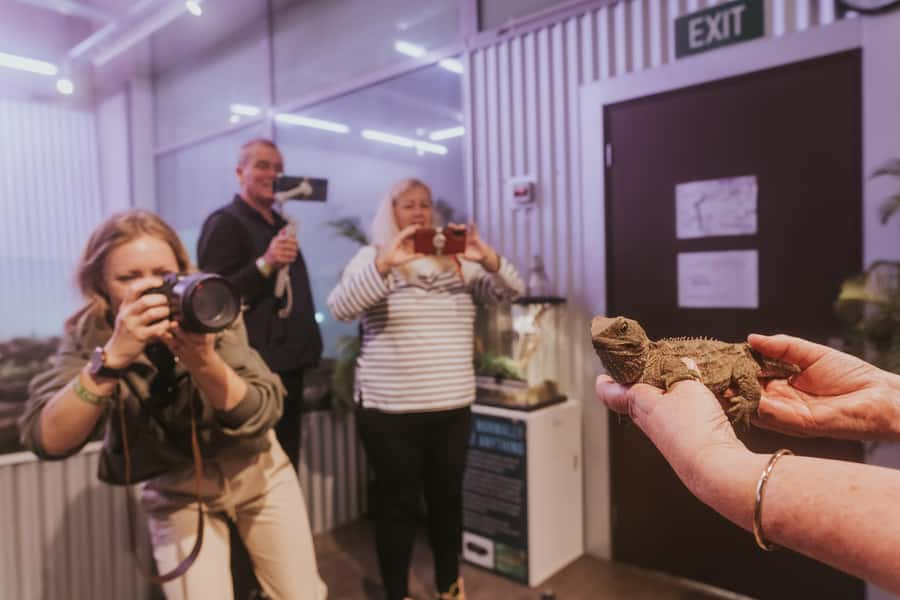
The tuatara encounter adds a different kind of wildlife experience. Tuatara are often described as New Zealand’s living dinosaurs because their lineage reaches back more than 200 million years. They are not lizards, though they look somewhat similar, and their survival story is one of the most unusual in the country.
At the center, you see tuatara in a purpose-built indoor habitat. Watch for them basking, feeding, or moving slowly through the enclosure. Their quiet behavior may not produce the instant excitement of a penguin feeding, but it rewards a little attention. The exhibit gives you time to understand why this animal matters rather than presenting it as a quick photo stop.
This part of the center works well for families because it adds variety. Younger children may be drawn first to the penguins or kiwi, while adults often appreciate the chance to see a species with such an ancient past. The habitat also gives you a sheltered activity when rain, wind, or low cloud covers the glacier views outside.
The new penguin encounter and the best time to visit
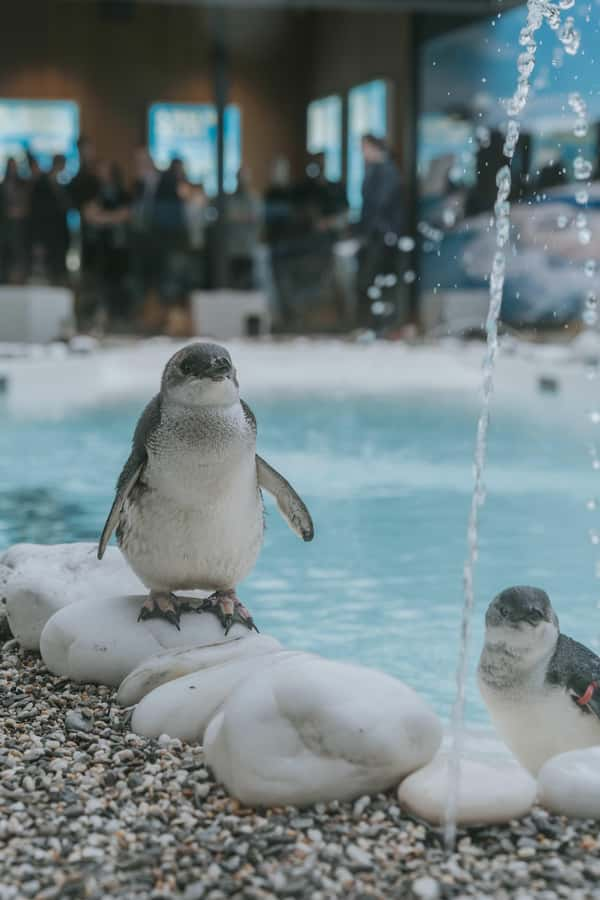
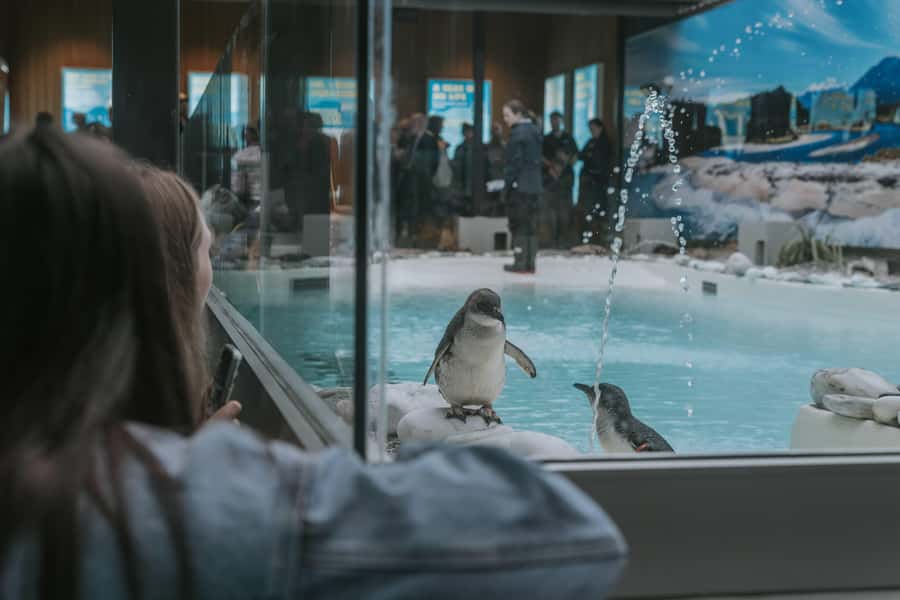
The Ambassador West Coast Penguin Encounter opened on October 18, 2025. It houses rescued kororā, or little blue penguins, that cannot return to the wild. The purpose-built habitat gives these birds a safe home while helping you understand the problems faced by New Zealand seabirds.
The penguin area adds a more active part to the visit. Daily keeper talks and live feeding provide a clear reason to plan your timing instead of simply dropping in whenever you happen to pass. Feeding is at 11am and 3pm. If you have only one visit, build your schedule around one of these times.
The penguins are not presented as animals that will be released later. They are permanent residents because they cannot survive independently in the wild. That distinction matters. The encounter is about care, rescue, and public understanding, not about pretending every animal has the same path back to nature.
I would allow extra time around the feeding. The center advises anywhere from 30 minutes to two hours for the best visit, and the penguin session is a good reason to use the longer end of that range. If you rush through in half an hour, you may see the headline exhibits but miss much of the explanation and storytelling.
Stories linking wildlife, glacier, and place
The center also covers the relationship between wildlife, culture, and the dramatic scenery around Franz Josef. The nearby glacier gives the area its identity, but the indoor exhibits show another side of the region. You are not only looking at a famous natural feature. You are also learning about the animals that make New Zealand distinct.
Glacier and wildlife stories help connect the visit to the wider West Coast. This is useful if the weather blocks a glacier walk or if you have already spent time outdoors and want a quieter activity. The center is not a substitute for seeing Franz Josef Glacier, but it gives you a better sense of the natural setting before or after an outdoor excursion.
The storytelling is supported by hands-on displays and informative exhibits. English is the operating language, and the center provides a host or greeter in English. If you prefer a self-paced visit, the exhibits allow you to move at your own speed rather than follow a fixed tour group.
A few more Franz Josef trips worth a look
- Franz Josef Glacier: Helicopter Flight & Alpine Landing
★ 4.8 · 619 reviews - Franz Josef Glacier Heli-Hike
★ 4.5 · 618 reviews - Franz Josef: 35min Helicopter Trip over Two Glaciers
★ 4.8 · 451 reviews - Small-Group Kayak Adventure from Franz Josef Glacier
★ 5.0 · 393 reviews
How long should you spend there?
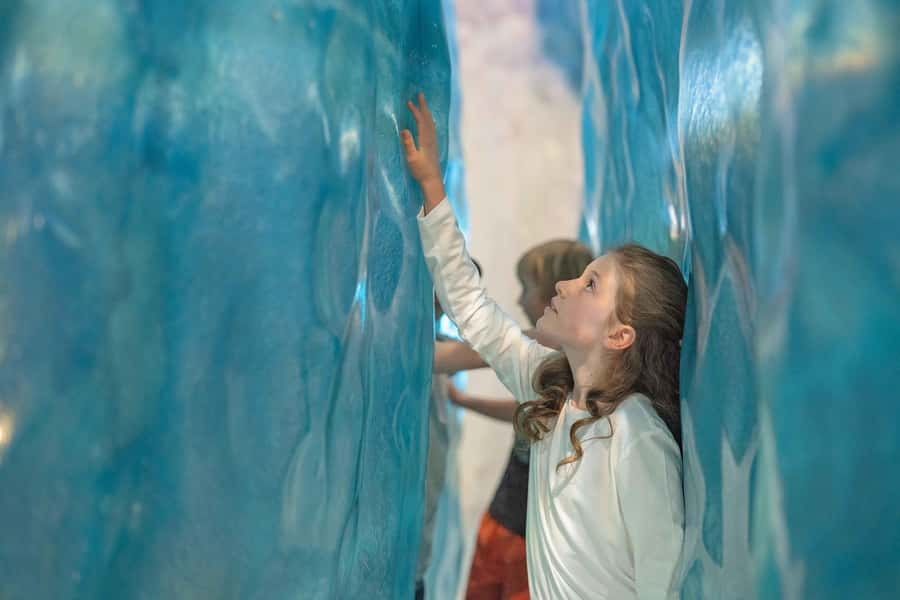
The official advice is to allow 30 minutes to two hours. Both ends of that range make sense.
A quick half-hour visit can cover the main habitats if you are passing through Franz Josef and want one indoor stop. You may see the kiwi room, tuatara, penguins, and a few displays, but you will need to keep moving.
For a better visit, plan around 90 minutes to two hours. This gives you time to read the conservation material, wait patiently in the kiwi room, watch the tuatara, and attend a penguin feeding. Families should lean toward the longer visit because children often need time to move between exhibits and revisit the animals they like best.
The 48-hour pass is useful if you are staying in Franz Josef overnight. You do not have to fit the whole attraction into one rushed stop. You could visit during a rainy afternoon, return the next morning, and catch a penguin feeding without paying again. If you are only in town for a short time, the two-day validity may not add much value.
Is the $38 admission good value?
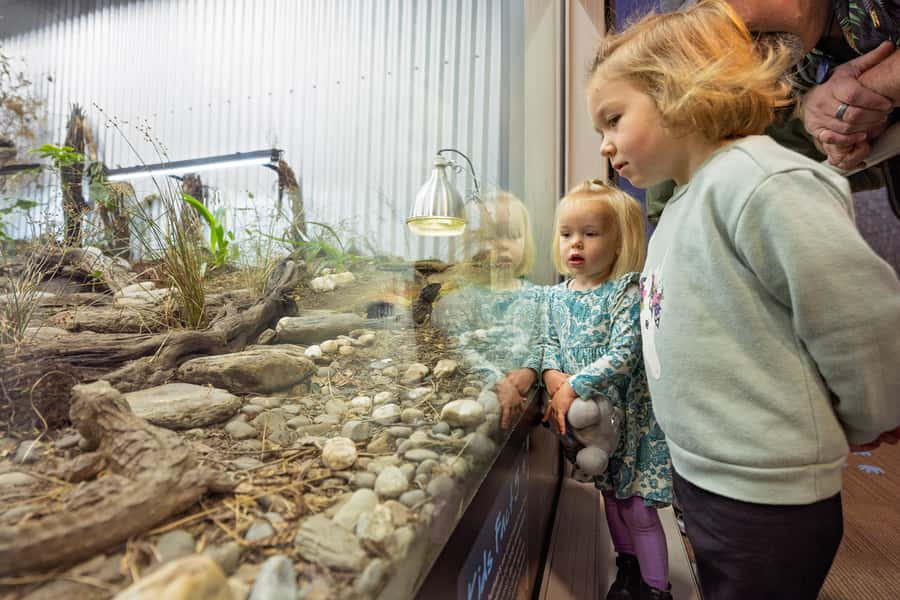
At $38 per person, the pass is not a throwaway stop, so your timing matters. The price includes live kiwi viewing, the Ambassador Penguin Encounter, the tuatara habitat, glacier and wildlife stories, and access to the South Island’s largest kiwi incubation and hatching facility.
The strongest value comes from the conservation work. Your admission helps support endangered kiwi, and you are visiting an active incubation and hatching centre rather than a display built only for entertainment. That makes the cost easier to justify for visitors who want their spending to support wildlife protection.
The penguin feeding also improves the value, provided you plan around 11am or 3pm. A short visit outside feeding times may feel less satisfying, especially if you have already seen wildlife centers elsewhere in New Zealand.
The 48-hour validity adds value for overnight stays. It is less useful for a quick drive through Franz Josef. If you can return, use the extra time to avoid rushing the kiwi room and to see both the quieter tuatara habitat and the livelier penguin session.
Food and drinks are not included, but the center has a coffee shop. A gift shop is also available. You cannot bring food or drinks into the attraction, so finish snacks before entering and plan to buy refreshments at the center if needed.
Practical details for a smooth visit
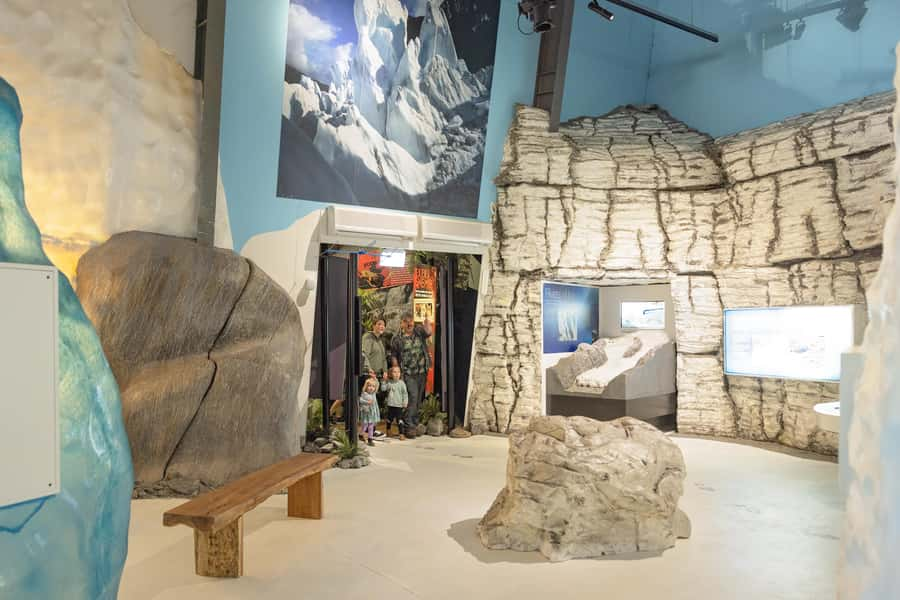
The main ticket counter is open from 8am to 5pm daily. The attraction itself is open daily, including most public holidays, which makes it a dependable option when other plans change.
There is no transportation included. You need to make your own way to the center in Franz Josef. The experience is wheelchair accessible, and the indoor setting makes it suitable for different weather conditions.
Try to arrive with enough time before a penguin feeding. Arriving at 10:45am or 2:45pm gives you time to enter, get oriented, and reach the penguin area without hurrying. If you want a VIP Backstage Pass Tour, book ahead because spaces are limited. That tour costs extra and is not part of the standard entry ticket.
The center accepts advance booking with payment later, and cancellation is free up to 24 hours before the visit. Those terms are useful if your West Coast plans depend on road conditions or changing weather.
Who will enjoy this most?
I would recommend the center to families, wildlife enthusiasts, and anyone looking for a meaningful indoor stop near Franz Josef Glacier. It is especially useful on wet days, when the region’s outdoor plans may be less appealing.
It also suits you if kiwi conservation is a main reason for visiting New Zealand. Seeing rare rowi and Haast tokoeka connected to an actual incubation programme gives the visit purpose. The tuatara and penguin exhibits then broaden the experience beyond a single species.
You may be less satisfied if you expect a large zoo with many animals or constant staff-led activity. The center focuses on a small group of important species, and the kiwi viewing depends on patience. The dark habitat can also make the birds difficult to spot.
For families, remind children before entering the kiwi room that quiet behavior is part of the experience. The animals are not performers. A calm visit is kinder to the kiwi and more likely to produce a good sighting.
Should you book the West Coast Wildlife Centre?
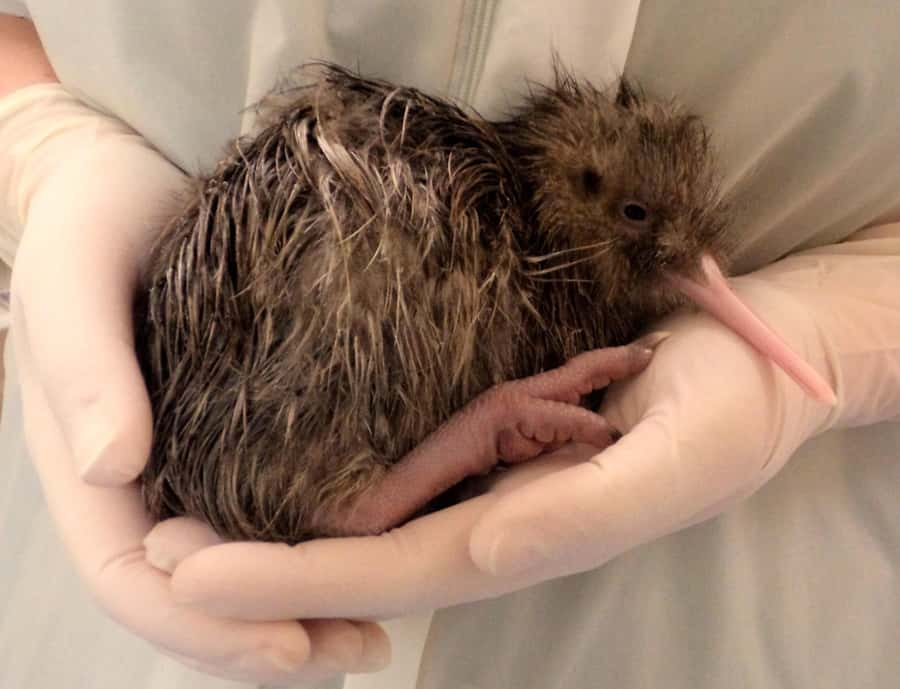
Book it if you want a weather-proof Franz Josef activity with genuine conservation value. The rare kiwi programme, indoor tuatara habitat, and rescued penguin encounter make this more worthwhile than a simple souvenir stop.
Plan for at least 90 minutes, and choose the 11am or 3pm penguin feeding if possible. The 48-hour pass is a good buy when you are staying overnight and can return. If you have only 30 minutes, the $38 price feels harder to justify, particularly if you miss the feeding session.
My practical advice is simple: make this your rainy-day plan, or schedule it between outdoor activities. Go slowly in the kiwi room, give the birds space, and treat the visit as a chance to support conservation as well as see New Zealand wildlife.
FAQ
How long is the West Coast Wildlife Centre pass valid?
The pass is valid for 48 hours from the time you first activate it.
What are the penguin feeding times?
Live penguin feeding takes place daily at 11am and 3pm.
Which kiwi species can I see?
The center supports the incubation and hatching programme for rowi and Haast tokoeka, described as the two most endangered kiwi species in the world.
Is the attraction open in bad weather?
Yes. The West Coast Wildlife Centre is an indoor, all-weather attraction.
How long should I allow for a visit?
You should allow between 30 minutes and two hours. A longer visit gives you more time for the kiwi habitat, tuatara, exhibits, and a penguin feeding.
Is the center wheelchair accessible?
Yes, the attraction is wheelchair accessible.
Are food and drinks included?
No. Food and drinks are not included, and food and drinks are not allowed inside. A coffee shop is available at the center.
Just added around Franz Josef
- Tandem Skydive 10,000ft from Franz Josef★ 5.0 · 4 reviews
- Ultimate Discovery: 3 Glaciers & Snow Landing – 45min★ 5.0 · 112 reviews
- Tandem Skydive 13,000ft from Franz Josef★ 4.5 · 16 reviews
- Tandem Skydive 16,500ft from Franz Josef★ 5.0 · 19 reviews
- Tandem Skydive 18,000ft from Franz Josef★ 4.5 · 29 reviews
- Private Flight: 3 Glaciers with Snow Landing – 45mins★ 4.5 · 14 reviews
- 25mins Private Helicopter Flight in Franz Josef with Landing★ 5.0 · 13 reviews
- Private Flight – 2 Glaciers – Snow Landing – Franz Josef – 35mins★ 5.0 · 5 reviews
Wildlife, compared.
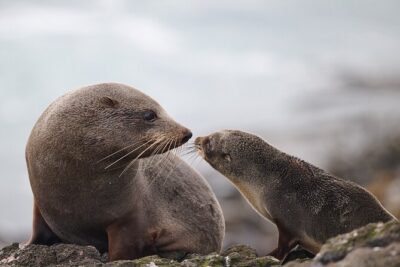
Clearwater Wildlife Tours (small group 10max) Otago Peninsula
Read our review →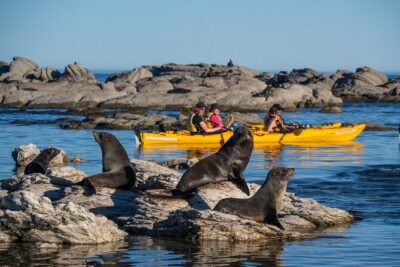
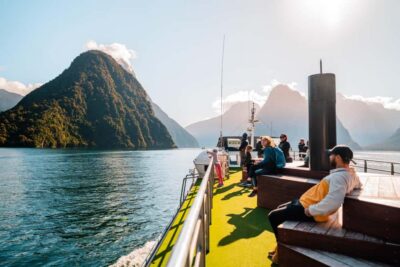


6 Ziplines, Swing-Bridges & Wildlife Encounters
Read our review →
Sea Life Kelly Tarlton’s Aquarium General Admission
Read our review →
Browse the lists this tour appears in