
Reviewed · TRAIN EXPERIENCES
Arthur’s Pass Tour From Christchurch via CHC-GRZ TranzAlpine
The best part of this 13-hour day is the change of viewpoint: you cross the Southern Alps by train in the morning, then retrace the route by road with a guide in the afternoon. The TranzAlpine gives you wide views of braided rivers, plains, mountains, and the Otira Tunnel, while the return coach reaches places the train cannot. I especially like the chance to see Castle Hill and the possibility of spotting a kea, New Zealand’s alpine parrot.
I also like the small group, with no more than 11 people, and the practical extras such as lunch, snacks, water, WiFi, USB charging, and toilet stops. The main drawback is the long day and the fixed train schedule. Delays of 30 minutes or more can cut into stops in Cobden, and one reported pickup problem in Greymouth makes it important to confirm exactly where you should meet the returning guide.
Key points to know
- The TranzAlpine is the morning centerpiece: Ride from Christchurch to Greymouth through the Canterbury Plains, braided rivers, the Southern Alps, and the 8-kilometre Otira Tunnel.
- The return route is by small coach: A Mercedes Sprinter or similar vehicle takes you back along the Great Alpine Highway.
- Castle Hill adds a striking geology stop: Huge limestone formations make this one of the most memorable walks of the day.
- Arthur’s Pass brings alpine scenery and wildlife: Waterfalls, beech forest, steep peaks, and a chance to see kea are part of the appeal.
- The day costs $310 per person: That is reasonable if you value the train ticket, guide, lunch, and return transport, but less attractive if you only want the rail journey.
- Timing needs care: The train may run late, and the Greymouth handoff can be less clear than it should be.
Why this route works so well
This trip links two very different sides of the South Island. Christchurch sits beside the broad, open Canterbury Plains, while Arthur’s Pass cuts through a much rougher mountain world before the route reaches the wetter West Coast.
You see that change gradually from a train window, then again from the road. The morning rail journey lets you settle into the scenery without worrying about driving. The afternoon coach gives you commentary, short stops, and a closer look at places that are easy to miss from the tracks.
I like this arrangement because it avoids simply repeating the same trip in reverse. You travel west by rail, then return east by road. That gives the day a sense of movement rather than making it feel like a long out-and-back ride.
The catch is that this is a full day, not a relaxed half-day outing. Thirteen hours requires stamina. You will spend many hours seated, even with stops and walks along the way. If you prefer slow travel with plenty of time at each viewpoint, a longer stay in Arthur’s Pass may suit you better.
More Train Journeys in Christchurch
- TranzAlpine Train, Arthur’s Pass and Castle Hill Day Trip
★ 5.0 · 426 reviews - Coastal Pacific Train Journey from Picton to Christchurch
★ 4.5 · 345 reviews - Arthur’s Pass Discovery and TranzAlpine Train – Small Group Tour
★ 5.0 · 272 reviews
The TranzAlpine from Christchurch to Greymouth
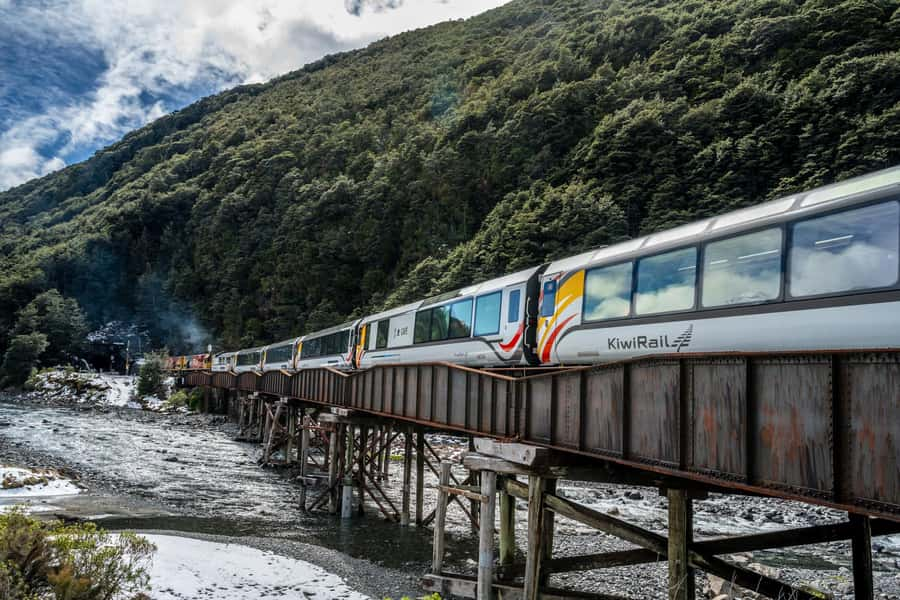
The train leaves Christchurch in the morning and heads across the Canterbury Plains. Early views are broad and open, with farmland and braided rivers spreading out toward the mountains.
As the train reaches the Southern Alps, the scenery becomes more dramatic. You pass steep slopes, river valleys, native forest, and mountain country that is difficult to appreciate from a normal road journey. The rail line is one of the main reasons to book this tour rather than arrange an ordinary coach transfer.
The train also changes the pace of the day. You can watch the scenery through the carriage windows, use the viewing areas, and move around more easily than you can in a small vehicle. A dining carriage is available on the train, although lunch and snacks are already included with the tour, so you do not need to depend on buying food onboard.
The route passes through the Otira Tunnel, which runs for about 8 kilometres beneath the mountains. It is a practical engineering feat, but it also marks the change between the drier eastern side of the Alps and the wetter West Coast.
Expect the train to be a major part of the experience, not simply transportation. The rail journey takes up much of the morning and early afternoon. For many people, it is the strongest reason to choose this package.
Greymouth, Cobden, and the afternoon handoff
The train arrives in Greymouth, where you change from rail travel to the guided coach. This is the point where you should pay closest attention to the instructions.
The return departure from Greymouth is scheduled for 2:15pm, and the train is due to arrive in Christchurch at 7pm on the return service. On this tour, though, your trip includes a coach back rather than simply putting you on the afternoon train. The Greymouth meeting arrangements can be less obvious than expected, so confirm the exact pickup point before departure and keep your phone available.
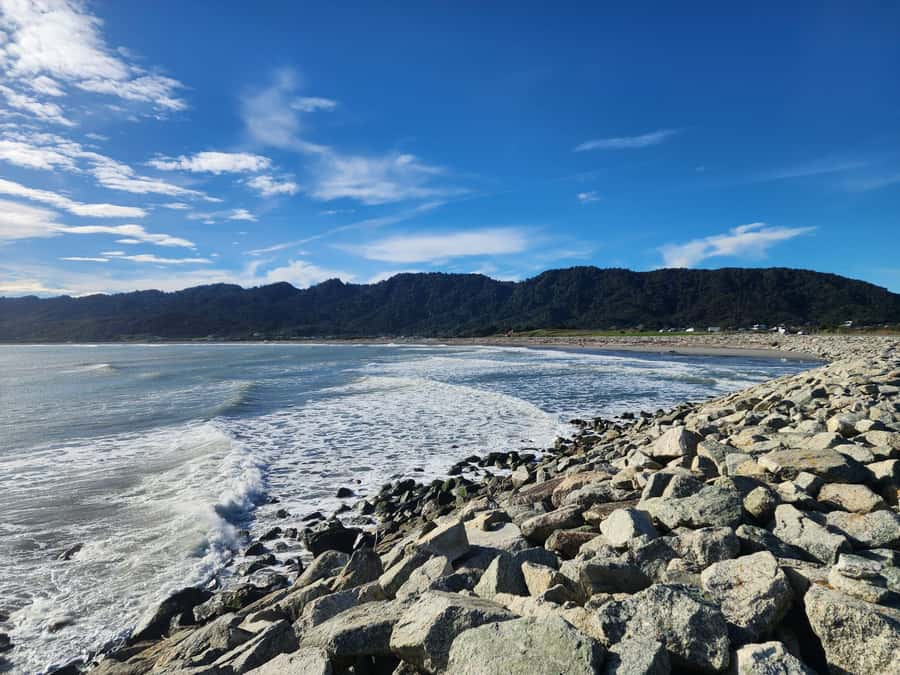
Cobden is one of the scenic places included in the day. The area gives you a look at the West Coast side of the route, including the Cobden Breakwater. The stop can be affected by the train’s arrival time. If the TranzAlpine runs 30 minutes or more late, the guide may have to shorten or skip time in Cobden to keep the return journey moving.
That is an important tradeoff. The operator cannot control delays on the third-party train service, and the coach has a long route ahead. You should treat Cobden as a welcome possibility rather than a guaranteed long stop.
Returning through Arthur’s Pass
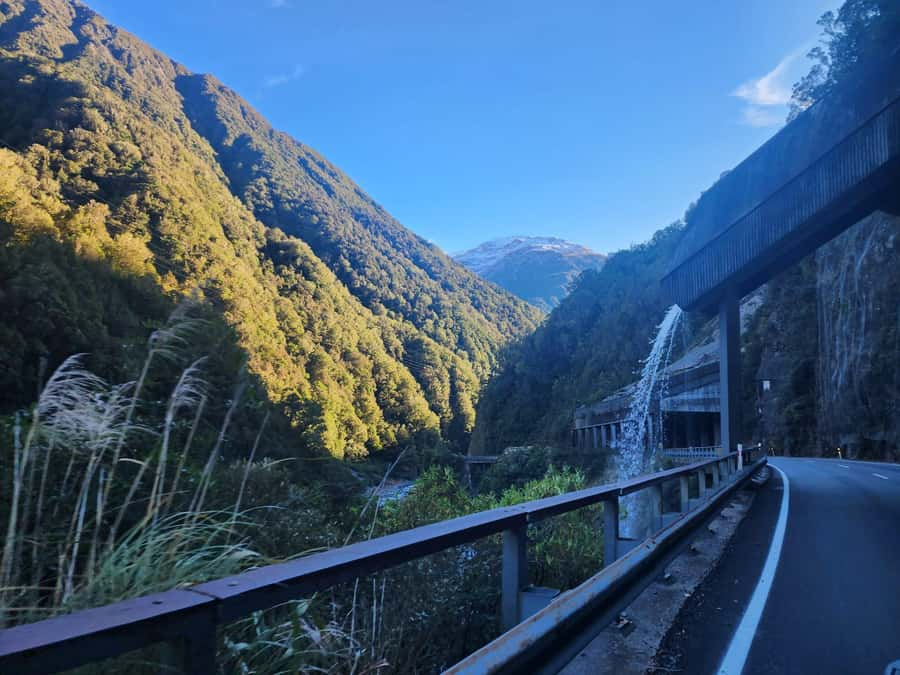
The road back follows the Great Alpine Highway through the mountain pass. This is where the guide becomes especially useful.
A good guide adds context to the scenery, explains the road and railway engineering, and points out details you would probably miss while watching the road. Recent departures have been led by guides including Grant, Logan, and Willem. Grant was particularly praised for his facts and observations on the return drive, while Logan was noted for his local understanding and friendly care. Willem has also been described as informative and welcoming.
The pass has deep importance to Māori history. Iwi used the route to trade pounamu, or greenstone, long before European surveyors mapped the area. Arthur Dudley Dobson later helped establish the route’s place on European maps in the 19th century.
Today, Arthur’s Pass National Park is known for steep peaks, powerful waterfalls, beech forest, and unusual alpine wildlife. The terrain can change quickly with the weather. You might have clear mountain views, or you might find cloud settling over the pass and rain moving through the valleys.
That unpredictability is part of the setting, but it affects what you see. Bring warm layers even if Christchurch is mild. Comfortable shoes are useful for the stops, and a waterproof outer layer is sensible.
Same corner of the country, a very different day out:
- Christchurch Hop-On Hop-Off Tram
★ 4.5 · 841 reviews - Christchurch Gondola and Tram City Tour Combo
★ 4.5 · 725 reviews - Christchurch: Hop-On Hop-Off Tour by Vintage Tram
★ 4.6 · 717 reviews - Christchurch: Tram, Punt and Gondola Ride Combo Ticket
★ 4.7 · 608 reviews
Castle Hill and the limestone formations
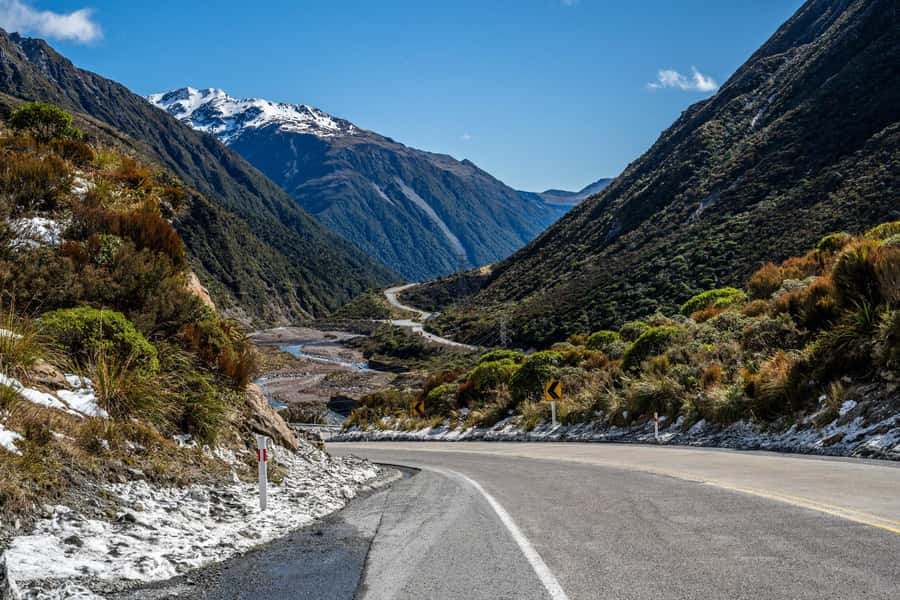
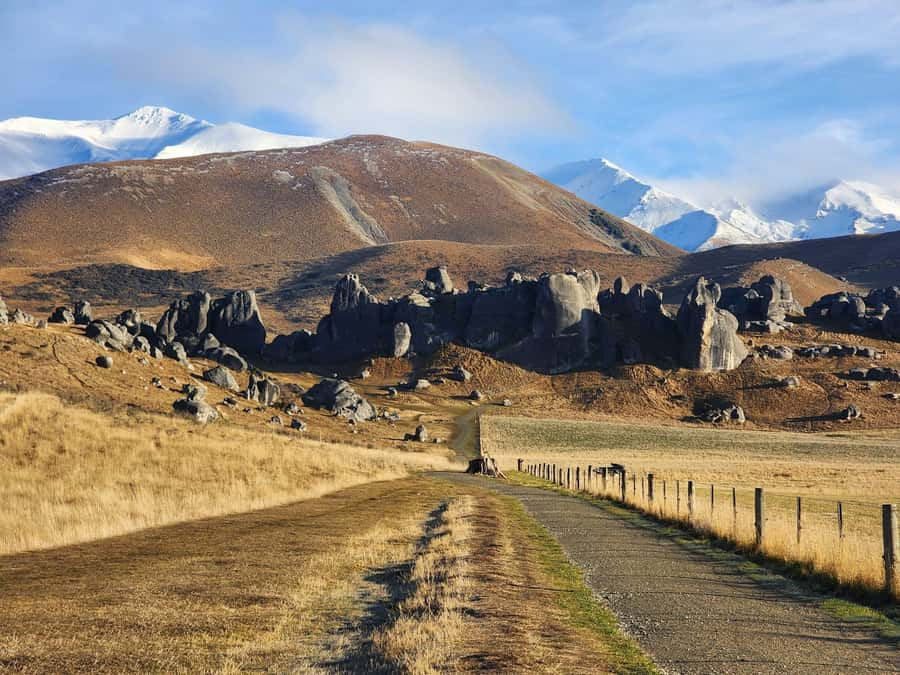
Castle Hill is one of the most distinctive stops on the eastern side of the mountains. Large limestone formations rise from the open countryside in strange shapes and clusters.
You can walk among the rocks and take photographs from different angles. The site feels very different from Arthur’s Pass. Castle Hill is open, dry, and exposed, while the pass is enclosed by steep mountains and forest.
This stop rewards curiosity more than a strict sightseeing checklist. Take time to look at the shapes, cracks, and weathered surfaces. The rock formations give the area a strong sense of place without requiring a long hike.
The available time may depend on traffic, weather, and earlier delays. You should expect a scenic visit rather than a full geological expedition. Still, Castle Hill is an excellent reason to choose the combined train and coach format, since a train-only journey will not bring you here.
Lake Lyndon and the Great Alpine Highway
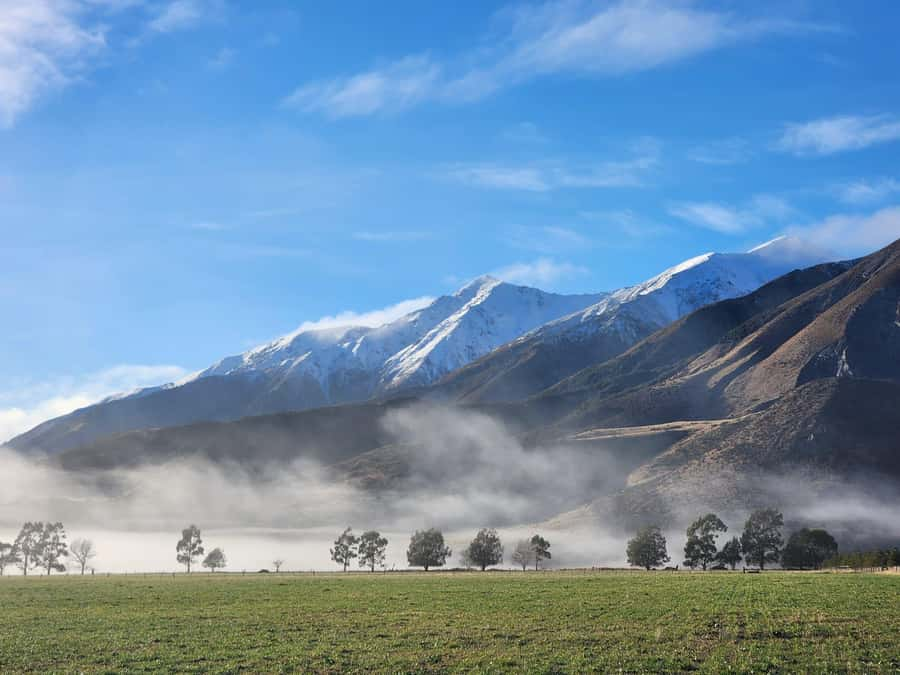
Lake Lyndon adds another broad mountain-water view to the return drive. The lake lies along the route through the high country, and the surrounding terrain gives you a clear sense of how exposed the road can be.
The stop is also a reminder that this is not a city sightseeing tour with polished attractions at every turn. Much of the appeal comes from the scale of the country, the changing weather, and the open road between formal stops.
You will want your camera ready, but do not plan on every photograph working out. Light and cloud can change quickly in the alpine region. The same viewpoint can look completely different a few minutes later.
The coach is a practical choice here. You can look out at the scenery without concentrating on mountain roads, and the guide can provide commentary along the way. WiFi and USB charging are included, which matters on a 13-hour day, although I would still bring a portable battery and snacks of your own.
The chance to see a kea
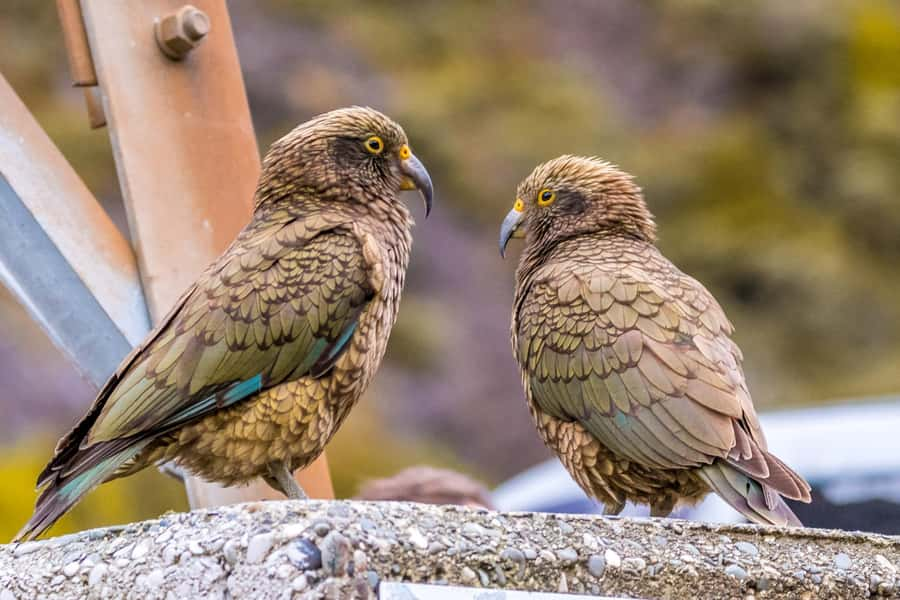
Kea are the only truly alpine parrots, and they are strongly associated with Arthur’s Pass. The tour includes the chance to spot one in the wild, but this is wildlife, not a scheduled performance.
You might see a kea near the road or at a stopping place, or you might not see one at all. Keep your camera ready and listen to the guide, who may know where recent sightings have occurred. Do not build the entire value of the tour around finding a bird.
The possibility still adds something special. Kea are intelligent, bold, and well adapted to a harsh mountain environment. Even without a sighting, the pass provides the right setting to understand why this bird is such a symbol of the region.
What the small group adds
The group is limited to 11 participants, which is a useful size for this route. A smaller vehicle can stop more easily than a full-size bus, and you can ask questions without trying to catch a guide’s attention from the back row.
The Mercedes Sprinter or similar coach includes WiFi and USB charging. Lunch, bottled water, and Kiwi snacks are included as well. These are not glamorous extras, but they make a difference when you have a long rail journey followed by hours on the road.
The guide is the part that can shape the day most. The strongest feedback has focused on the return drive, especially the guides’ local observations, friendly manner, and safe handling of a demanding route. A guide who connects the rocks, rivers, roads, and communities gives meaning to what might otherwise be a series of quick photo stops.
There is also a practical limit. Small-group travel does not turn a 13-hour itinerary into a restful day. If you need frequent movement, more legroom, or easy access for a mobility impairment, this is not the right choice. The tour is specifically not suitable for people with mobility impairments.
Is $310 a fair price?
At $310 per person, the cost includes the TranzAlpine journey, guided return transport, lunch, water, snacks, commentary, and the stops along the Great Alpine Highway. You are also paying for the convenience of combining two different transport systems without arranging separate tickets, a rental car, and a one-way drop-off.
I think the price makes sense if you want to see both the railway and the road route in one day. The train ticket alone does not give you Castle Hill, Lake Lyndon, the guided return, or the chance to stop around Arthur’s Pass.
The value is weaker if your main goal is simply to ride the TranzAlpine. You could prefer booking the rail journey separately and spending more time in Greymouth or Arthur’s Pass. The tour is built for people who want maximum scenery in a single day, not for people who want a slow schedule.
One recent booking priced the experience at about $950 for two people and found the long return rushed. That concern is fair. Traffic, weather, and train delays can reduce stop time, and the driver has to keep the group moving. You should book this knowing that the coach section is a scenic transfer with stops, not an unhurried private tour.
Timing, pickups, and how to prepare
Be at your confirmed pickup location at least five minutes early. The driver may have other pickups, so a delay of up to 10 minutes can happen, but the vehicle cannot wait for late arrivals. No-shows and late arrivals are not refunded.
Hotel pickups require you to wait at the front or reception area. The operator only collects from confirmed locations, so check that your accommodation and pickup point are recorded correctly.
The Greymouth meeting point deserves special attention. Make sure you know where to go when the train arrives and how to identify the returning coach. A past pickup failure lasting several hours is a serious enough warning to justify confirming the arrangements directly before the day begins.
Bring warm clothes, comfortable walking shoes, a camera, water, and extra snacks. Lunch and bottled water are included, but your own food gives you more control during a long day. Toilet breaks are included throughout the route.
Free cancellation is available up to 24 hours before departure, and you can reserve now and pay later. Those terms help if your South Island plans are still shifting, but they do not protect you from the basic timing limits of the train and coach schedule.
Who should book this day trip?
I would choose this tour if you have only one day from Christchurch and want a broad taste of the central South Island. It suits first-time visitors who value scenery, rail travel, and a guide who can explain what they are seeing.
It also suits people who do not want to drive the mountain roads themselves. The train handles the first crossing, and the guide takes over for the return. You can watch the scenery instead of managing directions, fuel, road conditions, and a one-way rental car.
I would hesitate if you dislike early starts, long seated journeys, or fixed schedules. I would also think twice if Castle Hill or Arthur’s Pass is your main priority, since a dedicated overnight stay would give you more time to walk and wait for good weather.
Should you book the Arthur’s Pass TranzAlpine tour?
Book it if you want the full crossing experience: train west, coach east, mountain scenery throughout, and a guide to connect the pieces. The train is the clear star, but the return road journey is what makes this more than a rail ticket.
Go in with realistic expectations. The day is long, Cobden may be shortened by delays, wildlife is never guaranteed, and the coach schedule can feel rushed. Confirm your Greymouth pickup details, pack for changing weather, and accept that the mountains set the timetable more than anyone does.
For a one-day overview from Christchurch, I think the combination is worthwhile. For a slower, more flexible trip, book the train separately and spend a night near Arthur’s Pass or Greymouth instead.
FAQ
How long is the Arthur’s Pass tour from Christchurch?
The tour lasts 13 hours. It includes the morning to midday TranzAlpine journey from Christchurch to Greymouth and the guided coach return via the Great Alpine Highway.
What is included in the $310 price?
The price includes the TranzAlpine train journey, small-group guided transport, lunch, bottled water, Kiwi snacks, commentary, WiFi, USB charging, and stops including Castle Hill and Lake Lyndon.
Is the return journey by train or coach?
The return journey included in this experience is by coach, using a Mercedes Sprinter or similar vehicle. The route follows the Great Alpine Highway through Arthur’s Pass and back toward Christchurch.
Can I see a kea?
You have a chance to spot a kea in the wild around Arthur’s Pass, but sightings are not guaranteed. Kea are alpine parrots native to New Zealand’s mountain regions.
What should I bring?
Bring comfortable shoes, warm clothing, a camera, water, and snacks. Weather in the alpine region can change quickly, so prepare for different conditions.
Is the tour suitable for people with mobility impairments?
No. The activity is not suitable for people with mobility impairments. Toilet breaks are included during the tour, but the day still involves long periods of train and coach travel and scenic stops.
Just added around Christchurch
- Wine trail and Christchurch City – Luxury, Small Group Tour★ 5.0 · 15 reviews
- Willowbank Wildlife Reserve Day Entry★ 4.5 · 94 reviews
- Waipara Valley Winery Tour Wine Tastings and Scenic Views★ 5.0 · 5 reviews
- Uniquely Kiwi Landsailing Adventure★ 5.0 · 66 reviews
- Tranz Alpine Train Tour★ 5.0 · 92 reviews
- Arthur’s Pass Tour From Christchurch With Jet Boat & TranzAlpine★ 5.0 · 8 reviews
- Small Group Southern Loop 7 Days Tour★ 5.0 · 18 reviews
- Small Group Southern Voyager 7 Days Tour★ 5.0 · 36 reviews
Train Experiences, compared.
Northern Explorer Train Journey from Wellington to Auckland
Read our review →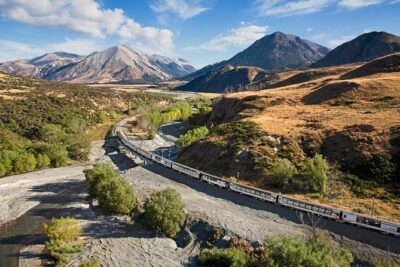
TranzAlpine Train, Arthur’s Pass and Castle Hill Day Trip
Read our review →
Coastal Pacific Train Journey from Picton to Christchurch
Read our review →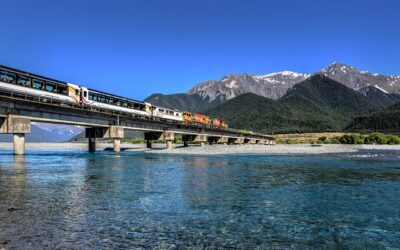
TranzAlpine Train Journey: Christchurch to Greymouth
Read our review →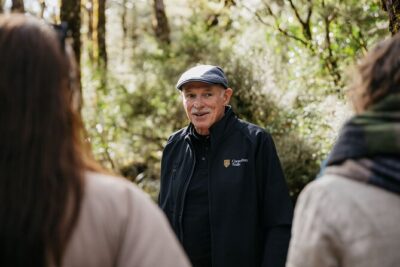
Arthur’s Pass Discovery and TranzAlpine Train – Small Group Tour
Read our review →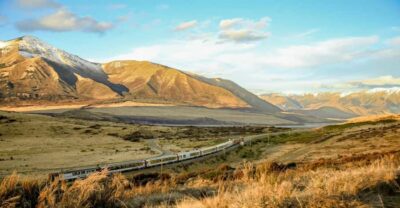
Arthur’s Pass: TranzAlpine Train and Castle Hill Day Tour
Read our review →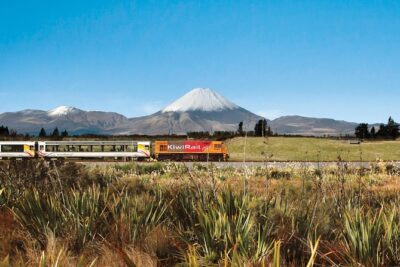
Northern Explorer Train Journey from Auckland to Wellington
Read our review →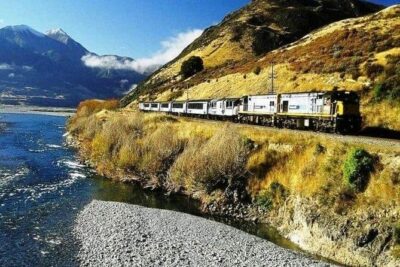
Arthur’s Pass and TranzAlpine Train Day Tour from Christchurch
Read our review →Browse the lists this tour appears in