
Reviewed · WEST COAST TOURS
Hokitika: The National Kiwi Centre Tickets
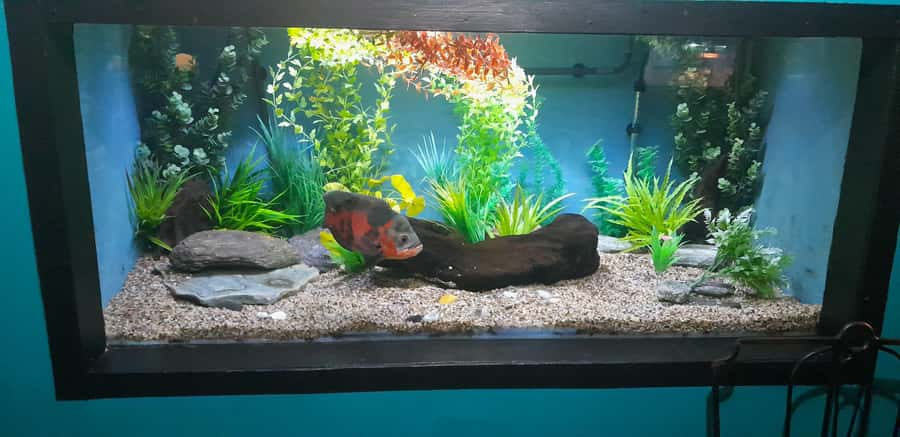
The National Kiwi Centre gives you something rare: a close look at New Zealand’s elusive kiwi in a protected nocturnal house. You may also see tuatara, crayfish, whitebait, and giant eels, with eel feedings at 10:00 AM, noon, and 3:00 PM.
I like the well-rounded collection of native wildlife, not just the kiwi, and the chance to watch giant eels being fed. The main drawback is that only two kiwi are on view, and one may appear for only a few seconds, so sightings can be brief.
Key Points to Know
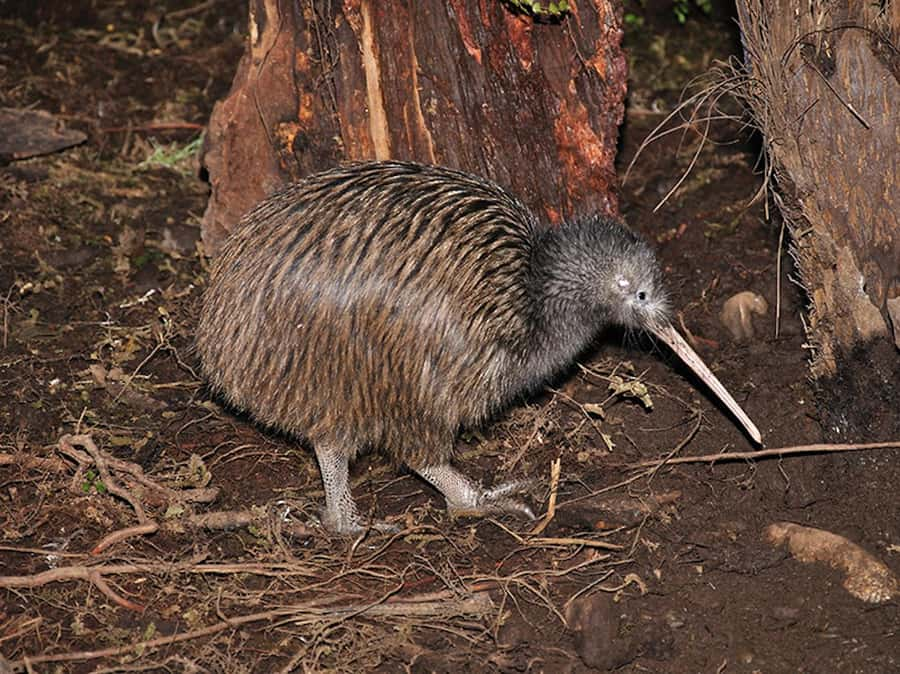
- Kiwi viewing is the main event: See Brown Kiwi and Little Spotted Kiwi in a purpose-built nocturnal house.
- Eel feedings add a scheduled highlight: Plan around 10:00 AM, 12:00 PM, or 3:00 PM.
- Expect more than birds: Tuatara, giant eels, crayfish, and whitebait fill out the visit.
- Photography is restricted around the kiwi: This protects the birds, and a complimentary kiwi photograph may sometimes be provided.
- The visit takes about one hour: It fits neatly into a Hokitika sightseeing day.
- The price is $23 per person: That is reasonable if you value native wildlife and conservation displays, though brief kiwi sightings may make it feel less worthwhile to some.
A Kiwi Encounter in the Heart of Hokitika
The National Kiwi Centre focuses on animals you are unlikely to spot in the wild. Kiwi are nocturnal, shy, and difficult to see even in areas where they live. Here, a controlled setting gives you a far better chance of seeing one moving through its enclosure.
The kiwi house is purpose-built and kept dark to match the birds’ natural rhythm. You will need to adjust your eyes and pay attention to movement close to the ground. This is not a bright zoo display where an animal sits in plain view. The experience asks you to slow down and watch.
Two kiwi species are represented: Brown Kiwi and Little Spotted Kiwi. Seeing either one is special, but you should keep your expectations sensible. There are only two kiwi, and one may come out for just a few seconds. Even the larger kiwi can be difficult to see at first.
Photography is not allowed in the kiwi area, a rule intended to protect the birds. That may disappoint anyone hoping for a full camera roll, but it also keeps the room calmer and darker. A recent visit included a complimentary kiwi photograph, so you may receive a keepsake, but do not count on taking your own pictures inside.
A few more West Coast trips worth a look
- TranzAlpine Train Journey: Christchurch to Greymouth
★ 4.5 · 312 reviews - TranzAlpine Train Journey from Greymouth to Christchurch
★ 4.5 · 182 reviews - West Coast Treetop Walk
★ 4.5 · 131 reviews
How the One-Hour Visit Unfolds
The visit is compact and easy to fit into your plans. You spend roughly one hour moving through the centre’s wildlife displays, with the kiwi house as the main attraction and the other exhibits adding context and variety.
Start by allowing yourself time to adjust to the darker kiwi setting. You may see a bird moving, feeding, or pausing in the enclosure. The experience is most rewarding when you watch quietly instead of expecting constant action.
After the kiwi house, give proper attention to the other animals. The centre includes ancient tuatara, giant eels, crayfish, and whitebait. This is important because the visit is not simply a short attempt to spot one bird. The displays show a broader picture of New Zealand’s unusual native wildlife.
The giant eels are likely to be the most active part of the visit, especially if you arrive for one of the scheduled feedings. Feeding takes place at 10:00 AM, 12:00 PM, and 3:00 PM. The timing matters, so check your Hokitika plans before choosing a visit time.
An English-speaking host or greeter is available, and the team is described as friendly and welcoming. The centre also uses interactive displays, giving you more to do than walk past glass or enclosures. You can ask questions and spend time learning about the animals rather than simply checking them off a list.
Why the Giant Eels Matter to the Visit
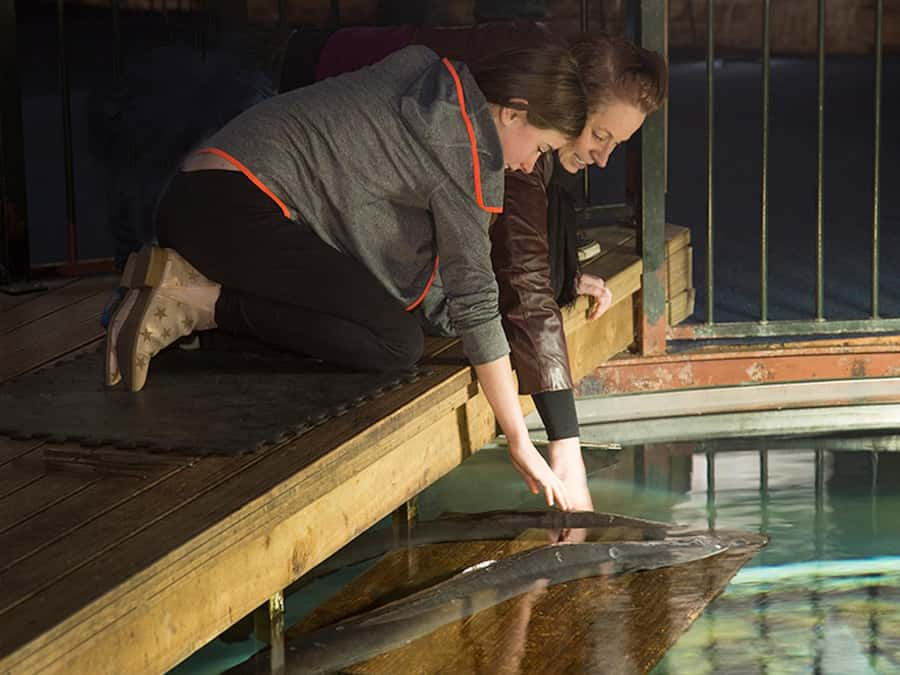
The giant eels are the centre’s strongest supporting attraction. Their feeding sessions give the visit a clear moment of action and make the animals easier to appreciate. A quiet eel display can be fascinating, but watching feeding brings their size and behavior into focus.
Plan for the feeding rather than arriving at any random time. The three daily sessions at 10:00 AM, 12:00 PM, and 3:00 PM provide useful options, especially if you are passing through Hokitika on a wider West Coast route.
The eel talk has also been singled out as a particularly good part of the experience. That makes the centre a better choice for anyone interested in native aquatic life, not just kiwi. You may find the fish and eel displays more engaging than expected.
The inclusion of feeding is part of the admission price. Food and beverages for you are not included, but you do not need to buy anything extra to take part in the eel feeding.
Tuatara, Crayfish, and Whitebait
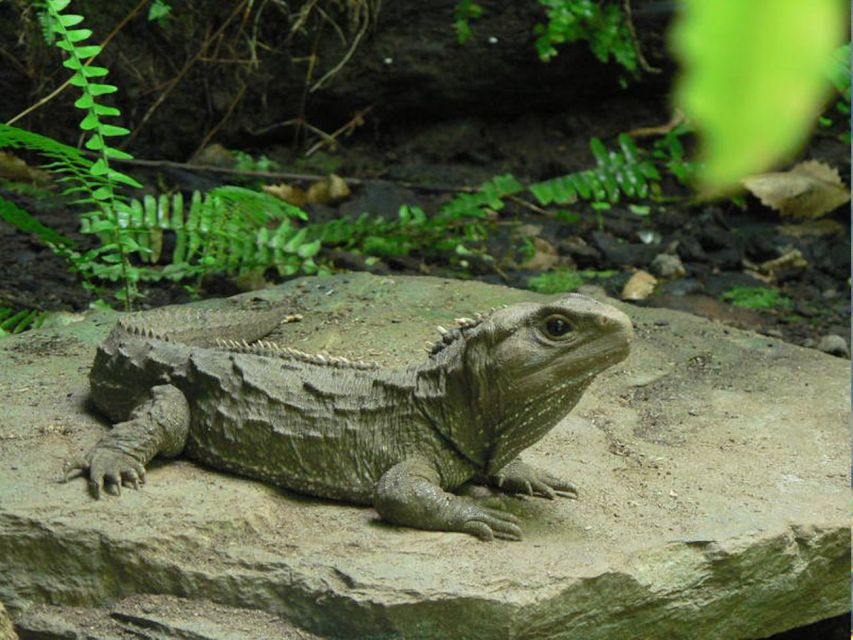
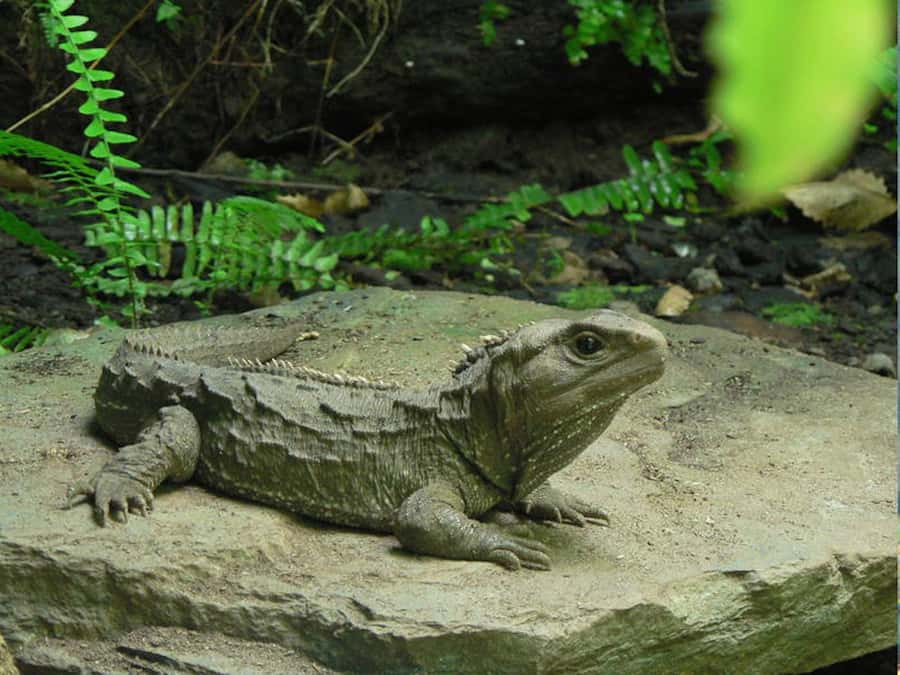
New Zealand wildlife is full of animals that look unlike anything elsewhere, and the centre makes room for several of them. The tuatara is an ancient reptile and one of the most distinctive animals on display. It deserves more than a quick glance, particularly if you have already come for the kiwi and want to understand the wider native ecosystem.
Crayfish and whitebait add variety to the aquatic displays. Whitebait is especially tied to the waterways and food culture of the West Coast, so its presence gives the centre a local connection beyond the headline kiwi attraction.
The collection is modest in scale, but that can work in your favor. You can see the exhibits easily within an hour without rushing from one large area to another. One recent assessment found the exhibits surprisingly high quality and easy to view. That is a useful point for families and anyone working with a tight schedule.
The displays also help balance the uncertainty of kiwi viewing. If a kiwi stays hidden, you still have several other animals to see. If you arrive at feeding time, the eels give you an active feature to anchor the visit.
Same corner of the country, a very different day out:
- 4-hour Lake Mapourika Kayak and Hike adventure, with Okarito Kiwi Sanctuary
★ 5.0 · 117 reviews - 2-Hour Scenic Cruise in Lake Mapourika
★ 5.0 · 105 reviews - Monteith’s Brewery Tour
★ 4.5 · 93 reviews - Hokitika: West Coast Treetop Walkway Entrance Ticket
★ 4.5 · 82 reviews
The Kiwi Viewing Tradeoff
You need to decide how much uncertainty you can accept. A kiwi sighting is not guaranteed to be long or dramatic. One bird may be visible for only a few moments, and two kiwi may feel like too few if you expected a large collection.
That concern is real, especially at $23 per person. If your main goal is to see many kiwi, this centre may leave you wanting more. It is better understood as a small native wildlife centre with a chance to see kiwi up close, not as a large-scale kiwi sanctuary.
The upside is proximity. The controlled nocturnal house can show you details that would be almost impossible to notice in the wild. A large kiwi was particularly easy to view during one visit, while another person found the birds hard to see. Both reactions make sense because the experience depends on what the kiwi are doing at that moment.
Give yourself time. Look low, move slowly, and do not assume that a still or partly hidden bird means there is nothing to see. The lighting and photography restrictions are there for the animals, even if they make the visit less convenient for you.
Is $23 Good Value?
At $23 per person, the centre is fairly priced for a one-hour wildlife stop if you are already in Hokitika. You are paying for access to kiwi, tuatara, eels, crayfish, and whitebait, plus the eel feeding sessions and interactive displays.
The value improves if you attend one of the three feedings. It also improves if you enjoy smaller educational attractions where you can read, observe, and ask questions at your own pace.
The value is less clear if you judge the ticket only by the number of kiwi. Seeing two birds, particularly if one remains hidden, may not satisfy someone expecting a large centre. On the other hand, the animals beyond the kiwi are not filler. The eels, tuatara, fish, and crayfish give you a fuller visit.
Some recent bookings also included small extras such as free chocolate and a complimentary kiwi picture. These additions are welcome, but I would treat them as possible bonuses rather than part of the ticket’s core value.
Who Will Enjoy This Best?
I would recommend the centre to families, wildlife lovers, and anyone who wants an easy introduction to New Zealand’s native animals. The short duration works well with children, and the mix of birds, reptiles, fish, and eels keeps the experience varied.
It also suits visitors who have limited time in Hokitika. You can complete the centre in about an hour, then continue with the rest of your day. Since the attraction is wheelchair accessible, it is also a practical choice for anyone who needs an accessible activity.
The centre may be less suitable if you want a large wildlife park, a long guided tour, or guaranteed extended kiwi viewing. It is a small, focused attraction. You will get the most from it if you value the chance to see unusual native species and understand that wildlife does not always perform on schedule.
Photography-focused visitors should take note of the no-camera rule in the kiwi house. The restriction protects the birds, but it means you will need to enjoy the sight directly rather than through a phone screen.
Timing Your Visit in Hokitika
The three feeding times give you a simple way to plan. The 10:00 AM session suits an early start, noon works well before or after lunch, and 3:00 PM is useful if you are spending the morning elsewhere.
Because the full visit lasts about an hour, you do not need to set aside half a day. Still, avoid arriving just after a feeding if eels are a major reason for your visit. The scheduled times are one of the few details you can control in an experience shaped by animal behavior.
A reservation can be made with payment later, and cancellation is free up to 24 hours in advance. That flexibility is useful on a West Coast itinerary, where weather and road conditions can affect plans. Check available starting times before you book.
The host language is English. No other language support is specified, so plan on an English-language visit.
The Conservation Value
The centre’s greatest purpose is giving you contact with species that need protection. Kiwi are a national symbol, but they are also vulnerable and hard to see in ordinary conditions. A protected nocturnal house lets you observe them without putting pressure on wild birds.
The same principle applies to the other animals. Tuatara, giant eels, crayfish, and whitebait all help show how unusual New Zealand’s wildlife is. The displays and staff interaction turn a quick stop into a basic conservation lesson.
I also appreciate the photography rule for this reason. It can feel strict, but reduced light and fewer camera flashes create a better setting for the kiwi. You are being asked to watch rather than collect a photograph, which is a fair trade for a protected animal encounter.
The Bottom Line: Should You Book?
Book the National Kiwi Centre if you are in Hokitika, want to see native New Zealand wildlife, and can appreciate a compact visit with some uncertainty. The combination of kiwi, tuatara, giant eels, crayfish, and whitebait gives you more value than a kiwi-only stop, while the scheduled eel feeding adds a clear highlight.
I would book around the 10:00 AM, 12:00 PM, or 3:00 PM feeding. Go in expecting two kiwi rather than a large flock, and remember that one may show itself only briefly. If you can accept that, $23 is a reasonable price for an accessible, educational West Coast activity.
If your only goal is a long, guaranteed kiwi viewing, I would think twice. If you want a friendly one-hour stop that brings several unusual native species together, this is a sensible addition to a Hokitika day.
FAQ
How long does a visit to the National Kiwi Centre take?
The experience lasts about one hour.
How much does admission cost?
The listed price is $23 per person.
Which animals can I see?
You can see Brown Kiwi, Little Spotted Kiwi, tuatara, giant eels, crayfish, and whitebait.
Are giant eel feedings included?
Yes. Feeding giant eels is included with entry.
What time are the eel feedings?
Feedings take place at 10:00 AM, 12:00 PM, and 3:00 PM.
Can I take photographs of the kiwi?
Photography is not allowed in the kiwi area to protect the birds.
Is the National Kiwi Centre wheelchair accessible?
Yes, the experience is wheelchair accessible.
What language is spoken during the experience?
The host or greeter speaks English, and English is the listed activity language.
Just added around West Coast
- West Coast Tower Zipline & Treetop Walk Combo★ 4.5 · 19 reviews
- Explore Hokitika Gorge and Tree Top Walkway★ 4.5 · 30 reviews
- Full Day Tour of the Sights and Tastes of the West Coast★ 5.0 · 20 reviews
- West Coast Full Day Tour★ 5.0 · 6 reviews
- Okarito Nature Tour★ 5.0 · 7 reviews
- Arthurs Pass Private Day Trip from Christchurch with Castle Hill★ 4.5 · 20 reviews
- Greymouth: Hokitika Gorge and Tree Top Walkway Half-Day Tour★ 4.6 · 24 reviews
- Greymouth: Glacier, Heritage & Wildlife Centre Guided Tour★ 3.8 · 13 reviews
West Coast Tours, compared.
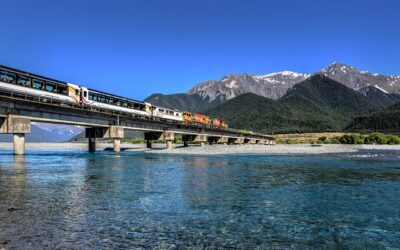
TranzAlpine Train Journey: Christchurch to Greymouth
Read our review →
TranzAlpine Train Journey from Greymouth to Christchurch
Read our review →
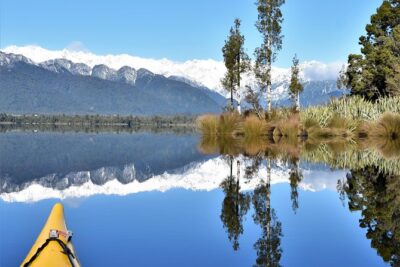
4-hour Lake Mapourika Kayak and Hike adventure, with Okarito Kiwi Sanctuary
Read our review →
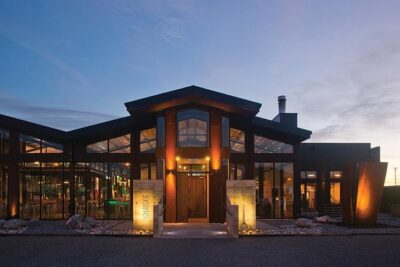
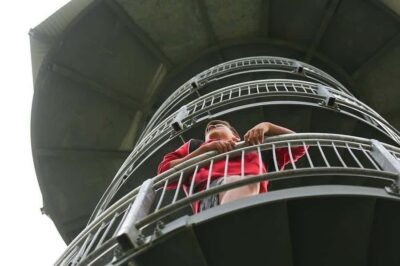
Hokitika: West Coast Treetop Walkway Entrance Ticket
Read our review →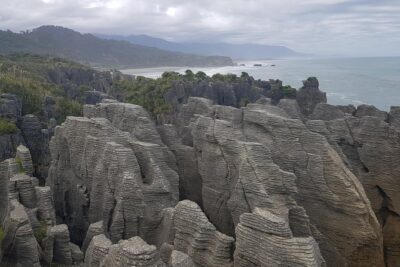
Punakaiki Blow Holes & Pancake Rocks Scenic Tour
Read our review →Browse the lists this tour appears in