
Reviewed · SHORE EXCURSIONS
Tauranga Shore Excursion: Rotorua Highlights
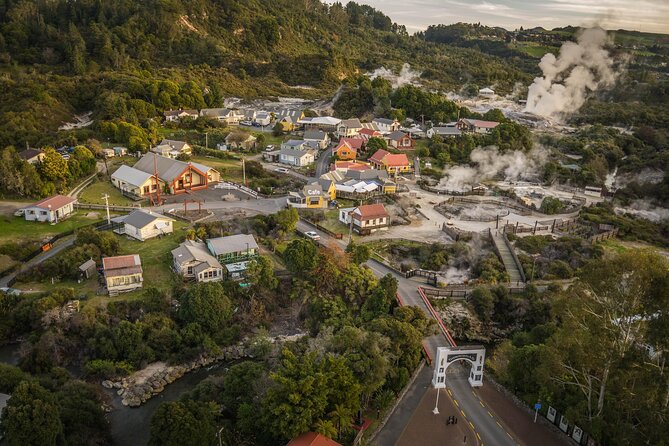
Rotorua’s Whakarewarewa Living Māori Village is the heart of this long day from Tauranga. You’ll walk through a real geothermal community, watch the Pohutu Geyser erupt, see food cooked in hot water, and learn how Māori families have used the steam and springs for daily life.
I like the kiwifruit orchard visit, where you may taste gold and red fruit close to the vines, and the care taken with ship timing. The main drawback is distance: Rotorua is about 1.5 hours from the port, so several shorter stops can feel like fillers when you would prefer more time at the village.
Key points
- Whakarewarewa is the main event: Spend about two hours among geysers, mud pools, hot springs, Māori homes, and cultural demonstrations.
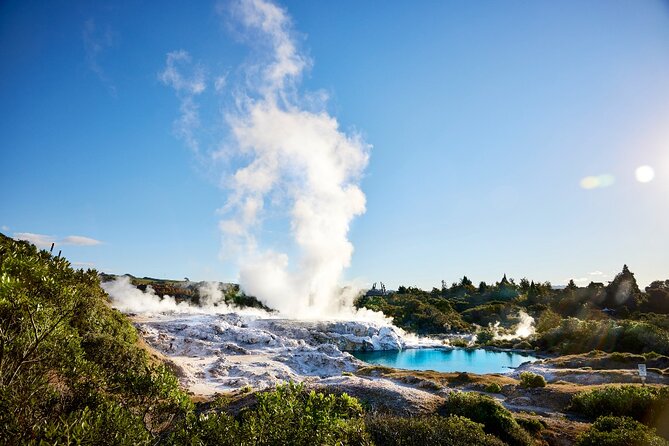
- Pohutu Geyser provides the drama: Its eruptions are the visual high point of the geothermal visit.
- Te Puke adds a local taste: Visit New Zealand’s kiwifruit center and sample fruit from a private orchard.
- Lunch is not included: You receive time to buy lunch in Rotorua, often at a cafe or shopping center.
- The day covers a lot of ground: Expect redwoods, Government Gardens, Rotorua, Kaituna Falls, and long bus travel.
- Ship return is built into the plan: Flexible departure times are arranged around cruise arrivals and sailing schedules.
Why Whakarewarewa is worth the long ride
At $152.04 per person, this is not a cheap quick outing. It is a full seven-hour shore excursion that takes you well beyond Tauranga and includes transport, a driver-guide, port pickup and drop-off, live commentary, the Māori village admission, and local food tasting.
The value depends on what you want from your port day. If you want a broad introduction to Rotorua without arranging several separate admissions and transfers, the price is reasonable. You are paying mainly for the long round-trip drive and access to Whakarewarewa, not for an extended stay at every smaller stop.
The excursion begins at the Port of Tauranga meeting point in Mount Maunganui, about a two-minute walk from where you disembark. Departure is listed as 9:30 a.m., but the operator adjusts start and finish times to match the ship. That flexibility matters in Tauranga, where a late arrival or slow disembarkation can cut into an already tight day.
The vehicle is air-conditioned, and the group can reach up to 40 people. Some departures may be much smaller. One reported outing had only six people, which allowed the guide to adjust the pace more easily.
More shore excursions in Rotorua:
- 6.5 hour Small-Group Rotorua Naturally Shore Excursion – Tauranga
★ 4.5 · 283 reviews - Bay of Islands Glow Worm Caves & Scenic Shore Excursion
★ 4.5 · 317 reviews - Dunedin Shore Excursion: Small-Group Tour of Dunedin and the Otago Peninsula
★ 4.5 · 270 reviews
Mount Maunganui sets the scene
The day starts around Mount Maunganui, Tauranga’s beach district. You’ll see the area’s white sand and Mauao, the 232-meter volcanic lava dome at the end of the peninsula.
This is mainly a pickup point rather than a full sightseeing stop. Still, the opening drive gives you useful local context before the road turns inland. Guides such as Stephen, Rolf, and John have been praised for explaining the region, keeping an eye on the clock, and adding stories along the way.
The bus commentary is an important part of the experience. You spend a good deal of the day on the road, and the quality of the guide can shape your impression of the whole excursion. Some guides are described as warm, funny, and well informed. A few departures have had problems with microphones or unclear instructions, so do not expect every day to feel identical.
Te Puke and the kiwifruit stop
Te Puke calls itself New Zealand’s kiwifruit capital, and this short stop gives the local economy a face. The surrounding district produces about 184 million trays of kiwifruit each year, making the fruit far more than a roadside souvenir.
You may visit a private orchard, learn how the fruit grows, and taste different varieties. Gold and red kiwifruit are among the special treats mentioned for this stop. It is a small detail, but it adds something you cannot get from simply buying fruit at a market.
The visit usually lasts about 15 minutes. That is enough for an introduction and tasting, not enough for a detailed farm tour. If you are curious about agriculture, food production, or the everyday business behind New Zealand’s exports, you will find it worthwhile. If your only goal is Rotorua’s geothermal area, you may see this as time taken away from the main attraction.
The redwoods and Government Gardens
On arrival in Rotorua, the group may stop at Whakarewarewa Forest, known for its tall Californian redwoods. The forest covers more than 5,600 hectares and has walking and mountain-bike tracks.
Do not expect a long forest walk. The scheduled stop is about 15 minutes, and on some departures it may function partly as a bathroom break. You may have time to step beneath the trees, breathe the cool forest air, and take a few photos, but not to explore the wider forest.
The same applies to Rotorua’s Government Gardens. These formal gardens sit beside the lake in central Rotorua and have important meaning for local Māori communities because major battles took place here. The gardens also provide a pleasant contrast to the raw heat and steam of the geothermal area.
Traffic, cruise timing, and the fixed entry time at Whakarewarewa can force the guide to shorten or skip these stops. That is frustrating if you were hoping for a proper walk, but it protects the central goal of reaching the Māori village and returning to the ship on time.
A few more Rotorua trips worth a look
- Rotorua Canopy Tours: 2.5Hour Native Forest Zipline Adventure
★ 5.0 · 4,563 reviews - Mitai Maori Village: Cultural Experience and Dinner Buffet
★ 4.7 · 3,575 reviews - Rotorua: Wai-O-Tapu Geothermal Park Entry Ticket
★ 4.6 · 2,601 reviews - Rotorua’s Ultimate Zipline: 6 ziplines, 400 m Tandem, Cliff Walk
★ 5.0 · 2,557 reviews
Lunch in Rotorua, with your own budget
The lunch stop lasts about 45 minutes. You receive time to buy food at a cafe or another convenient venue and may also walk around the lakefront or central Rotorua.
Lunch is not included on this tour. Food and drinks are your own expense, except for the specified local tasting. This point deserves attention because another similar Rotorua excursion may include a hangi pie or lunch, and the two products can be easy to confuse when booking.
The venue may be a shopping center or ordinary food court rather than a scenic local restaurant. That keeps the stop fast and practical, but it will not feel like a special meal. Bring your own expectations and budget for lunch. If you want more time at the village, eat efficiently.
Inside Whakarewarewa Living Māori Village
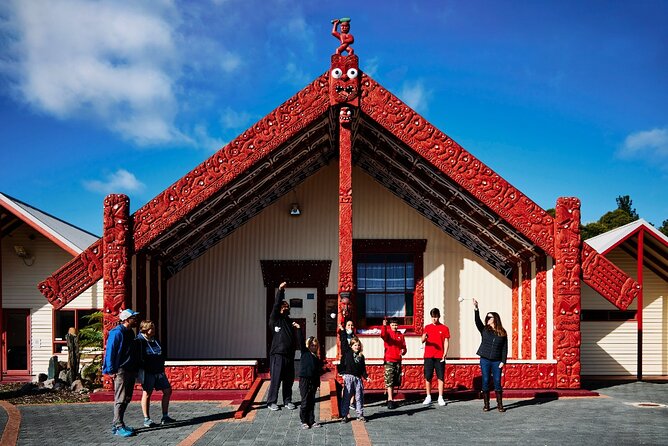
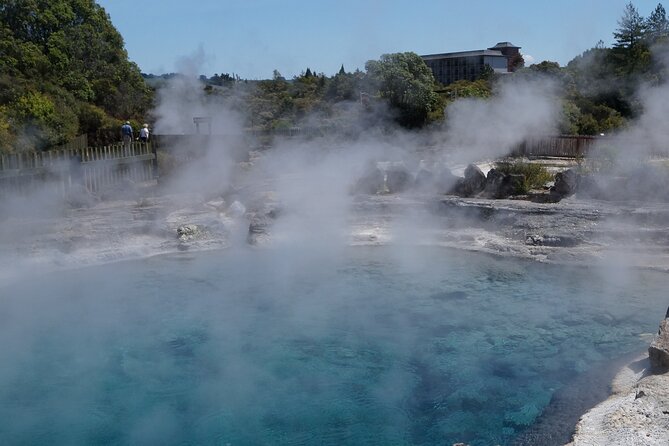
The two-hour visit to Whakarewarewa is where the excursion earns its price. This is not just a geothermal viewing platform. Māori families live in a community built around hot springs, steam vents, and geysers, and the tour explains how the land supports daily life.
A Māori guide leads you through the area. Guides named Kylie, Michael, Jessie, and Wes have led different visits, and the village guides are often the most memorable part of the day. Their role is not limited to pointing out hot pools. They explain cooking methods, bathing, local customs, family life, and the ways people use geothermal heat.
You’ll see bubbling mud, steaming pools, and the Pohutu Geyser, which can erupt high above the surrounding ground. The exact eruption timing is not guaranteed, but seeing Pohutu in action is the major visual reward.
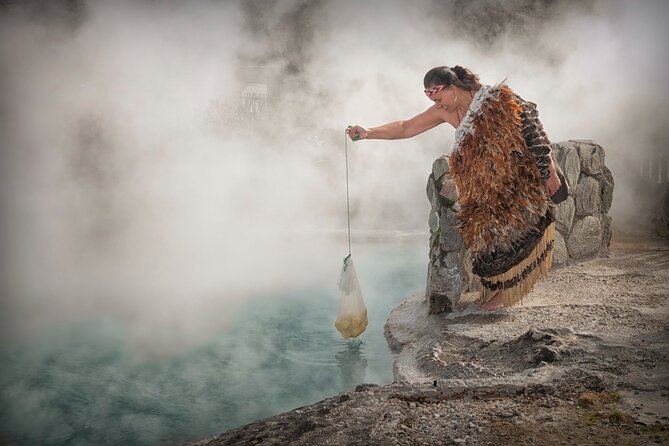
Look for food cooked in geothermal water. Corn and other items may be prepared in boiling pools, giving you a direct example of how natural heat becomes part of the kitchen. These details make the visit more useful than a simple photo stop because you begin to understand how people live with geothermal activity rather than merely looking at it.
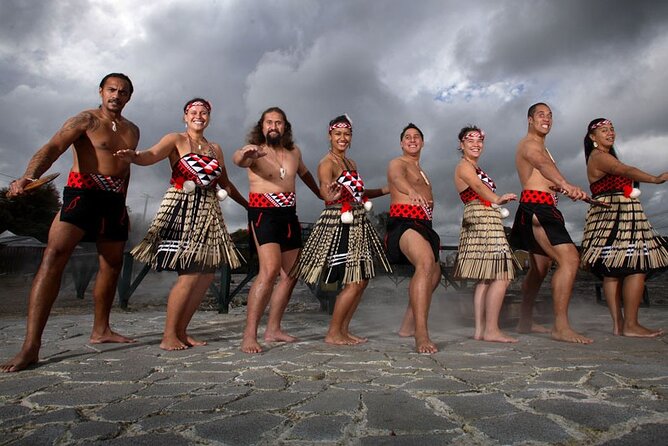
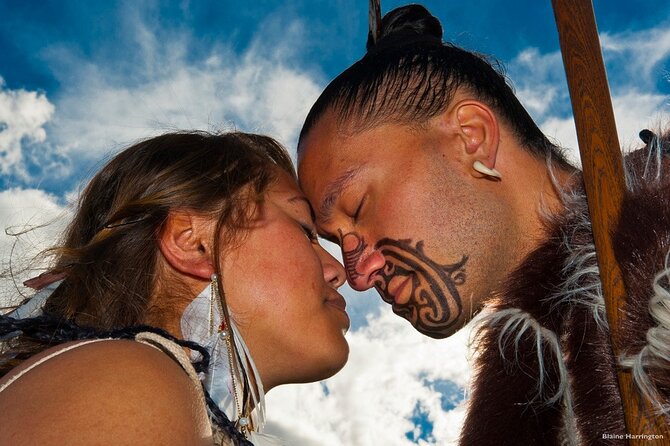
The cultural performance adds another layer. Song, dance, and the haka show Māori traditions in a lively setting. The haka is often described as the most powerful part of the performance, but the songs and explanations matter just as much. You are given cultural context instead of watching a show with no explanation.
Be prepared to walk and stand on uneven ground. The thermal area is not a good match for anyone who cannot walk comfortably for an extended period. Comfortable shoes are essential, and a jacket is sensible because the weather can change quickly even around the hot springs.
Kaituna Falls and the return drive
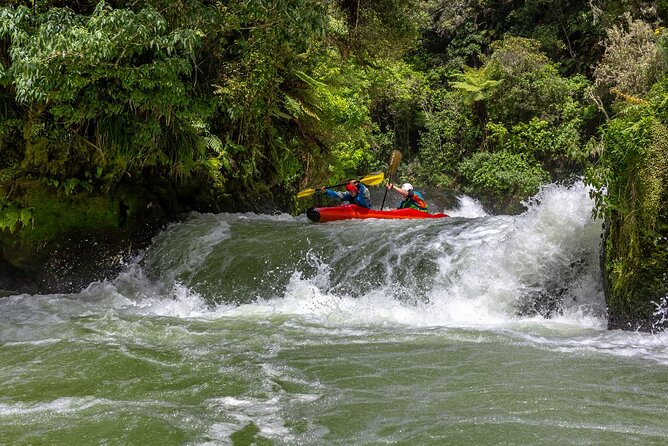
On the way back to Tauranga, the bus stops at Kaituna Falls, the Kaituna Rapids, and a trout pool for about 20 minutes. The river flows out of Rotorua’s lakes, and the area is known for white-water rafting and kayaking.
The stop is brief and depends on conditions. You might see rafters or kayakers passing through the rapids, but that is not guaranteed. The point is to add a glimpse of New Zealand’s outdoor culture and native forest rather than provide a full river activity.
Some people will find the waterfall modest compared with Rotorua’s geysers. I would treat it as a leg stretch and photo stop, not a major attraction. It also provides another bathroom opportunity before the final drive to the port.
How the timing works on a cruise day
The operator has run shore excursions for more than ten years and offers a worry-free return promise. That means the start and end times can be adjusted to the ship’s arrival and sailing schedule, and the tour is planned to return you to Mount Maunganui in time.
The long distance makes time management important. Tauranga to Rotorua takes roughly 1.5 hours each way, before stops, traffic, and loading. A late ship arrival may mean dropping the redwoods, gardens, or another short stop to protect the Māori village visit and the return to port.
This is why I would not book the excursion expecting a relaxed day. It is a carefully packed schedule. Use the bus toilets or every available stop, especially if you are older or prefer frequent breaks. One guide made an extra bathroom stop for an older passenger, but you should still plan ahead.
Bring sun protection, a jacket, comfortable walking shoes, and water. The vehicle is air-conditioned, while the geothermal area can be hot, steamy, wet, or cool depending on the weather.
The guide makes a real difference
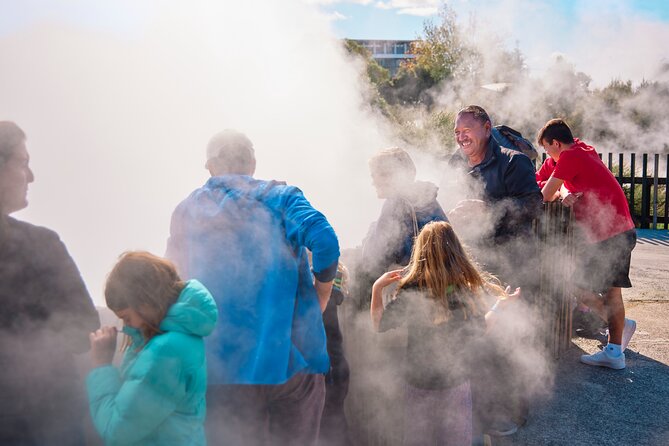
Your driver-guide handles much more than transport. The best guides, including Stephen and Rolf on different departures, provide local background and keep the group moving. Stephen has been singled out for his regional stories and careful attention to ship timing, while Rolf has been praised for being considerate and giving a clear overview of the area.
The Māori village guide is a separate and important part of the experience. A village resident explains the geothermal setting and cultural practices from a personal point of view. That direct connection is one reason the visit feels more substantial than a standard stop at a geyser field.
Still, the bus portion may vary. One departure had trouble with the microphone, and another had unclear instructions about how long people could spend at each stop. Before leaving the bus, listen for the exact meeting time and location. If you are unsure, ask the driver or host directly.
Who should book this excursion?
Book it if you want a broad first look at Rotorua and do not want to arrange your own transport from the port. It suits you especially well if Māori culture, geothermal activity, and local food interest you more than a slow day at the beach.
It also works for people who value a ship-focused safety plan. The return-to-port arrangement removes much of the worry that comes with traveling a long distance independently on a cruise day.
Think twice if you want long walks in the redwoods, extended time in the Government Gardens, or a leisurely lunch. Those stops are short, and the day is built around Whakarewarewa. Visitors with limited mobility should also consider the uneven surfaces, standing, and walking required at the village.
Should you book the Rotorua Highlights excursion?
I would book this tour for the Māori village and geothermal experience, not for the smaller sightseeing stops. Whakarewarewa, the Pohutu Geyser, geothermal cooking, the cultural performance, and the village guide provide the strongest reasons to go.
At $152.04, the tour offers solid value if you want transport, admission, commentary, local tasting, and ship-return planning in one package. Just remember that lunch costs extra and that the day involves a long bus ride with a packed schedule.
If that sounds right for you, this is one of the most efficient ways to connect Tauranga with Rotorua in a single port day. If you prefer depth over coverage, choose an excursion that spends nearly all its time at Whakarewarewa.
FAQ
How long is the Tauranga to Rotorua shore excursion?
The tour lasts about seven hours, including the drive from Mount Maunganui to Rotorua, sightseeing stops, the Māori village visit, and the return to port.
Where does the tour begin?
It begins at Port of Tauranga, at 2 Salisbury Avenue in Mount Maunganui. The meeting point is about a two-minute walk from the cruise disembarkation area.
What time does the tour start?
The listed start time is 9:30 a.m. Start and end times can be adjusted to fit the ship’s arrival and sailing schedule.
Is lunch included?
No. Lunch and drinks are at your own expense. The tour provides time to buy lunch at a cafe or another venue in Rotorua.
What food is included?
A local food tasting is included. At the kiwifruit stop, you may taste varieties such as gold or red kiwifruit, and the Māori village may demonstrate food cooked using geothermal heat.
Is admission to Whakarewarewa included?
Yes. Admission to Whakarewarewa, the Living Māori Village and geothermal area, is included.
How much walking is involved?
You should expect walking and standing on uneven surfaces at the geothermal village. Comfortable walking shoes are recommended.
Is the tour suitable for most people?
Most people can participate, but the activity may not suit anyone who cannot walk or stand comfortably on uneven ground.
How large can the group be?
The tour can have a maximum of 40 participants. Some departures may be smaller.
What happens if the ship is delayed or cannot dock?
The operator can adjust tour times for ship schedules. If a ship is delayed and you cannot attend, the stated policy provides a refund. The shore excursion guarantee also covers a planned return to the ship, with transport to the next port arranged in the rare event of a missed sailing.
Can I cancel for a refund?
You can cancel at least 24 hours before the experience start time for a full refund. Changes or cancellations made less than 24 hours before the start are not accepted for a refund.
Just added around Rotorua
- TRIPLE DEAL Wai-O-Tapu, Redwood Forest & Blue Springs Ex Auckland★ 5.0 · 20 reviews
- Volcanic Rotorua Day Trip from Auckland★ 5.0 · 4 reviews
- Private Tour to Rotorua’s Natural wonders and Māori Arts & craft.★ 5.0 · 4 reviews
- Private Transfer From Auckland Airport To Rotorua★ 5.0 · 5 reviews
- Rotorua Highlights Tour inc. Te Puia Tour, Lunch & Cultural Show★ 4.5 · 53 reviews
- Private Tour – Rotorua Adventures Day Trip From Auckland★ 5.0 · 19 reviews
- Private Tour WaiOtapu & Huka Falls & Blue springs from Auckland★ 5.0 · 3 reviews
- Rotorua Full Day Private Tour from Auckland★ 5.0 · 3 reviews
Shore Excursions, compared.
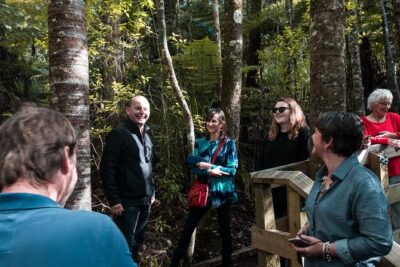
Bay of Islands Glow Worm Caves & Scenic Shore Excursion
Read our review →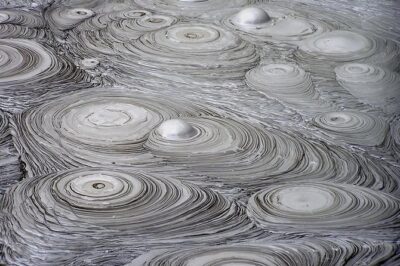
6.5 hour Small-Group Rotorua Naturally Shore Excursion – Tauranga
Read our review →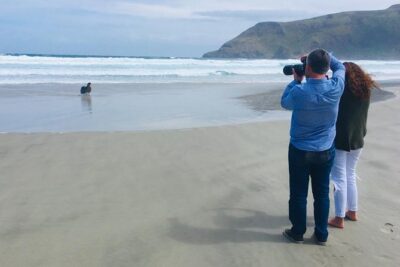
Dunedin Shore Excursion: Small-Group Tour of Dunedin and the Otago Peninsula
Read our review →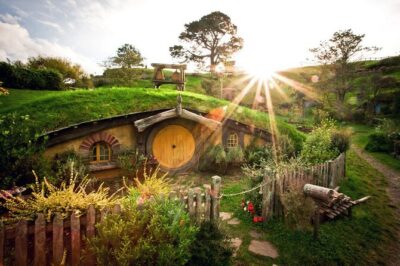
Hobbiton Movie Set Shore Excursion from Tauranga (6 Hours)
Read our review →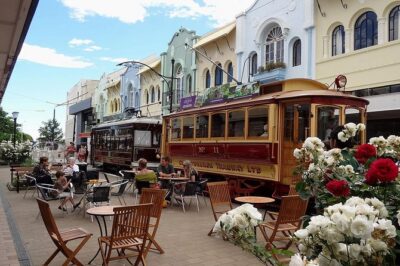
Akaroa Shore Excursion: Banks Peninsula and Christchurch City Sights Tour
Read our review →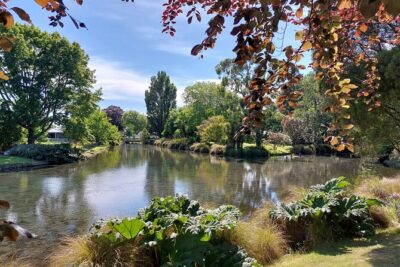
Lyttelton Shore Excursion: Christchurch City Sights
Read our review →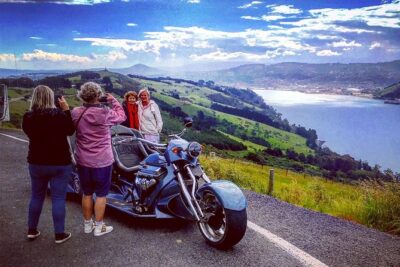
Shore Excursion: V8 Trike, Peninsula and City Tour
Read our review →
Lyttelton Shore Excursion: Christchurch Sightseeing with Antarctic Center
Read our review →Browse the lists this tour appears in