
Reviewed · CANOES & KAYAKS
Browns Island Motukorea Sea Kayak Tour
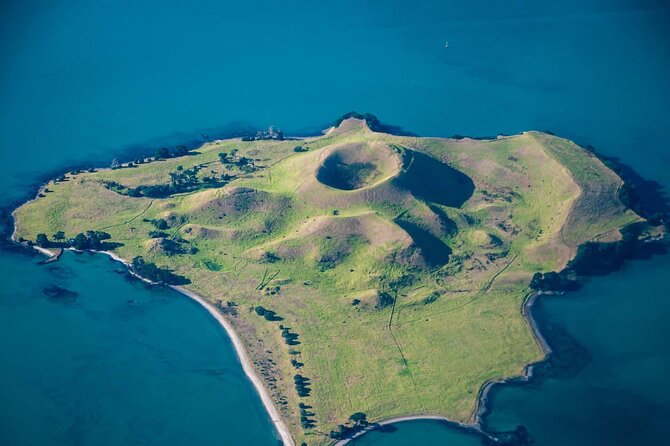
Browns Island is more than a green lump in Auckland’s harbor. It is a 25,000-year-old volcanic cone, a former Māori farming and fishing site, and the place where New Zealand’s first aeroplane trials took place. You reach it by sea kayak from St Heliers Bay, with the Hauraki Gulf and Waitematā Harbour spread around you.
I like the way this tour joins active travel with local history, rather than simply carrying you to an island. I also like the small maximum group of 16 and the chance to see tūī, pūkeko, silvereyes, skinks, and geckos in a reserve without permanent residents.
The main caution is the paddle itself. The tour is designed for beginners, but one guest found the sea kayaking too difficult to reach the island. If you are new to kayaking, be honest about your fitness and comfort on open water before booking.
Key points to know
- The route begins at St Heliers Bay Boat Ramp, not Auckland’s central waterfront, with a 10:00 am start.
- Browns Island has several layers of history, from Māori pā sites and farming to the 1909 flying-machine trials of Alex and Claude Barnard.
- The trip takes about four hours, split into roughly one hour paddling out, two hours on the island, and one hour returning.
- The island is part of Auckland’s volcanic field, with shell beds, volcanic features, and conservation value.
- The group is capped at 16 people, which should make instruction and group management easier than on a large commercial outing.
- Sea conditions matter, and poor weather can lead to a new date or a full refund.
Paddling from St Heliers into the Hauraki Gulf
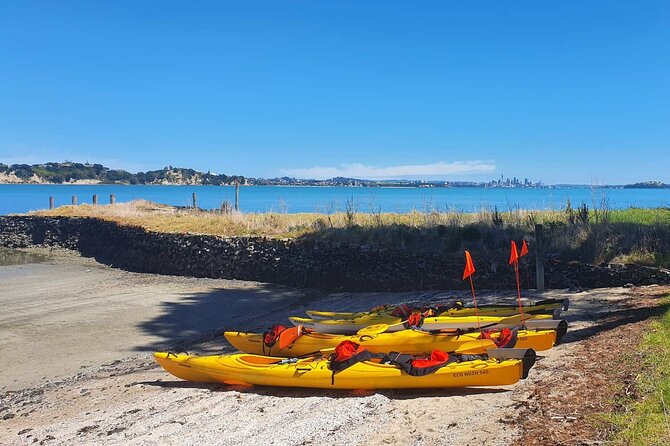
Your morning begins at the St Heliers Bay Boat Ramp on Tamaki Drive. That detail matters: you are not meeting in central Auckland, so allow time to reach St Heliers before the 10:00 am start.
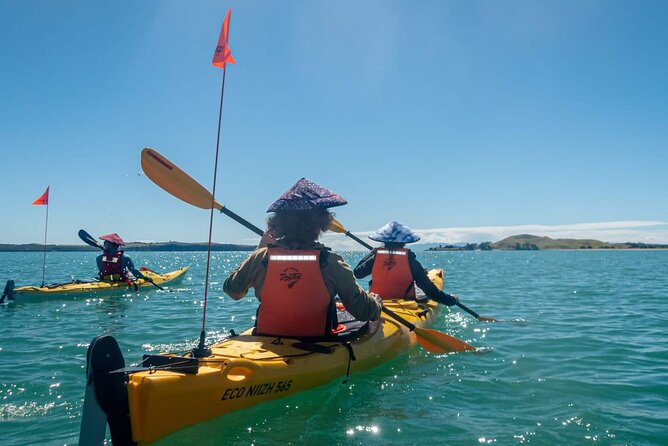
The first hour is the paddle toward Browns Island. The route gives you broad views across the Hauraki Gulf and Waitematā Harbour, with the shoreline and volcanic islands providing the setting. You may also spot marine life and seabirds along the way, although the available information does not promise particular species or close encounters.
This is a useful way to see Auckland from a different angle. From land, Browns Island can seem like a distant stop in the harbor. From a kayak, the crossing becomes part of the experience, and you get a clearer sense of the water that connects the city’s bays and islands.
The beginner-friendly description is encouraging, but it should not be confused with a completely effortless outing. Sea kayaking uses different movements from paddling on a calm lake. Wind, waves, and the return journey can make the trip harder than expected.
A previous participant did not reach Browns Island because the kayak proved too difficult. The guide, Chris, was described as friendly and helpful, but the experience still suggests a practical rule: if you have never kayaked at sea and are unsure about your stamina, contact the operator before booking.
More Kayaking Tours in Auckland
- Auckland: Night Kayak Tour in Glowing Bioluminescent Waters
★ 4.9 · 259 reviews - Bioluminescence Kayak Tour – Est. 1994
★ 4.0 · 187 reviews - Sunset kayak tour to Rangitoto Island
★ 5.0 · 168 reviews
Browns Island, a volcano with a long human story
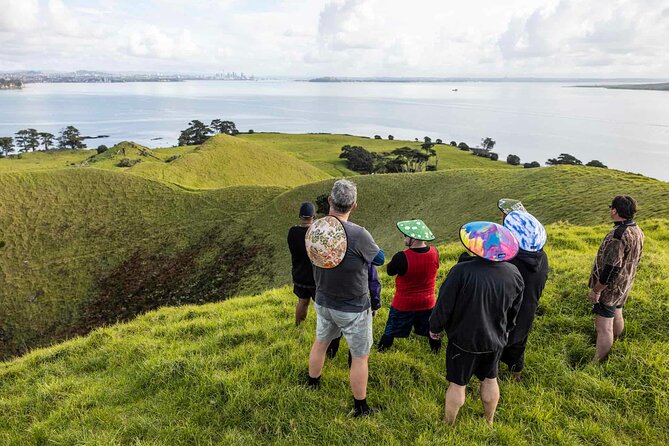
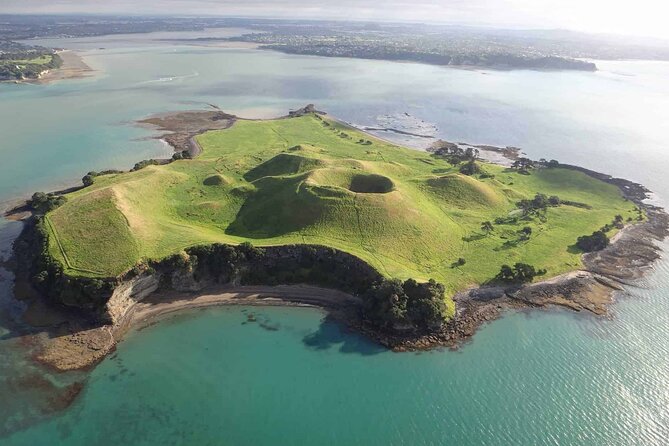
The island itself is the heart of the tour. Browns Island, or Motukorea, formed after an eruption around 25,000 years ago. It belongs to Auckland’s active volcanic field, a reminder that the city’s hills and islands are not random scenery but the remains of past volcanic activity.
The island is now uninhabited and used as a recreational reserve and wildlife sanctuary. That gives your stop a quieter feel than Auckland’s more developed waterfront attractions. You can explore a natural setting while learning how geology, wildlife, and human use have shaped the island.
The Māori history here reaches back centuries. Māori farmed and fished around the island, and remnants of pā sites remain. Those traces give the visit a human scale. You are not just looking at an old volcanic cone. You are seeing a place that supported food gathering, settlement, and defense long before modern Auckland grew around the harbor.
The shell beds add another unusual detail. Remnants of the Sydney mud cockle have been found within volcanic shell deposits. That discovery helps show how the island preserves clues about earlier coastal life and changing use of the area.
A guide can make a major difference here. One participant gave high praise to the instructor’s explanation of the area and its past. The guide’s storytelling is especially valuable because Browns Island’s importance is easy to miss if you only walk around and look at the view.
The Barnard brothers and New Zealand’s first flying trials
One of the island’s most surprising stories dates to 1909. Alex and Claude Barnard launched a homemade flying machine from the island’s peak, marking New Zealand’s first aeroplane trials.
It is an excellent detail to have in the middle of a sea-kayaking tour. The island is connected not only to Māori settlement and volcanic science, but also to the early history of aviation. You can picture the Barnards using this high point as a launch site, long before airports and modern aircraft made flight seem ordinary.
The story also gives the island a touch of humor and ambition. A small harbor island became a testing ground for an improvised aircraft. That is the sort of local fact that stays with you after a trip, especially when it is tied to the exact ground beneath your feet.
The available schedule allows about two hours on Browns Island. That should give you time to hear about its past and see its natural features, though the exact walking route and amount of free exploration are not specified. I would treat the island stop as a guided educational visit, not as a long independent hike.
Birds, reptiles, and conservation on an uninhabited island
Browns Island is home to native birds including tūī, pūkeko, and silvereyes. You may also find skinks and geckos. Sightings are never guaranteed, but the range of wildlife adds another reason to move quietly and pay attention during the island stop.
The reserve’s value is not only scenic. It also provides opportunities for study in volcanology, geology, and environmental conservation. That makes this a good choice for anyone who likes to understand how a place works, not just photograph it.
Families with school-age children may find the science especially useful, provided the children can manage the paddle. The island can turn abstract topics into something visible: volcanic formation, shell beds, animal habitat, conservation, and Māori land use all meet in one compact location.
The island is not described as having visitor facilities or a developed visitor center. Because of that, I would expect a fairly simple outdoor stop rather than a polished attraction with exhibits, shops, or formal amenities. The appeal lies in the setting and the guide’s interpretation.
Same corner of the country, a very different day out:
- Auckland Dolphin and Whale Watching Eco-Safari Cruise
★ 4.5 · 1,790 reviews - Auckland Explorer: Sightseeing Hop-on Hop-off Tour
★ 4.0 · 1,180 reviews - Half-day Discover Auckland City Sightseeing Tour
★ 5.0 · 1,080 reviews - Auckland: Whale and Dolphin Watching Half-Day Eco Cruise
★ 4.5 · 1,072 reviews
The return paddle and the four-hour rhythm
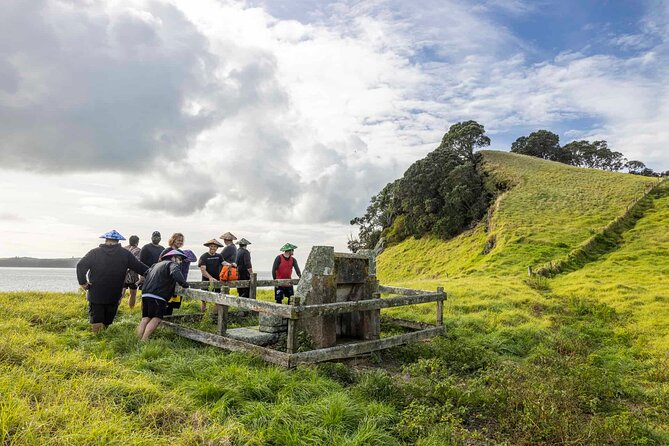
After about two hours on Browns Island, you return by kayak to St Heliers Bay. The return crossing takes roughly one hour, completing a tour of about four hours.
This timing works well for a morning activity. You finish around early afternoon, leaving room for another Auckland plan. Still, do not underestimate the final hour. Beginners may feel fine at the start and tire later, especially if conditions are less calm than expected.
The tour returns to the original meeting point, so you do not need to arrange a separate pickup from the island or another harbor location. That makes the logistics simple once you reach St Heliers.
The experience is capped at 16 people. That is not a private outing, but it is small enough that the guide can keep an eye on the group and offer help when needed. Chris was specifically praised for being friendly and helpful, which matters most during instruction and any difficult section of the crossing.
Is $93.09 a fair price?
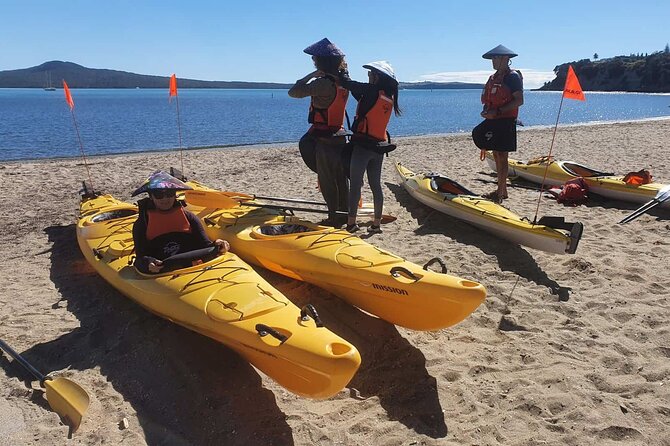
At $93.09 per person, this is not just a short equipment rental. The price covers a guided four-hour outing that combines the crossing, island time, interpretation, and return journey. For someone interested in Auckland’s volcanic origins and harbor geography, that is a reasonable way to spend half a day.
The value depends heavily on your goals. If you mainly want a quick view of Browns Island, the price may feel high compared with a land-based outing. If you want an active visit with a guide who can explain Māori use, shell beds, aviation history, geology, and conservation, the combination is stronger.
Group discounts are available, although the exact reduction is not provided. If you are booking with friends or family, check the current group price before paying. A mobile ticket is also offered, which makes the booking process easier on the day.
Weather is part of the value calculation. The activity requires good weather, and poor conditions can lead to a different date or a full refund. That policy protects you from being committed to an unpleasant or unsafe crossing, but it also means you should keep some flexibility in your Auckland schedule.
You can cancel for a full refund up to 24 hours before the start time. Changes or cancellations made within 24 hours are not accepted for a refund. The tour also requires a minimum number of participants, so a low booking count could lead to a new date, another experience, or a full refund.
Who will enjoy this Browns Island tour?
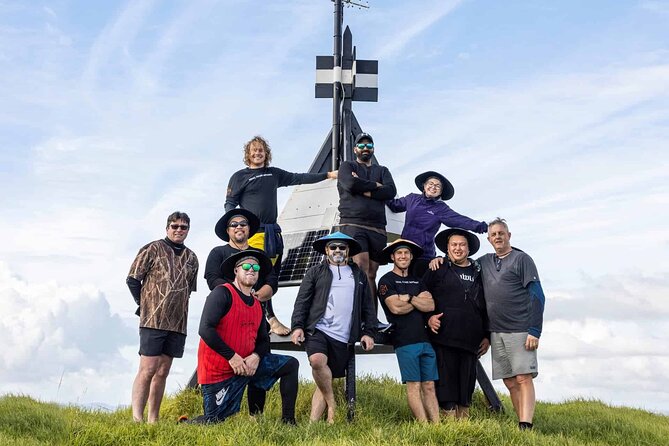
I would recommend this trip to you if you like history best when you can stand in the actual place where it happened. The Barnard brothers’ flight attempt, the Māori pā remains, the shell beds, and the volcanic setting give the island plenty to discuss during a relatively short visit.
It also suits active sightseers who want more than a standard harbor cruise. You are doing the work yourself, and that makes the crossing feel more connected to the island.
Students and anyone interested in geology or conservation should find plenty to think about. The tour brings several subjects together without requiring a full day away from Auckland.
It may be less suitable if you want a relaxed boat ride, have little interest in physical activity, or are uneasy with sea kayaking. The tour is beginner-friendly on paper, but the experience can still be demanding. The previous difficulty reaching the island is a useful warning, not a minor footnote.
I would also think carefully if you have a very tight schedule. Weather can affect departure, and the four-hour duration is approximate. The meeting point is in St Heliers, so include travel time to and from the central city if that is where you are staying.
Should you book the Motukorea sea kayak tour?
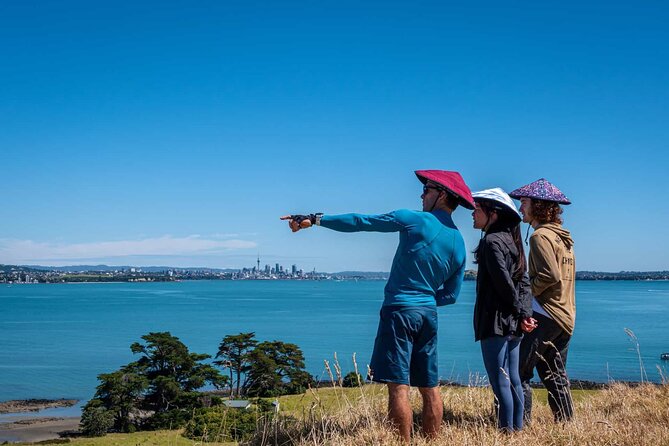
Book it if you want an active half-day that brings together Auckland’s volcanic past, Māori history, early aviation, and native wildlife. The best feature is the mix: Browns Island gives you far more to consider than its small size suggests, and the guide’s local explanations can turn scattered facts into a clear story.
Skip it if you are looking for an easy sightseeing outing or have no confidence in a sea kayak. The tour is built for beginners, but not for people who want to avoid physical effort altogether.
For capable first-timers, I would ask the operator about current sea conditions and what support is provided before booking. If the answer suits your comfort level, this is a distinctive way to see Auckland’s harbor and one of its most unusual volcanic islands.
FAQ
Where does the Browns Island sea kayak tour begin?
The tour begins at St Heliers Bay Boat Ramp, 384 Tamaki Drive, St Heliers, Auckland 1071, New Zealand.
What time does the tour start?
The scheduled start time is 10:00 am.
How long does the experience last?
The tour lasts approximately four hours. About one hour is allocated to paddling from St Heliers to Browns Island, two hours to the island visit, and one hour to the return paddle.
Does the tour return to the starting point?
Yes. The activity ends back at the St Heliers Bay meeting point.
Is the tour suitable for beginners?
The tour is designed for beginners, but sea kayaking can still be difficult. One participant was unable to reach Browns Island because the kayaking was too challenging, so you should consider your comfort and fitness on open water.
How many people can join the tour?
The maximum group size is 16 people.
What can I see on Browns Island?
The island has volcanic features, Māori pā remains, shell beds containing remnants of the Sydney mud cockle, and links to the 1909 aeroplane trials of Alex and Claude Barnard. Native birds may include tūī, pūkeko, and silvereyes, while skinks and geckos are also present.
What happens if the weather is poor?
If poor weather causes the tour to be canceled, you will be offered a different date or a full refund.
Can I cancel for a full refund?
Yes. You can cancel at least 24 hours before the experience start time for a full refund. Cancellations or changes made less than 24 hours before the start time are not refunded or accepted.
Just added around Auckland
- Auckland’s Wild West Coast & Black Sand Beaches Tour inc Lunch★ 5.0 · 12 reviews
- Kumeu Wine Region Shuttle from Auckland★ 4.5 · 19 reviews
- Auckland Airport Private One-Way or Round-Trip Transfer★ 4.5 · 14 reviews
- Wētā Workshop Unleashed – Intro to Scars and Scrapes Workshop★ 5.0 · 5 reviews
- West Coast Discovery – Piha Beach or Muriwai Beach from Auckland★ 3.5 · 6 reviews
- West Coast Discovery Tour★ 5.0 · 37 reviews
- West Coast Discovery Piha Beach Private Tour★ 5.0 · 14 reviews
- Ultimate Auckland Experience Full Day Tour with Brewery Lunch★ 5.0 · 6 reviews
Canoes & Kayaks, compared.
Small-Group Kayak Adventure from Franz Josef Glacier
Read our review →
Dart River Canoe and Jet Boat Experience from Queenstown
Read our review →Browse the lists this tour appears in