
Reviewed · GLOWWORM CAVE TOURS
Auckland North Shore Glowworm Tour
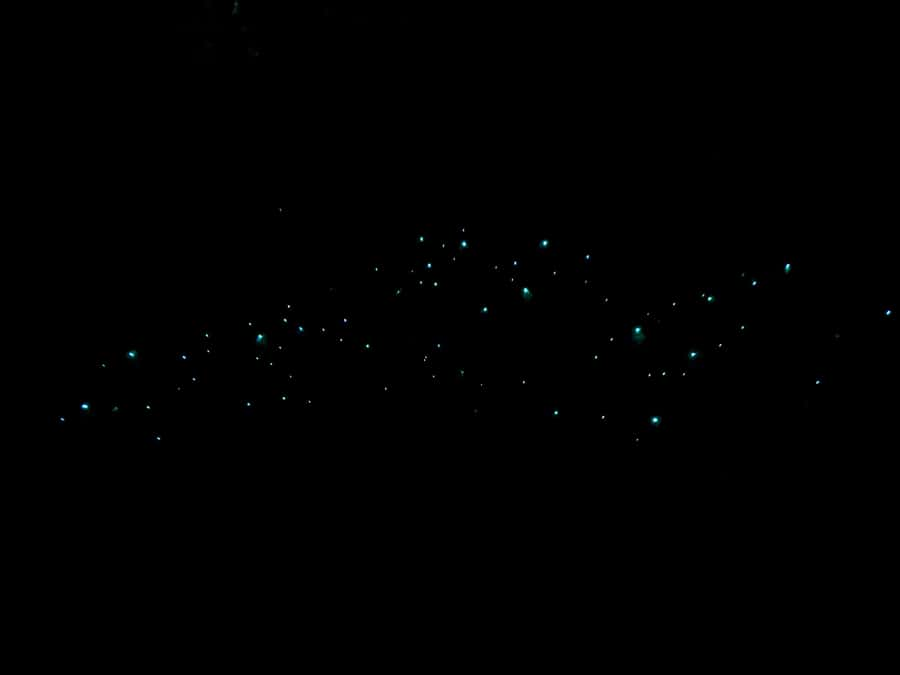
Auckland’s North Shore has a quiet nighttime surprise: glowworms shining in native bush, far closer to the city than Waitomo. This short walk through Awaruku Reserve takes you to a sheltered spot where Arachnocampa luminosa larvae glow blue-green above the trail.
I like the small group of no more than 10, which makes it easier to hear the guide and get close to the display. I also like the mix of nature and science: you learn about Kauri trees, Nikau Palms, Māori settlement, native birds, and the glowworms themselves. The main consideration is timing. The tour is described as 45 minutes in one place, while the itinerary lists a 105-minute guided visit, so confirm the actual duration when booking.
Key points
- Glowworms in the open bush: See Arachnocampa luminosa in its natural setting, without glass or a cave barrier between you and the insects.
- Awaruku Reserve: Walk through more than 12 hectares of native forest with Kauri trees, Nikau Palms, and restoration work for native birds.
- Small evening group: The group is limited to 10 people, useful when the guide is explaining details in the dark.
- Guides with personality: Legend and Chris are among the guides praised for clear explanations, humor, and friendly conversation.
- Easy access from Auckland: Meet outside Hairluxx Boutique in Torbay, on Auckland’s North Shore, rather than driving to Waitomo.
- Bring sensible gear: Comfortable walking shoes and a camera are specifically recommended.
Why Auckland’s North Shore glowworms are worth your evening
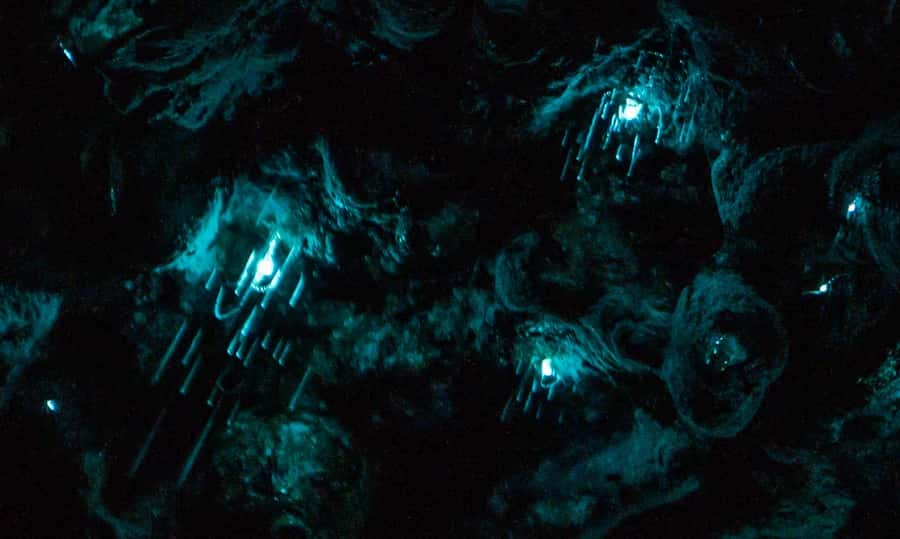
Glowworms are often linked with Waitomo, the famous cave region several hours from Auckland. This tour gives you another option: a nighttime bush walk on the North Shore. You are not entering a large cave attraction or moving through a formal exhibit. Instead, you follow a guide into Awaruku Reserve and look for natural points of light in the forest.
That difference matters. The setting is part of the experience. The forest grows quiet as daylight fades, and the glowworms appear as tiny blue-green lights against the dark. They are not worms in the usual sense, but larvae of Arachnocampa luminosa, a species found in New Zealand.
I like this kind of outing because the reward is small-scale and easily missed. You may spend much of the walk learning how the bush works before the glowworms take center stage. Then a bank or shaded area begins to sparkle, and the science becomes something you can see for yourself.
The North Shore location is especially useful if you are based in Auckland and do not have time for a long trip south. One booking review described the tour as a way to avoid the drive to Waitomo, which is a fair point. You get a local nature experience without giving up a full day to transportation.
More glowworm cave tours in Auckland:
- Auckland: Spellbound Glowworm Caves Explorer Tour
★ 4.8 · 115 reviews - Auckland: Inner-City Glowworm Experience in Ancient Volcano
★ 4.8 · 109 reviews - See Auckland’s Secret Glow Worms
★ 5.0 · 16 reviews
Meeting at Hairluxx Boutique in Torbay
The meeting point is outside Hairluxx Boutique Torbay, at approximately -36.698219, 174.733307. Your guide meets you there and begins with an introduction and a short safety briefing.
This is a walking experience, not a sightseeing bus tour. The supplied details do not describe hotel pickup or transport from central Auckland, so plan to reach Torbay on your own. Check your route carefully before the evening begins, especially if you are staying in central Auckland or relying on public transport.
The meeting point is practical but not itself an attraction. Treat it as a clear place to gather, then expect the tour to move into Awaruku Reserve. If you arrive early, use that time to get your shoes, camera, and phone ready. Once the walk begins, you will want your attention on the track and the guide rather than on packing equipment.
The group limit of 10 is one of the strongest features here. A small group helps in two ways. First, you can hear explanations without a guide shouting over a crowd. Second, the group can pause at a glowworm viewing spot without turning the moment into a queue.
Walking through Awaruku Reserve after dark
Awaruku Reserve covers more than 12 hectares of native forest. The route gives you an introduction to the reserve before the glowworms appear, so this is not simply a quick stop beside a glowing wall.
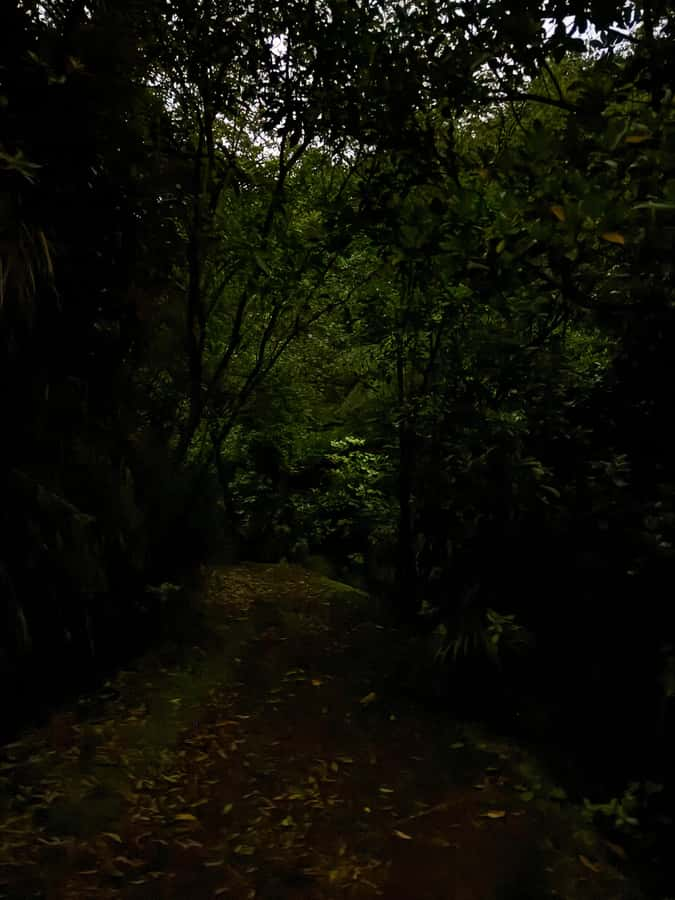
Your guide points out Kauri trees and Nikau Palms along the track. These details give the walk a sense of place. The Kauri is one of New Zealand’s best-known native trees, while the Nikau is the country’s native palm. In the dim light, the forest takes on a different character, and the guide’s comments help you notice what you might otherwise pass without seeing.
The reserve also has links to ancient Māori settlements. That cultural context is important because the bush is not just scenery. It is part of a place shaped by people, plants, animals, and ongoing care.
The track has been described as easy and well maintained, but you should still wear comfortable walking shoes. Night walking changes your footing and your sense of distance, even on a straightforward path. The supplied information does not promise a fully accessible route, so anyone with mobility concerns should ask the operator about the track before booking.
The pace appears to be gentle, with stops for explanation and viewing. Still, the experience takes place outdoors after dark. Bring clothing suited to Auckland’s evening conditions, although no specific clothing list is provided.
Finding Arachnocampa luminosa in the forest
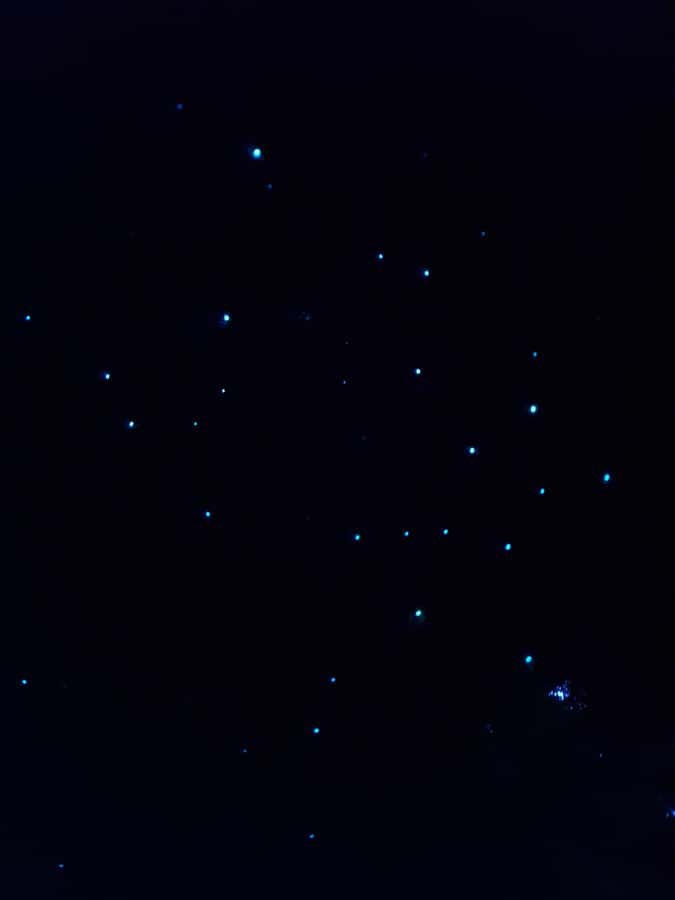
The main stop is a secluded part of the reserve where glowworms gather. When conditions are right, you see the larvae producing a soft blue-green light. The effect is subtle rather than bright, which is exactly why the guide matters.
Arachnocampa luminosa uses light to attract prey. The larvae also produce silk threads, which hang below them and help trap small insects. Your guide explains this life cycle and the purpose of the glow. You are not just looking at pretty dots. You are watching a feeding system at work.
The best part is the lack of a barrier. You see the glowworms in their natural habitat rather than behind glass. That closeness gives the experience a more personal feel, though it also means you need to follow the guide’s instructions and take care around the forest.
A camera is welcome, and the tour specifically recommends bringing one. Night photography is difficult, so do not expect every phone photo to match what your eyes see. The surrounding bush can be as interesting as the glowworms, especially during the walk to and from the viewing area.
The tour’s strongest praise centers on this moment. The guides Legend and Chris are noted for explaining the insects clearly, answering questions, and keeping the mood friendly. That matters because glowworms are easy to oversimplify. A good explanation turns the display from a quick photo stop into a lesson in adaptation and survival.
A few more Auckland trips worth a look
- Auckland Dolphin and Whale Watching Eco-Safari Cruise
★ 4.5 · 1,790 reviews - Auckland Explorer: Sightseeing Hop-on Hop-off Tour
★ 4.0 · 1,180 reviews - Half-day Discover Auckland City Sightseeing Tour
★ 5.0 · 1,080 reviews - Auckland: Whale and Dolphin Watching Half-Day Eco Cruise
★ 4.5 · 1,072 reviews
The guide makes the difference
The guide is not just there to lead you along the track. You can expect an introduction, safety information, explanations of the forest, and a discussion of conservation.
Legend has been singled out for answering questions about the bush and other wildlife. Chris has been praised for extensive knowledge of glowworms and for making the walk interesting. Other feedback describes the guide as funny, easy to talk with, and well informed. Guide assignments can change, so treat those names as examples rather than a promise that one particular person will lead your departure.
The tone seems informal and social. That suits a small evening group. You have time to ask why the glowworms shine, how they catch prey, and what other species share the reserve. If you prefer a silent walk with no interpretation, this may feel more guided than you want. If you enjoy learning while outdoors, the commentary is a major part of the value.
The guide also helps set expectations. Glowworm sightings are natural, not mechanical. The number and brightness can vary with conditions. No tour can guarantee that every evening will produce the same display, and you should be comfortable with that element of chance.
Conservation, Kākā, and Kererū
After the glowworm viewing, the walk continues with a focus on conservation. Awaruku Reserve supports native species including the New Zealand Kākā and Kererū, and the guide explains the restoration work that helps protect them.
This section gives the outing more substance. You are not only visiting a pretty patch of bush at night. You are learning how a local reserve can support insects, trees, and birds at the same time.
Kākā and Kererū are part of New Zealand’s distinctive native birdlife. The tour connects their survival with the health of the forest. That is useful context for visitors who may otherwise see the reserve as a simple walking track.
The conservation discussion also helps balance the magical side of the tour. Glowworms attract attention because they shine, but the reserve’s value is broader. The trees, dark habitat, insects, and birds all depend on care. The final walk back gives you time to absorb that point rather than ending as soon as the glowworms disappear.
Bioluminescence beyond the glowworms
The tour information also refers to possible coastal visits where bioluminescent organisms may light up water and shoreline. These sightings are condition-dependent, and they should not be treated as a guaranteed part of every departure.
This is different from the forest glowworms. Glowworms create light in a terrestrial setting. Bioluminescent dinoflagellates are microscopic marine organisms that can make water glow. The same natural light process links them, but the settings and organisms are not the same.
If coastal bioluminescence is included on your evening, it could add another useful comparison. You see how living organisms produce light in different environments. If conditions are not suitable, the core experience remains the glowworm walk in Awaruku Reserve.
For a dedicated marine experience, the operator also offers bioluminescence kayaking. That is a separate activity, so book this glowworm tour if your priority is native bush and terrestrial glowworms. Choose kayaking if you specifically want to be on the water.
Timing, value, and the important duration question
The booking information gives a duration of 45 minutes, but the itinerary also lists a 105-minute guided tour at Awaruku Reserve. That is a meaningful difference. A 45-minute outing is easy to fit between dinner and another Auckland activity. A 105-minute walk needs a larger block of your evening.
I would confirm the exact schedule before paying. Ask whether 45 minutes refers to the advertised activity time and 105 minutes refers to the guided reserve visit, or whether one figure is outdated. This is the clearest practical issue in the supplied details.
No price is provided, so I cannot judge the tour against a specific dollar amount. The value depends on what you want. It makes good sense if you want a small-group nature experience close to Auckland, a guide who explains the biology, and a chance to see glowworms without a long journey to Waitomo.
The value is less clear if you only want a guaranteed, large-scale glowworm display or a long list of sights in one evening. This is a focused walk. Its appeal comes from quiet forest, close viewing, and interpretation rather than from volume or spectacle.
Free cancellation up to 24 hours before the activity and the reserve-now, pay-later option give you some flexibility. Those terms are useful when Auckland weather or your wider schedule is unsettled, but they do not remove the need to check the start time and duration.
Who should book this North Shore walk?
I would recommend it for first-time visitors who want something outside the standard city sights. It also suits Auckland residents who did not realize glowworms could be seen on the North Shore.
The tour is a good fit for:
- Couples looking for a quiet evening activity
- Families with children interested in animals and natural science
- Photographers who want to try night shots
- Visitors who cannot spare a day for Waitomo
- People who prefer a small group over a large coach outing
- Anyone curious about native forest and conservation
The main audience is people comfortable walking outdoors after dark. Wear proper shoes, follow the guide, and accept that natural sightings change from night to night.
If you dislike uneven outdoor conditions, need guaranteed lighting, or want a fully indoor attraction, this may not be the best choice. The experience depends on the bush, the darkness, and the behavior of living organisms.
Should you book the Auckland North Shore Glowworm Tour?
Book it if you want a short, local, educational evening with a real sense of place. The strongest reasons are the small group, close access to glowworms, and guides such as Legend and Chris who bring both science and personality to the walk.
I especially like that the tour links the glowworms with Kauri, Nikau Palms, Māori settlement, Kākā, Kererū, and conservation work. That makes it more than a quick look at glowing insects.
Before booking, confirm the duration because the supplied details list both 45 minutes and 105 minutes. If the schedule fits and you are happy with a natural sighting rather than a guaranteed show, this is a smart Auckland alternative to the long drive to Waitomo.
FAQ
Where does the Auckland North Shore Glowworm Tour begin?
Meet your guide outside Hairluxx Boutique Torbay. The listed coordinates are -36.698219299316406, 174.73330688476562.
Where do you see the glowworms?
The glowworms are viewed in Awaruku Reserve, a native forest reserve on Auckland’s North Shore.
What type of glowworms can you see?
The tour focuses on Arachnocampa luminosa, the New Zealand glowworm. These larvae produce a blue-green light and use silk threads to catch prey.
How long does the tour last?
The activity is described as 45 minutes, while the itinerary lists a 105-minute guided tour at Awaruku Reserve. Confirm the exact duration when booking.
What language is the tour conducted in?
The live tour guide speaks English, and English is the listed tour language.
How large is the group?
The tour is limited to 10 participants.
What should you bring?
Wear comfortable walking shoes and bring a camera for photographs.
Can the tour be canceled for a refund?
Yes. You can cancel up to 24 hours in advance for a full refund. The reserve-now, pay-later option lets you book without paying immediately.
Just added around Auckland
- Auckland Airport Private One-Way or Round-Trip Transfer★ 4.5 · 14 reviews
- Auckland’s Wild West Coast & Black Sand Beaches Tour inc Lunch★ 5.0 · 12 reviews
- Kumeu Wine Region Shuttle from Auckland★ 4.5 · 19 reviews
- West Coast Discovery – Piha Beach or Muriwai Beach from Auckland★ 3.5 · 6 reviews
- West Coast Discovery Tour★ 5.0 · 37 reviews
- Wētā Workshop Unleashed – Intro to Scars and Scrapes Workshop★ 5.0 · 5 reviews
- West Coast Discovery Piha Beach Private Tour★ 5.0 · 14 reviews
- Ultimate Auckland Experience Full Day Tour with Brewery Lunch★ 5.0 · 6 reviews
Glowworm Cave Tours, compared.
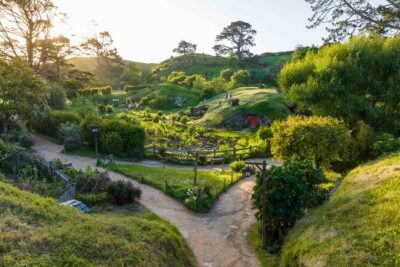
Hobbiton & Waitomo Caves Guided Day Trip from Auckland incl lunch
Read our review →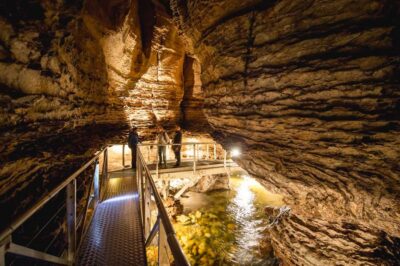
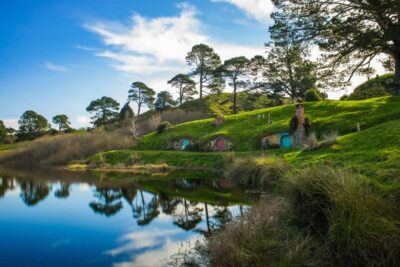
Hobbiton & Waitomo Caves Day Trip with Lunch
Read our review →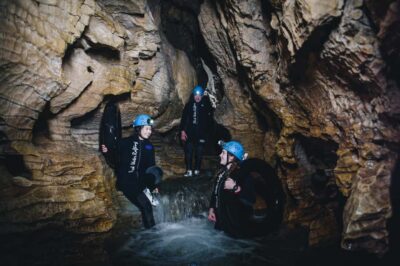
Waitomo Caves: Labyrinth Black Water Rafting Experience
Read our review →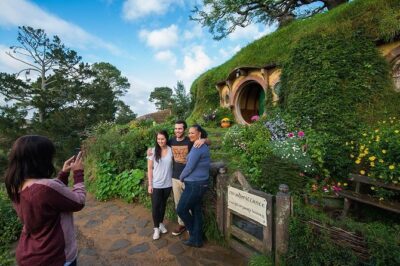
Hobbiton & Waitomo Caves Small-Group Tour W Lunch from Auckland
Read our review →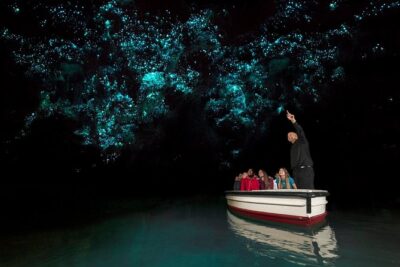
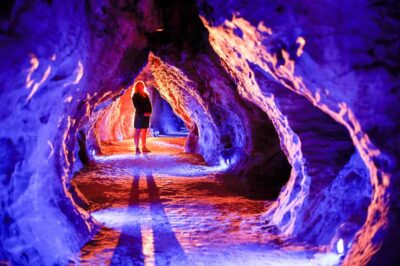
Waitomo Caves: Ruakuri Cave 1.5 Hour Guided Tour
Read our review →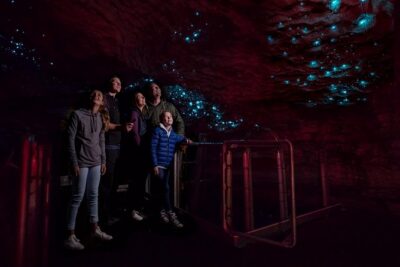
Browse the lists this tour appears in