
Reviewed · CANOES & KAYAKS
Sunrise wildlife sea kayaking in Akaroa marine reserve
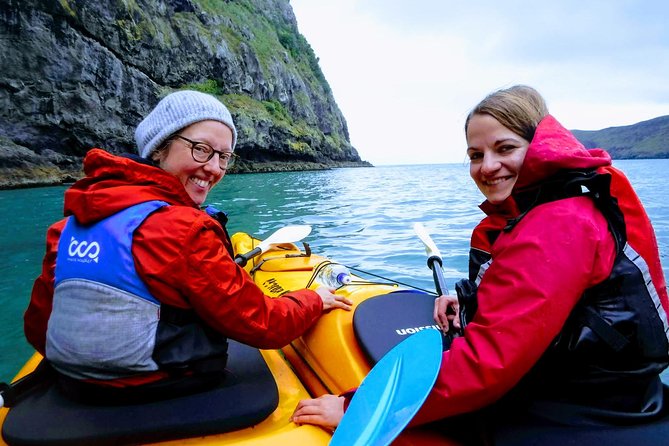
Akaroa’s harbor is an extinct volcanic basin, and at sunrise you reach it by paddle rather than by engine. The water is often at its calmest early in the day, giving you a quiet run through the marine reserve, with rugged coast, native birds, seals, and the chance of spotting rare Hector dolphins.
I like the small maximum group of 15, since it keeps the outing personal and limits noise in a fragile area. I also like the early start, which leaves most of your day free and gets you on the water before tour boats begin moving around.
The main drawback is simple: wildlife sightings are never guaranteed, and the 7:30 am start may feel early on a holiday. You also need a moderate level of fitness and must be at least 10 years old.
Key points to know before you book
- Sunrise setting: Paddle Akaroa Harbor during the quietest part of the morning.
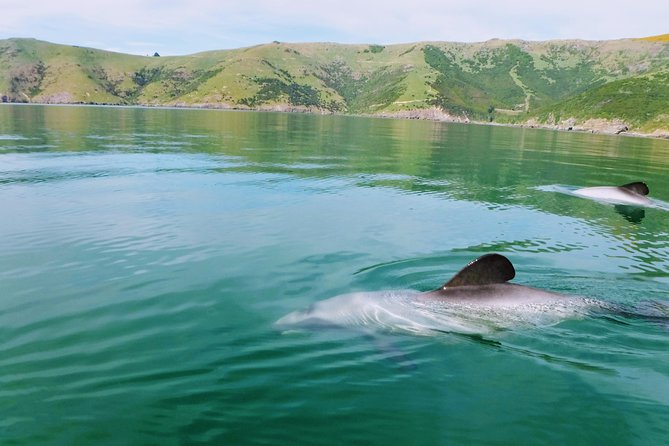
- Rare wildlife chance: Keep watch for Hector dolphins, white-flippered penguins, seals, orcas, and native birdlife.
- Small-group format: The tour accepts no more than 15 people.
- Tandem kayaking: You may paddle with a partner rather than in a single kayak.
- Useful extras: Light refreshments, a local guide, taxes, and on-water photographs are included.
- Weather matters: Poor conditions can lead to a new date or a full refund.
Why sunrise works so well in Akaroa Harbor
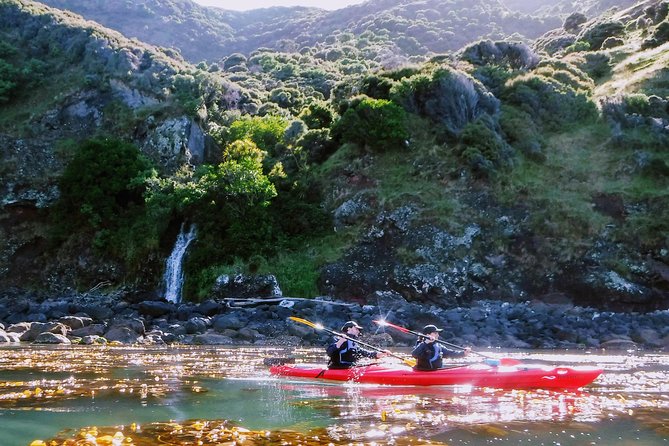
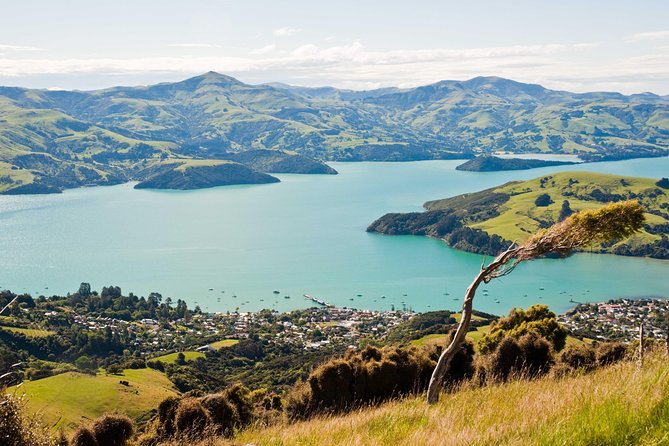
This tour takes place in Akaroa’s unusual natural setting, an extinct volcanic basin now filled by the sea. The harbor is ringed by steep, rugged coast, remote bays, and calm shallows. You get a very different view from a kayak than from the village waterfront or a larger sightseeing boat.
The early hour is not just a marketing detail. The operators aim to be the first on the water each day, before other tour boats begin running. That means less engine noise, fewer interruptions, and a better chance to hear birds and water rather than a busy harbor.
I like this timing for another reason: you can finish the activity and still have nearly the entire day ahead. The tour lasts about three hours, beginning at 7:30 am, so it fits neatly into a day of exploring Akaroa, Banks Peninsula, or the wider Christchurch area.
Morning weather can change quickly, of course. A cloudy or misty start does not necessarily spoil the outing. Calm conditions may actually make paddling easier, and the soft light can suit the volcanic coast. The important factor is wind and sea safety, not whether the sky is bright blue.
More Kayaking Tours in Akaroa
- Shore Excursion Guided Sea Kayaking through Akaroa Marine Reserve
★ 5.0 · 160 reviews - Akaroa: 4WD Safari and Guided Sea-Kayaking Experience
★ 4.8 · 120 reviews - Small group guided sea kayaking in Akaroa marine reserve
★ 5.0 · 116 reviews
Starting at the Akaroa Bowling Club
You meet at the Akaroa Bowling Club at 42 Rue Jolie in Akaroa. The activity ends back at the same meeting point, and transportation to or from the attraction is not included.
Plan your morning carefully. A 7:30 am start means you need to arrive with enough time to check in and prepare without rushing. The meeting point is near public transportation, but you are responsible for getting there. If you are staying outside Akaroa, allow extra time for the drive.
The first stage is an orientation session. You receive basic instruction before heading out, including how to handle the kayak and what to expect on the water. This matters if you have never used a sea kayak or worn a spray skirt before.
The instruction is not described as a long formal lesson. It is more of a practical briefing to get you paddling safely. The outing suits active beginners, but you should not expect to sit back while a guide does the work. You will be using your upper body and core for much of the morning.
Testing your paddle skills in the shallows
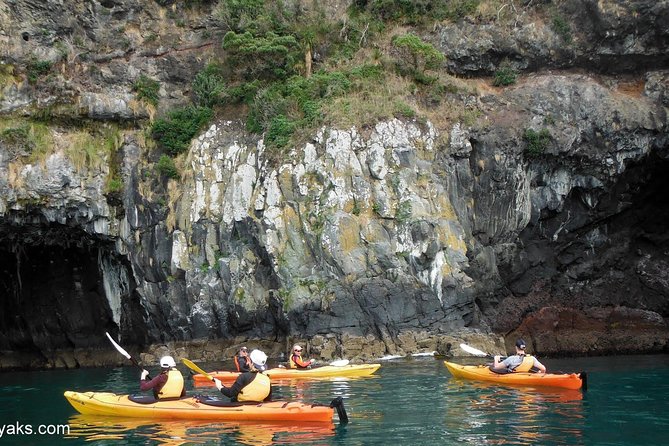
Before heading farther into the harbor, the group works in sheltered, shallow water. This is a sensible part of the plan. You can get used to the kayak, coordinate with your partner, and practice steering before meeting the gently rolling waves farther out.
The use of tandem kayaks can be a benefit or a small frustration, depending on what you want. Paddling in pairs gives the outing a cooperative feel, and it can help less experienced paddlers feel supported. If you expected a single kayak, though, you may need to adjust your expectations.
You should also be comfortable following instructions and working with the person sharing your kayak. The activity is not a race. The point is to move quietly and safely through the reserve while keeping the group together.
The operator caps the group at 15 people. That is large enough to create a social outing, but small enough for the guide to keep an eye on the group and answer questions. It also fits the low-impact approach needed in a marine reserve.
Into the marine reserve by kayak
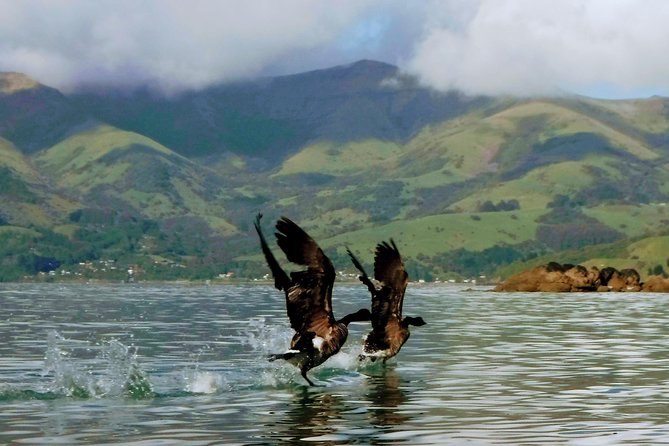
Once everyone is comfortable, the group heads out from the shallows toward the open harbor and nearby bays. The water may have a gentle roll, so you should expect more movement than in a swimming pool or sheltered lake.
You gain wide views over the coastline as you paddle. From water level, the rocky edges of the basin feel more immediate. You can look back toward Akaroa and then out toward the quieter sections of the harbor, depending on conditions and the guide’s judgment that morning.
The route is not fixed in the way a museum visit is. Weather, wind, wildlife, and sea conditions influence where the group goes. On one outing, good weather allowed the group to travel farther out. On another, mist and light rain still produced calm conditions suitable for paddling.
That flexibility is useful, but it also means you should not book this expecting a guaranteed route or exact wildlife stop. The guide chooses the safest and most rewarding option available on the day.
More Wildlife Tours in Akaroa
- Akaroa Wildlife Cruise
★ 5.0 · 101 reviews - Akaroa: Akaroa Marine Reserve Sea Kayaking Tour
★ 4.4 · 100 reviews - Akaroa: Scenic Coastline Wildlife Cruise
★ 5.0 · 32 reviews - Akaroa Shore Excursion: Banks Peninsula, Christchurch City Tour and Willowbank Wildlife Reserve
★ 3.5 · 26 reviews
Wildlife to watch for around Akaroa
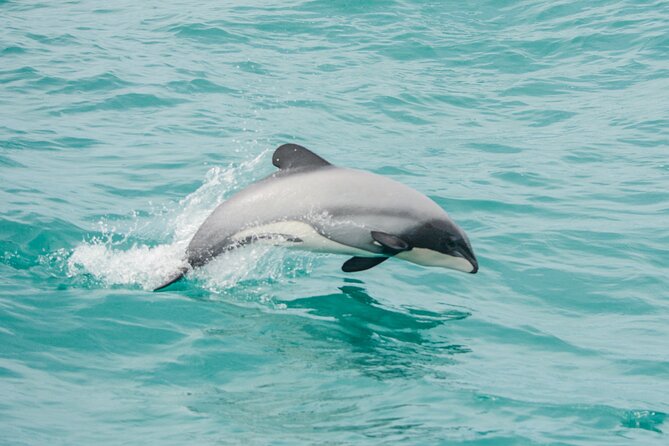
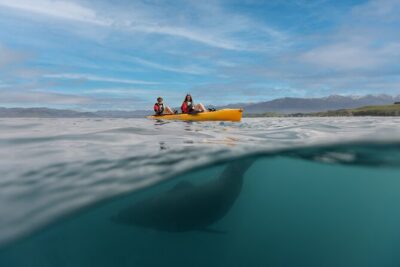
The biggest draw is the chance to encounter native marine life without engine noise. Akaroa Harbor is known for Hector dolphins, one of the world’s smallest and most endangered dolphin species. Seeing them is not promised, but they are one of the key reasons to choose this outing.
You may also look for white-flippered penguins, seals, orcas, and native birdlife. One outing included a close look at Hector dolphins early in the trip, while another included sea stars in a cave. Those details show the range of small discoveries possible, though you should treat them as possibilities rather than a checklist.
A kayak gives you a quiet platform for watching. You are close to the water, and there is no engine vibrating beneath you. That does not mean you can approach wildlife freely. The guide is responsible for setting a respectful distance and deciding how long the group stays in an area.
This low-noise format is one of the strongest reasons to choose the tour over a larger boat trip. You may see less territory than you would from a fast vessel, but the setting feels calmer and more connected to the water.
Bring patience. Wildlife can appear in the first part of the trip, or you may spend much of the morning enjoying the coast without a major sighting. The scenery and paddling should be enough to make the trip worthwhile even if the animals stay out of view.
Guides who add local detail
The guide shapes much of the experience. James has led morning outings with plenty of local facts and an easy manner. John has guided groups farther out when conditions allowed, while Peter has provided explanations through wet and misty weather.
The useful thing about this kind of guiding is not just naming birds or dolphins. A good guide can explain how the weather affects the route, point out details along the coast, and help you make sense of what you are seeing. Guides have also offered suggestions for other nature activities in the area.
The company uses local guides, and the small group gives you a better chance to ask questions. You are not simply following a kayak far ahead. The guide can adjust the pace and explain changes to the plan.
Conditions may also require a route change. If the weather is favorable, the group might paddle farther into the harbor. If it is less settled, the guide may keep you in more sheltered water. That kind of decision is part of the value of a guided sea-kayaking trip.
What the three-hour schedule feels like
The full outing takes about three hours, including orientation, time in the shallows, and the wider harbor paddle. That is long enough to feel like a proper morning activity without taking over your whole day.
The physical effort is moderate. You should be able to paddle for extended periods and manage the movement of a sea kayak. Children must be accompanied by an adult, and the minimum age is 10.
Light refreshments are included. They are useful after an early start, but they are not a substitute for lunch. Lunch is not included, so plan to eat later in Akaroa or bring what you need for the rest of your day.
On-water photographs are also included. This is a practical extra, since carrying and using your own phone in a kayak can be awkward. The supplied images let you focus on paddling and wildlife rather than worrying about keeping your camera dry.
You should still dress for changing weather and expect to get close to water. The supplied details do not specify a full clothing list, so ask the operator if you need advice before departure.
Is $96.19 a fair price?
At $96.19 per person, this is not the cheapest way to see Akaroa Harbor. You are paying for a guided small-group activity, equipment and instruction, local taxes, refreshments, and photographs, not just a short kayak rental.
The price makes more sense if you value quiet access and local guidance. A self-guided rental may cost less, but it will not give you the same route support, wildlife focus, or safety oversight in the marine reserve. You also would not have the same chance to learn about the basin and its wildlife from someone who knows the area.
The group limit of 15 helps the value. You are not signing up for a large fleet moving through the harbor. The operator also aims to get out before other boats, which can make the early start feel worthwhile.
Still, you should book with realistic expectations. The cost does not buy a guaranteed dolphin encounter, perfect weather, or a private kayak. If wildlife sightings are your only reason for going, the price may feel high on a quiet animal-free morning. If you value the setting, the physical activity, and the peaceful start to the day, it is easier to justify.
Who will enjoy this morning on the water?
I would recommend it to families with children aged 10 or older, couples, active solo visitors, and anyone who prefers nature outings to formal sightseeing. It also works well for people with limited time in Akaroa, since the early finish leaves the rest of the day open.
You should have a moderate fitness level and be willing to paddle in a tandem kayak. This is not the right choice if you need guaranteed dry weather, dislike early starts, or want a passive boat ride.
It is also a good fit for visitors who care about low-impact nature experiences. The tour uses kayaks rather than engines and keeps group numbers limited. You can move quietly through the marine reserve, with fewer disturbances to the setting.
The experience may suit families particularly well, but adults should remember that children must stay with them and that sea conditions can change. A calm morning is likely to be more enjoyable for younger paddlers than a rough one.
Booking, weather, and practical details
You receive confirmation when you book, and the tour operates only in suitable weather. If poor conditions force a cancellation, you can choose another date or receive a full refund.
For other cancellations or changes, the booking is non-refundable and cannot be amended. Check your plans carefully before paying, especially if your schedule depends on a cruise, transfer, or other fixed activity.
The tour starts and ends at the Akaroa Bowling Club. There is no transport to or from the attraction, so make your own way to Rue Jolie. The activity is near public transportation, but the supplied information does not specify exact routes or schedules.
The mobile ticket is convenient, but it does not remove the need to arrive at the correct meeting point on time. Keep the booking details accessible on your phone.
Should you book Akaroa’s sunrise kayak?
Book it if you want a quiet, active way to see Akaroa Harbor and can accept that wildlife sightings depend on nature. The early hour, small group, included photographs, and chance to see Hector dolphins give this outing more substance than a simple equipment rental.
I would be cautious if you are uncomfortable in tandem kayaks, cannot manage moderate paddling, or need a guaranteed itinerary. For most fit families and nature-focused adults, though, this is a well-priced three-hour introduction to the marine reserve, especially when calm weather gives the guide room to explore farther.
FAQ
What time does the sunrise kayaking tour start?
The tour starts at 7:30 am.
Where do I meet the guide?
The meeting point is the Akaroa Bowling Club at 42 Rue Jolie, Akaroa, Banks Peninsula, New Zealand.
Where does the tour finish?
The activity ends back at the Akaroa Bowling Club meeting point.
How long does the kayaking experience last?
The tour lasts approximately three hours.
What wildlife might I see?
You might see Hector dolphins, white-flippered penguins, seals, orcas, native birds, and other marine life such as sea stars. Wildlife sightings are not guaranteed.
Is lunch included?
No. Light refreshments are included, but lunch is not.
Are photographs included?
Yes. On-water photographs are included in the tour.
Can children join the tour?
Children can join from age 10, but they must be accompanied by an adult.
How many people can join the group?
The maximum group size is 15 people.
What happens if bad weather cancels the tour?
If poor weather causes a cancellation, you can choose an alternative date or receive a full refund. Regular cancellations or changes are non-refundable.
Just added around Akaroa
- Akaroa with optional dolphin cruise (Small Group Tour)★ 5.0 · 3 reviews
- Akaroa & Banks Peninsula from Lyttelton(Private Shore Excursion)★ 5.0 · 6 reviews
- Private Akaroa Day Tour From Christchurch★ 5.0 · 5 reviews
- Lyttelton Shore Excursion: Twin Harbour Tour (Lyttelton & Akaroa)★ 3.5 · 4 reviews
- Akaroa & Giants House Garden tour ex Lyttelton (Shore Excursion)★ 5.0 · 3 reviews
- Luxury Private Guided Crater Rim Walk on Banks Peninsula★ 5.0 · 30 reviews
- Akaroa Day Tour From Christchurch★ 4.5 · 6 reviews
- Half Day Guided Walking Tour on Banks Peninsula★ 5.0 · 40 reviews
Canoes & Kayaks, compared.
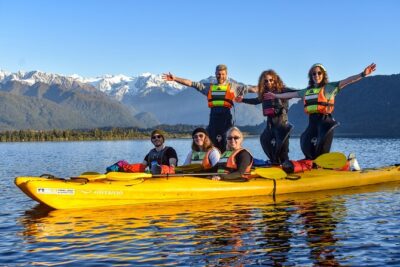
Small-Group Kayak Adventure from Franz Josef Glacier
Read our review →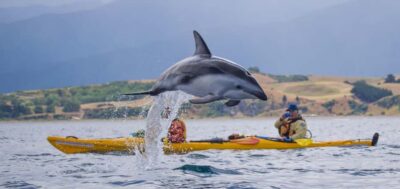
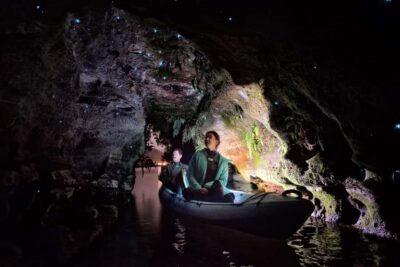
Dart River Canoe and Jet Boat Experience from Queenstown
Read our review →Browse the lists this tour appears in