
Reviewed · GEOTHERMAL TOURS
Rotorua: Hell’s Gate Geothermal Walk
Hell’s Gate puts Rotorua’s volcanic power right beside the walking path. You’ll see bubbling mud, steaming fumaroles, boiling pools, sulfur crystals, and New Zealand’s largest active mud volcano, all within an easy 2-kilometre route. The smell of sulfur is strong, but that rotten-egg odor is part of the experience.
I like the choice between a clear self-guided map and a local guide who can explain the geology, vegetation, and Māori connections. I also like the contrast between the steaming geothermal plain, the bush walk, and the hot waterfalls. The main drawback is the odor, along with uneven or potentially challenging access for people with mobility impairments.
- New Zealand’s largest active mud volcano gives the walk a memorable focal point.
- Hot waterfalls and boiling pools show different forms of geothermal activity in one compact visit.
- Guided walks run at 10:30 AM and 2:30 PM, while the self-guided route gives you more freedom.
- The sulfur smell can be powerful, so protect jewelry and expect the odor to cling for a while.
- Māori carving and the mud foot pool may be available, but neither is guaranteed.
- A 15-minute drive from central Rotorua makes Hell’s Gate easy to add to a Rotorua day.
Walking into Rotorua’s most active geothermal reserve
Hell’s Gate, also known as Tikitere, is about 15 minutes east of central Rotorua. From town, take State Highway 30, continue roughly five minutes past the airport, turn right toward Whakatane, then follow the road for about 3 kilometres.
The reserve feels different from a simple lookout beside a steaming pool. The route takes you through the center of a working geothermal field, where hot water, mud, vapor, sulfur, and unusual plant life appear close together. You are not just looking at one famous feature. The interest comes from seeing how many forms geothermal activity can take in a small area.
The walking route takes about an hour and covers roughly 2 kilometres. You can move at your own pace with the supplied map, stopping to read about the pools and deposits. That works well if you have limited time or prefer quiet exploration.
The path is also a good fit for people who want context without committing to a long excursion. You can see the main sights in one visit, then continue with other Rotorua activities.
What you see along the 2-kilometre route
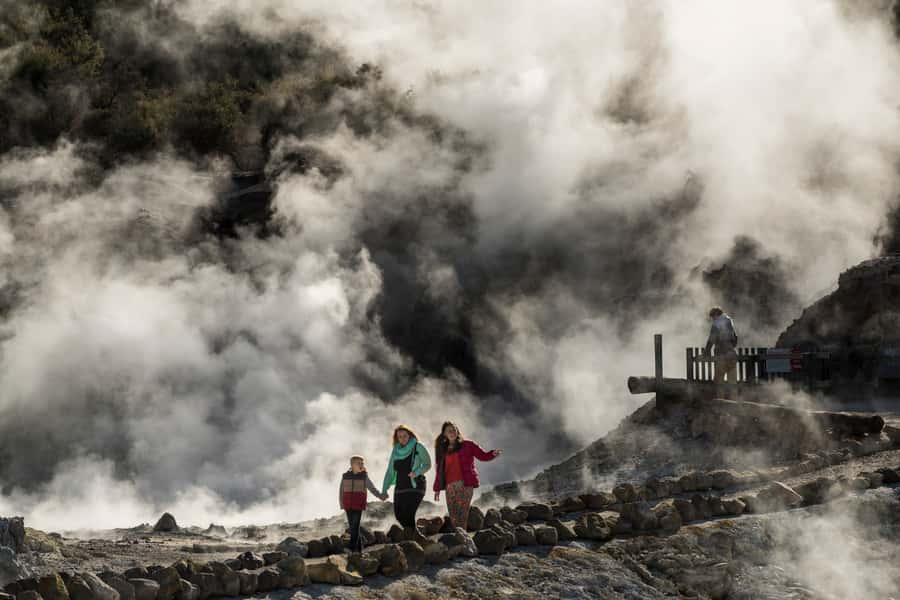
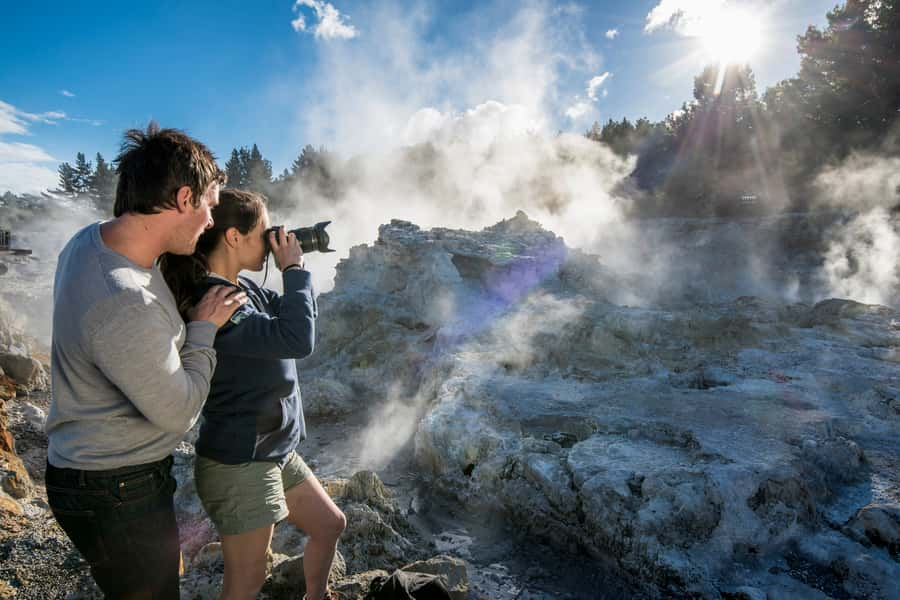
The walk begins among geothermal features that are constantly changing in appearance. Steam rises from fumaroles, mud bubbles and heaves, and hot pools show different colors and textures created by minerals in the water.
The sulfur crystals and deposits are especially striking. They add yellow and pale mineral tones to the dark mud and wet ground. The smell is unmistakable. If you know the odor of rotten eggs, you already know what to expect. Some people find it merely pungent, while others may find it overwhelming, particularly young children.
You’ll also see hot water lakes and boiling pools. The supplied map helps you match each feature with its explanation, which matters because the pools can look similar at first glance. The written material is useful, though it may not answer every question as fully as a guide can.
One important point: Hell’s Gate is not a guaranteed geyser show. The area has erupting waters and very hot pools, with temperatures above 100 degrees Celsius, but one of the main attractions here is the variety of geothermal activity rather than a scheduled geyser eruption. If a dramatic, timed geyser is your priority, check the day’s conditions and expectations before booking.
More Geothermal Tours in Rotorua
- Rotorua: Wai-O-Tapu Geothermal Park Entry Ticket
★ 4.6 · 2,601 reviews - Rotorua: Hell’s Gate Outdoor Mud Spa & Guided Walk
★ 4.7 · 1,140 reviews - Hell’s Gate Mud Bath & Spas
★ 4.5 · 475 reviews
The mud volcano, hot waterfalls, and forest contrast
The reserve’s largest active mud volcano is one of the main reasons to visit. It gives you a clear sense of the force below the surface. Instead of a neat cone with a single plume, expect thick, active mud and a raw, restless setting.
The hot waterfalls are another highlight. Hell’s Gate is home to the Southern Hemisphere’s largest hot waterfalls, and their presence adds movement to a setting otherwise marked by steam and still pools. You may find the falls more visually appealing than the mud features, especially when water, vapor, and surrounding vegetation appear together.
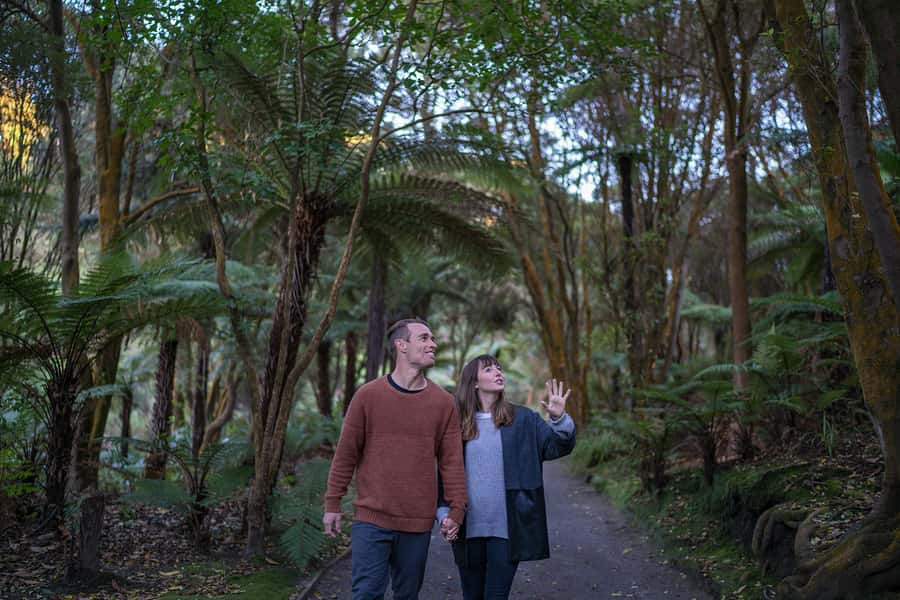
The route also includes a bush section. This change is valuable because it prevents the walk from becoming a series of similar pools. The green vegetation against the steaming ground creates one of the most attractive contrasts in the reserve. You can see how plant life occupies areas beside intense heat, while other sections remain too hot or acidic for much growth.
Some interpretive material discusses the vegetation and the properties of the pools. A guide can make this section more engaging by explaining why certain plants survive in particular places. The reserve is not only about heat. It is also about the boundaries between conditions that support life and conditions that do not.
Self-guided freedom or a guide at 10:30 and 2:30
You have two ways to experience Hell’s Gate. The self-guided walk is the most flexible. Pick up the map, follow the marked route, and pause wherever a pool, mud feature, waterfall, or plant display catches your attention.
I would choose the self-guided option if you have a tight schedule, want to take many photographs, or prefer to avoid moving at a group pace. The route is easy to follow, and the map gives enough information to make the walk worthwhile. It also lets you spend extra time at the waterfall or mud volcano instead of waiting for a whole group.
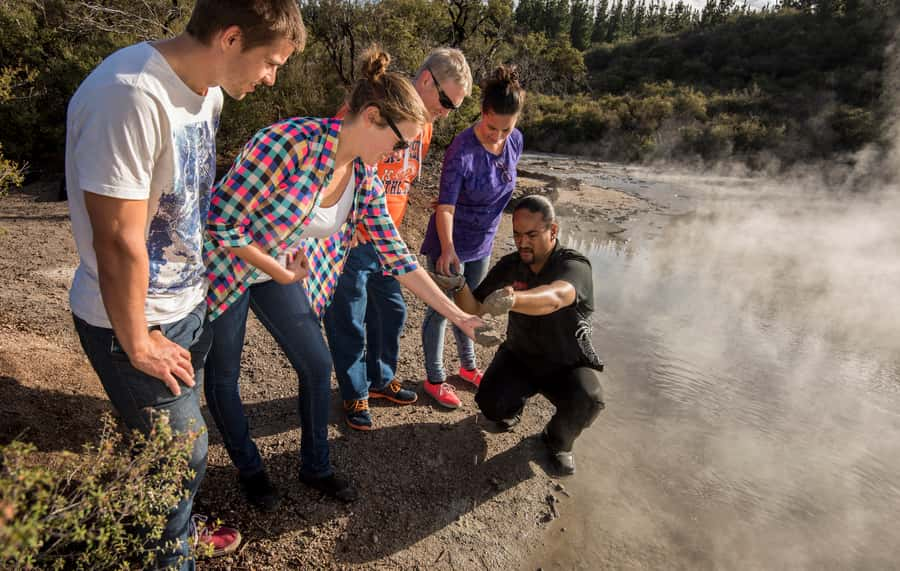
The guided walk adds more explanation and personality. Guided departures are listed for 10:30 AM and 2:30 PM, subject to availability. Plan your arrival around those times rather than assuming a guide will be ready whenever you walk in.
Past guides have included Liam, T, and Luke. Liam was described as friendly, funny, and informative, while T was praised for combining stories with useful explanations. Luke was noted for an engaging and humorous approach. Guides can explain the geology, local culture, plant life, and history of the reserve while pointing out details you might otherwise miss.
A guide is particularly worthwhile if geothermal areas all look alike to you. The bubbling and steaming are impressive, but the explanations turn a visual stop into a clearer lesson about heat, minerals, water, and vegetation. If you already enjoy reading signs and moving independently, the map should be enough.
Why the Māori elements add value
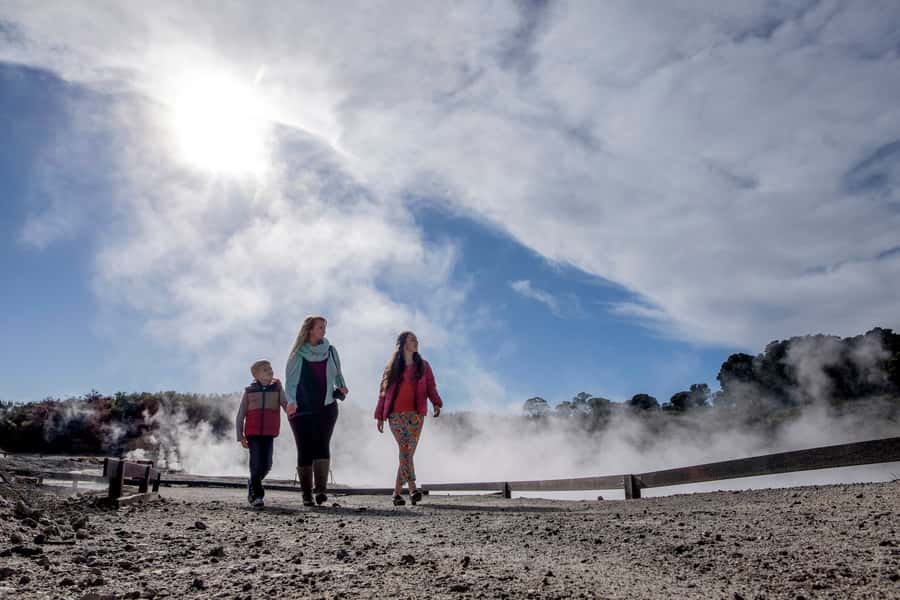
Hell’s Gate connects geothermal features with Māori culture, rather than presenting the reserve as geology alone. That cultural link gives the place more meaning and helps explain why geothermal areas have long been important in Rotorua.
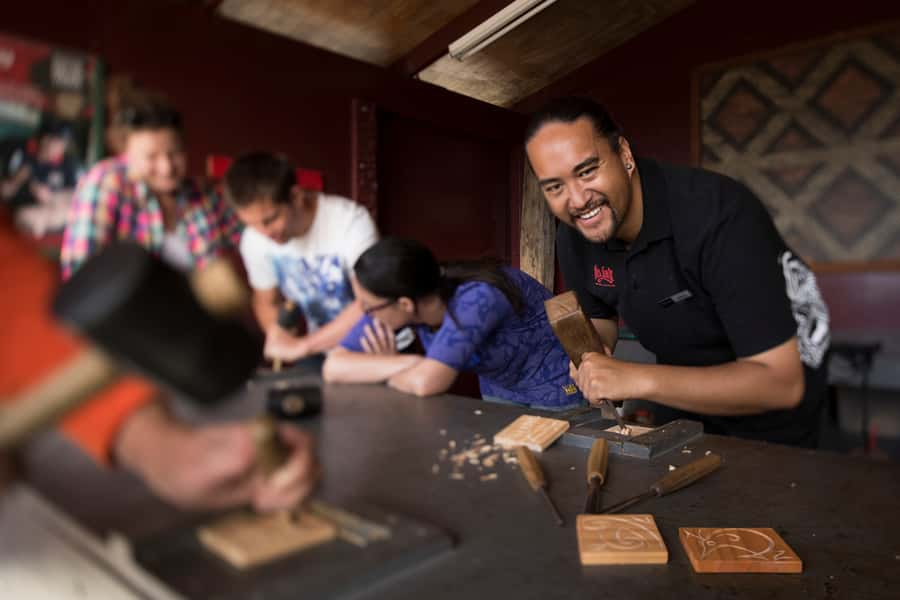
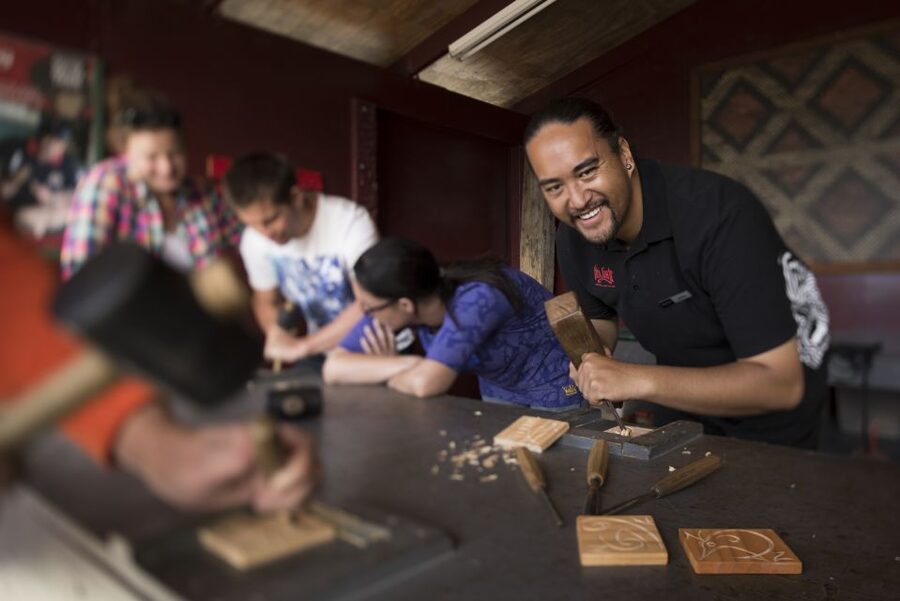
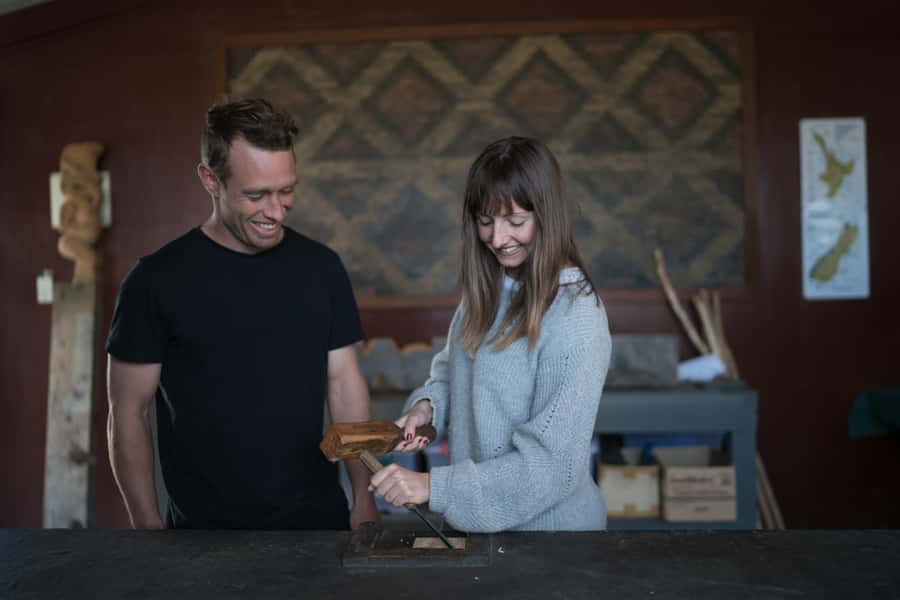
A complimentary Māori carving activity may be available after the walk. It is not guaranteed, and children must be at least 12 years old to take part in the carving. When available, it gives you something hands-on after spending an hour looking at natural features.
The carving is not a substitute for a full cultural experience, but it is a useful addition to the geothermal walk. You move from observing the ground to working with a traditional art form. If this matters to you, ask about availability when you arrive and allow enough time after the walk.
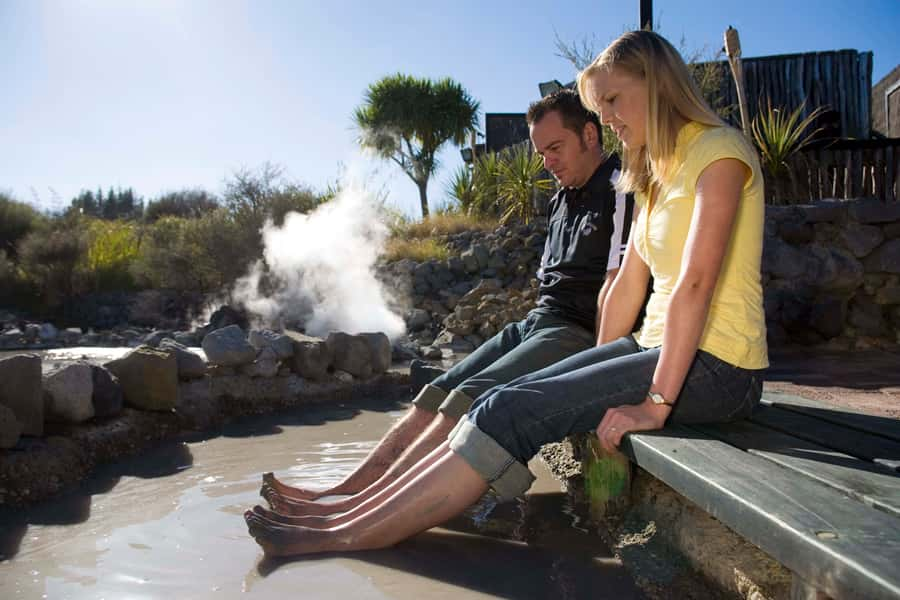
The mud foot pool is also subject to availability. Do not book the experience solely for that extra. Think of it as a possible bonus rather than a fixed part of the visit.
More Walking Tours in Rotorua
- Rotorua’s Ultimate Zipline: 6 ziplines, 400 m Tandem, Cliff Walk
★ 5.0 · 2,557 reviews - Volcanic Valley Self Guided Walking and Hiking at Waimangu
★ 4.5 · 248 reviews - Rotorua: Mount Tarawera Volcanic Crater Half-Day Guided Walk
★ 4.8 · 121 reviews - Rotorua: Waimangu Volcanic Valley Ticket & Self-Guided Walk
★ 4.8 · 104 reviews
The practical reality of the sulfur smell
The sulfur odor is the one issue you should consider before booking. It can be strong throughout the geothermal area, and sensitive children may find it difficult. Most people can tolerate it for the length of the walk, but the experience is not scent-free or polished.
The smell also has a practical effect on personal items. Sulfur residue can tarnish gold and silver jewelry. I would remove rings, bracelets, watches, and other pieces before entering the geothermal area, especially if you care about their finish. This is an easy precaution and one worth taking.
Rain does not ruin the visit. In fact, wet weather can make the park look more active, with extra vapor and water on the ground. Bring weather-appropriate clothing and expect the walk to continue in all conditions. A rain cape is available to buy onsite, but it is not included.
Wear comfortable shoes with a good grip. Bring water, sunglasses, sunscreen, and clothing suited to the forecast. Stay on the marked route and follow all safety instructions. Smoking and drones are not allowed.
How the $26 price fits the experience
The advertised price is $26 per person, but the activity details also state that an entry ticket is not included. Because that wording can cause confusion, confirm exactly what your booking covers before you pay.
If $26 is an add-on or reservation amount rather than the full entrance cost, calculate the complete price first. The value depends on what is included at the time of your visit. The map and self-guided route provide a solid short outing, while a guide, carving, and mud foot pool can add more value when available.
For a geothermal stop lasting about an hour, Hell’s Gate is best seen as a focused Rotorua activity rather than a full-day attraction. The short duration works well between other plans. You get a memorable setting without giving up half a day.
The value improves if you use the entire visit. Take time with the map, walk the bush section, look closely at the sulfur deposits, and ask about the guided tour or Māori carving. A rushed loop around the pools will feel less satisfying than a carefully paced visit.
Getting there from central Rotorua
Hell’s Gate is close enough to reach by car from Rotorua without a major time commitment. The drive takes about 15 minutes from the city center. The site is east of town, just beyond the airport, on the road toward Whakatane.
The directions are straightforward: travel east on SH30, turn right about five minutes beyond the airport, and continue for 3 kilometres. Check your timing carefully if you want the 10:30 AM or 2:30 PM guided walk, since missing one may leave you with the self-guided option.
The experience is not considered suitable for people with mobility impairments. The route takes about an hour and includes a geothermal walking area, but the supplied information does not describe it as fully accessible. If you have specific mobility needs, contact Hell’s Gate before booking.
Free cancellation is available up to 24 hours before the activity for a full refund, and reserve-now-pay-later booking may be offered. These options help if your Rotorua schedule depends on weather, but you still need to check the conditions attached to your own reservation.
Who will enjoy Hell’s Gate most
I would recommend Hell’s Gate to you if you want to see several types of geothermal activity in one place and prefer a walk over a single viewing platform. It is especially useful for a first Rotorua visit because it combines mud, hot water, steam, mineral deposits, bush, waterfalls, and cultural elements.
The guided option suits you if you enjoy stories and explanations. Guides such as Liam, T, and Luke have been praised for humor and clear teaching, but guide availability varies. The self-guided option suits you if you want control over your pace or have only a short gap in your day.
Families with older children can enjoy the easy-to-follow route, but the sulfur smell may trouble very young children. The carving activity is limited to children aged 12 and over.
Photographers should bring protection for bright conditions and changing weather. The colors of sulfur, mud, steam, water, and vegetation provide plenty to photograph, though the strongest visual effects may depend on light and rain.
This is not the best choice if you dislike sulfur odors, need a fully accessible site, or want a guaranteed geyser eruption. It also may feel brief if you expect a full-day cultural and spa program.
Should you book the Hell’s Gate walk?
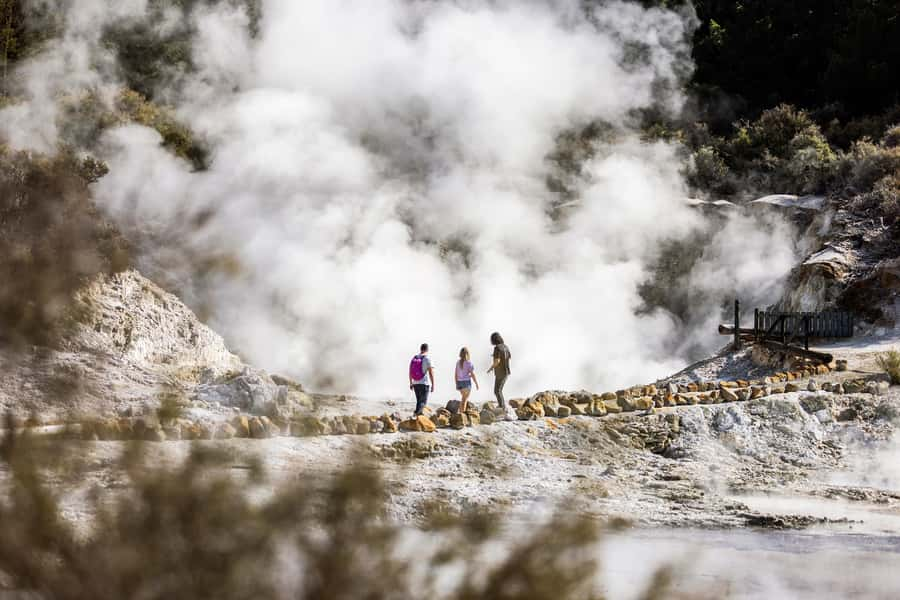
Book it if you want a compact, informative geothermal walk with a strong sense of place. The mud volcano, hot waterfalls, sulfur formations, and forest section give the visit more variety than a simple pool circuit.
Choose the guided departure if it fits your schedule. A good guide can explain why the features matter and connect the geology with local culture. Choose the self-guided route if you need flexibility, but arrive with enough time to read the map and avoid rushing.
Before booking, confirm the full entrance cost, ask if carving and the mud foot pool are operating, and protect your jewelry from sulfur. With those points understood, Hell’s Gate is a worthwhile Rotorua stop for anyone curious about the powerful ground beneath New Zealand’s North Island.
FAQ
How long does the Hell’s Gate geothermal walk take?
The geothermal walking route takes about one hour. The guided tour is listed as lasting 1.5 hours.
How far is Hell’s Gate from central Rotorua?
Hell’s Gate is about a 15-minute drive from central Rotorua.
What time are the guided walks?
Guided walks are available at 10:30 AM and 2:30 PM, subject to availability.
Can I explore Hell’s Gate without a guide?
Yes. You can follow the included map and complete the geothermal walk independently.
What will I see at Hell’s Gate?
You can see steaming fumaroles, boiling pools, hot water lakes, sulfur crystals and deposits, a large active mud volcano, hot waterfalls, and geothermal vegetation.
Does Hell’s Gate have a geyser?
The area has erupting waters and very hot pools, but a hot water geyser is not guaranteed as part of the visit.
Is Māori carving included?
A complimentary Māori carving activity may be available, but it is subject to availability. Children must be at least 12 years old to participate.
What should I bring?
Bring comfortable shoes, sunglasses, sunscreen, water, and clothing suited to the weather. A rain cape can be purchased onsite.
Is Hell’s Gate suitable for people with mobility impairments?
The activity is listed as unsuitable for people with mobility impairments. Contact the reserve directly if you have specific access requirements.
Just added around Rotorua
- TRIPLE DEAL Wai-O-Tapu, Redwood Forest & Blue Springs Ex Auckland★ 5.0 · 20 reviews
- Volcanic Rotorua Day Trip from Auckland★ 5.0 · 4 reviews
- Private Tour to Rotorua’s Natural wonders and Māori Arts & craft.★ 5.0 · 4 reviews
- Private Transfer From Auckland Airport To Rotorua★ 5.0 · 5 reviews
- Rotorua Highlights Tour inc. Te Puia Tour, Lunch & Cultural Show★ 4.5 · 53 reviews
- Private Tour – Rotorua Adventures Day Trip From Auckland★ 5.0 · 19 reviews
- Private Tour WaiOtapu & Huka Falls & Blue springs from Auckland★ 5.0 · 3 reviews
- Rotorua Full Day Private Tour from Auckland★ 5.0 · 3 reviews
Geothermal Tours, compared.
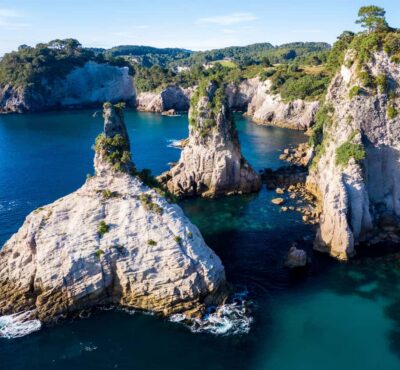
2-Hour Cathedral Cove and Volcanic Coast Cruise
Read our review →

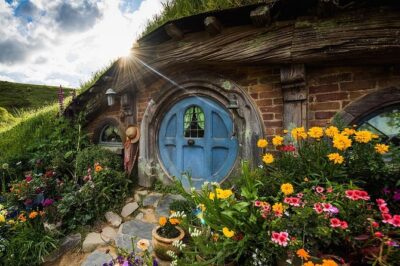
Hobbiton & Rotorua including Wai-O-Tapu – Small Group Tour from Auckland
Read our review →

2 Hour Cathedral Cove and Volcanic Coast Cruise with Shade Canopy
Read our review →Browse the lists this tour appears in