
Reviewed · HANMER SPRINGS TOURS
Hanmer Springs Star Tours at Manuka Skies
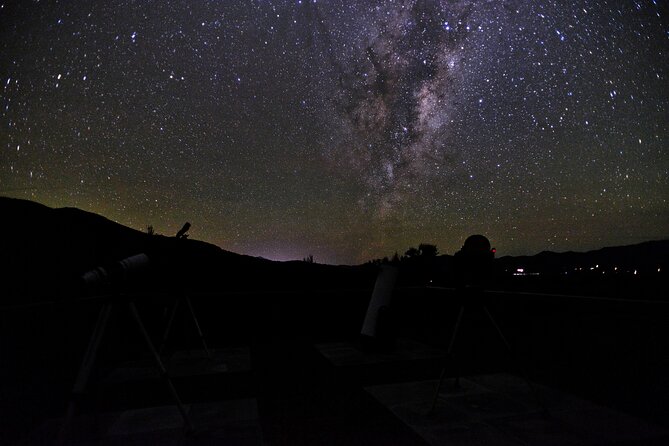
Manuka Skies gives you something rare in a popular resort town: a quiet, low-light place where the sky gets the attention. You begin with the naked eye, learning how to read the Southern Cross and other constellations, then move to telescopes aimed at distant star clusters and galaxies. The setting adds plenty of character, with native forest, a spring-fed stream, and the chance to hear morepork owls.
I like the small group limit of 10, which should give you a better chance to ask questions and spend useful time at the equipment. I also like the mix of viewing styles: a guided telescope for precise targets, manual scopes for free exploration, and astro binoculars that you can use while lying back on the lounges.
The main drawback is simple: this is a weather-dependent activity, and clouds can cancel the entire evening. The good news is that the operator offers another date or a full refund when poor weather makes stargazing impossible.
Key points to know before you book
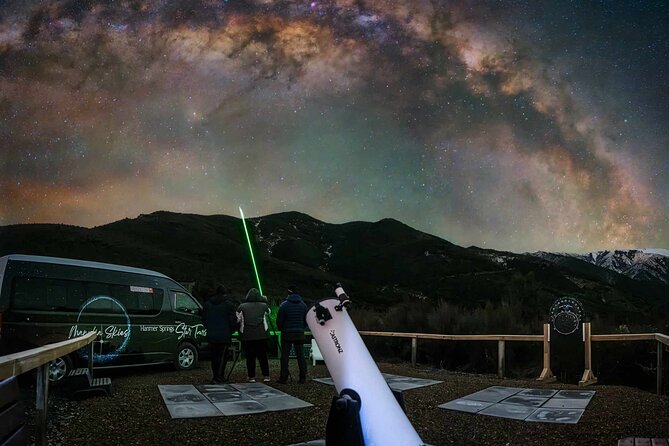
- A dark-sky setting outside Hanmer Springs: Manuka Skies has minimal light pollution, native forest, and a spring-fed stream.
- A clear learning progression: You start with the naked eye before using guided and manual telescopes.
- Several ways to view the sky: Use the Celestron telescope, manual scopes, astro binoculars, lounges, and an interactive star finder.
- A small maximum group of 10: The group size suits people who want room for questions and time with the equipment.
- Pickup is offered: You can arrange pickup from Hanmer Springs, rather than dealing with the night drive yourself.
- Weather matters: The tour runs for about two hours, but poor conditions can lead to a new date or full refund.
Why Manuka Skies is more than a telescope stop
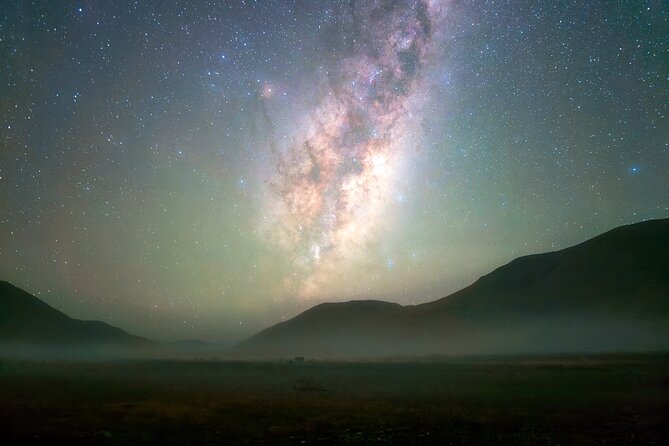
The most appealing part of this outing is the setting. Manuka Skies is described as a sanctuary for astronomy and wildlife, with low light pollution and native forest around the viewing area. That matters because stargazing is not only about owning a powerful telescope. It is also about getting away from streetlights, car parks, and the glow of town.
You can expect the night to include the sound of a spring-fed stream running down the mountain. Keep your ears open for morepork owls, native birds that nest in the area. These details give the outing a stronger sense of place than a simple stop beside a telescope.
The sanctuary’s role as kaitiaki is part of its identity. The word refers to guardianship and care, and Manuka Skies presents the site as a place where the sky and forest belong in the same conversation. You are not simply looking upward at objects in space. You are also spending time in a protected natural setting.
That approach will suit you if you like astronomy with a quiet, nature-based feel. If you want a fast list of planets and facts with little attention to the surroundings, this may feel slower than expected.
A few more Hanmer Springs trips worth a look
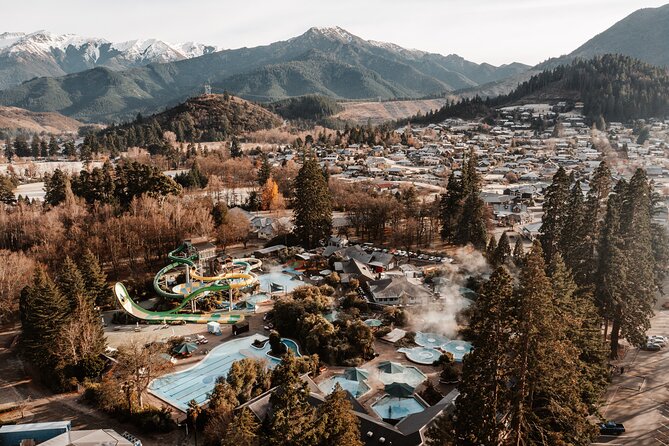
- Hanmer Springs Thermal Pools & Spa
★ 4.5 · 218 reviews - Amuri Adventure Jet Boating in Hanmer Springs
★ 5.0 · 191 reviews - Hanmer Springs: Thermal Pools Single or Return Entry Ticket
★ 4.7 · 107 reviews
The first half begins with your own eyes
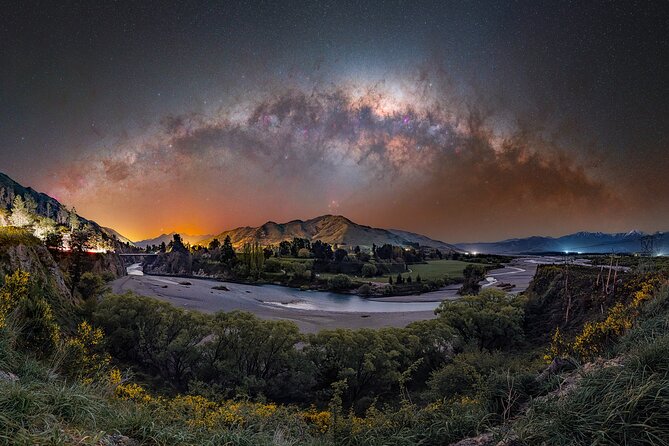
The evening starts without depending on a telescope. Your guide takes you through visible stars and constellations, including the Southern Cross, and shows you how to find your bearings in the southern night sky.
This is a smart way to begin. Equipment can make distant objects visible, but it does not teach you how the sky fits together. Learning a few patterns first helps you understand what you are looking at later.
The Southern Cross is especially useful in New Zealand because it is one of the most recognizable markers in the southern sky. You will not need to arrive with astronomy knowledge. The point is to learn a few clear reference points and build from there.
Guide Brent leads the stargazing tour, and the information supplied about the outing describes him as passionate about what can be seen in the night sky. That matters on a tour like this. A guide who enjoys the subject can make the difference between a distant pinpoint of light and an object with a story and a place in the larger sky.
The naked-eye portion also works well for groups with mixed interests. Someone who already owns a telescope can still use the time to improve sky navigation, while a beginner gets a gentle introduction before the equipment appears.
The Celestron telescope brings distant objects closer
After the basic sky tour, you get time with a Celestron electronically guided telescope. The scope is designed to locate targets accurately, which is useful when the object is too faint or small to find easily by hand.
The examples given include the Omega Cluster and the Sombrero Galaxy. The Omega Cluster is a dense grouping of stars, while the Sombrero Galaxy is a much more distant object with a distinctive shape. You should treat these as possible targets rather than guaranteed sights, since the final view depends on the night’s conditions and what is visible at that time.
This part offers the strongest reason to book if you are curious about objects beyond the obvious bright stars. A normal night-sky view can be beautiful, but a telescope gives you a chance to see objects that are not visible to the naked eye.
The electronically guided design also keeps the evening moving. Instead of spending most of your time searching for a target, you can spend more of it looking through the scope and asking questions. With no more than 10 people, the group should be manageable, though each person will still need to take turns at the main telescope.
The drawback is that a telescope cannot defeat clouds, haze, or poor visibility. It can show more detail on a clear night, but it cannot make an obscured target appear.
Manual telescopes let you explore at your own pace

Manuka Skies also has manual telescopes. These offer a different kind of satisfaction because you are not limited to one electronically selected target.
A manual scope is useful for a free roam period, when you can scan the sky and see what catches your attention. This gives the night a less formal rhythm after the guided telescope portion. You might prefer it if you enjoy learning through trial and discovery.
The two telescope types serve different purposes. The Celestron is the practical choice for locating specific deep-sky objects. The manual scopes are better for wandering across the sky and getting a feel for how the equipment works.
That variety is one of the tour’s strongest features. You are not watching a guide operate one instrument from a distance. You have several ways to take part, though the amount of personal hands-on use may depend on the group and the guide’s approach.
Same corner of the country, a very different day out:
- Hanmer Springs Quad Bikes
★ 5.0 · 104 reviews - Hanmer Springs Jet Boat Adventure Tour
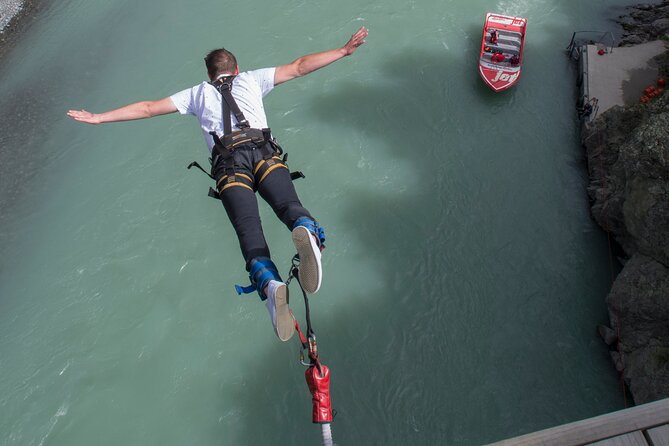
★ 4.9 · 81 reviews - Hanmer Springs Bungy Jump, New Zealand
★ 5.0 · 57 reviews - Amuri Jet Adventures – Hanmer Springs Quad Biking tour
★ 5.0 · 49 reviews
Astro binoculars and lounges change the pace
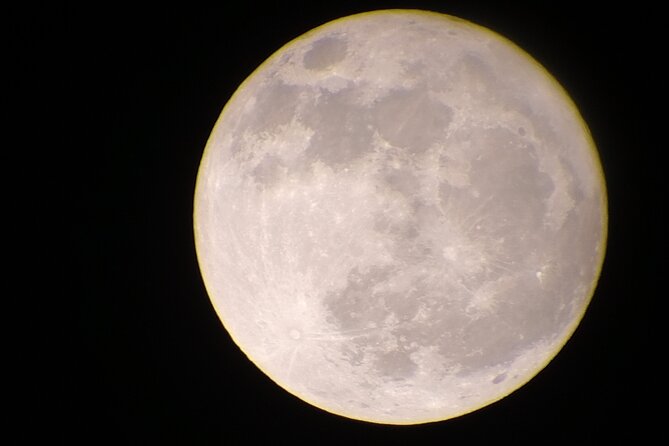
The astro binoculars add an easy, comfortable option. You can use them from the lounges while lying back and looking upward, rather than standing beside a telescope for the whole night.
This is a practical touch. Two hours can feel long if you spend every minute waiting in line or holding one position. The lounges let you rest while still taking part in the sky viewing.
Binoculars also provide a wider field of view than many telescopes. That can help you see how stars relate to one another, rather than focusing only on one small target. They are a good bridge between naked-eye stargazing and the tighter view offered by a telescope.
An interactive star finder is available to use with the astro binoculars. You can test your navigation skills and try to match what you see with the chart or finder. For families, beginners, or anyone who likes a task to work through, this may be one of the most enjoyable parts of the evening.
The binocular station also gives you a way to stay involved if the main telescope is occupied. With a maximum of 10 people, the group is small, but several viewing points still make the night more flexible.
What the two-hour schedule means for you
The tour lasts about two hours, which is long enough to include an introduction, guided sky viewing, telescope use, and time with binoculars without making the outing an all-night commitment.
You should plan for a gradual evening rather than a rapid sequence of stops. The first section builds your understanding of the sky. The equipment section then gives you a closer look at selected objects and time to explore.
Because this is an outdoor night activity, the experience may feel different from one evening to the next. Clear conditions could support a full range of viewing. Cloud or poor weather can prevent the session from going ahead at all.
The operator requires good weather and offers a different date or a full refund if poor conditions lead to cancellation. That is reassuring, especially if you are planning this as a highlight of a short Hanmer Springs stay. Still, if your schedule is tight, avoid placing the tour on your final night unless you are comfortable losing the chance to reschedule.
The activity is booked, on average, 44 days in advance. That suggests you should not leave it until the last minute if the date matters to you, particularly during a busy visit to Hanmer Springs.
Pickup keeps the evening simpler
Pickup is offered from Hanmer Springs, with the tour starting in the Hanmer Springs area. This is useful after dark, when driving unfamiliar roads or trying to find a remote viewing site can take away from the evening.
The pickup detail also fits the nature of the location. Manuka Skies is away from the strongest town lighting, so getting there is part of the practical planning. Confirm the pickup details at booking, since the supplied information does not give a precise pickup time or address.
You receive confirmation at the time of booking, and the activity uses a mobile ticket. Most people can participate, but the listing does not provide specific accessibility details, so contact the operator if you have mobility or other access needs.
The maximum group is 10. That is small enough to feel personal, yet large enough to create a shared evening rather than a private session. If you want exclusive use of the telescopes, this is not described as a private tour.
Is the price of $80.05 fair?
At $80.05 per person, this is not the cheapest evening activity in Hanmer Springs. You are paying for more than a view of the stars, though. The price covers a guided session in a low-light location, access to several types of viewing equipment, and the time and skill needed to locate less obvious objects.
The value is strongest if you want to learn. A casual look at the sky is free, but finding the Southern Cross, understanding the layout of the southern sky, and viewing targets such as the Omega Cluster or Sombrero Galaxy through quality equipment gives the evening more substance.
The price also makes more sense for people who would not otherwise have access to an electronically guided telescope or a dark viewing site. If you already own good equipment and have a clear place to stargaze, you may find the cost harder to justify.
The small group limit helps. You are not paying for a large coach-style astronomy talk. You get a more focused setting, with several viewing tools and a guide who can explain what is visible.
Weather can make or break the outing
You need to take the weather policy seriously. This activity requires good conditions, and poor weather may cancel the tour.
If the operator cancels because of weather, you can choose another date or receive a full refund. That is a fair policy for an activity that depends entirely on clear skies.
Your own cancellation terms are different. You can cancel for a full refund up to 24 hours before the start time. Cancellations or changes made less than 24 hours before the start time are not accepted for a refund, and the cut-off follows local time.
I would book this early enough to secure your preferred evening, then keep some flexibility in your schedule. A spare night in Hanmer Springs gives you a better chance of taking the tour if the first date is lost to clouds.
Who will enjoy this Hanmer Springs night tour?
I would recommend Manuka Skies to you if you like guided learning, quiet outdoor settings, and astronomy that includes more than a quick telescope look. Beginners should feel comfortable because the tour starts with the naked eye and basic constellations.
It also suits couples, families, and small groups who want a calm evening away from the town center. The stream, forest, owls, lounges, and binoculars give non-experts several ways to enjoy the night.
You may want to skip it if you dislike waiting your turn, need a guaranteed list of visible objects, or have only one free evening and cannot tolerate a weather cancellation. The tour can offer the Omega Cluster and Sombrero Galaxy, but no stargazing operator can promise a particular view under changing conditions.
I also would not choose it solely for photography. The information provided focuses on viewing, learning, and using the equipment, not on camera support or astrophotography instruction.
Should you book Manuka Skies?
Book it if you want a small-group introduction to the southern night sky in a setting that connects astronomy with native forest and wildlife. The combination of naked-eye guidance, the Celestron telescope, manual scopes, astro binoculars, and a comfortable lounge area gives the two-hour outing useful variety.
Before booking, check your schedule and leave room for weather changes. At $80.05, the tour is best value for you if the guide-led learning and access to quality equipment matter as much as the view itself. If that sounds right, Manuka Skies offers a thoughtful, low-key night out from Hanmer Springs.
FAQ
Where does the Hanmer Springs star tour take place?
The tour takes place at Manuka Skies in the Hanmer Springs area of New Zealand, in a low-light setting surrounded by native forest and wildlife.
How long does the stargazing tour last?
The tour lasts approximately two hours.
How many people can join the tour?
The maximum group size is 10 travelers.
Is pickup available from Hanmer Springs?
Yes. Pickup is offered, with Hanmer Springs listed as the starting area.
What equipment can I use during the tour?
The experience includes a Celestron electronically guided telescope, manual telescopes, astro binoculars, lounges for viewing, and an interactive star finder.
What might I see through the telescope?
Possible deep-sky targets include the Omega Cluster and the Sombrero Galaxy. Visibility depends on the weather and conditions on the night.
What happens if poor weather cancels the tour?
You will be offered a different date or a full refund if the experience is canceled because of poor weather.
Just added around Hanmer Springs
- Hanmer Springs Pool Day Tour From Christchurch★ 5.0 · 4 reviews
- Hanmer Springs: River Jet Boat Ride★ 4.5 · 6 reviews
- Hanmer Springs Jetboat & Quad Bike Combo★ 4.8 · 10 reviews
- Hanmer Springs: Guided Stargazing Tour★ 5.0 · 4 reviews
- Hanmer Springs Rafting and Quad Bike combo★ 5.0 · 14 reviews
- Hanmer Springs Quad Bikes★ 5.0 · 104 reviews
- Hanmer Springs Thermal Pools & Spa★ 4.5 · 218 reviews
- Amuri Jet Adventures – Hanmer Springs Quad Biking tour★ 5.0 · 49 reviews
Hanmer Springs Tours, compared.


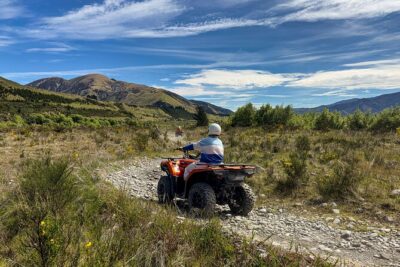
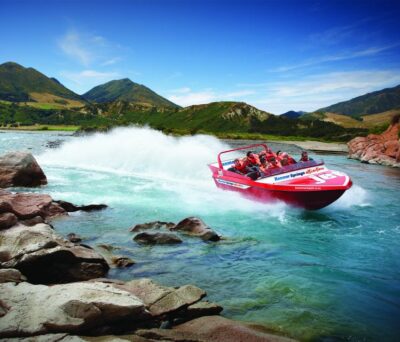


Amuri Jet Adventures – Hanmer Springs Quad Biking tour
Read our review →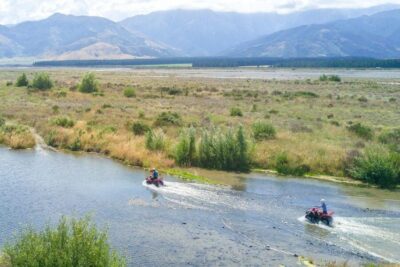
Browse the lists this tour appears in