
Reviewed · FARM TOURS
Bullswool Heritage Farm General Entry Ticket
Bullswool Heritage Farm gives you a hands-on taste of rural New Zealand, with friendly animals, working farm displays, and walking tracks across 100 acres of bush and hill country. I like the chance to feed rare-breed animals, and I like that the farm offers more than a petting area, with museums and a native bird reserve to explore.
The main drawback is that much of the visit takes place outdoors, so poor weather can affect your day. You should also allow more than a quick stop if you want time for the animals, museums, play areas, and picnic surroundings.
Key points at a glance
- Feed friendly rare-breed animals: You can hand-feed a wide range of farm animals, from smaller creatures to larger animals.
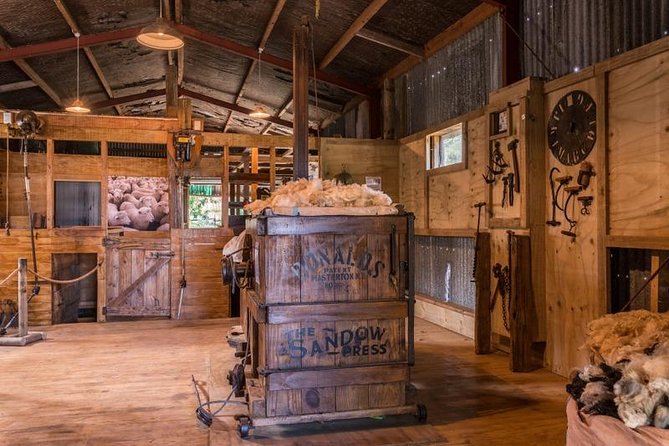
- Explore five distinctive displays: The farm includes a Sheepshed Museum, early milking shed, working horses stable, historic kauri and gold display, and native bird reserve.
- Set aside two to three hours: There is enough here for a relaxed half-day visit rather than a rushed photo stop.
- A good Coromandel side trip: The farm is only minutes from Karangahake Gorge and about 15 minutes from the Waihi area.
- Useful for mixed-age groups: Children have play areas and wooden toys, while adults get a look at early New Zealand farming.
- Low-cost entry: At $11.17 per person, the ticket offers good value if you make time for the full property.
Why Bullswool feels different from a quick animal stop
Many farm attractions are built around one main activity. Bullswool Heritage Farm gives you several reasons to keep walking. You can feed animals, examine old farm equipment, look at early New Zealand buildings and tools, and follow paths through native bush.
That mix is the real strength of the place. If you are visiting with children, the animals and play areas give the visit its energy. If you are an adult interested in New Zealand’s rural past, the farm museums add useful context. You are not simply looking at animals in pens. You are seeing how farming, transport, milking, horses, kauri, and gold shaped life in this part of the country.
I also like the setting. The property covers 100 acres of mature native bush and hill country, so the experience has room to breathe. You can move at your own pace rather than follow a fixed tour schedule. The supplied information does not give a guided timetable or group size, which suggests that this is best treated as a self-directed outing.
The farm is near Karangahake Gorge, a major reason to pair the two stops on the same day. The gorge gives you a dramatic change of scenery, while Bullswool offers a slower, more grounded look at rural life.
More farm visits around North Island:
- Wool Sheep Farm Experience with Handmade Wool Hat in New Zealand
★ 5.0 · 9 reviews - Queenstown: Queenstown Lake Cruise and Walter Peak Farm Tour
★ 4.8 · 950 reviews - Dinner at Walter Peak High Country Farm and Cruise from Queenstown
★ 4.5 · 576 reviews
Feeding the animals at your own pace
The animal area is likely to be the main draw for most families. The farm has many rare-breed animals, and the animals can be hand-fed. That simple detail matters because it turns the visit from observation into participation.
You are not just taking pictures across a fence. You have a reason to approach, pay attention, and interact. Feeding also gives younger children a clear activity to focus on, especially if they are not yet interested in museum displays.
The animals are described as friendly, and direct contact is one of the most highly praised parts of the experience. The available comments point to positive encounters with animals of different sizes, including sheep and deer. One particularly useful detail is that you can spend as long as you like feeding them, with no stated time limit beyond the farm’s opening hours.
That makes the $11.17 admission feel fair. A short, timed animal encounter can feel expensive if you are finished in 20 minutes. Here, you can return to the animals after seeing the museums or play areas. If your children want to feed one more sheep, you do not need to hurry them away to make a scheduled departure.
You should still use sensible care around animals. The information says the animals are friendly, but it does not promise that every animal will behave the same way at every moment. Supervise young children and follow the farm’s instructions.
The Sheepshed Museum and early farming stories
The working Sheepshed Museum tells the story of New Zealand’s early farming pioneers. This is a valuable part of the visit because sheep farming is not just a backdrop in New Zealand history. It helped shape rural communities, work patterns, and the country’s economic identity.
The museum gives the animal experience some context. After feeding sheep, you can see the kind of work and equipment linked to traditional farming. That connection is especially useful for children, who may otherwise see farm animals as a simple attraction without understanding their place in New Zealand life.
The word working matters here. The display is not presented as a polished, modern exhibition only. It is intended to show farming tools and practices in a practical setting. You might find the experience more hands-on and informal than a large city museum.
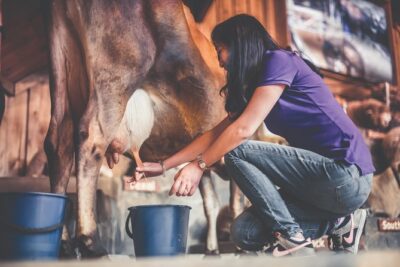
The farm also has an early New Zealand milking shed display. Milking sheds were central to daily farm life, and this stop helps explain the routines behind dairy farming. It is a small-scale way to see how work was done before modern systems changed the process.
Do not expect a long, formal museum visit with extensive written interpretation. The available information focuses on the displays themselves rather than guided talks or a detailed exhibition program. I would treat these buildings as short but worthwhile stops between the animal areas and walking tracks.
Working horses, kauri, and gold
The Working Horses of New Zealand Stable Museum adds another piece to the farm story. Horses were important for transport, hauling, and field work before machinery took over many tasks. This display helps you picture the physical effort involved in early farming.
It also gives adults something specific to look at while children move between the animals and play spaces. That balance is useful for a family outing. You can divide your attention without turning the visit into separate activities for children and adults.
The Historic Kauri and Gold Museum widens the focus beyond farming. Kauri and gold are both closely linked with the history of the Coromandel and wider northern New Zealand. The display connects the farm to the region around it, rather than treating the property as an isolated attraction.
You should think of these museums as a series of compact stops. The main appeal is the variety. You can see an old milking shed, learn about sheep farming, look at working horses, and then turn to regional kauri and gold history. That variety helps the two to three hour visit feel full without requiring a fixed route.
More history on the ground in North Island:
- Olveston Historic Home Guided Tour
★ 5.0 · 205 reviews - Skippers Canyon 4WD Heritage half day Tour from Queenstown
★ 5.0 · 204 reviews - Scenic Cruise & Guided Walk on Historic Motor Yacht Lake Te Anau
★ 5.0 · 165 reviews - Tauranga Shore Excursion: History & Kiwifruit Tasting – 4 Hours
★ 5.0 · 146 reviews
Karangahake Native Bird Reserve
The award-winning Karangahake Native Bird Reserve adds a conservation angle to the day. It is a different experience from the farm animals, with a focus on native New Zealand birdlife.
This is a good pause in the visit. The farm animals are active and interactive, while the bird reserve asks you to slow down and observe. The reserve is also important because it shows that the property is not only about entertainment. Its conservation work has received a Pride of New Zealand Award, and the reserve is described as award-winning.
The information does not specify which bird species you will see, how long a keeper talk lasts, or whether feeding is part of the reserve. I would not book this expecting a formal wildlife tour. Instead, treat it as a chance to see native bird conservation included within a working farm visit.
For adults, this may be one of the most meaningful parts of the property. It adds a New Zealand-specific element that you will not get from a standard farm attraction. For children, it offers another way to look at animals and may help break up the more energetic feeding stops.
Walking tracks through bush and hill country
Bullswool sits on 100 acres of mature native bush and lush hill country. The walking tracks let you see the property at a wider scale than the animal enclosures alone.
The paths also give you room to adjust the pace. You can spend more time with the animals, take a slower walk, or move quickly between displays if the weather changes. The supplied information does not state the track lengths, difficulty, or surface conditions, so you should not assume that every path is suitable for a stroller or wheelchair.
The setting is one of the strongest reasons to stay for two or three hours. The property is not described as a compact indoor attraction. You will get more from your ticket if you leave time for walking and looking around the grounds rather than treating the visit as a 30-minute animal stop.
The mature bush and hill country also make the farm a pleasant place for a picnic. A group included a picnic lunch during its visit, and another family specifically wished they had brought one. Picnic facilities are not detailed, so bring food only if you are prepared for an informal outdoor meal and check the farm’s current arrangements before you go.
Play areas for children
The kids’ play areas are an important practical feature. Farm visits can lose momentum when children have seen the animals but adults still want to look at a museum. Play spaces give younger visitors another reason to stay and provide a change from walking and feeding.
The wooden toys and play equipment have been singled out as especially enjoyable. The farm is also described as clean and well looked after, which matters when you are choosing a place for a family stop. The information does not list the exact equipment, so you should not plan around a specific slide, climbing frame, or playground feature.
Families with children aged around four to seven are likely to get the most from the mix of activities, based on the experiences described. Older children may still enjoy the animals and museums, especially if they have an interest in farming or wildlife. Adults without children can enjoy the property too, but the play areas will naturally add more value for families.
How long to stay and how to plan the day
The suggested duration is two to three hours. That is a sensible estimate if you want to feed animals, walk the grounds, visit several displays, and allow children time to play.
You could move through faster, but that would miss much of the point. The attraction works best as a relaxed stop with no need to follow a strict schedule. Opening hours are Tuesday through Sunday, 10:00 a.m. to 4:00 p.m. The available date range for those hours runs through February 16, 2027, so check the current schedule when planning a later visit.
The farm is only minutes from Karangahake Gorge and roughly 15 minutes from the Waihi area. That makes it useful on a driving day between major Coromandel stops. One practical plan is to visit Bullswool in the morning, pause for lunch, and then continue to the gorge. You could also visit the gorge first and use the farm as a calmer final stop.
Because this is an outdoor property, weather matters. The experience requires good weather and may be cancelled if conditions are poor. In that case, you are offered another date or a full refund.
What the $11.17 ticket is really buying
At $11.17 per person, general entry is inexpensive for a two to three hour outing. The value improves if you use all parts of the property rather than spending the whole visit at one animal area.
You are paying for access to the farm animals, walking tracks, museums, native bird reserve, and children’s play areas. There is no separate charge mentioned for the listed stops, and admission is included with the ticket. A mobile ticket also makes it easy to keep the booking on your phone.
The strongest value comes from flexibility. You are not buying a short show with a fixed start and finish. You can spend longer with the animals, return to an area, or slow down for a picnic. That matters for families, since children rarely move through an attraction at the same speed.
The price is less compelling if you want a polished, guided museum or a highly structured wildlife tour. The experience is informal and self-paced. Its appeal comes from contact with animals, open grounds, local history, and simple family activities rather than elaborate production.
Who should book Bullswool Heritage Farm
I would recommend Bullswool to families looking for an easy outdoor activity with plenty of room to move. Children can feed animals and play, while adults can explore New Zealand farming displays and regional history.
It also suits people driving through the southern Coromandel who want to add a rural stop to a day near Karangahake Gorge or Waihi. The farm offers a change from scenic drives and hiking, particularly if you want something less demanding.
Animal lovers will appreciate the hand-feeding. People interested in conservation should make time for the native bird reserve. The museums will appeal most to those who enjoy practical local history rather than large, formal institutions.
You may want to skip it if you have only a few minutes, dislike outdoor attractions, or need fully detailed accessibility information. Service animals are allowed, and most people can participate, but the track conditions and specific facilities are not described. If mobility is a concern, contact the farm before booking.
Free cancellation is available up to 24 hours before the start time for a full refund. Changes or cancellations made inside that period are not accepted for a refund. That policy gives you useful flexibility, but weather remains a factor.
Should you book this farm experience?
Book Bullswool Heritage Farm if you want an affordable, hands-on stop that combines animals, conservation, local history, and outdoor space. The best reason to go is not one headline attraction. It is the easy mix of activities, especially the chance to feed friendly animals and then keep exploring at your own pace.
Allow the full two to three hours, bring a picnic if suitable, and pair the farm with Karangahake Gorge or a Waihi-area drive. If you expect a formal guided tour, keep your expectations in check. If you want an authentic rural outing with useful variety for different ages, this is a strong Coromandel choice.
FAQ
Where is Bullswool Heritage Farm?
Bullswool Heritage Farm is in the southern Coromandel on New Zealand’s North Island, only minutes from Karangahake Gorge and about 15 minutes from the Waihi area.
How long does a visit take?
Plan on approximately two to three hours. This allows time for the animals, walking tracks, museums, native bird reserve, and children’s play areas.
What is included in general entry?
Admission includes access to the farm, animal areas, walking tracks, Sheepshed Museum, early milking shed display, Working Horses of New Zealand Stable Museum, Historic Kauri and Gold Museum, native bird reserve, and kids’ play areas.
Can you feed the animals?
Yes. The farm’s animals are friendly and can be hand-fed.
What are the opening hours?
The farm is open Tuesday through Sunday from 10:00 a.m. to 4:00 p.m., according to the supplied schedule.
Is the ticket available on a mobile phone?
Yes. The ticket is mobile, so you can use it from your phone.
Can you cancel for a full refund?
Yes. You can cancel at least 24 hours before the experience start time for a full refund. Cancellations or changes made less than 24 hours before the start time are not accepted for a refund. If poor weather causes the farm to cancel, you are offered another date or a full refund.
Just added around North Island
- Half Day, Grade 5, White Water Rafting on the Rangitikei River★ 5.0 · 66 reviews
- The Boulders Scenic Half Day Float on the Rangitikei River★ 5.0 · 3 reviews
- Rangitaiki River White Water Rafting from Rotorua★ 5.0 · 96 reviews
- Rangitaiki River White Water Scenic Rafting from Rotorua★ 5.0 · 23 reviews
- The Awesome Scenic Rafting Adventure – Full Day Rafting on the Rangitikei River★ 5.0 · 38 reviews
- Fine Wine Tour in Napier, New Zealand★ 5.0 · 17 reviews
- Puketi Rainforest Guided Walks .This is not a Shore Excursion product .★ 5.0 · 20 reviews
- Milky Way Glowworm Cave Tour★ 5.0 · 30 reviews
Farm Tours, compared.
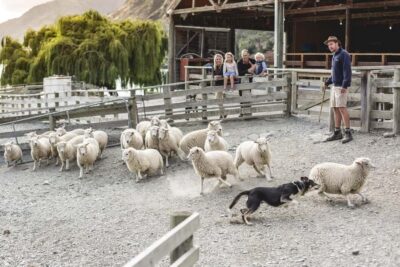
Queenstown Lake Cruise and Walter Peak Farm Tour
Read our review →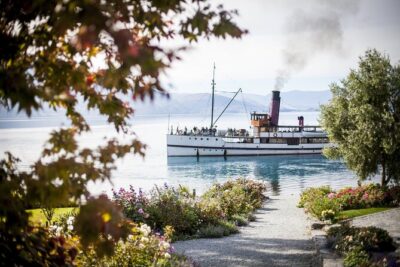
Dinner at Walter Peak High Country Farm and Cruise from Queenstown
Read our review →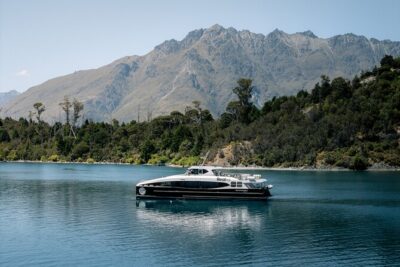
Queenstown Lake Cruise and Walter Peak Farm Adventure
Read our review →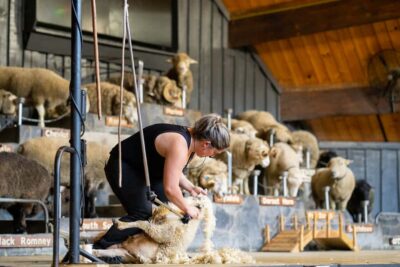
Agrodome Farm Experience including Farm Show and Farm Tour – Rotorua
Read our review →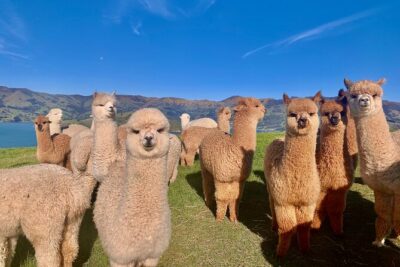
Browse the lists this tour appears in