
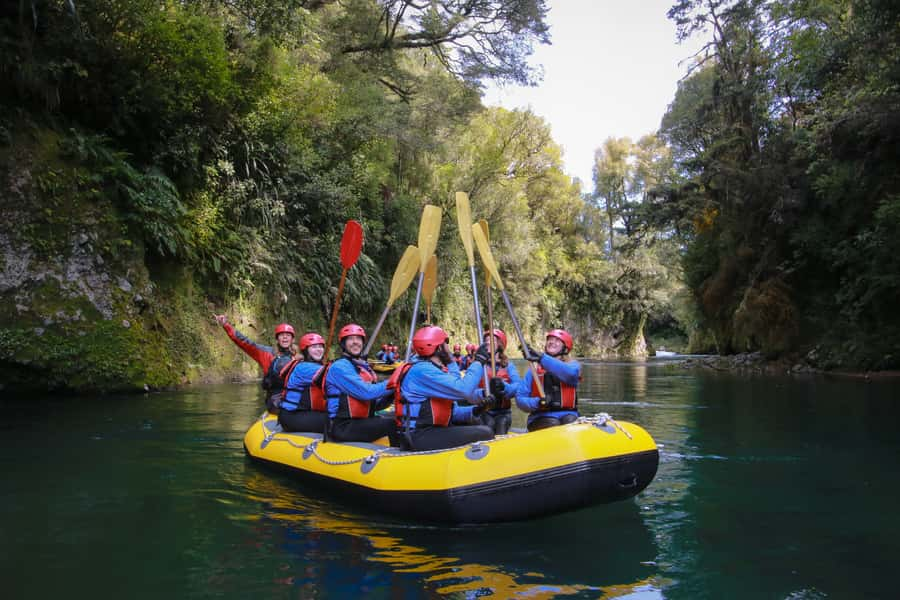
Reviewed · WHITE WATER RAFTING
Tongariro River: Grade 3 Whitewater Rafting
The main attraction here is simple: you and your raft team work through more than 60 Grade 3 rapids on the upper Tongariro River. The water supplies plenty of action, but the trip is set up for first-time rafters as well as people who already know their way around a paddle.
I like the short, useful format. Four hours gives you a real river outing without swallowing your whole day, and the $112 price includes the guide, equipment, life jacket, transport to the river start, and safety briefing. I also like the human side of it: guides such as Fletcher and Sarah have been singled out for clear communication, care, and getting nervous paddlers working as a team.
The main consideration is that Grade 3 water is still active whitewater. You need to be at least 11, arrive with your personal medication, and be ready to follow instructions closely. Digital photos cost extra, so budget for those only if you want a record of the ride.
Key points to know before you book
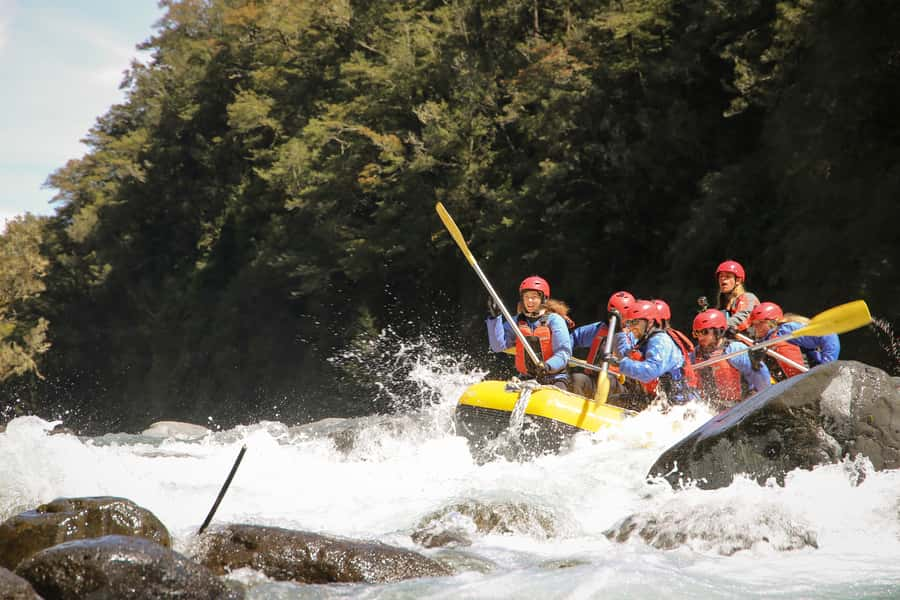
- More than 60 rapids: Expect a steady run of Grade 3 whitewater rather than one brief burst of excitement.
- Four hours door to door: The trip begins and ends at the Turangi rafting base, with a short bus ride to the river.
- Suitable for beginners: Your guide gives paddling instruction and leads the raft through each section.
- Upper Tongariro scenery: Raft access lets you see parts of the river that are not reached by an ordinary road stop.
- Possible blue duck sighting: Keep watch for New Zealand’s rare blue duck along the river.
- Bring the basics: Wear swimwear, pack a towel, and carry any personal medication you may need.
Why the Tongariro River makes a good rafting choice
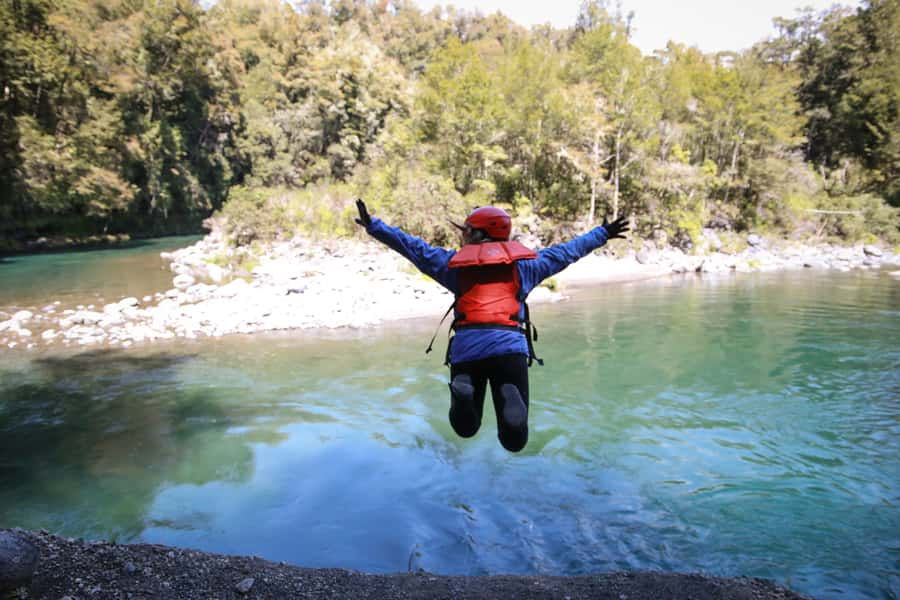
The Tongariro River offers a useful balance of excitement and scenery. You are not signing up merely to sit in a raft and wait for one dramatic rapid. The route includes more than 60 rapids, so the day has a regular rhythm: listen, paddle, react, laugh, and prepare for the next section.
Grade 3 is a sensible middle ground. It has enough force and movement to feel like genuine whitewater, yet the activity is presented for people with little or no rafting background. You will not be left to guess what to do. The guide explains the paddling commands, checks that you understand the basic technique, and directs the raft through the rough water.
That matters because a rafting trip is a group activity. Your boat moves best when everyone paddles together. Fletcher, one of the named guides associated with the experience, has been praised for helping nervous participants feel safe and for turning the group into a working team. That is exactly the kind of guidance you want on a first rafting trip.
The setting adds something beyond the rapids. The upper reaches of the Tongariro River offer clean, open scenery, and the raft gives you a water-level view that a roadside lookout cannot match. You may also have the chance to see a rare blue duck, a special New Zealand bird associated with fast-flowing rivers. It is not a promised sighting, so treat it as a bonus rather than the main reason to book.
More white water rafting in Tongariro:
- Tongariro Thrills: Grade 3 Whitewater Rafting Adventure
★ 5.0 · 36 reviews - Rotorua Rafting: Kaituna River White Water Rafting & Free Sauna
★ 5.0 · 1,952 reviews - Waitomo Caves: Labyrinth Black Water Rafting Experience
★ 4.9 · 1,673 reviews
Starting at the Turangi rafting base
Your outing begins at Tongariro River Rafting, 133 Atirau Road, Turangi 3353. This is more than a meeting point. It is where you receive the equipment, meet the guide, and get ready before heading toward the river.
The included equipment covers the essential rafting gear, including a life jacket. You need to arrive with swimwear, a towel, and any personal medication. The medication point is important. If you need medication during the activity, bring it with you. Arriving without it could mean that you cannot raft.
You should also arrive ready for a wet outing. Swimwear is more practical than ordinary casual clothes, and a towel makes the return to base easier. The supplied information does not specify changing-room arrangements, so do not build your plan around a particular facility unless the operator confirms it.
From the base, a short bus ride takes you to the river starting point. This keeps the day straightforward: meet at one place, travel to the water, raft the route, and return to the same base. You do not need to arrange separate transport to the launch area.
The safety talk is part of the experience
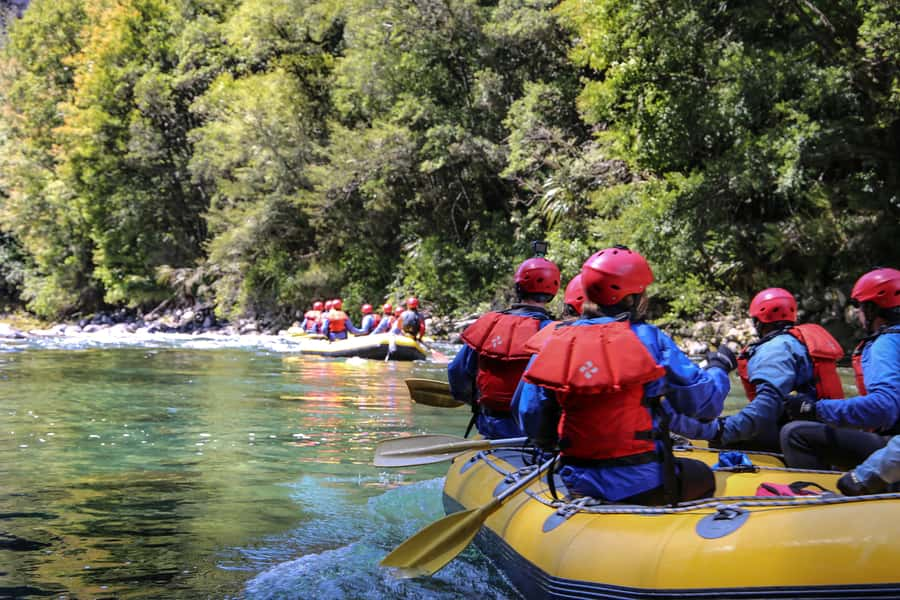
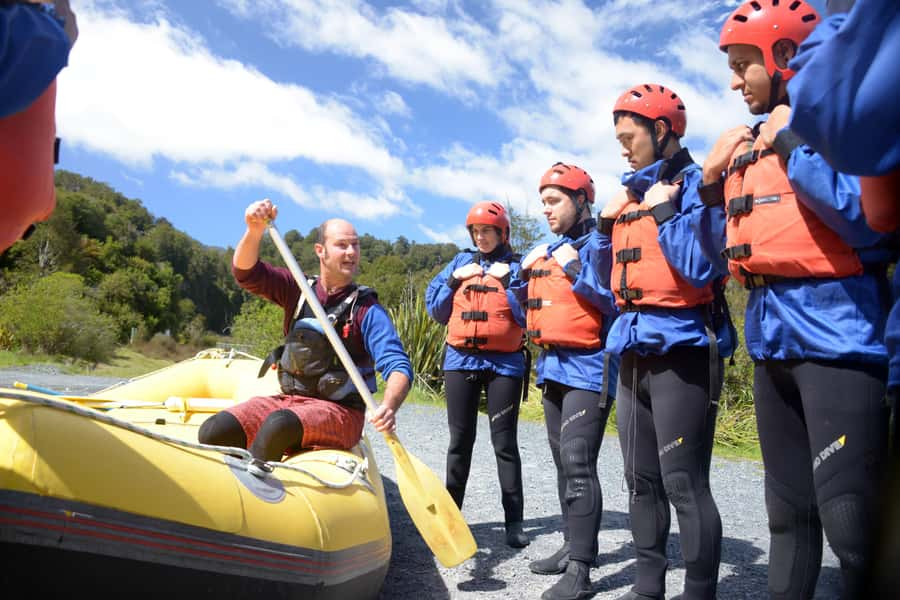
Before the raft moves into the rapids, your guide gives a full safety briefing and explains how to paddle. This is not filler before the fun starts. It is the part that helps a beginner understand how to sit, hold the paddle, respond to instructions, and work with the rest of the boat.
Pay close attention here. A clear safety talk makes the later rapids easier to read, and it helps you stay calm when the water gets noisy or the raft changes direction quickly. Guides have been praised for being supportive, attentive, and reassuring, which is especially useful if you arrive wondering if you have taken on too much.
You do not need to arrive as a strong paddler. You do need to listen and take part. The raft depends on the group, so passive sightseeing is not really the point. Your guide makes the major decisions, but your paddling helps the boat respond.
Alcohol and drugs are not allowed, and you should not arrive intoxicated. That is a basic safety rule for any active river trip, but it matters even more when a group must respond to instructions at speed.
What 60 Grade 3 rapids feel like
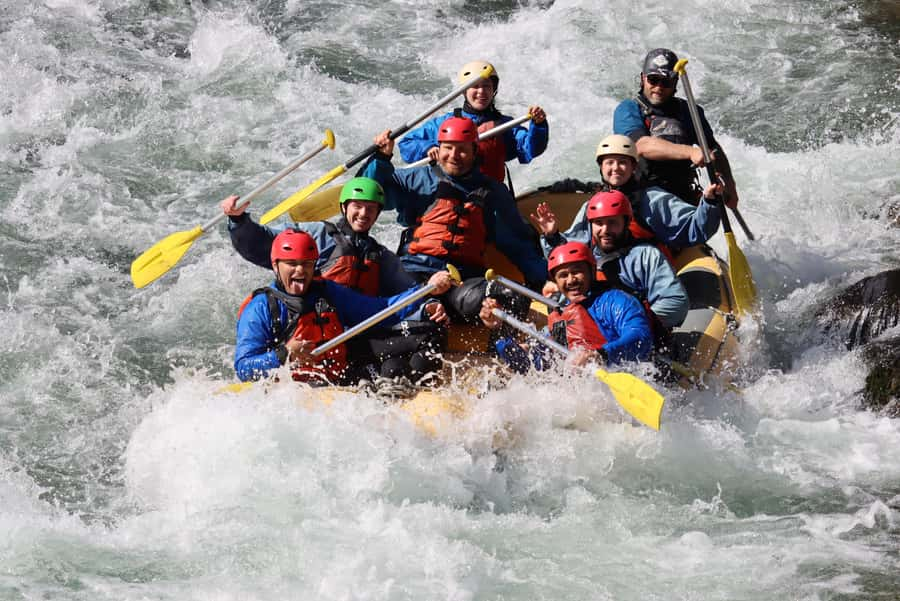
The word Grade 3 can sound technical, but the useful point is that you will encounter active, heart-pounding water with regular changes in pace and direction. The rapids are described as fun roller coaster sections, and the number of them keeps the action spread across the route.
Some parts will give you a moment to reset and take in the river. Then the guide will direct the group toward another rapid, and your attention returns to paddling. That pattern makes the trip more varied than a single large obstacle. You get repeated chances to improve your timing as the day goes on.
For a first-timer, the first few rapids may feel like the biggest challenge simply because the movement is new. The guide’s instructions and the group format help you settle in. By the later sections, you should have a clearer sense of when to paddle hard and when to wait for the next command.
The activity is still physical. You should be comfortable taking part in a wet, active outdoor experience and following directions. The information provided does not promise a calm-water option or an easier route, so book this because you want real whitewater, not a gentle float.
A few more Tongariro trips worth a look
- Premium Tongariro Crossing Guided Group Walk
★ 4.5 · 221 reviews - Tongariro Alpine Crossing: Premium Guided Hike
★ 4.6 · 189 reviews - Tongariro Crossing Park & Ride (Ketetahi)
★ 4.0 · 98 reviews - Tongariro Crossing Round trip transfer from Turangi
★ 5.0 · 68 reviews
Scenery beyond the road
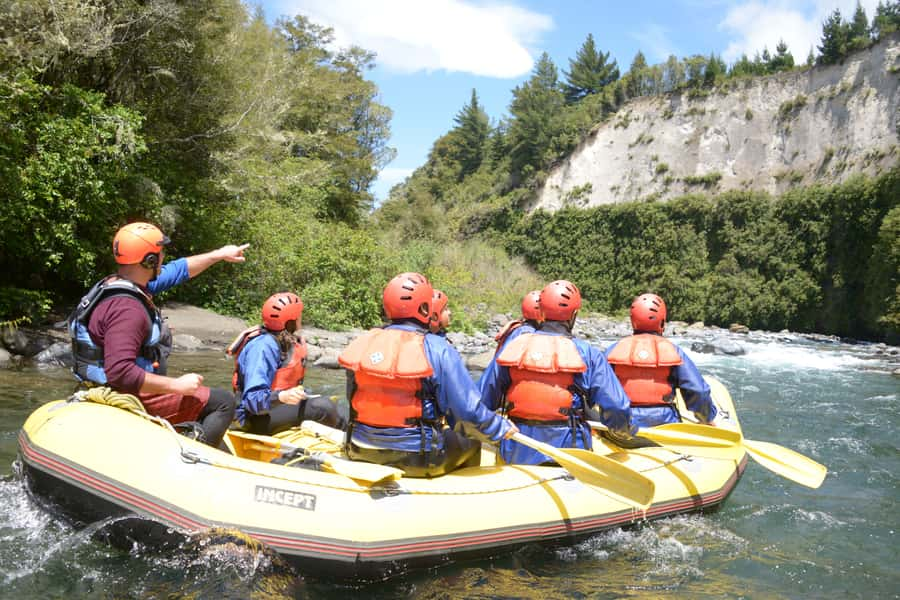
The Tongariro River is not only a setting for the rapids. The upper sections provide views reached directly from the water, giving you a different angle on the river environment. You will have to split your attention between the guide, your paddle, and the scenery, but that is part of the appeal.
Keep your eyes open during calmer moments. The river is one of the places where you might spot New Zealand’s rare blue duck. The chance is not guaranteed, and the rafting action may make wildlife watching brief, but the possibility gives the route another layer of interest.
The setting also helps explain why this trip is more than a standard thrill ride. You are moving through a natural river corridor rather than riding a purpose-built attraction. The water decides the pace, and the scenery changes with your position in the raft.
Rain or hail need not ruin the outing. One account describes both as adding to the fun, though weather can make the experience feel tougher and wetter. If the forecast looks unsettled, pack with that in mind and accept that the river day may be more rugged than polished.
Is $112 good value?
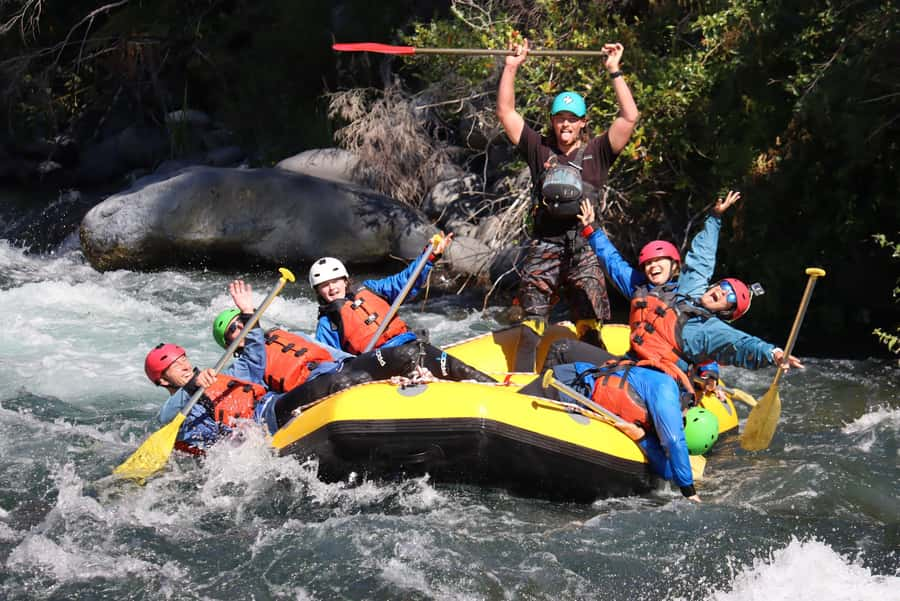
At $112 per person, this is a fair price for a four-hour guided rafting outing. The cost covers the expert guide, required equipment, life jacket, safety instruction, and the bus transfer from the Turangi base to the river start. You are paying for both the gear and the supervision that make Grade 3 water accessible to a wider range of people.
The duration is also useful. Four hours is long enough to make the trip feel like a main activity rather than a quick add-on, while leaving part of your day for other plans around Turangi and the wider Tongariro area.
The extra cost to watch is digital photography. Photos are available to purchase after the rafting, but they are not included. I would decide in advance how much a photo package matters to you. If you are travelling on a tight budget, the included experience already offers the main value. If you want proof of your first rafting trip, set aside extra money.
The value is strongest for a group that wants a shared activity. You are not simply buying a seat in a boat. You are paying for a structured challenge in which everyone has a role, and the guide helps turn separate paddlers into a team.
Who will enjoy this most?
This trip suits adults, older children, couples, families with eligible children, and groups of friends who want active fun without needing previous rafting experience. It is particularly good for someone who feels nervous about whitewater but still wants to try it. The guide support and clear instructions can make the difference between feeling overwhelmed and feeling capable.
Children must be at least 11. Those aged 11 or 12 need to be accompanied by a responsible adult. The activity is not suitable for children under 11, and unaccompanied minors are not allowed.
It also works well for people who want a shared achievement. The most praised part of the experience is not just the rapids. It is the way the guide helps everyone communicate, paddle together, and feel more confident as the trip continues.
You may want to choose another activity if you dislike getting wet, do not want to follow group commands, or prefer a quiet nature outing. The scenery is attractive, but this is first and foremost a whitewater trip.
Timing, cancellations, and practical planning
The activity lasts four hours, but you should check the available start times before booking so it fits your day. The operator requires a minimum number of participants for the trip to run. Even after confirmation, the outing could be cancelled if that number is not reached. In that case, you are offered another date or a full refund.
You can cancel up to 24 hours before the activity for a full refund. A reserve-now-and-pay-later option is also available, which helps if you are still arranging the rest of your New Zealand schedule.
The tour is guided in English. If you need instructions delivered in another language, this may not be the right choice. Since rafting depends on quick commands, you should be comfortable understanding the guide during the safety talk and on the river.
Plan to return to the base with enough time for the photo option if you want to look at the images. Digital photos are purchased separately, so they are an optional extra rather than part of the basic outing.
My verdict on the Tongariro rafting trip
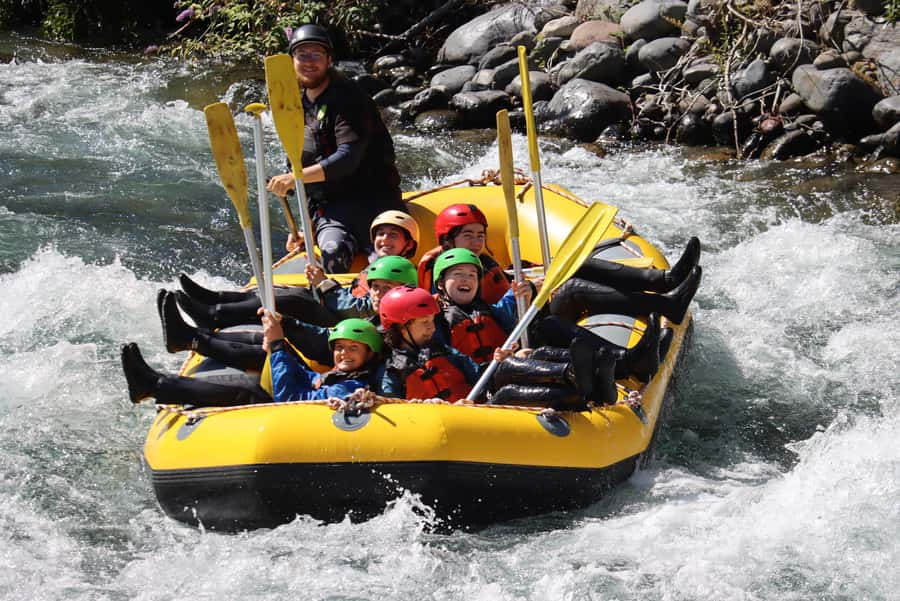
I would choose this experience if I wanted a manageable but genuine introduction to whitewater rafting in New Zealand. The combination of more than 60 Grade 3 rapids, a four-hour schedule, included equipment, and supportive guides gives it strong appeal for beginners.
Its best feature is the balance. You get repeated action, not one short splash, but you also get river scenery and the chance to watch for a rare blue duck. The guides appear to put real attention into safety, confidence, and group teamwork, with Fletcher and Sarah receiving especially warm praise for those qualities.
Book it if you are ready to get wet, paddle as part of a team, and accept that Grade 3 water brings some real excitement. Skip it if you want a dry sightseeing tour or if you cannot bring required medication. For most active visitors aged 11 and up, the $112 cost looks justified by the time on the river and the gear and instruction included.
FAQ
How long does the Tongariro River rafting activity last?
The rafting experience lasts four hours, including the preparation and river activity.
How many rapids will I raft through?
You will tackle more than 60 Grade 3 rapids on the Tongariro River.
Is the rafting suitable for beginners?
Yes. The activity is designed for both novice rafters and people with more experience. Your guide provides safety information and paddling instructions before you start.
Where does the activity meet?
You meet at Tongariro River Rafting, 133 Atirau Road, Turangi 3353.
What equipment is included?
The activity includes the required rafting equipment, including a life jacket, as well as an expert guide and full safety briefing.
What should I bring?
Bring swimwear, a towel, and any personal medication you need. Arriving without personal medication could mean that you cannot raft.
What is the minimum age?
Children must be at least 11 years old. Children aged 11 and 12 must be accompanied by a responsible adult, and unaccompanied minors are not allowed.
Are photos included in the price?
No. Digital photos from the rafting trip are available to purchase separately.
Just added around Tongariro
- Tongariro Crossing : PRIVATE TRANSFER Leaving AUCKLAND★ 5.0 · 3 reviews
- Tongariro Alpine Half Day Guided Group Walk★ 4.9 · 12 reviews
- Taumarunui: Forgotten World Rail Cart Tour with Lunch★ 5.0 · 12 reviews
- Taumarunui: Railcart and Jetboat Adventure with lunch★ 4.7 · 6 reviews
- From Taumarunui: The Republic Rail Cart Adventure★ 5.0 · 5 reviews
- Tongariro Crossing Secure Parking & Shuttle one way★ 5.0 · 45 reviews
- Tongariro Thrills: Grade 3 Whitewater Rafting Adventure★ 5.0 · 36 reviews
- Tongariro Crossing Round trip transfer from Turangi★ 5.0 · 68 reviews
White Water Rafting, compared.
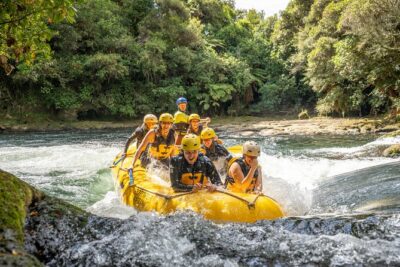
Rotorua Rafting: Kaituna River White Water Rafting & Free Sauna
Read our review →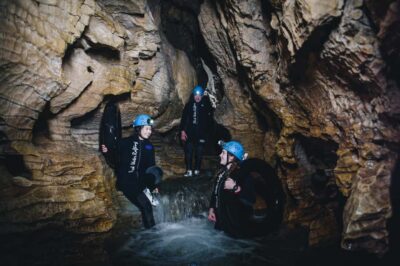
Waitomo Caves: Labyrinth Black Water Rafting Experience
Read our review →
White Water Rafting – Kaituna Cascades, The Originals
Read our review →
Rotorua Rafting: Kaituna River White Water Experience
Read our review →
Rafting Rotorua Kaituna White Water Rafting | Kaitiaki Adventures
Read our review →
Black Water Rafting Experience Waitomo Caves Tour
Read our review →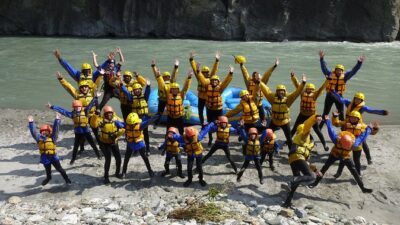
Family Adventures Rafting and Sightseeing Trip in Queenstown
Read our review →Browse the lists this tour appears in