
Reviewed · EVENING EXPERIENCES
Twilight at the Opera
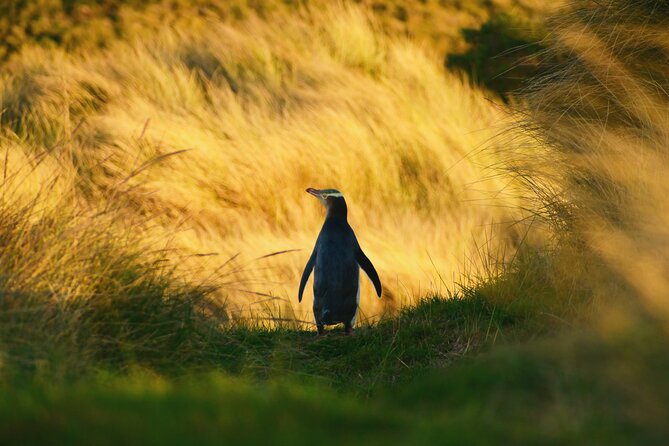
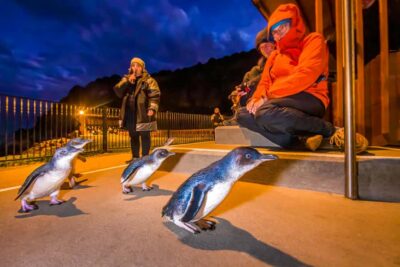
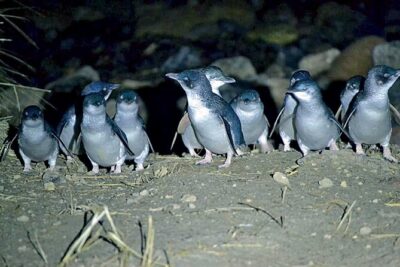
The best reason to choose Twilight at the Opera is its timing. As the sun drops over the Otago Peninsula, you watch for endangered hoiho, or yellow-eyed penguins, returning from the sea. You may also spot fur seals, sea lions, shorebirds, land birds, and native fauna in a private reserve.
I like the small maximum group of 15, which gives the outing a quieter feel than a large wildlife bus tour. I also like that your $46.54 fee helps pay for penguin rehabilitation, habitat restoration, conservation, and education. The trade-off is simple: wild penguins follow their own schedule, so you may see none on the beach. Rain and cold can also make the final walk uncomfortable.
Key points to know before booking
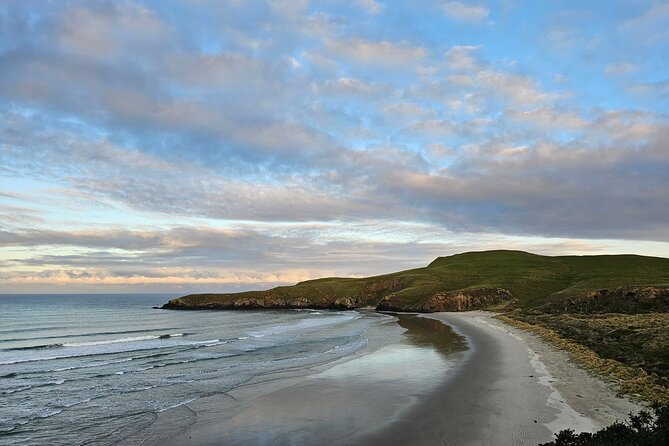
- Sunset is the star: The changing evening light gives the reserve its special mood and may coincide with hoiho returning from the sea.
- Three-part visit: You begin with a theatre presentation, visit the rehabilitation centre, and finish outside in the reserve.
- Wildlife is never guaranteed: The tour offers a chance to see yellow-eyed penguins in nature, not a promise of a beach sighting.
- Small group format: The tour accepts no more than 15 people, a useful advantage for a quiet wildlife experience.
- Useful gear is supplied: You can borrow high-quality binoculars and waterproof jackets at no extra cost.
- Conservation is built in: Tour income directly supports the alliance’s care, restoration, and education work.
Why twilight changes the Otago Peninsula experience
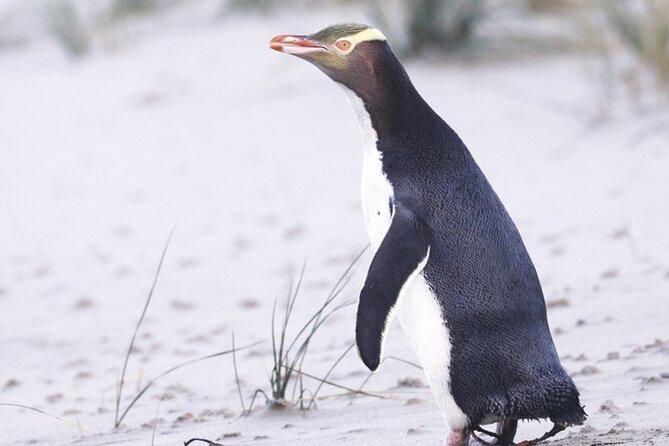
A sunset wildlife visit asks you to slow down. You are not simply checking off a penguin sighting before moving to the next stop. You are watching the reserve change as daylight fades, listening for movement, and waiting to see what returns from the water.
That timing matters most for hoiho. Yellow-eyed penguins spend the day foraging at sea, and at certain times of year the evening gives you the best chance to see them come ashore and head toward their nests. The timing varies with the season and the birds, so this is a genuine wildlife encounter rather than a staged display.
I like that the tour takes place within a private reserve. It gives the organisation a controlled setting for conservation work while still allowing you to see native wildlife in its natural surroundings. Fur seals, sea lions, shorebirds, land birds, and other native animals may appear, though no particular animal is promised.
The sunset itself is worth considering. Light across the Otago Peninsula can be beautiful, but it also means conditions change quickly. Bring warm clothing even if the afternoon is mild, and take the waterproof jacket offered on the tour if rain is in the forecast. One wet outing included careful walking and borrowed rain gear, yet the experience still worked well for the people on it. That is a fair warning: this is an outdoor wildlife visit, not a dry indoor attraction.
A few more Dunedin trips worth a look
- Oamaru: Penguins Evening Viewing Ticket
★ 4.5 · 682 reviews - Twilight Glowworm Kayak Tour – Lake Karapiro
★ 5.0 · 493 reviews - Guided Evening Penguin Viewing Otago Peninsula, Dunedin, New Zealand
★ 5.0 · 471 reviews
Starting at 45 Pakihau Road near Portobello
The tour begins and ends at 45 Pakihau Road, Portobello, Dunedin 9077. Since the activity returns to its starting point, you do not need to arrange a separate pickup point at the end.
The location places you on the Otago Peninsula, where the reserve setting is central to the experience. Check the local sunset time when you book, since the attraction of this tour depends heavily on the light and the season. The booking page gives the duration as about 90 minutes, which makes it a manageable addition to a day exploring Dunedin and the peninsula.
A mobile ticket is accepted. Confirmation arrives when you book, so keep the ticket available on your phone. The tour does not include alcoholic drinks, though that is hardly a concern during a short wildlife walk where your attention is better spent on the reserve.
You should be comfortable with a moderate level of physical activity. The exact walking distance is not given, but the final part takes place outdoors and may include wet or uneven ground. Rain makes careful footing especially important. Good walking shoes and warm layers are sensible choices, even though waterproof jackets and binoculars are supplied.
Part one: a theatre introduction to hoiho
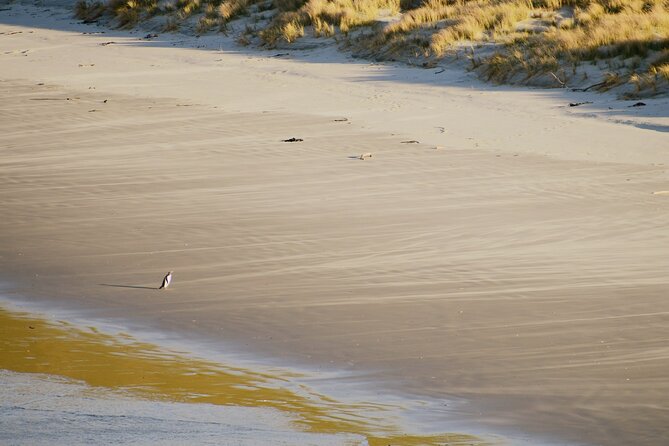
Your visit begins indoors in a theatre setting. This short introduction explains the hoiho and the conservation work being done to protect it.
That first section gives the later wildlife viewing some needed context. Yellow-eyed penguins are endangered, so seeing one is not just a photo opportunity. You learn why the species matters and why protection, rehabilitation, habitat restoration, and education all form part of the reserve’s work.
The theatre presentation also helps set expectations. A penguin may not appear on cue, and an evening with no wild sighting can still be worthwhile if you understand the pressures facing the species and the reason the reserve exists.
I prefer this approach to racing outside with binoculars and hoping for luck. The indoor introduction is brief within a 90-minute tour, but it gives meaning to the outdoor portion. It also makes the experience suitable for visitors who want more than a quick wildlife photograph.
The supplied information does not name the guide, so you should not expect a particular host. The tour includes a guide and driver, and the small group limit should make it easier to hear the presentation and ask questions as you go.
Part two: penguins in the rehabilitation centre
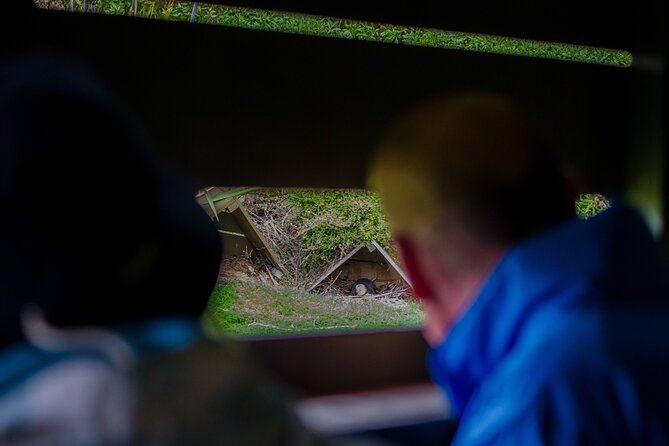
Next, you visit the rehabilitation centre. Hoiho and other penguin species can be seen up close when birds are in care.
This is the most dependable part of the penguin experience, but even here the wording matters. Birds are present only when they are receiving care. You might see penguins close by, or the centre might have fewer animals at the time of your visit.
A previous outing saw two yellow-eyed penguins in the rehabilitation section even though no wild birds came up from the beach. That detail tells you how to think about the tour. The rehabilitation centre can provide an important penguin sighting, but it does not replace the feeling of seeing a healthy bird return freely from the sea.
The centre is valuable for another reason. Your admission helps fund the work that takes place there. The Otago Peninsula Eco Restoration Alliance uses tour operations to support conservation, rehabilitation, restoration, and education. In practical terms, you are paying for an experience that also helps maintain the work you are learning about.
For families and first-time wildlife visitors, this indoor section can be a reassuring part of the tour. You are not relying entirely on a distant glimpse through binoculars. For serious photographers, expectations should stay modest. No promise is given about how close birds will be, how long they will be visible, or whether photography conditions will suit you.
Same corner of the country, a very different day out:
- Speight’s Brewery Tour & Guided Tasting
★ 5.0 · 508 reviews - Dunedin: Wildlife and Penguin Tour
★ 4.6 · 239 reviews - Shore Excursion: V8 Trike, Peninsula and City Tour
★ 5.0 · 207 reviews - Olveston Historic Home Guided Tour
★ 5.0 · 205 reviews
Part three: sunset in the private reserve
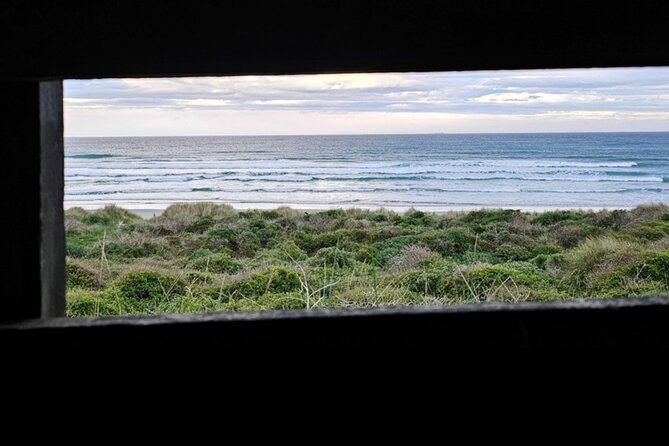
The final section takes you outside into the reserve as evening arrives. This is where you use the high-quality binoculars and watch for wildlife.
The main target is the hoiho returning from a day at sea. At the right time of year, this can be the strongest opportunity to see them in the wild. Still, the birds choose when and where to appear. Even an excellent guide cannot make them land at a particular minute.
That uncertainty is part of the value, but it is also the main drawback. If seeing a yellow-eyed penguin is the only reason you are booking, you may leave disappointed. If you enjoy patient wildlife watching and can appreciate seals, sea lions, birds, scenery, and conservation work as part of the outing, the tour offers better value.
The binoculars matter here. Wildlife may be some distance away, and good optics make a real difference when light is fading. The included waterproof jackets are just as practical. Otago Peninsula weather can turn a pleasant evening into a cold, wet one, and the loaner jackets let you take part without buying special gear for a single outing.
The reserve may also produce sightings of fur seals and sea lions, along with shore and land birds. The supplied information does not promise a particular species or number, so treat every sighting as a bonus. Keep your attention spread across the reserve rather than staring at one expected spot.
What the $46.54 price really buys
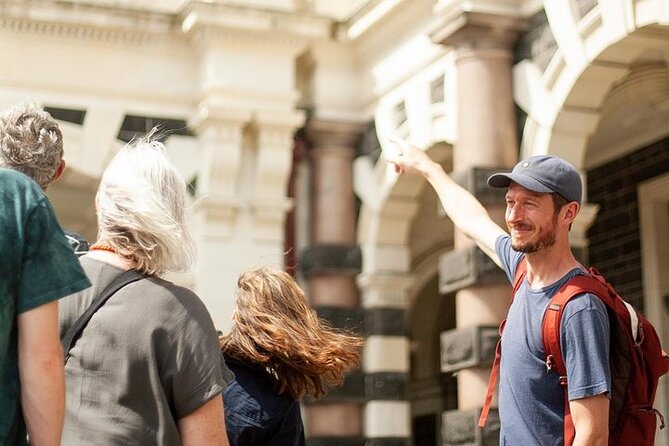
At $46.54 per person, this is not priced like a simple scenic walk. You are paying for a guided 90-minute visit, the theatre presentation, access to the rehabilitation centre when birds are in care, use of binoculars, a waterproof jacket, and the chance to view wildlife in a private conservation reserve.
The conservation contribution makes the price easier to assess. Tour operations directly fund the alliance’s rehabilitation, restoration, education, and wildlife protection work. If you want your wildlife spending to support the place you visit, that is a meaningful part of the calculation.
The price is less attractive if you want a guaranteed close-up penguin encounter. No tour can promise a wild hoiho sighting here, and the centre’s birds depend on which animals are receiving care. You are buying access, guidance, equipment, and a well-timed opportunity, not a scheduled animal performance.
The small group limit improves the value. With no more than 15 people, the visit should feel more personal than a large coach outing, and wildlife viewing is less likely to become a crowd-management exercise. The listing does not specify transport from central Dunedin, so plan on reaching 45 Pakihau Road yourself unless the operator gives you different instructions.
The tour is typically booked 47 days ahead. That figure is useful for planning, especially if your dates are fixed. It does not mean you must book exactly that early, but it suggests that leaving the decision until the last minute may not be wise during busy periods.
Rain, cold, and the practical side of the walk
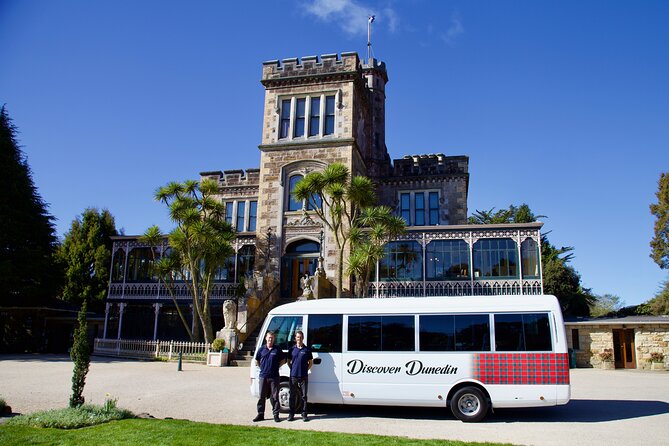
The most useful advice comes from the weather. A cold, rainy evening did not ruin one visit, but it did require care while walking. Take that seriously.
Wear warm layers and sturdy shoes. Use the complimentary waterproof jacket rather than trying to make do with a light coat. You will be outside at sunset, when temperatures can drop, and rain can make footing more difficult.
The tour requires a moderate physical fitness level. That is not the same as a strenuous hike, but you should be ready to stand and walk outdoors for part of the 90 minutes. The exact terrain and distance are not specified, so anyone with mobility concerns should ask the operator for current details before booking.
The supplied binoculars are a real help, especially as the light fades. Handle them carefully and follow the guide’s instructions around wildlife. Quiet observation gives you the best chance of seeing animals behave naturally.
Keep your phone charged for the mobile ticket, but do not let the ticket and camera distract you from the setting. The best moments may be brief: a penguin moving through the grass, a seal near the shore, or birds crossing the evening sky.
Who will enjoy Twilight at the Opera most?
I would choose this tour if you care about conservation and want a compact wildlife experience with some educational content. The combination of the theatre presentation, rehabilitation centre, and outdoor reserve gives you more substance than a short lookout stop.
It suits couples, families with older children, and visitors who want a calm evening activity. The small group size should help, and the 90-minute duration leaves room for another dinner or evening plan in the Dunedin area.
It is also a good fit if you prefer supporting a working conservation project. Your fee helps fund the alliance’s activities, so the outing has a direct purpose beyond entertainment.
I would hesitate if you need a guaranteed penguin sighting, dislike cold or wet weather, or want a long, intensive wildlife expedition. The tour is short, and sightings depend on the animals. A bad-weather sunset can also limit comfort and visibility.
Cancellation is flexible if your plans are uncertain. You can receive a full refund by cancelling at least 24 hours before the start time. Cancellations or changes made inside that 24-hour window are not accepted for a refund.
Should you book this sunset wildlife tour?
Book Twilight at the Opera if you value the chance to see hoiho in the wild, understand that nature sets the schedule, and like the idea of paying into conservation. The two strongest features are the small group and the direct support for rehabilitation and restoration work.
Go with realistic expectations. You may see yellow-eyed penguins at the rehabilitation centre but not on the beach, as happened on a cold and rainy outing. You may also see seals, sea lions, and birds, while the sunset gives the reserve a changing backdrop.
At $46.54, the tour offers fair value for a guided 90-minute visit with binoculars, waterproof jackets, indoor education, and conservation access. Choose it for the complete experience, not for a guaranteed photograph of a penguin. If that sounds right to you, this is a thoughtful and practical way to spend an evening on the Otago Peninsula.
FAQ
Where does Twilight at the Opera begin and end?
The tour begins at 45 Pakihau Road, Portobello, Dunedin 9077, New Zealand, and ends back at the same meeting point.
How long does the tour last?
The experience lasts approximately 1 hour and 30 minutes.
Will I definitely see a yellow-eyed penguin in the wild?
No. The tour offers an opportunity to see hoiho returning from the sea, but wild sightings are not guaranteed. Penguins may be present in the rehabilitation centre when birds are in care.
What wildlife might I see?
Possible sightings include yellow-eyed penguins, fur seals, sea lions, shorebirds, land birds, and other native fauna. The specific animals and number of sightings can vary.
Are binoculars and rain protection provided?
Yes. High-quality binoculars and complimentary waterproof jackets are provided for use during the tour.
What happens if I need to cancel?
You can cancel for a full refund at least 24 hours before the experience begins. Cancellations or changes made less than 24 hours before the start time are not accepted for a refund.
Just added around Dunedin
- Invercargill to Dunedin via the Catlins Small Group 1 Way Tour★ 5.0 · 5 reviews
- Dunedin City – Settlers & Voyages Tour★ 5.0 · 13 reviews
- Wildlife and Penguin Tour★ 5.0 · 27 reviews
- Speight’s Brewery Tour & Dinner★ 5.0 · 7 reviews
- Private Guided Tour of Dunedin City Heritage and Unique Wildlife and Scenery★ 5.0 · 36 reviews
- Shared Small Group Dunedin City and Peninsula Scenery Day Tour★ 5.0 · 5 reviews
- Southern Skies Stargazing Tour in Dunedin★ 5.0 · 62 reviews
- Dunedin City to Sea Wildlife Cruise + Peninsula Bus Tour★ 5.0 · 38 reviews
Evening Experiences, compared.
Guided Evening Penguin Viewing Otago Peninsula, Dunedin, New Zealand
Read our review →

Te Puia: Te Pō Evening Hāngī Buffet and Cultural Experience
Read our review →
Browse the lists this tour appears in