
Reviewed · HIKING & TREKKING
Tongariro Alpine Crossing: Premium Guided Hike
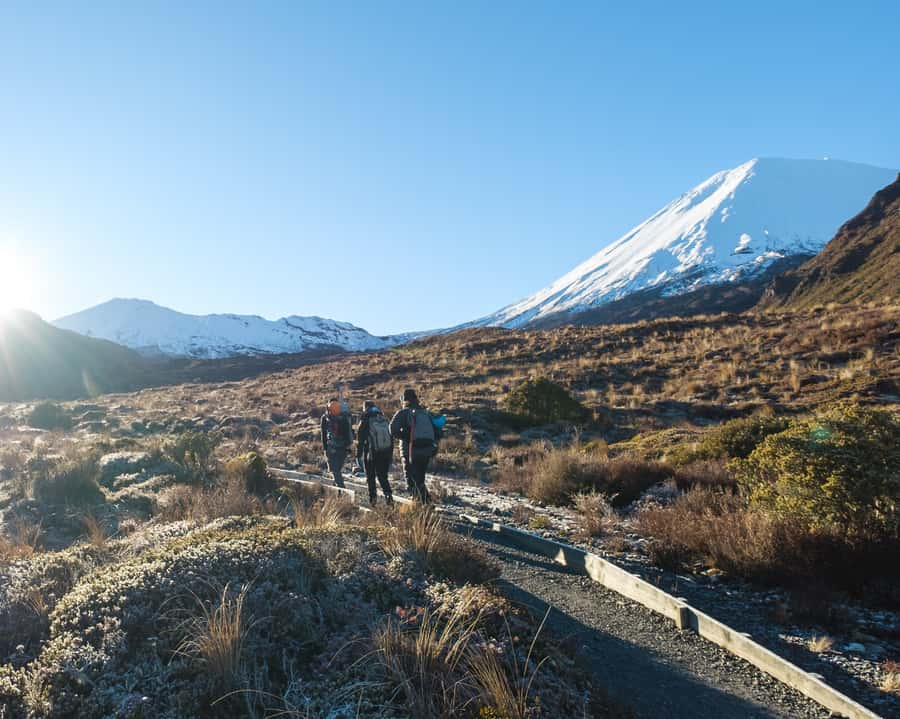
The Tongariro Alpine Crossing gives you a full day of volcanic drama: red craters, mineral-stained ground, steaming springs, and the bright Emerald and Blue Lakes. You walk between Mt. Ngauruhoe, Mt. Tongariro, and Mt. Ruapehu, with a guide who can explain the ground beneath your boots and change the plan when conditions turn.
I like the route flexibility, which lets you reach the famous sights while using quieter paths when possible. I also like the practical support: transport from the Adrift base, winter equipment when needed, clothing and footwear hire credit, and guides who help with cramps, fatigue, or sudden weather problems.
The catch is simple: this is a hard mountain walk, not a gentle sightseeing stroll. Weather can cancel, shorten, or reshape the day, and reaching the Ketetahi end is not guaranteed. You need a reasonable fitness level, good layers, and the humility to accept that the mountain gets the final say.
Key points to know before you book
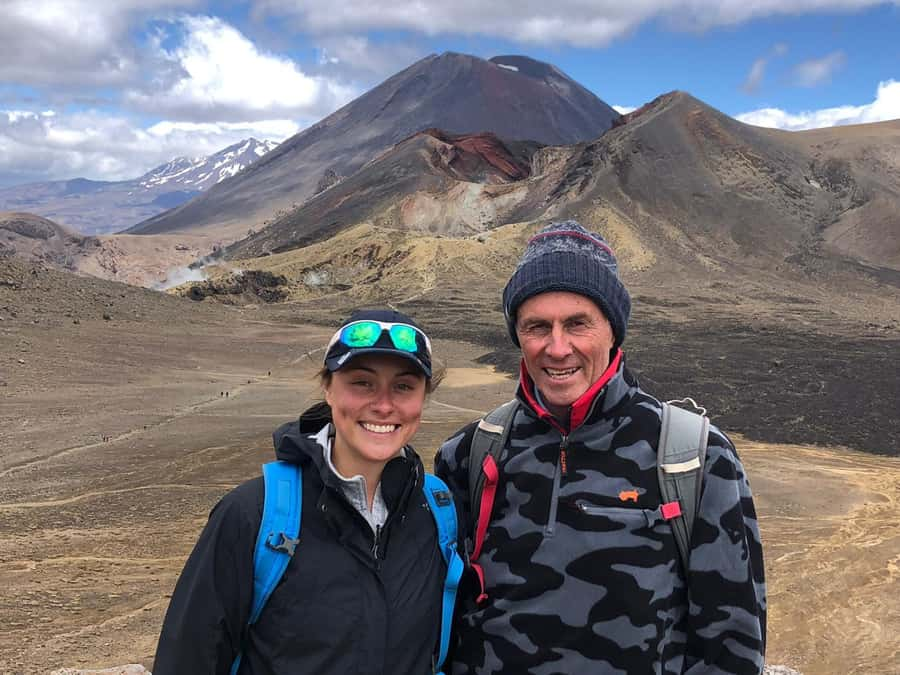
- Red Crater and the Emerald Lakes: The most striking part of the walk is a series of sharp volcanic forms and intensely coloured lakes created by minerals and past eruptions.
- Guides make a real difference: Adrift guides such as Stu, Hiro, Kayla, Ty, and Hannah have helped people manage fatigue, cramps, changing weather, and uneven pace.
- Winter is a different trip: Snow, ice, and cold replace the easier summer trail. Crampons and ice axes are supplied if required.
- The full crossing is not promised: Wind, snow, avalanche risk, ice, hypothermia, and group ability can change the route.
- The day lasts about nine hours: This includes roughly 25 minutes each way in the van and about eight hours on the mountain.
- The price includes useful support: At $254 per person, you get guiding, local transport, winter equipment if needed, and $60 toward clothing and footwear hire.
Why this crossing is worth a full day
The Tongariro Alpine Crossing is famous for good reason. It packs several types of volcanic scenery into one demanding day, from native bush and mountain springs to bare slopes covered in scoured rock and ash.
The route passes between Mt. Ngauruhoe and Mt. Tongariro, with views toward Mt. Ruapehu when the sky allows. Lord of the Rings fans may recognize Ngauruhoe as Mt. Doom, but the real appeal is geological rather than cinematic. The mountains feel raw, young, and unfinished.
I especially like the way the scenery keeps changing. One hour you may be walking through bush, and later you are crossing open ground marked by red, black, yellow, and green mineral deposits. Sulphur, aluminium, silica, and other materials from inside the Earth help create those colours and textures.
That variety also explains why the day feels longer than a simple summit walk. You are not just climbing to one viewpoint and turning around. You are crossing a large volcanic area, with steep sections, loose surfaces, exposed ground, and a long descent.
More hiking tours in Tongariro:
- Tongariro Alpine Crossing One Way Shuttle from Ketetahi
★ 4.0 · 68 reviews - Tongariro Alpine Crossing One-Way Ketetahi Only Private Carpark
★ 4.5 · 57 reviews - Tongariro Alpine Crossing: Round-Trip Shuttle Service
★ 4.6 · 44 reviews
Starting at Adrift Tongariro in National Park
Your day begins at the Adrift Tongariro base and shop at 53 Carroll Street in National Park. From there, the group takes a van for about 25 minutes to the walking area.
That short transfer matters. You do not need to arrange your own transport between the base and the trail, and your guide can use the drive to set expectations for the day. If you are staying in Taupo, Turangi, or Whakapapa Village, return transfers can be arranged for an extra charge, with a minimum of two people.
At the base, you can sort out rented gear if needed. The booking includes $60 toward clothing and footwear hire, which is useful if your luggage does not include proper mountain equipment. You still need to bring food, water, personal medication, and suitable layers.
The company accepts solo bookings and generally meets minimum numbers, especially when the weather is good. That makes this a practical option if you are travelling alone and do not want to gamble on finding a group at the last minute.
Eight hours among craters, springs, and open rock
The mountain portion takes about eight hours, although the exact pace and route depend on weather, snow, group fitness, and safety checks. Your guide leads the group along the standard sights and may use alternate paths to reduce crowding.
The first part brings you into the volcanic setting, where the ground changes from native bush to exposed rock and ash. Mountain springs and old volcanic features help show that this is not one single crater or eruption site. It is a broad volcanic zone shaped at different times.
As you climb, you begin to see craters with different colours and forms. Some slopes look almost sculpted, while others are covered in loose volcanic rock that makes each step less secure. Walking poles are not listed as standard equipment, so bringing your own can be helpful if you use them, though one exhausted participant was assisted with walking sticks during the descent.
The open sections can feel spectacular in clear weather and severe in poor weather. The mountain has little patience for light clothing, weak footwear, or a casual attitude toward forecasts. Take a windbreaker and waterproof raincoat even on a sunny morning.
Red Crater and the high point of the day
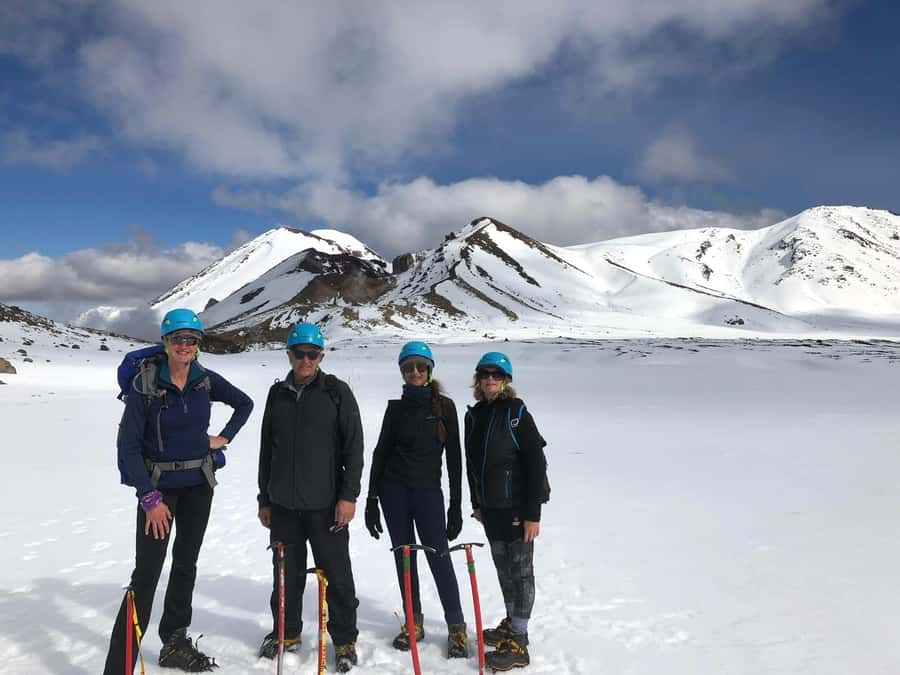
Red Crater is one of the key sights and one of the reasons this route feels unlike an ordinary New Zealand hike. The red tones come from volcanic material and mineral deposits, giving the crater a harsh, almost otherworldly appearance.
This is also where conditions can change quickly. Strong wind may prevent you from crossing exposed sections or reaching every planned point. One account describes the possibility of being unable to cross a gorge because the wind became too strong, with the final decision only becoming clear once the group reached the higher ground.
You should treat the summit section as conditional, not guaranteed. A good guide will weigh wind, ice, snow, visibility, avalanche risk, and the condition of the group before deciding how far to continue.
The effort can pay off handsomely. Clear conditions may open views toward the surrounding peaks and reveal the full scale of Tongariro National Park. In cloud, the experience becomes quieter and more severe, with red rock, white mist, and limited visibility creating a very different kind of day.
More small-group and private days in Tongariro:
- Premium Tongariro Crossing Guided Group Walk
★ 4.5 · 221 reviews - Premium Milford Sound Small Group Tour & Cruise from Queenstown
★ 5.0 · 3,001 reviews - Waiheke island Wine Tours – PREMIUM wine tasting MAX 11 clients !
★ 5.0 · 1,378 reviews - From Queenstown: Milford Sound Day Trip on Premium Coach
★ 4.6 · 976 reviews
Emerald Lakes, Blue Lake, and the long descent
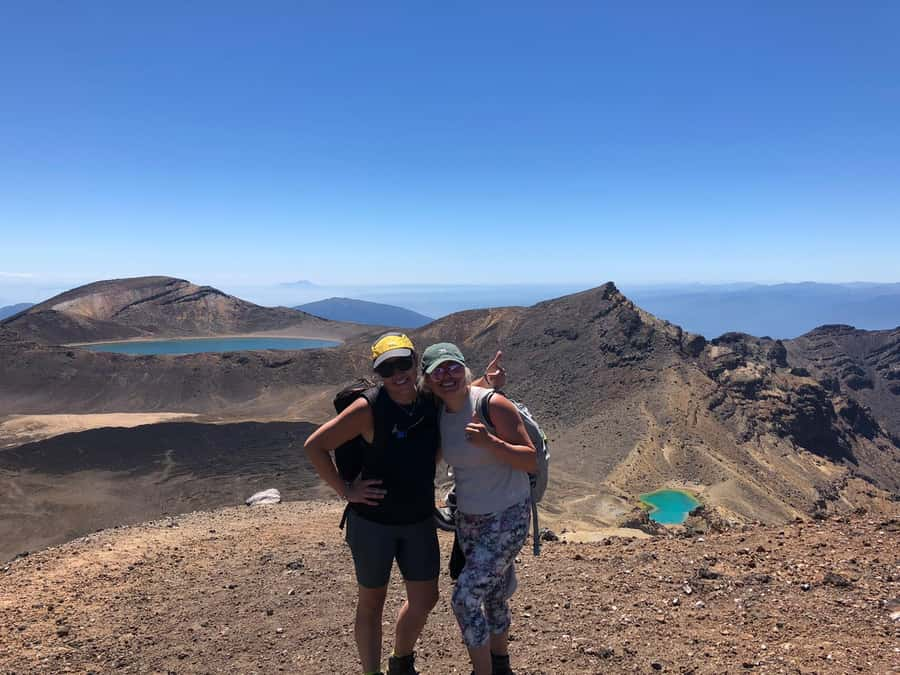
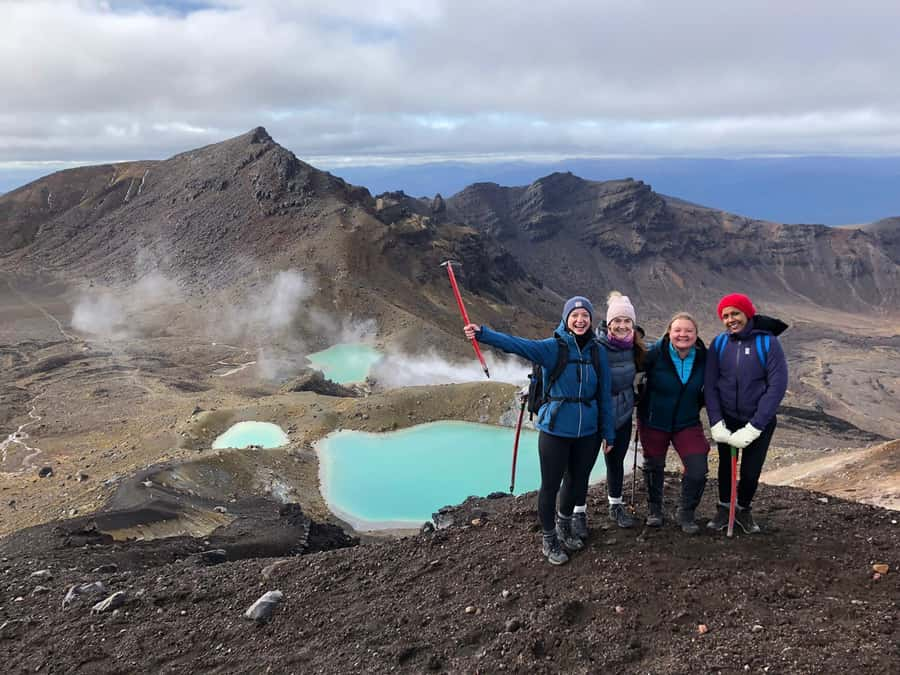
The Emerald Lakes are among the most memorable sights on the crossing. Their colour comes from minerals and volcanic material in the water, not tropical warmth, so you should admire them without treating them as swimming spots.
Blue Lake adds another strong colour change. Together, the lakes show how varied the volcanic ground can be. They are also popular viewpoints, so Adrift’s use of alternate paths may help you experience the area with a little less crowding, though no guided trip can remove the busy periods entirely.
The descent deserves respect. It may look easier on a map, but loose rock and tired legs can make it the most awkward part of the day. One first-time hiker found the downhill section especially difficult, while another developed painful quad cramps despite having plenty of previous hiking experience.
This is where the guide’s role becomes more than storytelling. Adrift guides have supplied electrolyte gels, sugar sweets, snacks, pacing advice, and help with walking technique. If you feel unwell or your legs start to fail, speak up early. The guide can discuss alternatives, adjust the pace, or arrange assistance if you cannot continue.
The walk eventually returns toward the Ketetahi end when conditions and group ability allow. That finish is not guaranteed, so do not make firm evening plans that depend on completing every kilometre.
Summer versus winter on Tongariro
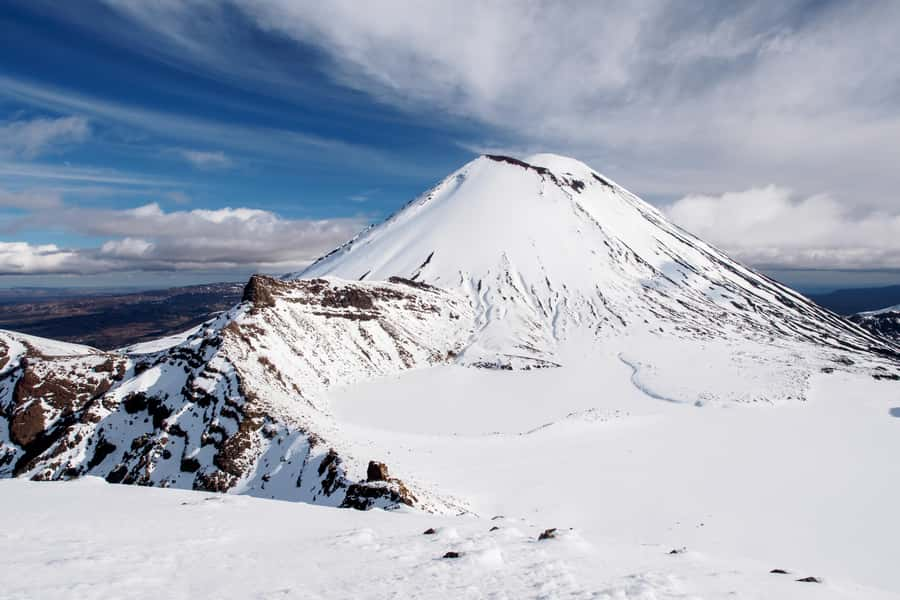
Summer offers longer, easier conditions and a better chance of seeing the crossing’s full range of colours. You still need warm layers because mountain weather can shift from pleasant to cold and wet with little warning.
Bring 1 to 2 litres of water, hiking shoes or boots, walking trousers, a light top, two warm layers, a waterproof raincoat, sun protection, and a daypack. Pack a lunch and snacks. Food is not included, and there are no promises of easy access to supplies once you start walking.
Winter changes the character of the trip. Snow covers the volcanic ground, visibility may drop, and icy surfaces can make ordinary walking shoes unsafe. Adrift supplies crampons and ice axes if conditions require them, and you should bring thermal clothing, over-trousers, three warm top layers, a warm hat, and gloves.
No alpine experience is required. The guides provide training and tuition on the day, so you do not need to know how to use crampons or an ice axe in advance. You do need to be ready for a strenuous outing in cold conditions.
A winter crossing may be beautiful and quiet, but it is not automatically better. Some days produce a clean white scene and a wonderfully organized trail. Other days bring rain, snow, soaked clothing, and a shortened route. Your clothing and attitude matter as much as the date on the calendar.
The value of a $254 guided day
At $254 per person, this is not the cheapest way to see Tongariro. The value rests in the local guiding, transport, safety decisions, and equipment help rather than in a long list of included meals or extras.
You receive the guide, van transport between the Adrift base and the activity, winter crampons and ice axes when required, and $60 toward clothing and footwear hire. Lunch, snacks, and most personal equipment remain your responsibility.
For a confident hiker in stable summer weather, a self-guided walk may look like the better bargain. The guided option becomes more persuasive when you are unfamiliar with the trail, travelling alone, visiting in winter, or unsure how you will handle the distance.
The strongest practical benefit is the guide’s ability to respond to problems. A participant who became sick early in the walk was driven back to accommodation after it became clear that continuing was not safe. Another received help with severe cramping. That kind of support is difficult to put a dollar value on until you need it.
I would also count cultural and geological interpretation as part of the price. Ty, one of the guides, shared Māori culture alongside the natural story of the area. The best guides turn a hard walk into a clearer understanding of why the mountains look and feel the way they do.
Who should book this hike
You should consider it if you want the main Tongariro sights but prefer not to make every safety and route decision yourself. It suits adults and children aged 12 or older who have a reasonable fitness level and can manage a long day on uneven mountain ground.
It is a particularly sensible choice for:
- First-time visitors to Tongariro
- Solo visitors who want organized transport and company
- Hikers visiting outside the warmer months
- People who want help with pacing, navigation, and volcanic interpretation
- Anyone who values a flexible route when the standard plan is not safe
You should think twice if you dislike long descents, have limited fitness, or need a guaranteed finish at Ketetahi. The operator can discuss route options, but no guide can remove the physical demands or control the weather.
Group pace can also affect the day. A private trip may be worth considering if completing the entire route is your top priority and you want more control over timing. The standard guided outing is built around group safety, not a race to the finish.
How to prepare for a better day
Wear footwear that you already trust. The mountain is a poor place to test new boots, and the mix of loose rock, steep ground, and possible mud can expose weak shoes quickly.
Dress in layers rather than relying on one thick jacket. A light base layer, warm mid-layers, and a waterproof outer shell give you more control as the day shifts from sun to wind to rain. Add a warm hat and gloves in winter, and bring a sun hat and sunglasses in summer.
Carry food that you will actually eat when tired. Snacks with carbohydrates and electrolytes can help, especially since cramping affected some participants who were otherwise experienced hikers. Keep personal medication in your daypack and tell the guide about any concern before setting off.
Do not hide fatigue because you are worried about slowing the group. Hannah, Hiro, Stu, Kayla, Ty, and other Adrift guides are there to manage the day as well as describe it. Early information gives the guide more choices.
The cancellation policy is worth noting when you book: you can cancel up to 14 days in advance for a full refund. Still, plan around flexibility. A forecast can change, and the route may be modified even when the trip goes ahead.
Should you book the Adrift Tongariro crossing?
Book it if you want expert support on New Zealand’s best-known one-day hike and accept that the mountain sets the schedule. The Emerald Lakes, Blue Lake, Red Crater, and views toward Ngauruhoe, Tongariro, and Ruapehu make this a major highlight, but the day earns those views through real physical effort.
The $254 price is easiest to justify for solo visitors, winter hikers, first-timers, and anyone who wants a guide ready with practical help. If you are fit, well equipped, and comfortable making your own route decisions in stable weather, a self-guided option may suit you better.
For most people who want to experience Tongariro without treating the crossing as a casual walk, Adrift offers useful judgment, solid support, and a safer way to handle a place where conditions can change fast.
FAQ
How long does the Tongariro Alpine Crossing tour take?
The activity lasts about nine hours in total. This includes roughly 25 minutes in the van each way and about eight hours of guided walking and sightseeing.
Where does the tour meet?
You meet at Adrift Tongariro Base and Shop, 53 Carroll Street, National Park 3948, New Zealand.
Is transport included?
Transport between the Adrift Tongariro base and the activity is included. Return transfers from Taupo CBD, Turangi, and Whakapapa Village are available for an extra charge, with a minimum of two people.
Is lunch included?
No. You need to bring a packed lunch, snacks, and 1 to 2 litres of water.
Do I need alpine experience?
No alpine experience is required. The guides provide training and tuition on the day, including instruction for crampons and ice axes when winter conditions require them.
Is the full crossing guaranteed?
No. Reaching the Ketetahi end is not guaranteed. Weather, wind, avalanche risk, ice, hypothermia, and the condition of the group can affect the exact route.
What equipment is supplied?
Crampons and ice axes are supplied when required for winter conditions. The booking also includes $60 toward clothing and footwear hire at Adrift Tongariro.
How fit do I need to be?
You need a reasonable fitness level for a long, strenuous mountain walk. Tell your guide about any fitness concern before starting, since route options may be available.
Can children join the tour?
Children under 12 are not suitable for this activity. The minimum stated age is 12.
Just added around Tongariro
- Tongariro Crossing : PRIVATE TRANSFER Leaving AUCKLAND★ 5.0 · 3 reviews
- Tongariro Alpine Half Day Guided Group Walk★ 4.9 · 12 reviews
- Taumarunui: Forgotten World Rail Cart Tour with Lunch★ 5.0 · 12 reviews
- Taumarunui: Railcart and Jetboat Adventure with lunch★ 4.7 · 6 reviews
- From Taumarunui: The Republic Rail Cart Adventure★ 5.0 · 5 reviews
- Tongariro Crossing Secure Parking & Shuttle one way★ 5.0 · 45 reviews
- Tongariro Thrills: Grade 3 Whitewater Rafting Adventure★ 5.0 · 36 reviews
- Tongariro Crossing Round trip transfer from Turangi★ 5.0 · 68 reviews
Hiking & Trekking, compared.
Queen Charlotte Track: Cruise & Self-Guided Hike from Picton
Read our review →
2.5 Hour Glacier Hike with Helicopter Transfer
Read our review →
Fox Glacier: Up to 3 Hours Hike with Helicopter Transfer
Read our review →
Rotorua Hiking: Mt Tarawera Guided Volcanic Crater Experience
Read our review →
Cardrona High Country Pub Trail Horse Riding Trek (Intermediate+)
Read our review →
Volcanic Valley Self Guided Walking and Hiking at Waimangu
Read our review →Browse the lists this tour appears in