
Reviewed · TRAIN EXPERIENCES
Queenstown to Dunedin Incl Taieri Gorge Train (One-Way)
The best part of this journey is the change from road to rail. You leave Queenstown through wine country and rugged gorges, then trade the Mercedes-Benz for the Taieri Gorge Train, which carries you through cliffs, tunnels, viaducts, and remote Otago country toward Dunedin. It is sightseeing with a useful purpose: you reach another city without losing a full day to a plain transfer.
I like the small group size, capped at 16, and the stops that take you beyond the main roads. St Bathans, with its old gold mining buildings and Blue Lake, feels far more unusual than a standard roadside photo stop. The main consideration is that this is a long day with a mix of driving, walking, and train travel, and the morning tea at Dunstan House costs extra.
Key points at a glance
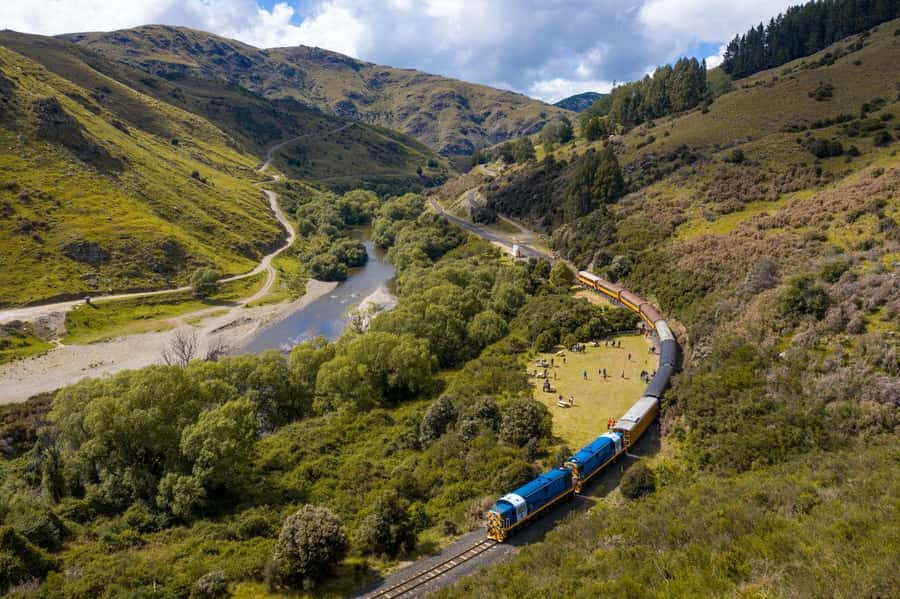
- Two ways to see Otago: Travel by road from Queenstown to Pukerangi, then continue by heritage train to Dunedin.
- St Bathans has real character: See an old gold rush settlement, the 1880 suspension bridge, and mining-made Blue Lake.
- A useful one-way journey: Hotel pickup in Queenstown ends at Dunedin Railway Station, so this works well as a transfer day.
- Small-group comfort: The Mercedes-Benz vehicle carries no more than 16 people, with a guide leading the road portion.
- Morning tea in Clyde: Stop at the restored Dunstan House, with food and drinks available to buy.
- Plan for changing weather: Bring layers, walking shoes, sunscreen, water, and a camera.
Why this Queenstown to Dunedin route works
This is not simply a bus ride between two South Island destinations. The road portion takes you across Central Otago, an area shaped by gold mining, dry inland country, rivers, farming, and old settlements. The train portion then enters terrain that is hard to reach by road.
That combination gives the day a good rhythm. You begin with a guide explaining the route and pointing out places along the way. Later, you settle into a panoramic train carriage and let the scenery pass at a slower pace.
The tour costs $173 per person. I consider that a fair price if you already need to travel from Queenstown to Dunedin and want the transfer to count as a sightseeing day. You are paying for hotel pickup, guided road travel, the Mercedes-Benz vehicle, snacks and water, and the Taieri Gorge Train ticket.
It is less compelling if you only want the quickest or cheapest way between the two cities. The eight-hour duration is the point. You are buying time in the countryside, not efficiency.
More train journeys in Dunedin:
- Dunedin to Queenstown One Way Tour Including Taieri Gorge Train
★ 5.0 · 6 reviews - Northern Explorer Train Journey from Wellington to Auckland
★ 4.0 · 513 reviews - TranzAlpine Train, Arthur’s Pass and Castle Hill Day Trip
★ 5.0 · 426 reviews
Leaving Queenstown through Gibbston and Kawarau Gorge
Pickup is available from a long list of Queenstown hotels, hostels, resorts, and the Frankton Terminus. The available locations include central properties such as the Crowne Plaza, Novotel, Sofitel, and Millennium Hotel, along with places near Frankton and the airport area.
If your accommodation is not listed, choose the nearest available pickup point. If your lodging is not confirmed yet, The Station, Home of Adventure, is the temporary meeting choice that can later be updated.
After a safety briefing, the vehicle heads east. The first part of the route passes through the Gibbston wine region and the Kawarau Gorge. You get a quick sense of how Queenstown’s outdoor setting gives way to a drier, more open part of Otago.
The road beside the gorge is a strong opening to the day. The Kawarau River cuts through steep rock, and the area connects natural scenery with gold rush stories. You do not need to be a railway enthusiast or a history specialist to enjoy it. The appeal is simply seeing the terrain change mile by mile.
The Mercedes-Benz matters here because this is a long road section. A small group of up to 16 people is more personal than a large coach, and the vehicle gives you a more comfortable base for the hours before the train. Do not expect a private tour, but you should expect a more manageable group and a guide who can keep the road journey moving.
Lake Dunstan and the river meeting at Cromwell
The route continues beside Lake Dunstan, a long body of water surrounded by Central Otago hills and open country. The lake gives the road journey a calmer stretch after the narrow gorge.
Cromwell is tied to the meeting of the Clutha and Kawarau Rivers and to the region’s gold mining past. The town is a useful reminder that Central Otago is not just a scenic backdrop. Its roads, settlements, bridges, and watercourses all reflect the search for gold and the later development of inland farming communities.
Much of the view here is seen from the vehicle, so keep your camera ready rather than waiting for a long formal stop. If you want to photograph the lake, river valleys, or farms, sitting where you have a clear window view helps.
This section is also where the day may feel slowest for anyone expecting constant attractions. The tour is built around the overall route, not a series of large attractions with long visits. That is a fair trade for reaching the smaller places later in the morning.
Morning tea at Dunstan House in Clyde
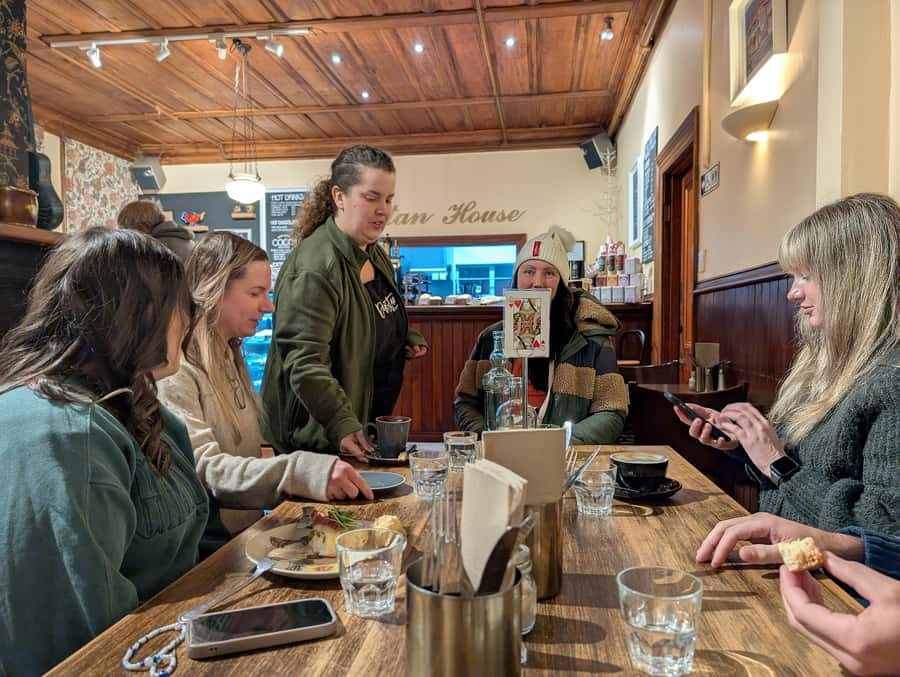
Clyde is the main refreshment stop, with about 15 minutes for coffee, tea, brunch, and a look around. Dunstan House, a restored hotel dating from 1898, once served prospectors and other people moving through the district.
The building gives the stop its appeal. Its older fittings and antique feel connect neatly with the gold rush towns ahead. This is not a long meal break, so keep your order simple and watch the time.
Morning tea is not included in the price. Food and drinks are available for purchase, while water and snacks are provided during the tour. I would carry a small backup snack if you tend to get hungry early, especially since the day continues for several hours after Clyde.
The short stop works best as a chance to stretch your legs, use facilities if needed, and see a historic building rather than as a full café visit. If you prefer an unhurried breakfast, eat before pickup.
More one-way tours in Dunedin:
- Invercargill to Dunedin via the Catlins Small Group 1 Way Tour
★ 5.0 · 5 reviews - Queenstown to Christchurch One-Way Tour via Mt Cook & Lake Tekapo
★ 4.5 · 134 reviews - Queenstown to Christchurch via Mt Cook One-Way Tour
★ 4.7 · 79 reviews - Christchurch to Queenstown One-Way Tour via Mt Cook & Lake Tekapo
★ 4.5 · 76 reviews
Ophir and the 1880 suspension bridge
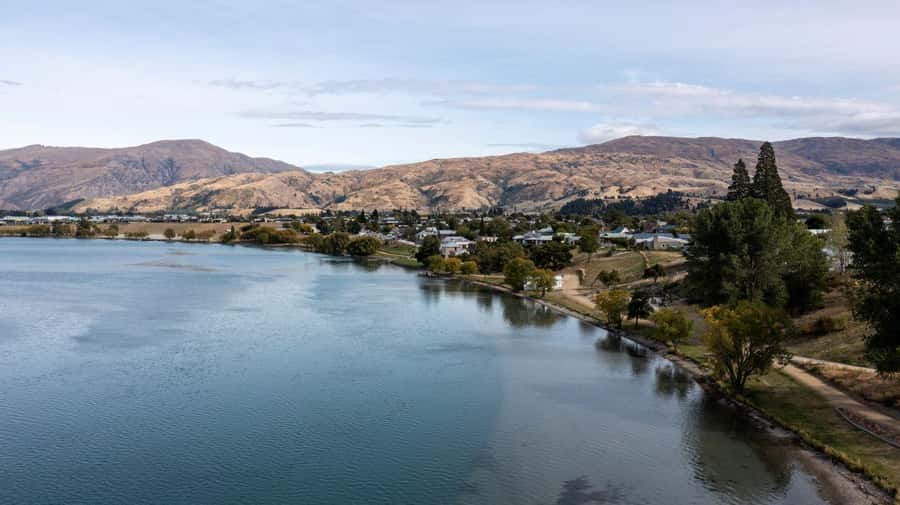
The route then reaches Ophir, where you make a brief photo stop of about five minutes. The focus is the 1880 suspension bridge across the Manuherikia River.
Five minutes is enough for quick photographs and a look at the structure, but not enough for a long walk or a detailed exploration. Think of Ophir as a compact historical pause between the longer Clyde and St Bathans stops.
The bridge is interesting because it shows how people crossed this river in the nineteenth century, when settlements and mining routes depended on practical engineering. It also gives you another view of the Manuherikia River and the open country around it.
This is one reason comfortable shoes matter. The tour involves short walks and roadside sightseeing, not strenuous hiking, but you will be more comfortable stepping out at several locations in footwear made for walking.
St Bathans, Blue Lake, and an old gold town
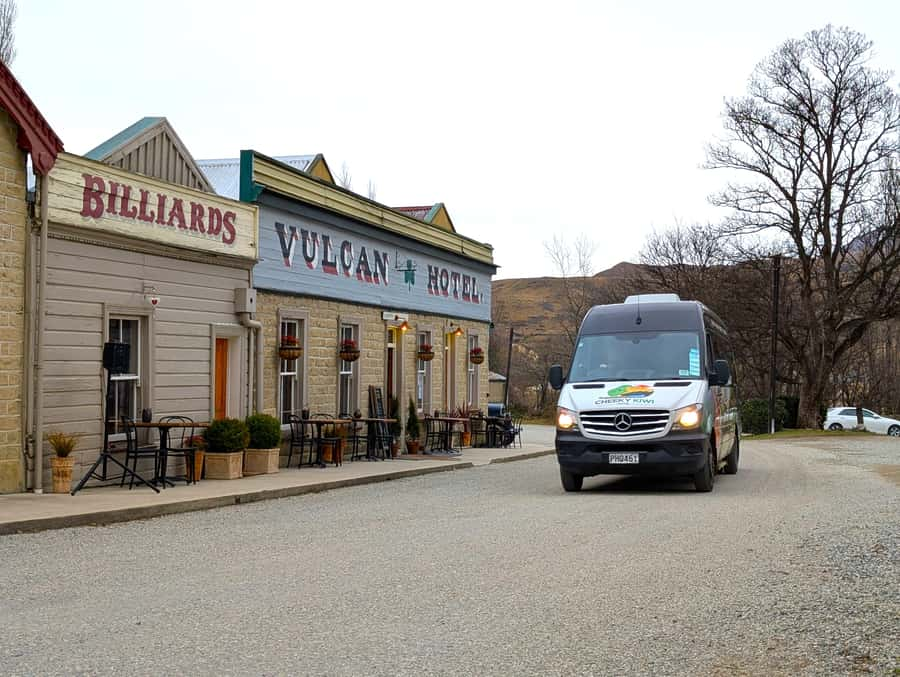
St Bathans is the most distinctive stop on the road journey. You have about 30 minutes to walk, take photographs, and look around the old settlement.
Gold once drew people to St Bathans, and the remaining buildings give the place an atmospheric, almost ghost-town feel. The town is small, so the value comes from its mood and setting rather than from a long list of formal exhibits.
Blue Lake is one of the unusual sights here. It was formed through mining, leaving a body of water that looks striking against the surrounding Otago country. The mining story is easy to understand when you see how human activity changed the ground itself.
You also have time to explore the old buildings and take in the quiet. This is a better stop for people who like small historic places than for anyone seeking shops, entertainment, or a polished attraction.
The 30-minute visit has a limit. You can see the main points, but you will not have time for a long independent wander. Stay aware of the departure time, especially if you walk away from the central area for photographs.
The road to Pukerangi and the change to rail
After St Bathans, the journey continues toward Pukerangi, a remote highland station. This is where the character of the day changes.
You say goodbye to the road guide at Pukerangi and receive a brief train safety briefing. The handover is worth understanding before you book: the road portion is fully guided, but the Taieri Gorge Train is a separate part of the journey. Your guide does not continue with you on the train.
That split gives you more freedom to settle into the rail journey, but it also means you should pay attention to instructions and keep your belongings with you. The whole experience includes both road and rail travel, so it does not feel like a single guided walk or a conventional train excursion.
Pukerangi is valued for its remoteness. You are boarding away from a major city, in the high country, after crossing parts of Otago that many people would otherwise miss.
Two hours on the Taieri Gorge Train
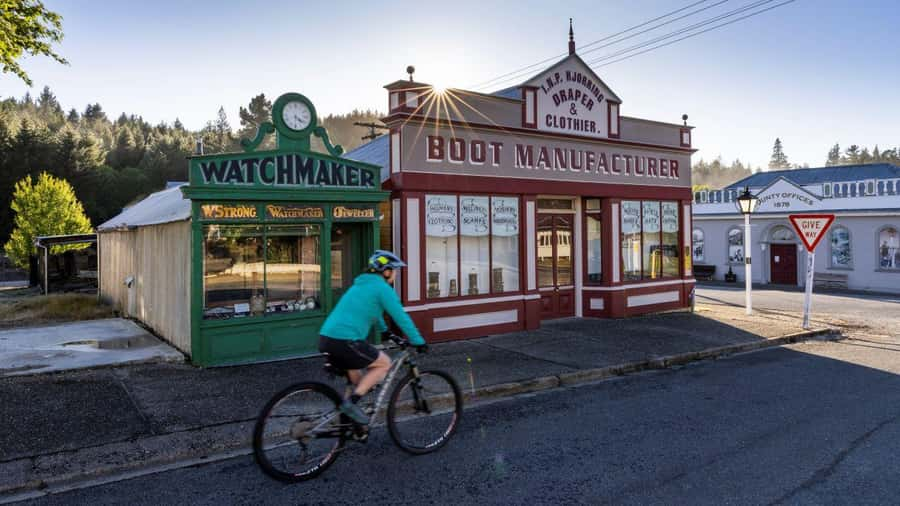
The Taieri Gorge Train ride takes about two hours. This is the scenic centerpiece of the day and the part that turns the transfer into a proper excursion.
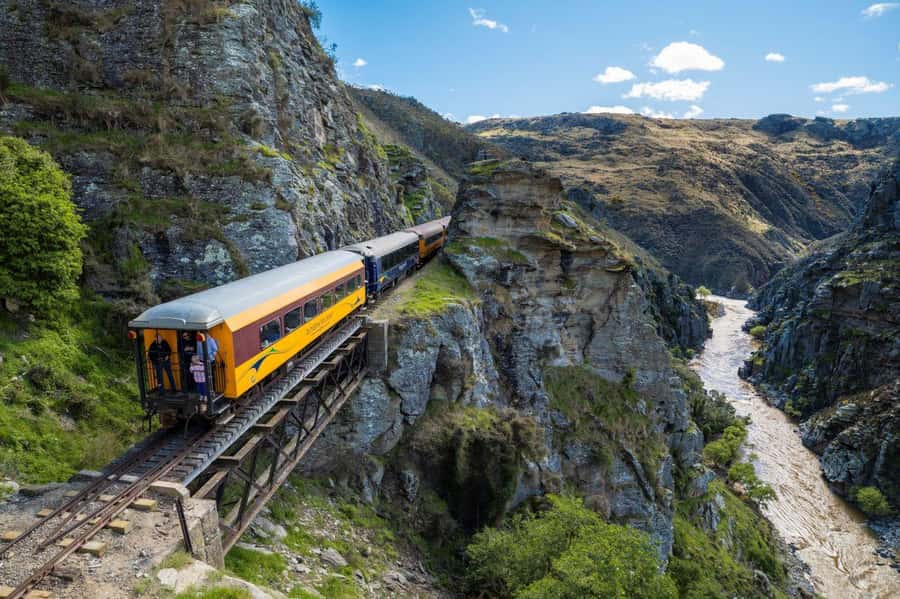
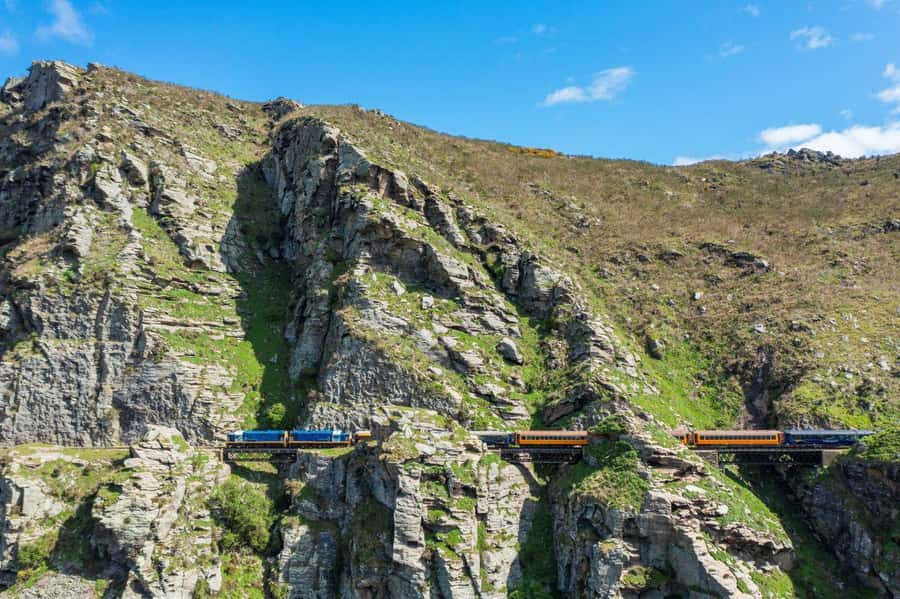
The train travels through deep canyons, across viaducts, and through old tunnels. You can expect broad views of cliffs, river valleys, and rugged inland country. The pace allows you to watch the setting change without needing to navigate or keep checking the road.
I like the contrast with the morning. In the Mercedes-Benz, you hear the guide and stop at historic settlements. On the train, the focus shifts to views and the physical route itself. The rail line reaches places that feel more remote than the roads around them suggest.
Bring your camera, but do not spend the entire ride looking through it. Some of the best value is simply seeing the gorge open and close around the train, with viaducts and tunnels breaking up the views.
You should also dress for changeable weather. The supplied information specifically recommends comfortable clothing, sunscreen, water, and suitable shoes. Conditions can shift quickly in the South Island, and a sunny Queenstown departure does not guarantee the same weather later in the day.
Arriving at Dunedin Railway Station
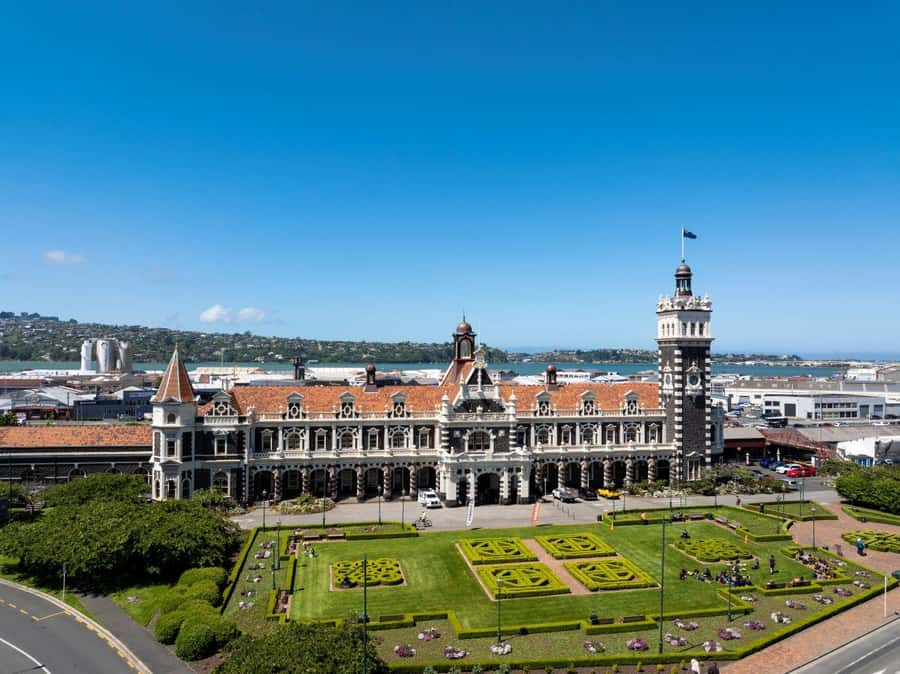
The journey ends at Dunedin Railway Station, one of New Zealand’s most ornate railway buildings. It is a fitting arrival point after a day built around old transport routes, mining towns, bridges, and heritage rail.
You are dropped at the station rather than at a Dunedin hotel. That is convenient if you are staying near the center or continuing by local transport, but you should arrange the next part of your journey before arrival if you have luggage or a fixed booking.
Dunedin gives you a very different feel from Queenstown. The city is known for Scottish connections, culture, and historic architecture. This tour does not include a city tour, so consider the station your arrival point, not the final sightseeing activity.
Comfort, walking, and the small-group setup
The vehicle is a comfortable Mercedes-Benz, and the group size is limited to 16. That makes a real difference during a full day on the road. You spend less time handling the logistics of a large group and more time looking out the window or listening to the guide.
The experience is not wheelchair suitable. It includes getting in and out of the vehicle, walking around historic settlements, and moving through rail stations and sightseeing stops.
You do not need advanced fitness. The walking is described as part of visiting the towns and sites, with no long hike included. Still, anyone who has difficulty on uneven ground or with repeated vehicle changes should think carefully before booking.
Smoking is not allowed in the vehicle, and drinks are not allowed inside it. Bring water for the day, but follow the vehicle rules.
Who should book this eight-hour journey
I would choose this tour if I wanted to move between Queenstown and Dunedin while seeing Central Otago rather than spending the whole day on a direct transfer.
It suits you especially well if you like:
- Small historic settlements and gold mining stories
- Scenic road journeys with a guide
- Heritage railways and mountain scenery
- A practical one-way route between two South Island cities
- A full day with several short stops rather than one long attraction
It may not suit you if you want a relaxed schedule with long meals, extensive time in each town, or a direct point-to-point transfer. The itinerary keeps moving, and the 15-minute Clyde stop and five-minute Ophir stop are brief.
Service is another reason to consider it. A recent five-star booking specifically praised the service and the views of valleys and farmland. That matches the main strength of the experience: the day is well suited to people who value a smooth ride, clear organization, and scenery that unfolds over many hours.
What to bring and how to prepare
Wear comfortable shoes and clothes that work for both short walks and sitting on the train. Bring sunscreen, water, and a camera. Snacks and water are provided, but morning tea at Dunstan House is purchased separately.
Give yourself time at pickup. The tour serves many listed Queenstown locations, and exact pickup arrangements matter. If your hotel is not on the list, select the nearest available point rather than expecting door-to-door service.
The tour runs in English and requires the names of all people booking. It offers free cancellation up to 24 hours before departure, and you can reserve now and pay later, which helps if your South Island plans are still taking shape.
Should you book the Queenstown to Dunedin tour?
Book it if you want the journey itself to be part of your holiday. The mix of Kawarau Gorge, Lake Dunstan, Clyde, Ophir, St Bathans, and the Taieri Gorge Train gives you a broad view of Central Otago in one day.
The $173 price makes the most sense when you need one-way transport anyway. You get a guided road trip, a comfortable small-group vehicle, historic town visits, and a two-hour scenic train ride for one fare.
Skip it if your priority is speed, a private schedule, or lots of time in one place. For everyone else, this is a smart way to connect Queenstown and Dunedin while seeing valleys, farmland, mining towns, river country, and rail scenery that a simple transfer would leave behind.
FAQ
How long does the Queenstown to Dunedin experience take?
The experience lasts about eight hours, including the road journey, stops, and the Taieri Gorge Train ride.
Where does the tour begin?
Pickup is offered from selected hotels, hostels, resorts, and the Frankton Terminus in Queenstown. If your accommodation is not listed, choose the nearest available pickup location.
Where does the experience finish?
The journey finishes at Dunedin Railway Station.
Is transportation included?
Yes. The road portion uses a comfortable Mercedes-Benz vehicle, and the Taieri Gorge Train ticket from Pukerangi to Dunedin is included.
Is the experience guided?
The road journey from Queenstown to Pukerangi is fully guided in English. You say goodbye to the guide at Pukerangi before boarding the train.
Is morning tea included?
The stop at Dunstan House is included, but the cost of food and drinks there is not. Water and snacks are provided during the experience.
How large is the group?
The experience is limited to a maximum of 16 people.
What should I bring?
Bring comfortable shoes, comfortable clothing, sunscreen, water, and a camera. Weather can change quickly, so layers are useful.
Is the experience suitable for wheelchair users?
No. The experience is not suitable for wheelchair users.
Can I cancel or pay later?
You can cancel up to 24 hours in advance for a full refund. The booking option also allows you to reserve your place and pay later.
Just added around Dunedin
- Invercargill to Dunedin via the Catlins Small Group 1 Way Tour★ 5.0 · 5 reviews
- Wildlife and Penguin Tour★ 5.0 · 27 reviews
- Dunedin City – Settlers & Voyages Tour★ 5.0 · 13 reviews
- Twilight at the Opera★ 5.0 · 5 reviews
- Speight’s Brewery Tour & Dinner★ 5.0 · 7 reviews
- Private Guided Tour of Dunedin City Heritage and Unique Wildlife and Scenery★ 5.0 · 36 reviews
- Shared Small Group Dunedin City and Peninsula Scenery Day Tour★ 5.0 · 5 reviews
- Southern Skies Stargazing Tour in Dunedin★ 5.0 · 62 reviews
Train Experiences, compared.
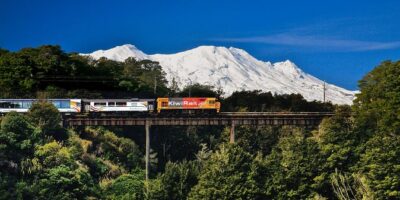
Northern Explorer Train Journey from Wellington to Auckland
Read our review →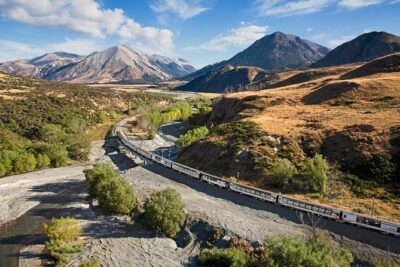
TranzAlpine Train, Arthur’s Pass and Castle Hill Day Trip
Read our review →
Coastal Pacific Train Journey from Picton to Christchurch
Read our review →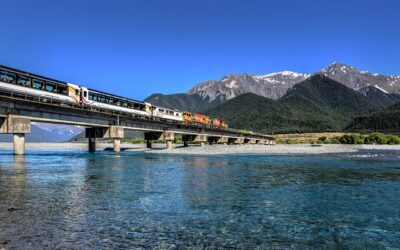
TranzAlpine Train Journey: Christchurch to Greymouth
Read our review →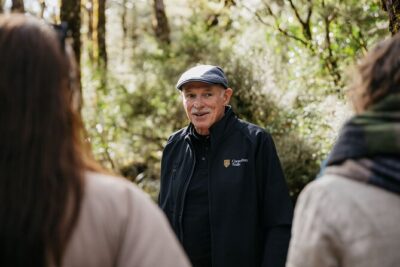
Arthur’s Pass Discovery and TranzAlpine Train – Small Group Tour
Read our review →
Arthur’s Pass: TranzAlpine Train and Castle Hill Day Tour
Read our review →
Northern Explorer Train Journey from Auckland to Wellington
Read our review →
Arthur’s Pass and TranzAlpine Train Day Tour from Christchurch
Read our review →Browse the lists this tour appears in